Fahaka Puffer: Tetraodon lineatus
One of the largest freshwater puffers. Extremely aggressive but highly intelligent and interactive.
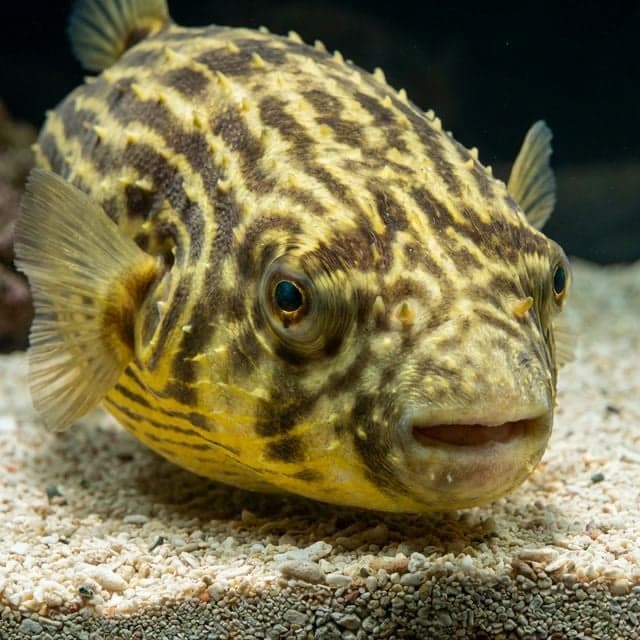
Fahaka Puffer
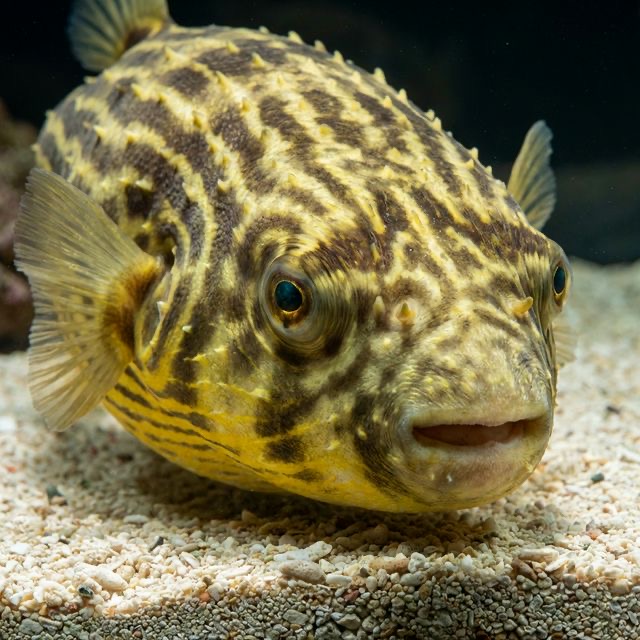
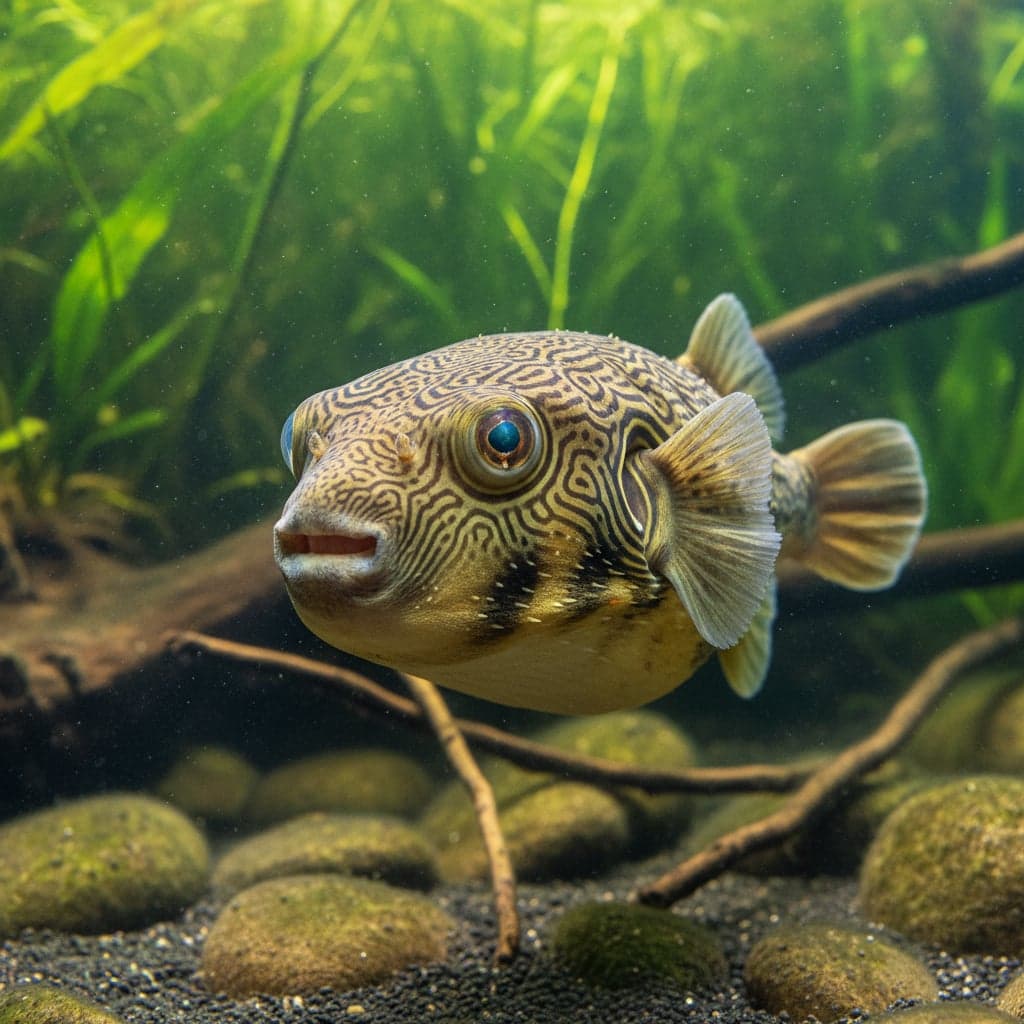
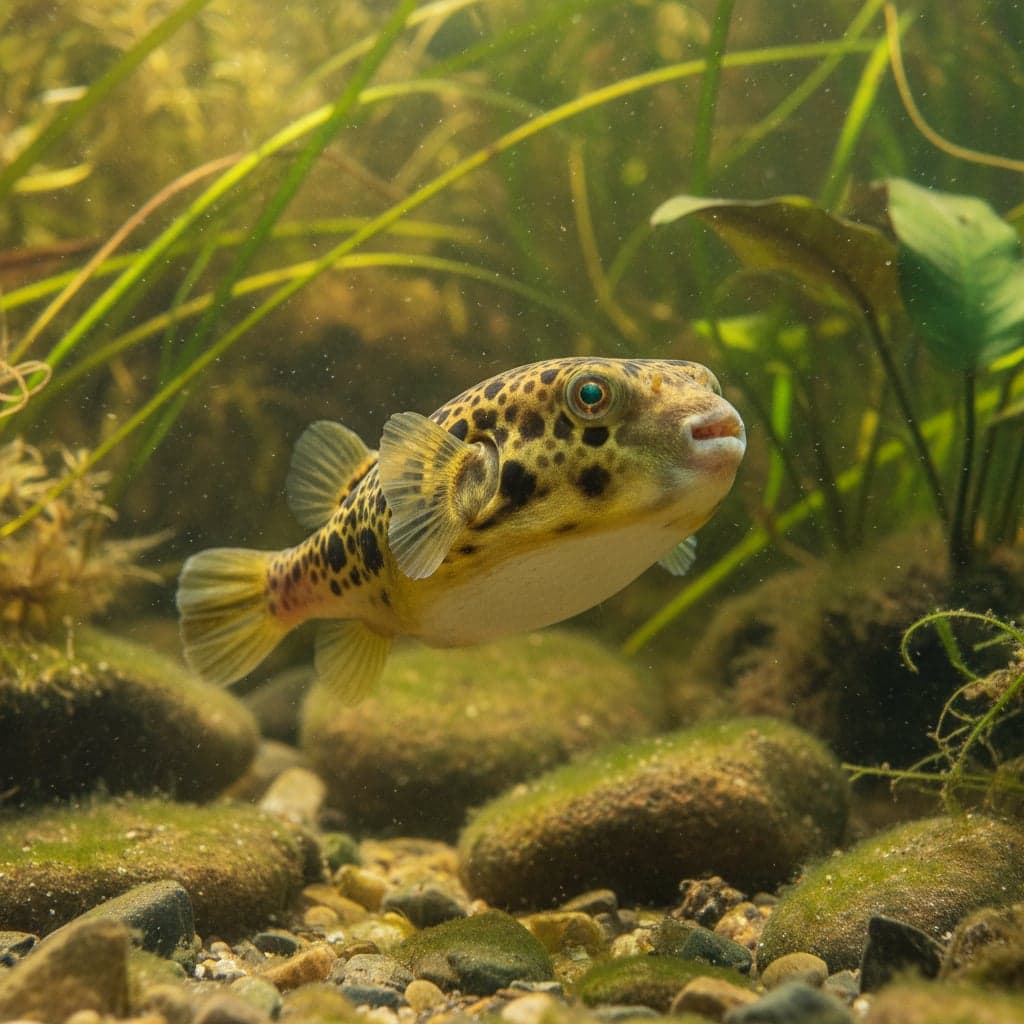
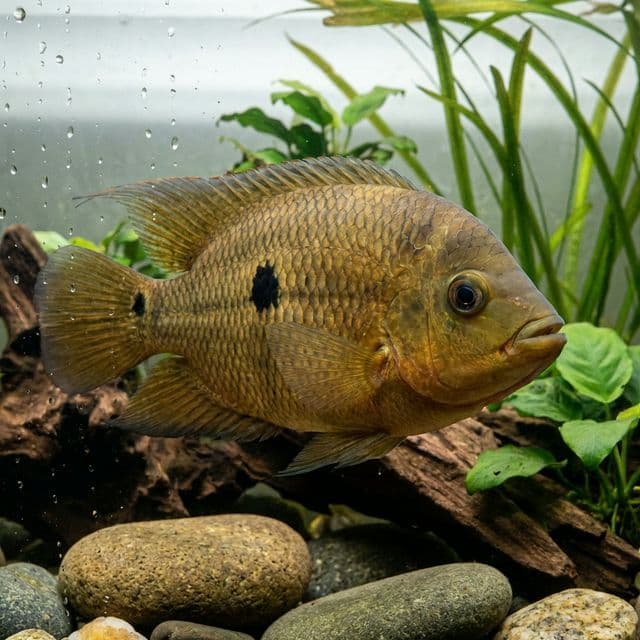
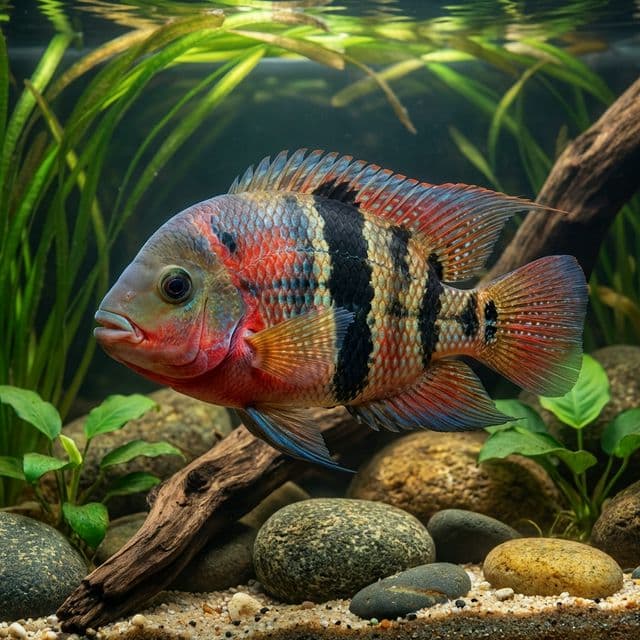
The Fahaka Puffer, scientifically known as Tetraodon lineatus, is a strikingly unique freshwater fish renowned for its captivating appearance and intriguing personality. Characterized by its rounded body, pronounced eyes, and a vibrant pattern of greens and yellows, the Fahaka Puffer can reach a size of up to 12 inches in length, making it a focal point in any aquarium setup. Its ability to inflate as a defensive mechanism, along with its deceptively innocent appearance, adds a layer of charm that appeals to both novice and experienced aquarists alike. Due to its distinctive look and engaging behaviors, the Fahaka Puffer has gained considerable traction in the aquarium hobby, where it is often sought after for its personality and aesthetic appeal.
The significance of the Fahaka Puffer in the aquarium hobby extends beyond its visual allure; it also embodies the fascinating relationship between fish and their natural behaviors. This species utilizes its evolutionary adaptations, such as powerful beak-like jaws, to access food sources that many other fish cannot reach. As an intelligent and interactive fish, the Fahaka Puffer engages with its environment and owners, showcasing curiosity and an ability to recognize familiar faces. This combination of beauty and behavioral complexity makes the Fahaka Puffer a rewarding choice for aquarists looking to create a lively and engaging aquatic setting.
Natural Habitat & Origin
Fahaka Puffers are indigenous to the freshwater river systems of Africa, particularly in countries like the Democratic Republic of Congo, Uganda, and parts of Sudan. They inhabit various freshwater environments including lakes, rivers, and floodplains, often favoring slow-moving waters. The geographical context of their origin plays a crucial role in shaping their needs in captivity. Fahaka Puffers are commonly found in areas with substantial vegetation, where they can find hiding spots and ample food sources.
The water conditions in their natural habitat include slightly acidic to neutral pH levels ranging from 6.5 to 7.5, with a temperature usually between 24°C to 28°C (75°F to 82°F). They thrive in habitats where the water is rich in organic material, often resulting in blackwater conditions due to decaying plant matter. This environment provides an essential ecological niche for the Fahaka Puffer, filled with soft substrates that contribute to their natural behaviors.
Care Requirements
Maintaining optimal care for the Fahaka Puffer requires a well-planned aquarium setup. A minimum tank size of 75 gallons is recommended for a single Fahaka Puffer, as this robust fish needs ample swimming space to thrive. The substrate should consist of soft, fine sand or smooth gravel to prevent injury to their delicate undersides. Lighting should remain moderate, as intense lighting can stress them and lead to unwanted algae growth.
Water parameters are crucial for the health of Fahaka Puffers. They prefer slightly acidic to neutral pH levels (6.5 - 7.5), a temperature range of 24°C to 28°C (75°F to 82°F), and moderately hard water (5 - 15 dGH). To replicate their natural habitat, consider incorporating driftwood and aquatic plants, which provide hiding spots and mimic the puffer's typical environment. Bear in mind that Fahaka Puffers are notorious for uprooting plants, so using robust species like Java ferns or Anubias is advisable.
Diet & Feeding
Fahaka Puffers are primarily carnivorous and exhibit a varied diet in captivity. Their natural diet consists of snails, crustaceans, and small fish, making a protein-rich feed vital for their health. While they can consume high-quality pellets or flakes, it is crucial to supplement their diet with frozen or live foods such as brine shrimp, bloodworms, and mussels. This ensures they receive essential nutrients and helps wear down their continuously growing beak-like teeth.
In terms of feeding habits, it's recommended to offer small meals 2-3 times a day, focusing on maintaining a balanced and diverse diet. Providing shellfish like snails is particularly beneficial, as it aids in dental health by naturally grinding their teeth down. It’s important to avoid overfeeding, as Fahaka Puffers can become overweight, leading to health issues in the long run.
Behavior & Temperament
The Fahaka Puffer showcases a fascinating blend of curiosity and territoriality, making its behavior a fascinating subject of observation. While they are generally regarded as solitary fish, Fahaka Puffers can sometimes display a degree of social interaction, especially during feeding. However, they are not known for compatible schooling habits and tend to prefer their territory, often exhibiting aggressive behavior toward tank mates that challenge their space.
Their behavior includes a preference for mid to bottom levels of the tank, where they explore and forage for food. The Fahaka Puffer is known to display unique antics, including puffing up when feeling threatened or excited, which can be both entertaining and a remarkable display of their natural instincts. It is essential for owners to provide sufficient hiding spots and visual barriers to ensure that these fish feel secure in their environment.
Tank Mates
Choosing the right tank mates for a Fahaka Puffer can be a challenging task due to their aggressive nature. For optimal compatibility, larger and robust species are recommended as they are less likely to be intimidated or harmed by the Fahaka Puffer. Ideal tank mates include larger cichlids like the Oscar and some species of catfish like the Synodontis, which can withstand the Fahaka's occasional territorial disputes.
Conversely, it is advisable to avoid keeping them with smaller or more docile species, such as tetras, guppies, or other small fish, as they may be seen as prey. Additionally, keeping them with other puffers is generally discouraged, as interspecific aggression can lead to stress and injury. Overall, seeking out compatible tank mates requires careful consideration of size, temperament, and the specific needs of each species.
Breeding
Breeding Fahaka Puffers in captivity is a rare occurrence; however, understanding their spawning behavior can be beneficial for enthusiasts who wish to attempt this endeavor. In their natural habitat, Fahaka Puffers tend to spawn during the rainy season when water levels rise, providing opportunities for nesting. In a breeding environment, a spacious tank with clean, well-maintained water and a temperature around 26°C (79°F) is crucial for creating ideal spawning conditions.
The male Fahaka Puffer often engages in courtship behaviors that involve chasing the female and performing displays of dominance. If prompted, females will lay eggs on flat surfaces or decorations within the tank, with clusters typically containing around 200 eggs. After fertilization, it’s essential to remove the parents, as they may consume the eggs or fry. Providing suitable food and nurturing care for the fry is crucial as they grow, ensuring a successful breeding process in captivity.
Common Health Issues
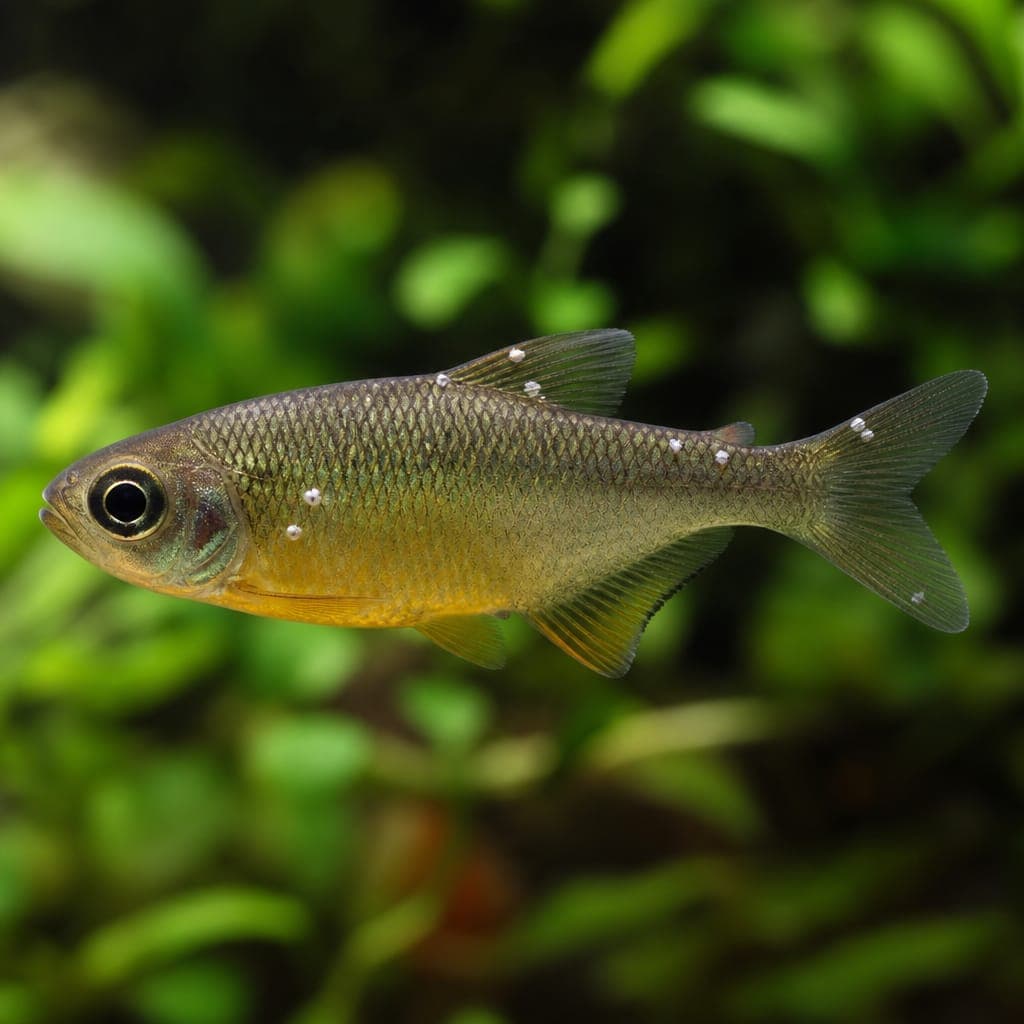
Fahaka Puffers, like many aquarium fish, can be prone to specific health issues that can affect their well-being. Among these, the most common ailments include ich (Ichthyophthirius multifiliis), fin rot, and bacterial infections. Ich is a parasitic infection that manifests as white spots on the skin, while fin rot is often a result of poor water quality and stress, leading to frayed or disintegrating fins.
To prevent these health issues, regular water testing and maintenance are fundamental. Maintaining stable water parameters, performing regular water changes, and quarantining new tank mates go a long way toward preventing outbreaks. Because Fahaka Puffers are solitary and produce a heavy bioload, oversized filtration and a shell-rich diet that wears down their beak are equally important for long-term health.