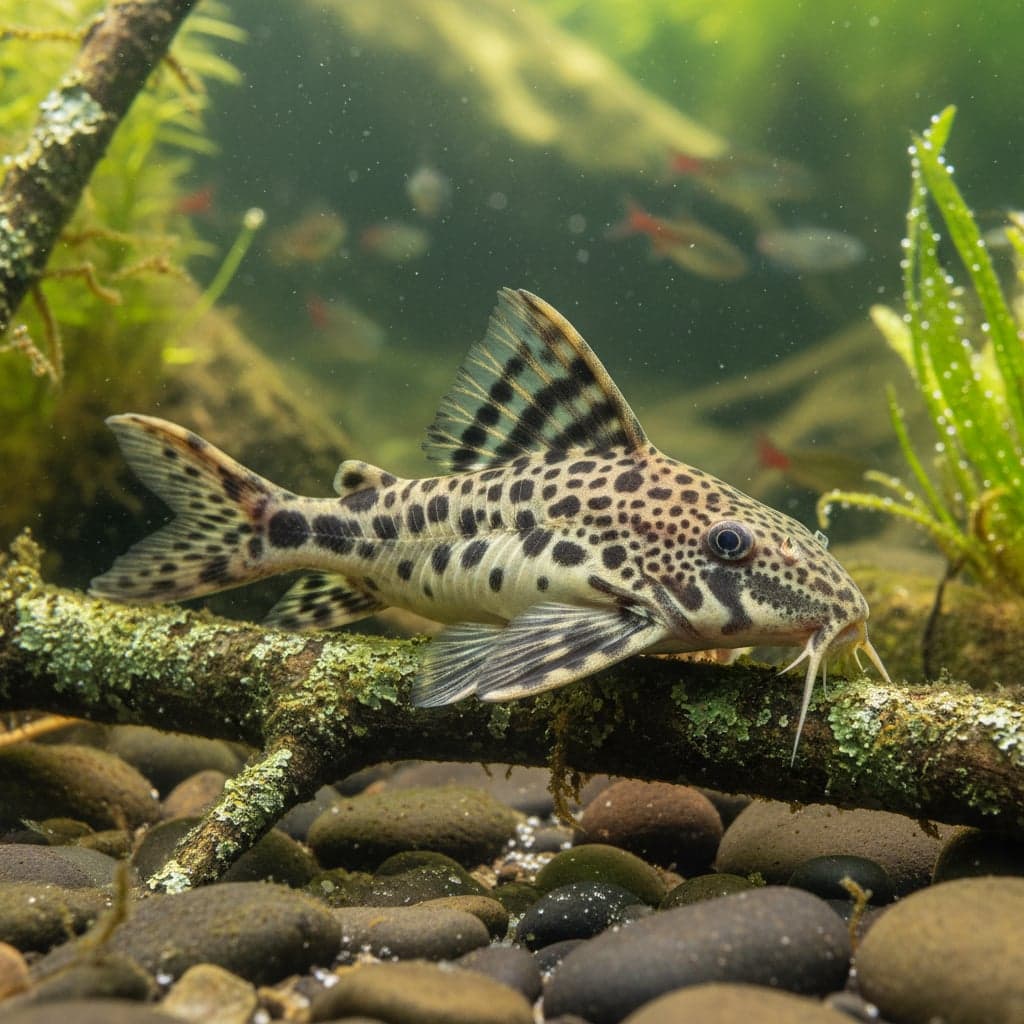
False Upside Down Catfish: Synodontis nigrita
A large Synodontis that occasionally swims upside down. Not a true upside-down specialist.
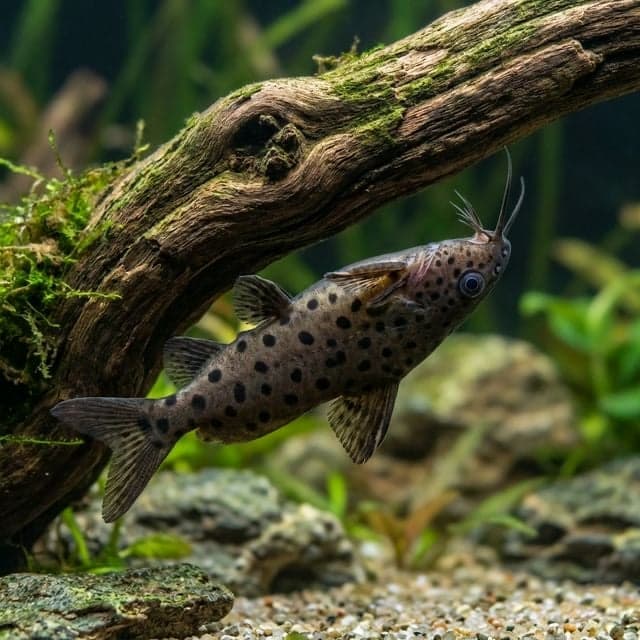
False Upside Down Catfish
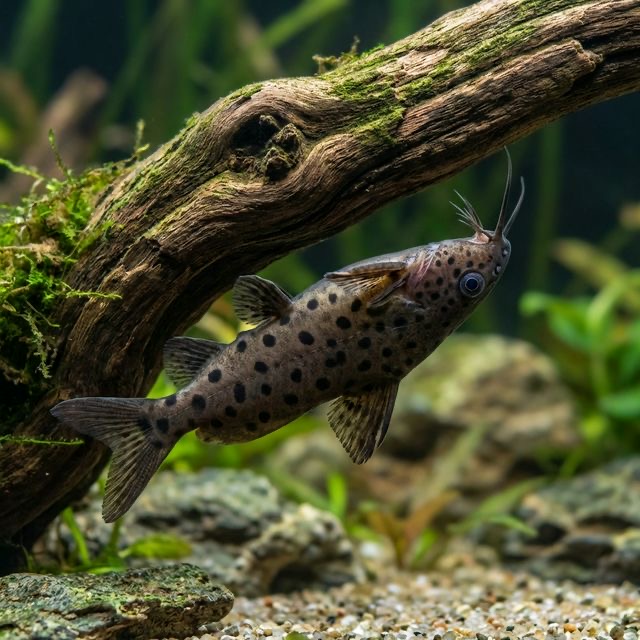
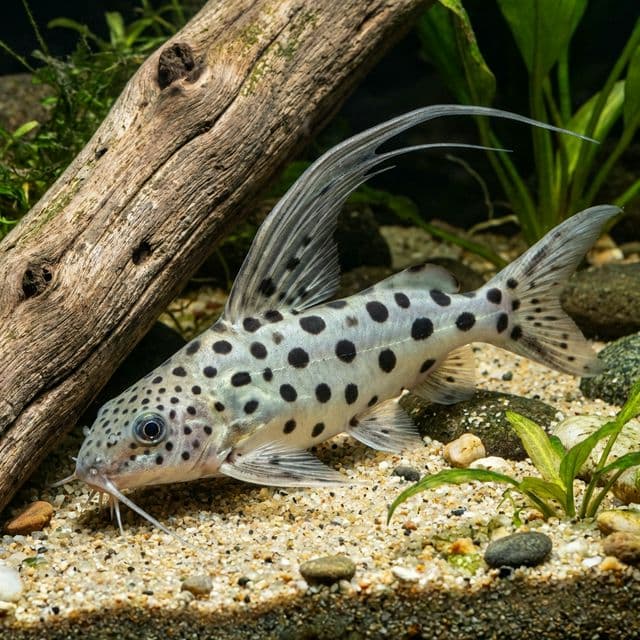
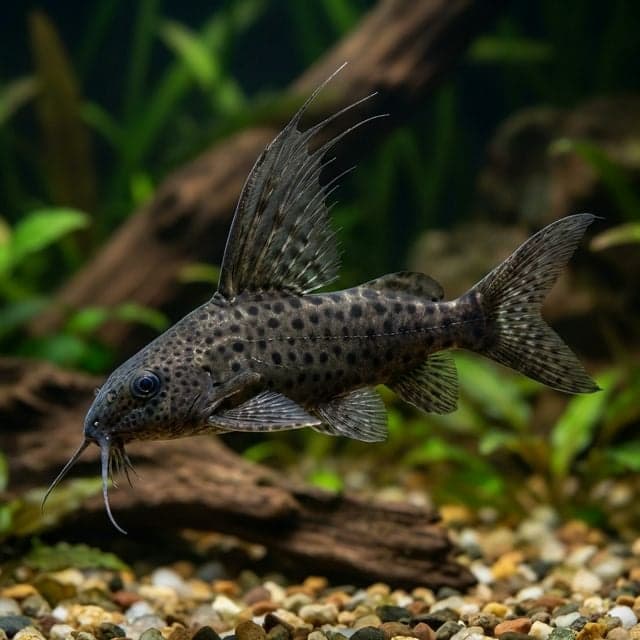
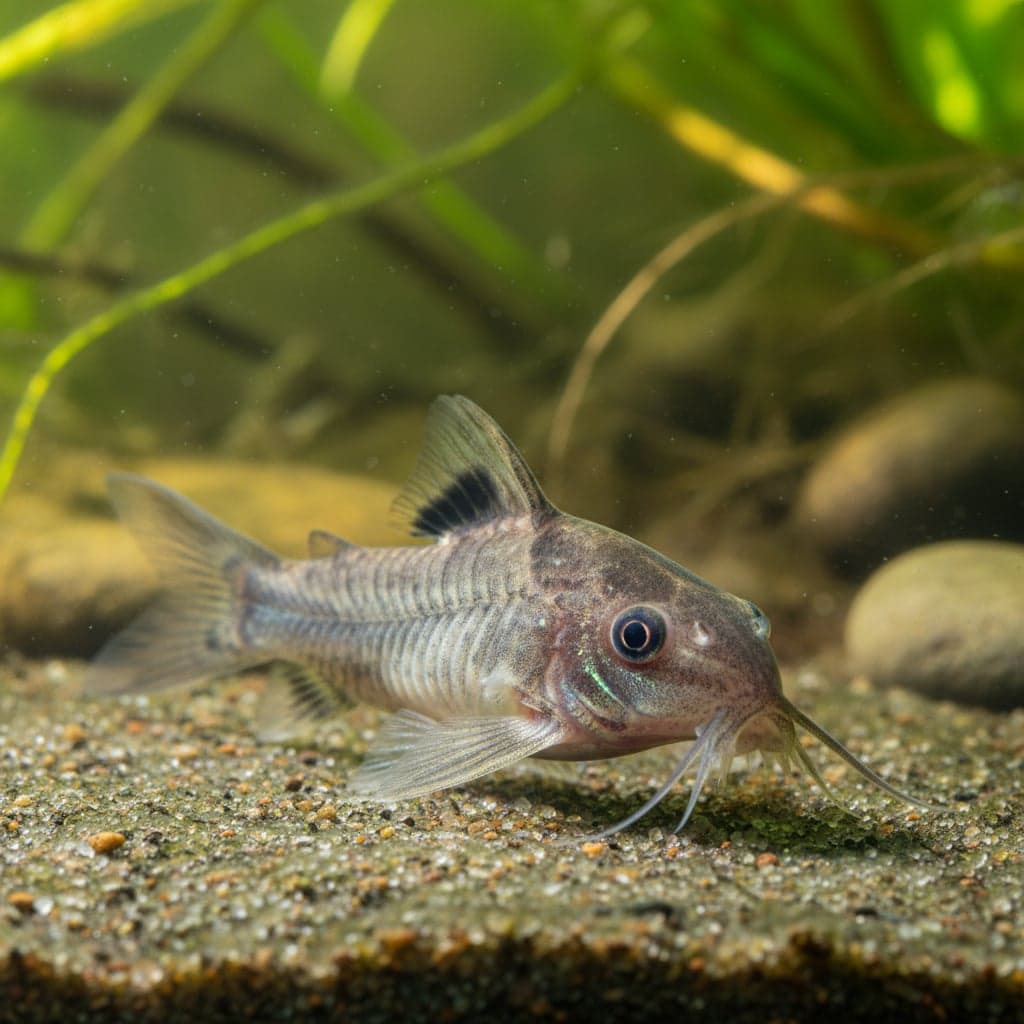
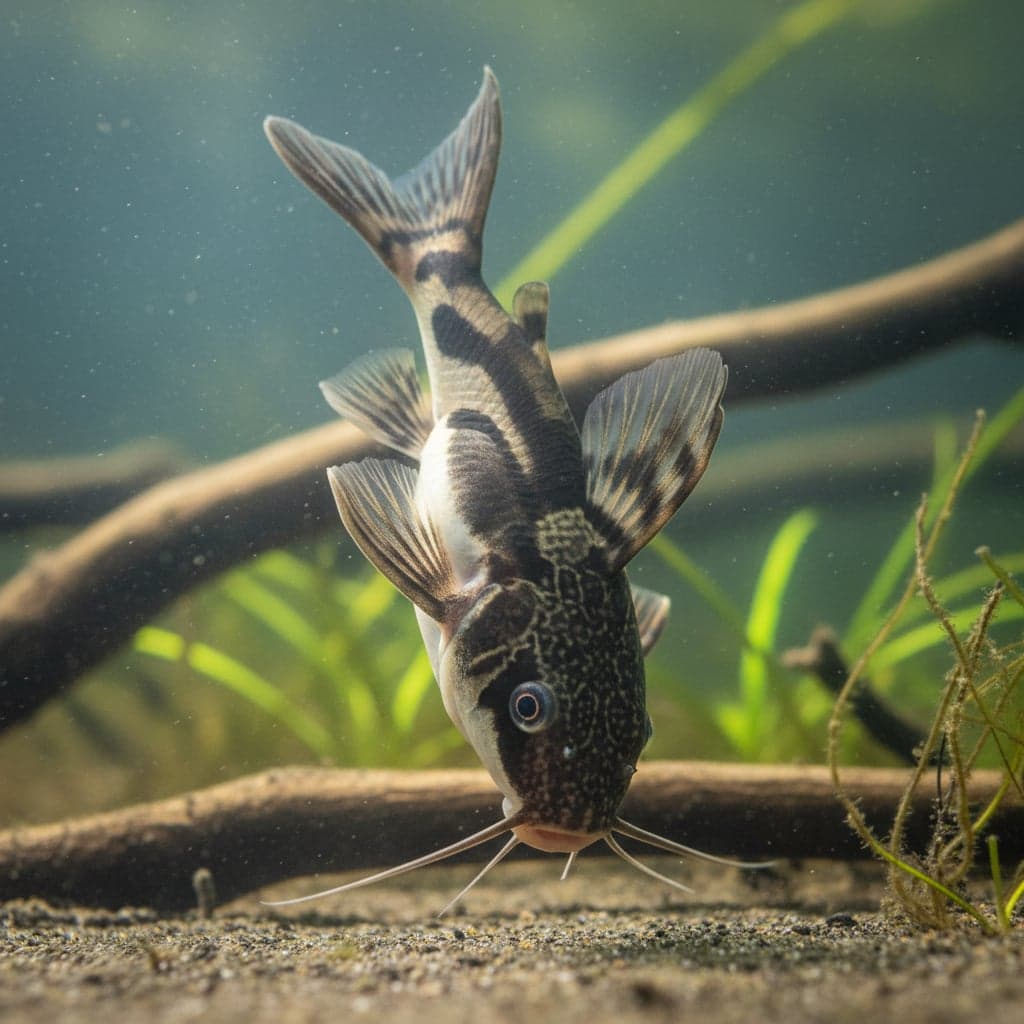
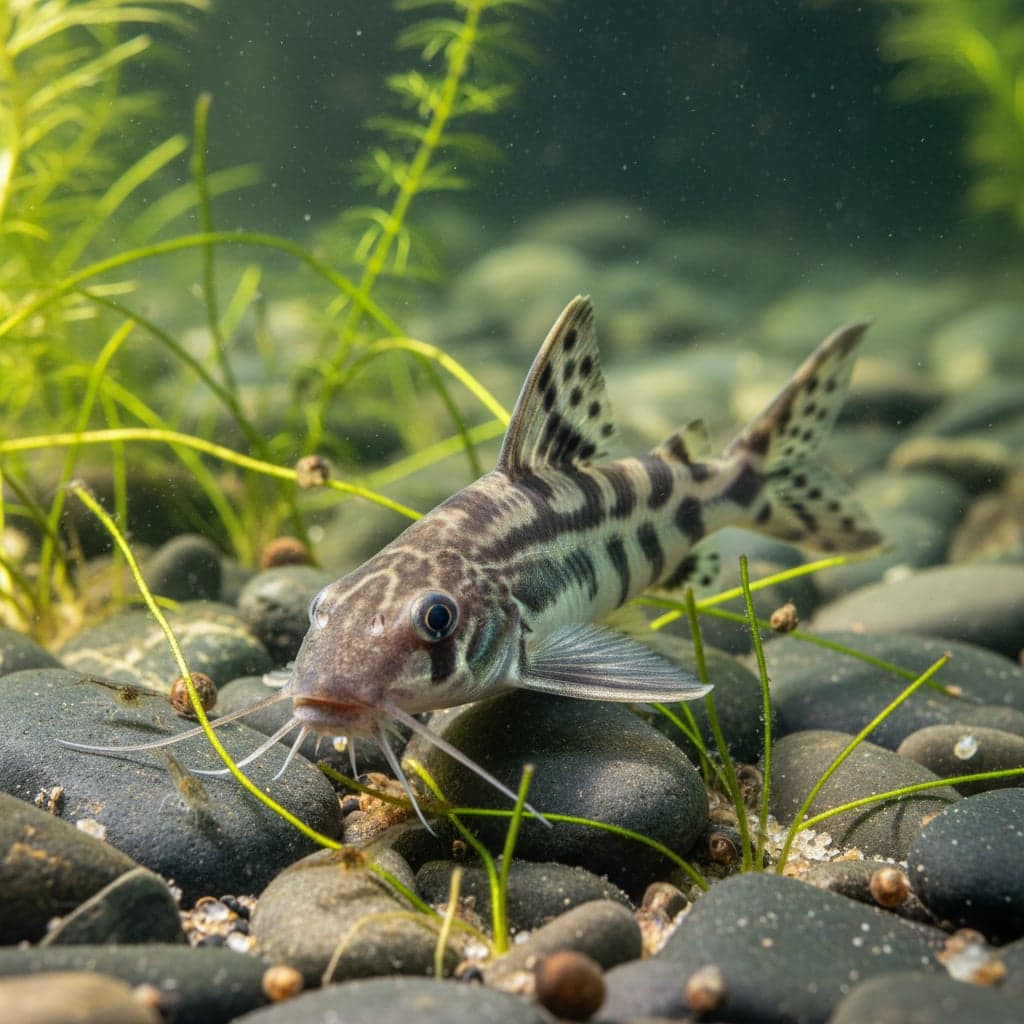
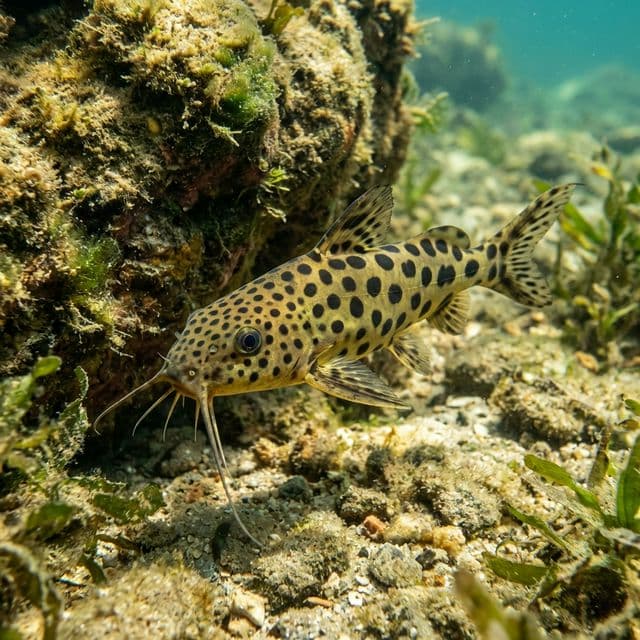
The False Upside Down Catfish, scientifically known as Synodontis nigrita, is a captivating freshwater species that has gained immense popularity among aquarium enthusiasts. This fish is celebrated for its unique swimming behavior, which involves flipping upside down while gliding gracefully along the tank bottom. Its visually striking appearance features a sleek, elongated body adorned with a pattern of mottled black and yellow-gray spots, providing an excellent combination of aesthetic appeal and engaging quirks. This species not only captivates with its beauty but also enriches aquarium habitats by adding life and movement, making it a cherished addition to community tanks.
In the aquarium hobby, the False Upside Down Catfish has significant ecological and interactive value. Its tendency to swim inverted adds an engaging dynamic to any tank, while its peaceful demeanor makes it a fantastic candidate for community setups. These catfish grow to a maximum length of approximately 5-6 inches, allowing them to fit comfortably in most appropriately sized aquariums. For enthusiasts seeking a lively and interactive species that will not only beautify the tank but also serve as a fascinating conversation starter, the False Upside Down Catfish is a perfect choice.
Natural Habitat & Origin
The False Upside Down Catfish is native to the waters of Western Africa, specifically the Congo River Basin and surrounding tributaries. This species thrives in slow-moving rivers, swamps, and floodplains where the water can often be described as dark or "blackwater," rich in organic matter and nutrients. The natural habitat is characterized by a mix of dense vegetation and submerged structures, which provide hiding spots and breeding grounds for these fish. Their instincts and behaviors are closely tied to these environments, making it vital for aquarium owners to replicate this setting to ensure optimal health and wellbeing.
In the wild, the False Upside Down Catfish prefers habitats with soft substrates and plenty of cover, including leaf litter and submerged wood. This natural environment impacts their adaptability and behavior, encouraging hiding and foraging, which are crucial for their social dynamics and feeding habits. Understanding their natural habitat is key to replicating the conditions in a home aquarium, allowing these fish to thrive and exhibit their natural behaviors.
Care Requirements
When caring for the False Upside Down Catfish, maintaining appropriate water parameters is crucial. Ideally, the pH level should be maintained between 6.0 and 7.5, with a temperature range of 74°F to 78°F (23°C to 26°C). The hardness should be kept within 2 to 15 dGH, simulating the soft, slightly acidic waters they frequent in their natural habitat. These parameters support their health and ensure that they exhibit their natural behaviors.
The tank setup for the False Upside Down Catfish should reflect their natural environment. A minimum tank size of 30 gallons is recommended, providing ample swimming space and hiding spots. The substrate should be soft and sandy to prevent any damage to their delicate bodies when exploring. Incorporating plenty of decorations, such as driftwood, caves, and live plants, not only beautifies the aquarium but also provides essential cover and enrichment. Moderate lighting mimicking natural conditions will enhance their colors and also promote plant growth.
Diet & Feeding
The False Upside Down Catfish is an omnivore, which allows for a broad diet in captivity. In their natural diet, they consume a variety of foods, including detritus, algae, and small invertebrates. For successful feeding practices, a varied diet comprised of high-quality flakes, pellets supplemented with frozen or live foods such as brine shrimp, daphnia, or bloodworms is recommended. Ensuring dietary diversity enhances their health and encourages natural foraging behavior.
Feeding should occur 2-3 times a day with amounts they can consume in a few minutes—this prevents overfeeding and maintains water quality. It's vital to occasionally include plant matter, as they may graze on soft-leaved aquatic plants in their natural environment. This mixed diet keeps your False Upside Down Catfish healthy and active while enhancing their vibrant coloration.
Behavior & Temperament
The False Upside Down Catfish is known for its unique social behavior and docile temperament. These fish are typically very peaceful and can be kept with a variety of other species, making them an excellent choice for community aquariums. They exhibit shoaling behavior, preferring to be kept in groups of at least three to six individuals, which helps reduce stress and encourages more natural behaviors.
In terms of aggression, the False Upside Down Catfish is generally mild-mannered, but it can be territorial, especially when breeding. They can often be seen swimming in various layers of the tank while exhibiting their inverted swimming styles, thus occupying vertical space. Providing them with ample hiding spots allows them to feel secure and minimizes any potential stress or territorial disputes.
Tank Mates
When selecting tank mates for the False Upside Down Catfish, it’s crucial to choose compatible species that share similar water requirements and temperament. Ideal tank mates include community-friendly fish such as Tetras, Rasboras, Barbs, Gouramis, and peaceful cichlids. Other catfish species, such as Corydoras, can also make great companions, owing to their similar environmental needs and calm demeanor.
Conversely, it is best to avoid aggressive or large predatory fish that may see the False Upside Down Catfish as prey or harass them, such as certain Cichlids and larger species of catfish. Avoiding overly territorial or fin-nipping species will ensure a harmonious aquarium environment, allowing all inhabitants to thrive and coexist peacefully.
Breeding
Breeding the False Upside Down Catfish in captivity can be challenging but rewarding. These fish have distinct spawning habits that can often be influenced by environmental factors. To encourage breeding, it is important to replicate their natural habitat by maintaining optimal water conditions, including a slightly increased temperature of around 80°F (27°C) and low light levels. A separate breeding tank can be beneficial, with fine-leaved plants or spawning mop for the eggs.
During spawning, the female will typically lay eggs in shallow areas or among aquatic plants, where the male fertilizes them. The parents will often protect the eggs but can become aggressive during this period. Once the eggs hatch, it is essential to ensure that they are moved to a suitable rearing environment where fry can be fed with infusoria or finely crushed flakes until they are large enough to consume small-sized foods. Successful breeding requires a continual assessment of the environment and careful monitoring of the fry as they mature.
Common Health Issues
While the False Upside Down Catfish is generally hardy, they can be susceptible to certain health issues if not properly cared for. Common ailments include ich (white spot disease), fin rot, and other parasitic infections. Maintaining pristine water quality by performing regular maintenance, including partial water changes and monitoring for ammonia and nitrate levels, is vital in preventing these health issues.
Quarantine new arrivals before introducing them to an established tank can significantly prevent disease outbreaks. Offering a balanced diet and ensuring the aquarium setup reduces stress will also contribute to the overall health of the fish. Regular observation of your False Upside Down Catfish for signs of illness, such as abnormal swimming patterns or loss of appetite, will allow for timely diagnosis and treatment.