The Fancy Goldfish: Carassius auratus
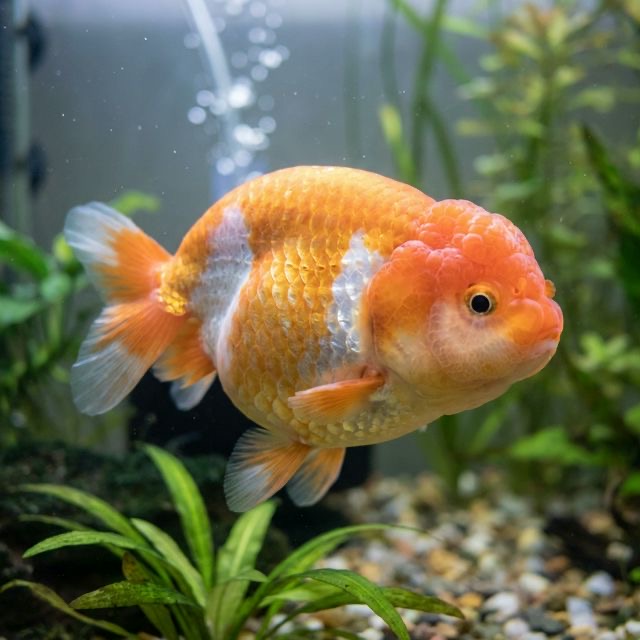
Not a tropical fish—a cold-water classic. Fancy varieties like Orandas, Ranchus, and Ryukins offer stunning diversity but require specialized care.
Fancy Goldfish
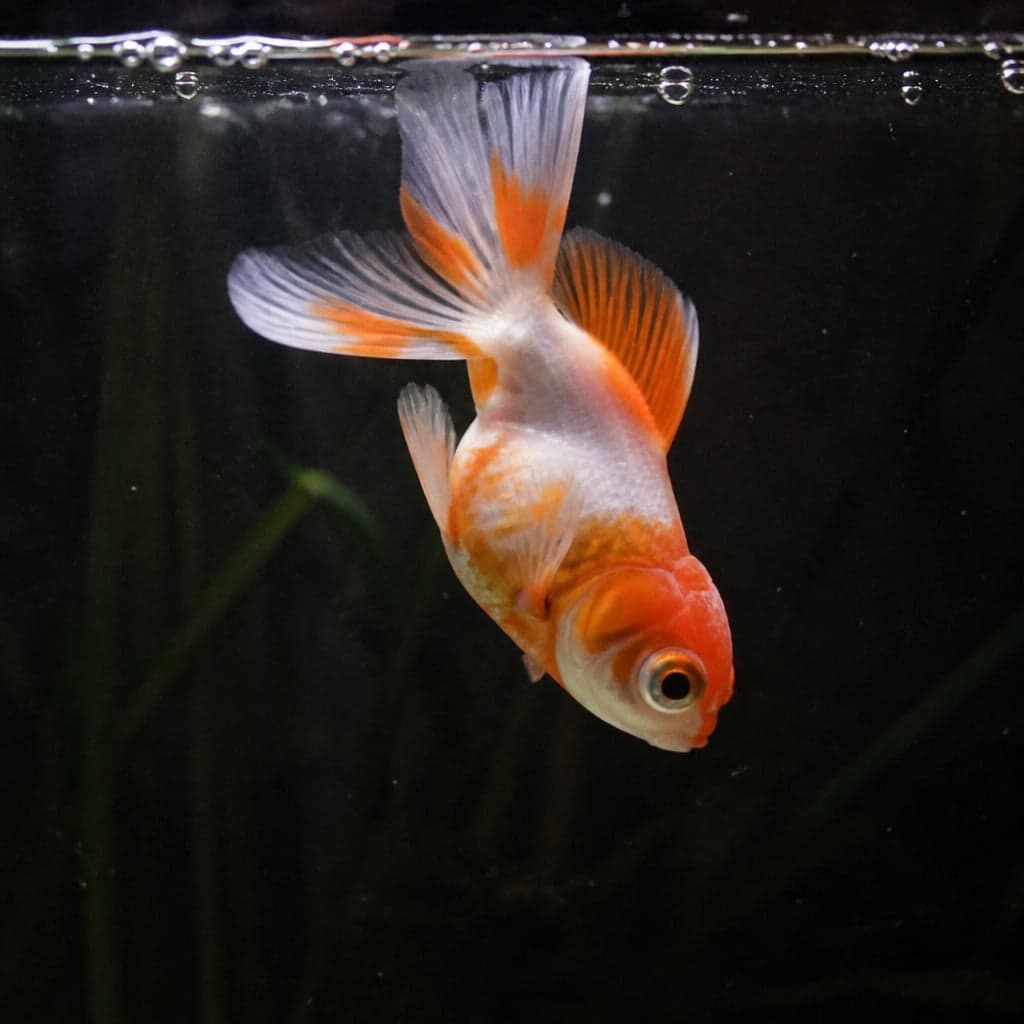
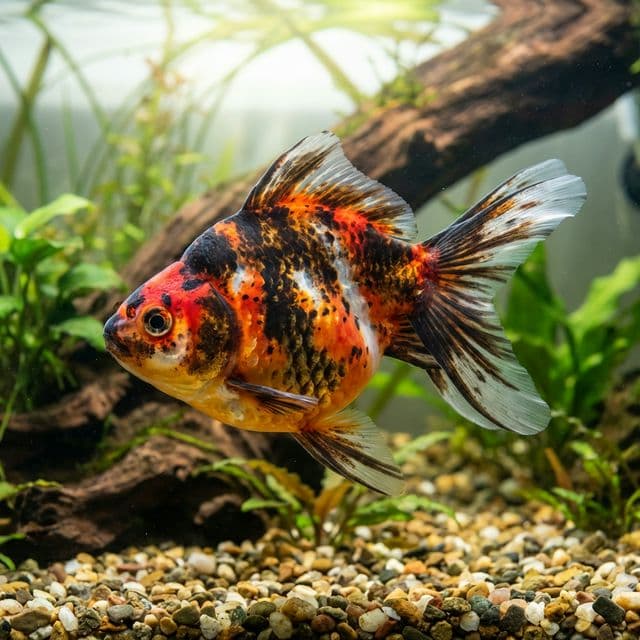
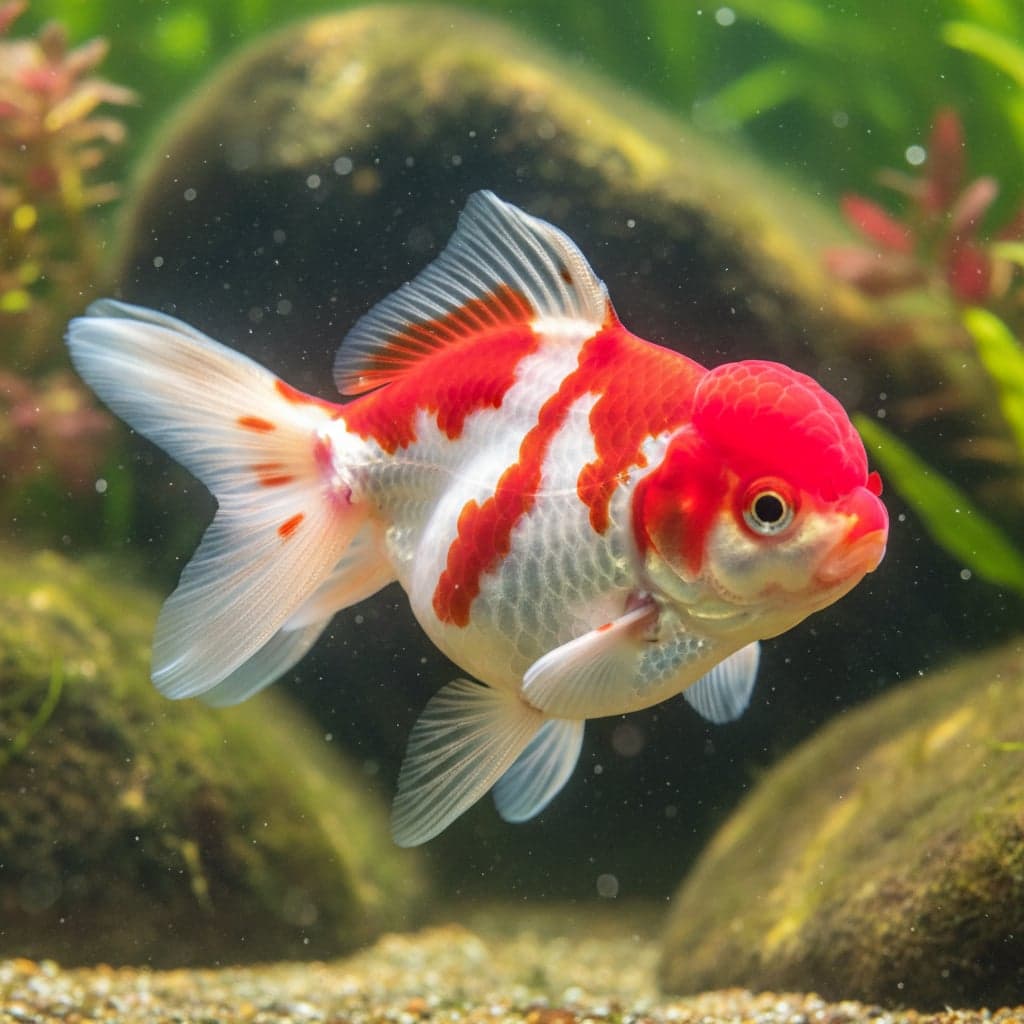
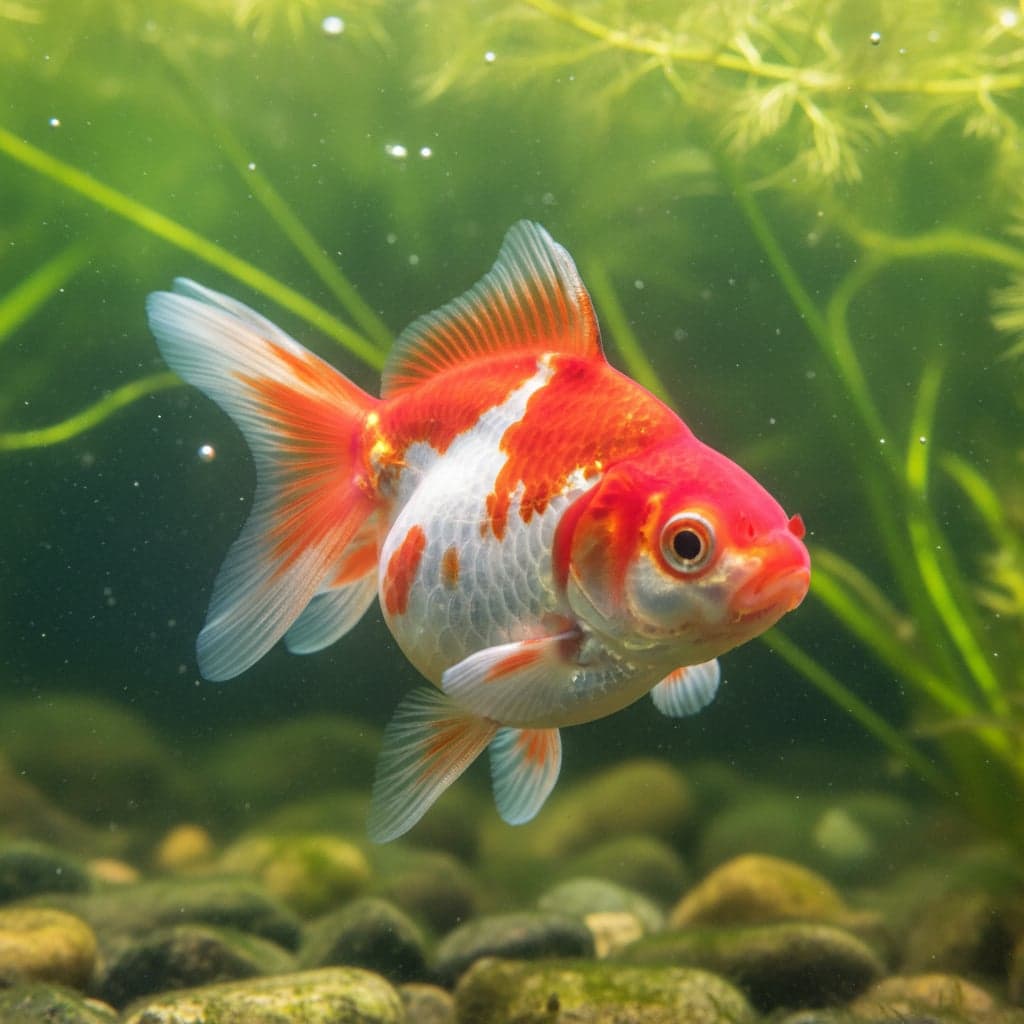
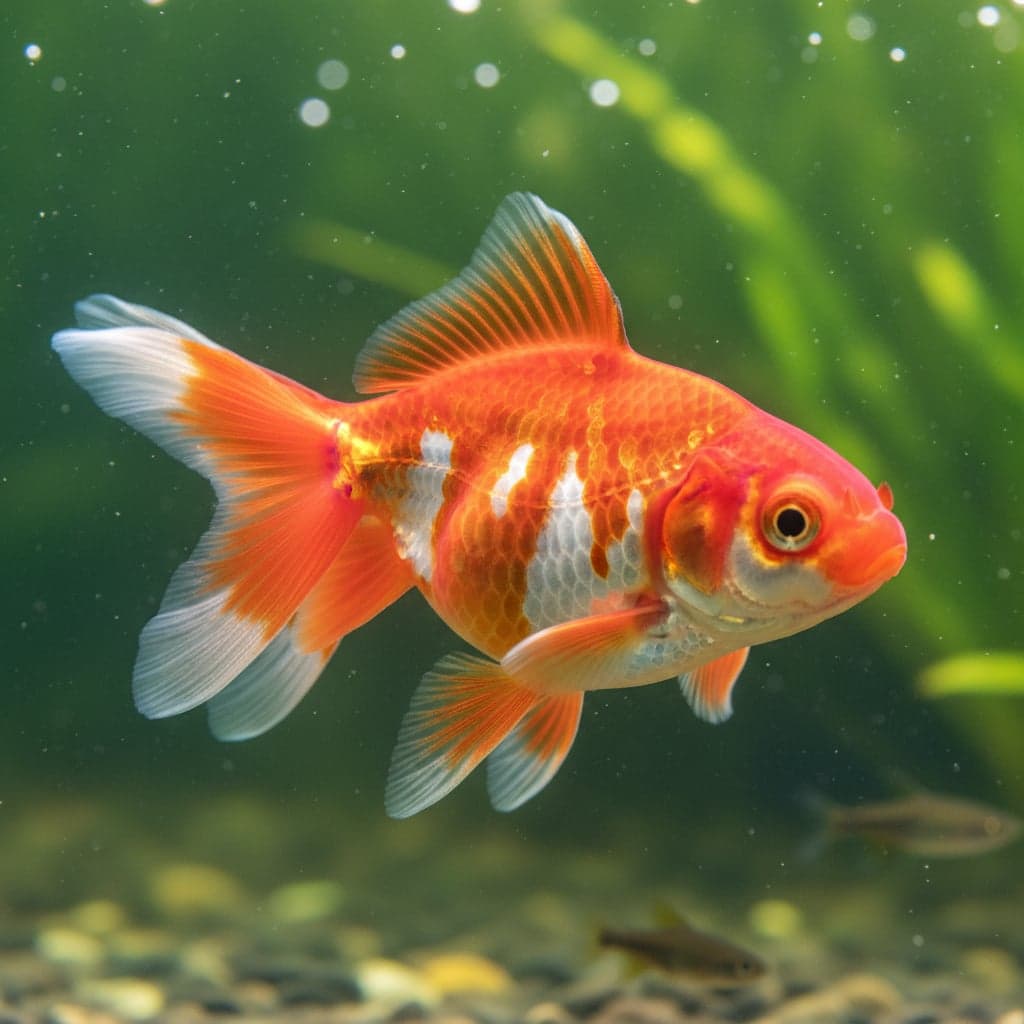
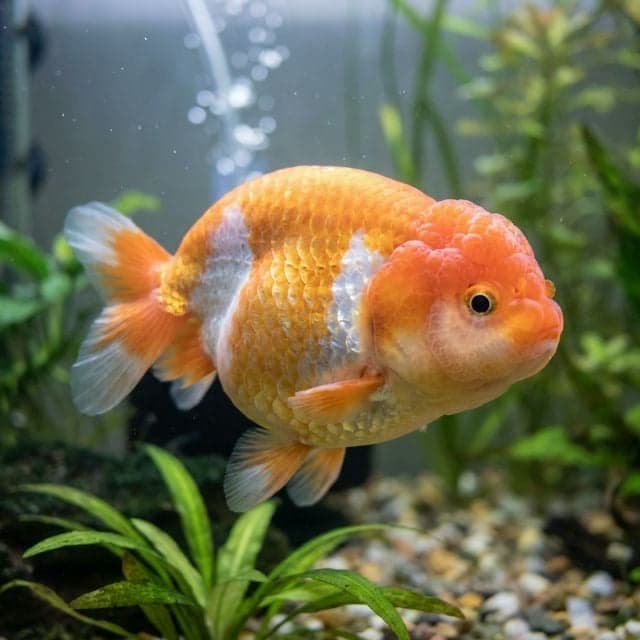
The Fancy Goldfish, scientifically known as Carassius auratus, is a captivating freshwater fish that delights aquarists around the world. Known for their dazzling colors and unique body shapes—including varieties like the Oranda, Ranchu, and Ryukin—these fish capture the eye with their flowing fins and pompom-like features. Their vibrant hues can range from deep oranges and reds to pearl whites and even rare calico patterns. Beyond their aesthetic appeal, Fancy Goldfish hold a significant place in the aquarium hobby due to their rich history, dating back over a millennium in ancient China. They symbolize prosperity and good fortune, often being gifted during celebrations and holidays.
In addition to their beauty, Fancy Goldfish are remarkable for their adaptability and longevity. With proper care, they can live for 10 to 20 years or more, making them a beloved pet for generations. Their diverse forms and characteristics offer aquarium enthusiasts an opportunity to engage deeply with their care, breeding, and display in home aquariums. The Fancy Goldfish's gentle demeanor and relatively easy-going nature make them perfect companions for both novice and experienced aquarists alike.
Natural Habitat & Origin
The Fancy Goldfish originates from East Asia, particularly from regions that include rivers and lakes in China, where they were first domesticated over a thousand years ago. Hailing from temperate freshwater environments, these fish thrive in still or slow-moving bodies of water, which are often found in ponds or shallow lakes where vegetation is abundant. The natural habitats of Goldfish typically feature a mix of clear to slightly turbid water with soft substrate and plenty of aquatic plants, providing shelter and foraging opportunities.
In their native environment, Fancy Goldfish breed in the spring, assisted by rising water temperatures and increasing daylight hours. They prefer waters that mirror their natural conditions—mildly acidic to neutral pH levels and temperatures that can range from 18°C to 24°C (64°F to 75°F). As a domesticated species, they have adapted to various living conditions, which allows them to thrive in assorted water parameters across different geographical locations.
Care Requirements
To maintain the health and happiness of your Fancy Goldfish, it is essential to create optimal care conditions. The recommended water parameters include a pH level ranging from 6.0 to 8.0, a temperature between 18°C and 24°C (64°F and 75°F), and moderately soft to hard water. Furthermore, a minimum tank size of 20 gallons is suggested for a single Fancy Goldfish, with an additional 10 gallons for each subsequent fish, allowing ample swimming space and minimizing stress.
For the tank setup, a fine sand or gravel substrate is ideal, as it can emulate their natural habitat while providing a comfortable environment for foraging. Additionally, lighting should be moderate to allow for both plant growth and fish visibility, with floating plants offering shade and shelter. Incorporating live plants like Java Fern or Anubias can contribute to water quality and provide hiding spots, enhancing their habitat and fostering a healthy ecosystem.
Diet & Feeding
As omnivores, Fancy Goldfish have a diverse diet that includes both plant and animal matter. They thrive on a combination of high-quality flakes and pellets specifically designed for goldfish, which should make up a significant portion of their diet. Supplementing their diet with occasional frozen or live foods—such as brine shrimp, daphnia, or bloodworms—can offer essential nutrients and stimulate natural foraging behaviors. It’s crucial to ensure that the food is appropriately sized for their mouths, especially for younger or smaller fish.
Feeding should be done in small portions 2 to 3 times a day, with only as much food as they can consume in a few minutes to prevent overfeeding and water quality issues. Incorporating blanched vegetables like peas or spinach once a week can provide necessary fiber and help with digestive health. Feeding routines that mimic natural behaviors will enrich their lives and contribute to their overall well-being.
Behavior & Temperament
Fancy Goldfish are typically known for their calm and gentle temperament, making them suitable for community tanks with peaceful species. They are social creatures that thrive in groups and display endearing interactions with other fish. While they exhibit some schooling behavior, they do not require large groups to feel secure. However, they do appreciate the company of their own kind or compatible species, which provides social stimulation and comfort.
While generally not aggressive, Fancy Goldfish may occasionally display territorial tendencies; however, this behavior is usually mild. In an aquarium setting, they tend to occupy the mid to lower levels of the tank, often swimming leisurely and exploring their surroundings. With enough space and hiding spots, their peaceful disposition can help create a vibrant and dynamic aquarium community.
Tank Mates
When selecting appropriate tank mates for Fancy Goldfish, it's essential to choose species that have similar water requirements and a peaceful temperament. Compatible species include other goldfish varieties, as well as non-aggressive freshwater fish such as Corydoras Catfish, White Cloud Mountain Minnows, and certain tetras. These species not only coexist harmoniously with Fancy Goldfish but also contribute to a bustling aquarium environment.
Species to avoid include small, fast-moving fish like Neon Tetras and Guppies, as Fancy Goldfish may inadvertently nip at their fins out of curiosity or for play. Additionally, it is wise to steer clear of aggressive fish such as Cichlids, which can exert undue stress or harm. Careful consideration of potential tank mates ensures a balanced ecosystem that fosters the health and happiness of all inhabitants.
Breeding
Breeding Fancy Goldfish in captivity can be a rewarding experience for aquarists. Spawning generally occurs in the spring, triggered by increased daylight and temperature. To encourage this behavior, it is beneficial to provide varied environments with spacious breeding areas, such as spawning mops or separated breeding tanks filled with soft plants. As they are egg layers, females will scatter eggs among the plants, while males will chase them and fertilize the eggs.
After breeding, it is crucial to remove the adults from the tank, as they may consume their own eggs. The eggs can hatch within 3 to 7 days, depending on water temperature and conditions. Once hatched, the fry should be fed infusoria or finely crushed flakes until they are large enough to consume regular fish food. Creating a nurturing environment during this time ensures healthy growth and development of the young Fancy Goldfish.
Common Health Issues
Like all aquarium fish, Fancy Goldfish can be susceptible to a host of health issues if not properly cared for. Common diseases include Ich (white spot disease), fin rot, and swim bladder disorder. These ailments can often result from stress, poor water quality, or sudden changes in the environment. Ensuring a consistent tank environment, monitoring water parameters regularly, and performing routine water changes are critical components for prevention.
To further mitigate risks, quarantining new arrivals before introducing them to the main tank can help prevent the spread of diseases. Keeping an eye on your Fancy Goldfish for any unusual behaviors or physical signs—such as white spots, frayed fins, or difficulty swimming—allows for early detection and prompt treatment, ensuring your aquatic companions lead a healthy and fulfilling life.