Fantail Goldfish: Carassius auratus
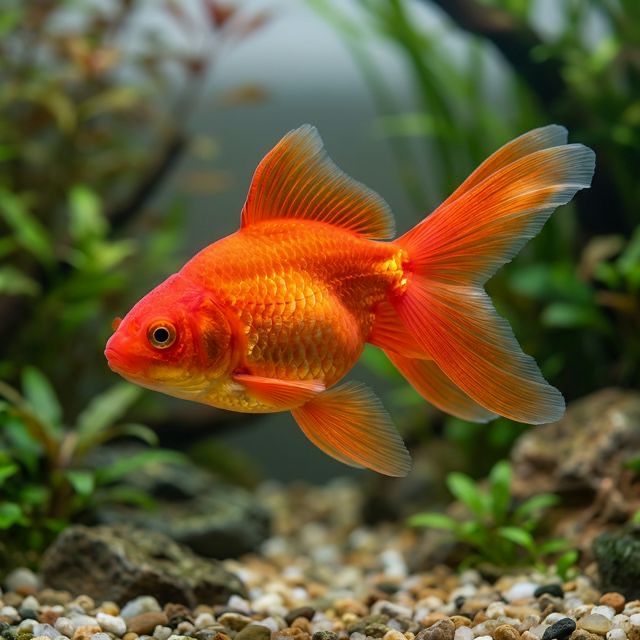
A classic fancy goldfish with a split caudal tail. Hardy and beginner-friendly for the fancy goldfish world.
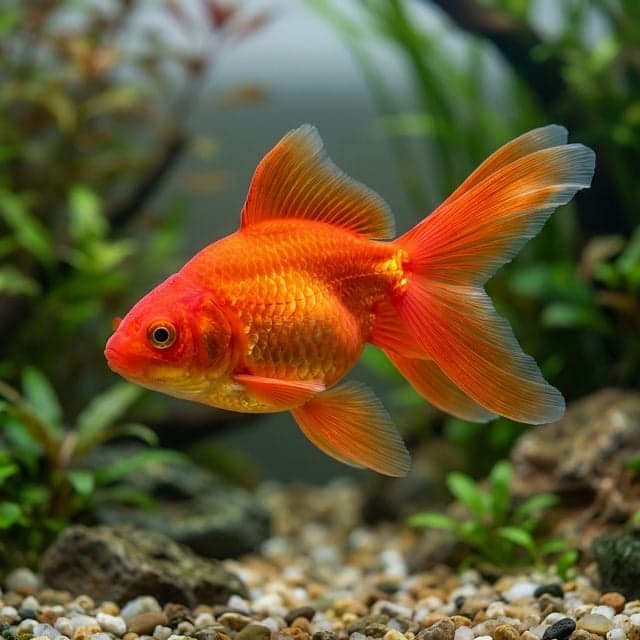
Fantail Goldfish
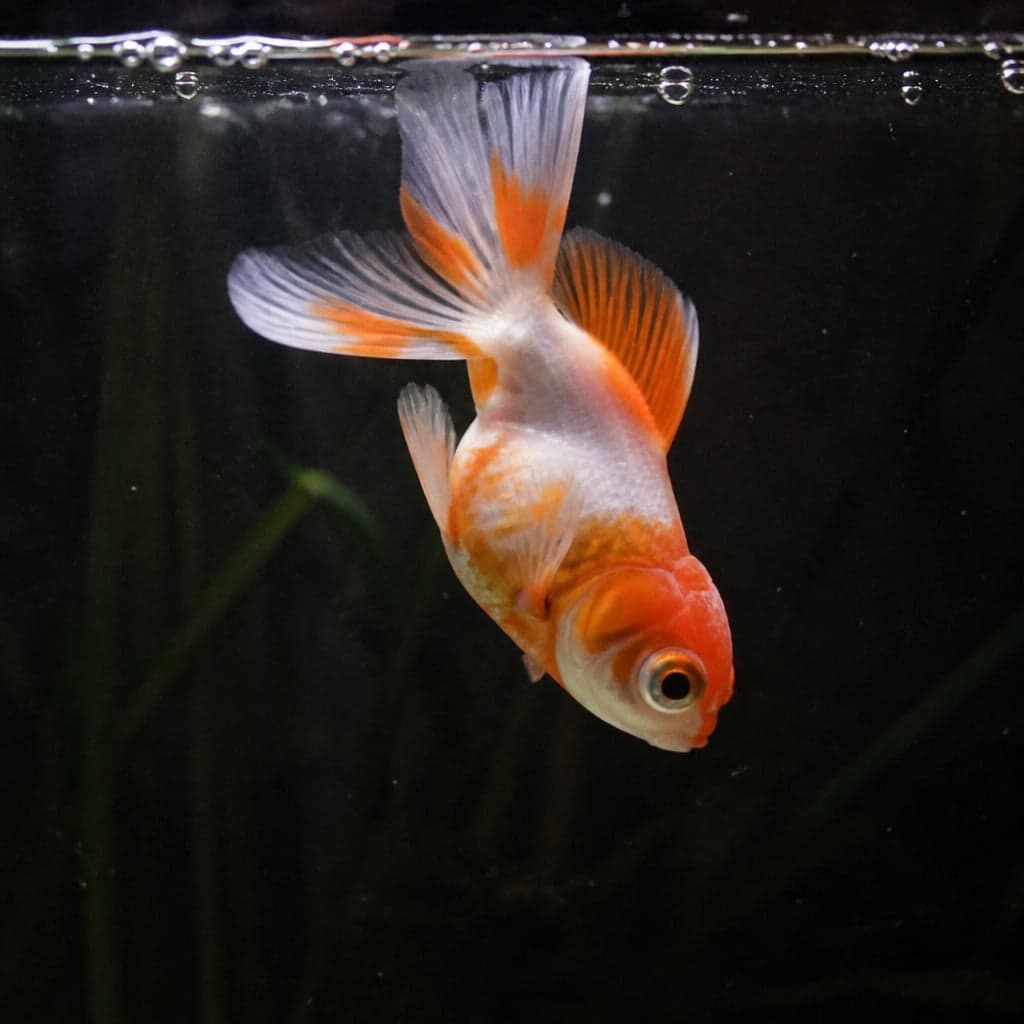
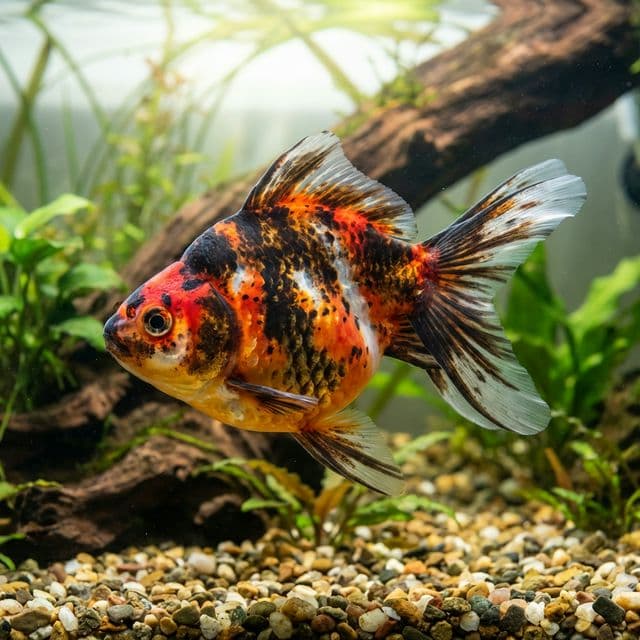
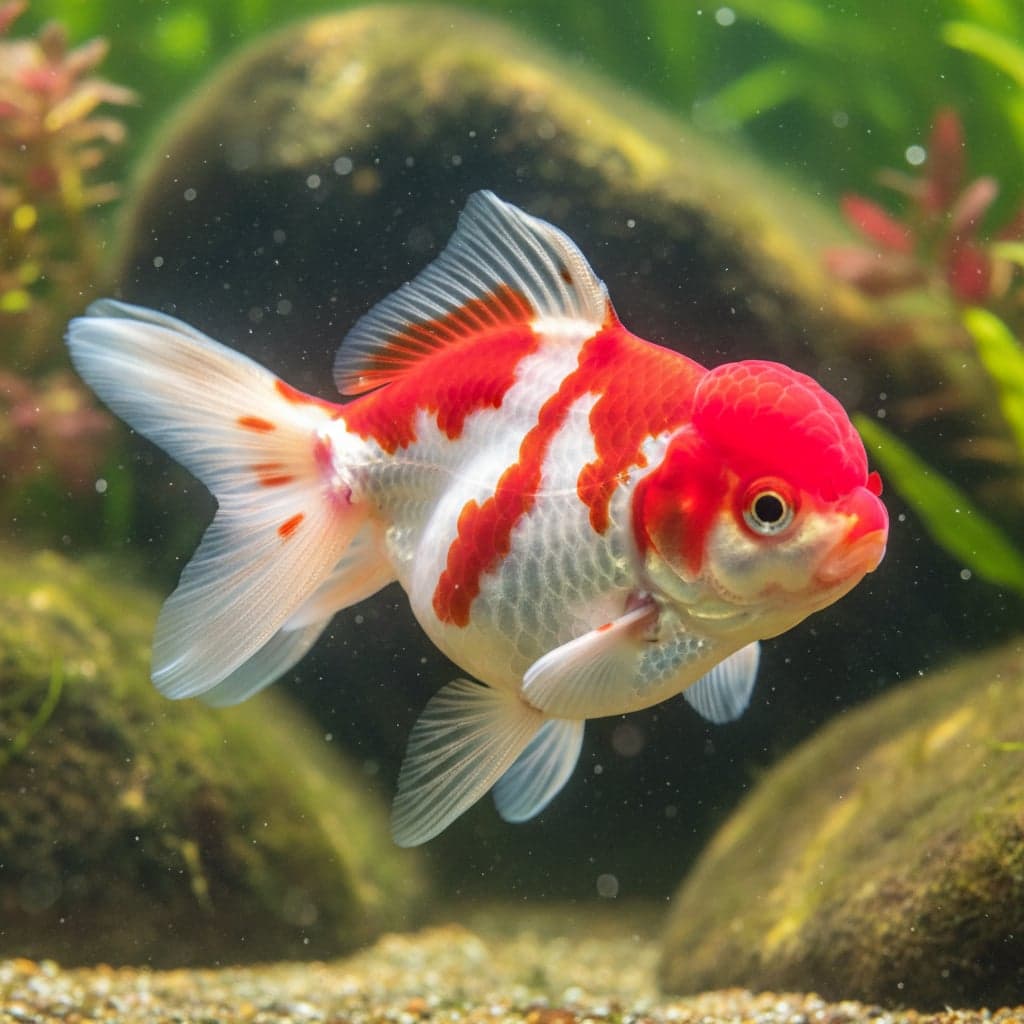
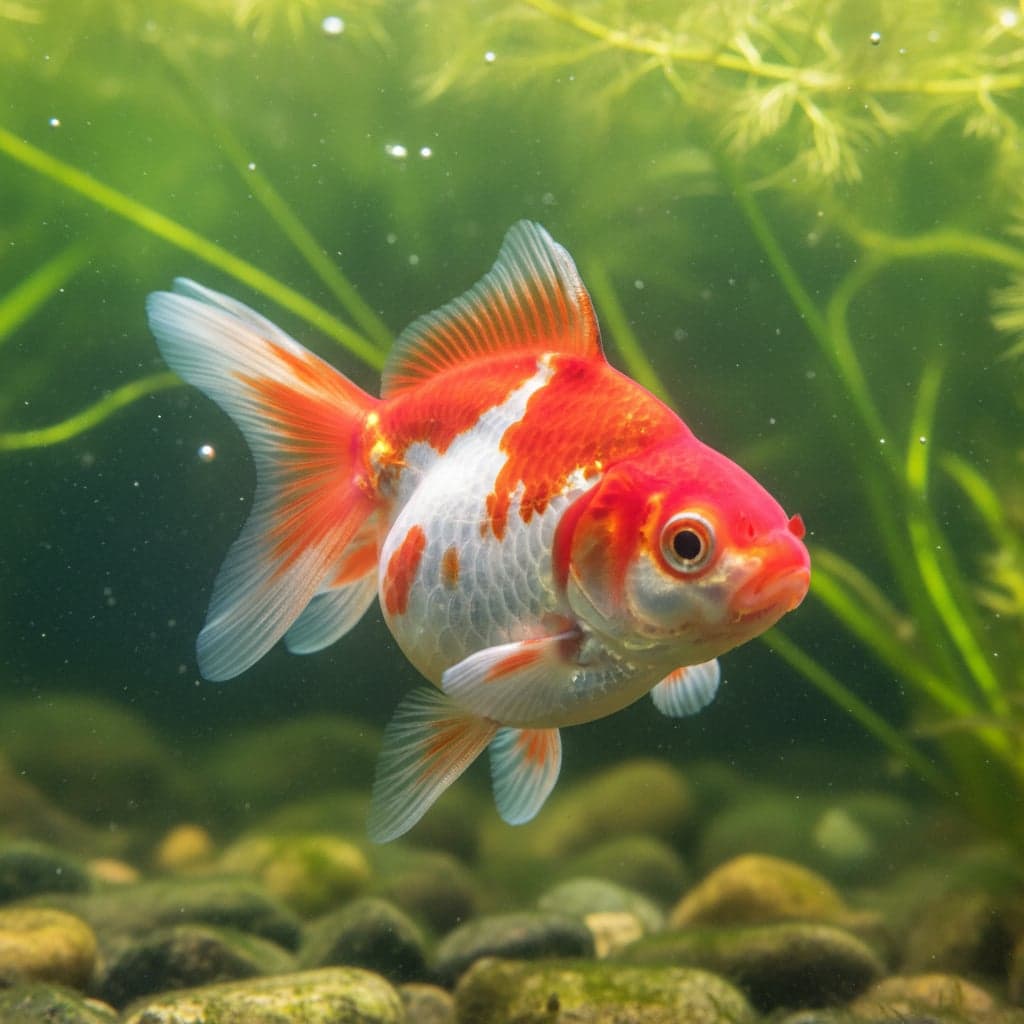
The Fantail Goldfish (Carassius auratus) is a captivating freshwater species, cherished for its beauty and gentle demeanor. Renowned for its distinctively split tail and rounded body, this goldfish variety sports vibrant orange, red, and even calico hues, making it a stunning centerpiece for any aquarium. Their aesthetic appeal, combined with their relatively hardy nature, has cemented them as a favorite among aquarium enthusiasts. Despite their decorative allure, Fantail Goldfish also carry a rich history, tracing back to ancient China, where selective breeding began several centuries ago. Their unique characteristics and historical significance contribute greatly to their popularity within the aquatic hobbyist community.
In the aquarium hobby, the Fantail Goldfish holds a special place, not only for its visual attractiveness but also for the joy it brings to both novice and experienced keepers. They are often seen gracefully swimming in community tanks, creating a serene environment that showcases their lively and engaging behavior. The Fantail Goldfish thrives in a well-maintained aquarium, allowing enthusiasts to enjoy their vibrant colors and unique swimming patterns while gaining insights into their lifecycle and behaviors. As they adapt well to various water conditions, they serve as an ideal choice for individuals looking to explore the fascinating world of goldfish.
Natural Habitat & Origin
The Fantail Goldfish is a domesticated variety of the goldfish, which originally hails from East Asia, primarily China. Since their inception in ornamental fish breeding, these goldfish have been globally distributed and are now commonly found in aquariums worldwide. While their ancestors are derived from freshwater habitats such as rivers, streams, and ponds, the Fantail Goldfish thrives best in carefully controlled aquarium environments, designed to replicate their natural conditions.
These fish traditionally inhabit freshwater systems characterized by a neutral to slightly alkaline pH and moderate temperatures. In nature, goldfish can often be found in still or slow-moving waters that are rich in vegetation. Although they are not restricted to any specific type of water (blackwater, clearwater, etc.), an environment that mimics still, clear waters with ample plant cover will help maintain their health and well-being in captivity.
Care Requirements
Maintaining optimal care for your Fantail Goldfish is crucial for its health and longevity. Ideal water parameters include a pH range of 6.5-7.8, a temperature between 65°F to 75°F (18°C to 24°C), and moderate hardness around 5-20 dGH. Fantail Goldfish require a spacious environment to thrive; a minimum tank size of 20 gallons is recommended for a single fish, with an additional 10 gallons for each additional Fantail. A spacious aquarium allows for proper swimming space, which is essential for their physical well-being.
For the substrate, a fine gravel or sand base is ideal, as it prevents injury to their delicate fins. It’s advisable to include a variety of aquatic plants and decorations that provide hiding spots and visual stimuli while avoiding sharp edges that could harm their fins. Moderate lighting is preferable to simulate their natural environment, enhancing the tank's aesthetic appeal while providing comfort to the fish. Incorporating live plants not only improves water quality but also offers the goldfish additional grazing opportunities and natural hiding places.
Diet & Feeding
Fantail Goldfish are omnivorous, requiring a balanced diet to maintain their health and vibrant coloration. A diet primarily consisting of high-quality flakes, pellets, and granules formulated specifically for goldfish is recommended as these foods provide essential nutrients. Supplementing their diet with occasional frozen or live foods, such as brine shrimp, daphnia, and bloodworms, can offer variety and enrichment, promoting healthy behavior and vibrant coloration.
It's important to feed Fantail Goldfish small amounts multiple times a day rather than one substantial feeding. This feeding strategy helps prevent digestive issues and ensures they derive sufficient nutrition. Additionally, providing blanched vegetables like peas, spinach, and zucchini can contribute valuable fiber to their diet, helping with their digestion and overall health.
Behavior & Temperament
The Fantail Goldfish is generally regarded as a peaceful and sociable species, making them an excellent choice for community aquariums. They thrive in group settings, often engaging in playful activities with their tank mates. Due to their calm demeanor, Fantail Goldfish exhibit minimal aggression, allowing them to coexist harmoniously with other gentle species. In terms of vertical placement, they are primarily mid-level swimmers, often exploring the middle regions of the tank while occasionally coming to the surface to investigate or feed.
While Fantail Goldfish enjoy companionship, it's essential to monitor their interactions with other species to avoid stress or bullying. Their gentle nature makes them susceptible to harassment from more aggressive tank mates, so it’s advisable to house them with peaceful fish that share similar environmental needs.
Tank Mates
When selecting tank mates for your Fantail Goldfish, compatibility is crucial to ensuring a harmonious aquarium environment. Ideal companions include other goldfish varieties, such as Orandas, Ryukins, and Black Moors, as well as other peaceful species such as guppies, platies, and certain types of snail. These species share a peaceful temperament and thrive in similar water conditions, creating a balanced ecosystem.
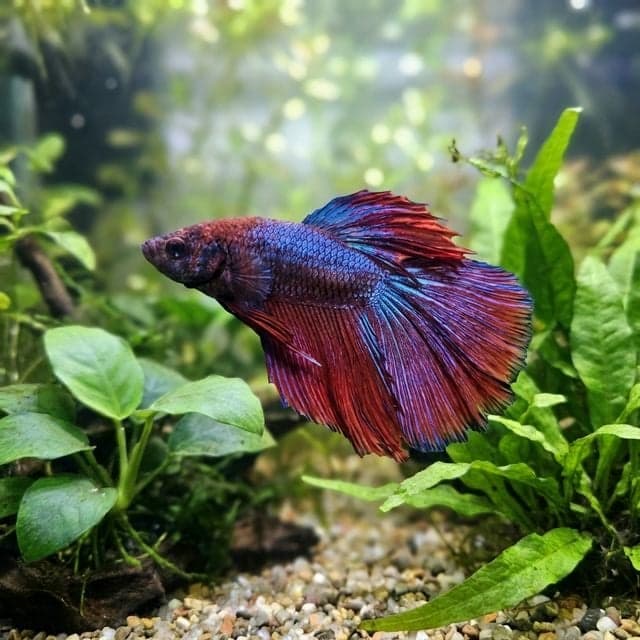
Conversely, it is important to avoid housing Fantail Goldfish with aggressive or fin-nipping fish such as tiger barbs, bettas, or larger cichlids, as these species may stress or injure them. Additionally, ensure that any potential tank mates are of comparable size to prevent the Fantail Goldfish from becoming an easy target.
Breeding
Breeding Fantail Goldfish in captivity can be a rewarding endeavor, provided the right conditions are established. Successfully breeding these colorful fish requires a spacious tank with ample swimming and spawning space. A breeding setup should include soft, fine mesh spawning mats or dense vegetation that allows the female to lay eggs without losing them in the substrate. The water should be kept slightly cooler, around 64°F to 68°F (18°C to 20°C), to stimulate spawning behavior.
During mating, the male will chase the female, encouraging her to release eggs, which he will fertilize. After spawning, it’s crucial to separate the adults from the eggs once they are laid, as the parents may consume them. The eggs typically hatch within 4-7 days, depending on water temperature. Once the fry are free-swimming, they can be fed with infusoria or finely crushed flake food until they are large enough to accept larger portions.
Common Health Issues
While the Fantail Goldfish is relatively hardy, it may be susceptible to certain common health issues. One of the more prevalent diseases is ich (Ichthyophthirius multifiliis), characterized by white spots on the skin. Maintaining stable water parameters and a clean environment can help prevent this condition. Additionally, goldfish can suffer from swim bladder disorders, often due to overfeeding or poor diet, leading to buoyancy problems.
Providing a balanced diet and controlling feeding routines can effectively mitigate these disorders. Regular water changes and tank maintenance will also help in preventing infections and diseases. Monitoring your Fantail Goldfish closely for any signs of distress or illness is crucial to ensure they lead a long and healthy life in your aquarium.