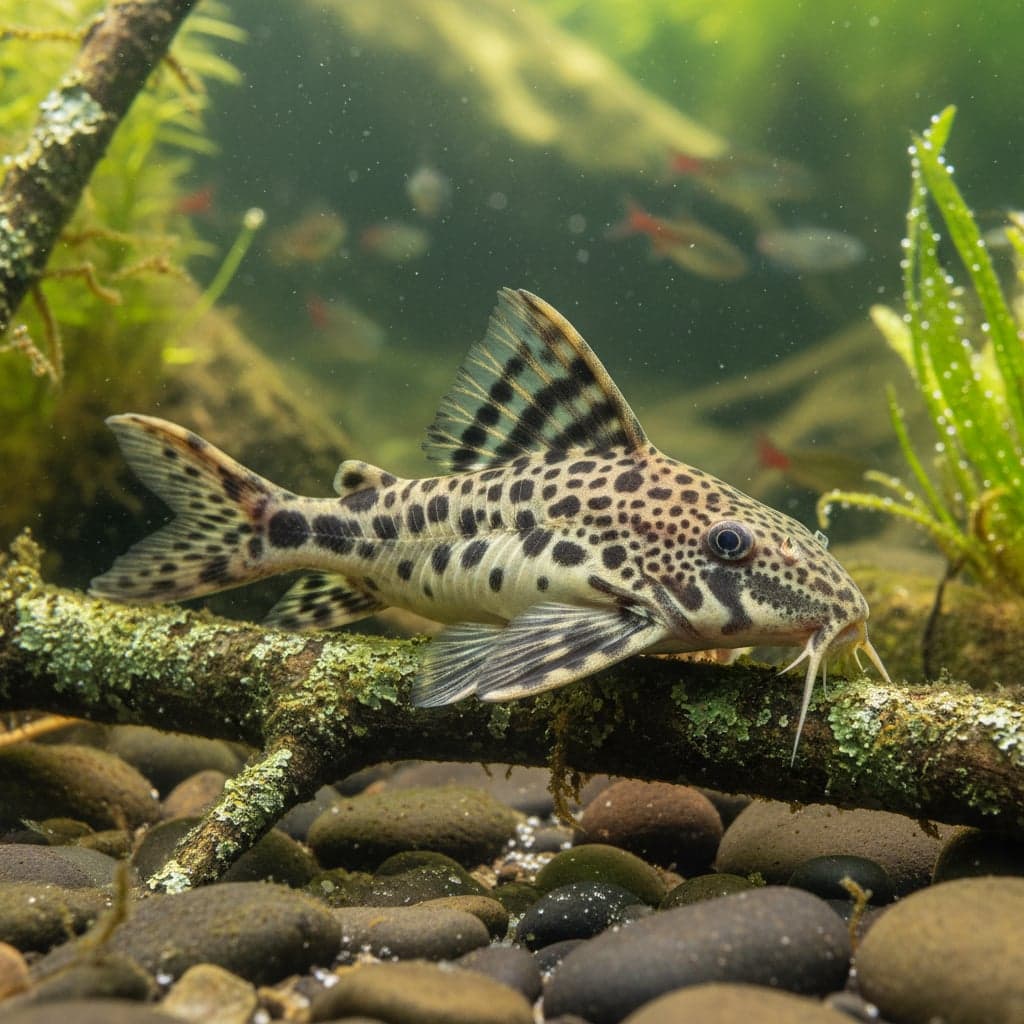
Featherfin Catfish: Synodontis eupterus
A stunning Synodontis with a tall, feather-like dorsal fin. A classic African catfish.
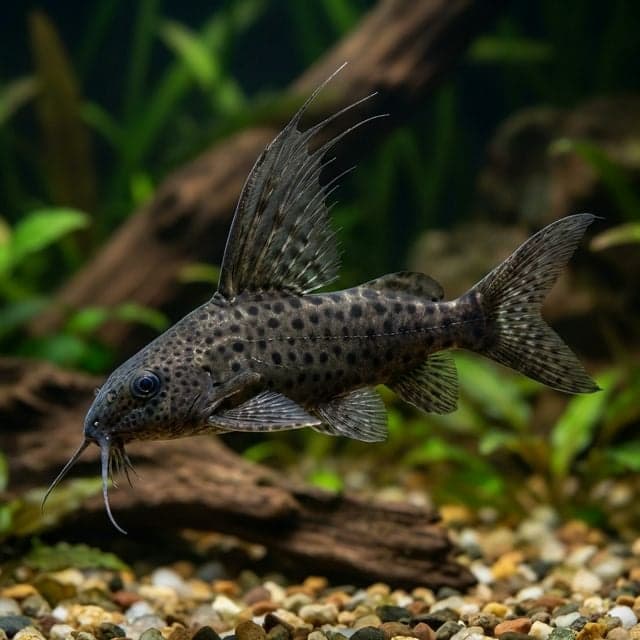
Featherfin Catfish
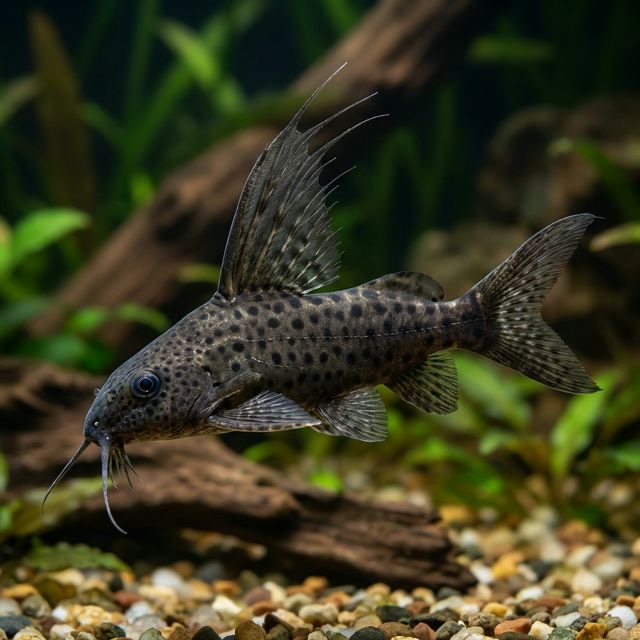
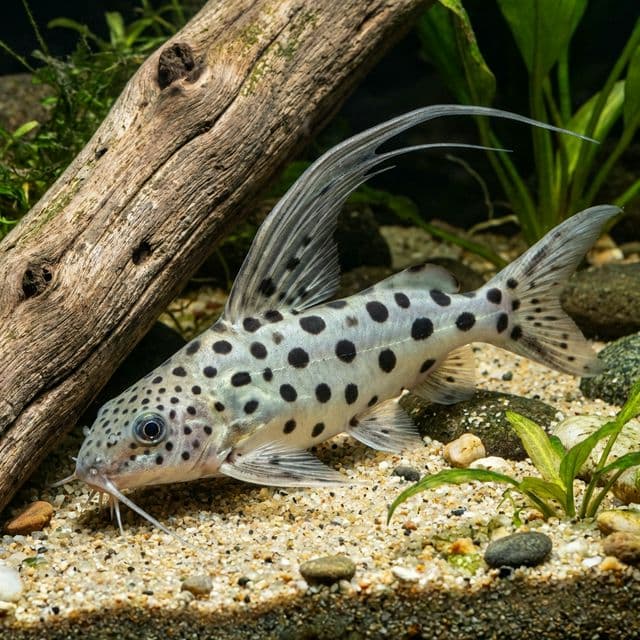
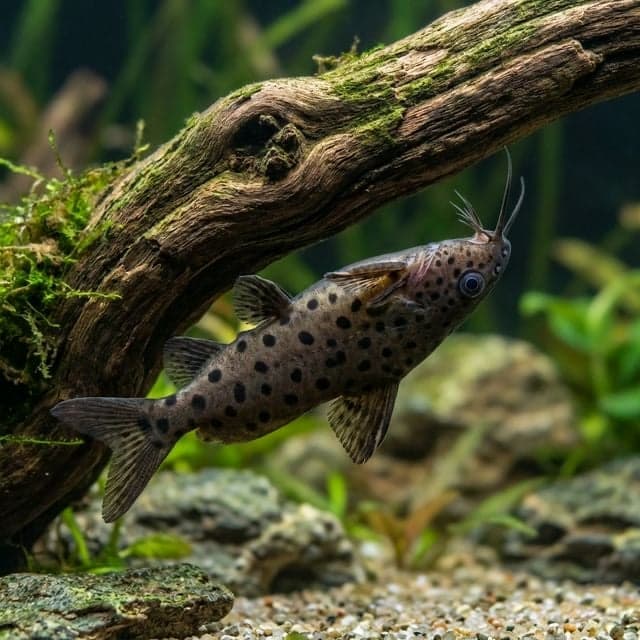
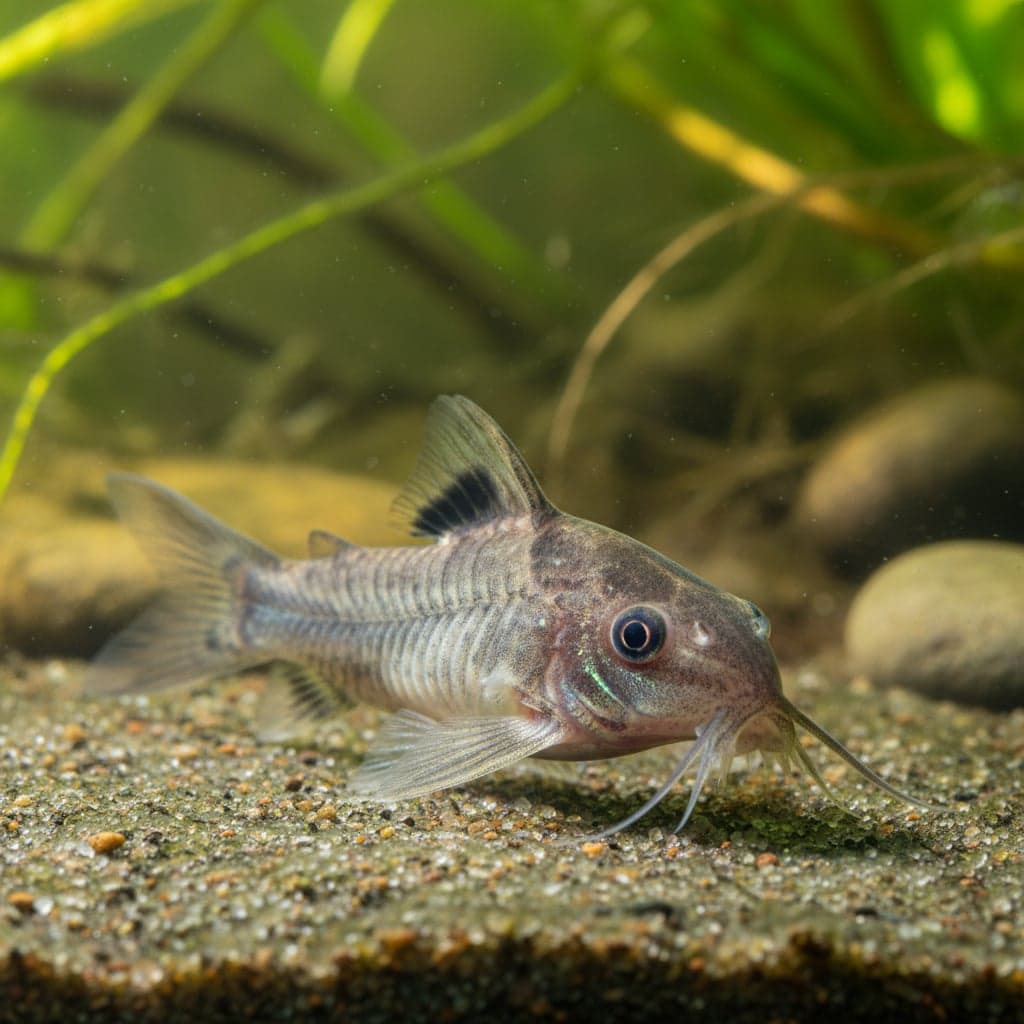
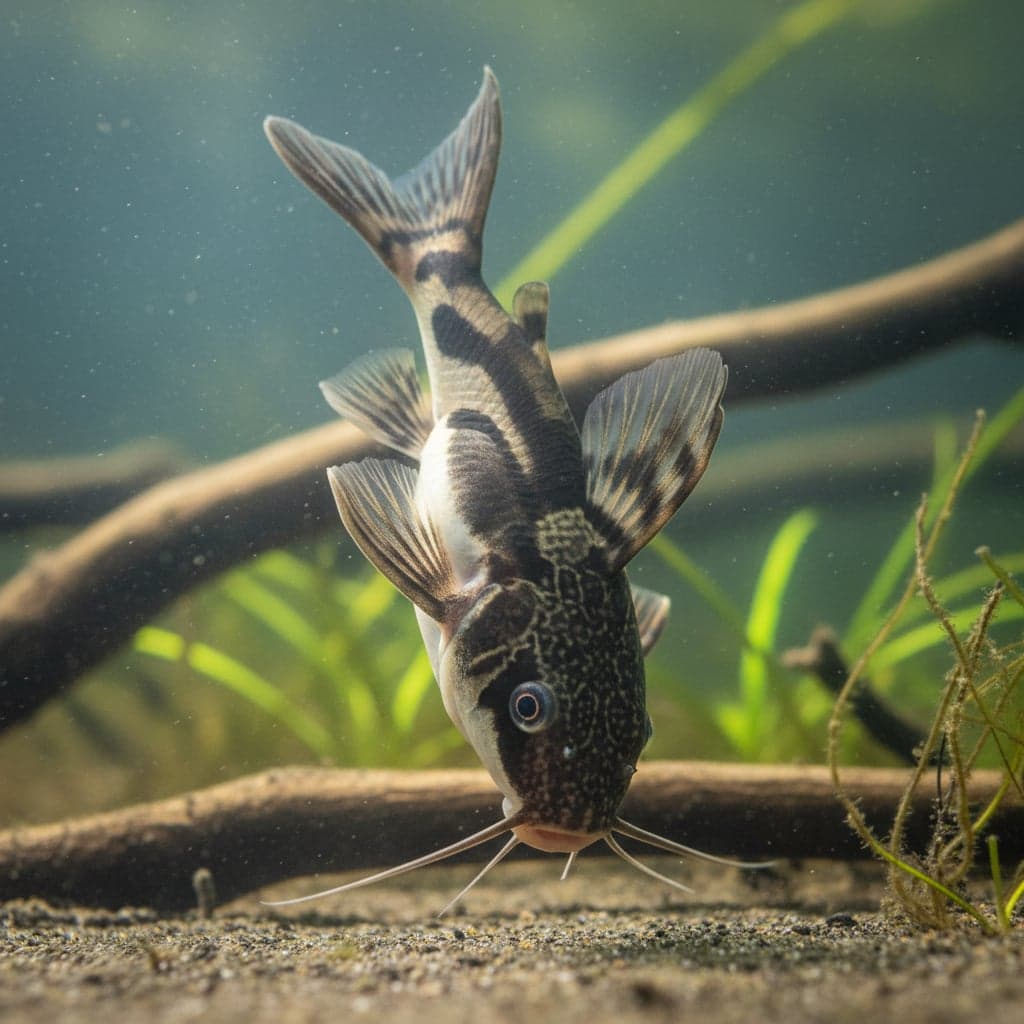
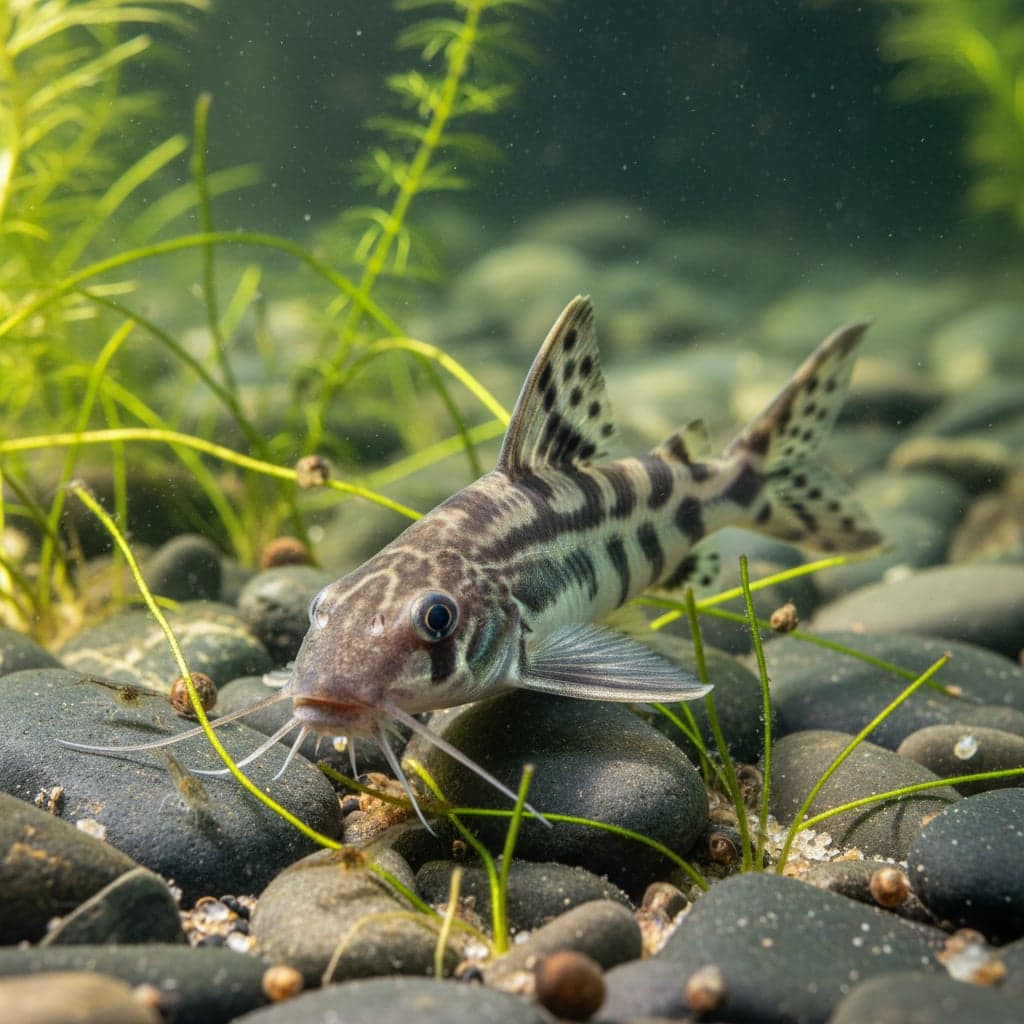
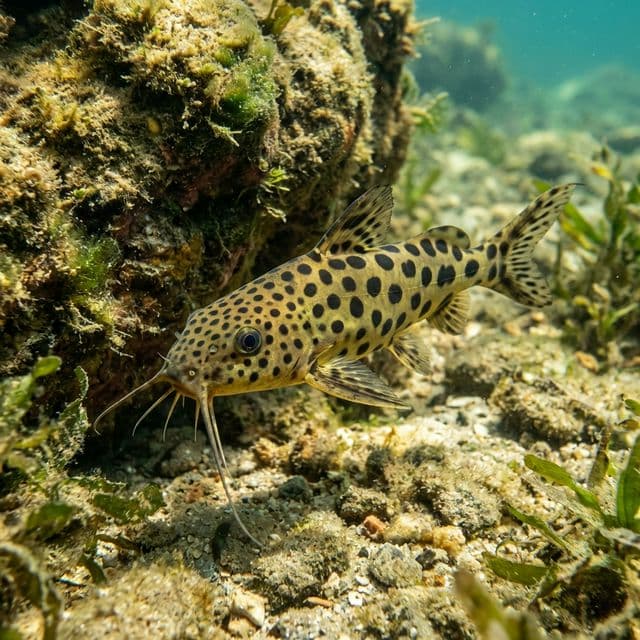
The Featherfin Catfish, scientifically known as Synodontis eupterus, is a captivating freshwater species native to Africa, particularly the waters of the Congo River Basin. Characterized by its distinctive feather-like fins and mottled coloration of dark brown and white, this catfish presents an alluring sight within an aquarium setting. Its elegant fins, which can extend well beyond its body length, create a visually striking effect as they gracefully maneuver through the water. The Featherfin Catfish has gained popularity in the aquarium hobby due to its unique appearance and playful behavior, making it a prized addition for both novice and experienced aquarists.
In terms of significance, the Featherfin Catfish adds an exotic element to community tanks and is known for its ability to thrive in diverse aquatic environments. Beyond its aesthetic appeal, it serves as an essential part of the aquarium ecosystem by aiding in the control of algae and detritus. As a bottom-dwelling species, it often helps maintain the cleanliness of the substrate, thereby contributing to the overall health of the tank. Understanding the needs and behaviors of the Featherfin Catfish can enhance the aquarium experience, ensuring a harmonious and visually appealing aquatic habitat.
Natural Habitat & Origin
The Featherfin Catfish hails from the Congo River Basin, where it inhabits a variety of water types including slow-moving rivers, floodplains, and heavily vegetated areas. This species is typically found in freshwater environments characterized by dark, stained waters that are rich in organic materials, often referred to as blackwater habitats. The dimly lit conditions of its natural habitat are accompanied by a soft, muddy or sandy substrate, with plenty of submerged vegetation and fallen leaves providing cover and breeding grounds. These environmental factors are crucial for the Featherfin Catfish’s adaptive behavior and overall well-being.
In the wild, the Featherfin Catfish coexists with various species of fish and other aquatic organisms, often darting in and out of hiding spots among the foliage and substrate. The intricate ecology of its natural habitat shapes its social interactions and feeding behaviors, which aquarists must replicate to maintain their health and vitality in captivity.
Care Requirements
To successfully care for Featherfin Catfish, aquarium owners must replicate their natural habitat as closely as possible. A minimum tank size of 75 gallons is recommended, as these fish can grow to about 12 inches in length and require ample swimming space. In terms of water parameters, the ideal pH range should be between 6.0 and 7.5, with a temperature between 75°F and 82°F (24°C and 28°C). The hardness of the water can vary, but a range of 5-15 dGH is generally suitable for this species.
Tank setup should include a soft substrate like sand or fine gravel that allows the Featherfin Catfish to sift through while foraging. Incorporating a variety of decorations, such as caves, driftwood, and plants (especially floating plants), provides both enrichment and hiding spots. While bright lighting is not necessary, a slightly dimmer environment can help mimic their natural habitat and reduce stress levels in these shy fish. Additionally, maintaining good water quality through regular filtration and weekly water changes is crucial for their long-term health.
Diet & Feeding
The Featherfin Catfish is an omnivorous species, meaning its diet consists of a wide range of food types. In captivity, it can thrive on a balanced diet that includes high-quality sinking pellets, flakes, and specially formulated catfish food. In addition to pellets, offering occasional frozen or live foods, such as bloodworms, brine shrimp, and daphnia, can enhance their nutritional intake and stimulate foraging behavior. Providing a varied diet is essential for maintaining optimal health and vibrant coloration.
Feeding should occur once or twice a day, with the amount adjusted to ensure all food is consumed within a few minutes to prevent water quality issues. Tank owners may also observe that the Featherfin Catfish enjoys scavenging for leftovers, which highlights its natural behavior and aids in keeping the aquarium clean.
Behavior & Temperament
Featherfin Catfish exhibit a primarily peaceful temperament, making them a suitable choice for community tanks. They display interesting social behavior, often forming loose groups rather than strict schools. While generally non-aggressive, they can become territorial when competing for food or space, particularly among other bottom-dwellers. These fish tend to swim more in the middle to lower levels of the aquarium, using their elongated fins to navigate through structures and vegetation.
It is essential to provide this species with ample hiding spots to reduce stress and potential aggression towards tank mates. Even though they are sociable, some individuals may occasionally display dominance behaviors, especially during feeding or spawning activities. Care should be taken when selecting tank mates, ensuring they are compatible in size and temperament.
Tank Mates
When selecting tank mates for the Featherfin Catfish, it is best to choose species that occupy different swimming levels to reduce competition. Compatible tank mates include larger tetras, barbs, rainbowfish, and cichlids that are not overly aggressive. Avoid housing them with smaller or overly territorial species such as bettas or aggressive dwarf cichlids to prevent stress and potential harm.
Some recommended tank mates include:
- Congo Tetra (Phenacogrammus interruptus)
- Rainbowfish (various species)
- Larger Rasboras (Boraras spp.)
- Peaceful Cichlids (e.g., keyhole cichlids)
- Various types of Gouramis (Trichopodus spp.)
Species to avoid include:
- Smaller or delicate fish (e.g., small tetras)
- Aggressive species (e.g., Oscar, Flowerhorn)
- Other bottom-feeders that might compete for space (e.g., smaller catfish)
Breeding
Breeding Featherfin Catfish in captivity can be challenging but rewarding. To encourage spawning, a separate breeding tank is advisable, mimicking their natural habitat with soft substrate and plenty of hiding spots. Maintaining water conditions at a slightly lower temperature (around 72°F) and a pH of 6.0-7.0 can stimulate breeding behaviors.
During breeding, the male will display courting behaviors, such as chasing the female and showing off his elongated fins. Once the female is ready to spawn, she will lay adhesive eggs on smooth surfaces like flat stones or the sides of the tank. After mating and egg-laying, it is essential to remove the adults, as they may eat the eggs. The eggs typically hatch within 2-4 days, and the fry should be fed infusoria or finely crushed flakes until they are large enough to consume more substantial foods.
Common Health Issues
While Featherfin Catfish are generally hardy, they can be susceptible to certain diseases commonly seen in freshwater fish. These include ich, fin rot, and bacterial infections. Prevention is key, and practices such as maintaining excellent water quality, avoiding over-crowding, and ensuring a balanced diet can significantly reduce the likelihood of health issues.
Regular monitoring of tank conditions and observing for any signs of stress or disease is essential. Quarantining new arrivals before introducing them to your main tank can help prevent the spread of illness. In the event of health issues, treating the aquarium promptly with appropriate medications while maintaining water quality will yield the best results for recovery.