Filament Barb: Dawkinsia filamentosa
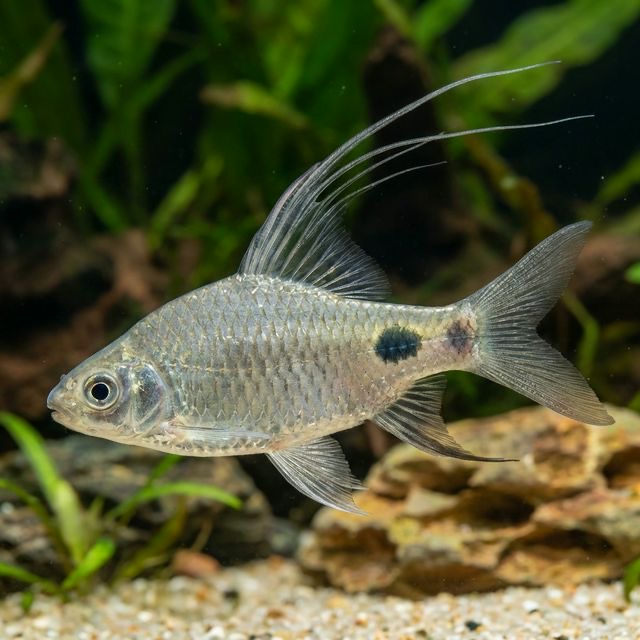
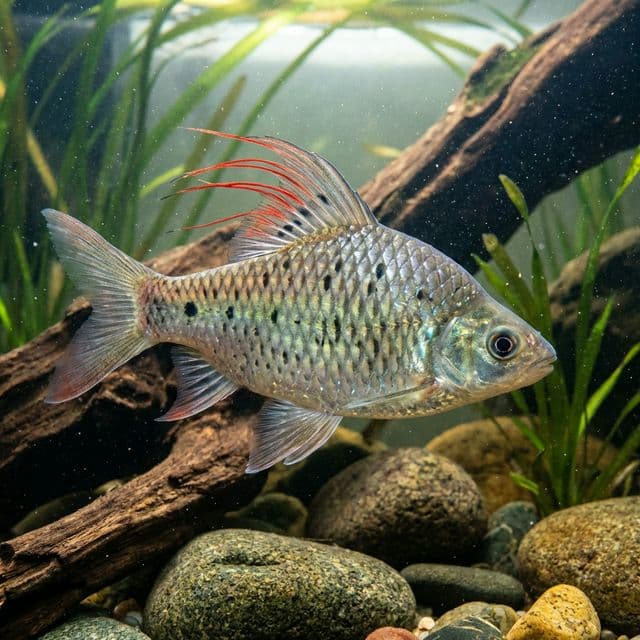
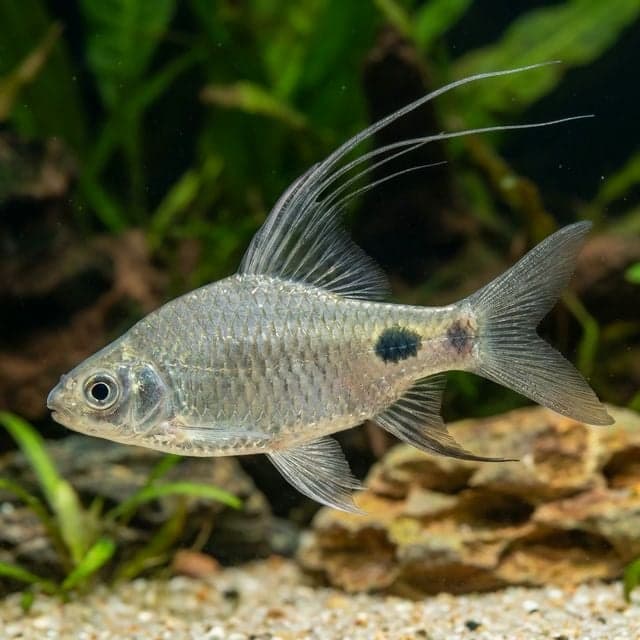
A large, robust barb. Males develop filamentous extensions on the dorsal fin rays.
Filament Barb
The Filament Barb, scientifically known as Dawkinsia filamentosa, is a stunning freshwater fish renowned for its striking appearance and vibrant colors. An elongated body adorned with highly decorative filamentous extensions on its dorsal and anal fins, this species captures the admiration of aquarists and fish enthusiasts alike. Its body features a shimmering mix of silvers, greens, and subtle hints of blue and red. The unique physical attributes and active swimming behavior make the Filament Barb a beautiful addition to any community aquarium. Moreover, its appeal goes beyond aesthetics; it embodies a thriving species that has become a symbol of dynamic aquatic ecosystems.
In the aquarium hobby, the Filament Barb plays a significant role as one of the more charismatic species in the Cyprinidae family. As a schooling fish, they exhibit breathtaking shoaling displays that captivate viewers and create a lively atmosphere in a well-maintained tank. Its peaceful temperament ensures compatibility with a wide variety of other species, allowing aquarists to create diverse community tanks. With careful maintenance and appropriate environmental conditions, the Filament Barb can thrive, showcasing its beauty for years while also enriching the aquarium experience.
Natural Habitat & Origin
The Filament Barb is indigenous to the freshwater rivers and streams of South Asia, particularly found in the hill streams of India, Bangladesh, and Nepal. These environments are characterized by soft, acidic waters with temperatures spanning from 20°C to 28°C (68°F to 82°F). The water often flows over rocky substrates, enriched with decayed plant material that contributes to the slightly acidic pH levels typical of their natural habitat. Such conditions foster a rich biodiversity, where the Filament Barb not only nurtures but also reflects the ecologically balanced systems of the region, making it an integral part of its ecosystem.
In its natural setting, the Filament Barb occupies areas with moderate to high water flow. These flowing waters are often clear, allowing ample light penetration, which supports a variety of aquatic plant life. The species utilizes both the lower and mid-levels of the water column, where it forages and interacts with other fish. Understanding their natural habitat is crucial for aquarists aiming to replicate such conditions in a home aquarium to promote the health and well-being of this beautiful species.
Care Requirements
To successfully keep Filament Barbs, optimal water parameters must be maintained. The ideal pH range for these fish is between 6.0 and 7.5, with a temperature between 24°C and 28°C (75°F and 82°F). A water hardness of 5-15 dGH is recommended to mimic their natural environment. Filament Barbs thrive in well-aerated waters rich in organic material, so regular water changes and good filtration are essential to ensure a stable environment.
When setting up a tank for Filament Barbs, a minimum size of 100 liters (about 26 gallons) is recommended to accommodate their shoaling nature. The tank should be furnished with a substrate of fine gravel or sand and decorated with plenty of hiding spots created using rocks, driftwood, and live plants, such as Java moss and Anubias. Moderate lighting helps maintain plant health without overwhelming the fish. Implementing areas of light and shade within the tank can encourage natural behaviors and make for an aesthetically pleasing setup.
Diet & Feeding
Filament Barbs are omnivores, showcasing a diverse diet in both wild and captivity. In the wild, they feed on a variety of substances, including algae, plant matter, and small invertebrates. In an aquarium setting, offering a varied diet is essential for their health and vitality. High-quality flake food should serve as a staple, supplemented with pellets, which should be sinkable to accommodate varying feeding habits. Additionally, occasional offerings of frozen or live foods, such as brine shrimp or daphnia, can promote optimal growth and coloration.
Aquarists should aim to feed their Filament Barbs small amounts multiple times a day rather than one large feeding. This approach mimics their natural grazing behavior and prevents overfeeding, which can lead to health issues. A balanced diet will enhance not just growth but also the vibrant colors characteristic of the Filament Barb, showcasing its full potential.
Behavior & Temperament
Filament Barbs are known for their peaceful nature, making them ideal candidates for community tanks. While they exhibit sociable behavior, it is recommended to maintain them in groups of at least six individuals to encourage natural schooling behaviors. This schooling not only helps in reducing stress levels but also enhances the social dynamics of the aquarium, facilitating a lively display of interaction among the group.
In terms of tank placement, Filament Barbs typically swim in the mid to upper levels of the aquarium, often darting about, which adds movement to the environment. They are generally non-aggressive and can coexist with a variety of other peaceful species, making them suitable companions for community tanks. However, males can become slightly territorial when spawning, so ample space and hiding spots are essential to keep peace among the tank inhabitants.
Tank Mates
When considering tank mates for Filament Barbs, it is important to choose species with similar temperaments and environmental needs. Ideal companions include other community fish such as Neon Tetras, Corydoras Catfish, Rasboras, and other Barbs (such as Cherry Barbs). These species generally coexist harmoniously, ensuring a vibrant and dynamic tank aesthetic.
Conversely, tank mates to avoid include aggressive or territorial species like Cichlids, which may stress the often-peaceful Filament Barbs or engage in harmful interactions. Additionally, slow-moving species with long fins, such as Betta fish, should also be excluded from the tank setup due to the potential for fin nipping or other aggressive behaviors.
Breeding
Breeding Filament Barbs in captivity can be a rewarding experience, although it requires specific conditions to mimic their natural spawning behaviors. For successful breeding, it is beneficial to separate a breeding pair into a dedicated breeding tank. This tank should have soft, acidic water with a temperature maintained between 24°C and 26°C (75°F and 79°F). Providing a spawning substrate, such as spawning mops or fine-leaved plants, can help facilitate the laying of eggs.
During the breeding process, males will engage in courtship displays, showcasing their vibrant colors to entice females. Once the female is ready to spawn, she will lay eggs, typically in clusters, which the male fertilizes shortly afterward. After spawning, it is advisable to remove the parent fish to prevent them from eating the eggs. The eggs typically hatch within 24 to 48 hours, and careful monitoring of the water conditions will ensure the healthy development of the fry.
Common Health Issues
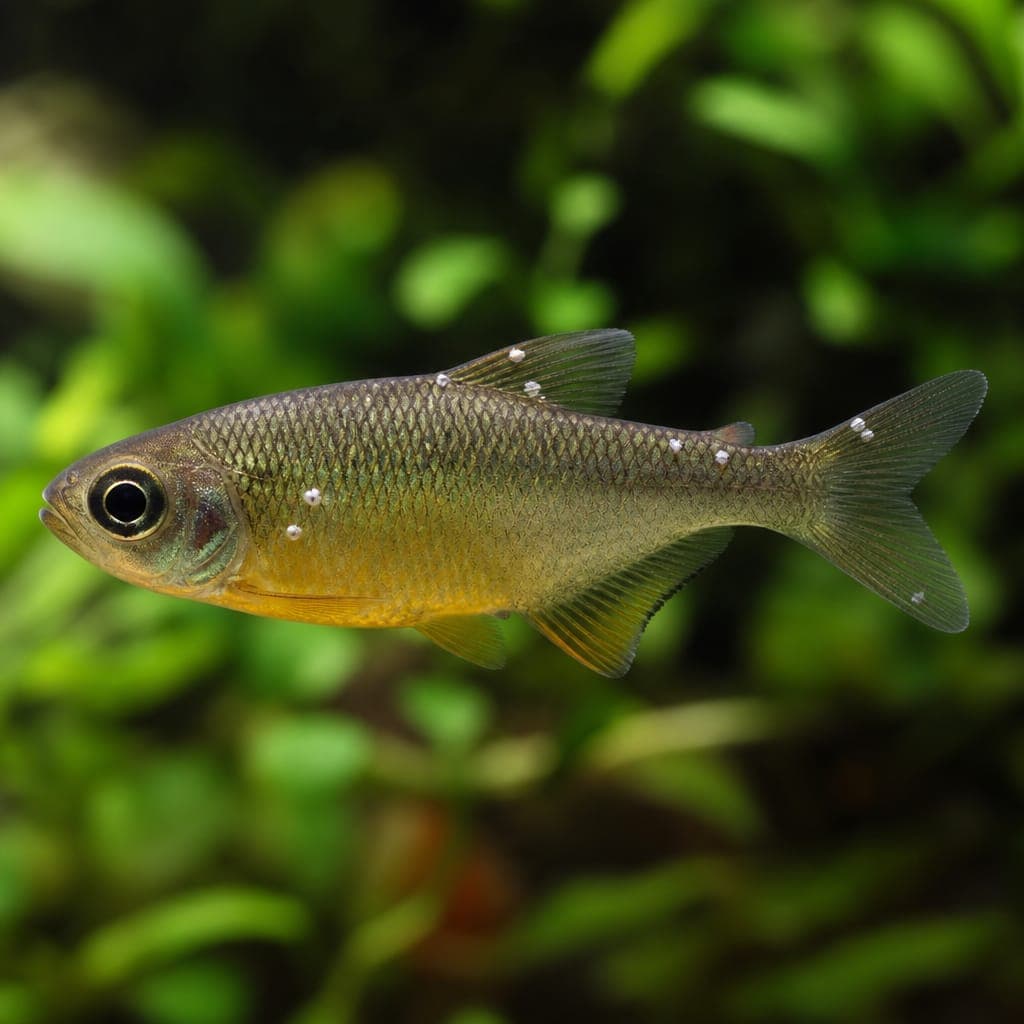
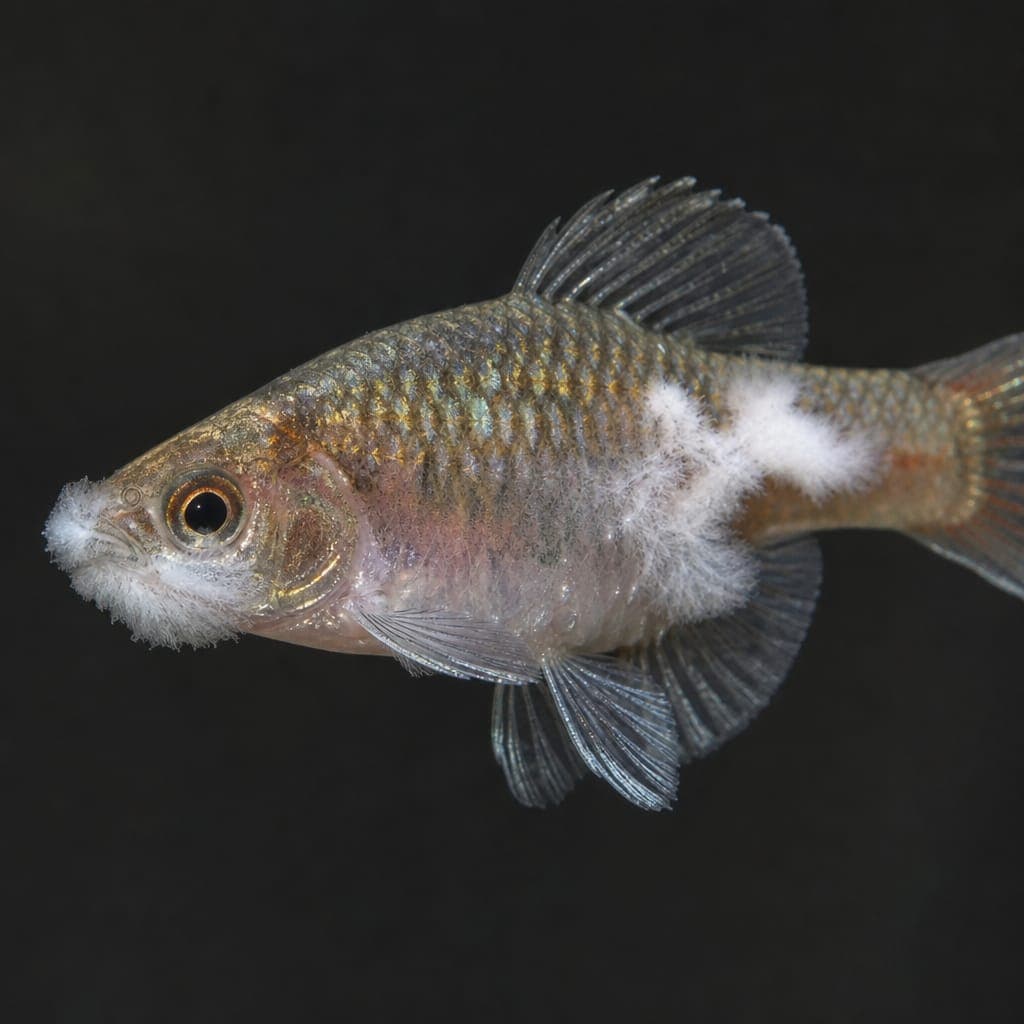
Filament Barbs can be susceptible to a variety of health issues, particularly if not kept in optimal conditions. Common health concerns include swim bladder disorders, which may arise from overfeeding or sudden changes in water parameters. Additionally, they can contract diseases such as ich (ick), fin rot, and fungal infections, particularly in stressed environments.
To prevent health issues, maintaining stable water quality is critical, and routine tank cleaning should be part of the maintenance plan. Quarantining new additions to the tank before introduction can help minimize the risk of disease transmission. Furthermore, offering a varied and balanced diet will strengthen their immune systems, allowing the Filament Barb to thrive for many years in a well-maintained community aquarium.