The Firemouth Cichlid: Thorichthys meeki
A Central American classic famous for its bright fiery red throat and dramatic gill-flaring displays. A moderate-sized cichlid with big personality.
Also known as: firemouth · Thorichthys meeki
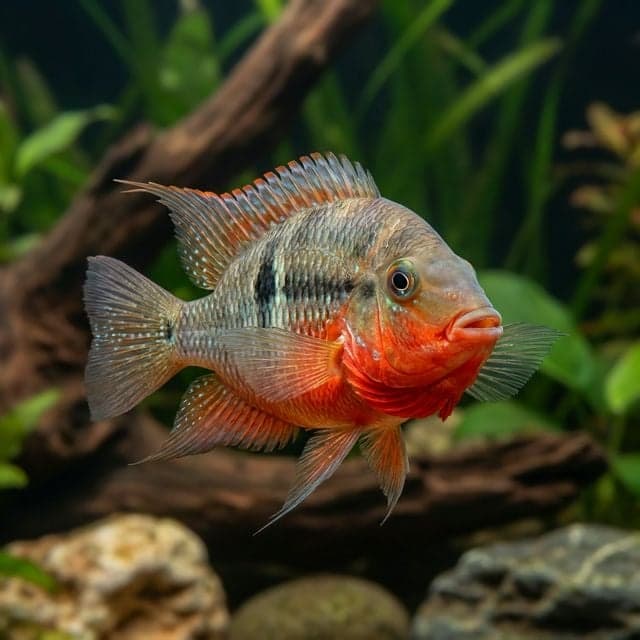
Firemouth Cichlid
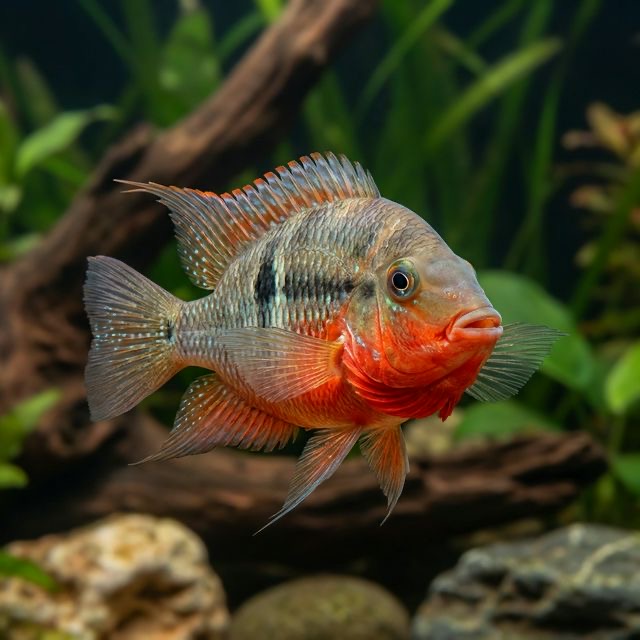
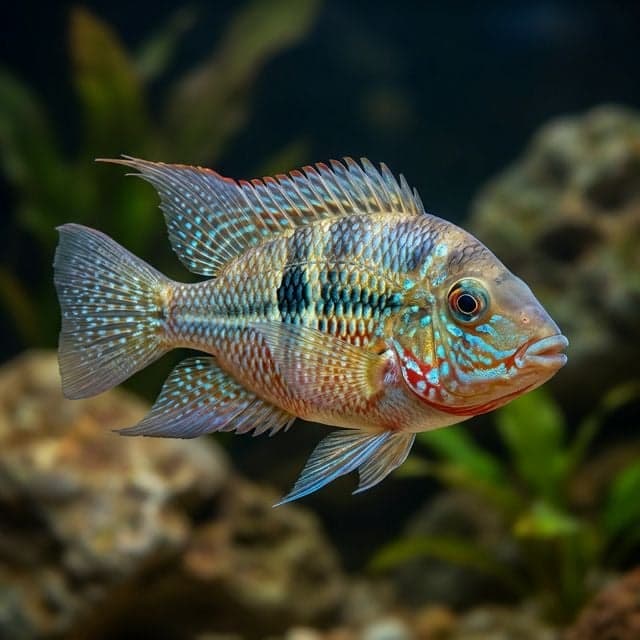
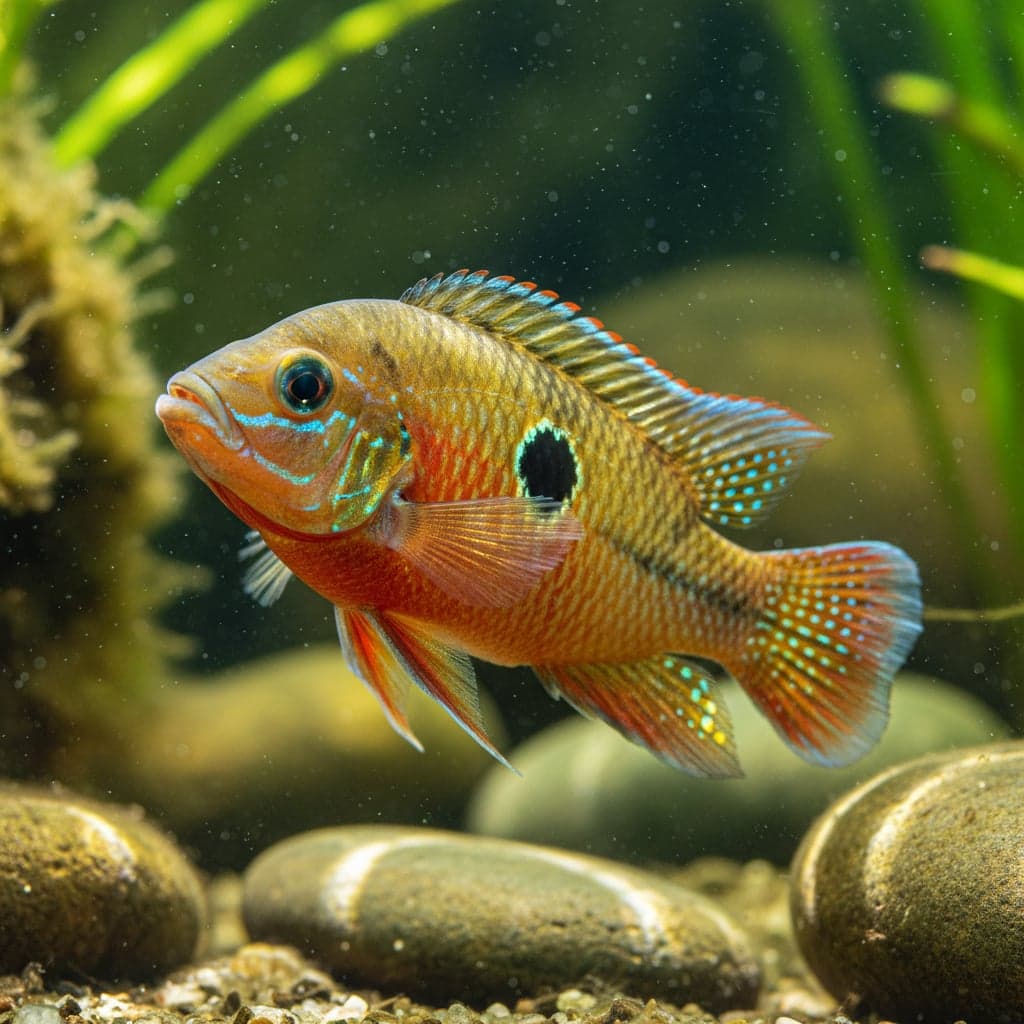
The Firemouth Cichlid, scientifically known as Thorichthys meeki, is a stunning freshwater fish native to Central America, particularly found in rivers and lakes in Belize, Honduras, and Guatemala. This species is especially esteemed in the aquarium trade due to its vibrant coloration and fascinating behaviors. The male Firemouth Cichlid exhibits a striking array of bright orange to red coloration on the lower part of its body and gills, which contrasts beautifully with its blue-gray body. Females are often less colorful but still possess subtle hues that contribute to their overall appeal. Their vivid colors, coupled with dynamic swimming patterns, make Firemouth Cichlids a captivating addition to any community aquarium.
As one of the most popular cichlid species among aquarists, the Firemouth Cichlid holds significant importance in the hobby. It is an exemplary species for both novice and experienced aquarists due to its manageable size, hardiness, and tolerable care requirements. The Firemouth's engaging behaviors, such as territorial displays and parental instincts during breeding, only add to its allure. Additionally, this species thrives under the right conditions, making it a favorite among fish keepers looking to demonstrate the wonders of cichlid care.
Natural Habitat & Origin
Firemouth Cichlids are indigenous to the freshwater bodies of Central America, primarily found in clear, slow-moving rivers and lakes. In their natural habitat, they inhabit sandy bottoms, often near vegetation, submerged roots, and rock formations that provide shelter and breeding sites. The waters they occupy usually feature a slightly acidic to neutral pH and moderate hardness, which are essential for their health and well-being. Understanding their natural environment is crucial for replicating the conditions necessary for these fish to thrive in captivity.
The ecological context of their habitat plays an essential role in how Firemouth Cichlids behave and interact with their surroundings. They often prefer areas with ample cover to hide from potential predators and to establish territories. The presence of vegetation creates a sense of security for these fish, allowing them to exhibit a range of natural behaviors that can be fascinating to observe within an aquarium setting.
Care Requirements
To maintain the health and vibrancy of Firemouth Cichlids, certain water parameters must be strictly adhered to. Ideal conditions include a pH range of 6.5 to 7.5, a water temperature of 72°F to 82°F (22°C to 28°C), and a hardness of 5 to 20 dGH. Given their territorial nature, a minimum tank size of 30 gallons is recommended, especially if housing multiple individuals. This provides adequate space for swimming and establishing territories.
For tank setup, a substrate of fine to medium gravel or sand is advisable to mimic their natural environment. Incorporating decor such as rocks, caves, and driftwood not only enhances the aesthetic appeal but also offers hiding spots and breeding sites. Lighting should be moderate, as excessively bright light can stress these fish. Live plants or plastic foliage can be included, but it’s crucial to ensure that the tank remains spacious enough to accommodate their active swimming behaviors.
Diet & Feeding
Firemouth Cichlids are omnivorous, and a balanced diet is vital for their health. In captivity, they can be fed a mix of high-quality cichlid pellets, flakes, and granules. It's beneficial to include both protein-rich foods, such as frozen or live brine shrimp and bloodworms, as well as plant-based options, such as spirulina flakes. Varied diets will promote coloration, vitality, and overall well-being. Feeding should be done 2-3 times a day, providing only as much food as they can consume in a few minutes to prevent water quality issues.
In addition to prepared foods, offering fresh vegetables like zucchini or spinach can provide essential nutrients and mimic their natural feeding behavior. Remember to regularly monitor their health and adjust their diet as needed, particularly during breeding times when their nutritional requirements may change.
Behavior & Temperament
Firemouth Cichlids are known for their engaging and sometimes aggressive behavior, particularly during territorial disputes or mating. These fish exhibit a strong sense of ownership over their space, making them less suitable for tanks with aggressive or overly large species. While they can tolerate a slightly communal setting, they are best kept with other semi-aggressive fish that can hold their own.
In terms of vertical placement, Firemouth Cichlids generally prefer the middle layers of the aquarium but will venture to the bottom and occasionally near the surface when exploring. When properly housed, these fish will often display their beautiful colors and dynamic swimming patterns, providing continuous enjoyment for aquarists.
Tank Mates
When selecting tank mates for Firemouth Cichlids, it is important to choose species that are similarly sized and exhibit compatible temperaments. Suitable tank mates include other peaceful cichlids such as the Convict Cichlid, Rainbowfish, and various types of Tetras. Avoid placing them with overly aggressive or large fish that may intimidate or harm them, such as larger cichlids or certain types of barbs. Community setups with species that thrive in similar conditions will encourage a more harmonious environment.
It’s advisable to avoid smaller fish that may be perceived as prey or fish known for excessive fin nipping. Monitoring interactions in the initial stages of introduction will help determine the compatibility of tank mates and ensure that all species coexist peacefully within the aquarium.
Breeding
Breeding Firemouth Cichlids can be an exciting endeavor for aquarists willing to replicate the proper conditions. These fish are naturally inclined to form monogamous pairs, and once a bond is established, these pairs may exhibit courtship displays. For successful breeding, providing suitable caves or flat spawning surfaces within a setting of slightly lower water levels can encourage spawning behavior.
During the breeding process, the female will lay eggs, usually on flat stones or under a decorative structure, while the male guards the territory. It is not uncommon to see both parents displaying protective behaviors towards the fry once they hatch, helping them grow in a nurturing environment.
Common Health Issues
While Firemouth Cichlids are generally hardy, they can still be prone to common aquarium ailments such as ich, fin rot, and bacterial infections. To prevent these issues, maintaining optimal water conditions and performing regular water changes is essential. Ensuring that the tank is adequately filtered and clean will help reduce stress on the fish, which can lead to illness.
Early intervention with appropriate treatments, such as medicated food or aquarium medications, is crucial if any signs of sickness are observed. Offering a balanced diet and regular tank maintenance will greatly enhance their lifespan and vitality, ensuring that they remain vibrant and healthy in your aquarium.