Five Banded Barb: Desmopuntius pentazona
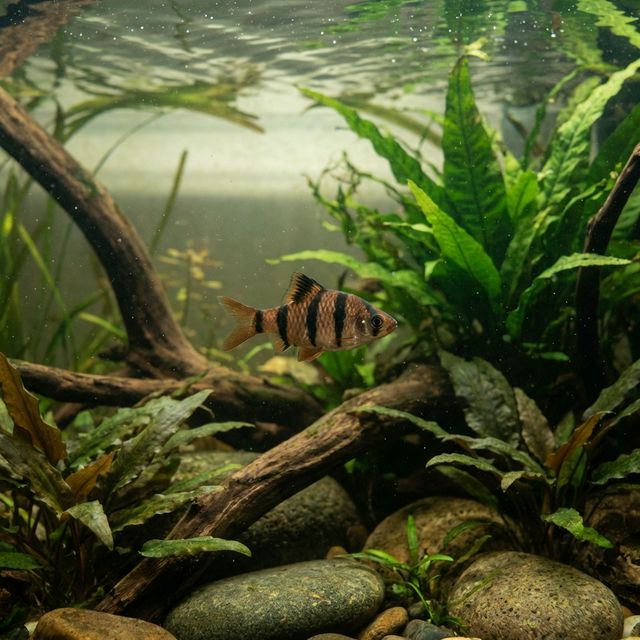
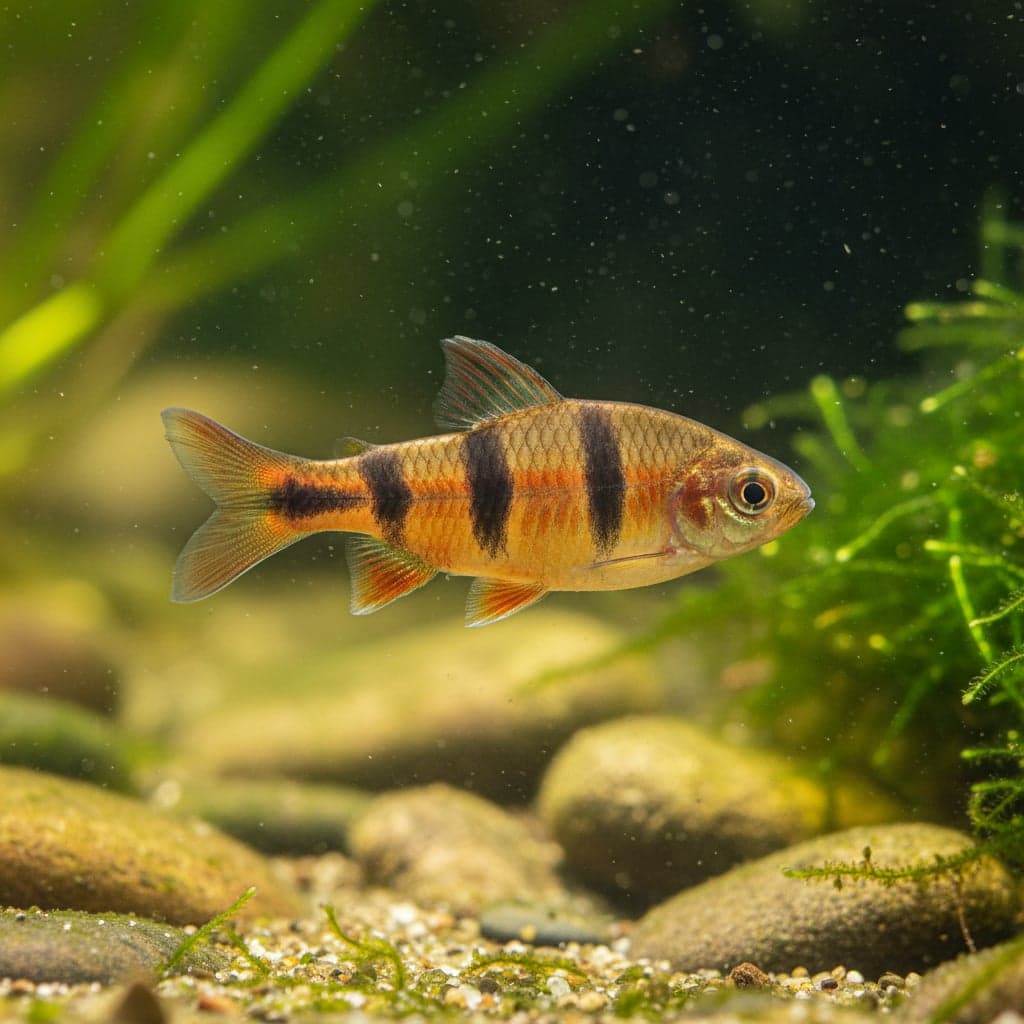
Often confused with the Tiger Barb but is much more peaceful. Has five vertical bands.
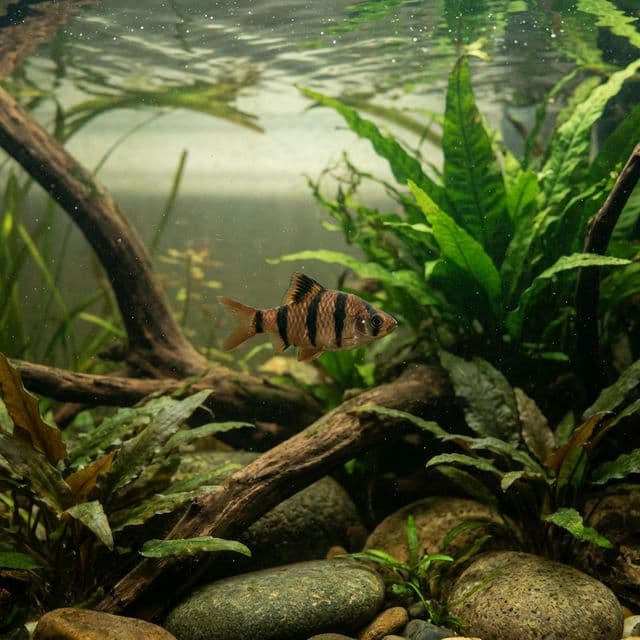
Five Banded Barb
The Five Banded Barb, scientifically known as Desmopuntius pentazona, is a striking freshwater fish that has captured the attention of aquarium enthusiasts worldwide. This species is celebrated for its vibrant coloration, featuring a blend of shimmering silver and golden hues, adorned with distinct black bands that run horizontally across its body. These visual characteristics not only enhance its appeal but also contribute to its popularity in aquascaping, where it complements the lush greenery and other aquatic features of a well-maintained aquarium. Its active swimming behavior and schooling tendencies add a dynamic element to the tank, making it an engaging species to observe.
Originating from the freshwater rivers and streams of Southeast Asia, particularly in areas such as Malaysia and Indonesia, the Five Banded Barb holds significant value in the aquarium hobby. It is often regarded as an ideal choice for both novice and experienced aquarists due to its hardiness and adaptability to various water conditions. In addition to its visual delight, this fish plays a crucial role in fostering community dynamics within a multi-species aquarium, encouraging social interactions and lively aquarium aesthetics. Its manageable size and friendly disposition facilitate compatibility with many other species, making it a staple in many aquarist collections.
Natural Habitat & Origin
The Five Banded Barb hails from the lush freshwater ecosystems of Southeast Asia, particularly thriving in the river systems and tributaries of Malaysia and Indonesia. These environments typically feature slow-moving waters, dense vegetation, and varied substrates ranging from sandy to rocky. The fish prefer waters that are slightly acidic to neutral, exhibiting characteristics of both clear and blackwater habitats. In their natural setting, they inhabit regions with abundant cover from plants and driftwood, allowing them to establish territories and seek refuge from potential predators.
In its native habitat, the Five Banded Barb is found in water conditions that can change with the seasons, from slightly acidic pH levels of around 6.0 to 7.5. They are accustomed to a temperature range of approximately 22°C to 28°C (72°F to 82°F) and appreciate moderately soft to moderately hard water, making them adaptable to various freshwater setups. This ability to thrive across different environments has contributed to their widespread popularity and has made them a favored choice among aquarium keepers.
Care Requirements
The Five Banded Barb requires specific water parameters to thrive in captivity, with a pH ranging from 6.0 to 7.5 being ideal. The temperature should be maintained between 22°C and 28°C (72°F to 82°F) to ensure optimal health and vitality. Hardness levels around 5 to 15 dGH (degrees of general hardness) are suitable for this species, providing a balanced environment. When setting up a tank for Five Banded Barbs, a minimum tank size of 20 gallons is recommended to allow ample swimming space and to accommodate a small school of at least six individuals.
For substrate, a fine sand or small gravel is preferred to mimic their natural habitat. The introduction of live plants such as Java Fern, Anubias, or Vallisneria will not only enhance the tank's aesthetics but also provide hiding spots for the fish. Additionally, the lighting should be moderate; bright light can be softened with floating plants to create a more comfortable atmosphere. Incorporating driftwood or rock formations will further enrich their environment, supporting their natural behaviors and creating a dynamic, engaging community tank.
Diet & Feeding
The Five Banded Barb is an omnivorous species, known for its diverse diet composed of both plant and animal matter. In captivity, they adapt well to various food types, including high-quality flake foods, pellets specifically designed for omnivores, and frozen or live foods such as brine shrimp, daphnia, and bloodworms. To promote optimal health and coloration, it is beneficial to provide a varied diet, alternating between dry and frozen/live offerings. This not only ensures proper nutrition but also stimulates their natural foraging behaviors, as they will eagerly hunt and peck at their food.
When feeding these fish, it is advisable to offer small amounts multiple times a day, ensuring that they consume what they can within a few minutes to prevent water quality deterioration. Since they are quite active feeders, keeping their feeding regimen varied will also encourage lively interaction among the school, enhancing their overall behavior and well-being.
Behavior & Temperament
The Five Banded Barb is characterized by its active, friendly demeanor, making it a favorite among hobbyists who enjoy observing social behaviors in their aquariums. They are schooling fish that thrive in groups of at least six, which helps alleviate stress and promotes natural behaviors. These fish are generally peaceful, with low aggression levels, yet they can occasionally display minor territoriality, especially during feeding times or when establishing their space. Their social nature leads them to occupy the mid to upper levels of the tank, where they engage in playful interactions with their peers.
In a community aquarium, it’s essential to provide ample swimming space and hiding spots, as this encourages a balanced social structure among the fish. Observing their dynamics can reveal a spectrum of interactions from playful chasing to calm swimming, contributing to a bustling aquarium atmosphere. Overall, the Five Banded Barb’s vibrant behavior coupled with its cheerful disposition makes it an ideal candidate for a community tank setup.
Tank Mates
When selecting tank mates for the Five Banded Barb, it is crucial to choose species that share similar water parameter requirements and temperament. Compatible species include Tetras, Rasboras, most Gouramis, and other peaceful community fish that enjoy similar environmental conditions. Danios and larger Shrimp species are also safe companions, as they tend to coexist well within a communal setting.
However, some species should be avoided due to their aggressive nature or size mismatch. Avoid pairing the Five Banded Barb with fin-nipping species like some Cichlids or aggressive fish such as larger Barbs, as well as overly territorial species. Additionally, small fish that can easily fit into the Barb's mouth should be avoided to ensure their safety. Ensuring a balanced community with non-aggressive tank mates will contribute to a harmonious aquarium environment.
Breeding
Breeding the Five Banded Barb in captivity can be rewarding, as these fish exhibit fascinating spawning behaviors. To encourage breeding, it is advisable to set up a separate breeding tank with a capacity of at least 10 gallons, with soft, acidic water parameters and plenty of fine-leaved plants like Java Moss, which the fish use for spawning. The water should be slightly warmer, around 26°C to 28°C (79°F to 82°F), to promote breeding activity.
During the breeding process, males will display their vibrant colors to attract females, often leading to a courtship display that involves chasing and dancing. Once a male has attracted a female, they will engage in a spawning ritual where the female deposits eggs among the plants, while the male fertilizes them. Post-spawning, it is recommended to remove the adult fish from the breeding tank, as they may consume the eggs. The eggs typically hatch within 24 to 48 hours, and the fry will begin to swim freely within a few days. Providing infusoria or finely crushed flakes is essential for the young fry’s initial feeding after they start swimming.
Common Health Issues
While the Five Banded Barb is generally resilient, it can still be prone to certain health issues if water quality declines or they are kept under stress. Common concerns include ich, fin rot, and bacterial infections. Maintain stable temperatures, perform regular water changes, and quarantine newcomers before adding them to the school. A varied diet and a proper group of six or more reduce nipping and stress-related illness. Prompt treatment at the first sign of white spots or frayed fins keeps Five Banded Barbs colourful and active.