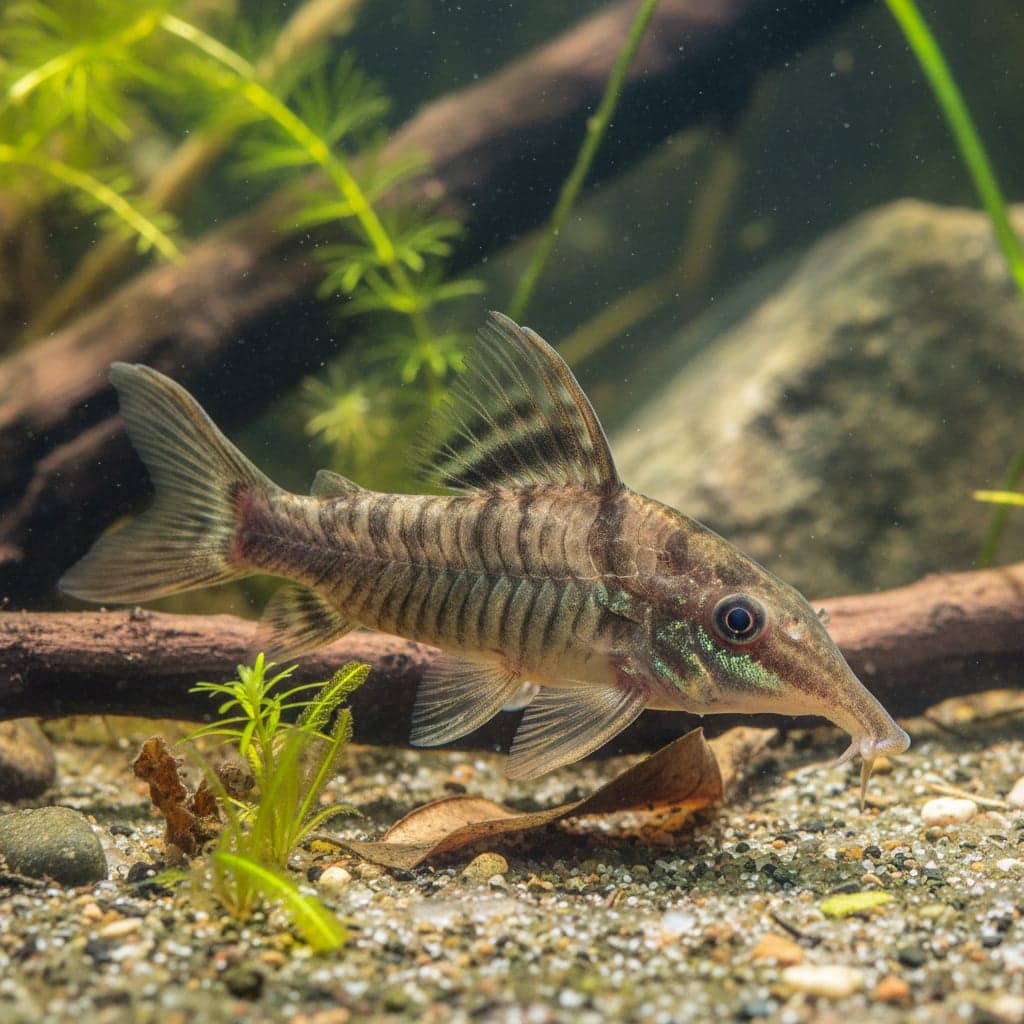
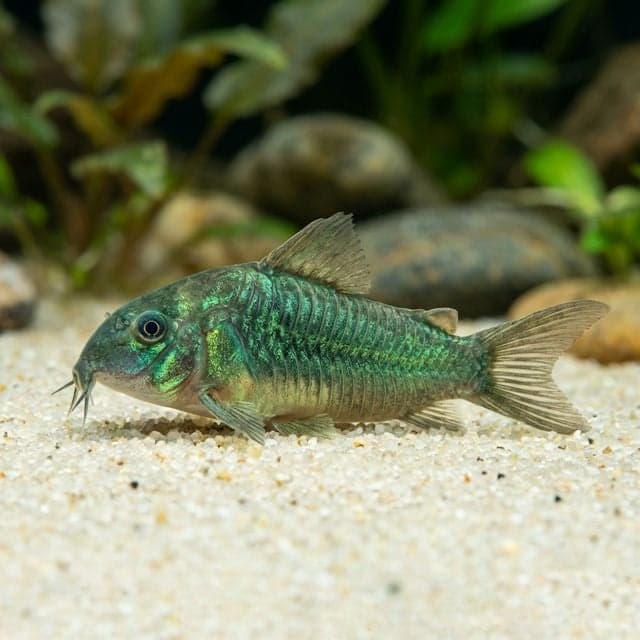
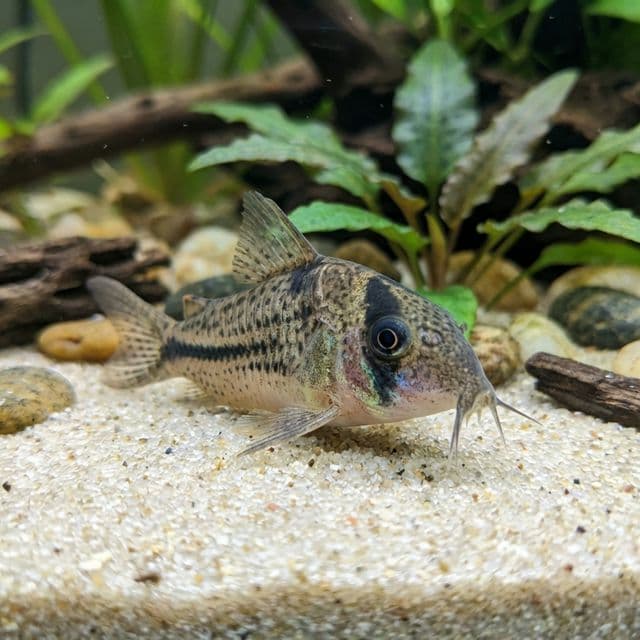
Flagtail Cory: Brochis robineae
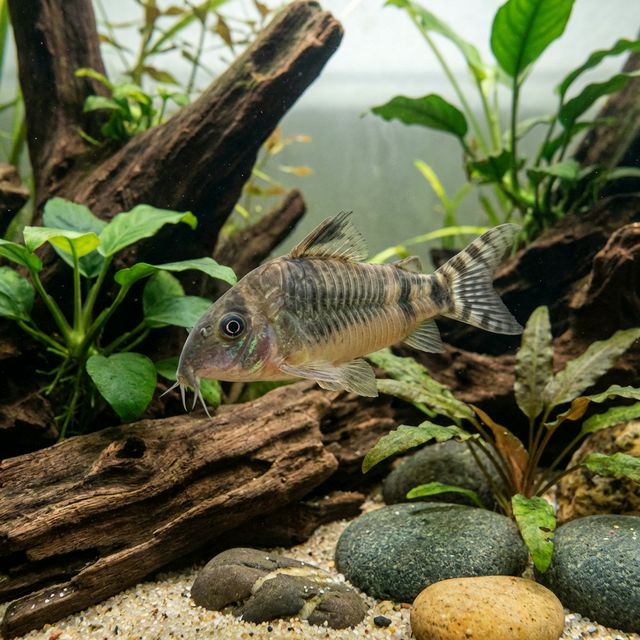
A large corydoras relative with a bold black and white banded caudal fin.
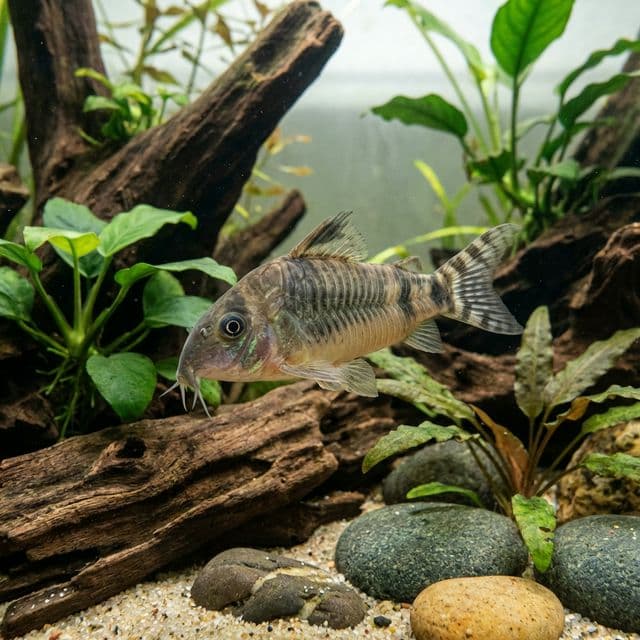
Flagtail Cory
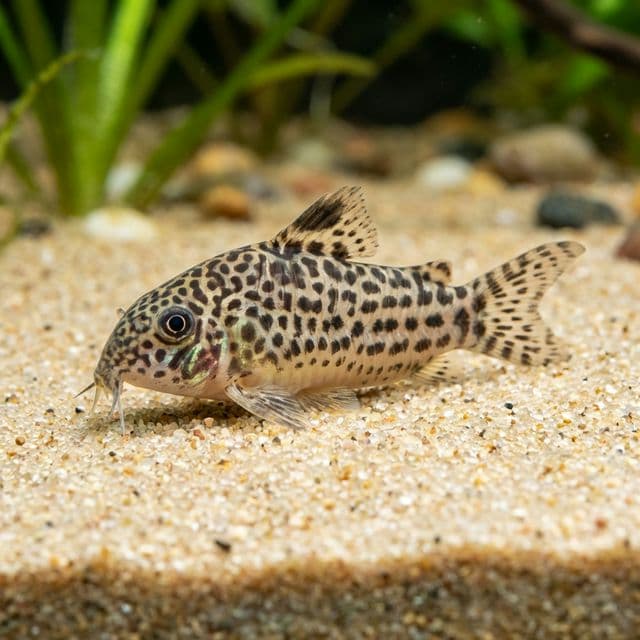
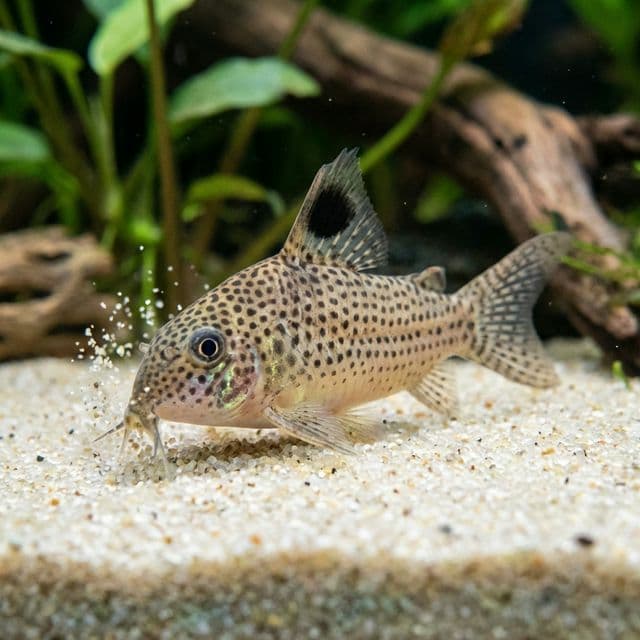
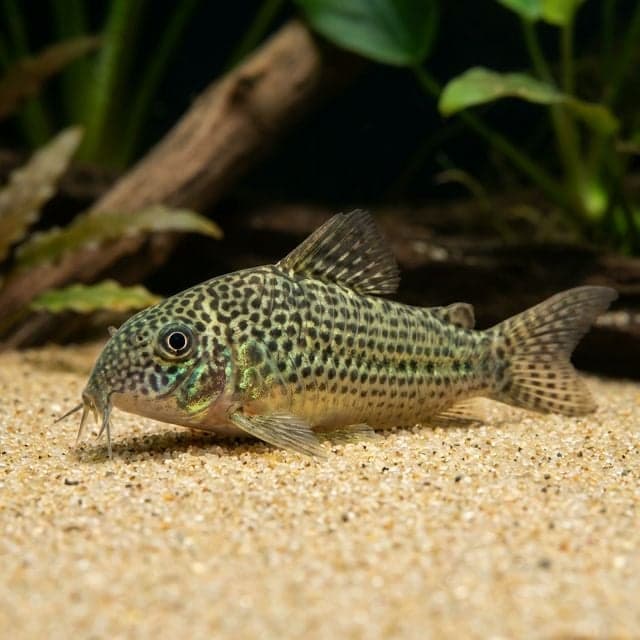
The Flagtail Cory, scientifically known as Brochis robineae, is a captivating freshwater fish that brings a splash of color and life to any aquarium. This species is renowned for its striking appearance, characterized by its distinctive flag-like tail that displays a mix of golden, dark blue, and white hues. The overall body is sleek and torpedo-shaped, with a smooth, greenish-brown coloration that enhances its visual appeal. The striking contrast of its fins against the body creates a unique allure that attracts both novice and experienced aquarists alike. As a member of the larger Corydoras family, the Flagtail Cory is not only admired for its aesthetic qualities but also for its active and engaging behavior, which enhances the communal environment of the aquarium.
In the aquarium hobby, Flagtail Corys hold noteworthy significance due to their peaceful nature and adaptability, making them excellent candidates for community tanks. They thrive in schools, which means keeping them in groups of six or more enhances their social dynamics and overall health. The Flagtail Cory is also recognized for its ability to benefit the aquarium ecosystem, as it helps to scavenge leftover food and sediment from the substrate. This ecological role not only aids in maintaining optimal water quality but also creates a lively and dynamic environment that spectators will thoroughly enjoy.
Natural Habitat & Origin
The Flagtail Cory hails from the slow-moving waters of the Amazon River Basin in South America, specifically found in regions spanning Colombia and Brazil. These waters are typically characterized by their warm temperatures, low light conditions, and slightly acidic to neutral pH levels. The natural habitat for this species includes a rich tapestry of submerged vegetation, leaf litter, and sandy substrates, where they forage for food in the detritus. The water in these environments often exhibits blackwater conditions, leading to the discolored appearance due to organic materials such as decomposing leaves and tannins leached from the surrounding flora. Understanding this species' natural habitat is vital for replicating favorable conditions in captivity.
Care Requirements
To ensure the best care for Flagtail Corys in an aquarium setting, it’s essential to mimic their natural environment as closely as possible. The ideal water parameters include a pH range of 6.0 to 7.5, with a temperature maintained between 72°F to 78°F (22°C to 26°C). Hardness should be kept between 2 to 15 dGH, allowing for a comfortable habitat conducive to healthy breeding and longevity. For tank setup, a minimum aquarium size of 20 gallons is recommended, allowing ample room for these active swimmers. The substrate should be soft and sandy, as sharp materials can injure their delicate bodies during foraging. Low to moderate lighting is ideal, accompanied by a dense planting of live plants that replicate their natural habitat within the aquarium.
Tank Setup
In setting up an aquarium for Flagtail Corys, it is beneficial to include hiding spots and enrichment opportunities. Use driftwood, rocks, and dense foliage to create sheltered areas, ensuring these social fish feel secure. The incorporation of floating plants can help simulate the dimly lit spaces of their natural habitat. Additionally, providing a gentle filtration system is crucial to maintain water quality while avoiding strong currents, which may stress the Flagtail Cory.
Diet & Feeding
Flagtail Corys are omnivorous, thriving on a varied diet that mimics their natural foraging behavior. In captivity, it’s essential to provide them with high-quality flakes, sinking pellets, and a mix of frozen or live foods such as daphnia, brine shrimp, and bloodworms. A diet rich in plant matter, including spirulina and crushed vegetables, will also support their overall health. Offering diverse food options will enhance their color, vitality, and ensure they receive all necessary nutrients to thrive within the aquarium setting.
Behavior & Temperament
Flagtail Corys are known for their peaceful and friendly temperament, making them excellent community fish. They display social behavior, preferring to be in groups of six or more to feel secure and exhibit natural schooling behavior. Though they spend most of their time at the bottom of the tank foraging for food, they are not shy and will interact with their tank mates and their environment. Flagtail Corys are typically non-aggressive; however, ensuring that their companions are also peaceful species helps maintain tranquility in the tank, particularly around feeding times.
Tank Mates
When selecting tank mates for Flagtail Corys, consider community fish that share similar water parameter preferences and exhibit peaceful behavior. Compatible species include tetras, rasboras, danios, and peaceful gouramis. It’s best to avoid aggressive or overly territorial fish, such as cichlids or aggressive minnows, which may stress or harm the Flagtail Corys. Additionally, avoid keeping them with large bottom feeders like large catfish that may compete for food or space.
Breeding
Breeding Flagtail Corys in captivity can be a rewarding endeavor for aquarists. To encourage spawning, it's important to provide optimal water conditions, including slightly cooler temperatures and increased water changes. During the breeding process, males will court females through displays of chasing and nipping. The female, upon being fertilized, will lay eggs on flat surfaces such as leaves or tank decorations. After spawning, it is advisable to remove the adult fish from the breeding area to prevent them from consuming the eggs. The eggs typically hatch within 3-5 days, yielding fry that require fine foods like infusoria or powdered fry food for their initial weeks of life.
Common Health Issues
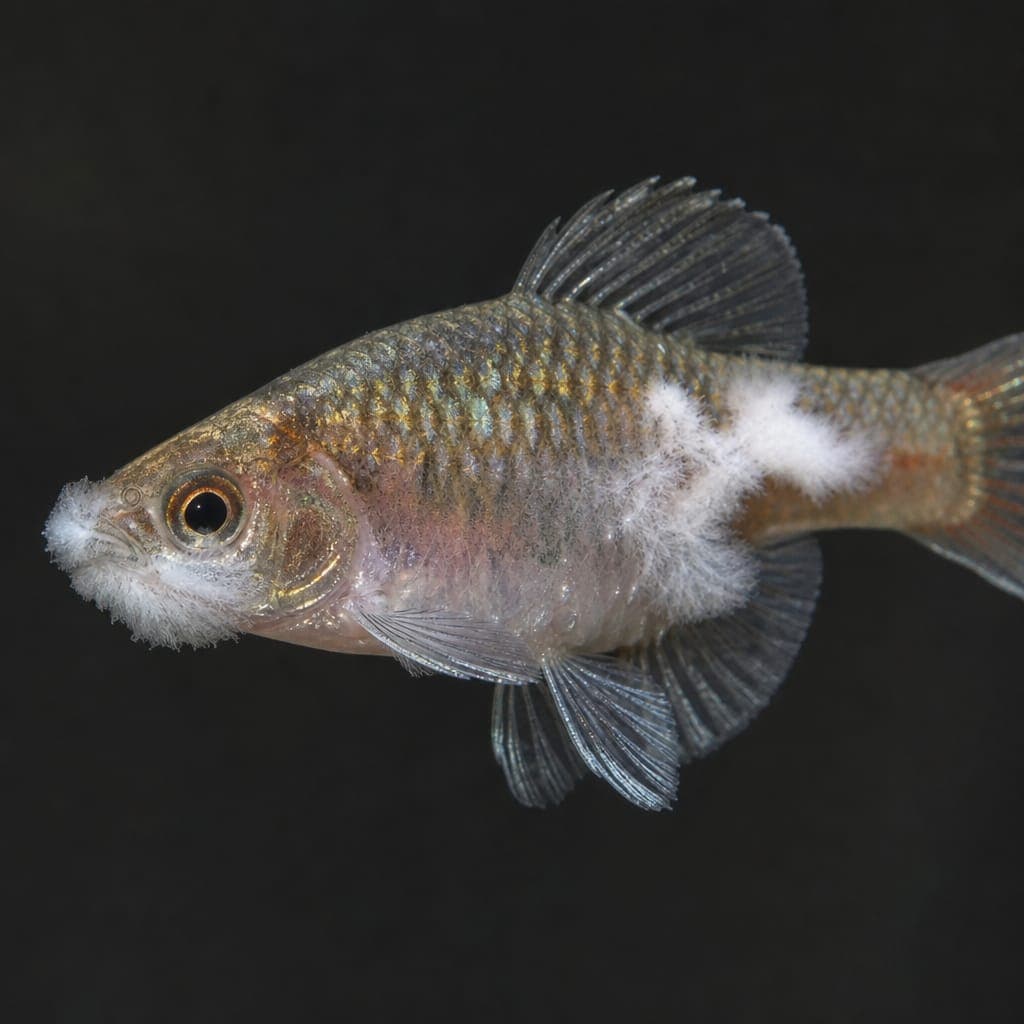
Flagtail Corys are generally hardy fish, but they can be susceptible to certain health issues if not provided adequate care. Common ailments include ich (white spot disease), fin rot, and fungal infections. To prevent these issues, it’s essential to maintain stable water conditions and monitor for any changes in behavior or appearance. Regular water changes, good tank hygiene, and ensuring they are not stressed are effective methods of disease prevention. Additionally, a balanced diet will bolster their immune systems, minimizing the likelihood of health problems in the aquarium.