Flagtail Porthole Catfish: Dianema urostriatum
A peaceful, elongated catfish that builds floating bubble nests. Distinctive striped tail.
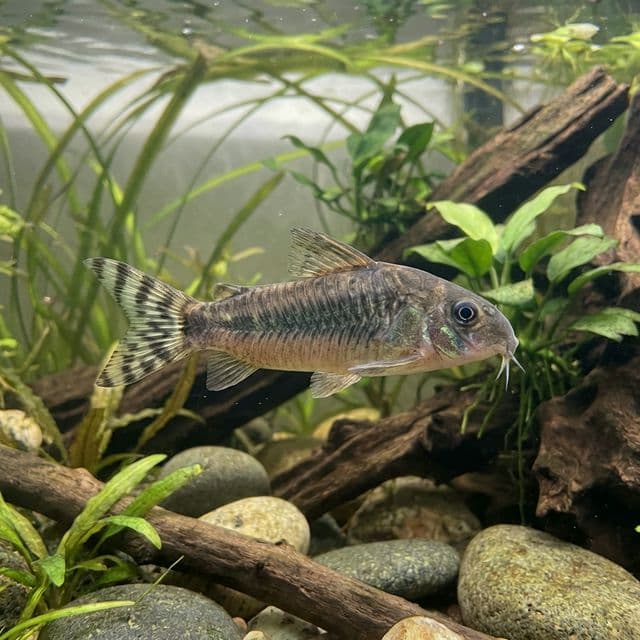
Flagtail Porthole Catfish
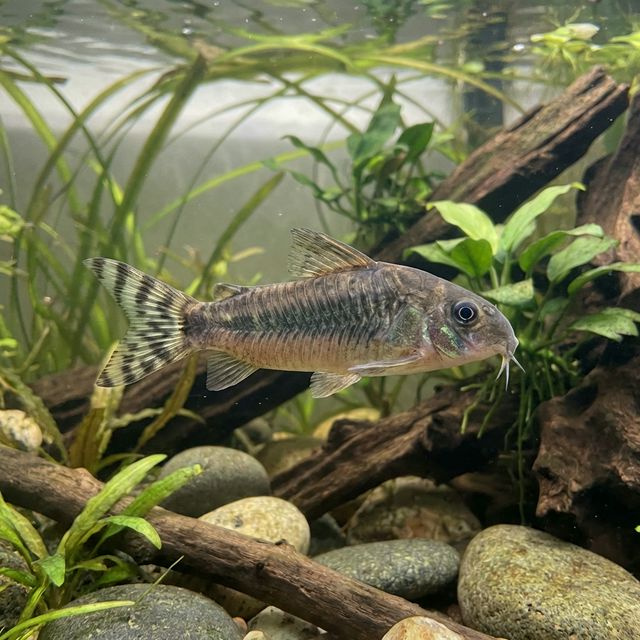
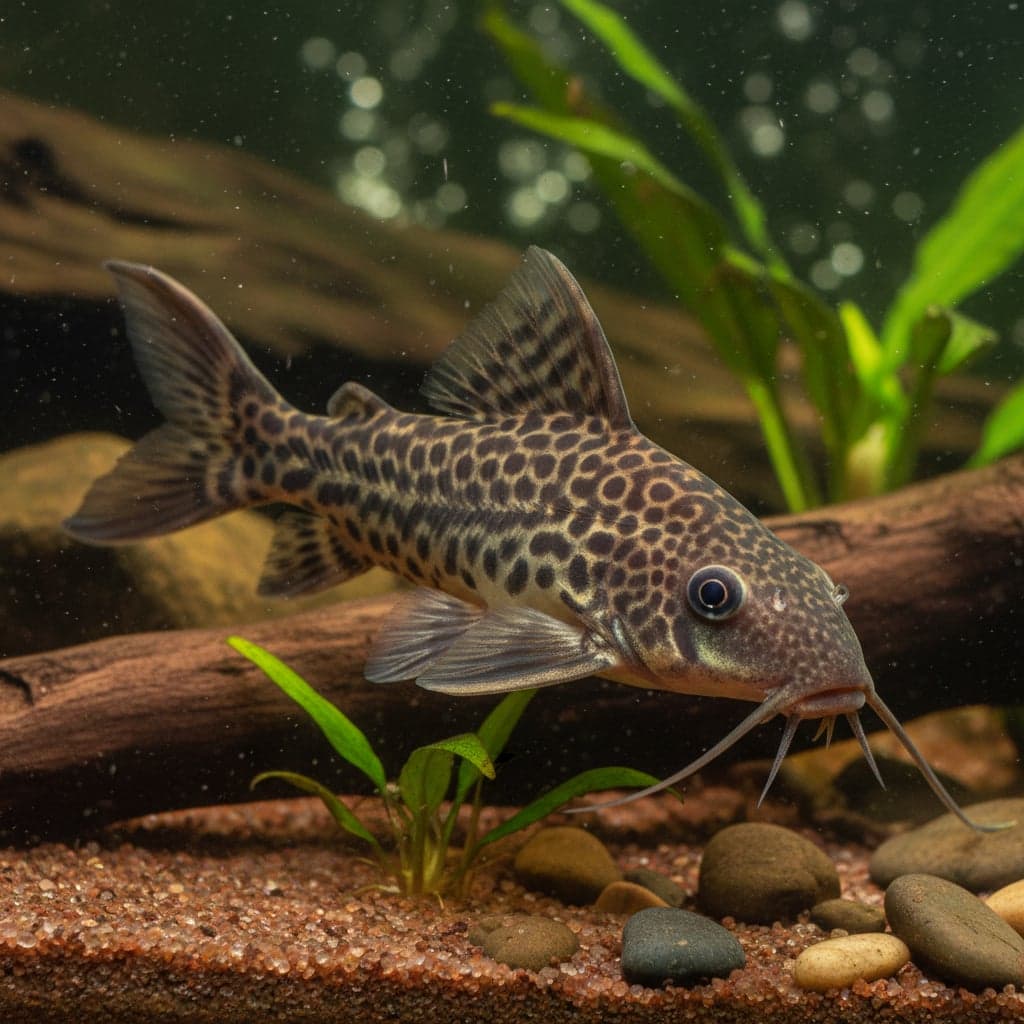
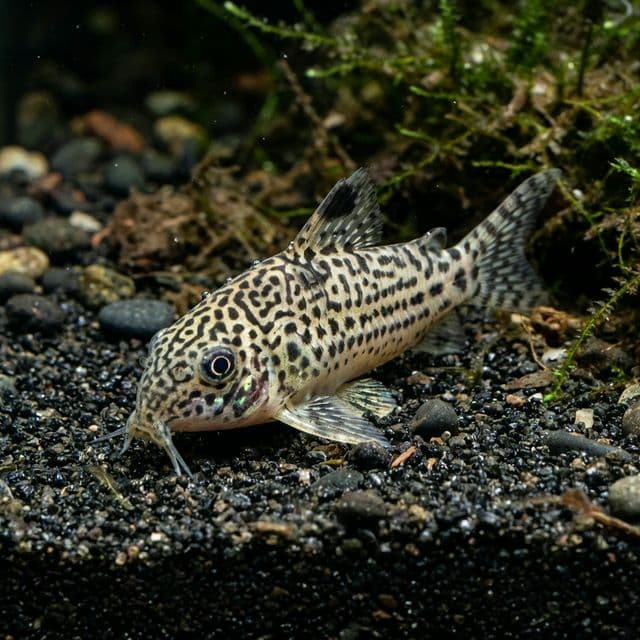
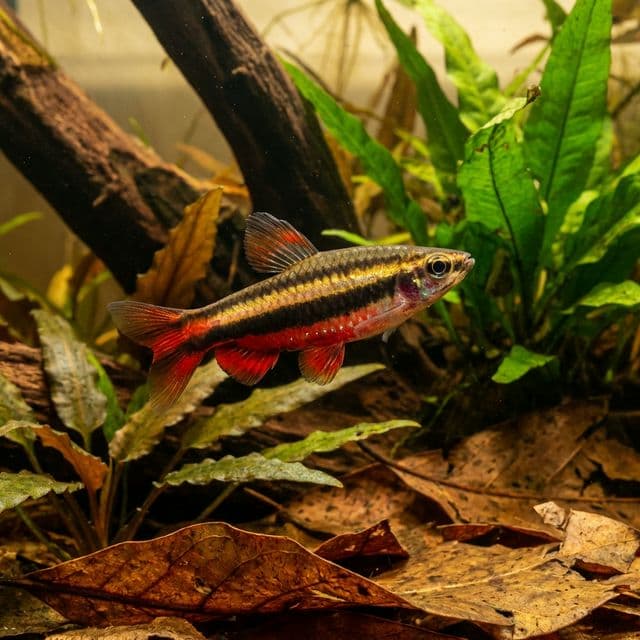
The Flagtail Porthole Catfish, scientifically known as Dianema urostriatum, is a visually appealing species that captivates both beginner and experienced aquarists alike. This freshwater catfish is distinguished by its striking body coloration, which features a combination of silvery and darker shades, along with unique porthole-like spots that adorn its sides. These markings not only enhance its aesthetic charm but also serve as a conversation starter in any aquarium setup. With its elongated body shape and elegant fins, the Flagtail Porthole Catfish adds a dynamic presence to the tank, gracefully navigating amidst plants and decorations.
In the aquarium hobby, the Flagtail Porthole Catfish holds significance due to its gentle temperament and compatibility with a wide range of tank mates. This species is particularly valued for its scavenging behavior, helping to maintain a clean environment by consuming leftover food and detritus. Enthusiasts appreciate its relatively peaceful nature, making it suitable for community tanks. As a fish that thrives in well-structured environments with ample hiding spots, it encourages hobbyists to create lush, aquascaped setups that not only benefit the catfish but provide a stunning backdrop for the entire aquarium.
Natural Habitat & Origin
The Flagtail Porthole Catfish is native to the waterways of South America, particularly found in the Amazon Basin, which includes countries like Brazil and Colombia. These fish inhabit a variety of environments, often favoring slow-moving rivers, streams, and floodplain areas where the water is rich in organic matter. Typically, they are found in blackwater and clearwater conditions, characterized by soft, acidic water rich in tannins, resulting from decaying plant materials. The natural habitat is composed of submerged roots, fallen leaves, and dense aquatic plants that provide both shelter and food sources.
In the wild, the Flagtail Porthole Catfish plays an essential role in the ecosystem by participating in the breakdown of organic material and contributing to nutrient cycling. Understanding their natural environment is crucial for aquarists as it helps replicate the necessary conditions for their health and well-being in captivity.
Care Requirements
To ensure the optimal health of the Flagtail Porthole Catfish, specific water parameters need to be maintained. Ideally, the pH should range between 6.0 and 7.5, with a temperature of 75°F to 82°F (24°C to 28°C). The hardness level should be on the softer side, approximately 2 to 15 dGH. As for tank setup, a minimum tank size of 30 gallons is recommended to provide enough swimming space. The substrate should consist of fine-grained sand or smooth gravel to avoid injuring their delicate barbels.
Lighting should be moderate, mimicking their natural habitat's dim conditions, and tank decor should include plenty of hiding spots like driftwood, rock formations, and dense planting with species such as Java Fern and Anubias. This will not only create a visually appealing environment but also give the Flagtail Porthole Catfish a sense of security, promoting healthy behavior.
Diet & Feeding
Flagtail Porthole Catfish are omnivorous, enjoying a varied diet that includes high-quality flakes, pellets, and the occasional treat of frozen or live foods. Their food intake should comprise a balanced mix of protein and plant-based ingredients to meet their nutritional needs. They particularly benefit from diet variations, including sinking pellets specifically formulated for catfish and occasional offerings of bloodworms, brine shrimp, or even blanched vegetables like zucchini and spinach. Providing a diverse diet encourages optimal growth, coloration, and overall health.
Care should be taken to avoid overfeeding, as these catfish, like many others, are prone to obesity. Feeding them small amounts multiple times daily, rather than a single large meal, can help maintain their health and prevent waste accumulation in the aquarium.
Behavior & Temperament
The Flagtail Porthole Catfish exhibits a generally peaceful demeanor, making it a suitable addition to community aquariums. These fish are known to be social and thrive in small groups, showing a preference for being in pairs or small schools of 4-6 individuals. They can often be seen exploring their environment, sifting through the substrate for food, or utilizing tank heights by swimming into the upper water column, although they tend to feel more secure at mid to bottom levels.
While typically non-aggressive, they can occasionally exhibit shyness in unfamiliar environments. It's essential to provide hiding spaces to minimize stress and encourage natural behaviors. Due to their peaceful nature, they can tolerate minor disputes with tank mates, but they should not be housed with overly aggressive or hyperactive fish that may disturb them.
Tank Mates
When selecting tank mates for the Flagtail Porthole Catfish, it is crucial to choose species that share similar water parameter requirements and temperaments. Compatible species include peaceful community fish such as Tetras, Rasboras, Gouramis, and other catfish like Corydoras. Additionally, medium-sized species such as Rainbowfish and certain Dwarf Cichlids can coexist harmoniously, provided they are not overly territorial.
Conversely, it is advisable to avoid housing the Flagtail Porthole Catfish with aggressive species such as Cichlids, large barbs, or any fish that can nip at their fins. Additionally, solitary or overly large predatory fish may pose a threat, stressing the catfish and hindering their well-being in the aquarium.
Breeding
Breeding Flagtail Porthole Catfish in captivity presents several challenges, as they require specific conditions for successful spawning. To induce spawning, aquarists should replicate their natural conditions as closely as possible. A separate breeding tank—about 20 gallons—is recommended, with slightly reduced water levels and a temperature of around 80°F (27°C).
The breeding tank should include fine-leaved plants or spawning mops as substrates for egg deposition. When ready to spawn, females will lay eggs on these surfaces, and typically, the males will guard and fan the eggs to ensure proper oxygenation. Once the fry hatch, they should be fed infusoria or finely crushed flakes until they are large enough to consume more substantial foods. Given that breeding has not been extensively documented in captivity, it often requires patience and expertise.
Common Health Issues
The Flagtail Porthole Catfish can be susceptible to common freshwater fish diseases, such as ich (Ichthyophthirius multifiliis), fin rot, and bacterial infections if not properly cared for. Maintaining optimal water conditions, regular tank maintenance, and a balanced diet are crucial prevention strategies. Additionally, stress management through adequate hiding spaces and minimal tank disturbances can safeguard their health.
Quarantine new additions before introducing them to the main tank to prevent the spread of diseases. Regular observation for any signs of illness or unusual behavior will also aid in early detection and treatment, ensuring the longevity and vitality of the Flagtail Porthole Catfish in your aquarium.