Fish

Flame Angelfish

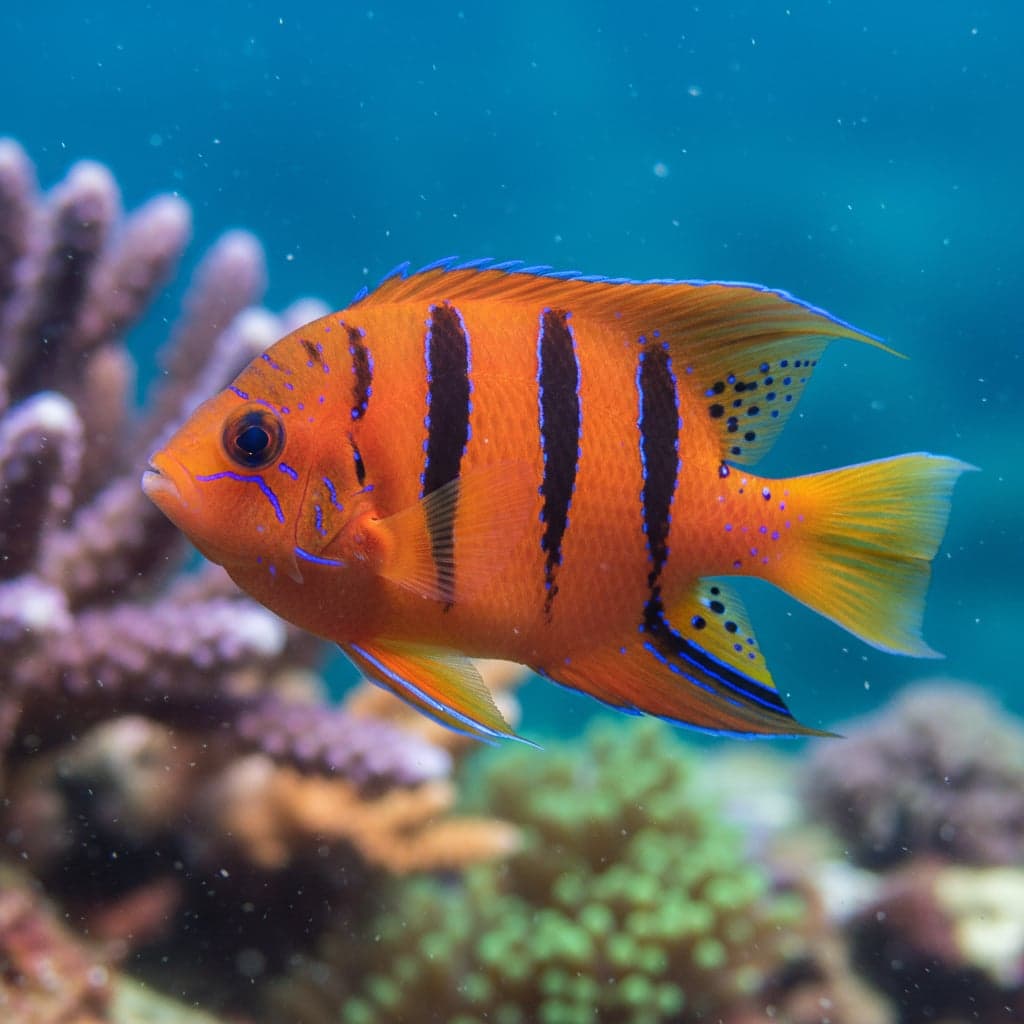
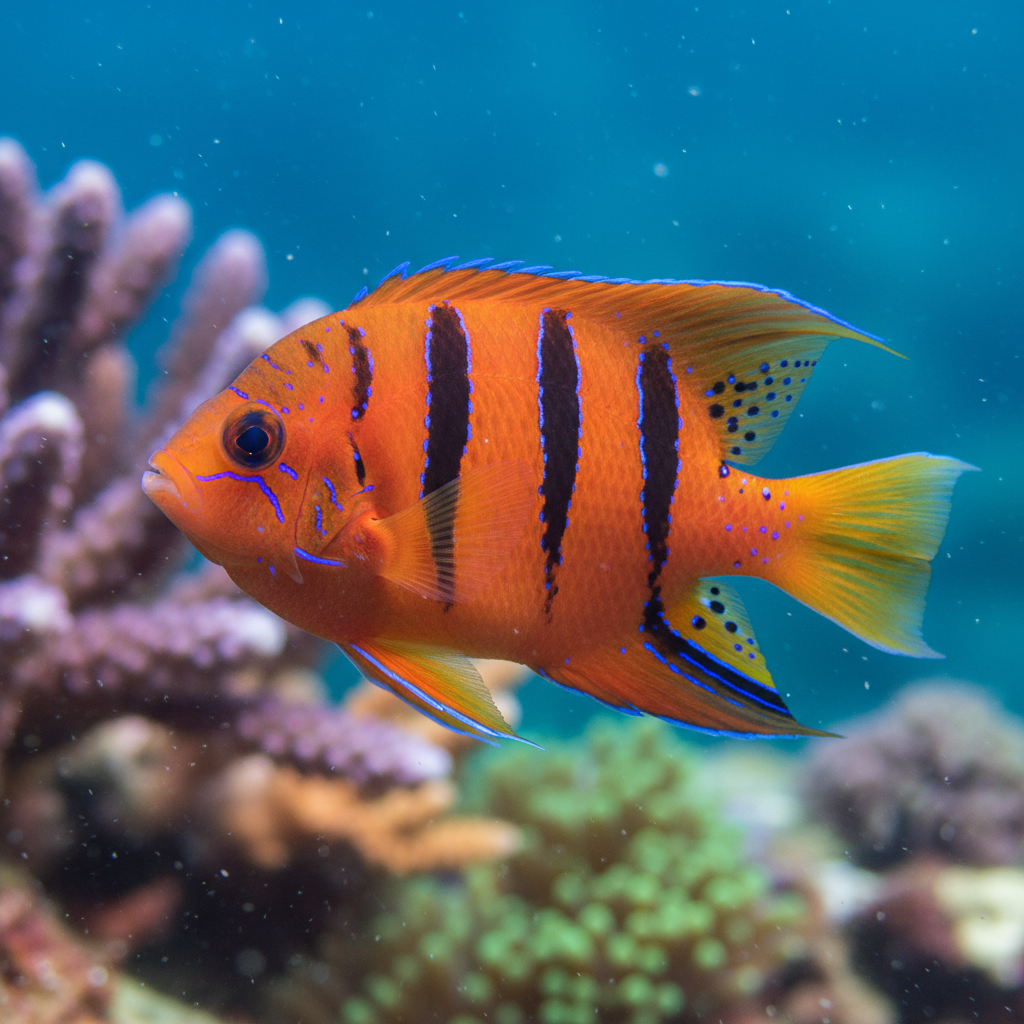
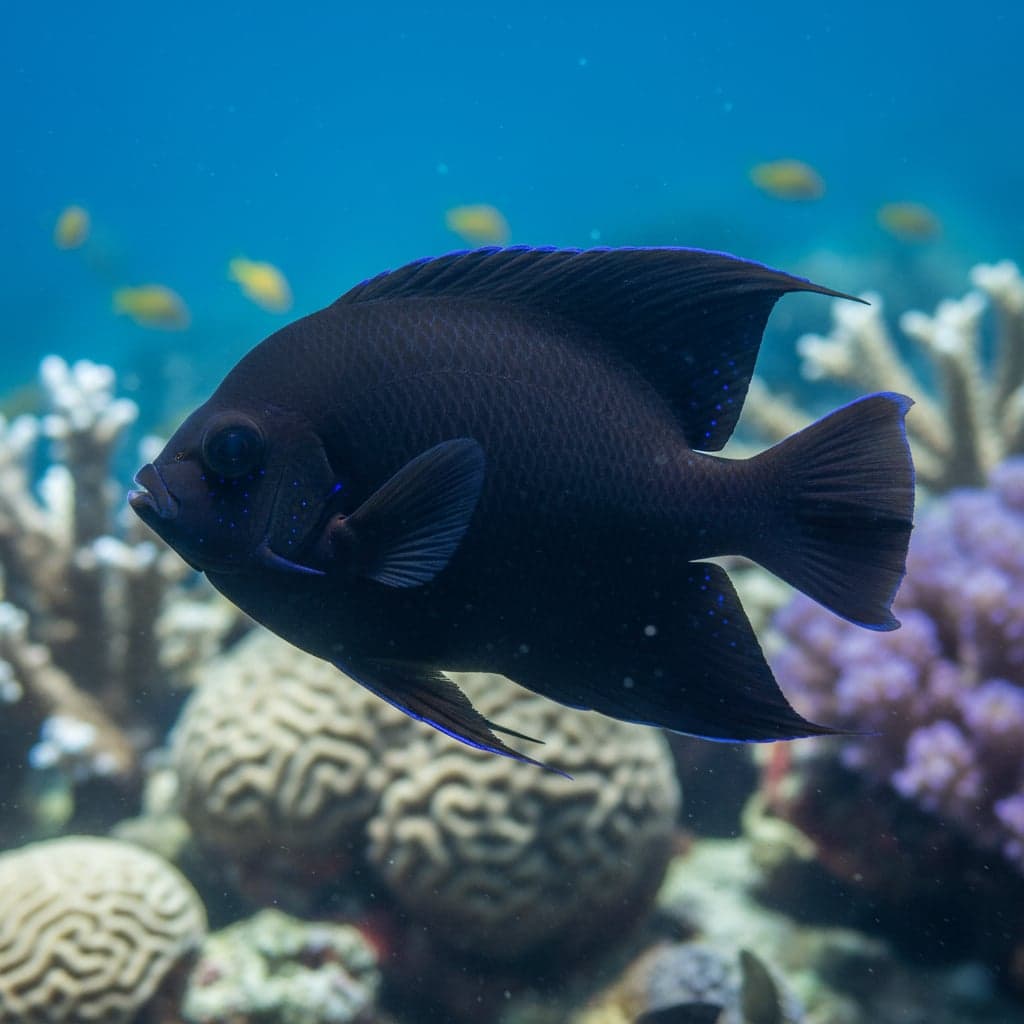
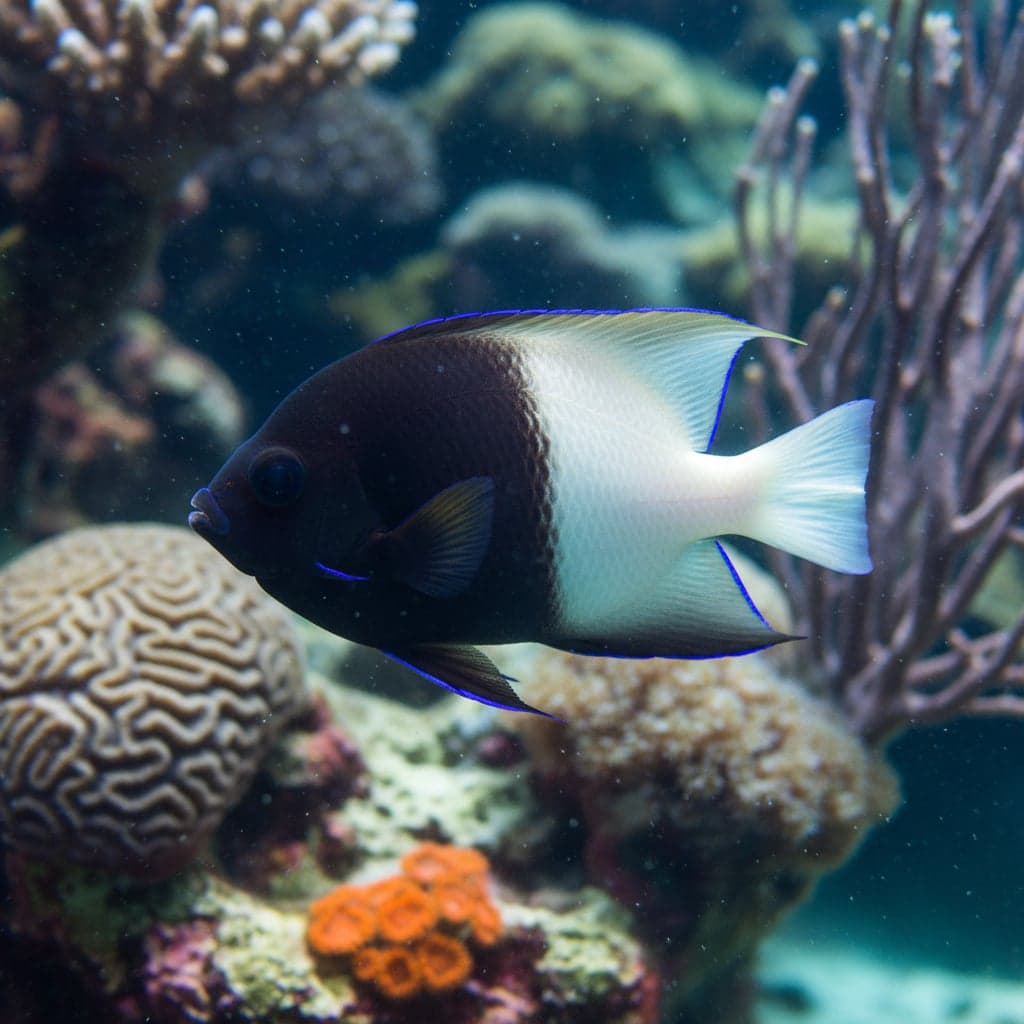
The Flame Angelfish (Centropyge loriculus) is a stunning saltwater fish known for its unique appearance and behavior.

Studio Scaped
Flame Angelfish

Flame Angelfish

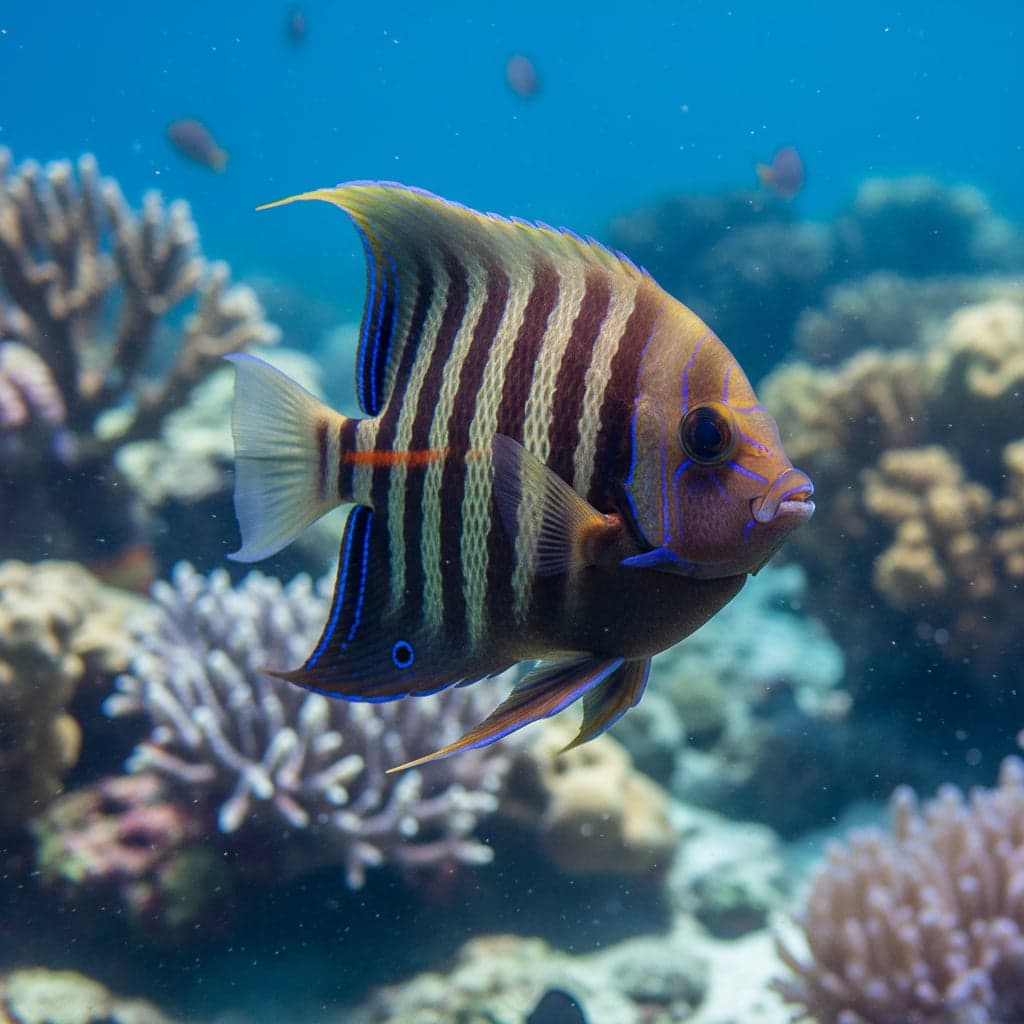
The Flame Angelfish (Centropyge loricula) is a stunning and popular species within the marine aquarium hobby, renowned for its vibrant coloration and dynamic personality. This small reef-dwelling fish typically grows to about 3 to 4 inches in length and displays an eye-catching blend of fiery orange and deep blue hues, which contrast nicely across its body and fins. These vivid colors serve not only as a visual delight for aquarists but also play a critical role in their natural habitat, aiding in communication and mating displays among conspecifics. As one of the more popular angelfish, this species has captivated both novice and experienced hobbyists, becoming a staple in many reef aquariums.

In the broader context of the aquarium trade, the Flame Angelfish is significant for its relatively manageable care requirements and appealing aesthetics, making it an appealing choice for marine aquarists. Its adaptability to varying tank conditions and compatibility with various other species further cements its status as a quintessential addition to fledgling and established marine setups alike. However, potential owners are encouraged to research and understand the unique needs of this species to promote its health and longevity in a captive environment.

Natural Habitat & Origin

The Flame Angelfish is native to the warm, tropical waters of the Pacific Ocean, primarily found around coral reefs and rocky environments in regions such as Hawaii, the Marquesas Islands, and the Society Islands. Preferring shallow bays and lagoons, this species generally inhabits depths ranging from 30 to 100 feet, where it can find ample hiding spots among the crevices of live rock formations. The water is typically characterized as being clear with moderate to strong currents, which help in dispersing food sources and provide stimulation for these active swimmers.

In their natural habitat, Flame Angelfish thrive in a diverse environment that includes a mix of hard and soft corals, sea fans, and algae patches that serve as foraging grounds. The ecological importance of these fish is noteworthy as they play a significant role in controlling algae growth and contributing to reef health. Their presence in established ecosystems highlights the intricate web of interdependency among marine species and the rich biodiversity of coral reef environments.

Care Requirements

To successfully keep a Flame Angelfish in an aquarium, specific water parameters must be maintained. Ideally, the pH should be in the range of 8.1 to 8.4, with a temperature of 75°F to 82°F (24°C to 28°C). Hardness levels should ideally remain between 8 to 12 dGH. For tank setup, a minimum of 30 gallons is recommended to provide enough space for swimming and hiding. A sandy substrate mimics their natural environment and promotes natural behaviors, while live rock provides essential hiding spots and grazing surfaces.

Lighting should be moderate to bright as it helps highlight the beautiful coloration of the Flame Angelfish while promoting algae growth for grazing. While live plants are not common in marine setups, including soft corals and other reef structures can create a vibrant underwater landscape that appeals to these fish while offering shelter and security.

Diet & Feeding

Flame Angelfish are considered omnivores, with a balanced diet consisting of a variety of foods essential for maintaining health and vitality. In captivity, it is important to provide a diverse diet that includes high-quality marine flakes or pellets, frozen foods like Mysis shrimp, brine shrimp, and various types of algae. It is beneficial to include live foods occasionally to stimulate natural hunting instincts and ensure proper nutrition. Regular feeding intervals of 2-3 times per day can promote overall health, vibrant coloration, and longevity.

Aquarists should be mindful not to overfeed and to ensure that food options sink and float, as Flame Angelfish may forage at different levels in the tank. Incorporating dried seaweeds and spirulina can further enrich their diet, contributing to their essential nutrient intake while satisfying their grazing instincts.

Behavior & Temperament

Flame Angelfish are known for their curious and energetic behavior, often displaying a bold personality that is engaging for hobbyists. While they are typically peaceful, they can exhibit territorial aggression, particularly towards similar-looking species or other dwarf angelfish. Adequate space in the aquarium, along with plenty of hiding spots, can help mitigate aggression and ensure a more harmonious environment.

These fish tend to occupy the mid to high levels of the aquarium and are rarely seen at the bottom. They are solitary by nature; thus, it is best to keep them as singles or in pairs when breeding. Providing them a spacious environment will enable them to express their natural behaviors and decrease overall stress levels.

Tank Mates

Choosing appropriate tank mates for Flame Angelfish is crucial for a peaceful aquarium ecosystem. Compatible species include small clownfish, gobies, and other non-aggressive reef fish. Some suitable tank pairs can include the following:

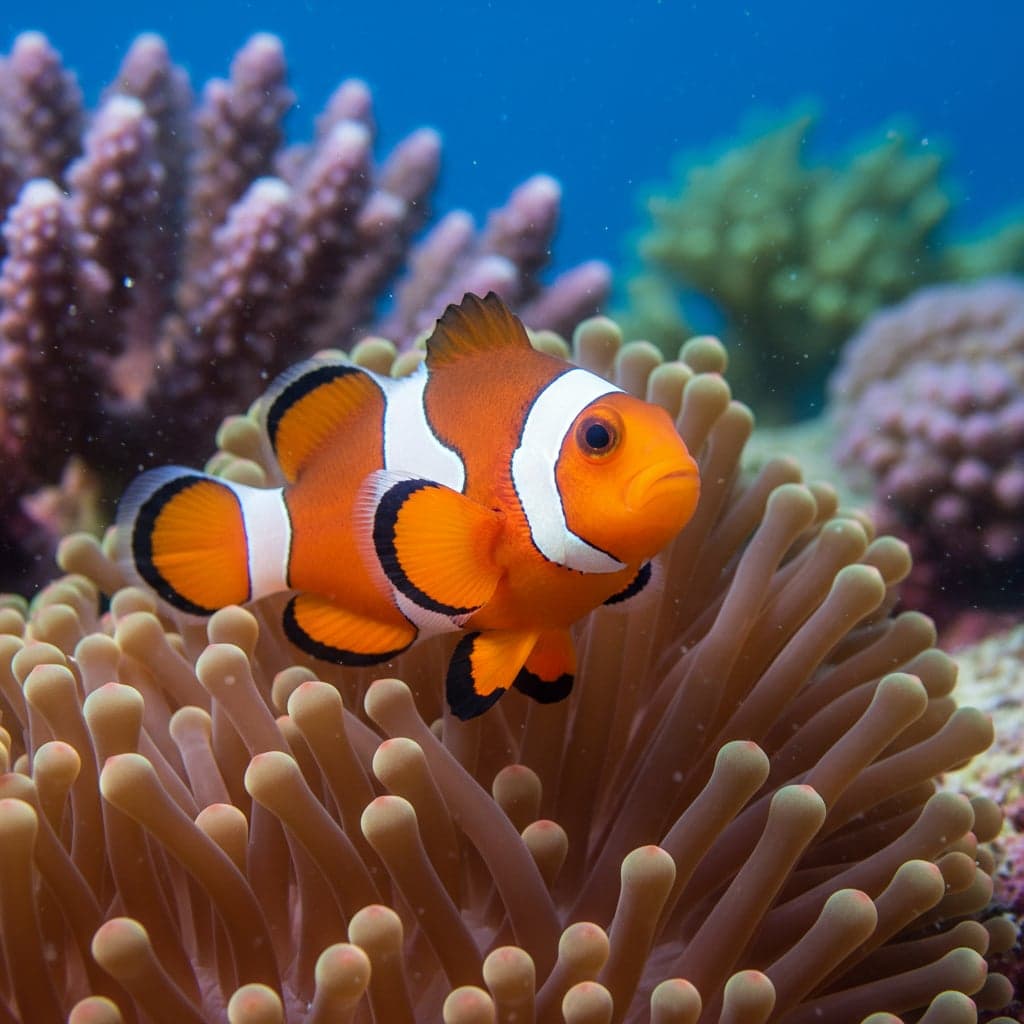
  • Clownfish (e.g., Ocellaris or Percula)
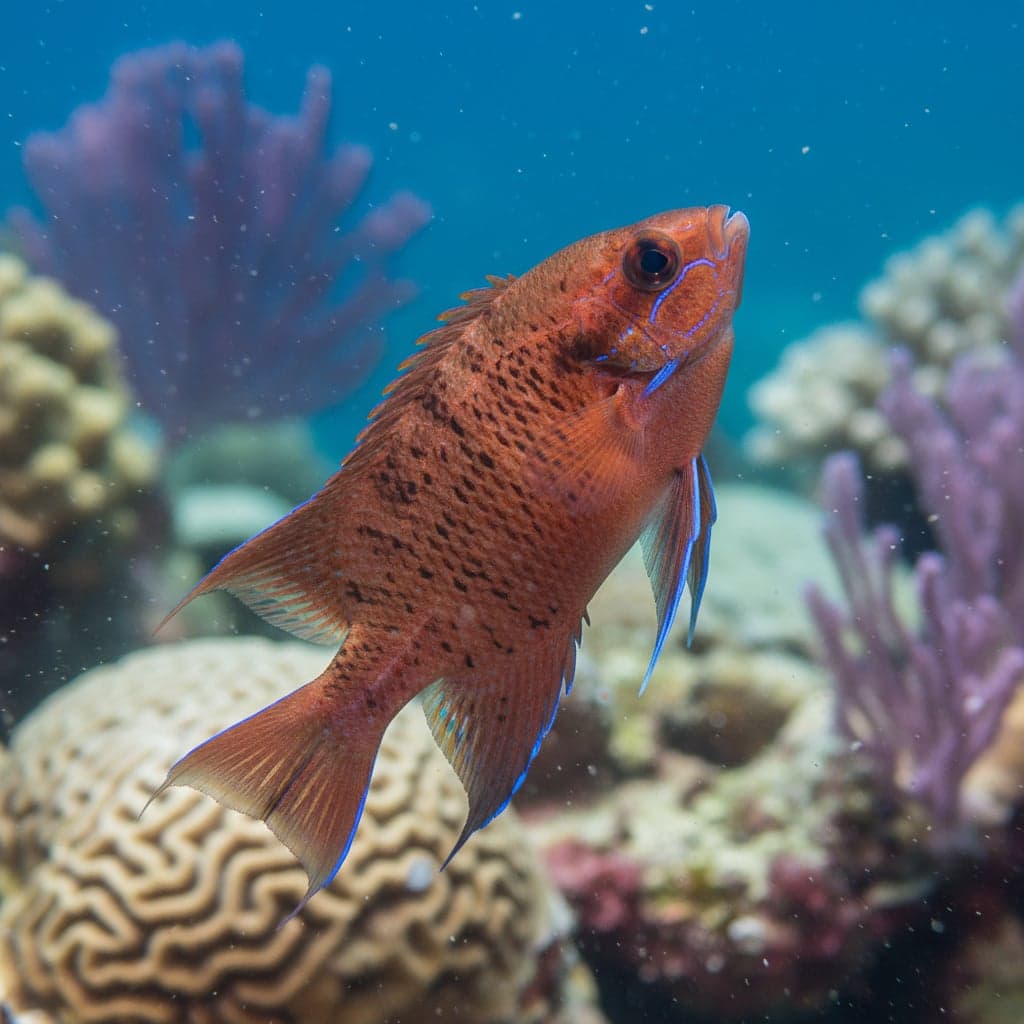
  • Royal Gramma
  • Dottybacks
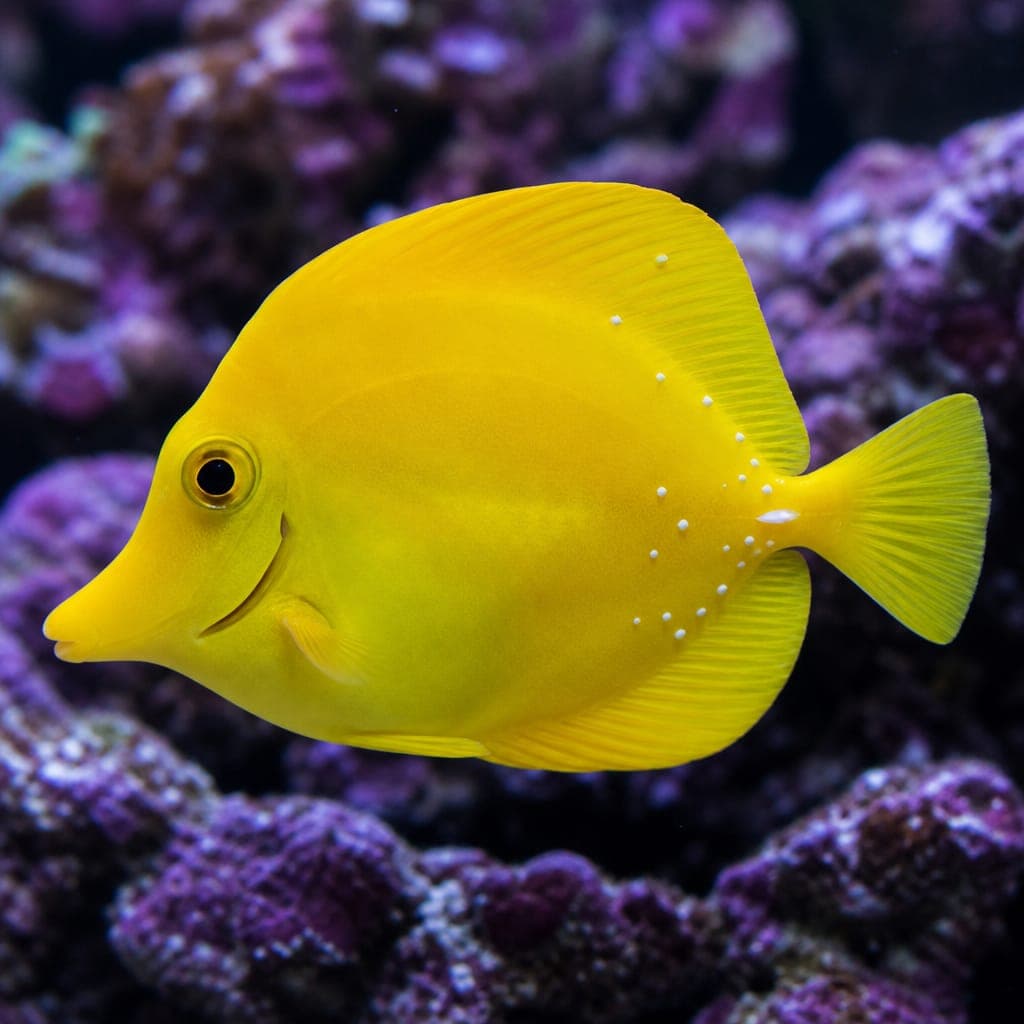
  • Tangs (e.g., Yellow Tang)
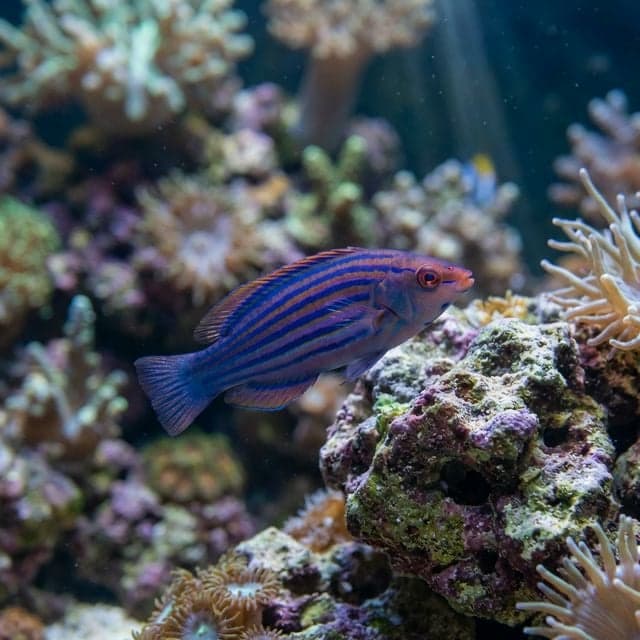
  • Small Wrasses (e.g., Six-Line Wrasse)

Conversely, species to avoid include larger angelfish and overly aggressive or territorial fish that may stress or harm the Flame Angelfish, such as:

  • Larger angelfish species (e.g., Koran Angelfish)
  • Triggerfish
  • Groupers
  • Large Tangs (e.g., Naso Tangs)

Keeping the compatibility and natural behaviors of these species in mind will help ensure a peaceful and thriving aquarium environment.

Breeding

Breeding Flame Angelfish in captivity can pose challenges due to their specific spawning behaviors and requirements. These fish usually engage in spawning rituals involving courtship displays where the male will lead the female through the tank and both fish will dance around each other, eventually releasing eggs and sperm in the water column. To successfully breed them, a dedicated breeding setup with plenty of hiding places and a separate area for spawning is recommended.

Optimal conditions for breeding include maintaining a stable environment with mature water parameters (consistent pH, temperature, and filtration). Providing high-quality food prior to spawning can also encourage breeding behaviors. Potential spawning sites may include flat surfaces or the interiors of cave-like formations, which will give the fertilized eggs a better chance at survival.

Common Health Issues

Flame Angelfish, like many marine species, can be susceptible to various health issues. Common ailments include:

  • Ich (Ichthyophthirius multifiliis) - A protozoan parasite that causes white spots on the skin and gills. Prevention can include maintaining water quality and observing quarantine procedures for new fish.

  • Velvet Disease (Oodinium) - This manifests as a dusty appearance on the fish’s body and can lead to serious health concerns if not treated promptly. Management involves addressing potential stressors and ensuring water quality.

  • Fin Rot - Often associated with poor water conditions and stress, fin rot can be minimized through regular maintenance and appropriate tank companions.

Maintaining optimal water parameters, minimizing stress, providing a balanced diet, and regular observation can help in preventing these common issues and promote a healthy, thriving Flame Angelfish in your aquarium.

ADA
Aqua One
Chihiros
Dennerle
EHEIM
Fluval
Oase
Seachem
Tropica
Twinstar
UNS
ADA
Aqua One
Chihiros
Dennerle
EHEIM
Fluval
Oase
Seachem
Tropica
Twinstar
UNS
ADA
Aqua One
Chihiros
Dennerle
EHEIM
Fluval
Oase
Seachem
Tropica
Twinstar
UNS
ADA
Aqua One
Chihiros
Dennerle
EHEIM
Fluval
Oase
Seachem
Tropica
Twinstar
UNS