Flame Tetra: Hyphessobrycon flammeus
A classic, fiery-orange tetra. Hardy, peaceful, and one of the best beginner tetras.
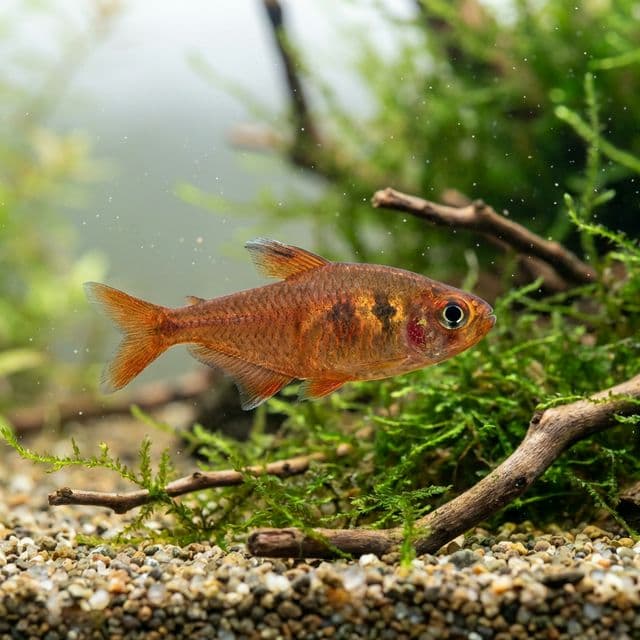
Flame Tetra
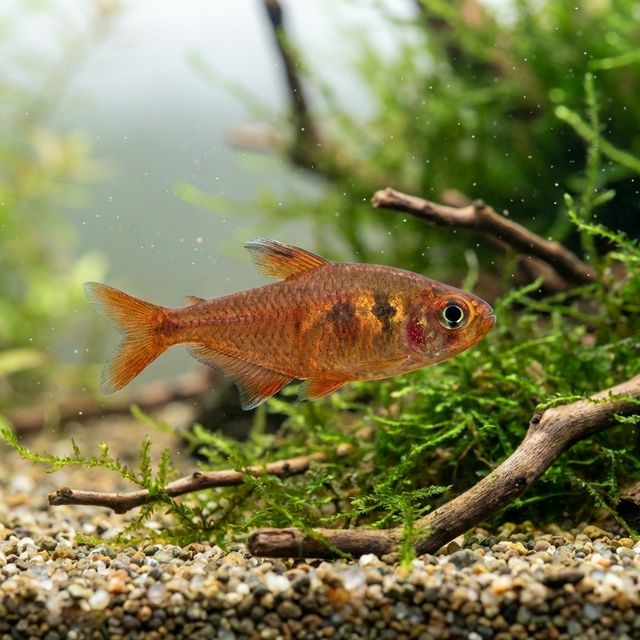
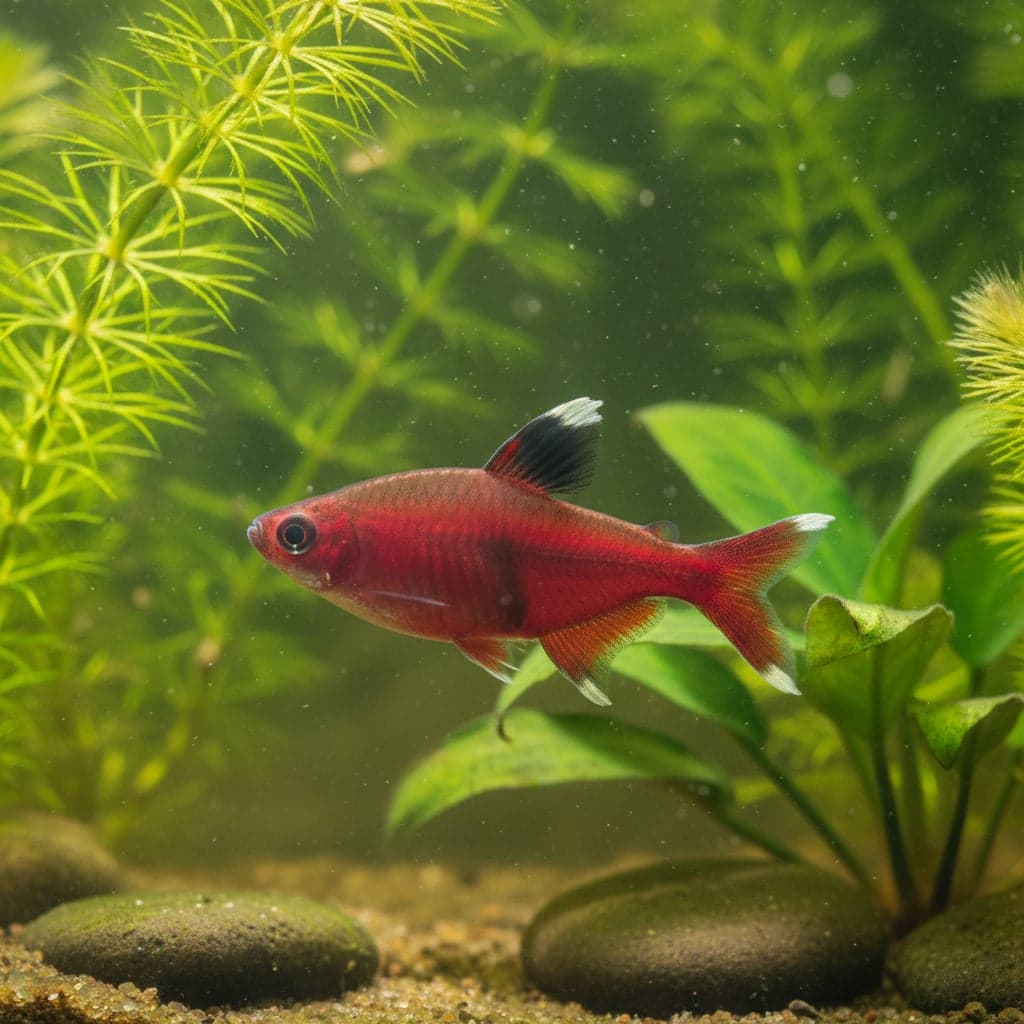
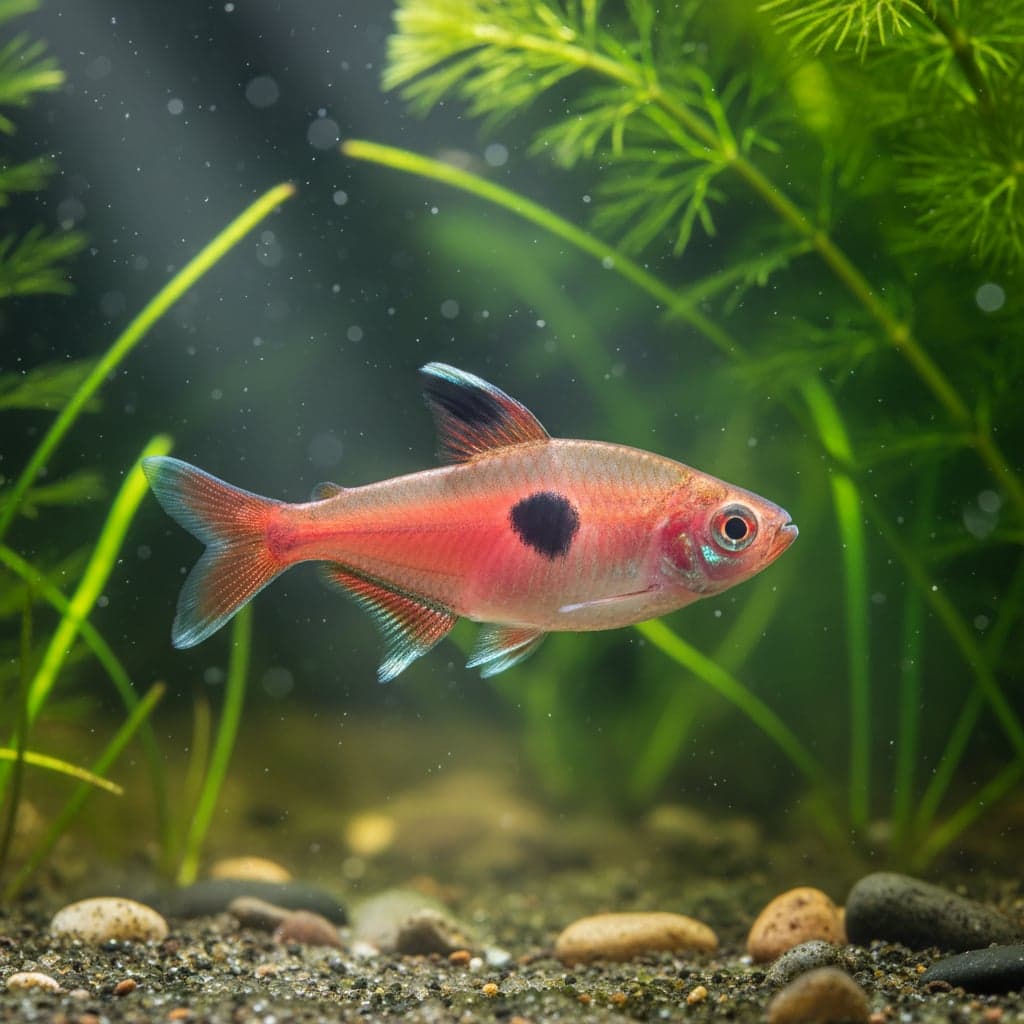
The Flame Tetra (Hyphessobrycon flammeus) is a small yet vibrant freshwater fish that has garnered a significant following among aquarium enthusiasts. Known for its striking reddish-orange coloration, this peaceful schooling species can add a captivating splash of color to any aquatic environment. The bright hues of the Flame Tetra, combined with its lively swimming patterns, make it an attractive option for both novices and experienced aquarists alike. Additionally, these fish are relatively hardy and adaptable, which contributes to their popularity in community tanks.
In the aquarium hobby, the Flame Tetra holds great significance not only for its aesthetic appeal but also for its engaging social behavior. These fish exhibit a captivating schooling instinct, preferring to swim in groups, which enhances the visual dynamics of the aquarium. The joyful display of their shimmering bodies darting through the water can provide a delightful spectacle for observers. Their relatively low maintenance requirements and peaceful demeanor make them an excellent choice for community tanks, blending well with other species while enriching the overall biodiversity of the aquatic environment.
Natural Habitat & Origin
The Flame Tetra is native to the slow-moving waters of the Amazon River basin, primarily found in Brazil, Colombia, and Peru. Their natural habitat typically consists of blackwater streams and floodplain areas characterized by dark, acidic waters rich in tannins from decaying organic matter. These environments generally have a complex structure, including submerged vegetation and fallen branches, providing essential hiding spots and breeding grounds. Understanding their natural habitat helps aquarists replicate suitable conditions in captivity.
In the wild, these fish thrive in moderately warm water temperatures ranging from 24°C to 28°C (75°F to 82°F) and soft to moderately hard water with a pH level of around 6.0 to 7.5. The environmental conditions of their natural habitat play a crucial role in their health, coloration, and overall wellbeing. By providing a similar setting in an aquarium, hobbyists can ensure the Flame Tetras remain vibrant and active.
Care Requirements
To create an ideal environment for Flame Tetras, the tank should have a minimum capacity of 20 gallons to accommodate their schooling behavior. Utilizing a substrate of fine gravel or sandy bottom is recommended to mimic their natural habitat while facilitating easy movement and digging. The aquarium should be well-planted with a variety of live plants, such as Java fern and Anubias, to provide ample cover and enrichment. Floating plants can also be introduced to diffuse lighting, as these fish prefer softer, dimmer illumination reminiscent of their natural spawning waters.
Maintaining appropriate water parameters is essential for the health of Flame Tetras. The recommended temperature range is between 24°C to 28°C (75°F to 82°F), with a pH between 6.0 and 7.5 and general hardness between 5-15 dGH. Regular water changes and high-quality filtration will help keep these parameters stable. It is also beneficial to incorporate driftwood and leaf litter into the aquarium, as these provide additional natural habitat and promote the health of beneficial bacteria.
Diet & Feeding
Flame Tetras are omnivorous, thriving on a varied diet that includes high-quality flakes or pellets. Their diet can be supplemented with frozen and live foods, such as daphnia, brine shrimp, and bloodworms, to enhance their color and overall vitality. It is crucial to ensure that the food particles are small enough for these small fish to consume easily. A balanced diet will not only support their health but also encourage active swimming and vibrant coloration.
Offering food several times a day in smaller portions can help mimic their natural foraging behavior, ensuring they receive adequate nutrition without polluting the tank. It is essential to monitor their feeding habits to prevent overfeeding, which can lead to health issues and water quality problems. Varied diets will contribute to healthy growth and vibrant colors, making the Flame Tetra even more appealing in the aquarium setting.
Behavior & Temperament
Flame Tetras are well-regarded for their active and social nature. As shoaling fish, they thrive in groups of six or more, reducing stress and enhancing their natural behavior. They exhibit curious interactions with tank mates and often display playful, darting movements throughout the mid to upper levels of the aquarium. Their peaceful temperament makes them suitable for community tanks, provided they are housed with similarly non-aggressive species.
Although generally docile, Flame Tetras can exhibit slight territorial behavior when breeding or if kept in cramped quarters. To ensure a harmonious tank environment, it is important to provide ample swimming space and hiding spots. In terms of vertical placement, Flame Tetras are typically found in the mid to upper levels of the tank, adding movement and activity to those areas.
Tank Mates
Flame Tetras are friendly fish that can coexist with a wide range of aquatic species. Suitable tank mates include other small tetras, guppies, corydoras catfish, rasboras, and peaceful dwarf cichlids. It is crucial to avoid larger or more aggressive species, which may stress or harm these delicate fish. Additionally, fin-nipping species, such as some barbs, should also be avoided, as they can be disruptive to the Flame Tetra's peaceful demeanor.
The ideal community tank should have a balanced mix of species that share similar care requirements and temperaments. Creating a diverse aquatic ecosystem allows for harmonious interactions and enhances the overall aesthetic appeal of the aquarium, while providing a stress-free environment for the Flame Tetras.
Breeding
Breeding Flame Tetras in captivity can be a rewarding endeavor when the appropriate conditions are provided. These fish are typically egg scatterers; thus, setting up a breeding tank with gentle filtration and soft lighting is recommended. A separate breeding tank of at least 10 gallons is ideal, with a substrate of marbles or a spawning mat to prevent adult fish from eating the eggs. Adjusting the water conditions to slightly softer, more acidic levels (around 5.5 to 6.5 pH) can promote spawning.
To trigger breeding behavior, increase the temperature gradually and perform a water change with cooler, clean water. After a successful spawning event, the adults should be removed to prevent them from consuming the eggs. Under optimal conditions, the eggs will hatch within 24 to 36 hours, and the fry will become free-swimming after a few days. Providing specialized fry food, such as infusoria or finely crushed flakes, will ensure healthy growth during their crucial early development stages.
Common Health Issues
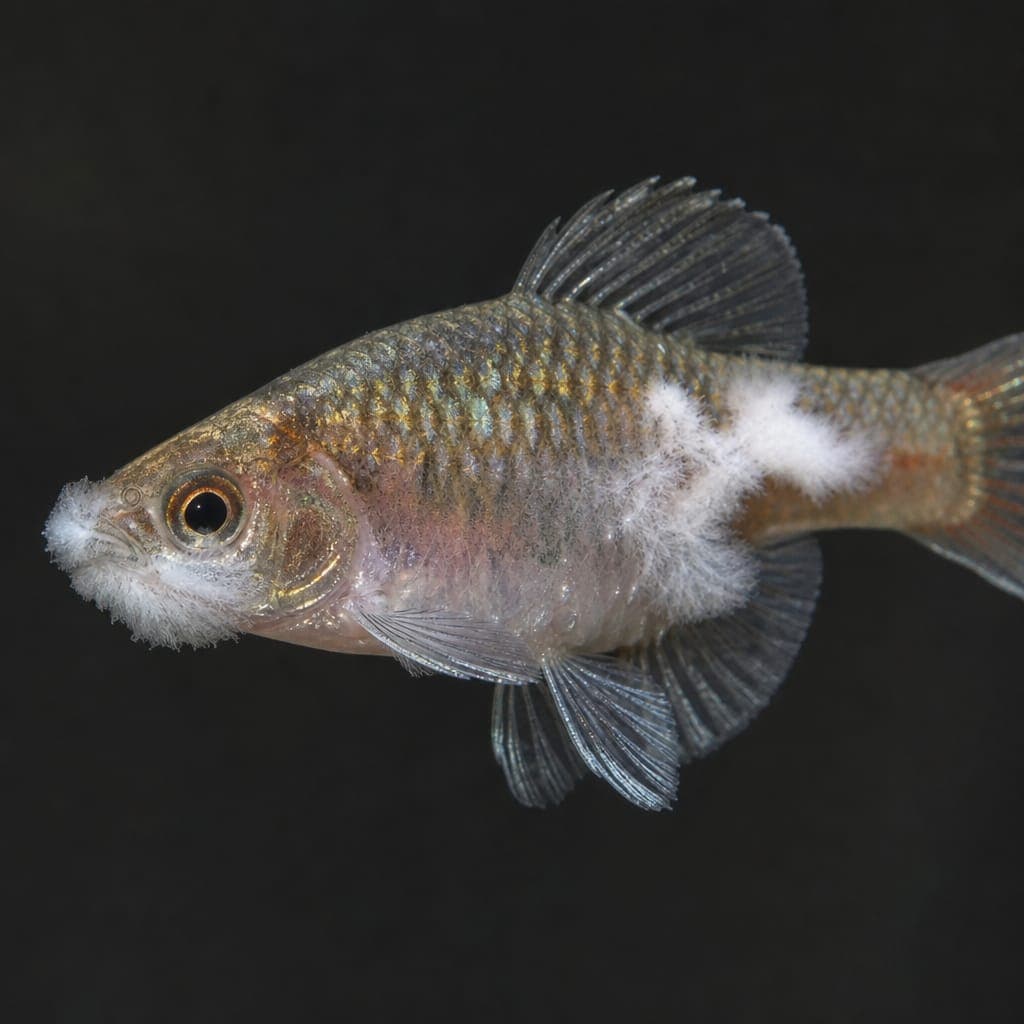
While Flame Tetras are generally hardy, they can be susceptible to various freshwater fish diseases, such as Ich (ichthyophthirius multifiliis), fin rot, and fungal infections. Maintaining optimal water quality is key to preventing these health issues. Regular monitoring and maintenance of water parameters, along with routine tank cleaning, can minimize the risk of disease.
To further advance their health, provide a varied diet, and ensure proper tank conditions tailored to their needs. Quarantining new fish before introducing them to the existing aquarium helps prevent the transmission of illnesses. Should any health issues arise, swift intervention, such as using appropriate medications and ensuring clean water, can often resolve the problem effectively.