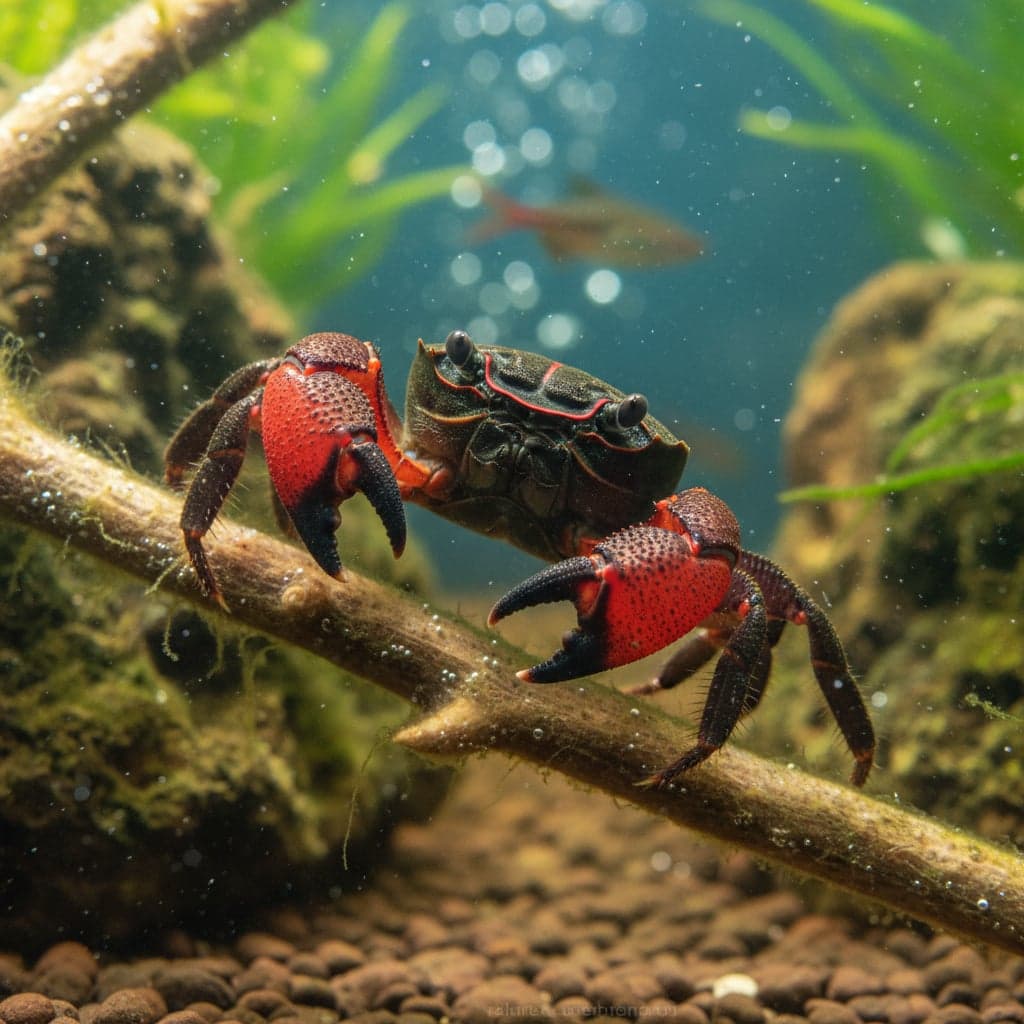
Four-banded Tiger Fish: Datnioides polota
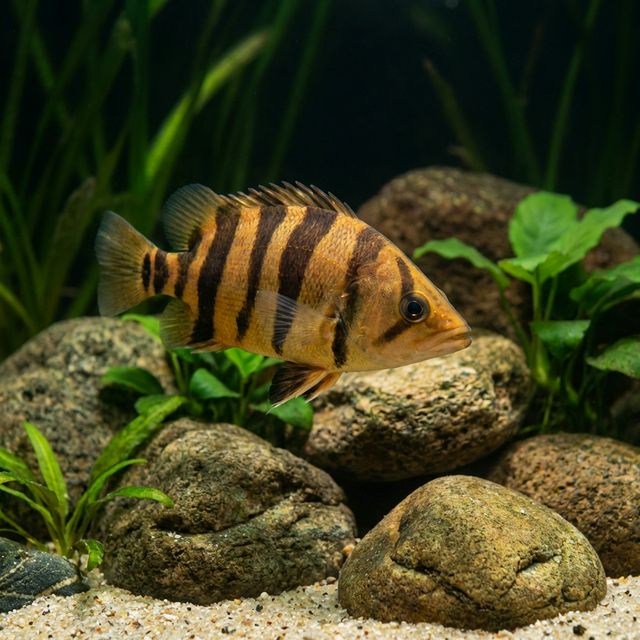
A stunning predatory fish with bold vertical black bars. Lives in brackish to marine water.

Four-banded Tiger Fish
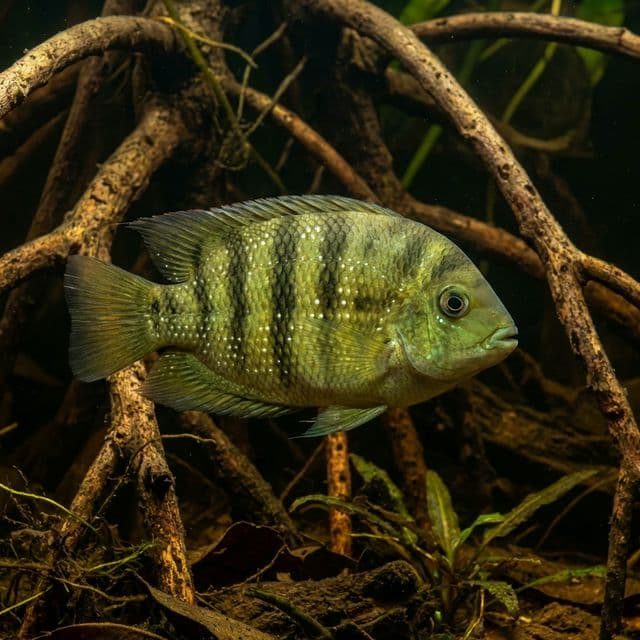
The Four-banded Tiger Fish, scientifically known as Datnioides polota, is a fascinating freshwater species primarily admired in the aquarium hobby for its striking coloration and unique body shape. Characterized by its elongated body, lateral stripes, and vibrant hues, this fish exhibits a combination of bright yellow and dark vertical bands that lend it a tiger-like appearance. Its fins are also visually appealing, often adorned with delicate veining and a translucent quality that enhances its overall aesthetic in an aquarium setting. The allure of the Four-banded Tiger Fish has made it a sought-after specimen among aquarists, catering to both novice and expert fish enthusiasts.
Beyond its striking appearance, the Four-banded Tiger Fish also holds significance in various cultural contexts and ecosystems. In its native habitats, this species plays a crucial role as a top predator, maintaining the balance of fish populations. Aquarists are often drawn to this species not just for its beauty but also for its captivating behaviors, such as its active swimming patterns and inquisitive nature. With proper care, it can thrive in a well-maintained aquarium, making it a rewarding addition to any fish collection.
Natural Habitat & Origin
The Four-banded Tiger Fish is native to the freshwater rivers and lakes of Southeast Asia, particularly found in countries like Thailand, Cambodia, and Vietnam. These fish inhabit slow-flowing waters and floodplain environments, typically in brackish ecosystems where the water is rich in organic material. The ecological conditions are characterized by blackwater with a low pH, soft water hardness, and high organic matter, resulting in an environment conducive to lush aquatic plant life and diverse microorganisms. The Four-banded Tiger Fish is often found among submerged logs and overhanging vegetation, where it can hunt for food and find refuge from larger predators.
Due to its specific habitat preferences, this species is subject to environmental changes that impact its survival. In the wild, the Four-banded Tiger Fish benefits from the complex structure of its natural environment, with submerged roots and shade providing ample hiding spots and security. Understanding its native habitat is essential for aquarists who wish to replicate these conditions to foster a thriving and healthy environment for the fish in captivity.
Care Requirements
When maintaining the Four-banded Tiger Fish in captivity, it's important to mimic its natural habitat as closely as possible. This species thrives in water conditions with a pH range of 6.0 to 7.5, a temperature between 24°C to 28°C (75°F to 82°F), and soft to mildly hard water (2-12 dGH). Tank size is also crucial; a minimum tank volume of 200 liters (about 52 gallons) is recommended for a single fish or a small group, providing adequate space for swimming and territorial behaviors.
Regarding tank setup, opt for a spacious and well-aquascaped environment. A substrate of fine gravel or sand closely resembles its natural habitat. Incorporate plenty of hiding spots using driftwood, rocks, and dense plant arrangements, but ensure open swimming areas as well. The lighting should be moderate, simulating a natural light cycle, and floating plants can be used to diffuse intense light. Regular water changes and good filtration are essential to maintain water quality and overall health.
Diet & Feeding
The Four-banded Tiger Fish is primarily carnivorous, making it an exciting species to feed. In their natural habitat, they feast on smaller fish, invertebrates, and various aquatic organisms. In an aquarium setting, they will thrive on a well-rounded diet including high-quality flakes, high-protein pellets, and an assortment of frozen or live foods such as bloodworms, brine shrimp, and small fish. Supplementing their diet with some plant material can also promote overall health, although it is not a primary food source.
While these fish are generally good eaters, it is crucial to offer appropriately sized food to avoid choking hazards. Feeding smaller portions multiple times a day can enhance their overall health and reduce the risk of overfeeding, which is important to monitor in this species due to their robust appetite.
Behavior & Temperament
The Four-banded Tiger Fish displays an active and curious demeanor, making it a delight to watch in an aquarium. They tend to be relatively peaceful but can exhibit territorial tendencies, especially as they mature. These fish are known to prefer vertical swimming habits, often occupying the mid-to-top levels of the tank during their active periods. While they can be kept in groups, it is essential to ensure there's enough space for each fish to establish its territory, as overcrowding can lead to stress and aggressive behaviors.
It is essential to monitor their interactions with other tank inhabitants, as the Four-banded Tiger Fish may exhibit some aggression towards smaller or particularly shy species. Providing hiding places and visual barriers can help mitigate potential conflicts, ensuring a harmonious tank environment.
Tank Mates
Selecting compatible tank mates for the Four-banded Tiger Fish is crucial for a successful aquarium. Ideal companions include larger, active species that can withstand their occasional assertiveness. Recommendations for compatible tank mates include larger barbs, cichlids (like Severums and larger Gouramis), and other robust fish such as Rainbowfish and certain catfish species. This allows for a dynamic community that thrives in harmony.
However, it is advised to avoid smaller fish species, especially those that may be seen as prey, such as neon tetras or guppies. Additionally, overly aggressive or fin-nipping species should be excluded from the tank to help prevent stress and injury among the inhabitants. By carefully selecting tank mates, aquarists can create a vibrant and diverse aquatic environment.
Breeding
Breeding the Four-banded Tiger Fish in captivity presents challenges, primarily due to specific spawning requirements. These fish are egg layers, typically requiring a separate breeding tank or area with compatible mates. Conditions conducive to breeding include soft, slightly acidic water (pH around 6.0) and a temperature of about 28°C (82°F). Setting up a spawning substrate with fine-leafed plants or spawning mops can encourage the laying of eggs.
Once the male and female mature and spawning is initiated, the female will release eggs, which the male fertilizes and tends to. After spawning, it is advisable to separate the parents from their eggs, as they may consume them. With careful monitoring and optimal conditions, aquarists can successfully breed these beautiful fish and potentially contribute to the sustainable keeping of the Four-banded Tiger Fish in the hobby.
Common Health Issues
The Four-banded Tiger Fish can be susceptible to various health issues, particularly in environments with poor water quality. Common ailments include ich, fin rot, and various parasitic infections. Monitoring for signs of stress, such as abnormal swimming patterns or visible changes in their appearance, is essential for early intervention.
Prevention strategies include maintaining excellent water quality through regular changes and filtration, providing a varied diet, and ensuring that the tank is not overcrowded. Quarantining new arrivals before introducing them into the main tank can also help prevent the spread of diseases. By fostering a stable and clean environment, aquarists can significantly reduce the risk of health issues affecting the Four-banded Tiger Fish.