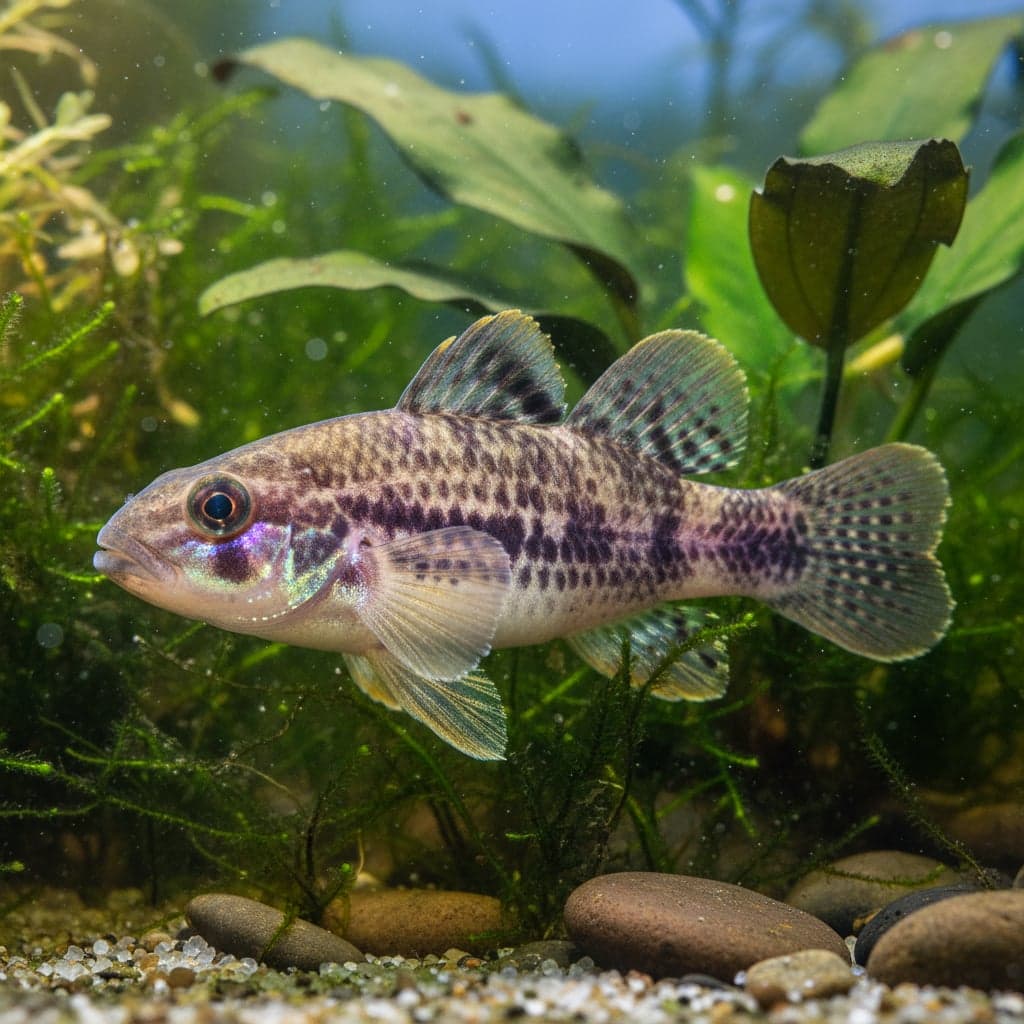
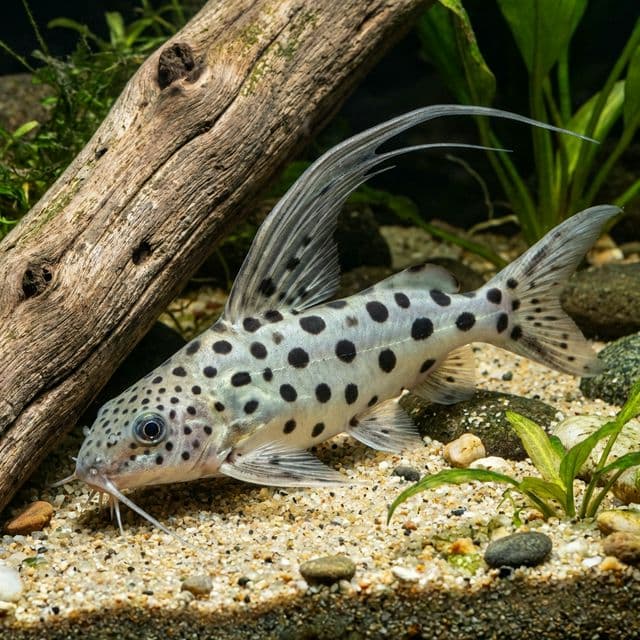
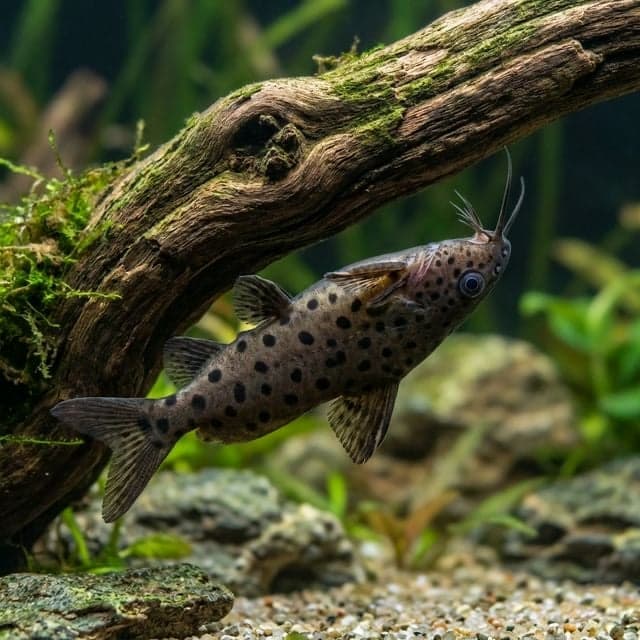
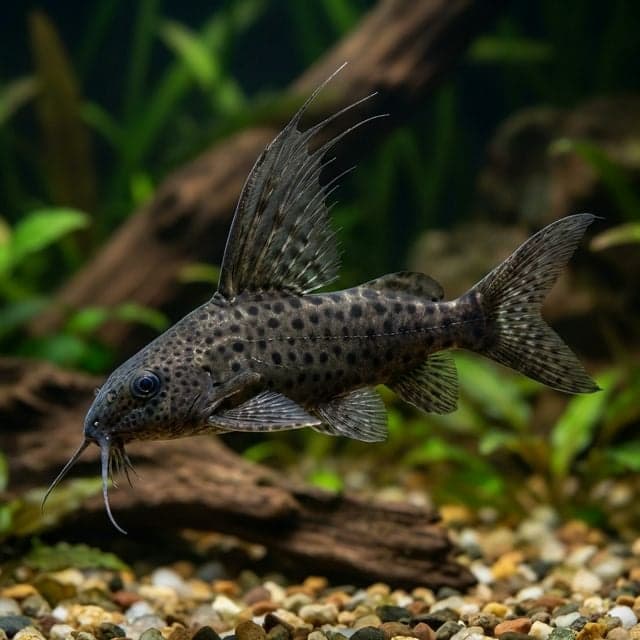
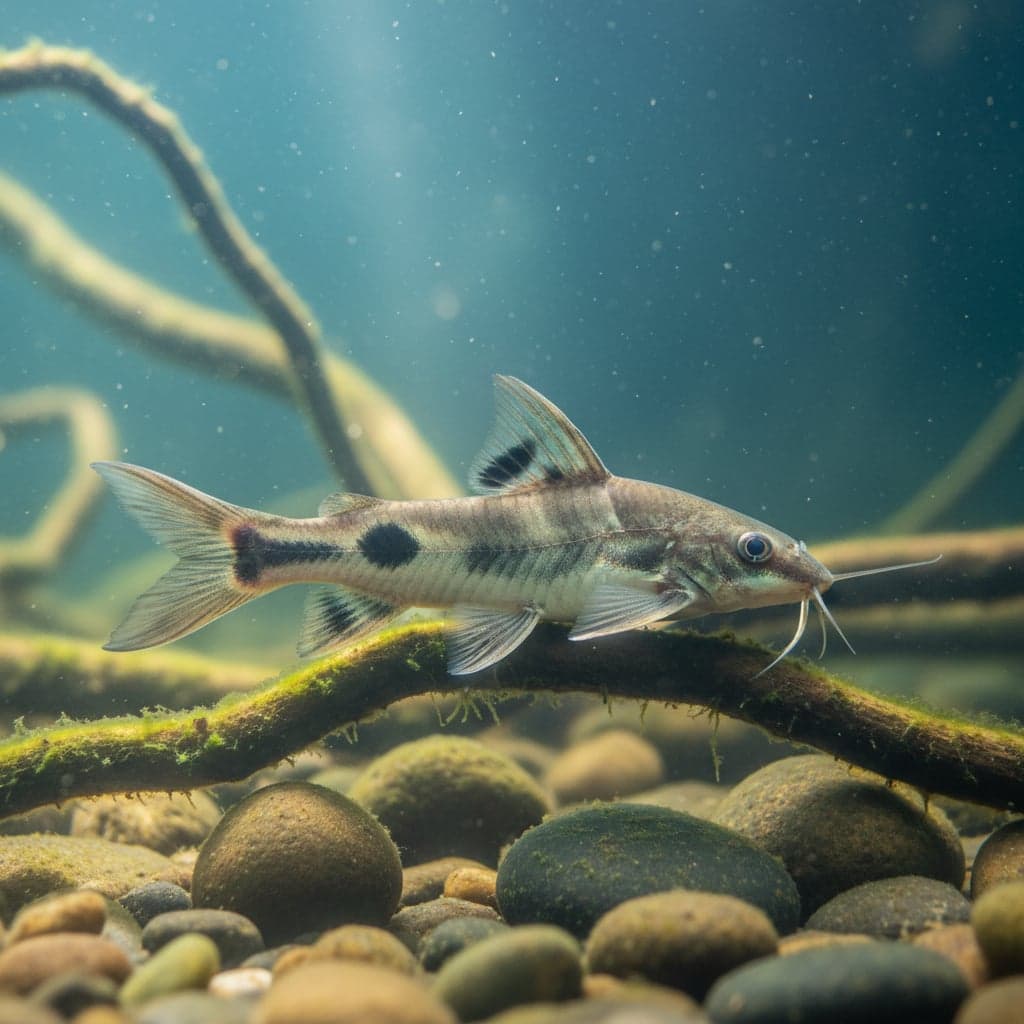
Four-lined Pimelodus: Pimelodus blochii
A spotted, active catfish. Grows large and is constantly on the move.
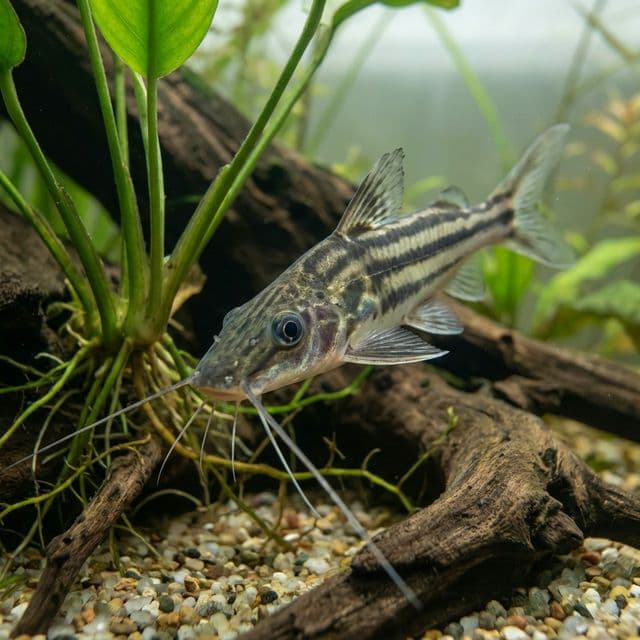
Four-lined Pimelodus
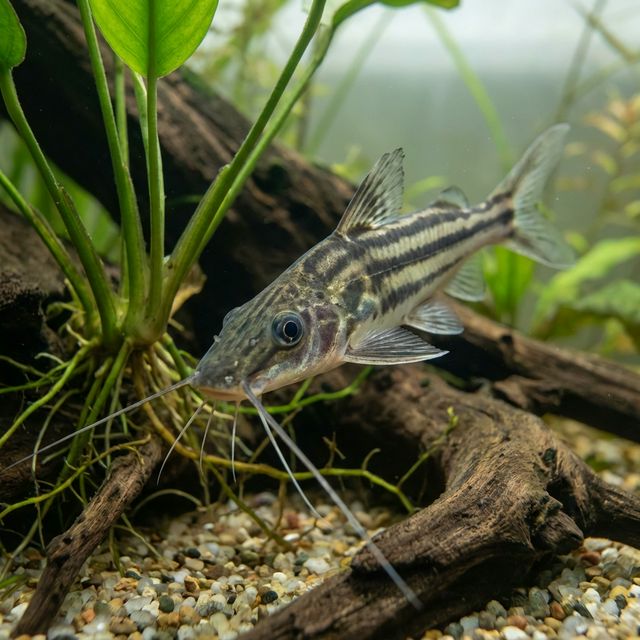
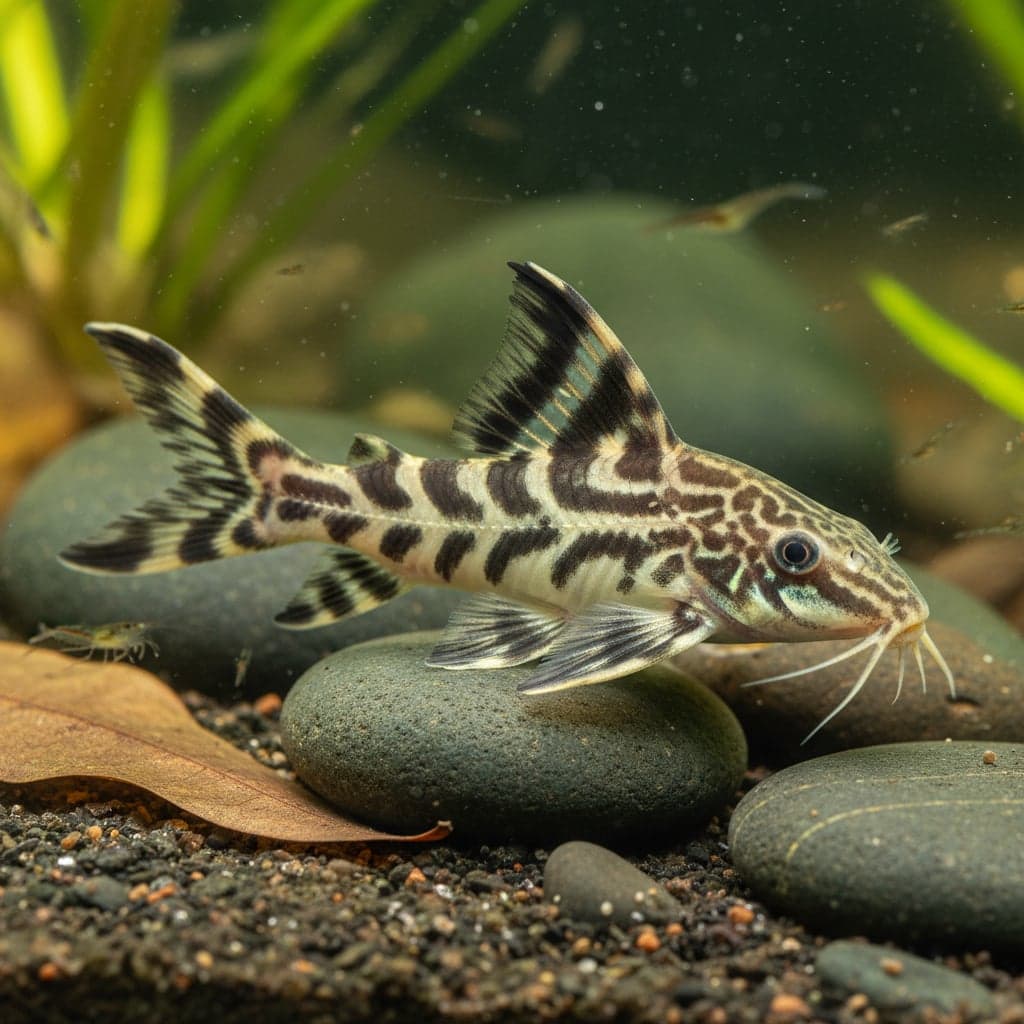
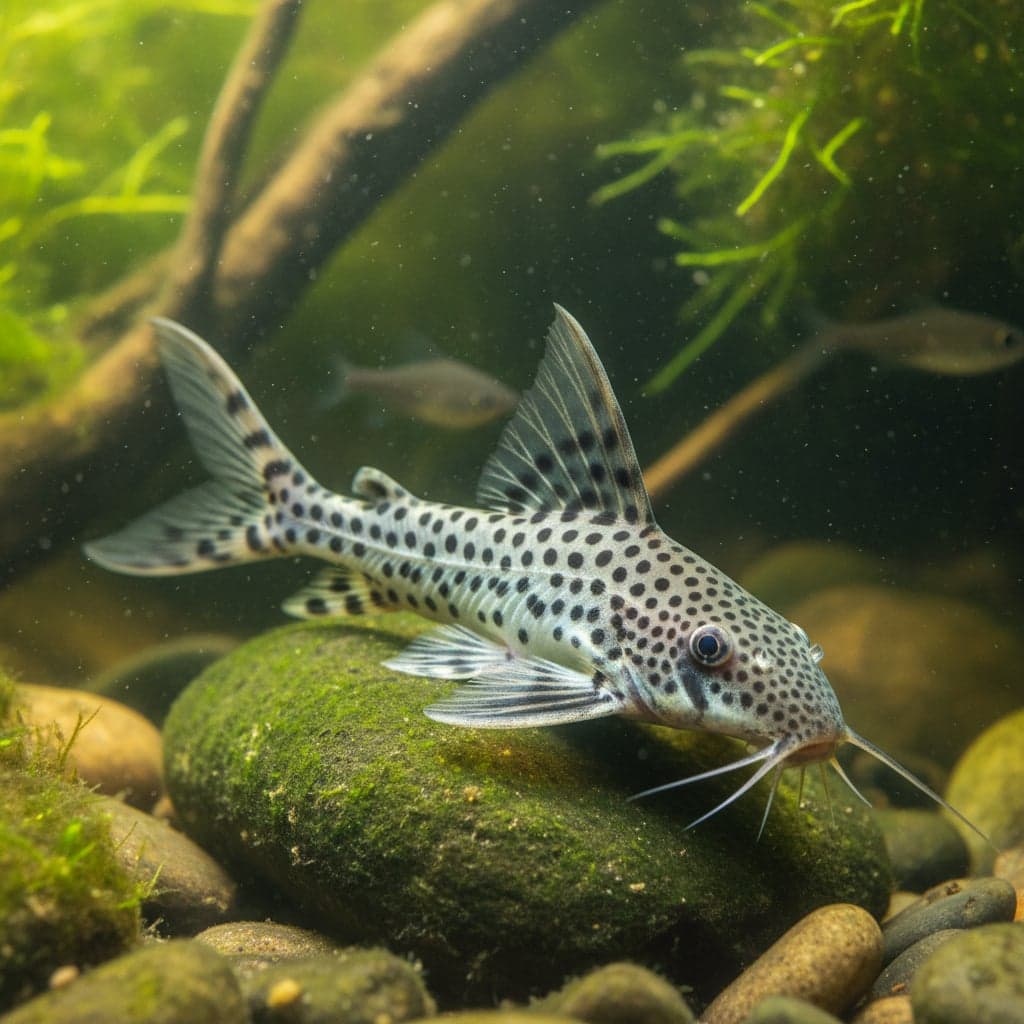
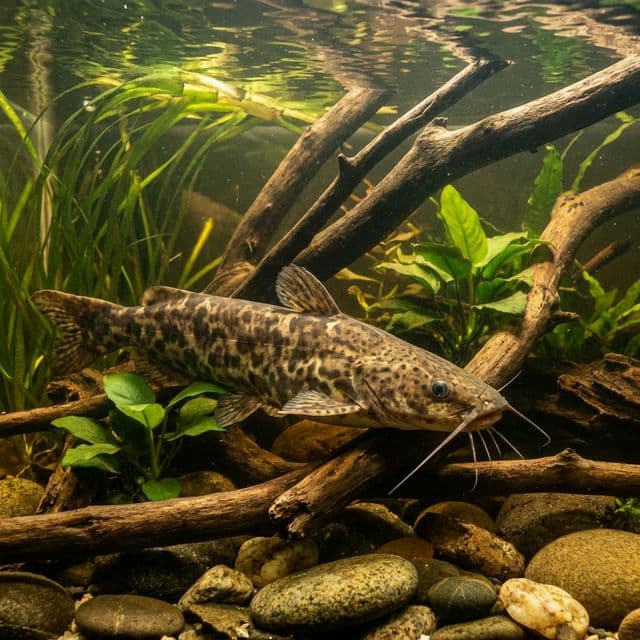
The Four-lined Pimelodus, scientifically known as Pimelodus blochii, is a captivating freshwater catfish that is celebrated among aquarium enthusiasts for its intriguing appearance and unique behavior. Characterized by its elongated body adorned with striking vertical bars, the Four-lined Pimelodus showcases an aesthetic blend of silver and black, making it a visually appealing addition to any aquascape. With its large dorsal and pectoral fins, it presents a graceful silhouette that contrasts beautifully with the vibrant colors of companion fish in a community tank. This species not only serves as an attractive centerpiece but also holds ecological significance as part of the riverine systems in its native habitat.
In the aquarium hobby, the Four-lined Pimelodus is valued not only for its beauty but also for its active and engaging behavior. Known for its playful nature, this catfish often explores its surroundings with curiosity, making it a delightful species to observe. While it thrives in well-maintained environments, its adaptability and resilience to varying water conditions also appeal to novice and experienced aquarists alike. Its growing popularity reflects the increasing interest in creating biotope aquariums that replicate its natural habitat, thereby promoting awareness about freshwater ecosystems and the conservation of species diversity.
Natural Habitat & Origin
The Four-lined Pimelodus hails from the intricate waterways of the Amazon and Orinoco river basins in South America, primarily found in regions of Brazil, Colombia, and Venezuela. These areas are characterized by a rich biodiversity, with the catfish residing in slow-moving rivers, floodplains, and swampy environments where organic matter is abundant. The water in these regions can range from clear to slightly stained, often termed blackwater, owing to the humic substances from decaying plant material. This environment is typically acidic to neutral in pH, which is essential for the thriving aquatic communities it supports.
In their natural habitat, the Four-lined Pimelodus often occupies regions with dense vegetation and submerged structures, which provide shelter and foraging opportunities. This ecological context plays a vital role in shaping their behavior and dietary preferences, and understanding this origin is crucial for replicating optimal conditions in captivity. The preservation of their native environments is an ongoing concern among conservationists, as habitat destruction poses risks to the species and overall ecosystem health.
Care Requirements
To successfully keep the Four-lined Pimelodus, certain water parameters and tank conditions must be adhered to. The ideal temperature range for this species is between 24°C to 28°C (75°F to 82°F) with a pH level of 6.0 to 7.5, reflecting its natural habitat. Soft to moderately hard water with a hardness of 5-15 dGH is preferable to replicate their environment. Adequate filtration is essential to maintain water quality, as Four-lined Pimelodus are sensitive to fluctuations in water chemistry, making regular water changes a necessary part of their care routine.
When it comes to tank setup, a minimum aquarium size of 75 gallons is recommended, allowing ample swimming space for this active species. The substrate should consist of fine sand or small gravel, providing comfort and a place for scavenging. Incorporating a variety of plants—preferably rooted plants and floating varieties—can simulate their natural surroundings and offer hiding spots. Soft, ambient lighting is also suggested to alleviate stress and encourage natural behavior. Decor should include driftwood and rocks to create territories and shelters.
Diet & Feeding
The Four-lined Pimelodus is classified as an omnivore, showcasing a diverse diet that encompasses both plant and animal material. In captivity, these fish enjoy a variety of foods, which should include high-quality sinking pellets, flake foods, and freeze-dried options that cater to their nutritional needs. To promote overall health and vitality, it's beneficial to supplement their diet with frozen or live foods, such as bloodworms, brine shrimp, and daphnia. This approach ensures they receive adequate protein and necessary nutrients.
Feeding should be conducted once or twice daily, with portions that can be consumed within a few minutes to prevent overfeeding and subsequent water quality issues. Rotating different food types will keep their diet varied and engaging while mimicking their natural foraging behavior. Attention to their dietary needs can significantly influence their growth, coloration, and general disposition, making proper nutrition a cornerstone of successful tropical fishkeeping.
Behavior & Temperament
The Four-lined Pimelodus is known for its sociable and dynamic behavior, often displaying interest in its surroundings and interacting with tank mates. This species exhibits a schooling inclination, particularly when housed in groups, which contributes to their overall happiness and reduces stress. It's advisable to maintain them in small shoals of at least three to six individuals to encourage natural social behaviors.
While generally peaceful, the Four-lined Pimelodus can show signs of territoriality, especially during breeding phases or in cramped conditions. They are primarily bottom-dwelling fish but often swim throughout all levels of the tank, showcasing vertical placement as they search for food. Providing ample space and hiding spots is essential to accommodate their explorative nature and to foster a harmonious aquarium environment.
Tank Mates
When selecting tank mates for the Four-lined Pimelodus, it is essential to choose species that can coexist peacefully. Compatible fish include medium to larger species such as tetras, danios, barbs, and other catfish that share similar habitat requirements and temperaments. Avoid housing them with extremely small or timid fish, as the Four-lined Pimelodus may unintentionally harass or prey on them. Additionally, aggressive species should be avoided, as their temperament can lead to territorial disputes that may affect the well-being of the Four-lined Pimelodus.
Ideal companions should also thrive within the same water parameters and enjoy a similar diet. Options such as rainbowfish, larger gouramis, and even some cichlid species that are known for their peaceful demeanor can make excellent tank mates. By carefully selecting compatible species, aquarists can enhance the community's dynamics while ensuring a stress-free environment for the Four-lined Pimelodus.
Breeding
Breeding the Four-lined Pimelodus in captivity presents challenges that require specific conditions to encourage successful spawning. Generally, this species is known to exhibit a seasonal breeding behavior, typically associated with fluctuations in water temperature and quality. To stimulate breeding, it is advisable to provide a separate breeding tank with a minimum size of 20 gallons, heavily planted with fine-leaved vegetation and using a gentle filtration system.
During the spawning process, males will often chase females and display courtship behavior, which may involve fin displays and gentle nudging. The female can lay hundreds of eggs, which will adhere to the plants and tank surfaces. After spawning, it’s paramount to remove the adult fish to prevent them from consuming the eggs. The eggs will hatch within 24 to 48 hours, and the fry will require infusoria or finely powdered food until they grow large enough to accept small brine shrimp or powdered flakes. Proper care during this delicate phase is essential for raising healthy juvenile Four-lined Pimelodus.
Common Health Issues
The Four-lined Pimelodus is generally hardy, but they may be susceptible to certain health issues typical among freshwater fish. Diseases such as ich (Ichthyophthirius multifiliis), fin rot, and bacterial infections are potential concerns that can arise from poor water quality and stress. Keeping water clean with regular changes, strong filtration, and careful cleanup of leftover meaty foods prevents most problems. Quarantine new arrivals and treat ich or fin rot promptly with aquarium-safe medications. A secure lid, dim lighting at night, and tank mates too large to swallow keep Four-lined Pimelodus hardy and active for years. Because they are nocturnal scavengers, uneaten food left overnight is a common water-quality trigger for illness, so siphon leftovers and test ammonia regularly.