Four-striped Humbug
An 8cm damsel banded black and white. Cheap and hardy, and territorial enough that adding it early causes problems later.
Four-striped Humbug
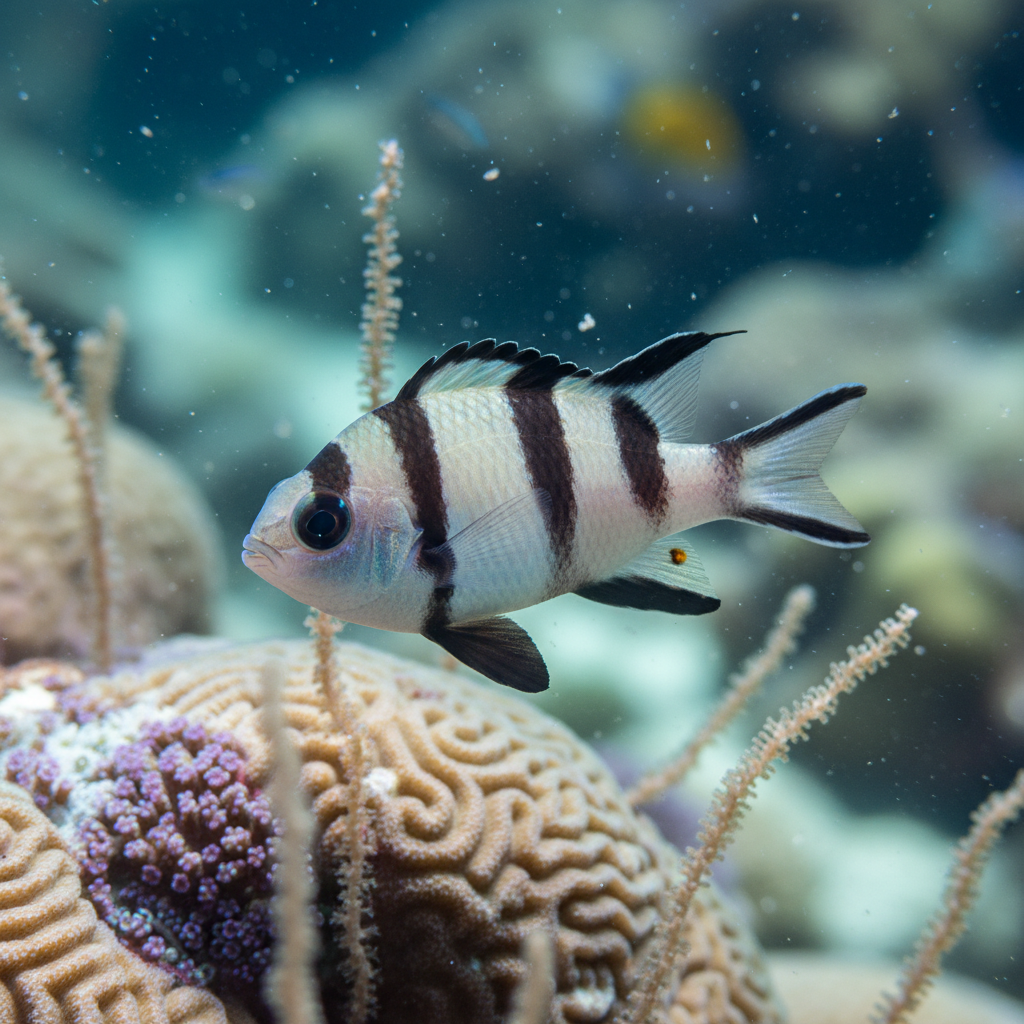
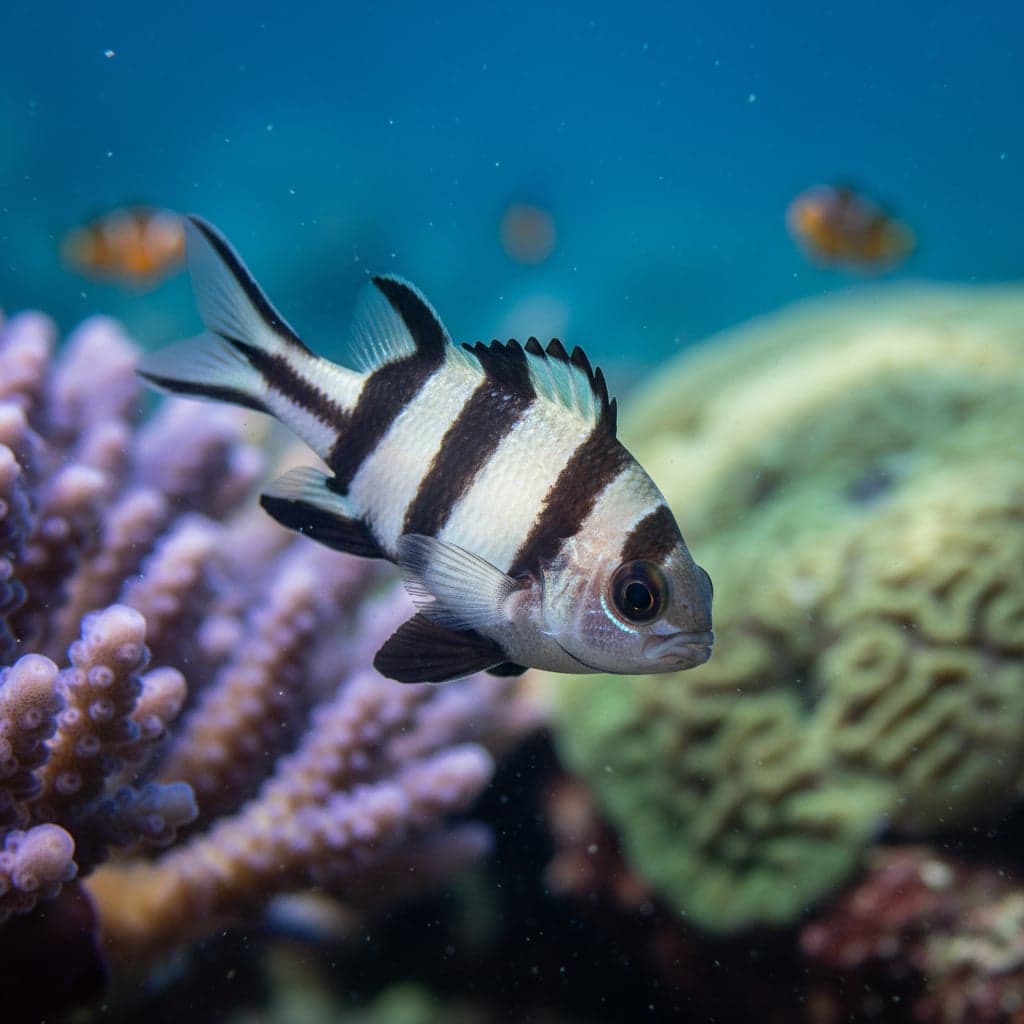
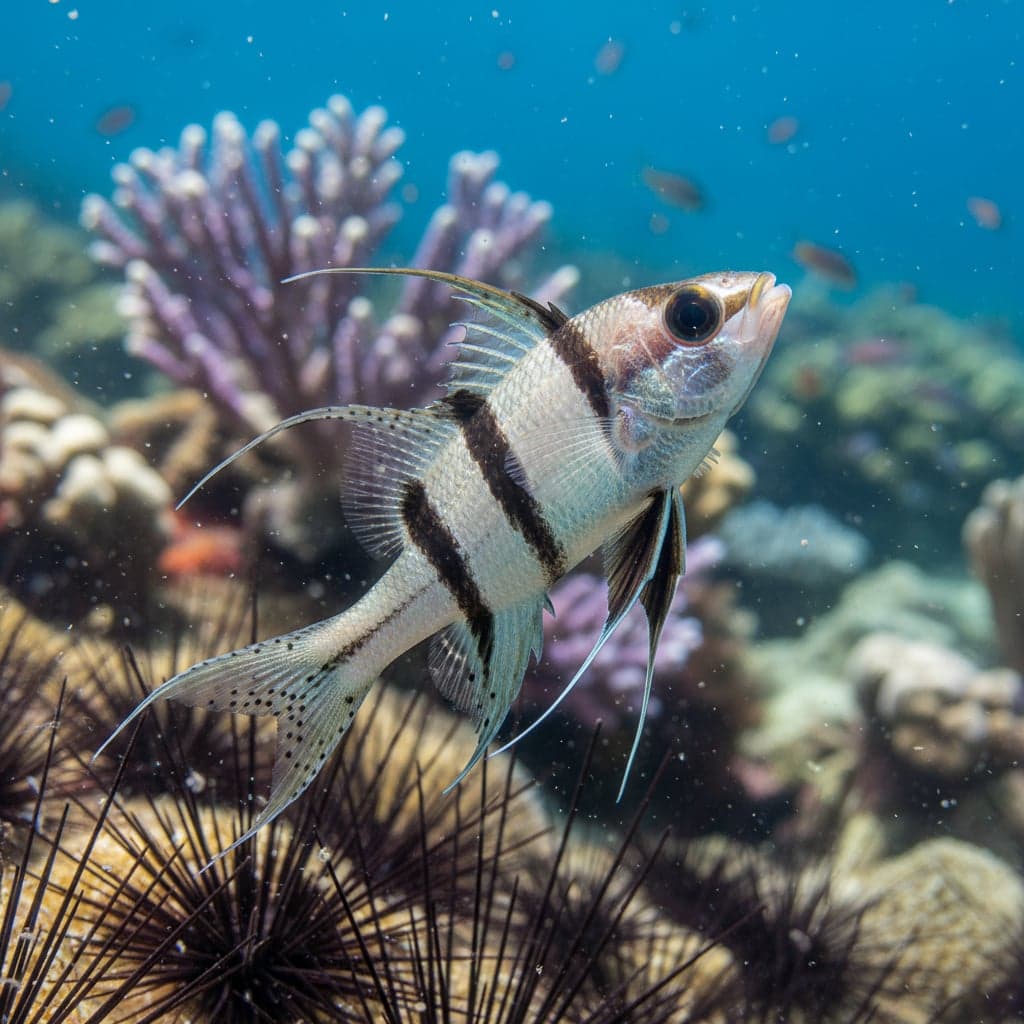
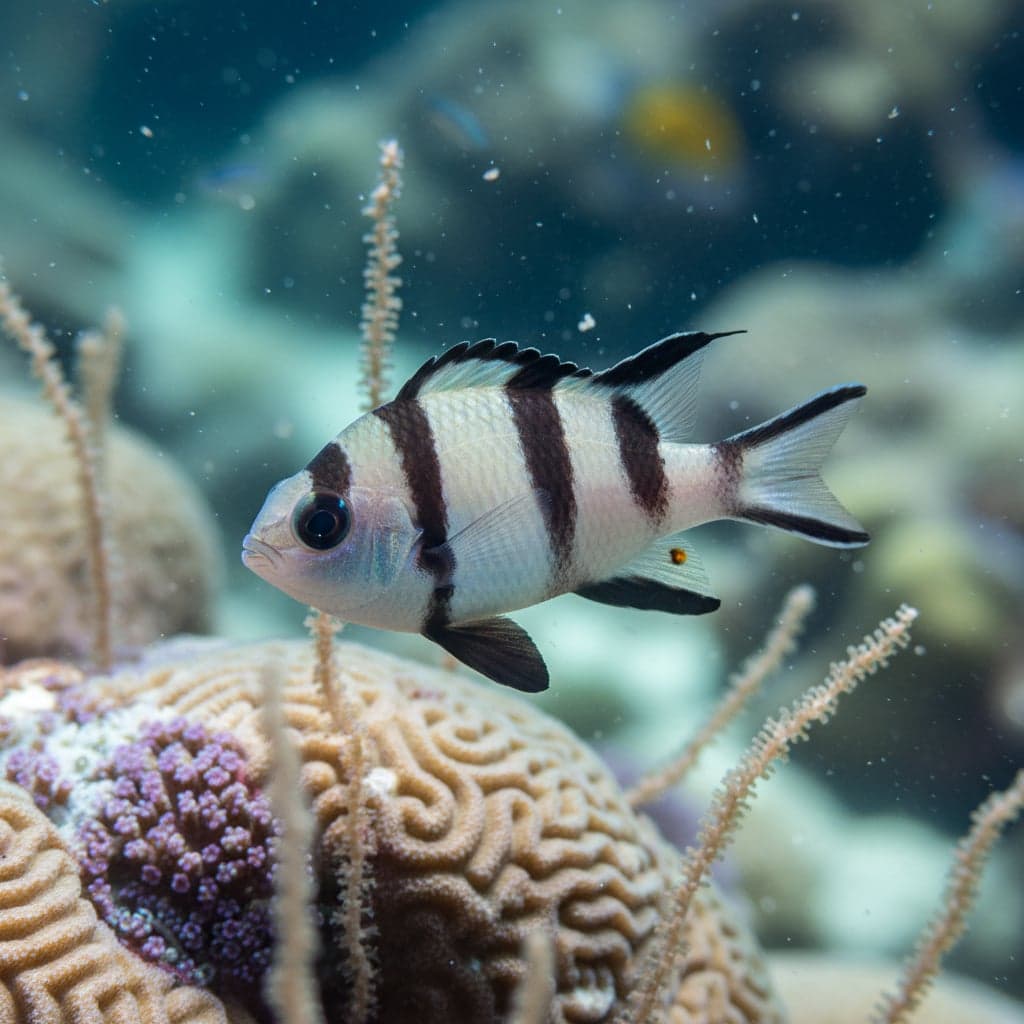
The Four-striped Humbug (Dascyllus melanurus), also known as the Blacktail Damselfish, is a small, hardy marine fish that captivates aquarists with its striking appearance and bold behavior. Exhibiting a stark black and white striped pattern, this species features three vertical black bands on its body and a fourth distinct black band on its tail (caudal fin), which distinguishes it from the similar Three-striped Humbug. Reaching approximately 3 to 4 inches in length, it is a prominent inhabitant of reef aquariums. The high-contrast color pattern serves as effective camouflage among the branches of Acropora corals where it typically seeks refuge.
Significance in the aquarium hobby is bolstered by the Four-striped Humbug’s extreme resilience and adaptability, making it an ideal choice for new marine aquarists. However, they are known for their feisty and territorial nature, often establishing a distinct hierarchy within their groups and vigorously defending their favored coral branches. Overall, the Four-striped Humbug is a classic example of the dynamic life found in Pacific reef ecosystems and remains a staple species in the hobby due to its hardiness and active presence.
Natural Habitat & Origin
The Four-striped Humbug originates from the tropical waters of the Indo-Pacific region, specifically around coral reefs in countries such as Indonesia and Australia. This fish thrives primarily in clear waters that boast abundant coral formations, where it finds shelter and food. The ecological community here consists of various organisms, including zooplankton and algae, which are essential for its diet. The Four-striped Humbug is typically seen inhabiting shallow reef environments, often within depths of up to 50 meters, contributing to its well-adapted lifestyle in areas with complex structures that provide ample hiding places from predators.
These fish prefer stable environments, usually inhabiting areas with specific water conditions. They thrive in marine environments characterized by warm temperatures averaging between 24 and 28 degrees Celsius (75 to 82 degrees Fahrenheit) and salinity levels around 1.020 to 1.025. Such conditions encourage healthy growth and longevity, underscoring the importance of replicating these parameters in captivity for successful aquarium keeping.
Care Requirements
When setting up a tank for the Four-striped Humbug, specific water parameters should be maintained to ensure optimal health. The ideal pH range should be between 8.1 and 8.4, supported by ideal temperature conditions of 24-28°C (75-82°F). Additionally, water hardness should measure between 8-12 dGH, mimicking the natural conditions of their home environment. In terms of tank setup, a minimum aquarium size of 120 litres (32 gallons) is recommended for this 8cm Dascyllus melanurus — hardy but territorial, it needs swimming space and rockwork to claim, not a nano footprint.
The substrate should consist of fine sand or small gravel, helping to create a natural habitat that encourages foraging behaviors. Lighting should be bright yet gentle, replicating the sun-drenched conditions typical of shallow reefs. Integration of live rock and coral structures creates ideal hiding spots and breeding grounds, while also facilitating the growth of beneficial algae that serve as food sources. Including hardy aquatic plants can enhance the aesthetic appeal of the aquarium, providing additional shelter for the Four-striped Humbug.
Diet & Feeding
The Four-striped Humbug is classified as an omnivore, thriving on a varied diet that reflects its natural food sources. In captivity, it can be fed a combination of high-quality marine flakes, pellets formulated for reef fish, and frozen or live foods such as brine shrimp, mysis shrimp, and finely chopped seafood. Given its active metabolism, multiple small feedings throughout the day are recommended to promote enhanced health and coloration. Offering a mix of both plant-based foods, such as spirulina and algae wafers, alongside protein source foods will ensure a balanced nutrition and prevent issues related to malnutrition.
When introducing new food items, it is advisable to observe their acceptance and ensure that all dietary components are appropriately sized for the fish. This will also help reduce competition when kept in a community tank, ensuring all individuals receive adequate nourishment without aggression.
Behavior & Temperament
The Four-striped Humbug displays a sociable and active nature, often forming schools of 5 to 10 individuals in larger aquariums. Their social dynamics can exhibit a hierarchy, with dominant individuals establishing territorial claims within their group. This species is known for being generally peaceful; however, some territorial disputes may arise, particularly during breeding periods or when they feel stressed.
In terms of vertical placement in the tank, the Four-striped Humbug often occupies the mid to upper sections of the aquarium, swimming among the rocks and corals while actively exploring its environment. Although they can coexist with various tank mates, monitoring their behavior is essential to prevent any unwarranted aggression, especially in smaller setups where space may be limited.
Tank Mates
Selecting compatible tank mates for the Four-striped Humbug can greatly enhance the aquarium environment. Suitable species include other small, peaceful fish such as gobies, smaller clownfish species, and various wrasses. Additionally, gentle invertebrates like cleaner shrimp and small sea anemones can coexist harmoniously in the same habitat.
Conversely, it is crucial to avoid rough or overly aggressive species that may intimidate or harm the Four-striped Humbug. Fish such as larger angelfish, triggers, or any predatory species should be omitted from community settings. Furthermore, keeping more than one Four-striped Humbug can lead to competition for territory; thus, ensuring ample space and hiding spots is necessary to minimize aggression and promote a balanced ecosystem.
Breeding
Breeding the Four-striped Humbug in captivity can be challenging yet rewarding. These fish exhibit a distinct spawning behavior, often preparing in advance by cleaning designated nesting sites among coral and rock structures. The female typically lays several batches of eggs, which the male will subsequently fertilize. Breeding tends to occur during the early morning hours and may be prompted by the presence of suitable environmental factors such as increased water temperature and stability.
Conditions needed for successful breeding in captivity entail providing a breeding pair with a spacious, well-aquascaped tank that mimics their natural environment. Additionally, the introduction of high-quality foods during mating periods can encourage spawning activity. Observing this process can be fascinating, as the fish demonstrate intricate displays of courtship, reinforcing the connection to their natural behaviors.
Common Health Issues
While generally resilient, the Four-striped Humbug can be prone to specific health issues, particularly if housed in stressful environments or subjected to subpar water conditions. Common diseases include ich (Ichthyophthirius multifiliis), fin rot, and marine velvet. Preventive measures include maintaining stable water parameters, regular water changes, and ensuring a balanced diet to boost immune systems.
Quarantining new arrivals before introducing them into the main aquarium is fundamental for disease prevention. Additionally, observing fish behaviors during feeding times can help detect any anomalies indicative of health issues early on. Regular tank maintenance, coupled with high-quality filtration, further contributes to a healthier environment for this vibrant marine species.