Foxface Rabbitfish: Siganus vulpinus
A bright yellow herbivore with a distinctive black-and-white patterned face. Excellent at eating algae, reef-safe, and armed with venomous dorsal spines.
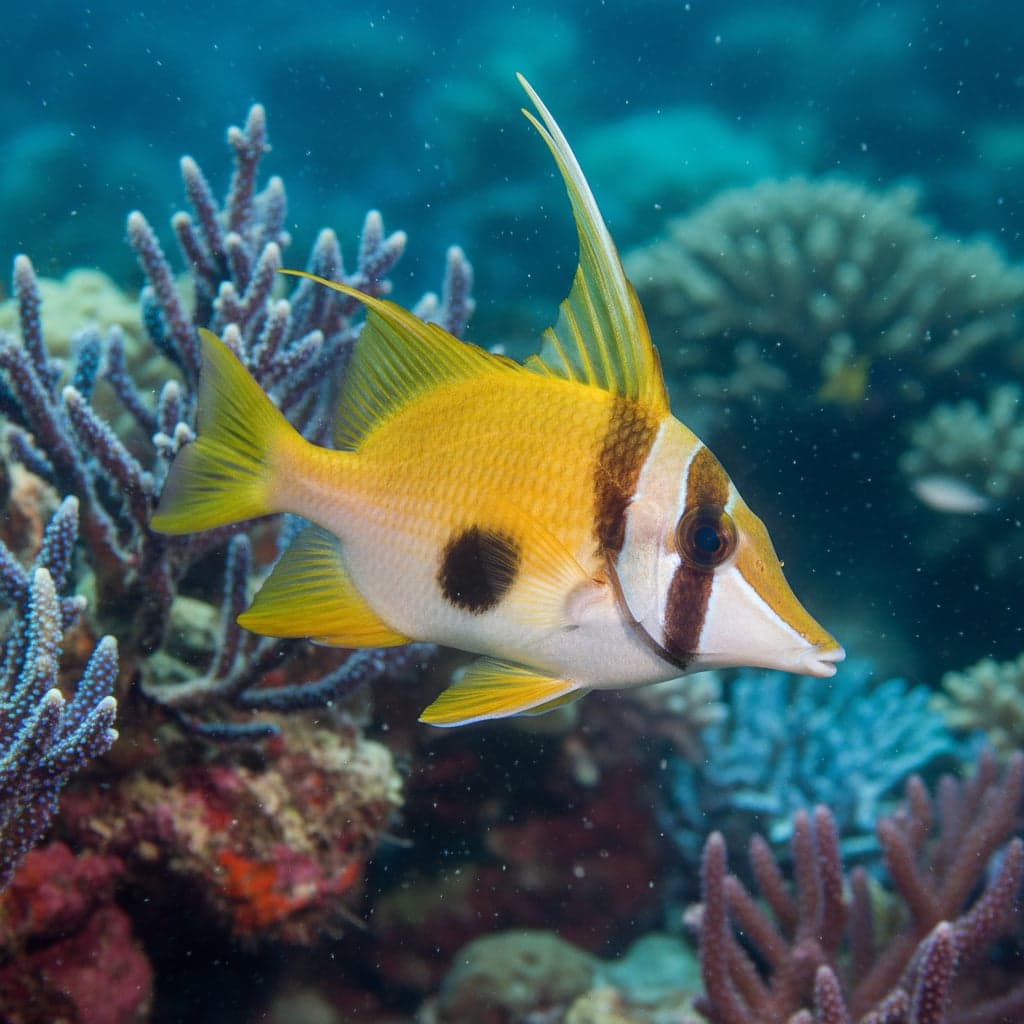
Foxface Rabbitfish
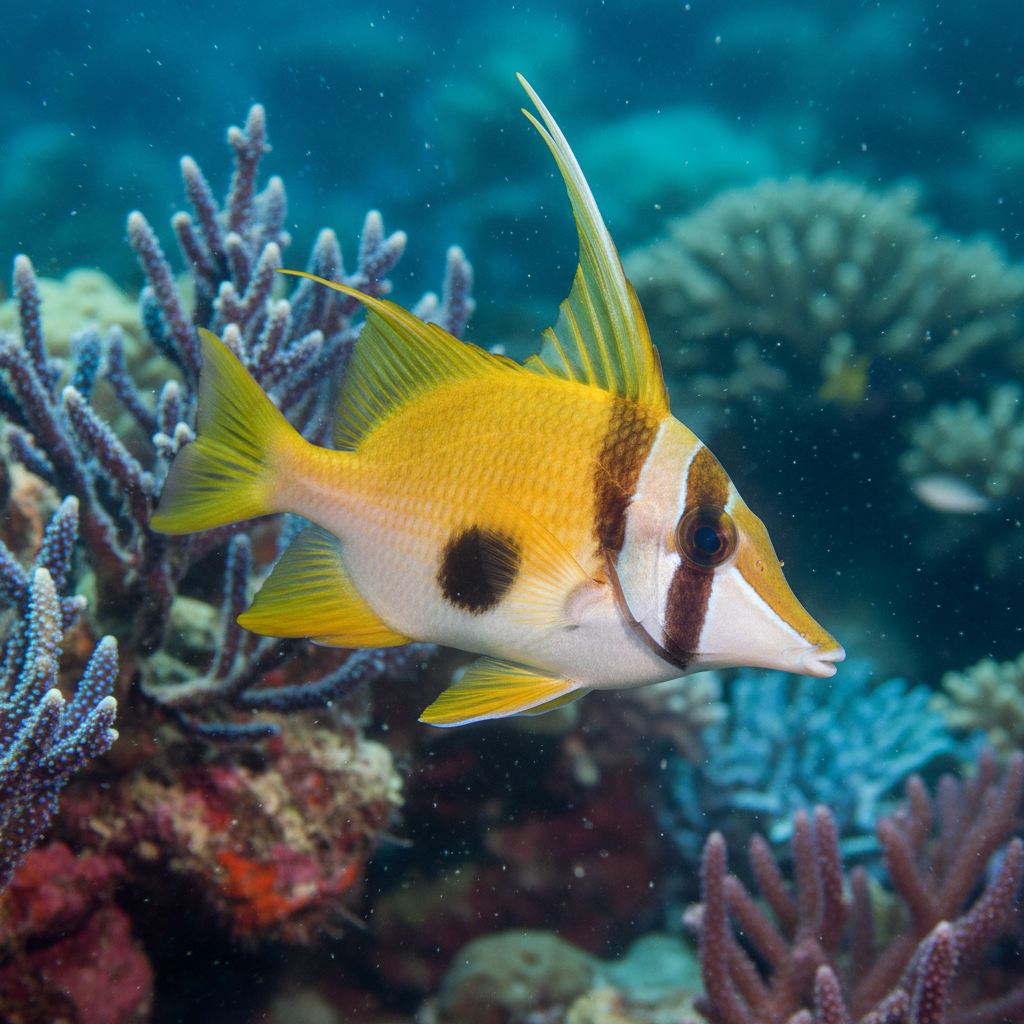
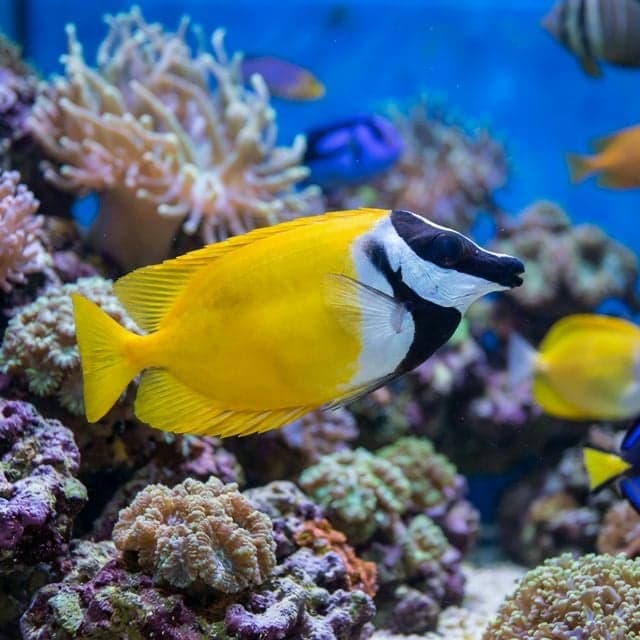
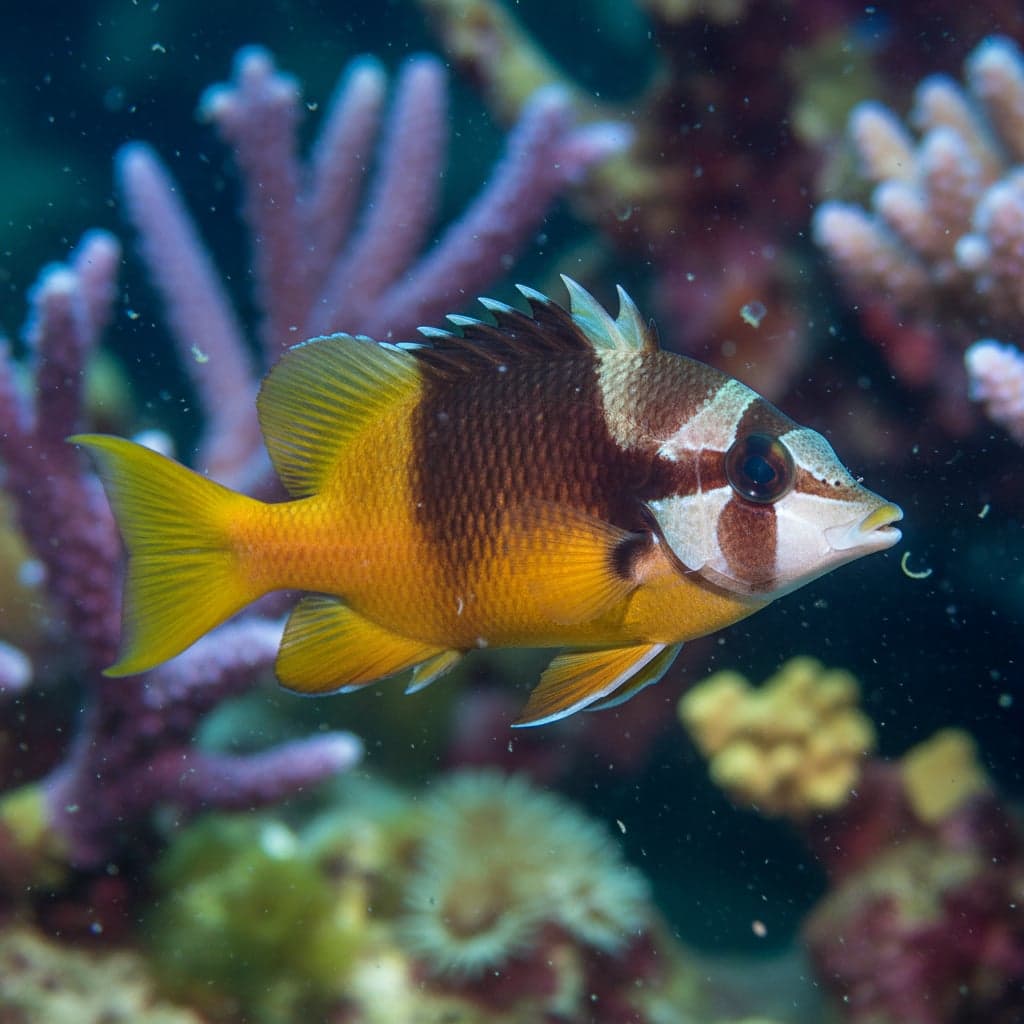
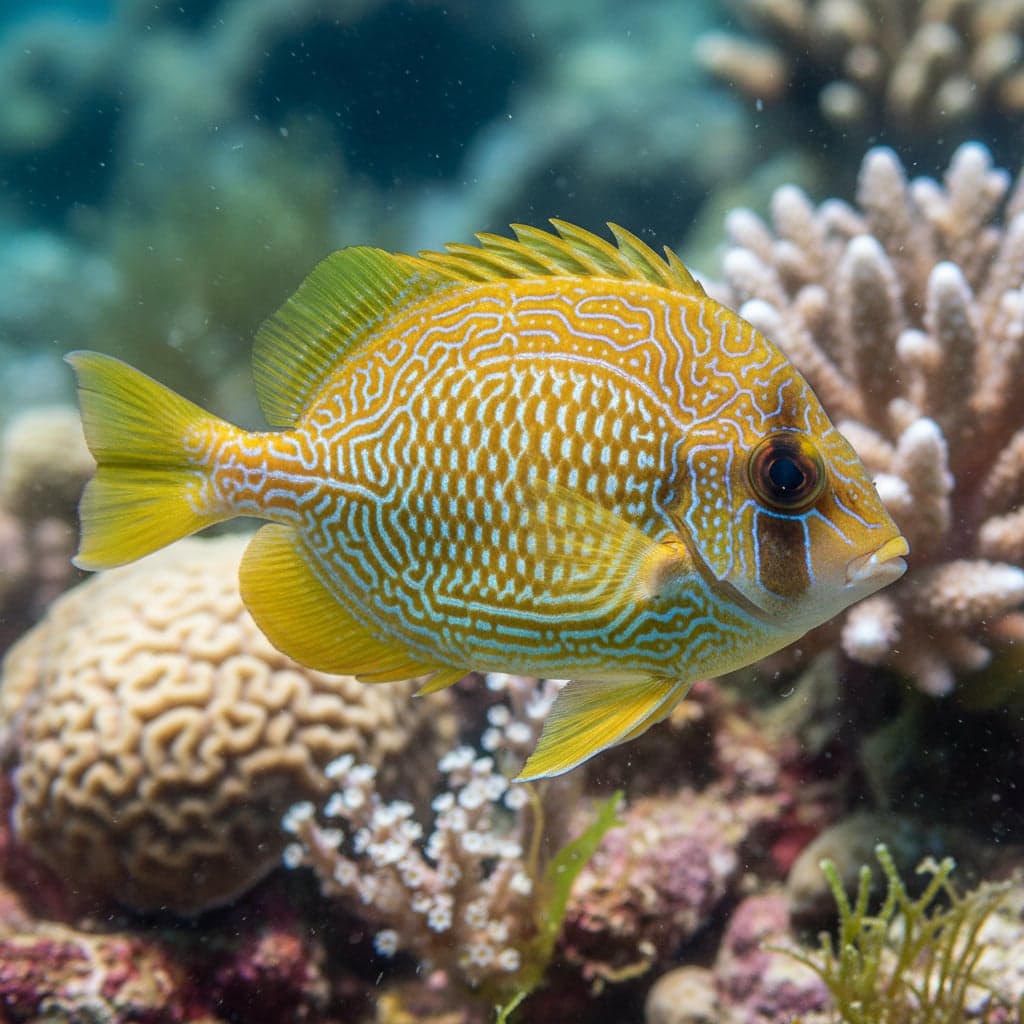
The Foxface Rabbitfish, known scientifically as Siganus vulpinus, is a captivating marine species celebrated for its striking coloration and unique body shape. This fish typically exhibits a vibrant yellow-orange hue accented by bold black markings that form a pattern reminiscent of a fox's face, hence its common name. The Foxface Rabbitfish can reach lengths of up to 12 inches (30 cm), making it a considerable presence in home aquariums. Its laterally compressed body and long dorsal fin add to its aesthetic appeal, creating an eye-catching display of movement as it glides through the water. Beyond its beauty, the Foxface Rabbitfish also plays an important role in the aquarium hobby as an effective herbivore, helping to control algae growth and contributing to the overall health of the tank environment.
In addition to its visual appeal, the Foxface Rabbitfish holds a significant place in marine ecosystems and aquaculture. Native to the coral reefs of the Indo-Pacific region, particularly around the Great Barrier Reef and the islands of Micronesia, this fish thrives in diverse underwater environments. Its diet primarily consists of algae and seagrasses, making it an essential component of coral reef health. Moreover, its robust nature and relatively hardy disposition make it more adaptable to various tank conditions, which appeals to both novice and experienced aquarists alike. This combination of beauty and ecological significance ensures that the Foxface Rabbitfish remains a classic choice for marine aquarium setups.
Natural Habitat & Origin
The Foxface Rabbitfish is indigenous to the warm, shallow waters of the Indo-Pacific region. It is predominantly found in coral reef environments with clear waters, though it may occasionally inhabit brackish lagoons and coastal areas. The species typically prefers depths of around 1 to 30 meters, where it can forage on algae and seagrasses that thrive on the reef. The ecological balance of these areas is crucial, as the Foxface Rabbitfish helps maintain healthy algae levels, preventing overgrowth that could smother coral and disrupt the reef's ecosystem. This species is widely distributed from the Red Sea and East Africa to the islands of the Pacific, including the Solomon Islands and French Polynesia.
The environmental context surrounding the Foxface Rabbitfish is characterized by a diverse array of marine life, vibrant coral formations, and variable water parameters that contribute to the fish's adaptability. The presence of predator fish and the complex structure of reef environments encourage the Foxface Rabbitfish to develop a range of social behaviors, from foraging in groups to skilled evasion techniques when threatened. These natural adaptabilities are critical for their survival and are key considerations for aquarists seeking to replicate their natural habitat.
Care Requirements
To provide proper care for the Foxface Rabbitfish, specific water parameters must be maintained within the aquarium environment. The ideal pH level should fall between 7.8 and 8.4, while the water temperature should be kept between 75°F and 82°F (24°C to 28°C). Hardness levels are also important, with a range of 8 to 12 dGH being optimal. A well-maintained aquarium should feature excellent water quality, with regular monitoring and the use of mechanical, biological, and chemical filtration systems to ensure clarity and cleanliness.
In terms of tank setup, the Foxface Rabbitfish requires a minimum tank size of 70 gallons, especially considering its potential size and swimming habits. A sandy substrate is preferred, mirroring its natural habitat, while rocks and live rock formations can provide hiding spots and grazing areas for foraging. Ideal lighting conditions should replicate natural daylight cycles, using LED or fluorescent fixtures that promote plant growth and simulate reef environments. Additionally, incorporating marine plants and structured decorations will enhance the aesthetic appeal while offering the Foxface Rabbitfish opportunities for exploration and retreat.
Diet & Feeding
The Foxface Rabbitfish is an omnivorous species that thrives on a varied diet composed primarily of algae, marine plants, and high-quality prepared foods. In the aquarium, a well-rounded feeding regimen should include a mix of spiralina-based flakes, premium pellets, and frozen or live foods such as brine shrimp and seaweed sheets. To ensure the health of the Foxface Rabbitfish, it is recommended to provide a diet rich in vegetable matter, which supports digestion and overall well-being. Feedings should occur once or twice daily, with small portions to prevent overfeeding and maintain water quality.
In addition to commercially available foods, aquarists can supplement the Foxface Rabbitfish's diet with fresh vegetables, such as blanched spinach, zucchini, or romaine lettuce. This variety not only enhances their diet but also promotes natural grazing behavior. Consistent feeding routines that replicate their herbivorous tendencies will contribute to the fish's health and vibrancy, keeping it active and resilient in the aquarium environment.
Behavior & Temperament
The Foxface Rabbitfish exhibits a generally peaceful temperament, making it a suitable addition to many community setups. However, as a species, they can display territorial behavior, particularly toward their own kind or other similar-shaped fish. It is advisable to keep them in larger tanks with plenty of hiding spaces to mitigate aggression and reduce stress. The Foxface Rabbitfish is known to be more active during daylight hours, often grazing on algae and exploring the tank. They usually prefer to occupy the middle to lower levels of the aquarium, but they will also venture to the surface when grazing.
Socially, the Foxface Rabbitfish is often found in pairs or small groups in the wild. While they can be kept alone in captivity, keeping them in groups of three or four can promote more natural behavior and decrease territorial tendencies. However, ensuring adequate space and resources within the tank is crucial, as overcrowding can lead to stress and aggression. Close attention should be paid to their interactions with compatible species to foster a harmonious community tank environment.
Tank Mates
When selecting compatible tank mates for the Foxface Rabbitfish, it's essential to choose species that share similar water parameter requirements and temperaments. Ideal companions include peaceful fish such as Clownfish, Tang species (like the Yellow Tang), Wrasses, and smaller Gobies. Other suitable tank mates may include certain species of Butterflyfish, Anthias, and non-aggressive Blennies. These species typically share similar space and dietary needs and help maintain a balanced aquarium ecosystem.
Conversely, it is critical to avoid placing aggressive or territorial fish alongside the Foxface Rabbitfish. Species such as Lionfish, aggressive Groupers, and larger Triggerfish should be excluded, as they may cause stress or physical harm to the more docile Foxface Rabbitfish. Additionally, caution should be exercised with smaller or more timid fish that may be perceived as prey. Overall, selecting the right tank mates will promote a peaceful and dynamic marine aquarium environment for all inhabitants.
Breeding
Breeding the Foxface Rabbitfish in captivity is quite challenging, primarily due to the lack of comprehensive breeding protocols and difficulties in replicating natural spawning conditions. In the wild, this species is known to practice broadcast spawning, where eggs and sperm are released into the water column, typically during the full moon. Successful breeding in captivity requires providing a spacious environment with stable water parameters, along with an abundance of well-maintained algae and plant life for potential spawning sites.
If aquarists wish to attempt breeding, they should consider having a group of Foxface Rabbitfish to encourage natural breeding behaviors.