French Angelfish
A 40cm Atlantic angelfish that pairs for life and outgrows most tanks. Needs 1,100L+ and eats sponge, so it is not reef safe.

French Angelfish
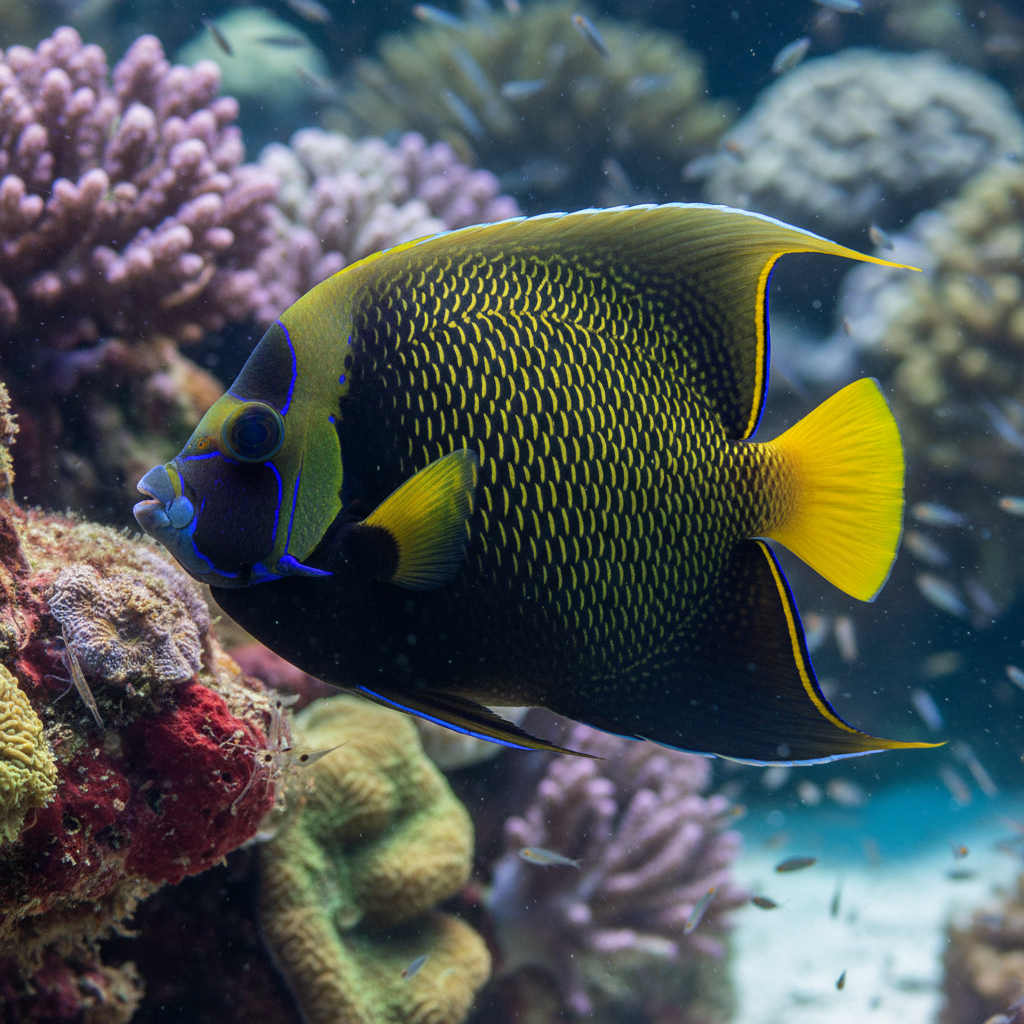
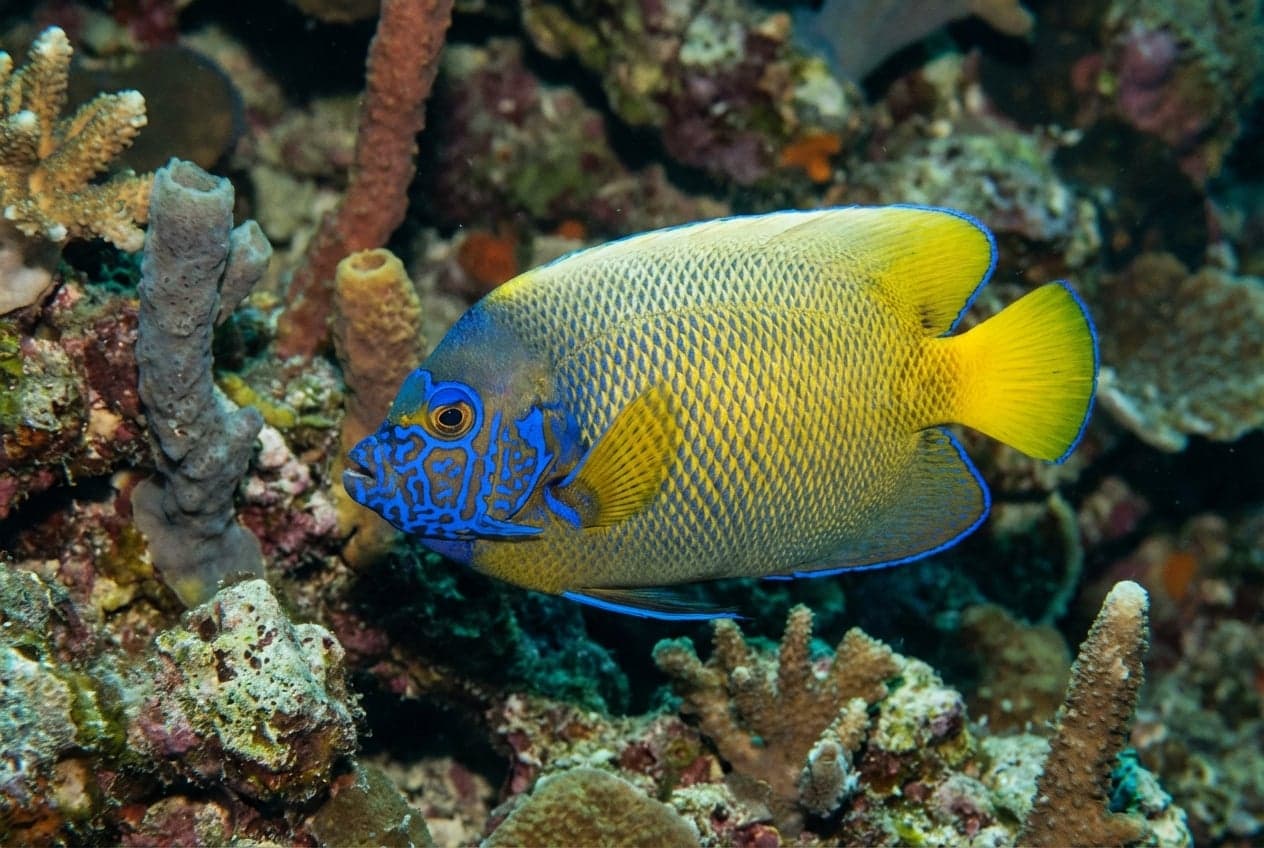
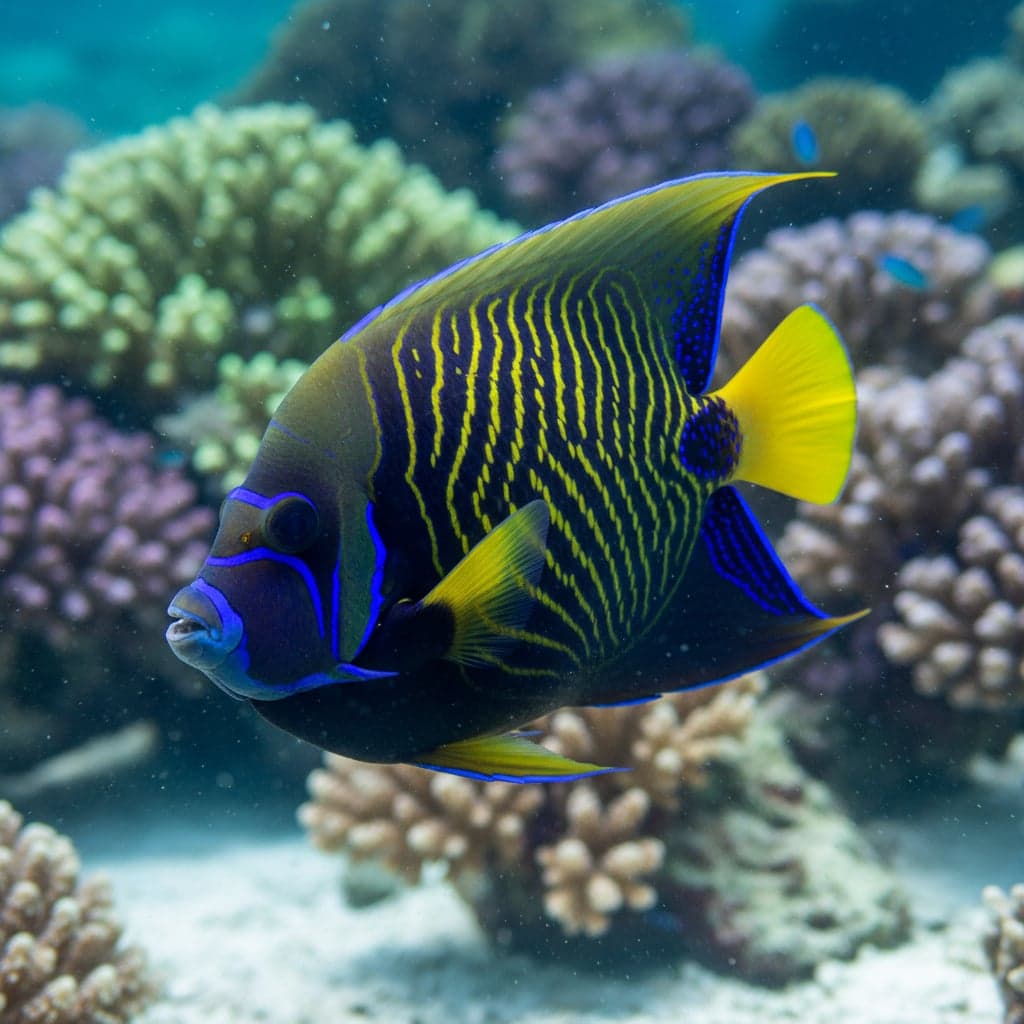
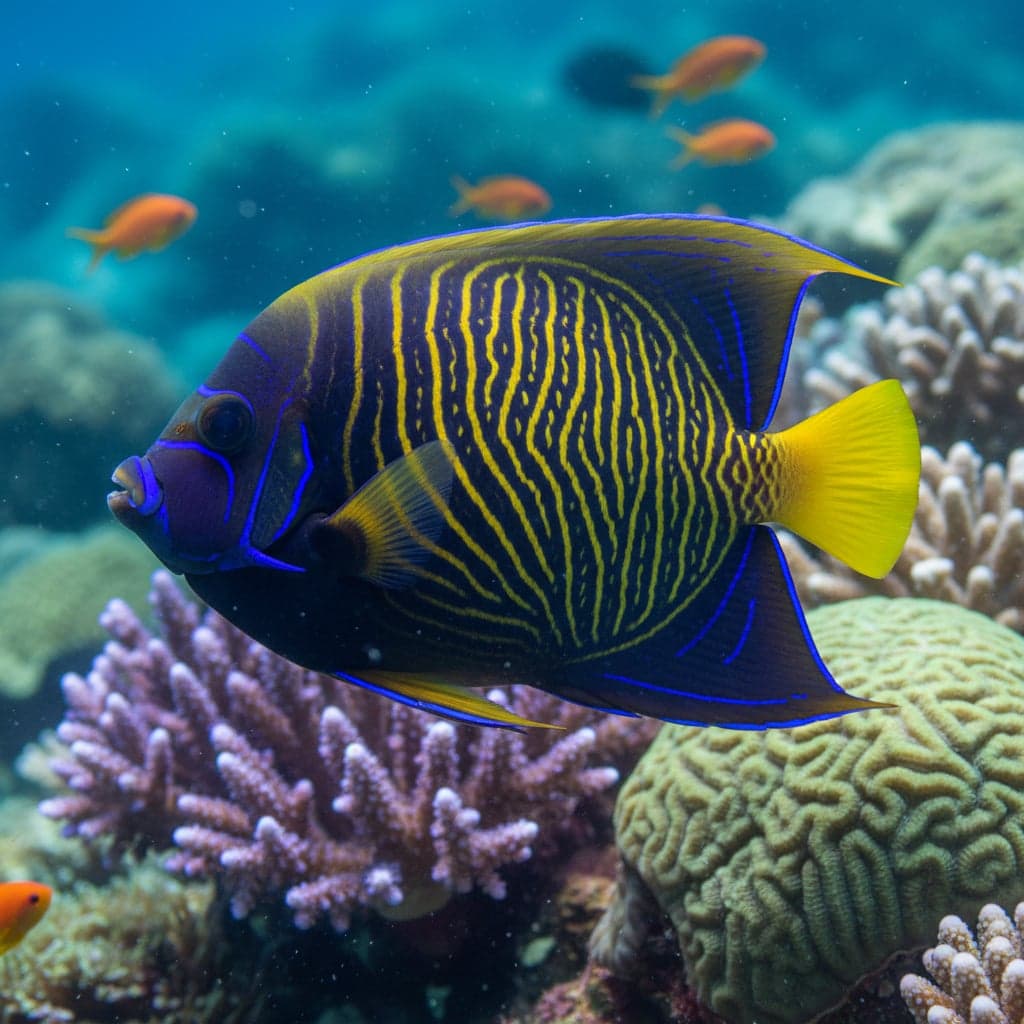
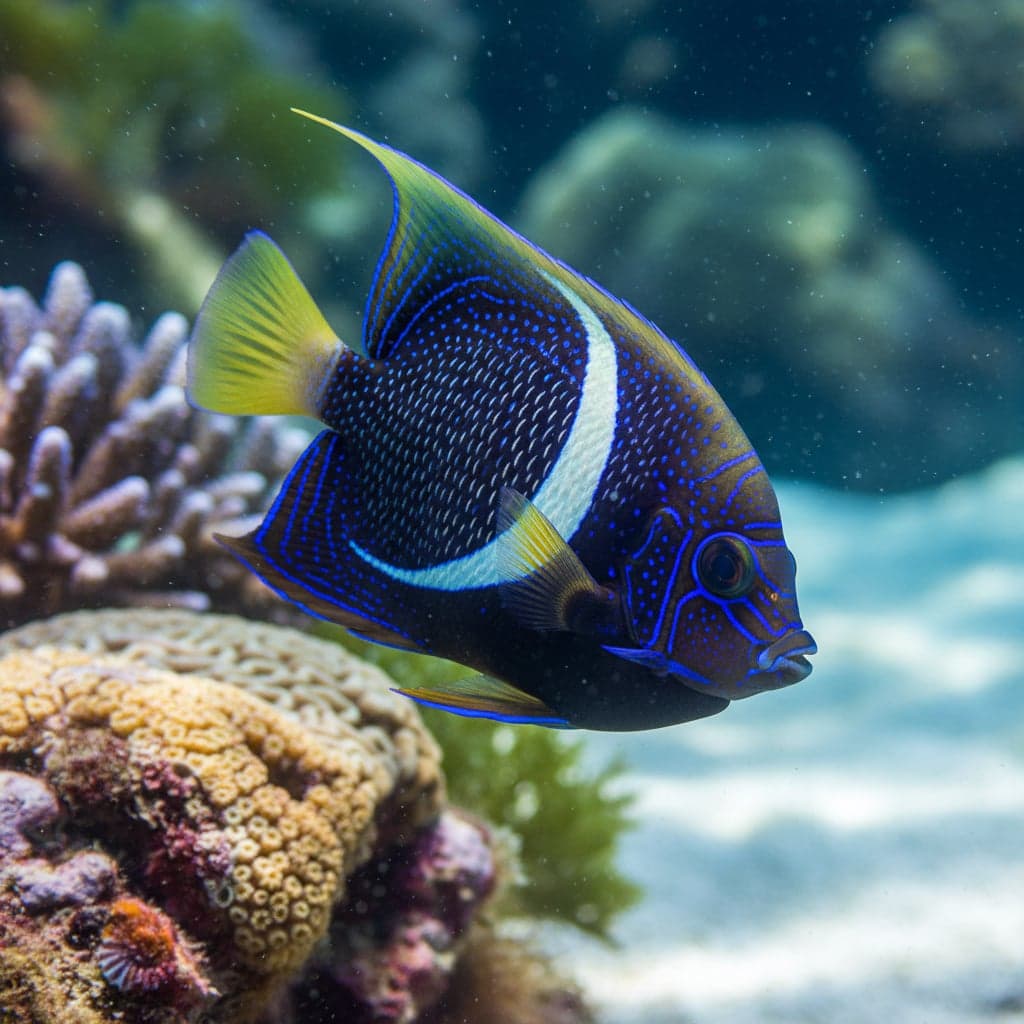
The French Angelfish (Pomacanthus paru) is an exquisite marine fish renowned for its striking appearance and majestic presence. While juveniles are jet black with brilliant yellow vertical bands, adults transition into a sophisticated charcoal or black body where almost every scale is edged in bright yellow. Growing up to 15 inches in length, its body features a graceful oval shape with long, trailing dorsal and anal fins. This visual appeal, paired with its curious and often bold nature, has made the French Angelfish a coveted addition to large marine aquariums. Beyond its aesthetic charm, this species plays a role in the marine ecosystem by foraging on sponges, algae, and bryozoans.
In the aquarium hobby, the French Angelfish holds significant value not only for its beauty but also for its unique personality. They are known for their intelligence and can even learn to recognize their owners. As a large and somewhat assertive species, their size and territorial nature demand significant swimming space and careful consideration when selecting tank mates. Enthusiasts appreciate their hardiness, as they are among the more resilient large angelfish once established in a massive system.
Natural Habitat & Origin
The French Angelfish is native to the warm waters of the tropical Western Atlantic, particularly around the Caribbean Sea and along the southeastern coast of Florida. Its range extends from Bermuda and the Bahamas to the northern coasts of South America, including Venezuela and Colombia. These fish thrive in coral reef areas where they can find ample hiding spots and feeding opportunities. Preferring depths of 15 to 100 feet, French Angelfish inhabit environments characterized as temperate to warm water, with stable salinity levels that promote vibrant reef life.
Typically found in clear, clean water, French Angelfish favor environments rich in reefs and rocky substrates. They often seek shelter among coral formations, utilizing crevices and overhangs for protection against predators. The water quality in their natural habitat is paramount, as it influences their health and coloration. This species is accustomed to well-oxygenated waters, and as such, replicating similar conditions in aquaria is crucial for successful captive longevity.
Care Requirements
When caring for French Angelfish, it's essential to maintain specific water parameters to ensure their well-being. Ideal conditions include a pH range of 8.1 to 8.4, a temperature of 75°F to 80°F (24°C to 27°C), and moderate water hardness between 8 to 12 dGH. These fish exhibit sensitivity to changes in water quality, so regular monitoring and prompting water changes (10-15% weekly) is necessary to maintain optimal tank conditions.
To maintain a French Angelfish successfully, an aquarium should have a minimum size of 1,100 litres (290 gallons) to accommodate its 40cm adult size and active swimming behavior. The ideal water parameters include a pH level between 8.1 and 8.4, a temperature of 75°F to 82°F (24°C to 28°C), and a salinity of 1.020 to 1.025. Regular water changes and a powerful protein skimmer are essential for managing the waste produced by such a large fish.
For tank setup, use a substrate of aragonite sand and provide a massive amount of live rock arranged to create large caves and swim-throughs. As an adult, the French Angelfish will spend much of its time grazing on sponges and algae from the rockwork. Lighting should be moderate to bright to encourage the growth of beneficial algae, which forms a natural part of their diet.
Diet & Feeding
The French Angelfish is primarily an omnivore, feeding on a varied diet consisting of algae, small invertebrates, and detritus in the wild. In captivity, it's vital to replicate this diverse diet to promote optimal health and vibrant coloring. High-quality marine pellets, flakes, and frozen foods should form the basis of their diet. Frozen or live foods, such as brine shrimp, mysis shrimp, and various algae-based supplements, are essential for providing essential nutrients and encouraging natural foraging behavior.
Offering a variety of food will not only enhance coloration but also cater to their biological needs. It’s advisable to feed them 2-3 times a day with small portions to avoid overfeeding, as these fish can be prone to obesity if not monitored properly. Incorporating algae sheets and vegetable-based foods can help replicate their natural foraging behavior and ensure they receive appropriate dietary fiber.
Behavior & Temperament
French Angelfish exhibit a complex range of social behaviors, characterized by territoriality and hierarchical structure. In a community tank, they are semi-aggressive, especially towards their own species or closely related species, and will often assert dominance over their territory. While they can form bonds with other fish, it's important to keep an eye on their interactions, especially during feeding times or when establishing territories.
These fish are primarily found in the mid to lower levels of the tank, often swimming gracefully between the rocks and coral. They exhibit a level of curiosity, frequently exploring their environment. It’s important to provide ample hiding spots and visual barriers to minimize stress and aggression, fostering a harmonious aquarium environment.
Tank Mates
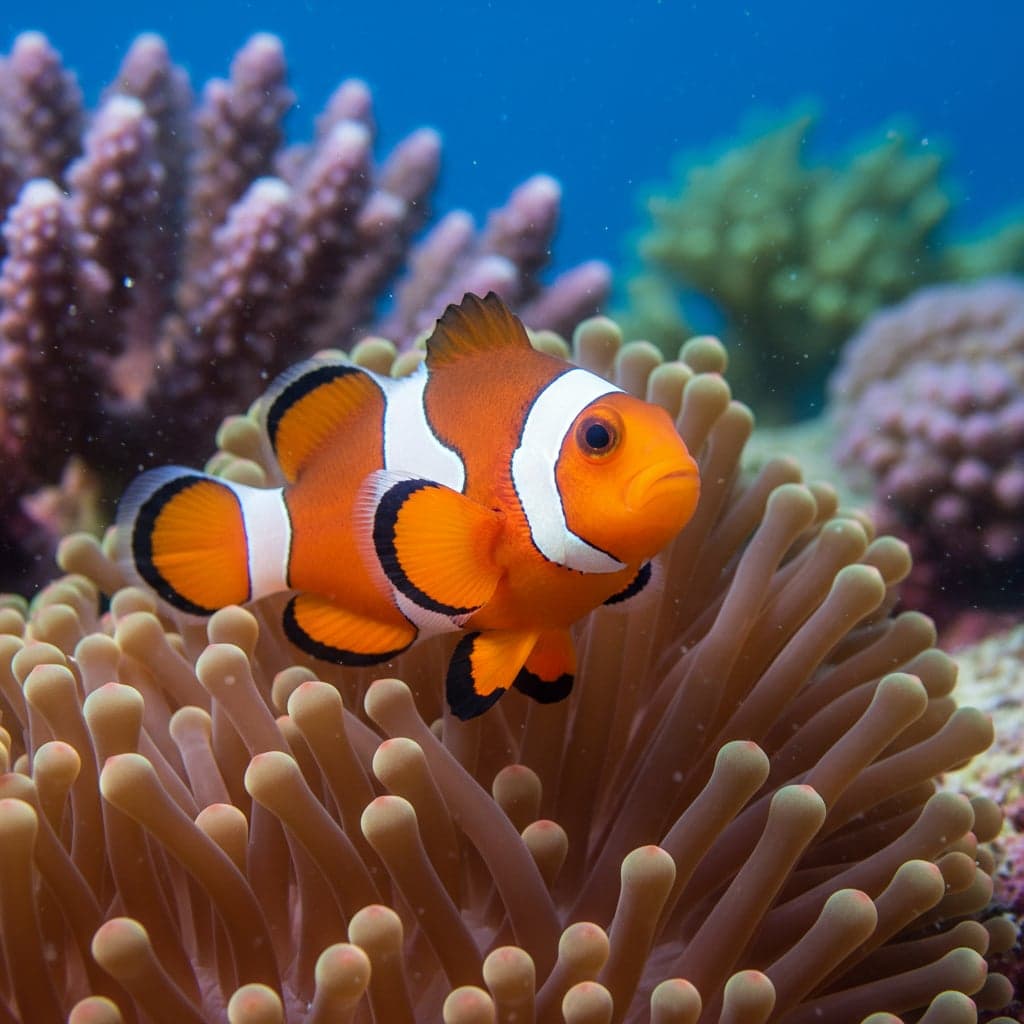
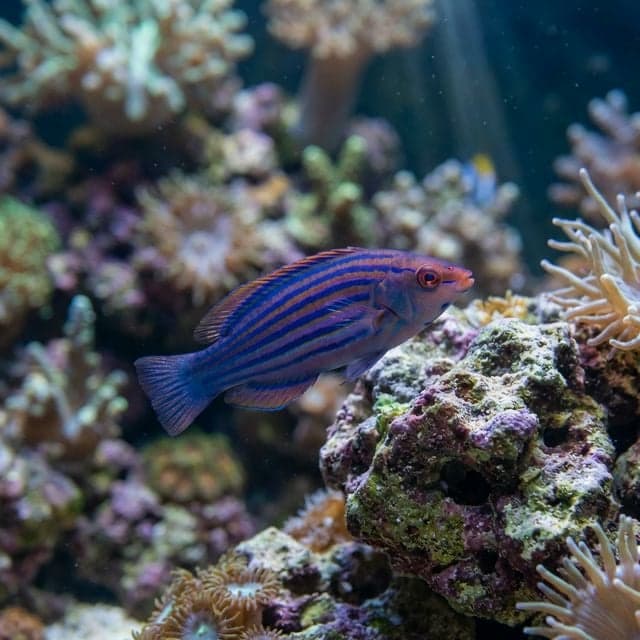
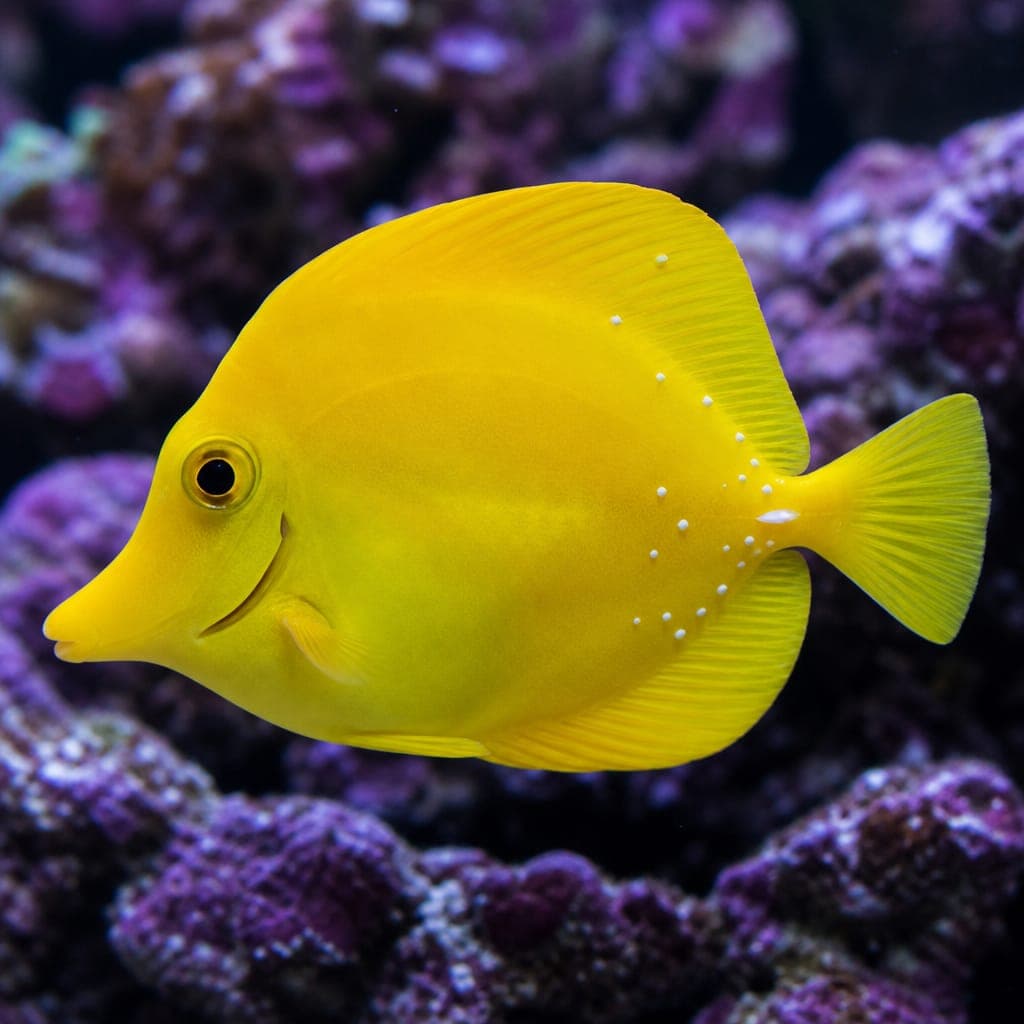
Selecting compatible tank mates for the French Angelfish requires careful consideration. Ideal companions include species such as Clownfish, other types of angelfish that do not closely resemble the French Angelfish, Wenchman, and certain types of wrasses. Larger, assertive fish that can hold their own, such as certain tang species, are also good candidates for cohabitation.
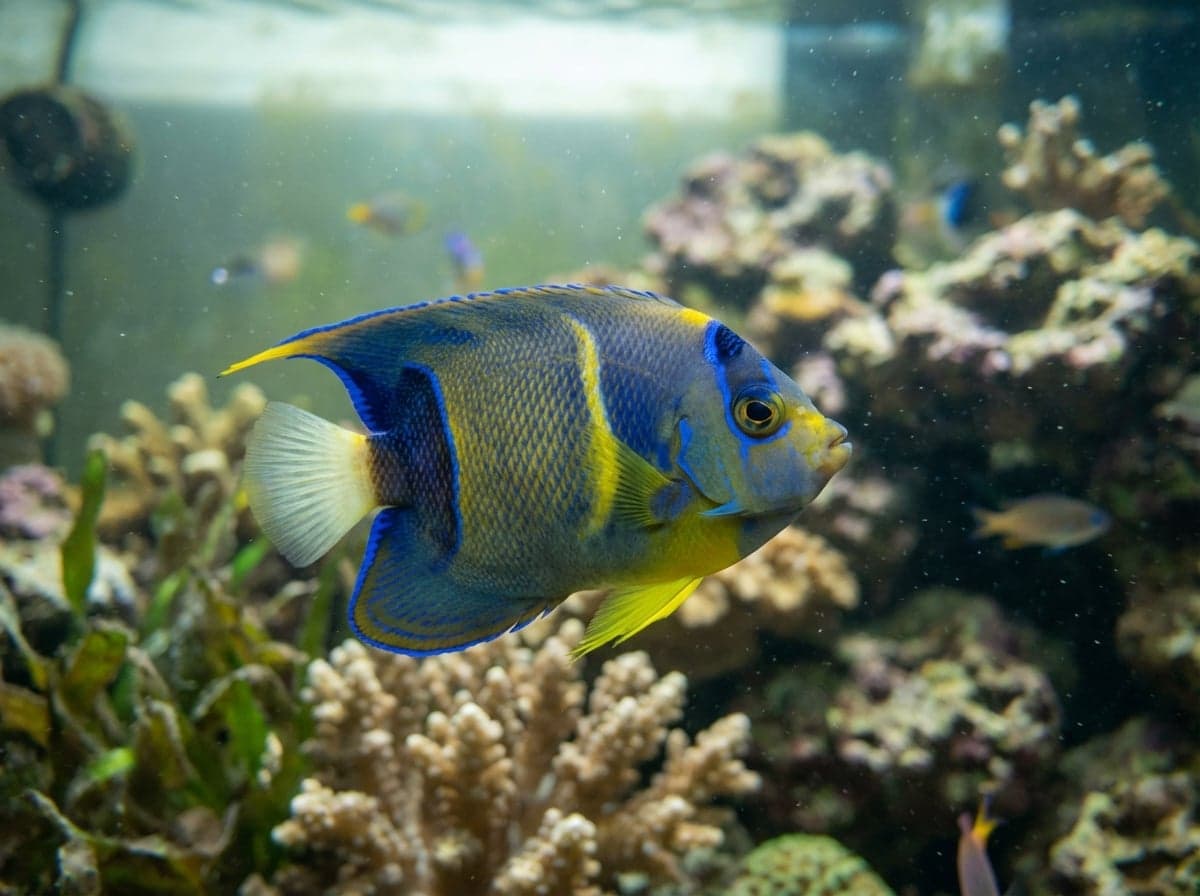
Conversely, it is best to avoid smaller, timid species, as these fish may become targets for territorial aggression. Additionally, similar-looking angelfish, such as the Queen Angelfish or other Pomacanthus species, should not be included in the same environment due to potential aggression and territorial disputes. The overall harmony of the aquarium can be enhanced by ensuring appropriate tank size and space for each species to establish its territory.
Breeding
Breeding French Angelfish in captivity can be challenging due to specific environmental conditions and their natural breeding behavior. French Angelfish are known to be monogamous, often forming pairs during the breeding season. They typically spawn in the late evening hours, releasing eggs and sperm near the surface waters of their habitat.
To encourage breeding in an aquarium environment, a separate breeding tank with stable water conditions, moderate lighting, and abundant hiding places is recommended. The water temperature should be maintained at about 78°F to 80°F, with a pH level around 8.2-8.4. Providing a varied diet rich in nutrients will prepare the breeding pair for spawning. It is essential to mimic their natural conditions as closely as possible and to monitor the warning signs of spawning behavior, such as increased activity and territorial displays. Once spawning occurs, the eggs will hatch within a short period, typically 24-48 hours, requiring immediate care.
Common Health Issues
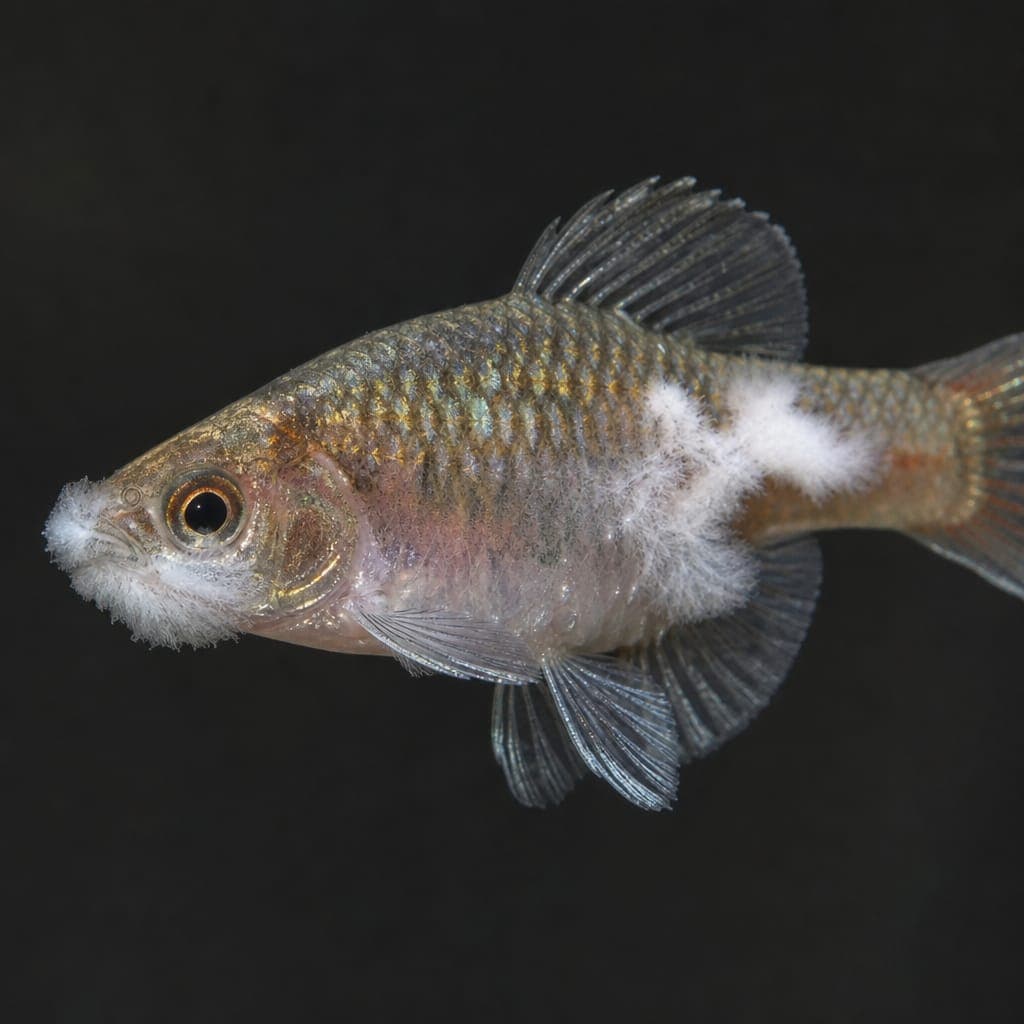
French Angelfish can be susceptible to various health issues, primarily due to environmental stressors or poor water quality. Common concerns include ich (marine velvet), fin rot, and fungal infections. Monitoring water parameters closely can help prevent the onset of these diseases.
Regular observation of the fish’s behavior and appearance allows for early detection of any health issues. Providing a well-balanced diet, maintaining good tank hygiene, and ensuring proper filtration can significantly reduce health risks. Adding aquarium salt and ensuring appropriate water circulation can also bolster the fish’s immune system and decrease the likelihood of disease outbreaks. If any diseases are identified, quarantining affected individuals and treating them promptly is critical for the recovery of the fish and the protection of the rest of the display.