Gem Tang
A 20cm tang, black with white speckling, and among the most expensive reef fish sold. Needs 700L+ and constant algae grazing.
Also known as: gemmatum tang · Zebrasoma gemmatum
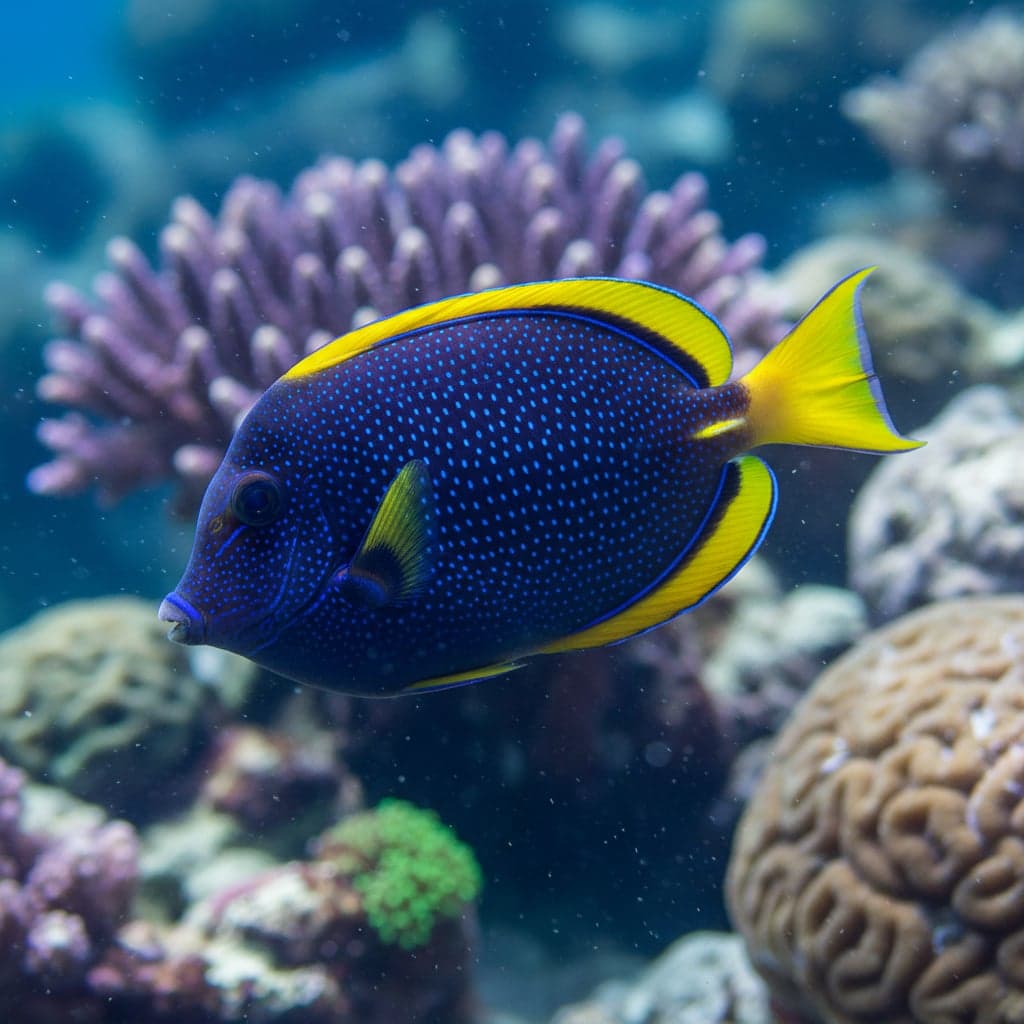
Gem Tang
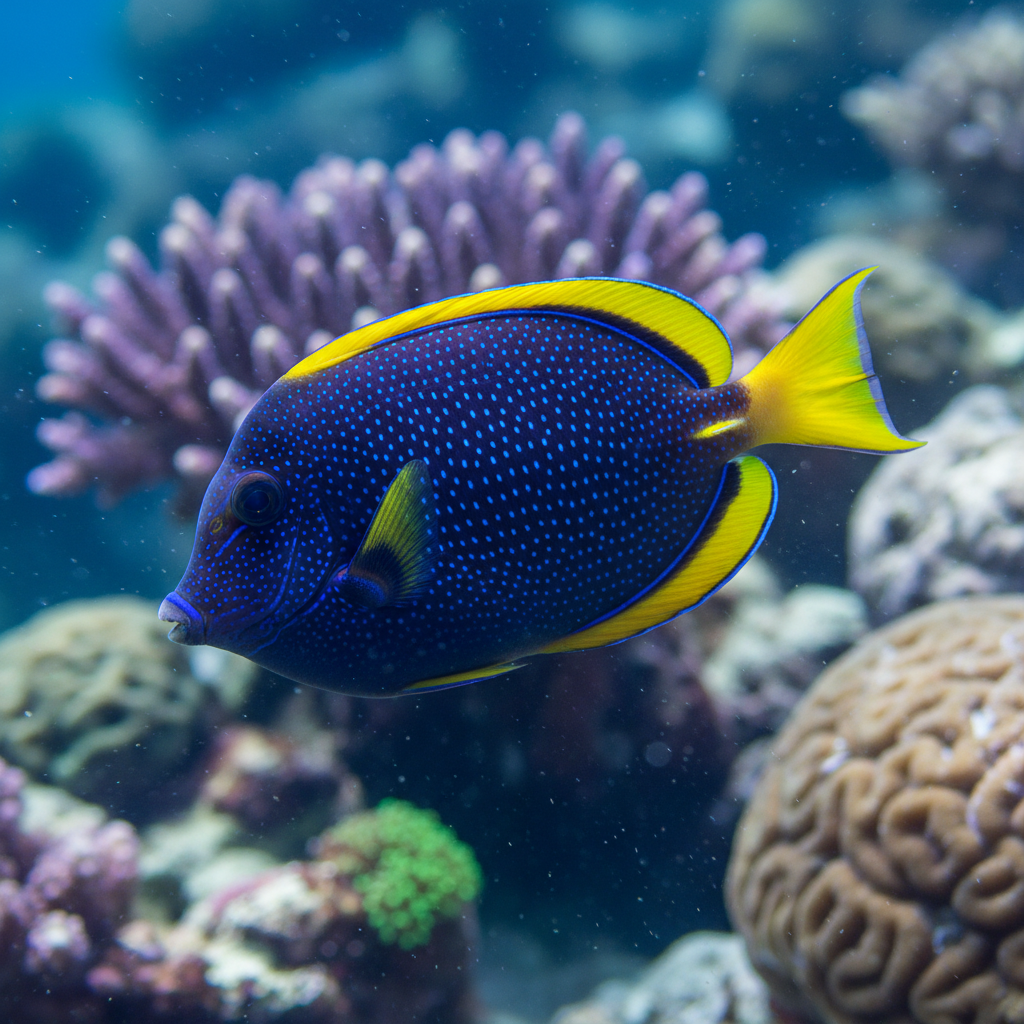
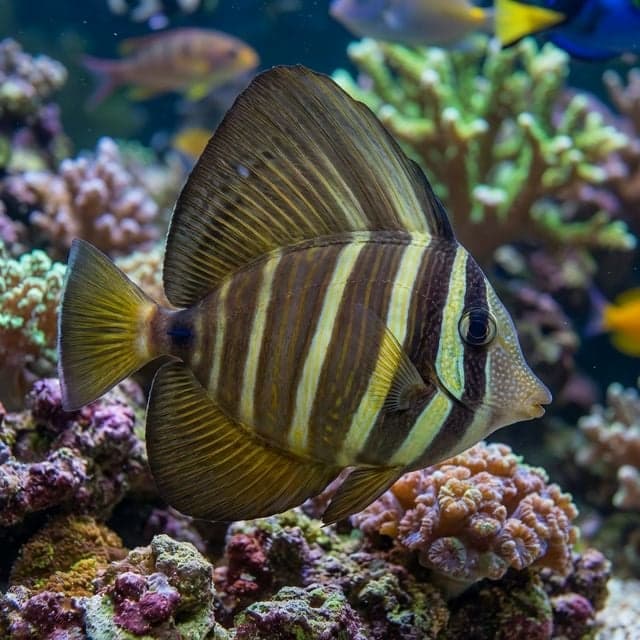
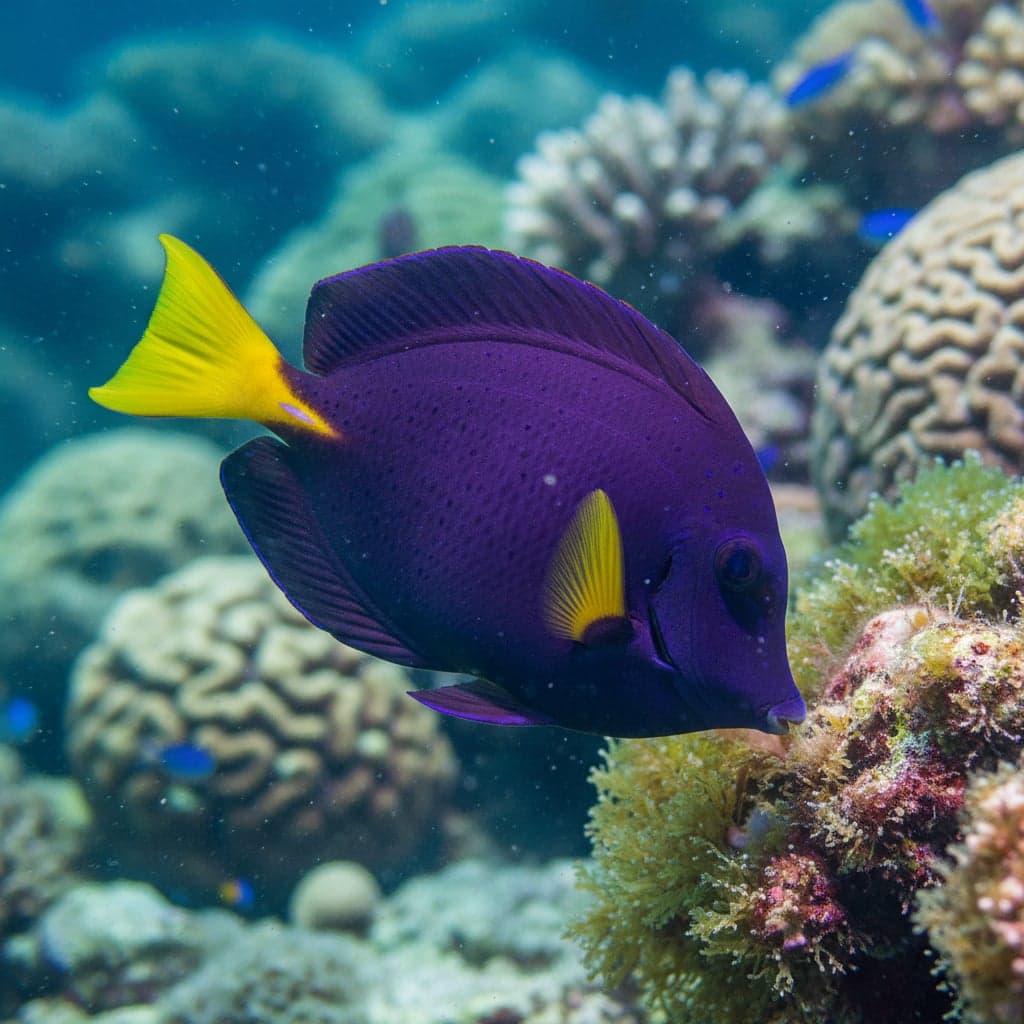
The Gem Tang (Zebrasoma gemmatum) is a strikingly beautiful marine fish revered in the aquarium hobby for its sophisticated coloration and rarity. Characterized by a jet-black body adorned with hundreds of tiny, brilliant white spots that sparkle like gemstones, this tang is one of the most prestigious additions to a marine aquarium. It features a bright yellow tail and yellow-tinted pectoral fins, providing a stark and elegant contrast to its dark, speckled body. Beyond its aesthetic appeal, the Gem Tang is an efficient herbivore, playing a vital role in controlling algae growth on the reefs of the Western Indian Ocean.
Natural Habitat & Origin
The Gem Tang is indigenous to the reefs of the Western Indian Ocean, particularly around the Madagascar region. In its natural habitat, this fish thrives in clear, warm waters that typically feature complex coral structures. The waters where the Gem Tang is commonly found are not classified as blackwater; instead, they are characterized by high visibility and gentle currents that support a rich diversity of marine life. This environment provides the Gem Tang with ample foraging opportunities, as it grazes on algae and small invertebrates that dwell among the coral formations.
The sandy and rocky substrates of its home range offer essential shelter and foraging spots for the Gem Tang, making these elements crucial for recreating a similar environment in captivity. The temperature in these regions usually ranges from 24°C to 28°C (75°F to 82°F), with stable salinity levels, contributing to the fish's overall health and well-being.
Care Requirements
To ensure the well-being of a Gem Tang in captivity, specific water parameters must be maintained. Ideal pH levels should be between 8.1 and 8.4, with a temperature range of 24°C to 28°C (75°F to 82°F). The general hardness (GH) should be around 8-12 dKH, aligning with the natural parameters of its native environment. As for tank size, a minimum of 700 litres (185 gallons) is recommended for this active 20cm Zebrasoma gemmatum — it needs swimming space and territory for constant algae grazing.
The tank setup should incorporate fine coral sand or aragonite substrates to replicate its natural habitat. Rock structures that mimic the complexities of reef systems are essential, as they provide hiding spots and foraging areas. As for lighting, moderate to bright lighting is recommended, allowing for the growth of photosynthetic corals and algae that the Gem Tang may graze upon. Including live rock and suitable marine plants can enhance the tank's ecological balance.
Diet & Feeding
Gem Tangs are predominantly herbivorous, requiring a diet rich in marine algae, but they can also consume meaty foods when available. In captivity, it is essential to offer a varied diet that includes high-quality algae sheets, spirulina-based flakes, and pellets. Supplemental feeding with frozen options, such as mysis shrimp and brine shrimp, can ensure nutritional balance, especially if the fish displays a fondness for meaty foods.
Feedings should be frequent yet manageable, with small portions offered two to three times daily to mimic their natural foraging habits. Providing a mix of prepared foods along with natural seaweed can support their health and help maintain vibrant coloration.
Behavior & Temperament
The Gem Tang exhibits a bold and active demeanor, often aggressively defending its territory. Unlike some other tangs, the Gem Tang is notoriously intolerant of other members of its own genus (Zebrasoma) and should typically be the only tang of its kind in the aquarium. Introducing it to a community tank requires careful planning; it should be one of the last additions to minimize territorial disputes.
In terms of vertical placement within the tank, the Gem Tang often occupies the middle to upper levels, where it can easily access the surface for feeding and interaction with other tank inhabitants. Observing their swimming patterns and social interactions can provide insight into their health and happiness in captivity.
Tank Mates
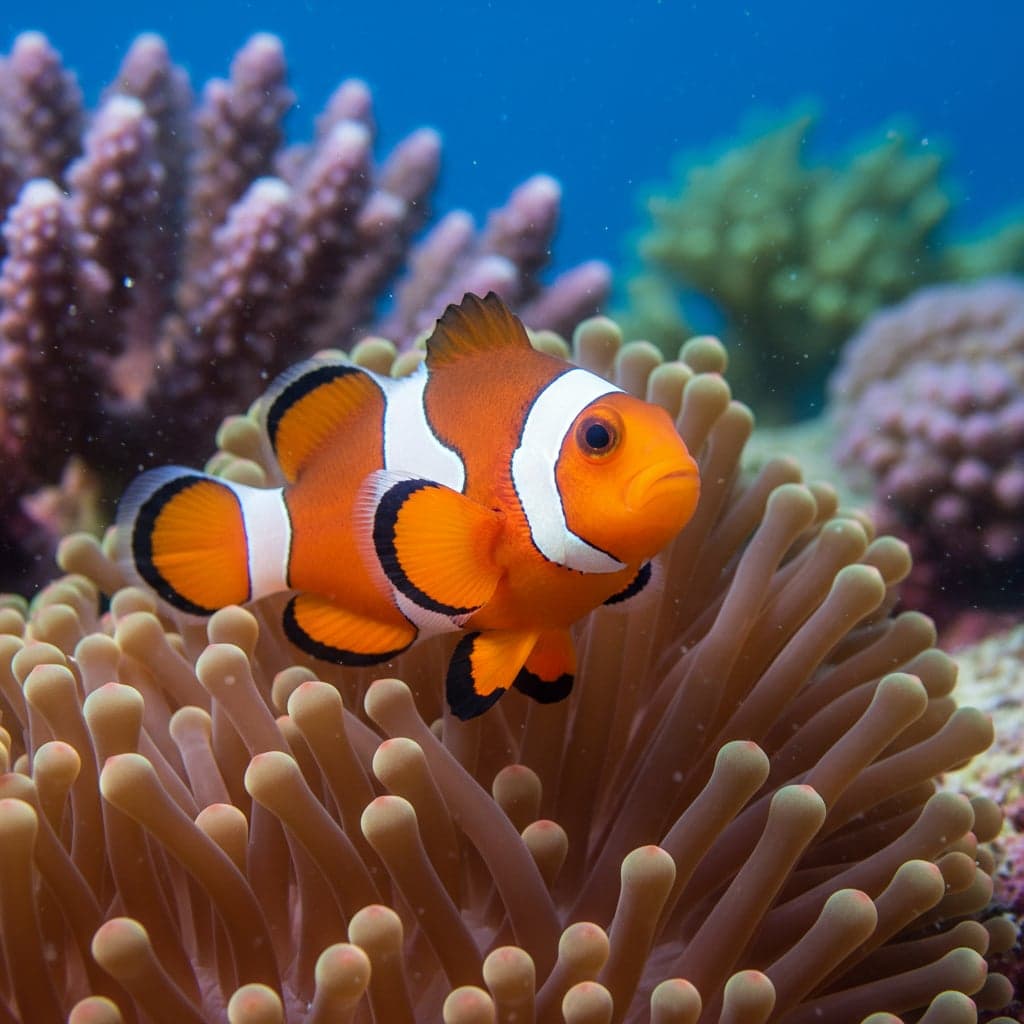
In a community setup, the Gem Tang thrives best with similarly sized, non-aggressive fish. Compatible tank mates include other tangs like the Yellow Tang and Kole Tang, as well as docile species such as clownfish, wrasses, and some gobies. However, caution should be exercised not to house them with overly aggressive fish like lionfish or larger wrasse species, as these combinations can lead to stress or territorial disputes.
Fish that exhibit similar body shapes or colors should be introduced with care, as they might trigger territorial behavior. Offering plenty of hiding spots and swimming space can help mitigate aggression and promote a harmonious community.
Breeding
Breeding Gem Tangs in captivity can be challenging, and little is known about their specific spawning behavior in a controlled environment. They are considered to be protandrous hermaphrodites, meaning they can change their sex, which may complicate breeding efforts. For successful breeding, a larger, species-specific breeding setup that mimics their natural habitat is recommended, with well-established territories and optimal water conditions.
Conditions that may encourage spawning include maintaining excellent water quality, temperature stabilization, and providing ample hiding spots and open swimming spaces. Special attention should be given to the diet during the breeding season, ensuring that both males and females receive enriched nutrition to promote healthy eggs and successful fertilization.
Common Health Issues
Gem Tangs are susceptible to certain health issues common among saltwater fish. Ich (whitespot disease), marine velvet, and fin rot are among the primary diseases that can affect these fish due to stress, inadequate water conditions, or poor diet. It is crucial to monitor water quality consistently and perform regular maintenance to minimize these health risks.
Preventive measures include ensuring a stable environment, quarantining new arrivals, and gradually introducing any changes to the tank. Furthermore, maintaining a diet rich in varied nutrition can enhance the fish's immune system, reducing the likelihood of disease outbreaks. Early diagnosis and treatment are vital for managing any health issues that may arise.