The German Blue Ram: Mikrogeophagus ramirezi
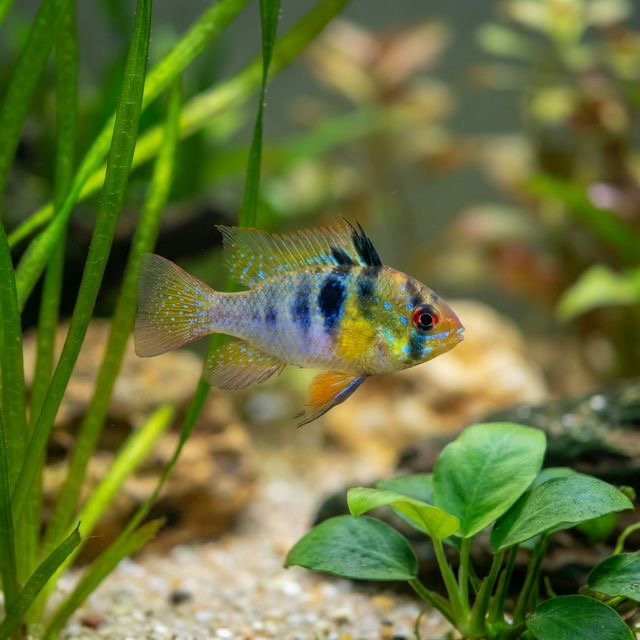
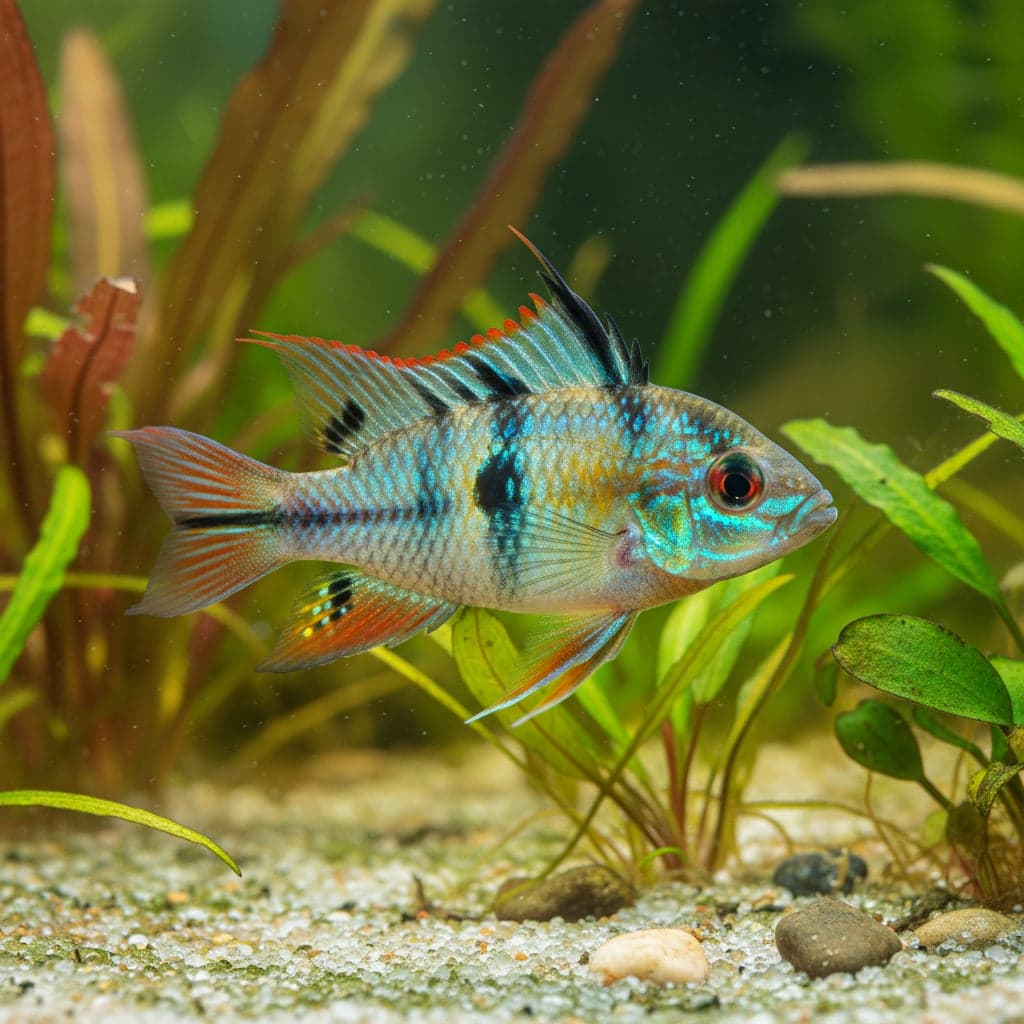
A small, brilliantly colored South American dwarf cichlid. Electric blue, golden, and red markings make it one of the most visually stunning freshwater fish.
Also known as: blue ram · Mikrogeophagus ramirezi · ram cichlid
German Blue Ram
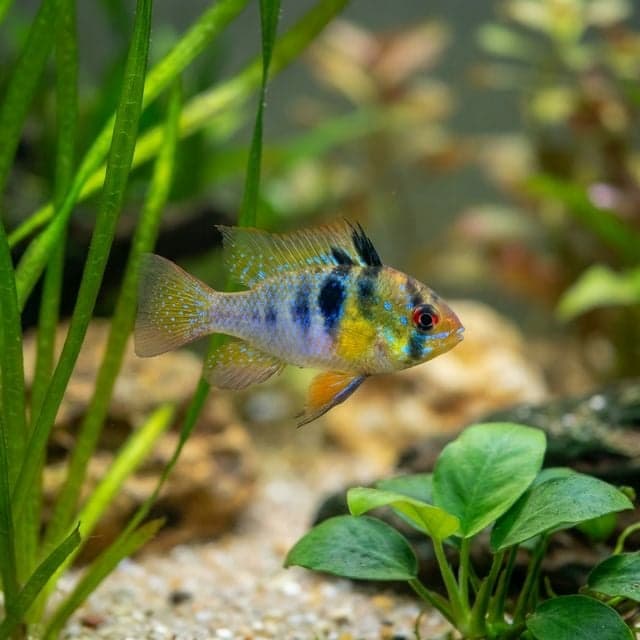
The German Blue Ram (Mikrogeophagus ramirezi) is a stunning freshwater fish renowned for its vibrant coloration, making it a favorite among aquarium enthusiasts. Characterized by its bright blue and yellow hues, the male German Blue Ram exhibits striking patterns on its body, including iridescent blue scales that shimmer under aquarium lighting. These small cichlids typically grow to about 2 to 3 inches in length, and their delicate appearance and graceful swimming make them a captivating presence in a well-maintained tank. Their aesthetic appeal is not only a focal point for aquarists but also serves to enhance the overall ambiance of community tanks, drawing admiration from all who gaze upon them.
Apart from their visual allure, German Blue Rams hold significance in the aquarium hobby due to their friendly nature and relative ease of care. While they are cichlids, which are often associated with aggression, German Blue Rams are generally peaceful and thrive in a community setup. Their charming behaviors, such as pairing leading up to breeding and nurturing their fry, make them an exciting addition for both new and seasoned aquarists. As a result, they are not just a pretty face; they also offer engaging personality traits that enrich the aquarium experience.
Natural Habitat & Origin
German Blue Rams originate from the slow-moving waters of the Orinoco River Basin in Venezuela and Colombia. These fishes thrive in tropical environments where the water conditions are often influenced by the presence of decaying plant matter, which leads to slightly more acidic and soft water parameters. Their natural habitat is characterized by dense vegetation and submerged structures where they can find refuge and breeding sites. The typical water in their native range is often classified as blackwater, reflecting the rich organic content that gives it a dark tint. This unique environment is crucial for the development of their vibrant colors and natural behaviors.
In their natural settings, German Blue Rams prefer shallow areas near the riverbanks rich in plant life. This habitat provides them with not only food sources but also shelter from predators. The importance of replicating this environment in the home aquarium cannot be overstated. Proper tank conditions play a crucial role in ensuring the fish adapt well in captivity and exhibit their natural behaviors.
Care Requirements
To foster a healthy environment for the German Blue Ram, it is essential to closely monitor specific water parameters. They thrive in slightly acidic to neutral pH levels, typically ranging from 6.0 to 7.5. The ideal temperature for these delicate species is between 78°F to 84°F (25°C to 29°C). Hardness should be kept in the range of 2 to 10 dGH, as they prefer softer water that mimics their natural habitat.
When setting up a tank for German Blue Rams, the minimum recommended tank size is 20 gallons, allowing them adequate space to explore without stress. A soft substrate, such as sand or fine gravel, is preferable, as it mimics their natural setting and aids in breeding. Adding plenty of plants, driftwood, and rocks will provide hiding spots and breeding spaces. Moderate lighting is ideal; too much light can stress them out, while too little can stunt plant growth. Maintaining stable water quality through regular maintenance and filtration is crucial to keep these vibrant fish healthy and happy.
Diet & Feeding
German Blue Rams are omnivorous, meaning they thrive on a varied diet that includes both plant and animal matter. In captivity, it is vital to provide high-quality flakes or pellets as a staple diet. However, to ensure a balanced nutritional intake, supplementing their diet with frozen or live foods such as brine shrimp, daphnia, and bloodworms is highly recommended. These additional food sources not only enhance their colors but also promote better health and overall vitality.
Feeding should take place multiple times a day in small portions, ensuring all fish in the tank can partake without excess food accumulating and affecting water quality. Avoid overfeeding, as these fish are prone to obesity if consistently given more than they can consume. A balanced diet not only prevents health issues but also prepares them for successful breeding when the time comes.
Behavior & Temperament
German Blue Rams exhibit a serene and peaceful demeanor, making them ideal candidates for a community aquarium. They are not schooling fish but prefer to establish small territories, particularly during breeding periods. Males can exhibit territorial behaviors when vying for a mate or space, but overall, aggression levels are relatively low among this species when kept in suitable conditions. They often inhabit the lower and middle regions of the tank, frequently darting in and out of plants and hiding spots.
This species enjoys interacting with their environment, and it is recommended to observe their preferences as each individual may display a unique personality. While they may not require a large school for companionship, keeping them in pairs or small groups can lead to more vibrant behavior and social dynamics within the aquatic setting.
Tank Mates
When selecting tank mates for German Blue Rams, it's essential to choose peaceful species that share similar water parameter requirements. Suitable companions include Rasboras, Tetras (such as Neons and Rummynose), Corydoras catfish, and certain species of peaceful barbs. Additionally, smaller livebearers like Guppies or Platies may also cohabitate well with them.
However, it is crucial to avoid aggressive or overly boisterous fish, such as large Cichlids, certain types of Gouramis, or any species that could bully the German Blue Rams, as this can lead to severe stress for these delicate fish. The ideal community should reflect a balance of peaceful interactions, ensuring all species within the tank can thrive together.
Breeding
Breeding German Blue Rams in captivity can be an exciting endeavor for aquarists. They typically spawn on flat surfaces, such as the underside of leaves, rocks, or on spawning sites that are carefully selected within the tank. A pair will engage in an intricate courtship ritual, involving display behaviors such as fin flaring and swimming together in tandem. Preparation for breeding often requires slightly elevated water temperatures and carefully controlled water parameters, including a pH of around 6.0 to 6.5.
Once spawning occurs, the female will lay approximately 100 to 400 eggs, which the male will fertilize shortly afterward. After a few days, the eggs will hatch into free-swimming fry. It's important to provide adequate care for the fry, including keeping them away from potential predators within the tank. Specialized fry food or crushed flakes is recommended for nourishment during their early stages. Observing the entire breeding process often adds a rewarding dimension to the aquarium hobby.
Common Health Issues
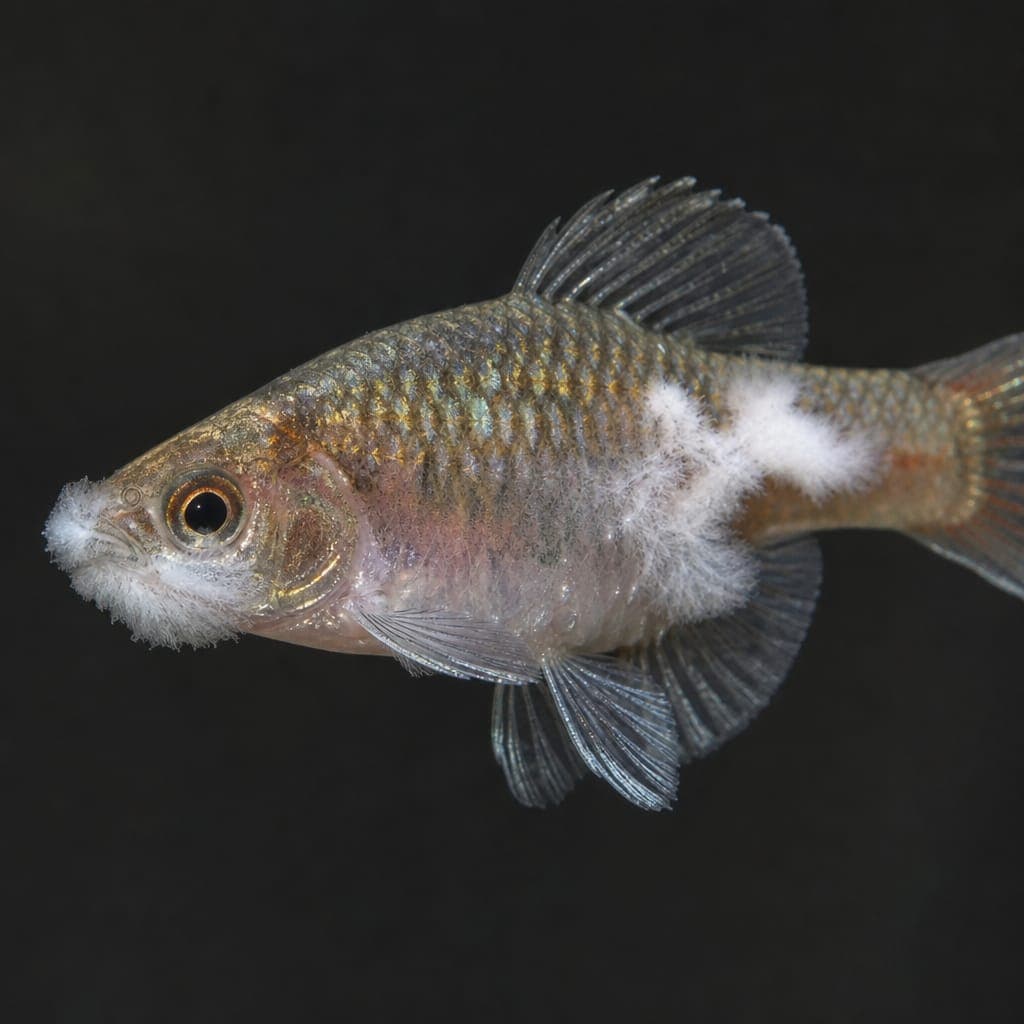
While German Blue Rams are generally hardy, they can be susceptible to various health issues, particularly if not kept in ideal conditions. Common diseases include ich (white spot disease), fin rot, and various bacterial or fungal infections. Maintaining good water quality, stable temperatures, and proper feeding practices significantly reduces the risk of health problems.
Preventive measures such as regular water changes, monitoring tank parameters, and quarantining new fish before introducing them to the tank can help ensure a healthy environment. If issues arise, swift identification of symptoms and isolation of affected individuals can prevent the spread of disease. In emergencies, consulting with a knowledgeable aquarist or veterinarian is recommended to address health concerns effectively.