The Giant Danio: Devario aequipinnatus
The big brother of the Zebra Danio. Reaching 4 inches, this fast-moving, blue and yellow striped fish is perfect for larger community tanks.
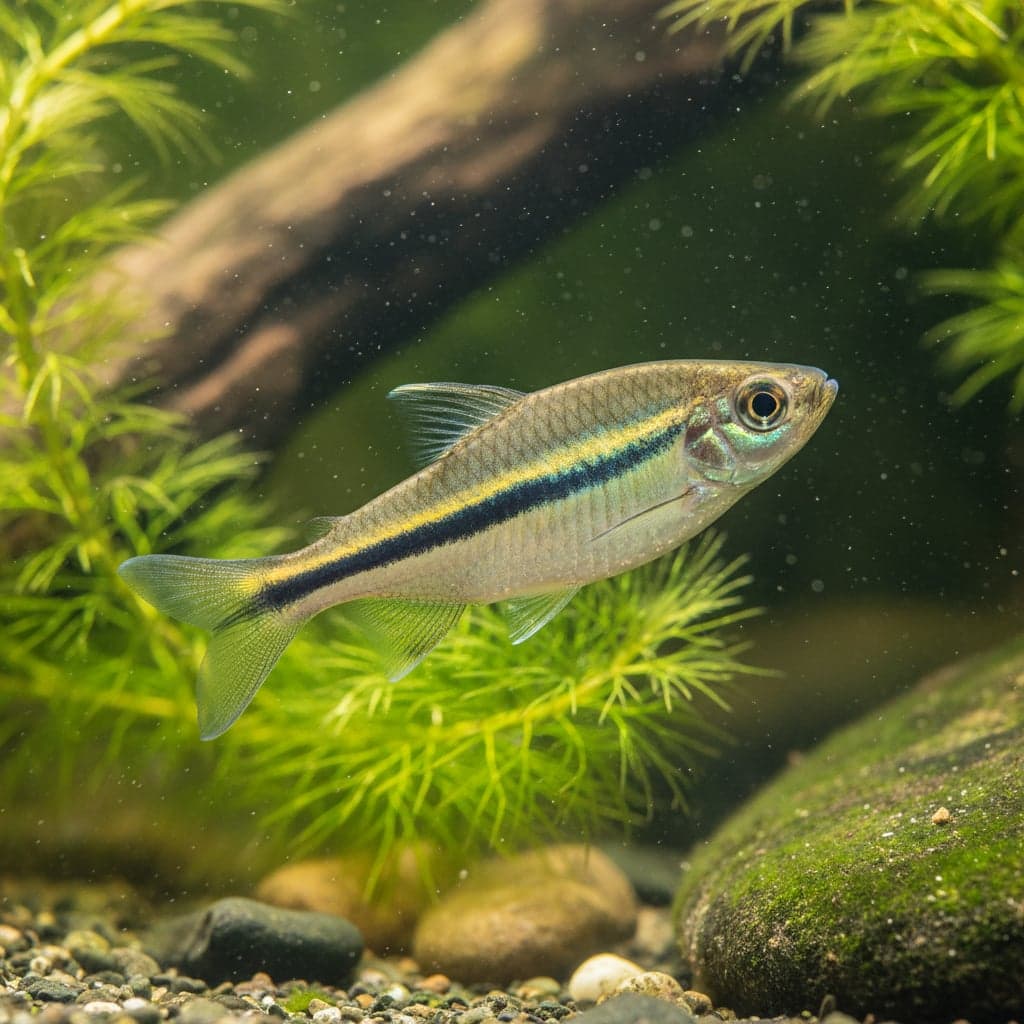
Giant Danio
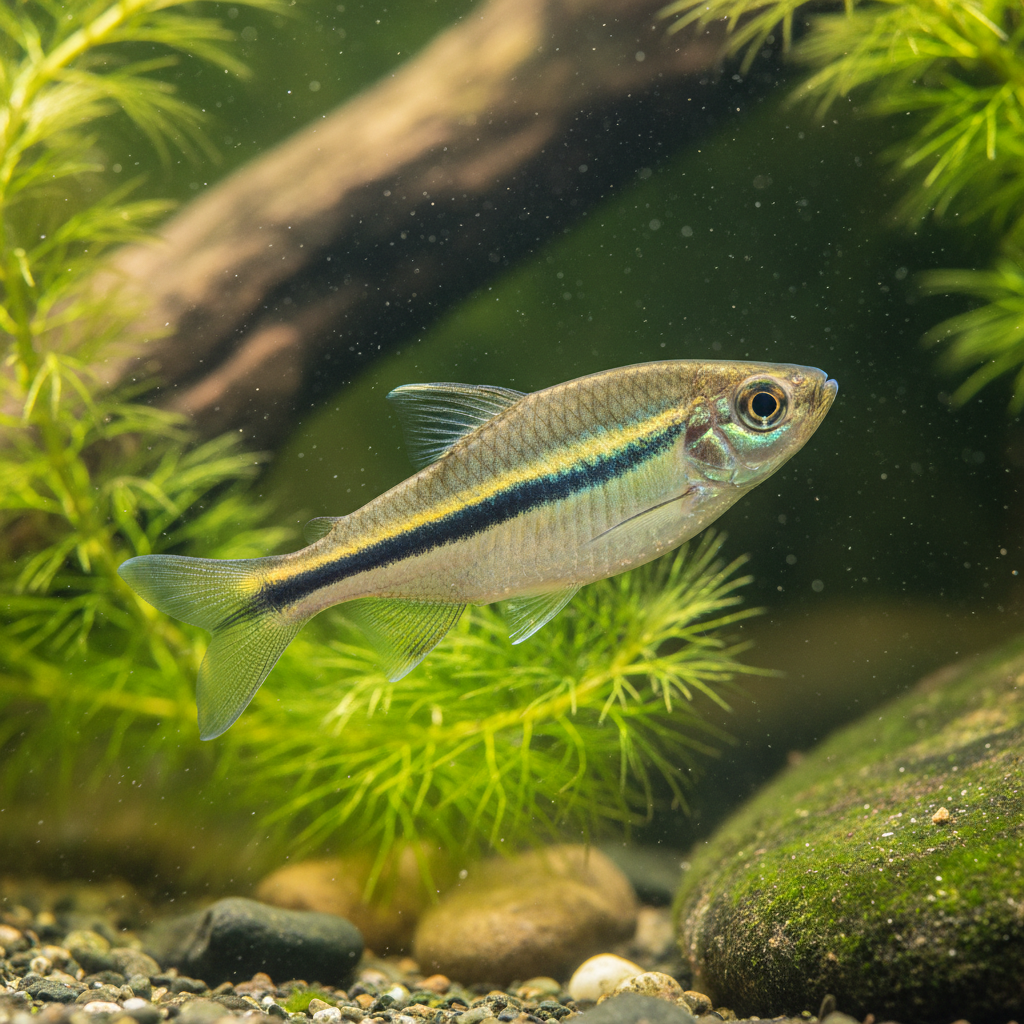
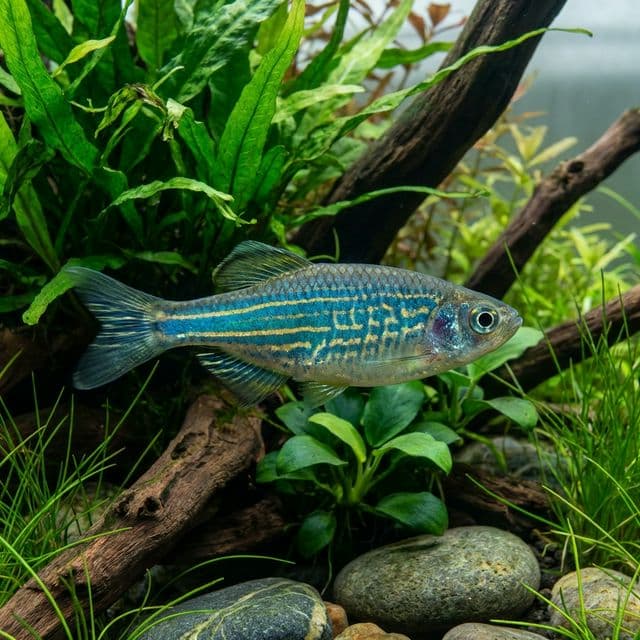
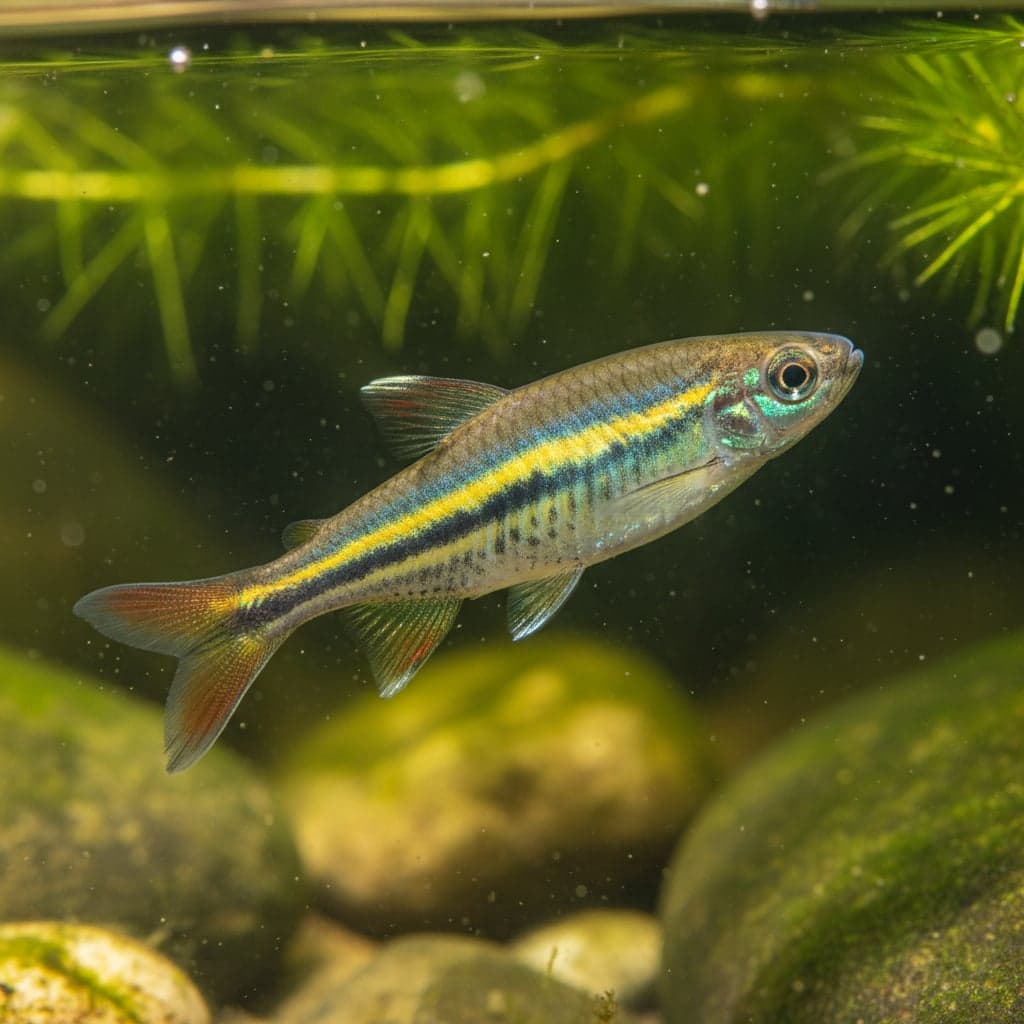
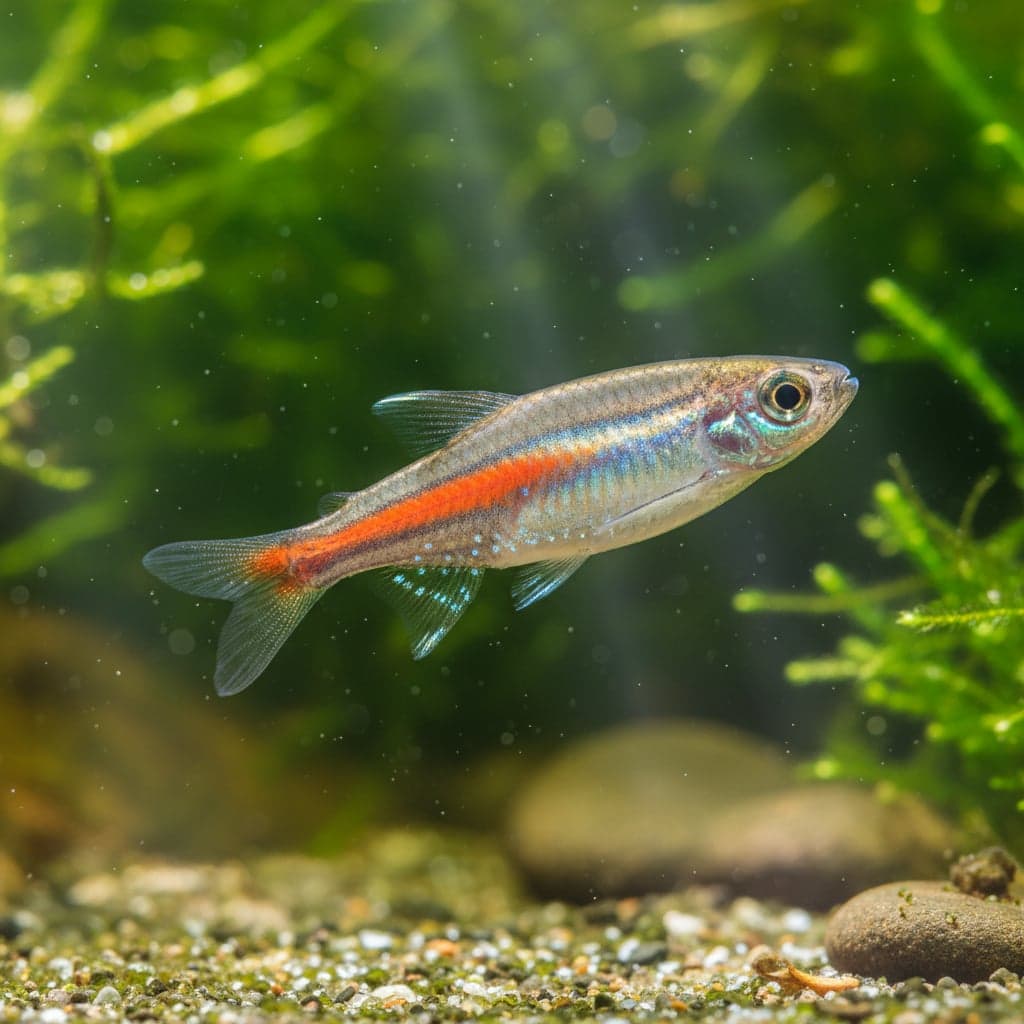
The Giant Danio (Devario aequipinnatus) is a captivating aquarium fish prized for its striking appearance and lively behavior. This species can be identified by its sleek, elongated body which can grow up to 4 inches (10 cm) in length. Characterized by a shimmering blue body with vibrant silver stripes that run from its head to its tail, the Giant Danio exhibits stunning iridescence under aquarium lighting. This dazzling coloration, combined with its active swimming habits, makes it a visually appealing addition to community tanks and serves to enhance the overall aquarium aesthetic.
In the aquarium hobby, the Giant Danio plays a significant role not only due to its captivating looks but also because of its hardiness and adaptability. Often regarded as an ideal fish for both novice and experienced aquarists, this species can tolerate a range of water parameters which makes it a favorite among fish keepers. Its social nature, coupled with its ease of care, has earned the Giant Danio a reputation as a quintessential schooling fish that adds dynamism and life to any aquatic environment.
Natural Habitat & Origin
The Giant Danio is native to Southeast Asia, particularly found in freshwater habitats across India, Bangladesh, and Myanmar. It thrives in slow-moving rivers, streams, and shallow ponds where the water is typically clear to slightly turbid. These areas are characterized by dense vegetation, providing shelter and grazing opportunities for the fish. The ecological environment of its natural habitat is rich in plant life with varying substrates from sand to pebbles, making it vital for aquarists to replicate these conditions for optimal health and well-being of the species in captivity.
Geographically, the waters inhabited by the Giant Danio are free of significant pollution, yet they provide the necessary nutrients and conducive conditions for a diverse aquatic ecosystem. Optimal water conditions in their natural environment vary but often include a slightly acidic to neutral pH, soft to moderately hard water, and gentle currents. Understanding the natural habitat of the Giant Danio enables aquarists to appreciate the specific requirements necessary for this species to thrive in an aquarium setting.
Care Requirements
To ensure the well-being of the Giant Danio in captivity, specific water parameters and tank conditions are essential. The ideal water pH should range between 6.5 and 7.5, with a temperature maintained around 73°F to 82°F (23°C to 28°C). The water hardness should be between 5 to 20 dGH, allowing for a comfortable environment that promotes health and longevity. Regular water changes are necessary to maintain water quality and remove organic waste, supporting the overall health of the Giant Danio.
For tank setup, a minimum size of 30 gallons is recommended to accommodate their active swimming habits and schooling behavior. The substrate can be fine gravel or sand to mimic their natural habitat, while the introduction of live or artificial plants can provide essential hiding spots and grazing areas. Lighting should be moderate to bright, allowing for the enhancement of their coloration while being mindful not to cause excessive algae growth. Additionally, incorporating driftwood and rocks can create a more dynamic environment, giving the fish opportunities to explore and exhibit natural behaviors.
Diet & Feeding
The Giant Danio is an omnivorous fish, which means it thrives on a varied diet that includes both plant and animal matter. In captivity, it is essential to provide a balanced diet to ensure optimal health and vibrant coloration. Quality flake foods formulated for tropical fish can serve as a staple, while high-quality pelleted foods or sinking granules can further enhance their nutrition. Additionally, incorporating frozen or live foods such as brine shrimp, bloodworms, or daphnia can promote natural foraging behavior and stimulate their appetite.
Feeding should be done two to three times a day, with small portions that can be consumed within a few minutes to prevent overfeeding and maintain water quality. It is also important to vary their diet to ensure they receive essential nutrients and to keep them engaged in their feeding behavior. Offering blanched vegetables such as spinach or peas occasionally can provide added health benefits, supporting digestive health and overall vitality.
Behavior & Temperament
The Giant Danio is known for its sociable and peaceful temperament, making it an ideal choice for community aquariums. These fish are naturally schooling species and thrive when kept in groups of six or more, as this helps to reduce stress and promote natural social behaviors. They exhibit energetic swimming patterns, often darting back and forth in the mid-water column, which adds movement and vitality to the tank. Social interactions, including gentle chasing among school members, are common and contribute to a lively aquarium environment.
In terms of aggression, the Giant Danio is generally mild-mannered, but it can show some territorial tendencies during breeding or if kept in small groups. They primarily inhabit the middle to upper levels of the aquarium, often zipping around the tank's vertical space. This behavior makes them suitable for a variety of tank setups, as long as enough swimming space is provided.
Tank Mates
When selecting suitable tank mates for the Giant Danio, it is essential to choose species that are similarly sized and possess compatible temperaments. Ideal tank mates include other schooling fish such as Tetras (e.g., Neon Tetras), Rasboras, and Corydoras catfish, which complement the active nature of the Giant Danio. Additionally, other peaceful species like Gouramis, Guppies, and certain types of Barbs can coexist harmoniously, adding diversity to the community tank.
However, certain species should be avoided to prevent potential aggression or stress. For instance, larger predatory fish such as Cichlids or some species of Betta may view the Giant Danio as food or target due to their longer fins. Similarly, fin-nipping species, including some Tetra types, should be kept at bay to maintain the Giant Danio's well-being. Proper care in mate selection ensures a tranquil and thriving aquatic community.
Breeding
Breeding Giant Danios in captivity can be a rewarding experience when proper conditions are provided. These fish are egg scatters, releasing fertilized eggs onto the substrate or plants without parental care. To encourage breeding, a separate breeding tank with a capacity of at least 20 gallons is ideal. The breeding tank should include fine-leaved plants or spawning mops, as these surfaces provide suitable places for the eggs to adhere.
Water conditions should be slightly adjusted to encourage spawning, typically with a temperature of around 78°F (25°C) and a slightly acidic pH of 6.5 to 7.0. Successful breeding often requires conditioning with high-quality foods for both male and female fish in the weeks leading up to spawning. Once spawning has occurred, the adults should be removed from the breeding tank to prevent them from eating the eggs. In approximately 24 to 36 hours, the eggs will hatch, and the fry can be fed infusoria or finely crushed flakes until they can consume larger food particles.
Common Health Issues
Giant Danios are generally hardy fish, but like all aquatic species, they can be susceptible to several health issues. Common diseases include ich (Ichthyophthirius multifiliis), fin rot, and bacterial infections. Ich is often caused by temperature stress or poor water quality, making it essential to maintain optimal aquarium conditions. Observing for the classic symptoms of white spots on the body and fins helps catch outbreaks early. Fin rot and bacterial infections typically follow poor water quality or injury. Maintain stable temperatures, perform regular water changes, and quarantine newcomers. A varied diet and a proper school reduce stress and support immunity. With attentive care, Giant Danios remain hardy, active community fish for years.