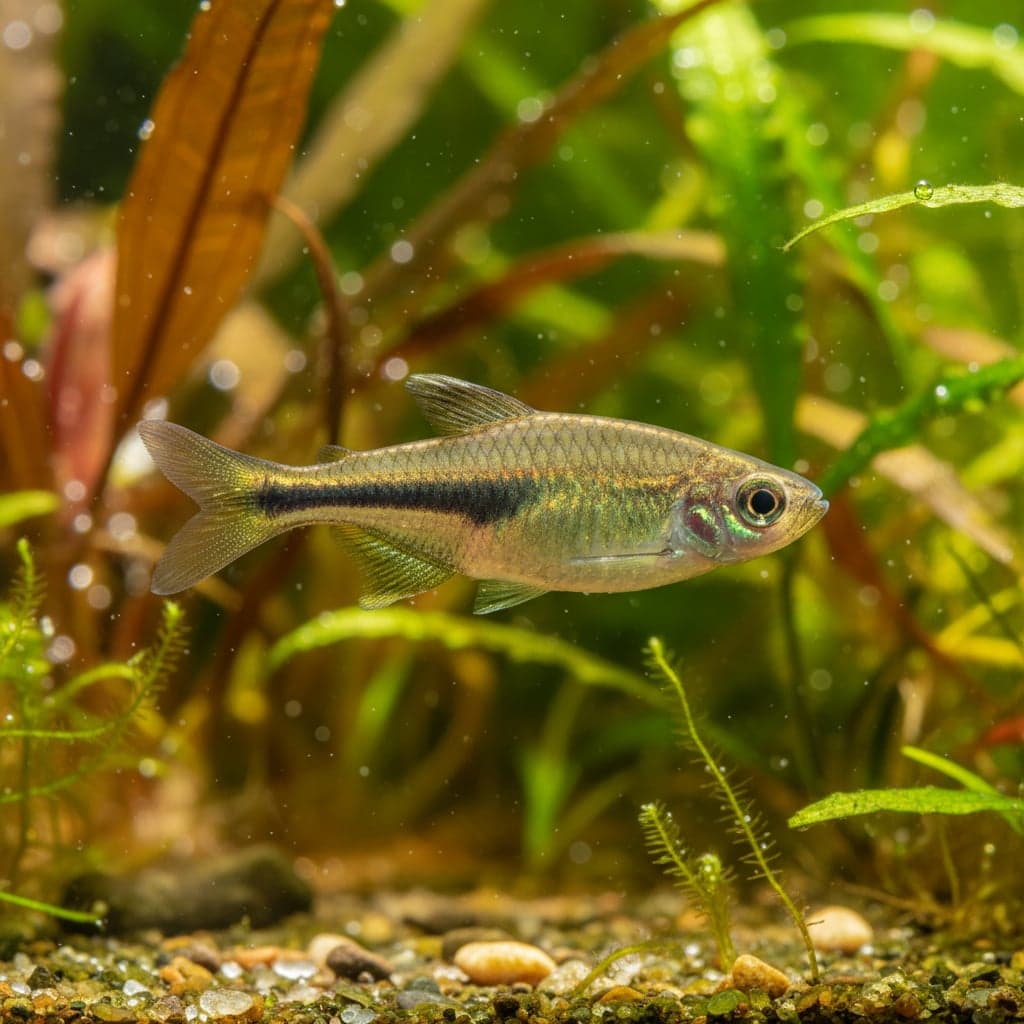
Golden Rudd
The Golden Rudd (Scardinius erythrophthalmus) is a hardy and beautiful cold-water species, prized for its shimmering gold body and brilliant scarlet fins. An active surface dweller perfect for ponds and large aquaria.
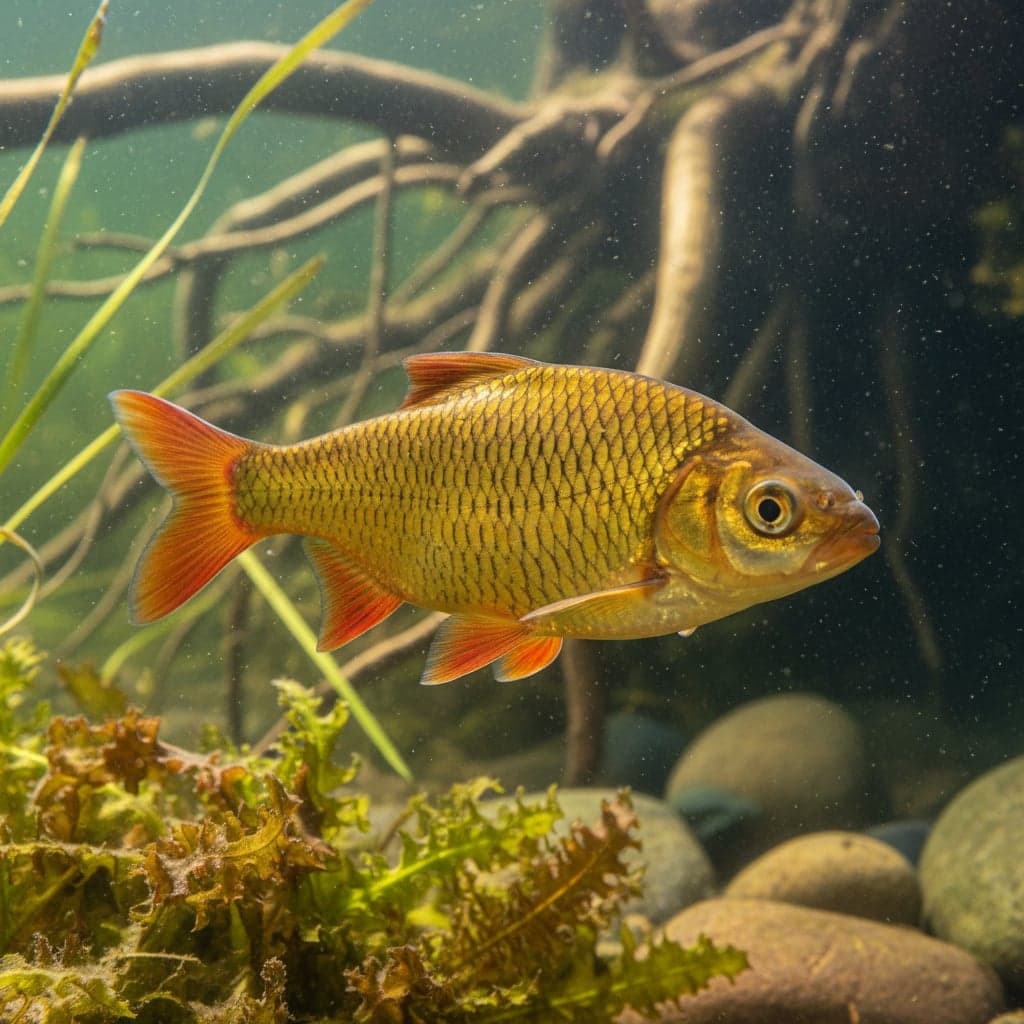
Golden Rudd
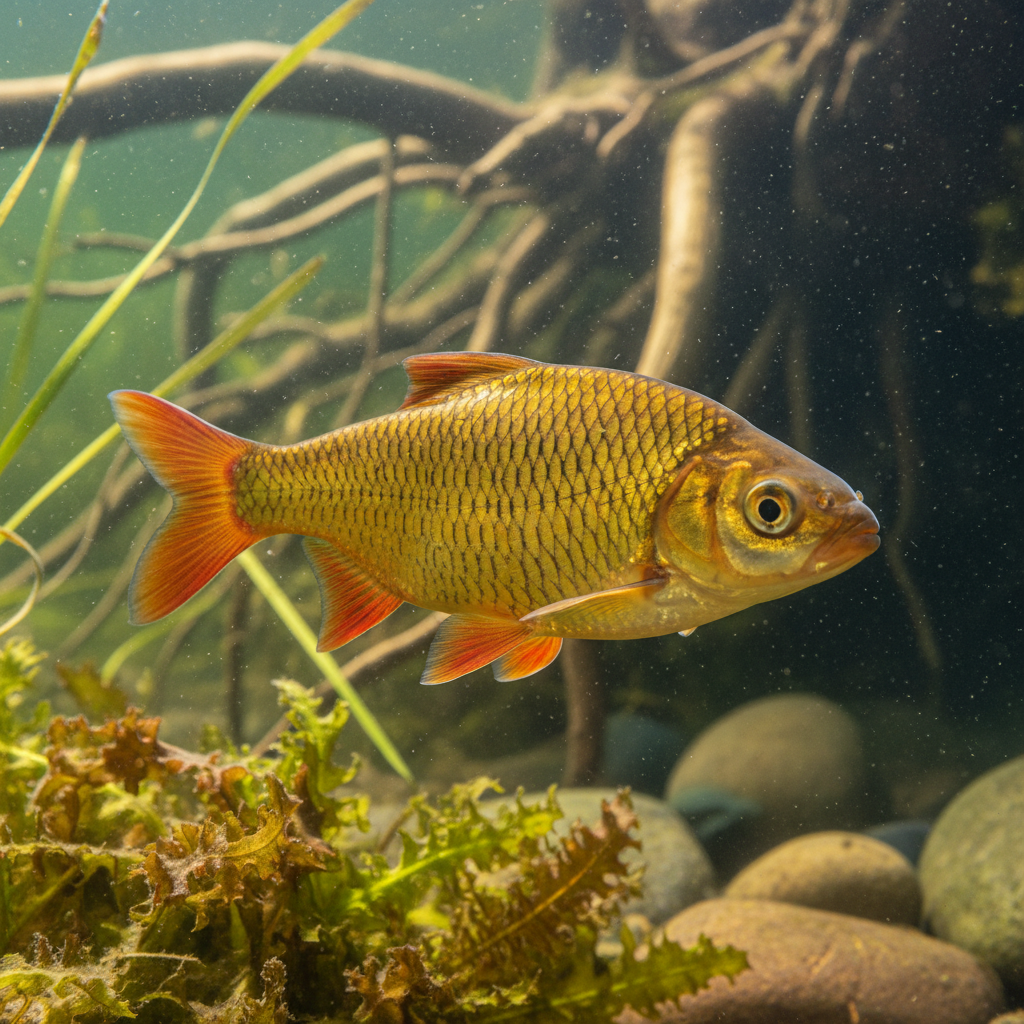
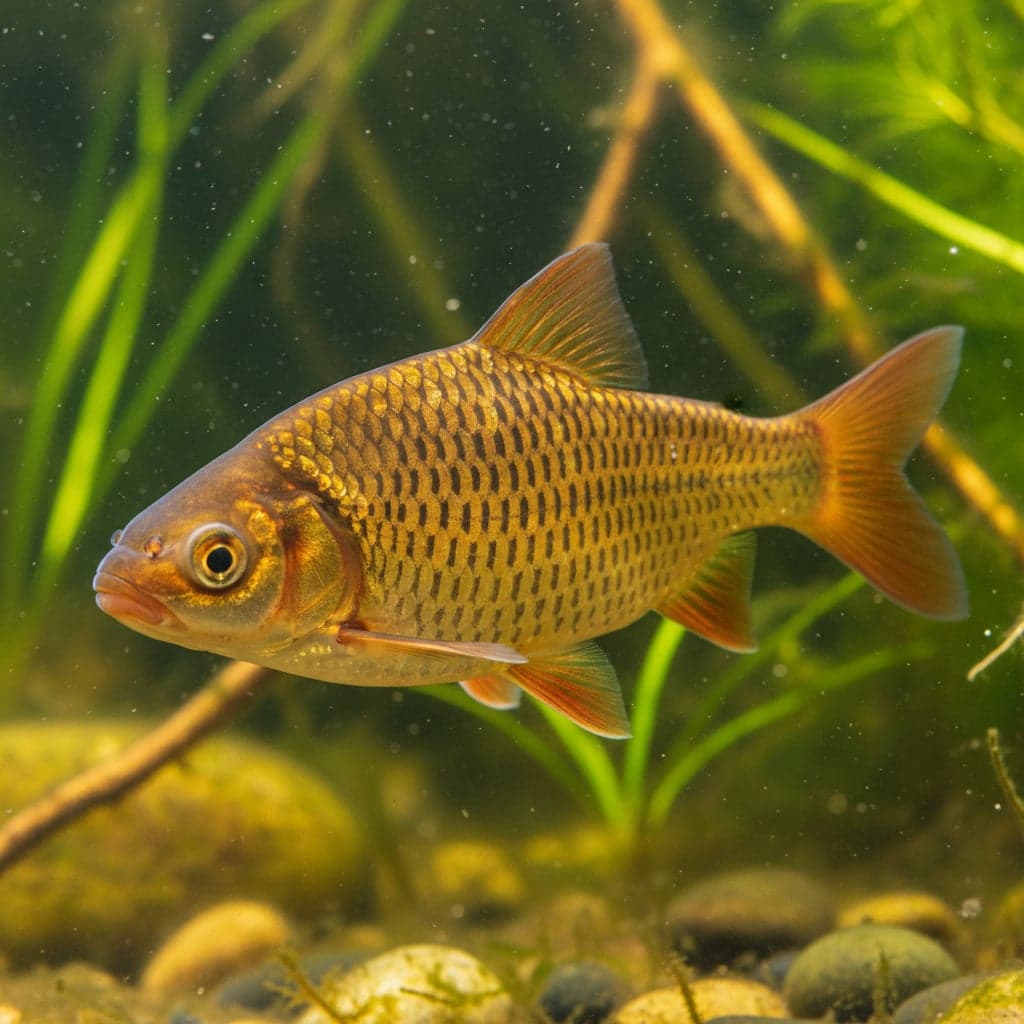
The Golden Rudd (Scardinius erythrophthalmus) is a stunning xanthic (golden) color variation of the common Rudd. It is one of the most popular cold-water fish in Europe, specifically favored for garden ponds. While the wild silver Rudd is beautiful, the Golden Rudd stands out with its bright, brassy-gold flanks and its most famous feature: brilliant, blood-red fins.
Growing to about 12-14 inches (30-35 cm), they are robust and active fish. They are often confused with Golden Orfe, but Rudd have a deeper, more compressed body shape and a more upward-pointing mouth, specialized for surface feeding.
Natural Habitat & Origin
The Rudd is native to Europe and western Asia, from the Atlantic coast east to the Caspian and Aral Sea basins. It thrives in stagnant or slow-moving waters, such as lakes, marshes, and the lower reaches of rivers. They are particularly fond of heavily weeded areas where they can find cover and search for their varied diet. The "Golden" variety was selectively bred to enhance its visibility in domestic ponds.
Care Requirements
Golden Rudd are exceptionally hardy and can tolerate a wide range of water conditions and temperatures. They are truly cold-water fish and can survive in ponds that freeze over in winter, provided the water is deep enough. In an aquarium setting, they prefer temperatures between 50°F and 72°F (10°C to 22°C) and a pH between 6.5 and 8.0.
A minimum tank size of 75-80 gallons (300L) is required for a small group, but like the Orfe, they are far better suited to a pond environment. They are active swimmers and require well-oxygenated water. Dense planting is recommended as it replicates their natural environment and provides them with a supplementary food source.
Diet & Feeding
Golden Rudd are omnivores with a high preference for surface-dwelling insects and aquatic plants. In the wild, they consume a variety of small invertebrates, crustaceans, and a significant amount of filamentous algae and soft-leaved plants. In captivity, they should be fed a balanced diet of high-quality floating flakes or pellets. Their diet should be supplemented with live or frozen foods like daphnia and bloodworms, as well as vegetable-based foods to satisfy their herbivorous tendencies.
Behavior & Temperament
Rudd are social, schooling fish and should always be kept in groups of at least 5-6 individuals. They are extremely peaceful and make excellent companions for other cold-water species.
They are primarily surface and mid-water dwellers. One of their most beneficial traits in a pond is their "insect control"—they are constantly patrolling the surface for mosquitoes and other gnats. They are also known for their jumping ability, so aquarium lids must be secure.
Tank Mates
Suitable tank mates for Golden Rudd include:
- Koi and Goldfish
- Golden Orfe
- Tench and Rudd
- Other peaceful, similarly sized cold-water cyprinids
Avoid housing them with very small fish that might be seen as food as the Rudd matures, or with aggressive predators that could stress or injure them.
Breeding
Breeding Golden Rudd is relatively straightforward in a pond environment. They are egg scatterers that spawn in late spring and early summer when water temperatures reach around 18°C-20°C (64°F-68°F). The female can lay thousands of small adhesive eggs onto submerged aquatic plants. The parents do not guard the eggs. The fry hatch in 4-7 days and require a well-planted environment to find food and hide from predators.
Common Health Issues
Golden Rudd are generally very disease-resistant. However, like all pond fish, they can be susceptible to parasites like Ich or Costia if water quality drops or if they are stressed. They are sensitive to high levels of ammonia and nitrite. Maintaining a clean, well-filtered environment and providing a Varied diet are the best ways to ensure their long-term health.