Green Neon Tetra
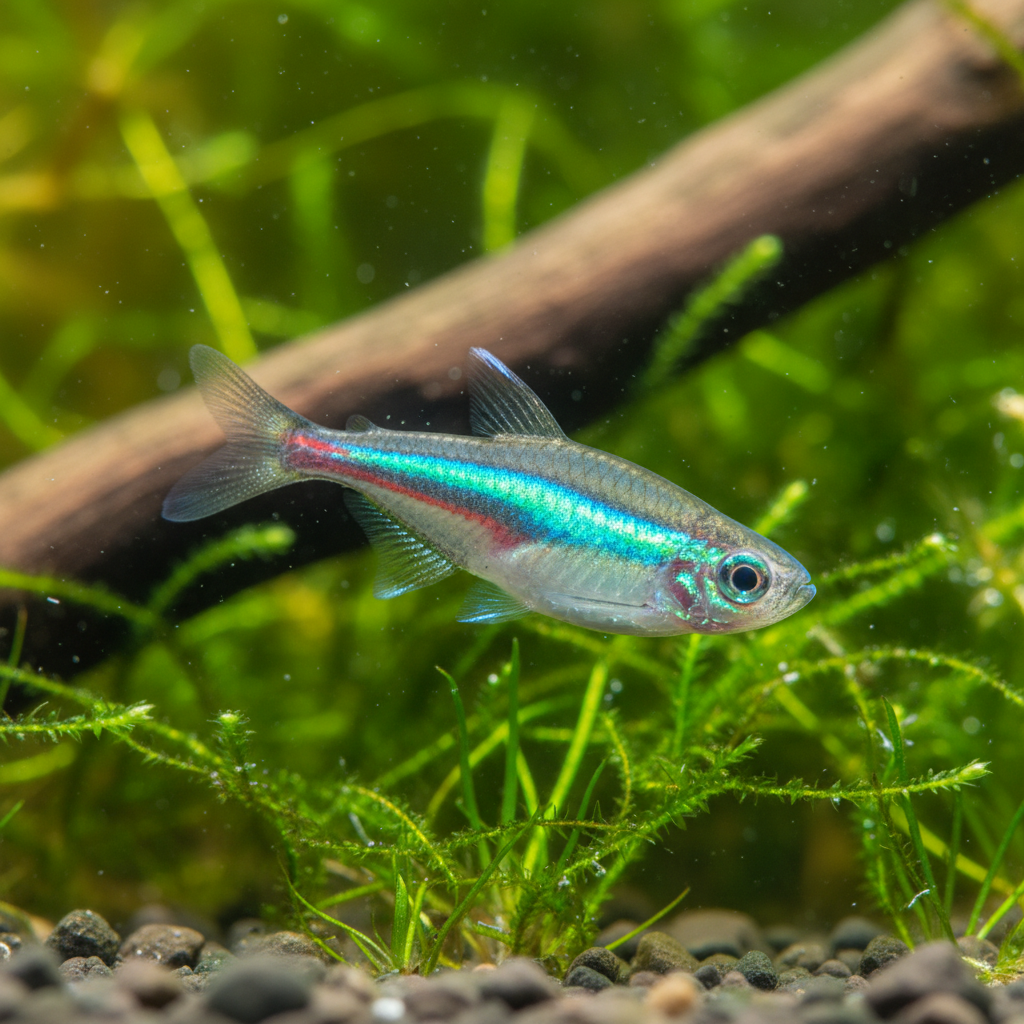
The Green Neon Tetra (Paracheirodon simulans) is a smaller and more refined cousin of the common Neon Tetra, famous for its intense green-blue iridescence and its preference for extreme blackwater habitats.
Green Neon Tetra
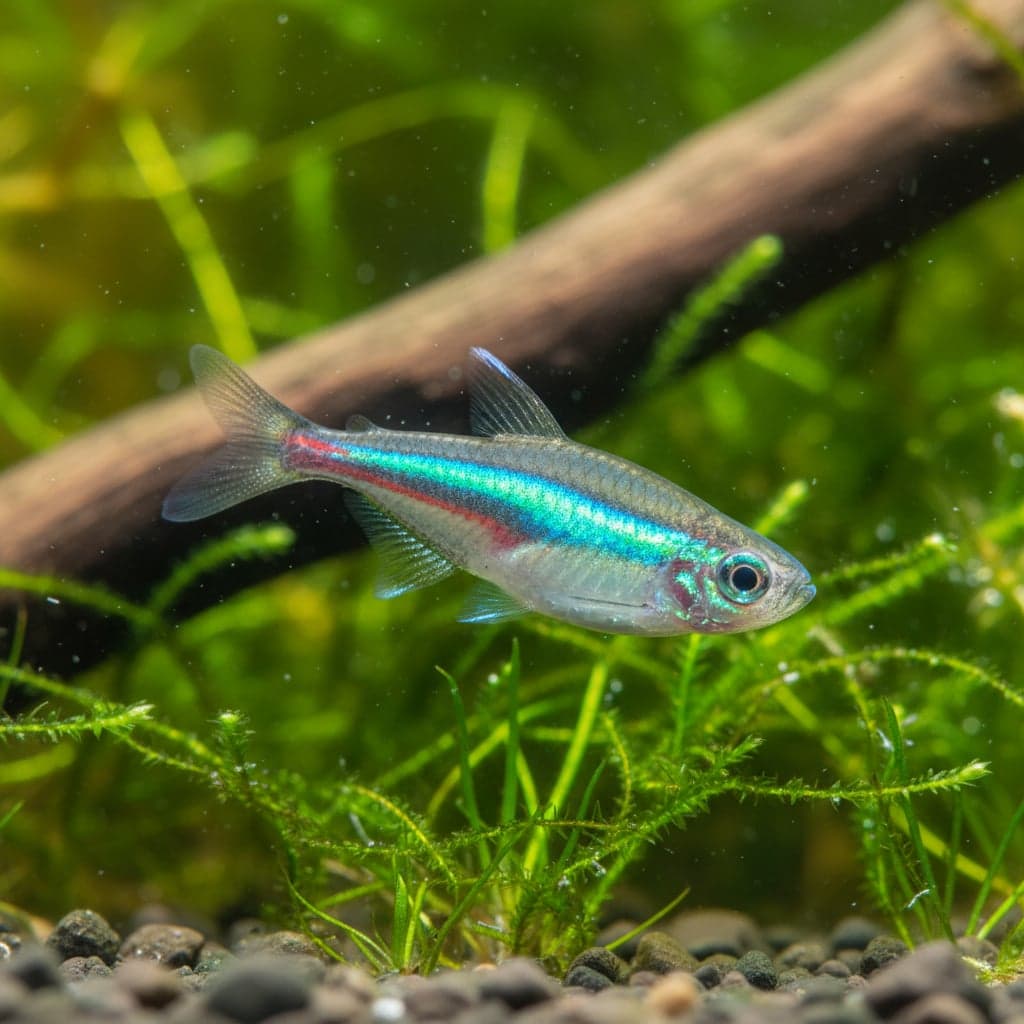
The Green Neon Tetra (Paracheirodon simulans) is the "connoisseur's" tetra. While it shares the name with its more famous cousins, the Neon and Cardinal Tetras, it is a distinct species with a very different aesthetic. Instead of the half-body red stripe of a Neon, or the full-body red of a Cardinal, the Green Neon has only a very faint, washed-out red patch near the tail, or lacks it entirely.
Its primary feature is a magnificent, glowing lateral line that appears electric blue or emerald green depending on the light and the dark water conditions it prefers. It is also the smallest of the three, rarely exceeding 1 inch (2.5 cm) in length.
Green Neon vs Neon and Cardinal Tetra
The three popular Paracheirodon tetras are easily confused, but they are distinct species with different needs:
- Green Neon Tetra (Paracheirodon simulans) — the smallest at around 2.5 cm, with the most extensive blue-green stripe and little to no red. It prefers the warmest, softest and most acidic water of the three.
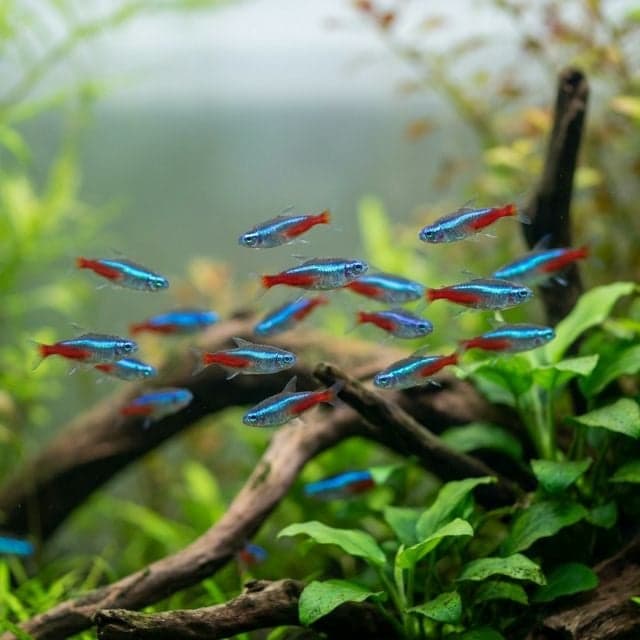
- Neon Tetra (Paracheirodon innesi) — medium-sized at around 3.5 cm, with a blue stripe over the top half and red over the rear half of the body. It is the hardiest and most adaptable, and the best choice for a beginner community.
- Cardinal Tetra (Paracheirodon axelrodi) — the largest at 4–5 cm, with a full-length blue stripe and a full-length red stripe beneath it.
For an authentic blackwater aquascape the Green Neon is the connoisseur's pick; for a forgiving first community tank, the standard Neon Tetra is the easier fish.
Natural Habitat & Origin
This species is native to the upper Rio Negro basin in Brazil and the Rio Orinoco in Venezuela. It is a true blackwater specialist, inhabiting the "igapó" (flooded forests) and shallow, tea-colored streams. The water in these habitats is extremely soft, virtually mineral-free, and highly acidic due to the massive concentrations of dissolved tannins and humic acids from decaying leaf litter.
Care Requirements
The Green Neon Tetra is more sensitive than the standard Neon and is best suited for established, stable aquariums. They require very soft water (GH 1-5) and acidic conditions, ideally with a pH between 4.5 and 6.0. They also prefer slightly warmer water than standard Neons, ranging from 75°F to 86°F (24°C to 30°C).
A minimum tank size of 10 gallons (40L) is sufficient for a school. The setup should feature a dark substrate and plenty of driftwood or leaf litter (like Catappa or Guava leaves) to provide the tannins they need to feel secure and display their best colors. Floating plants are highly recommended to provide the subdued lighting they prefer.
Diet & Feeding
They are social omnivores that feed on tiny invertebrates, zooplankton, and organic detritus in the wild. In the aquarium, they are not picky but require small, high-quality foods. Crushed flakes, microperls, and frozen baby brine shrimp or daphnia are excellent choices. Frequent, small feedings are better than one large one, as they have high metabolisms and small stomachs.
Behavior & Temperament
Green Neon Tetras are exceptionally peaceful and should always be kept in schools of at least 8-10 individuals. Because they are so small and docile, they can be easily intimidated by larger or more boisterous fish. When kept in a proper school in a blackwater setup, they are relatively active and will spend most of their time shoaling through the mid-levels of the tank.
Tank Mates
Suitable tank mates are other small, peaceful species from similar blackwater environments:
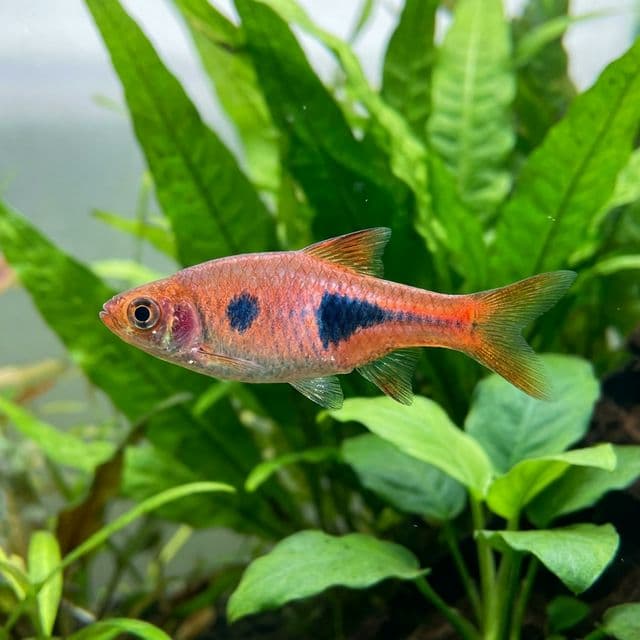
- Other small Tetras (Tucano Tetra, Ember Tetra)
- Pencilfish
- Pygmy Corydoras
- Dwarf Cichlids (Apistogramma, Dicrossus)
- Otocinclus
Avoid housing them with any fish large enough to see them as food, including many "medium" community fish, as their small size makes them very vulnerable.
Breeding
Breeding Paracheirodon simulans is a significant challenge in captivity. Like many blackwater species, their eggs and fry are extremely sensitive to light and water hardness. Spawning requires extremely soft (0-1 dGH) and acidic (pH 4.0-5.0) water. They are egg-scatterers, and the parents must be removed immediately after spawning. The fry are microscopic and require infusoria or paramecium as their first food. Success stories are rare in the home hobby.
Common Health Issues
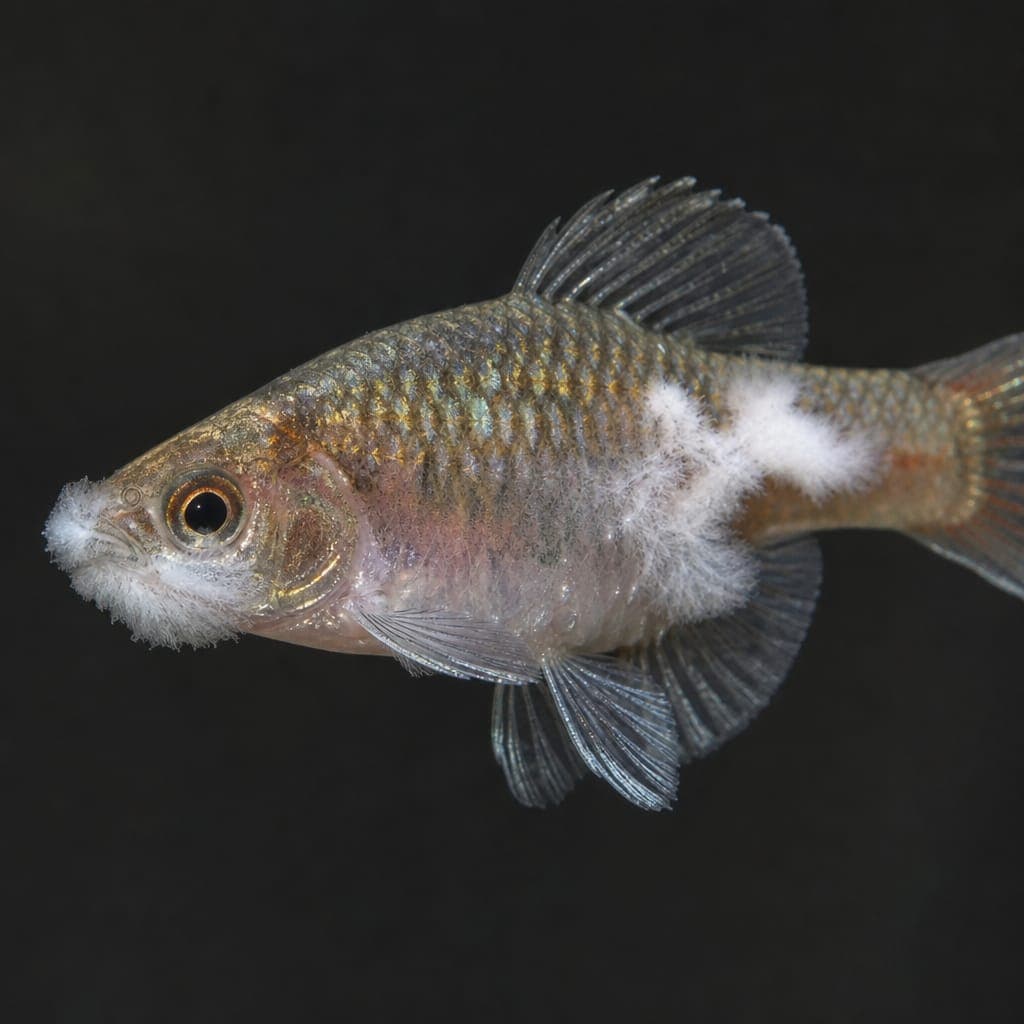
They are particularly sensitive to "Neon Tetra Disease" (Pleistophora hyphessobryconis) and sudden shifts in water chemistry. They can also be prone to fungal infections if the water quality is poor or if the pH is too high. Maintaining stable, acidic, and tannin-rich water is the best way to prevent stress and disease in this delicate species.
Frequently Asked Questions
How big do Green Neon Tetras get? Around 2.5 cm (1 inch) — the smallest of the neon and cardinal tetra group.
How many Green Neon Tetras should I keep? A shoal of at least 8–10; larger groups of 15 or more look far more natural and keep the fish bolder and more colourful.
What is the ideal temperature? Warm water of roughly 24–30°C (75–86°F), noticeably warmer than the standard Neon Tetra prefers.
Are Green Neon Tetras hardy? They are more demanding than Neon Tetras, needing soft, acidic and very stable water, so they are best added to a mature, established aquarium rather than a brand-new one.
What fish can live with Green Neon Tetras? Small, peaceful blackwater species — pencilfish, pygmy corydoras, otocinclus and dwarf cichlids such as Apistogramma — and never anything large enough to eat them.