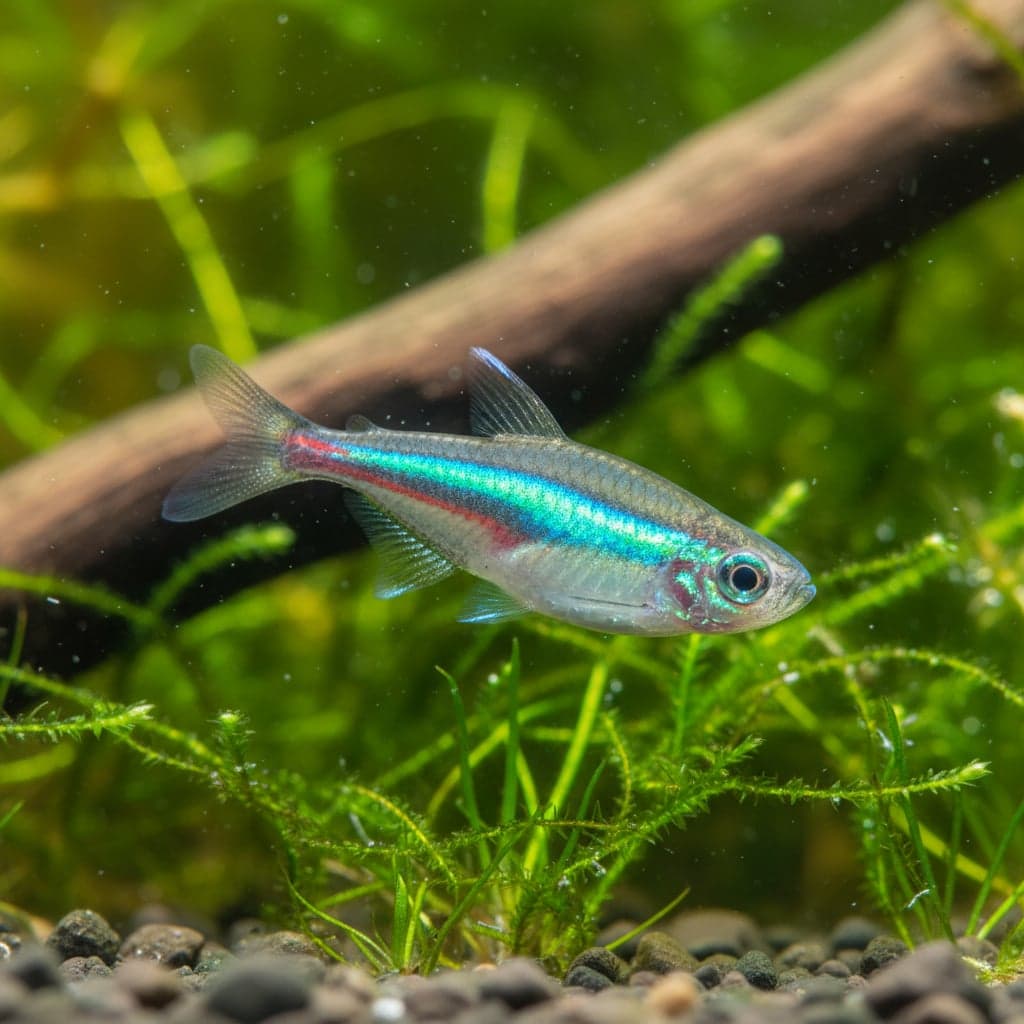
Greenstripe Pencilfish
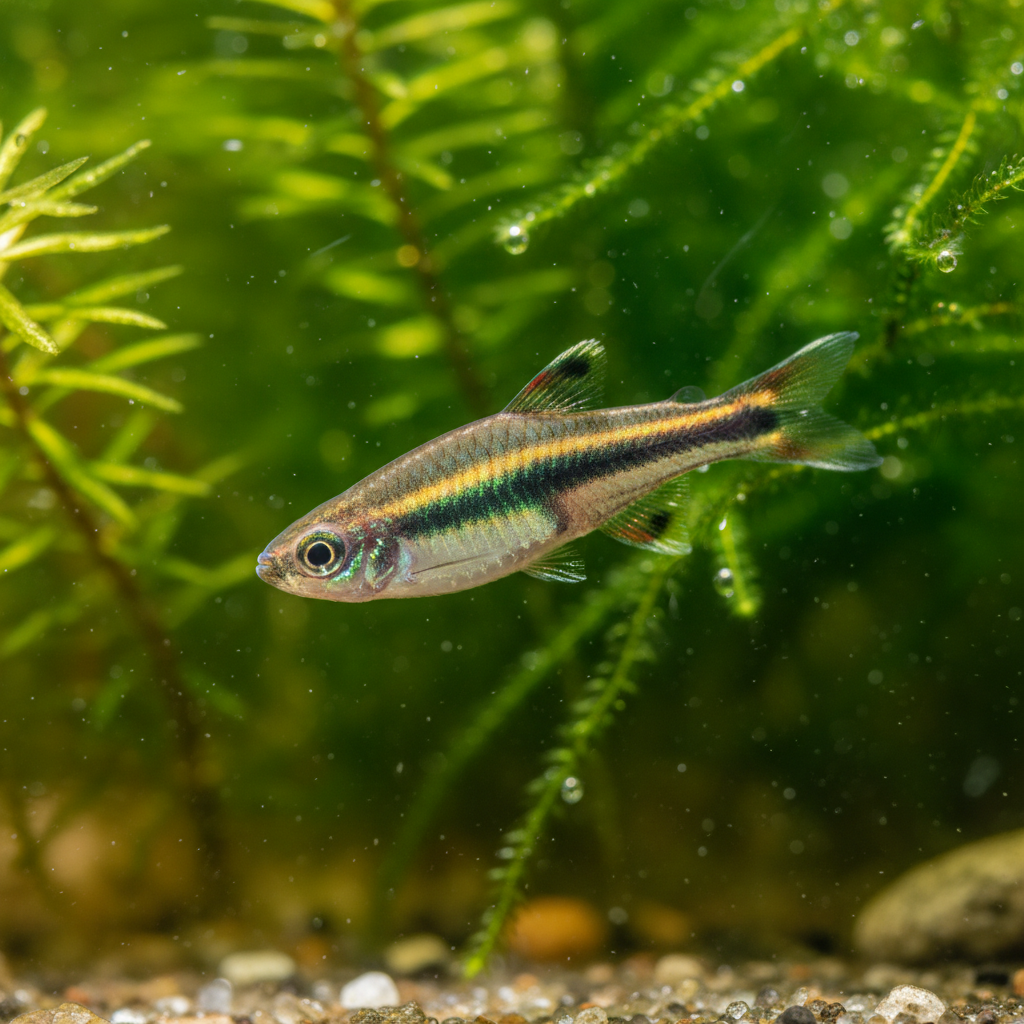
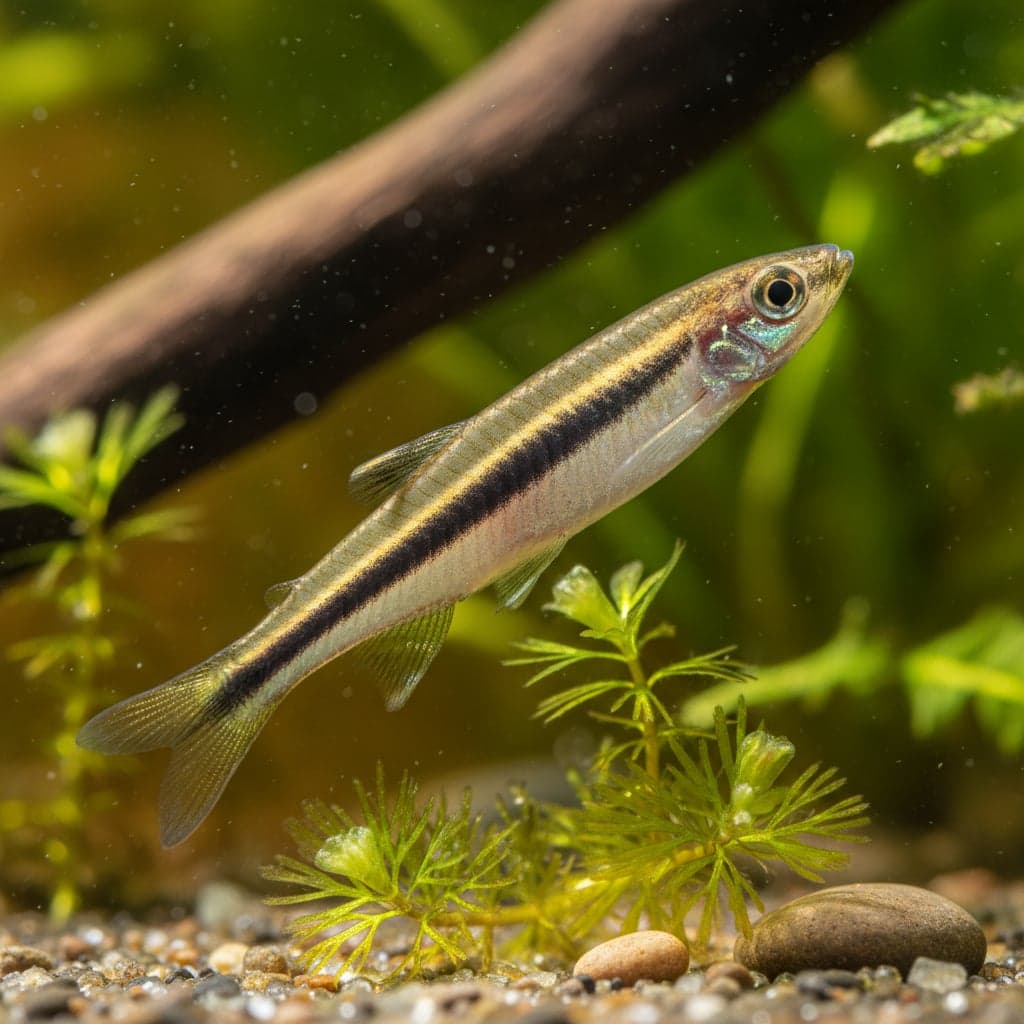
The Greenstripe Pencilfish (Nannostomus marilynae) is a delicate, horizontal-swimming nano fish from the Amazon, prized for its subtle greenish iridescence and peaceful nature.

Greenstripe Pencilfish
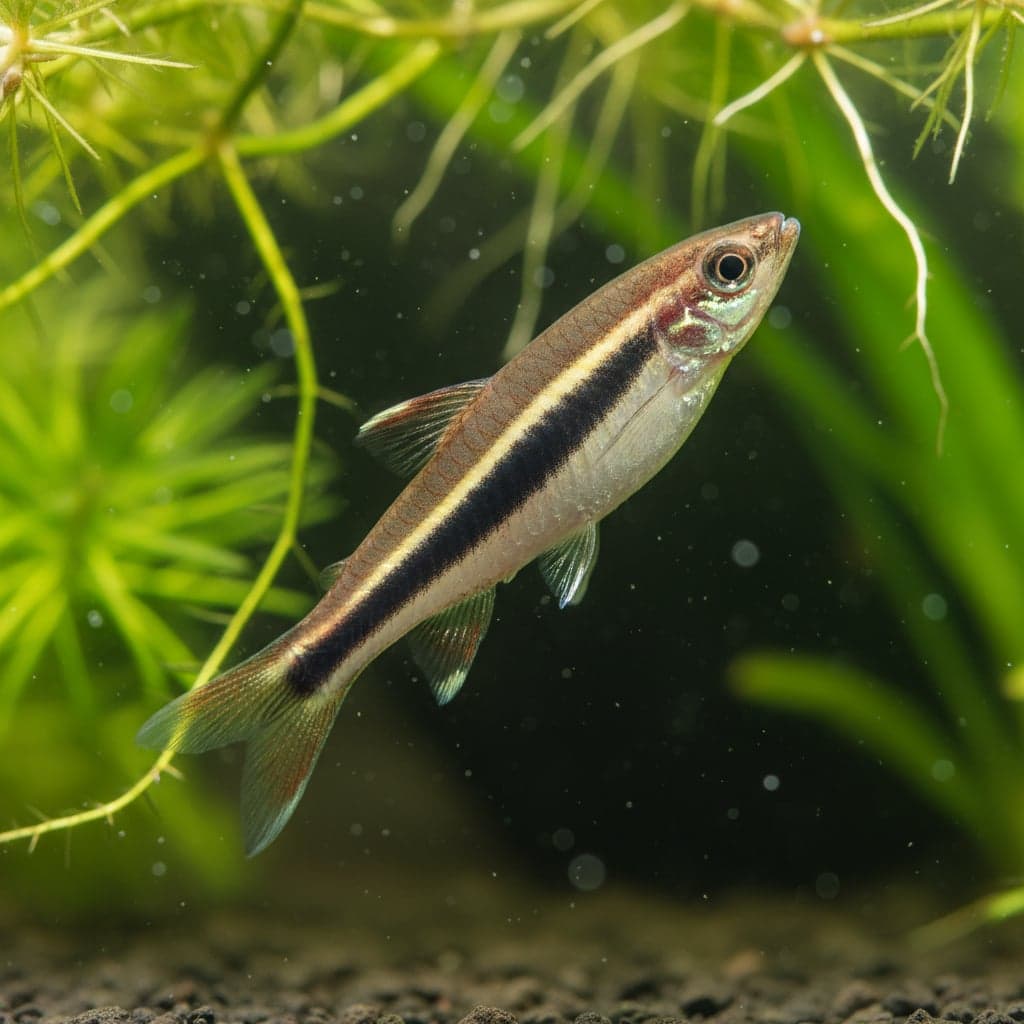
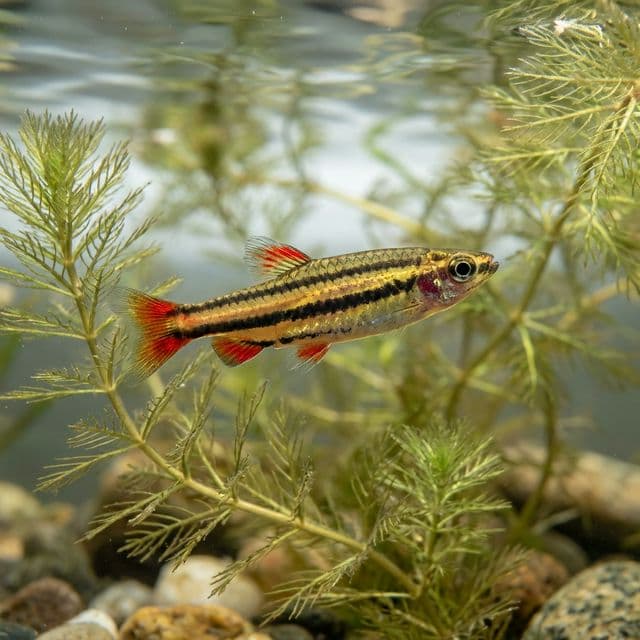
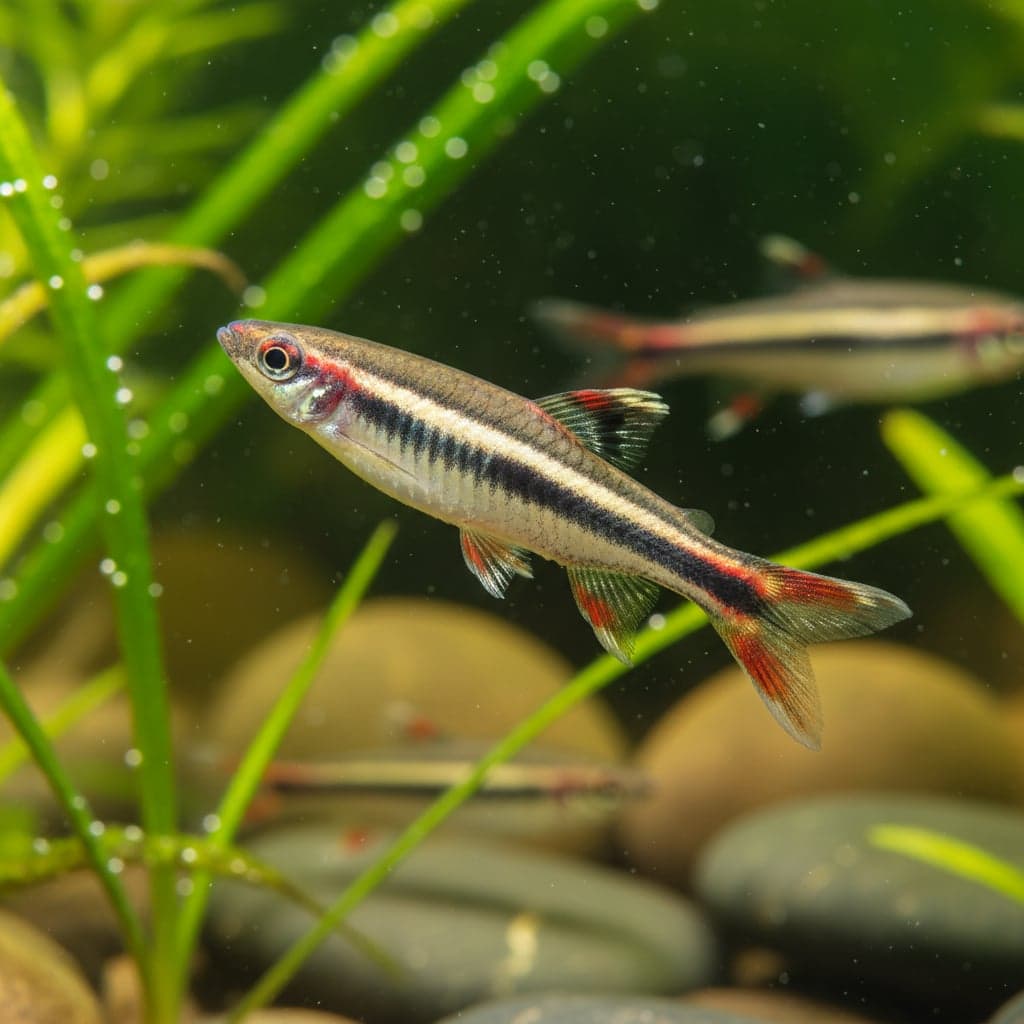
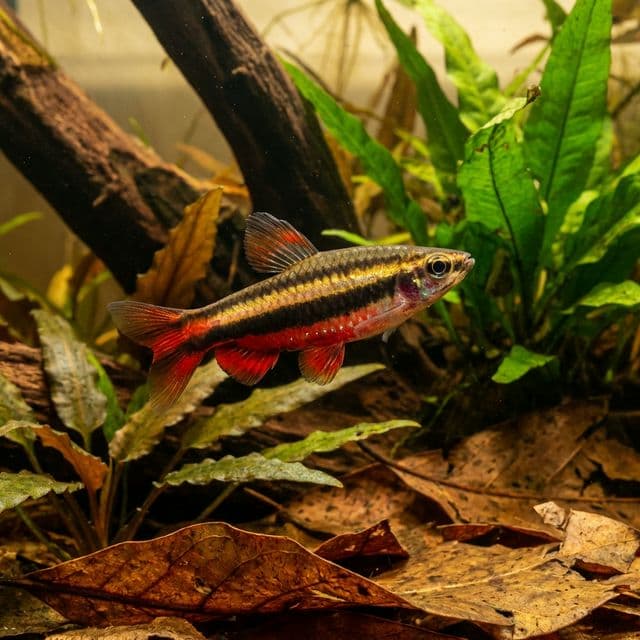
The Greenstripe Pencilfish (Nannostomus marilynae) is a refined and subtle member of the Nannostomus genus. It features an incredibly slender, torpedo-shaped body with a pale golden-silver base color. A thin, dark lateral stripe runs from the snout to the tail, topped by a shimmering, iridescent greenish-gold stripe that glows under proper lighting.
Crucially, unlike its relative N. eques (which swims at a 45-degree angle), the Greenstripe Pencilfish swims in a strictly horizontal position. Like many pencilfish, they also exhibit a dramatic "night pattern," where their horizontal stripes break into distinct vertical bars or fade entirely when they are resting in the dark.
Natural Habitat & Origin
This species is native to the middle and upper Amazon River basin, specifically throughout the Rio Negro and Rio Orinoco systems in Brazil, Colombia, and Venezuela. They are specialists of the "igapó" and "igarapé" (blackwater streams and flooded forests). The water in these habitats is exceptionally soft, acidic, and stained tea-brown with tannins from decaying leaf litter and wood.
Care Requirements
The Greenstripe Pencilfish is a delicate species that requires a stable, mature aquarium. Their most critical requirement is soft and acidic water, ideally with a pH between 4.5 and 6.0. They are very sensitive to high nitrates and sudden shifts in water chemistry.
A minimum tank size of 10 gallons (40L) is sufficient for a school. The setup should feature a dark substrate and plenty of driftwood or leaf litter (like Catappa or Guava leaves) to provide the tannins they need to feel secure. Densely planted areas and floating plants are highly recommended to provide the subdued lighting they prefer. They are skilled jumpers, so a secure, tight-fitting lid is a necessity.
Diet & Feeding
In the wild, they are micro-predators, picking tiny invertebrates, insect larvae, and zooplankton from the surface of plants and submerged wood.
In the aquarium, they can be finicky eaters due to their small mouths. They require very small, high-quality foods. Crushed flakes, micro-granules, and frozen baby brine shrimp, daphnia, or cyclops are excellent choices. Frequent, small feedings are best, as they have small stomachs and high metabolisms.
Behavior & Temperament
Greenstripe Pencilfish are exceptionally peaceful and rather shy. They must be kept in groups of at least 8-10 individuals. Keeping them in small numbers will result in them being constantly stressed and hiding.
In a proper school, they will spend much of their time shoaling slowly through the mid and upper layers of the tank. They are non-competitive and should not be kept with fast-moving or boisterous fish that will outcompete them for food or intimidate them.
Tank Mates
Suitable tank mates are limited to other peaceful, nano-sized species that share their preference for soft, acidic water:
- Other small Tetras (Ember Tetras, Tucano Tetras)
- Small Rasboras (Chili Rasboras)
- Dwarf Corydoras (Pygmy, Habrosus)
- Small Otocinclus
- Dwarf Cichlids (like Apistogramma, if the tank is large enough)
Avoid housing them with anything large enough to see them as food, or with aggressive, fast-swimming species like many larger barbs or danios.
Breeding
Breeding Nannostomus marilynae in captivity is considered difficult but is possible in specialized setups. They are egg-scatterers that provide no parental care. Spawning requires extremely soft, acidic water and plenty of fine-leaved plants like Java Moss for the female to deposit eggs. The adults will eat their own eggs, so they must be removed immediately after spawning. The fry are microscopic and require infusoria or paramecium as their first food.
Common Health Issues
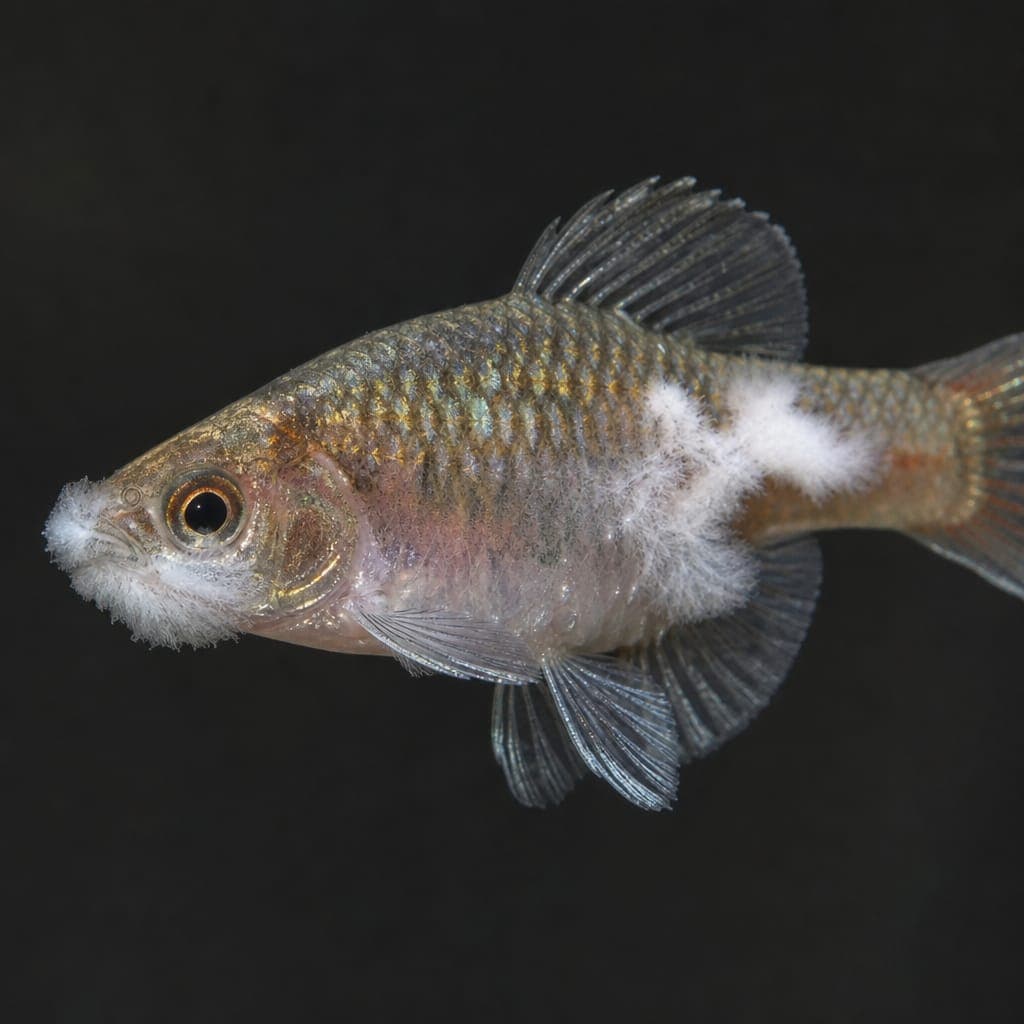
They are particularly sensitive to poor water quality and "Old Tank Syndrome." They can be prone to fungal infections or "velvet" if they are stressed by high pH or hard water. Maintaining stable, acidic, and tannin-rich water is the best way to ensure their health and longevity.