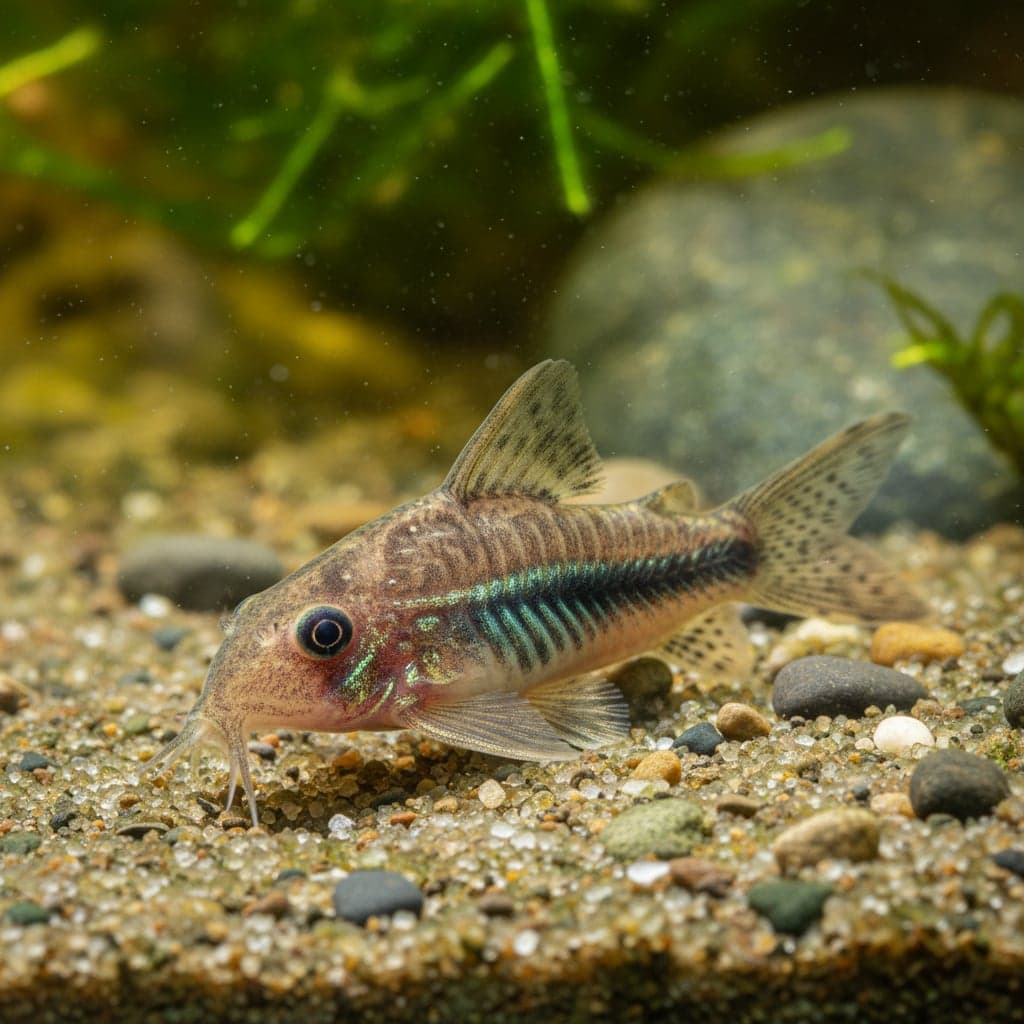
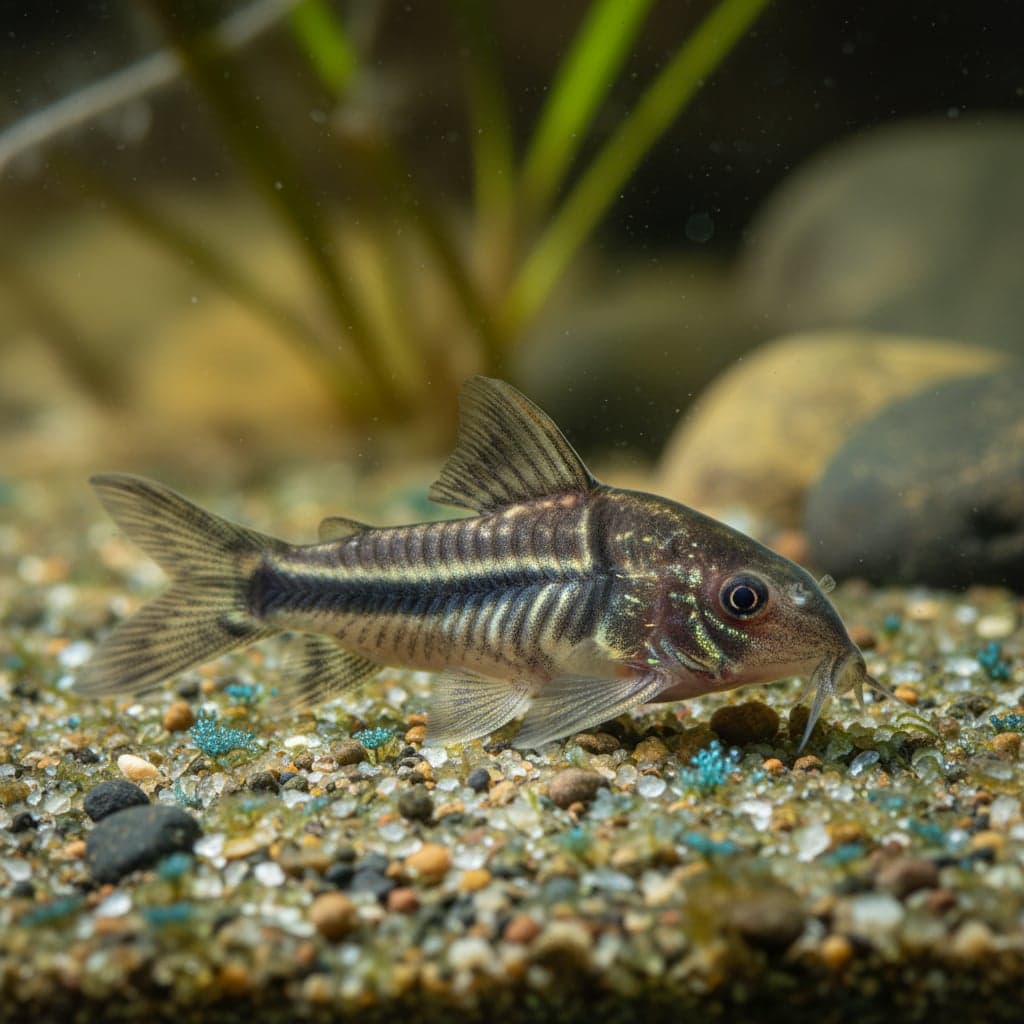
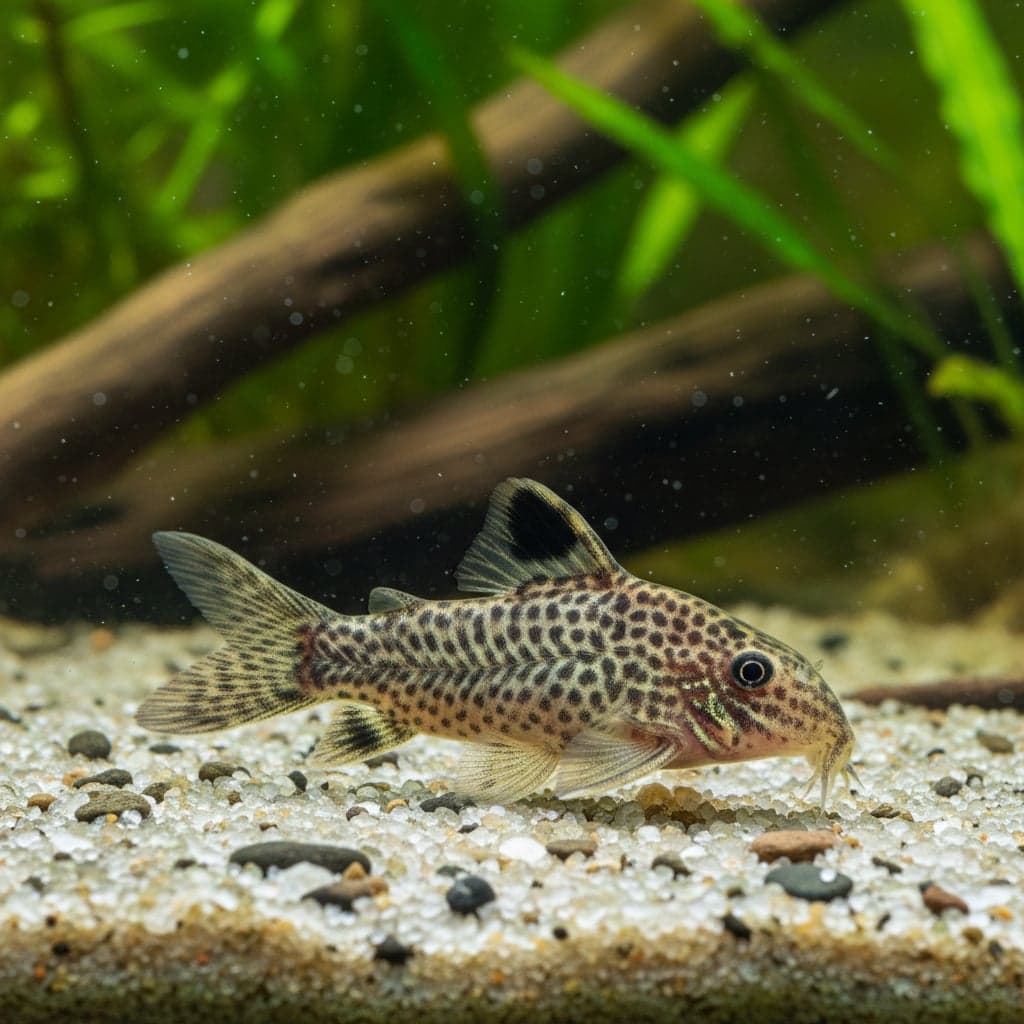
Guapore Cory
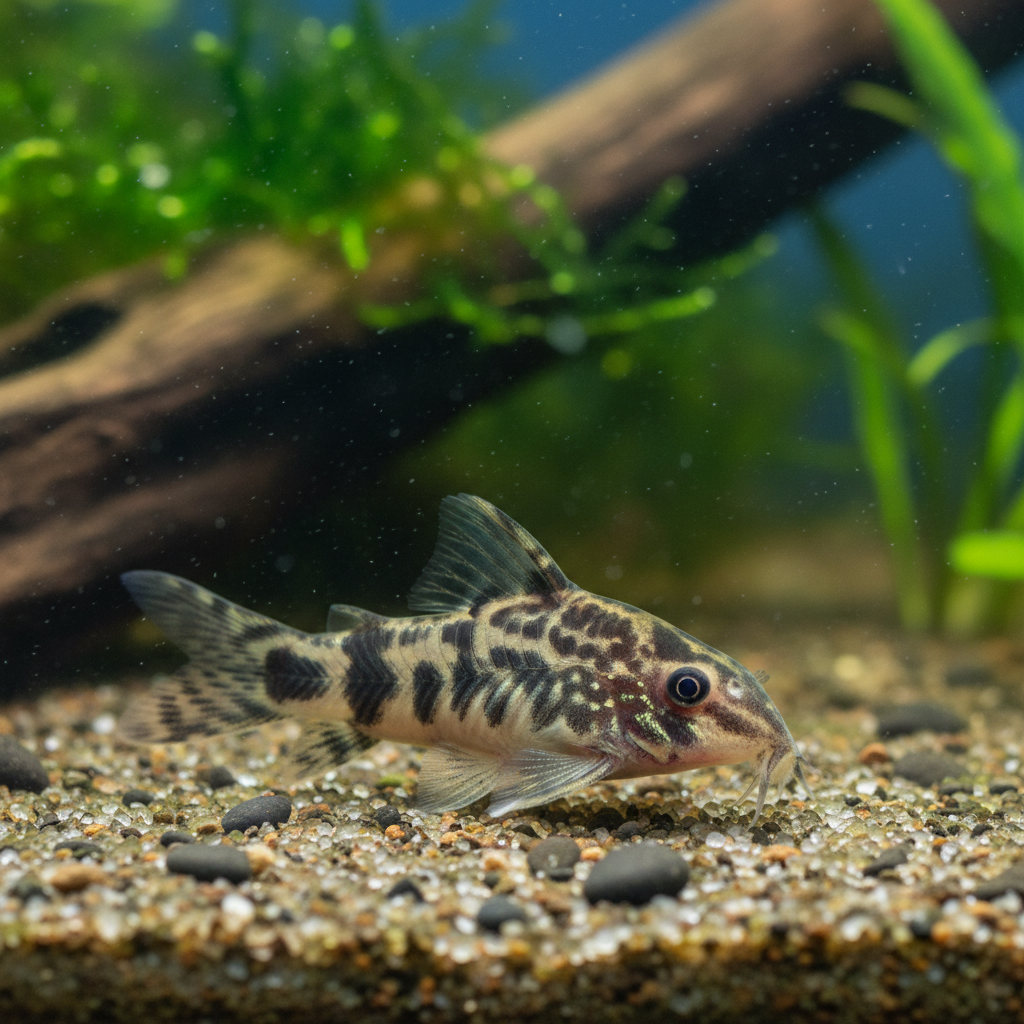
The Guapore Cory (Corydoras guapore) is a unique and sought-after dwarf cory from the Rio Guaporé, famous for its unusual mid-water swimming behavior and its distinctive black tail spot.
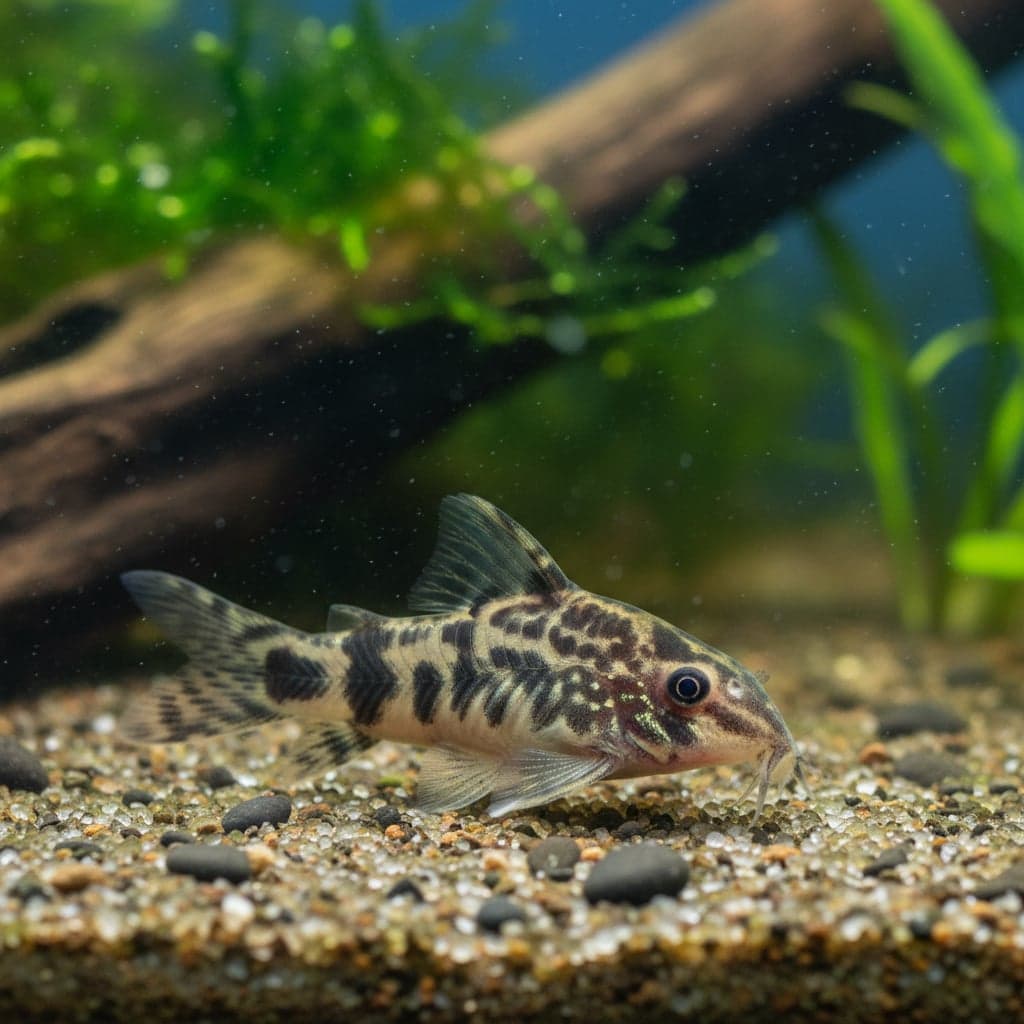
Guapore Cory
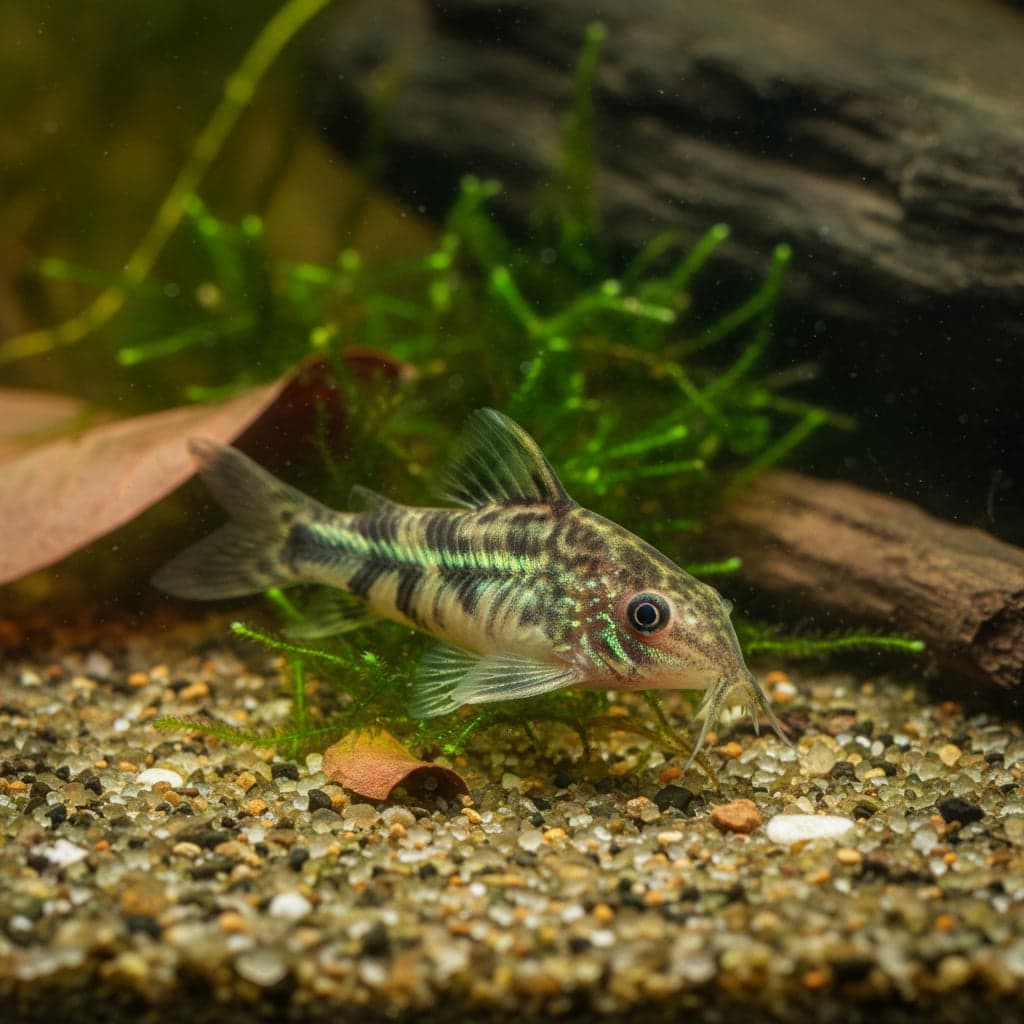
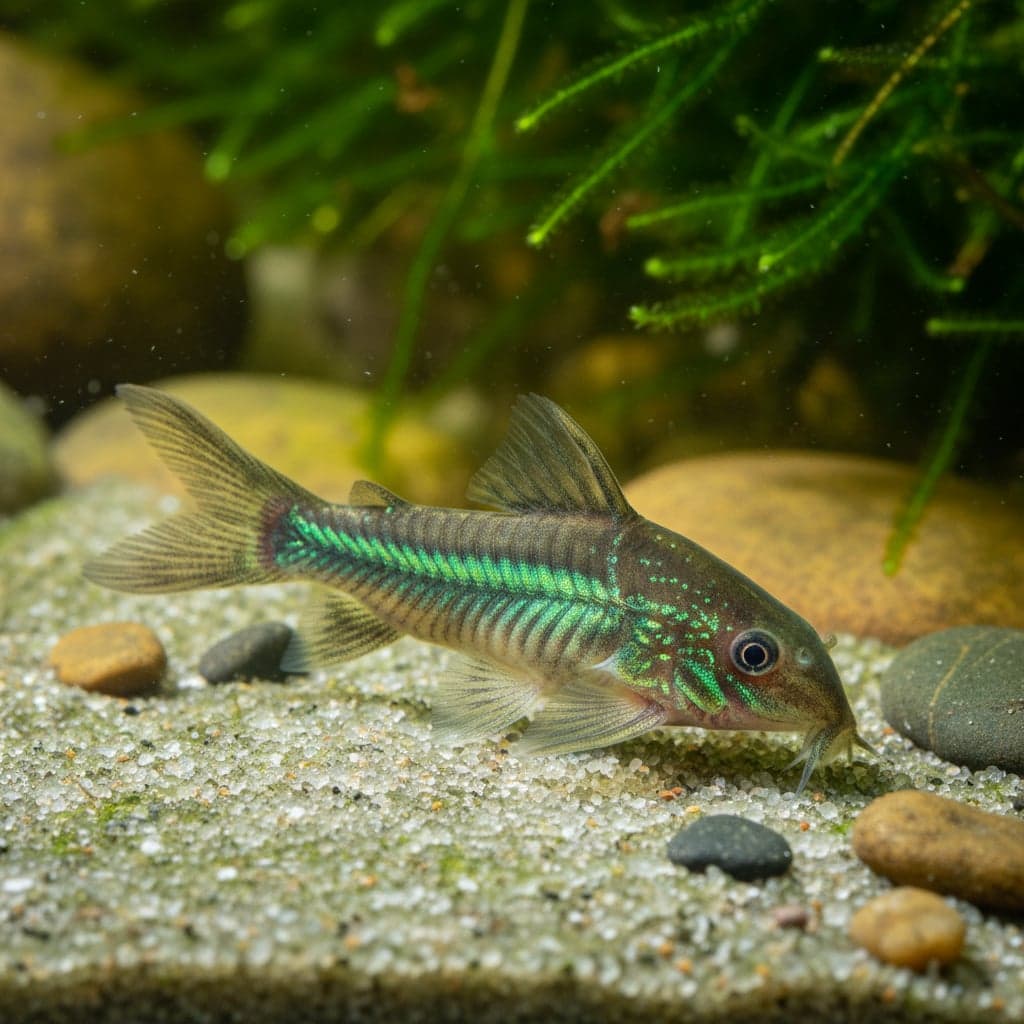
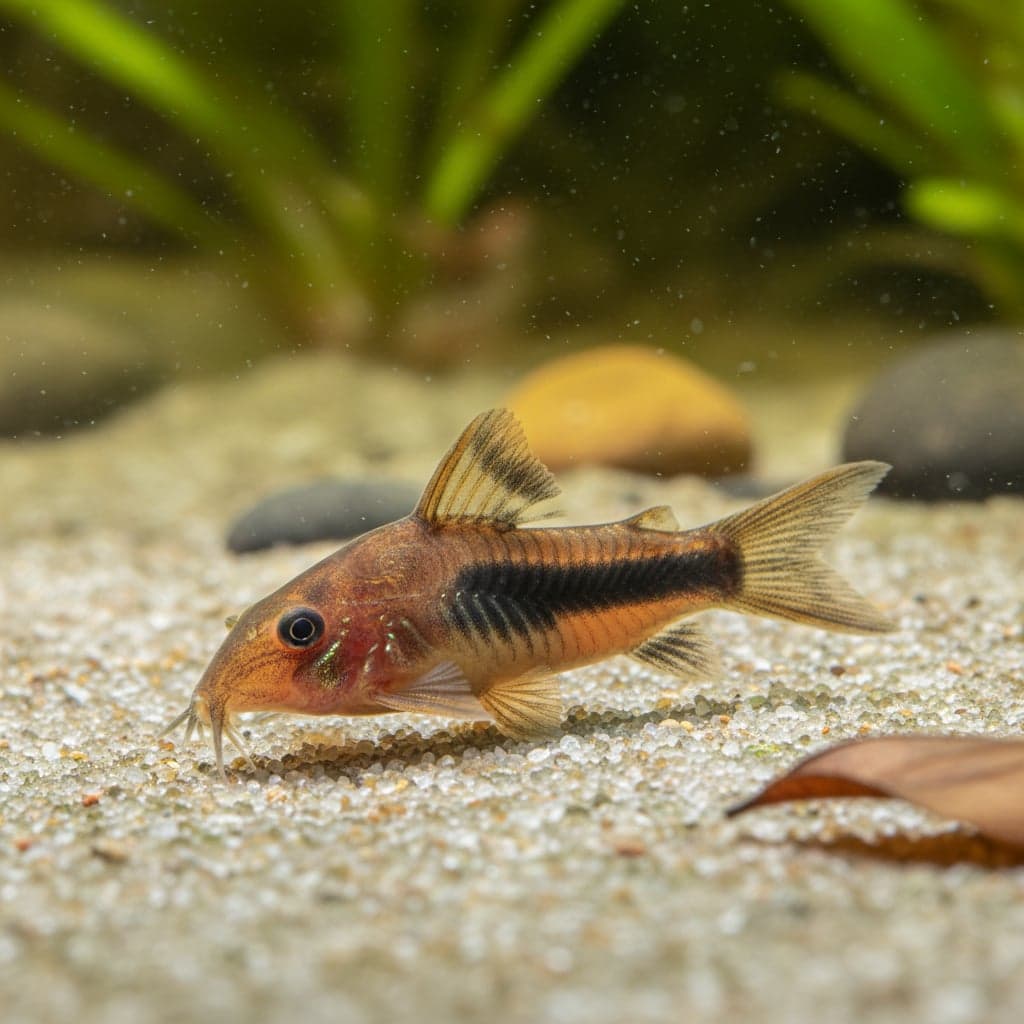
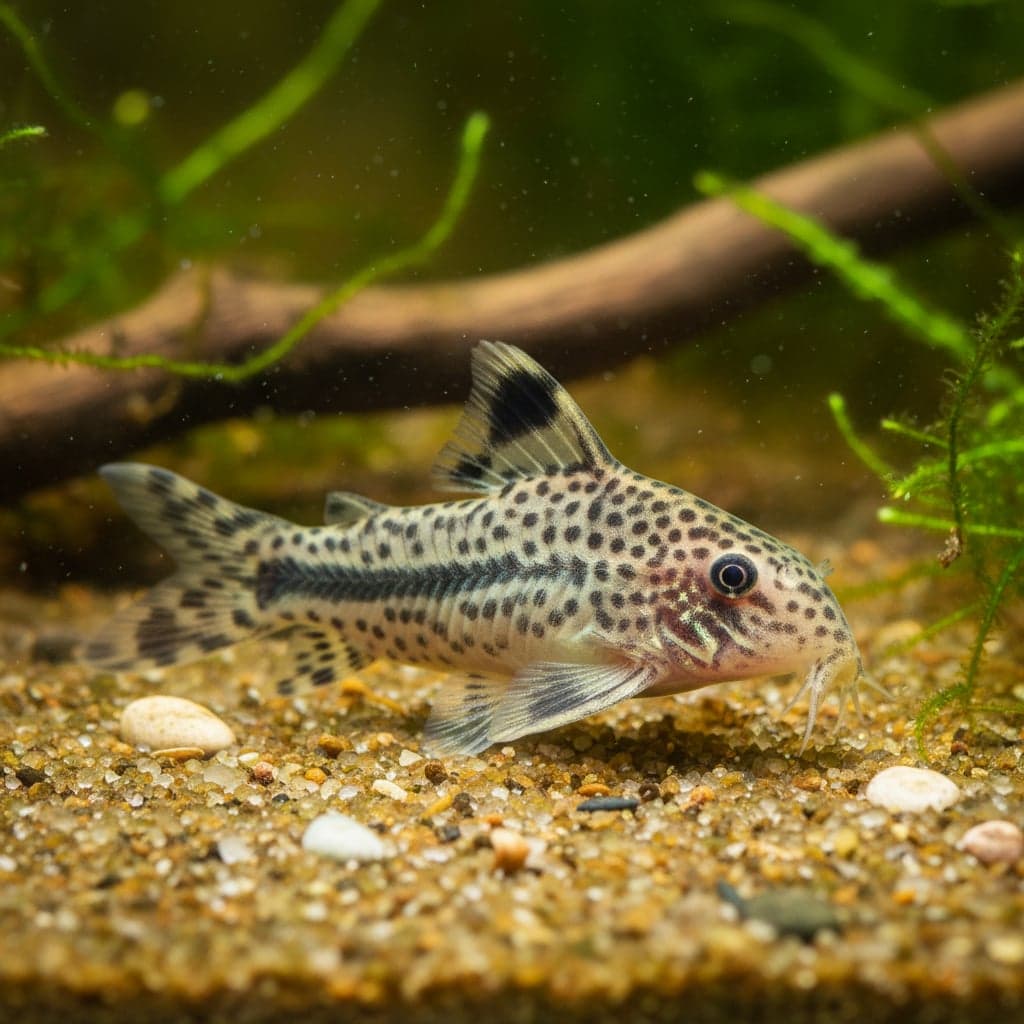
The Guapore Cory (Corydoras guapore) is one of the most distinctive and behaviorally fascinating members of the Corydoras family. While it shares the typical armored plates and barbels of its relatives, it possesses a much more streamlined, less "bottom-heavy" body shape. Its body is a shimmering, iridescent translucent-grey, dominated by a large, bold black blotch at the base of the tail (caudal peduncle).
What truly sets the Guapore Cory apart is its mid-water swimming behavior. While almost all other cories are strictly bottom-dwelling, the Guapore Cory spends a significant amount of time shoaling in the middle of the water column, more like a tetra than a typical catfish.
Natural Habitat & Origin
As its name suggests, this species is native to the upper Rio Guaporé basin, which forms a natural border between Brazil and Bolivia. They are typically found in the slower-moving sections of the river, often in areas with dense aquatic vegetation and soft, sandy bottoms. They frequently inhabit "clearwater" or slightly tannin-stained "blackwater" environments where the water is soft and slightly acidic.
Care Requirements
The Guapore Cory is slightly more delicate than the "big three" cories (Bronze, Peppered, Albino) and requires stable water conditions. They prefer a pH between 6.0 and 7.2 and a temperature range of 72°F to 79°F (22°C to 26°C). High levels of nitrates or decaying organic matter can quickly lead to stress and barbel erosion.
A minimum of 75 litres (20 gallons) is required for a school of these 4.5cm Corydoras guapore — mid-water shoaling needs a longer footprint than a typical bottom-only cory group. The most critical requirement is a soft sand substrate, as they still love to root through the bottom for food, and coarse gravel will damage their delicate barbels. The aquarium should have plenty of open swimming space in the mid-water to accommodate their active shoaling, along with dense planting and driftwood for cover.
Diet & Feeding
They are social omnivores. Because they spend so much time in the mid-water, they are actually better at catching food before it hits the bottom than most cories. However, they should still be fed a varied diet of high-quality sinking pellets and "cory wafers."
Regular offerings of frozen or live foods like bloodworms, brine shrimp, and daphnia are essential for their health and for encouraging breeding behavior. They are not effective "scavengers" that can live on leftovers; they require their own dedicated feeding.
Behavior & Temperament
Guapore Corys are exceptionally peaceful and highly social. They must be kept in groups of at least 6-8 individuals. Keeping them in small numbers will cause them to become shy and hide, and they will likely not display their unique mid-water shoaling behavior.
In a proper group, they are active and playful, darting through the water column in tight-knit shoals. They are completely non-aggressive and make perfect inhabitants for a peaceful community tank.
Tank Mates
Suitable tank mates include any peaceful, non-aggressive species:
- Small Tetras and Rasboras
- Dwarf Cichlids (Apistogramma, Mikrogeophagus)
- Other small Corydoras species
- Otocinclus
- Peaceful Nano fish (Ember Tetras, Chili Rasboras)
Avoid housing them with large, aggressive, or boisterous fish that might dominate the mid-water or see these small cories as food.
Breeding
Breeding Corydoras guapore is similar to other cory species but can be more challenging to trigger. Spawning is often induced by a large water change with slightly cooler, soft water (simulating the rainy season) after a period of heavy feeding with live foods. The female will carry eggs in a "basket" formed by her pelvic fins and deposit them on a pre-cleaned surface (usually a leaf or the glass). The parents do not provide care and should be removed. Fry hatch in 3-4 days and require infusoria or micro-worms as their first food.
Common Health Issues
The most common issues are barbel erosion (caused by sharp substrate or high bacteria counts in the bottom) and sensitivity to nitrates. Like all cories, they are extremely sensitive to salt and copper-based medications. Maintaining a very clean, sandy bottom and performing regular water changes is the best way to ensure their health.