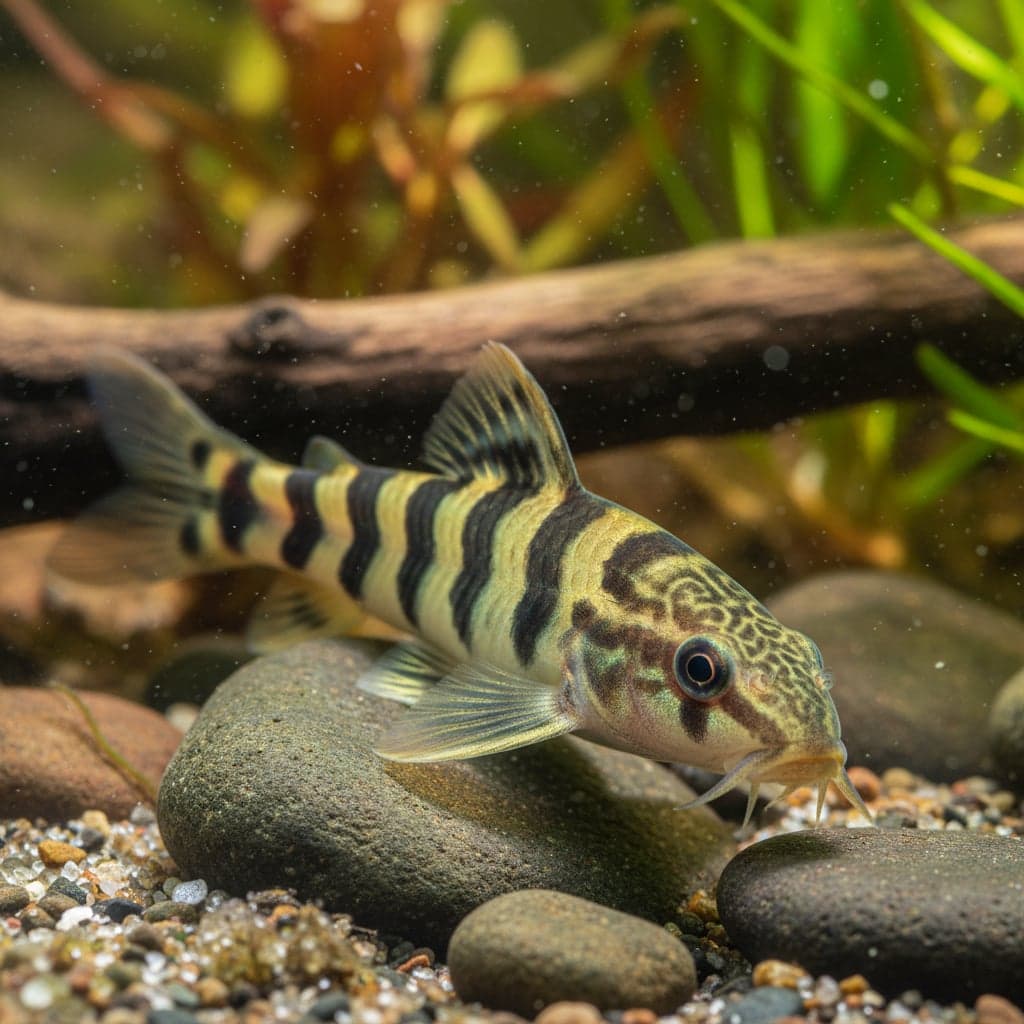
Harlequin Shark: Labeo cyclorhynchus
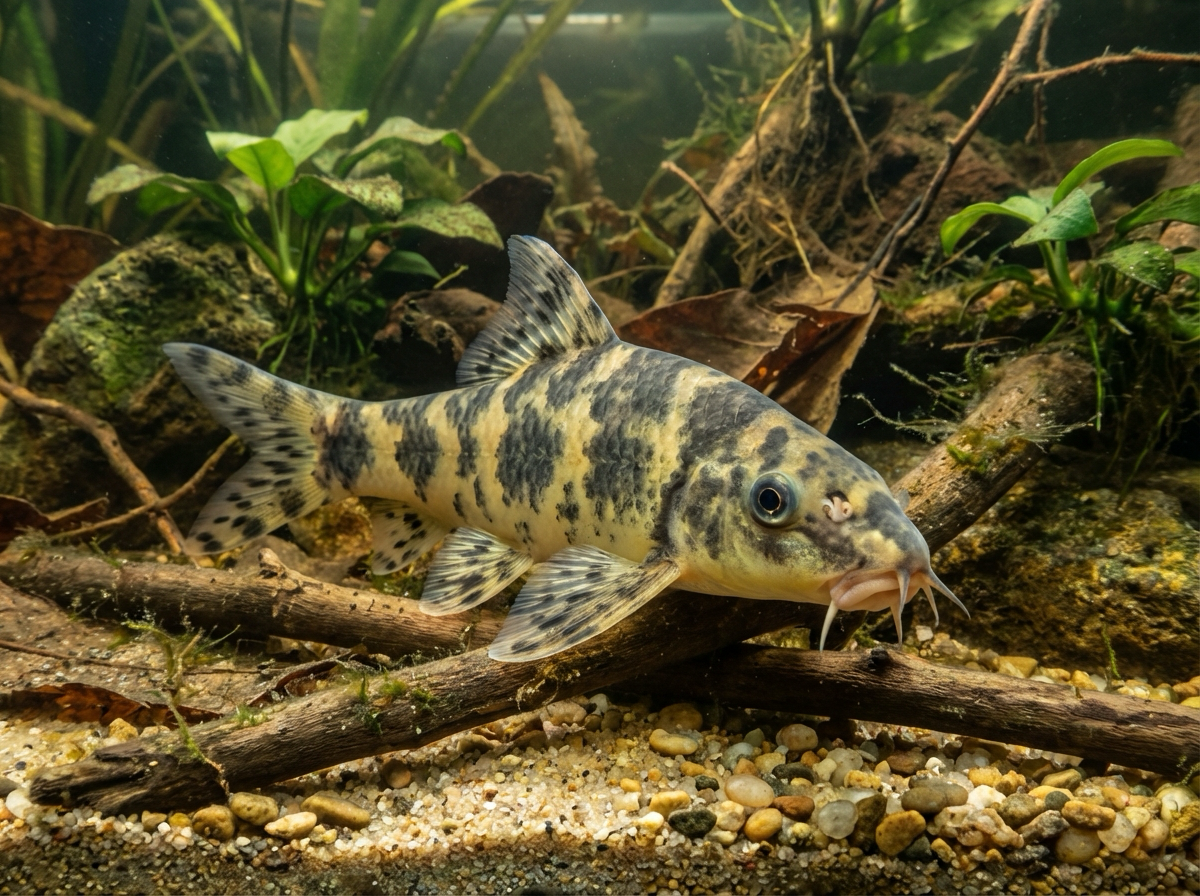
The Harlequin Shark (Labeo cyclorhynchus) is a strikingly patterned, highly territorial bottom-dweller from the Congo Basin, known for its distinctive mottled camouflage.
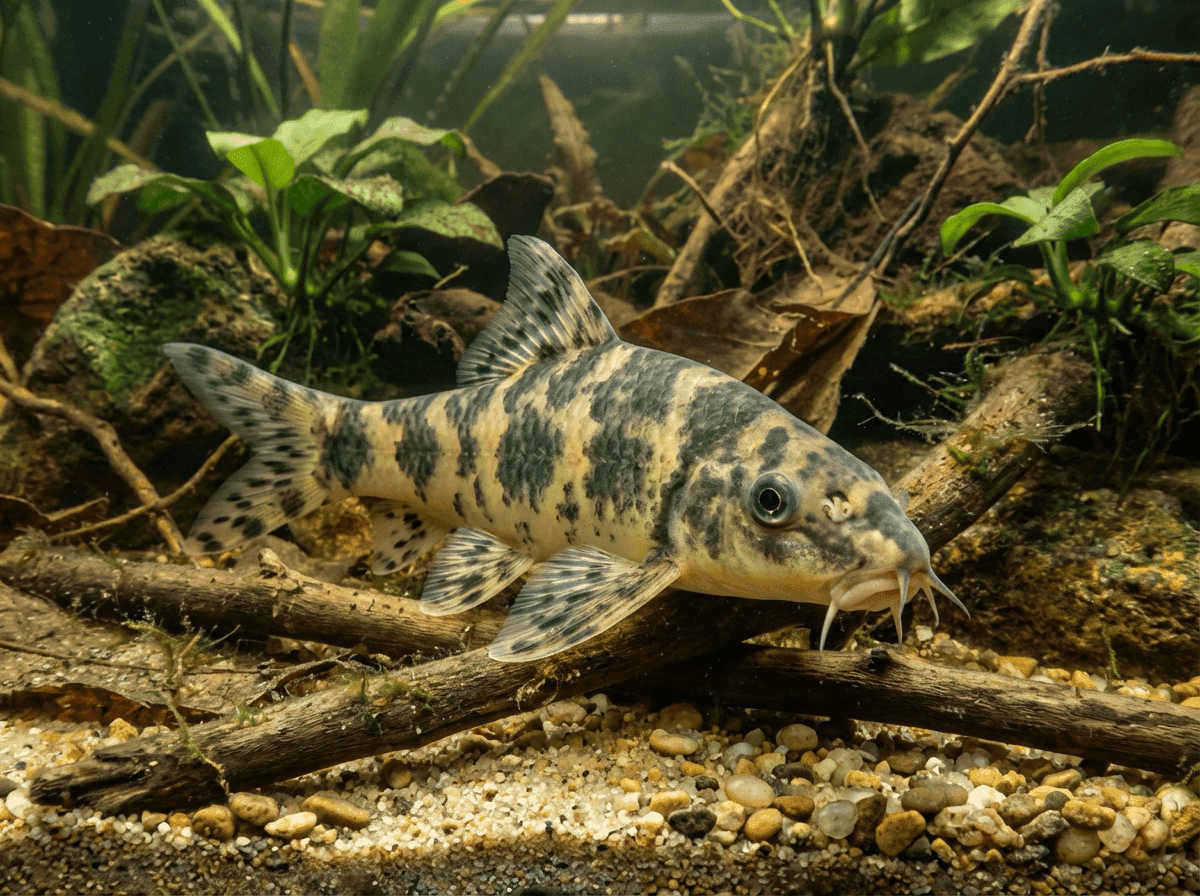
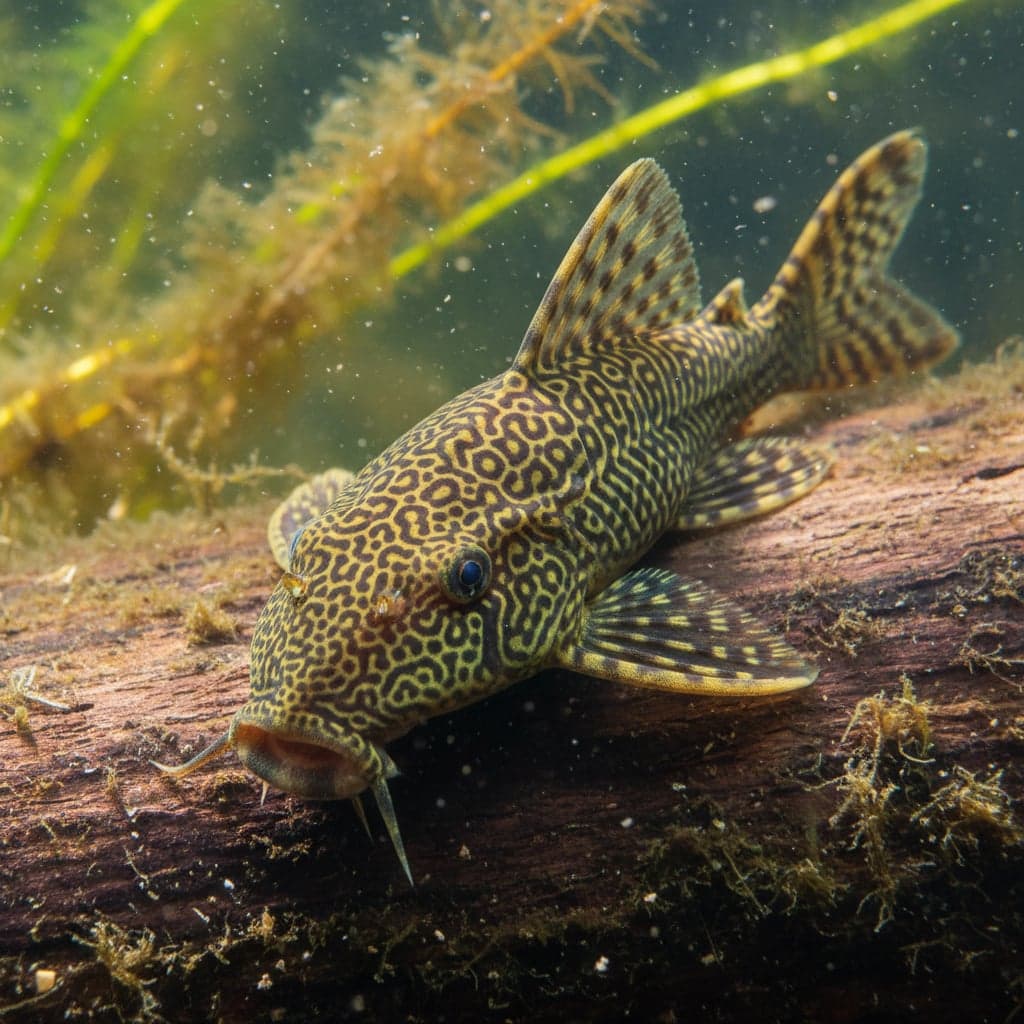
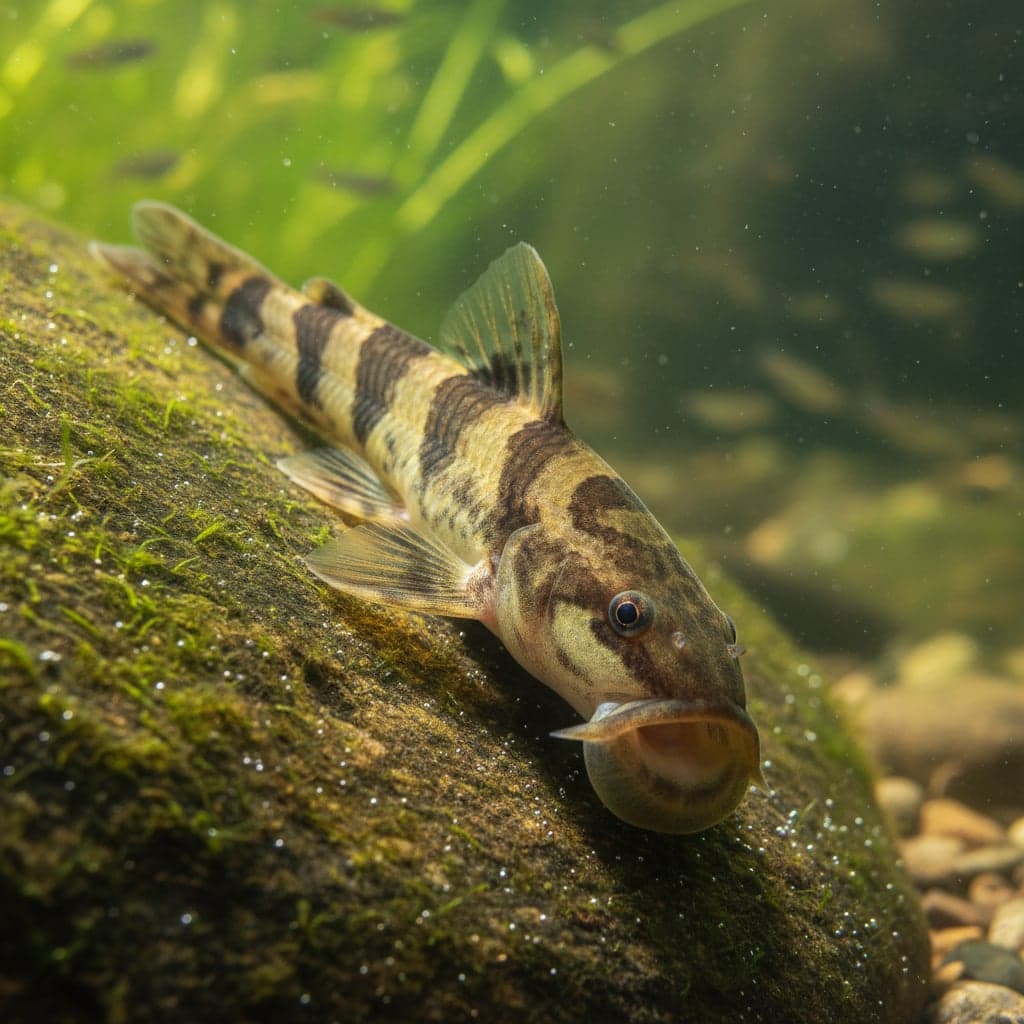
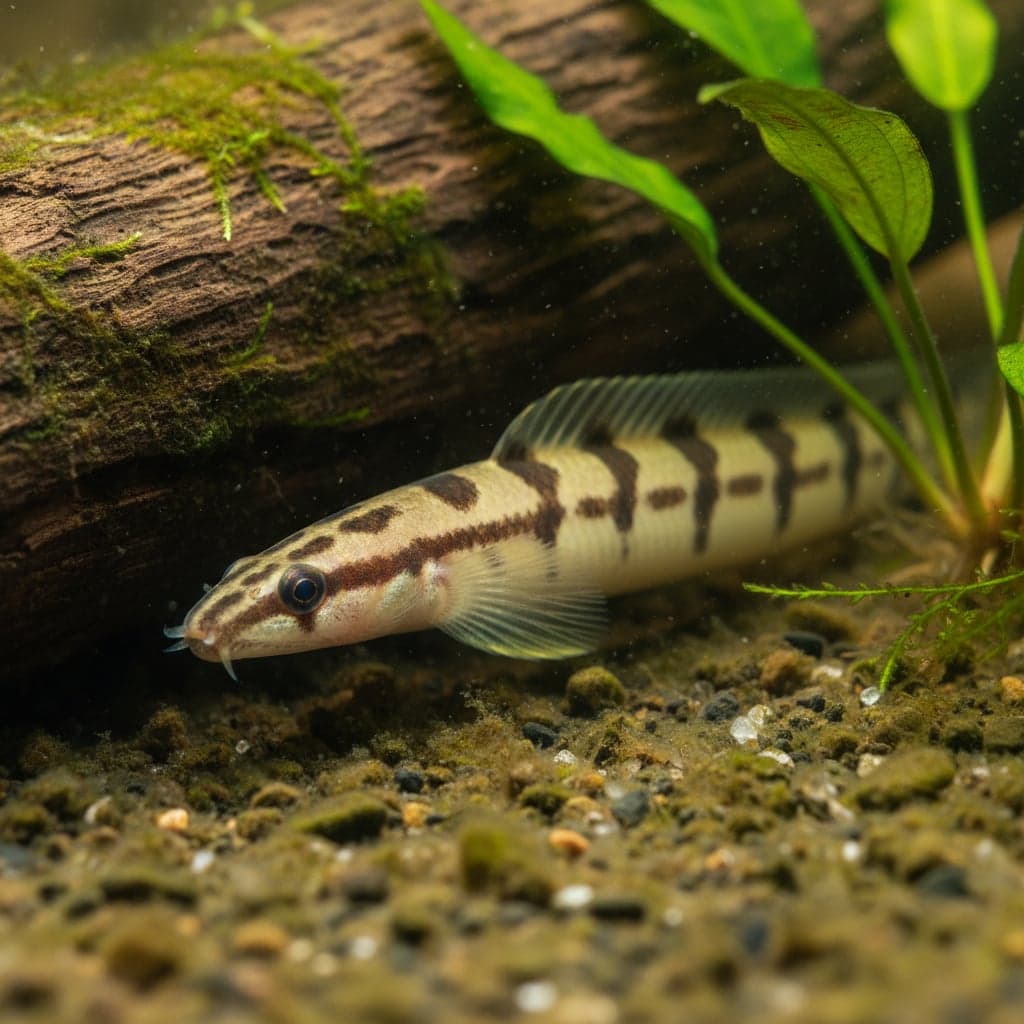
The Harlequin Shark (Labeo cyclorhynchus) is one of the most visually unique species in the Labeo genus. Unlike its more common relatives like the Red Tail Shark, the Harlequin features a complex, mottled camouflage pattern. Its body is covered in a series of irregular, cream-to-golden blotches set against a dark brown or velvety black background. This pattern extends onto the fins, allowing the fish to disappear perfectly against the leaf litter and debris of the Congo River floor.
While it is exceptionally beautiful, it is also one of the most challenging sharks to house due to its intense territoriality and specific environmental needs.
Natural Habitat & Origin
Labeo cyclorhynchus is native to Central Africa, specifically the Congo River basin and its surrounding tributaries (including the Gabon and Ubangi rivers). They inhabit fast-flowing rivers and forest streams, preferring areas with rocky substrates and heavy accumulations of driftwood and submersed leaf litter. These waters are typically soft and acidic, often stained with tannins. Replicating this "riverine" environment with high oxygen levels is key to their long-term health.
Care Requirements
The Harlequin Shark requires a specialized setup to accommodate its aggressive personality. A minimum tank size of 55 gallons (200L) is required for a single specimen. The aquarium should be decorated with extensive rockwork, driftwood, and caves to provide multiple hiding spots and clear territorial boundaries.
The water should be kept well-oxygenated (powerheads or air stones are recommended) with a pH between 6.0 and 7.5. They are sensitive to poor water quality and fluctuating parameters, so a high-quality filtration system and regular water changes are mandatory.
Diet & Feeding
In the wild, Harlequin Sharks are aufwuchs grazers and omnivores, feeding on algae, microfilm, and small invertebrates found on the surface of rocks and wood.
In the aquarium, they are eager feeders but require a balanced diet:
- Algae-based sinking pellets and wafers
- High-quality omnivore flakes or pellets
- Frozen foods like Bloodworms, Daphnia, and Brine Shrimp
- Fresh blanched vegetables (zucchini, cucumber, or spinach)
They are excellent at cleaning algae from rocks and glass, but they should not be used as "clean-up crews" alone; they require dedicated feeding to thrive.
Behavior & Temperament
The Harlequin Shark is highly aggressive and strictly solitary. It will not tolerate the presence of another Harlequin Shark and will relentlessly bully other "shark-like" species (like Rainbow Sharks or Flying Foxes). They establish a territory (usually centered on a cave or piece of wood) and will aggressively defend it against any fish that enters their bottom-dwelling zone.
Tank Mates
Choosing tank mates is difficult and should be done with caution. Suitable companions include:
- Fast-swimming mid-water fish like Congo Tetras or larger Barbs
- Robust African Cichlids from the same region (like Phenacogrammus)
- Large, fast-moving Characins
- Aggressive catfish that can hold their own
Avoid bottom-dwellers with similar shapes or peaceful fish like Corydoras and small Tetras, which may be stressed or injured by the shark's territorial strikes.
Breeding
Breeding Labeo cyclorhynchus in captivity is extremely rare and largely undocumented in home aquaria. In the wild, they are thought to be migratory spawners. Their aggressive nature toward their own kind makes pair bonding nearly impossible in standard aquarium settings. Most specimens found in the trade are wild-caught or commercially bred using hormones.
Common Health Issues
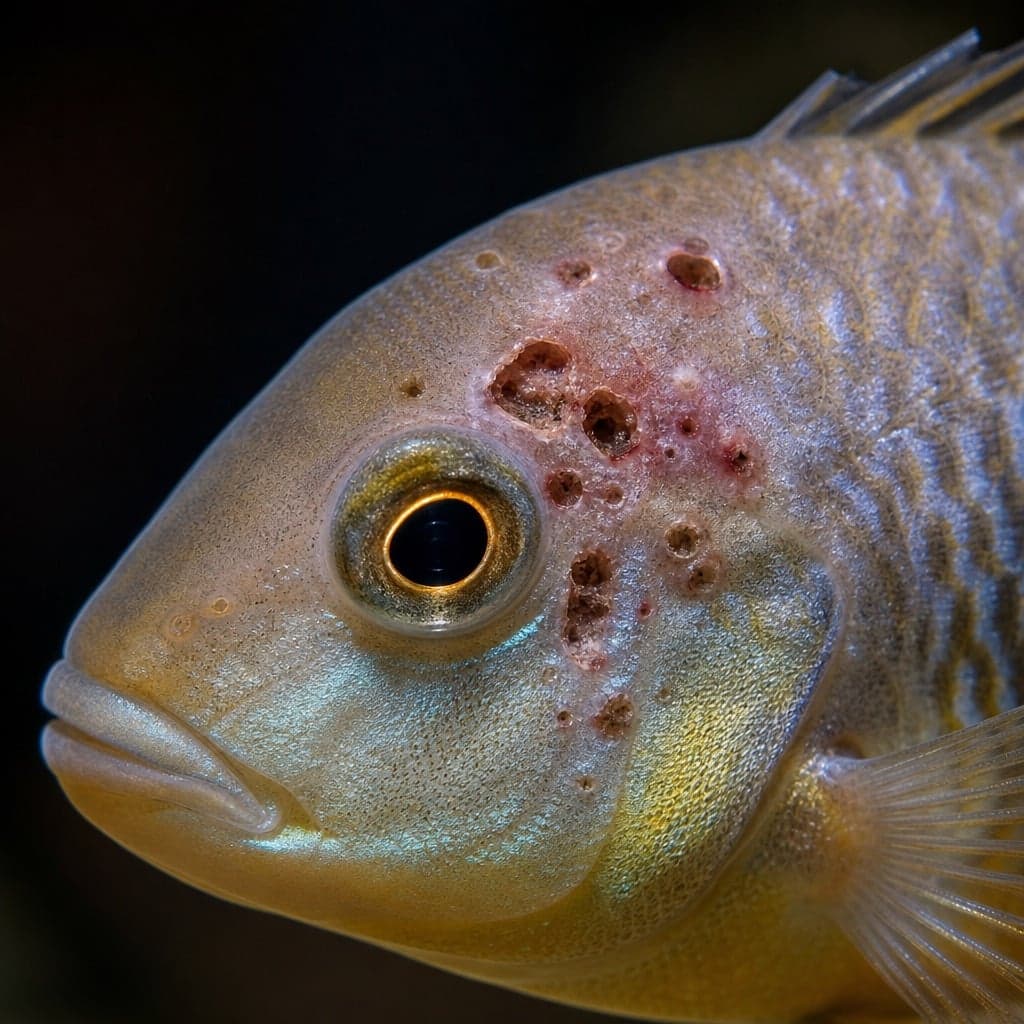
They are relatively hardy if water quality is pristine. However, they are susceptible to Hole-in-the-Head disease if water quality declines or if there are mineral deficiencies. They also have a low tolerance for high nitrates. Providing a high-oxygen environment and maintaining a strict cleaning schedule is the best preventative strategy.