Hi-fin Clown Goby: Stonogobiops yasha
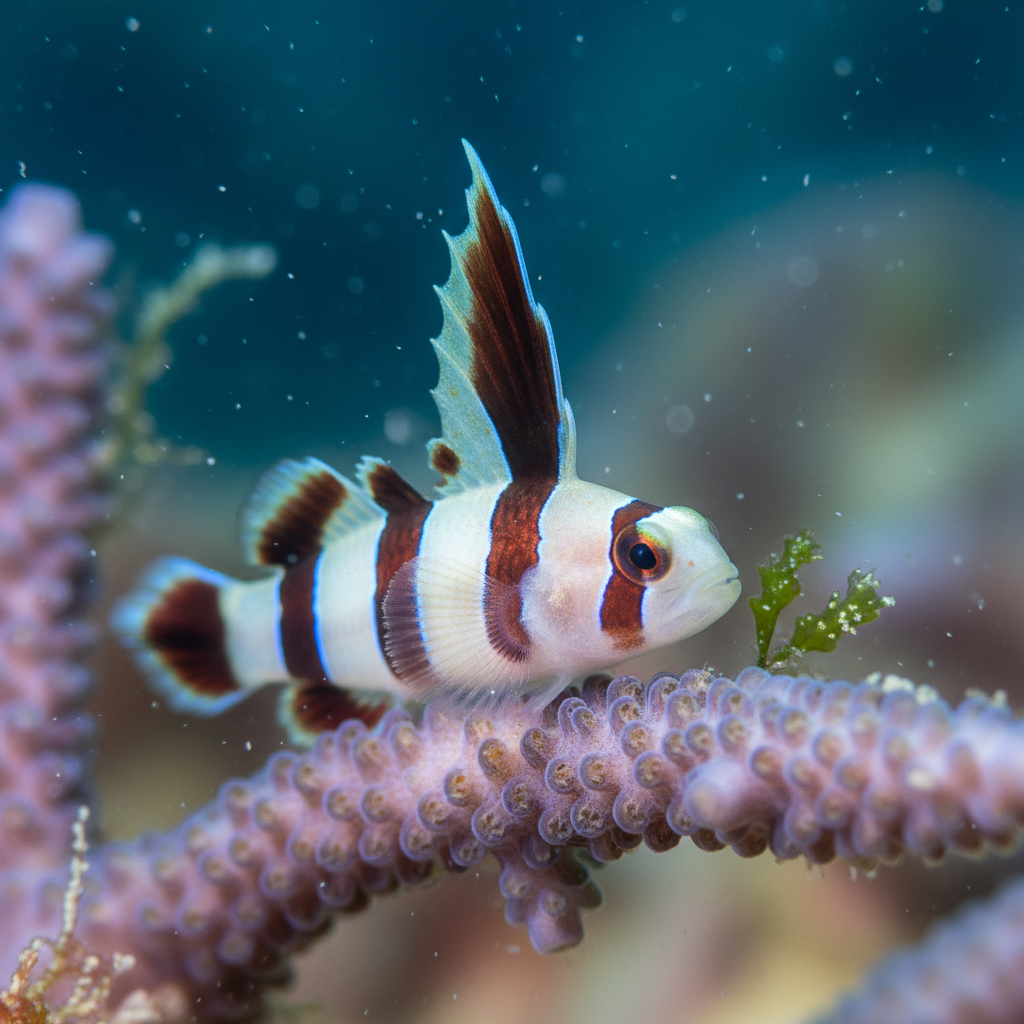
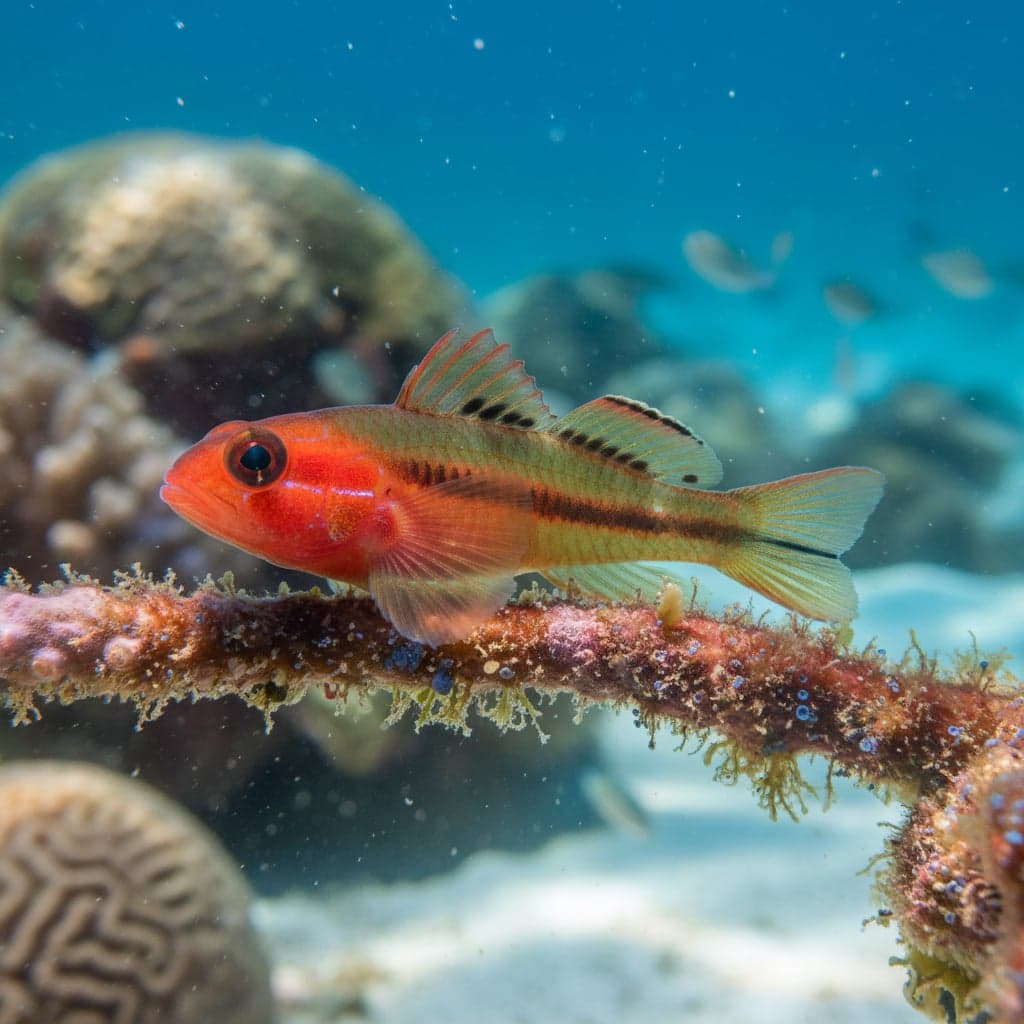
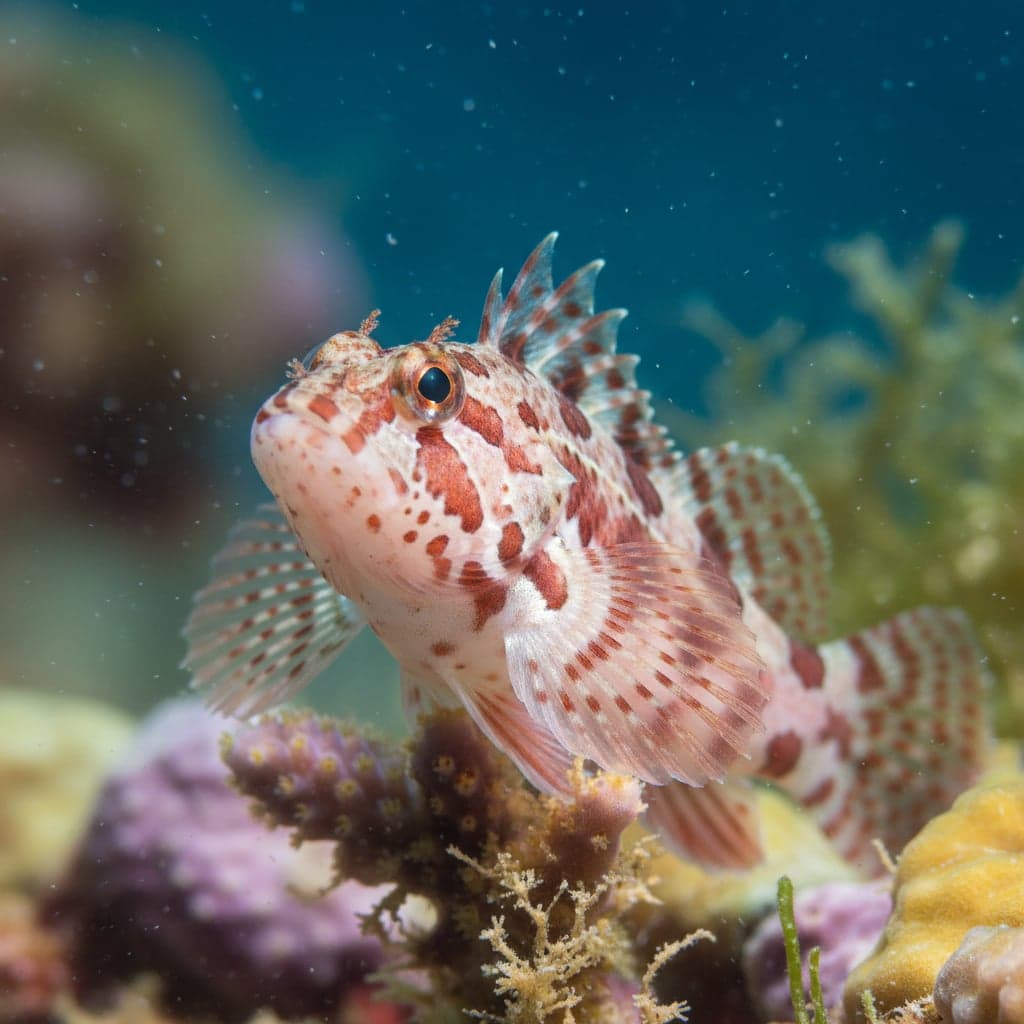
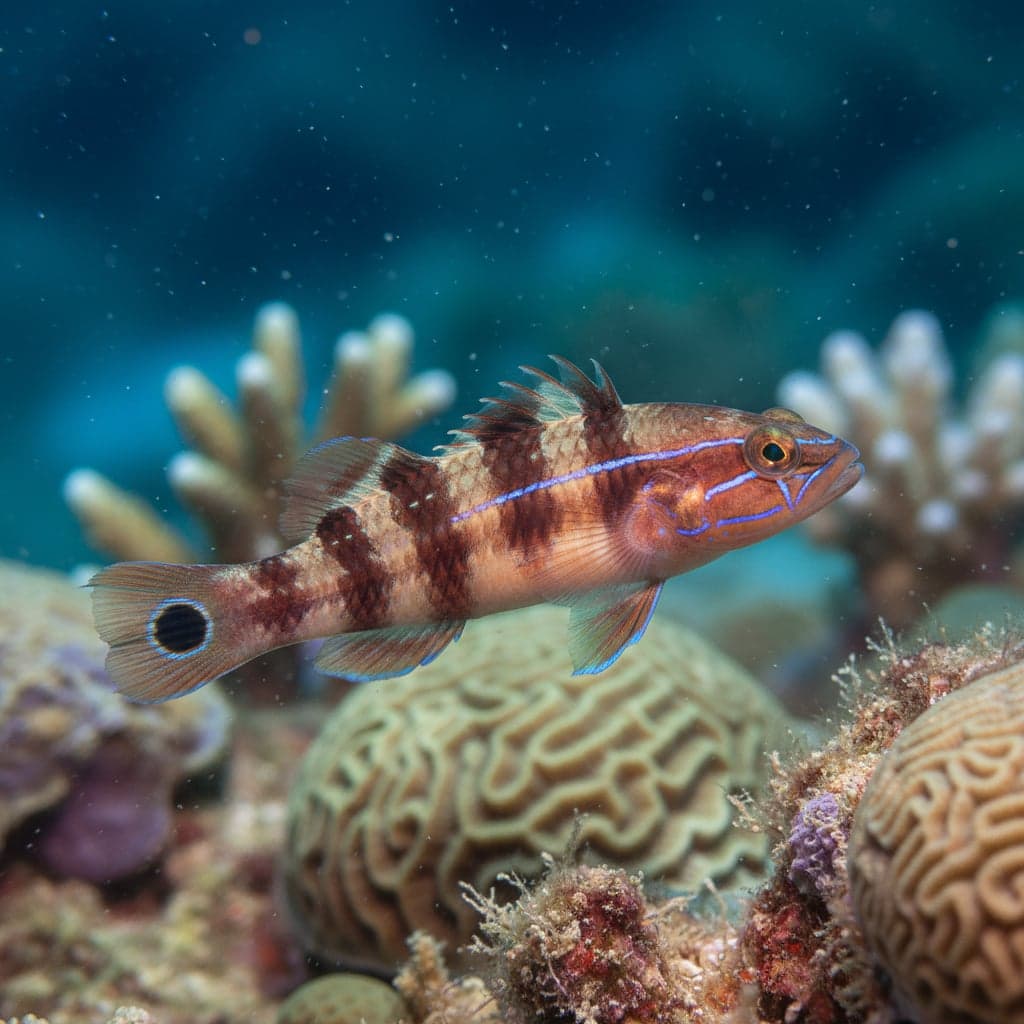
The Hi-fin Clown Goby (Stonogobiops yasha), also known as the Yasha Goby, is a spectacularly colored marine shrimp goby famous for its long dorsal filament and its red-and-white striped body.
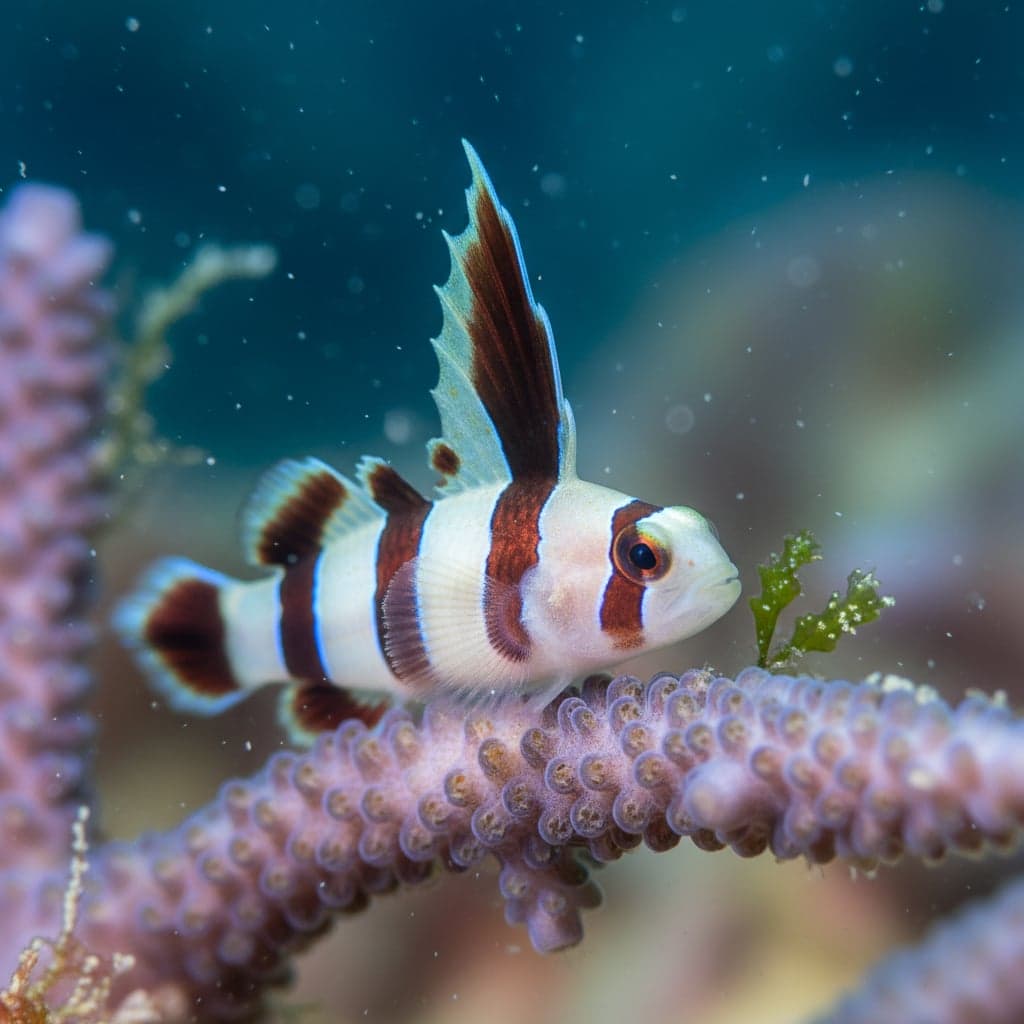
The Hi-fin Clown Goby (Stonogobiops yasha), widely known in the hobby as the Yasha Goby or Yasha White Ray Shrimp Goby, is one of the most aesthetically stunning fish in the marine world. It is instantly recognizable by its vibrant, longitudinal red-and-white stripes and its bright yellow face. Its most dramatic feature is the first ray of the dorsal fin, which is elongated into a magnificent, white-tipped filament that it flicks like a flag to communicate with its surroundings.
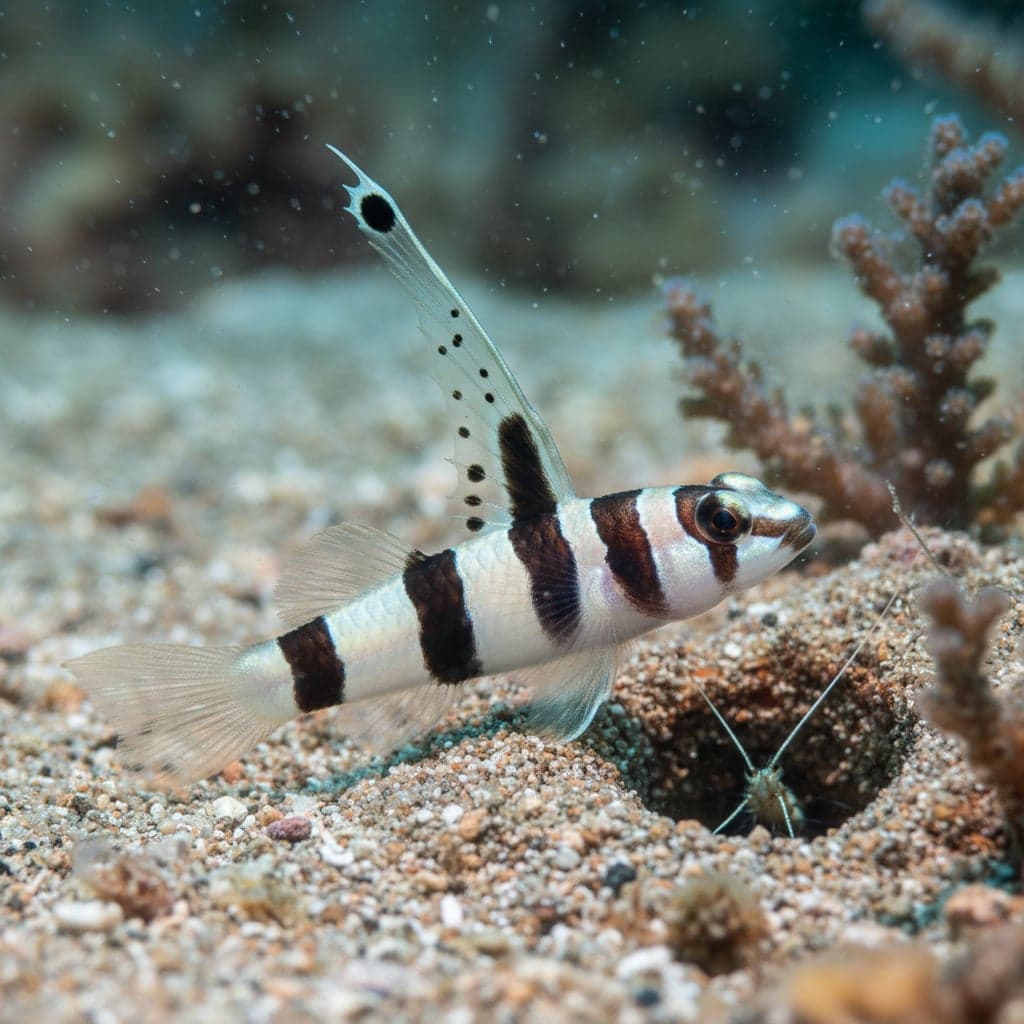
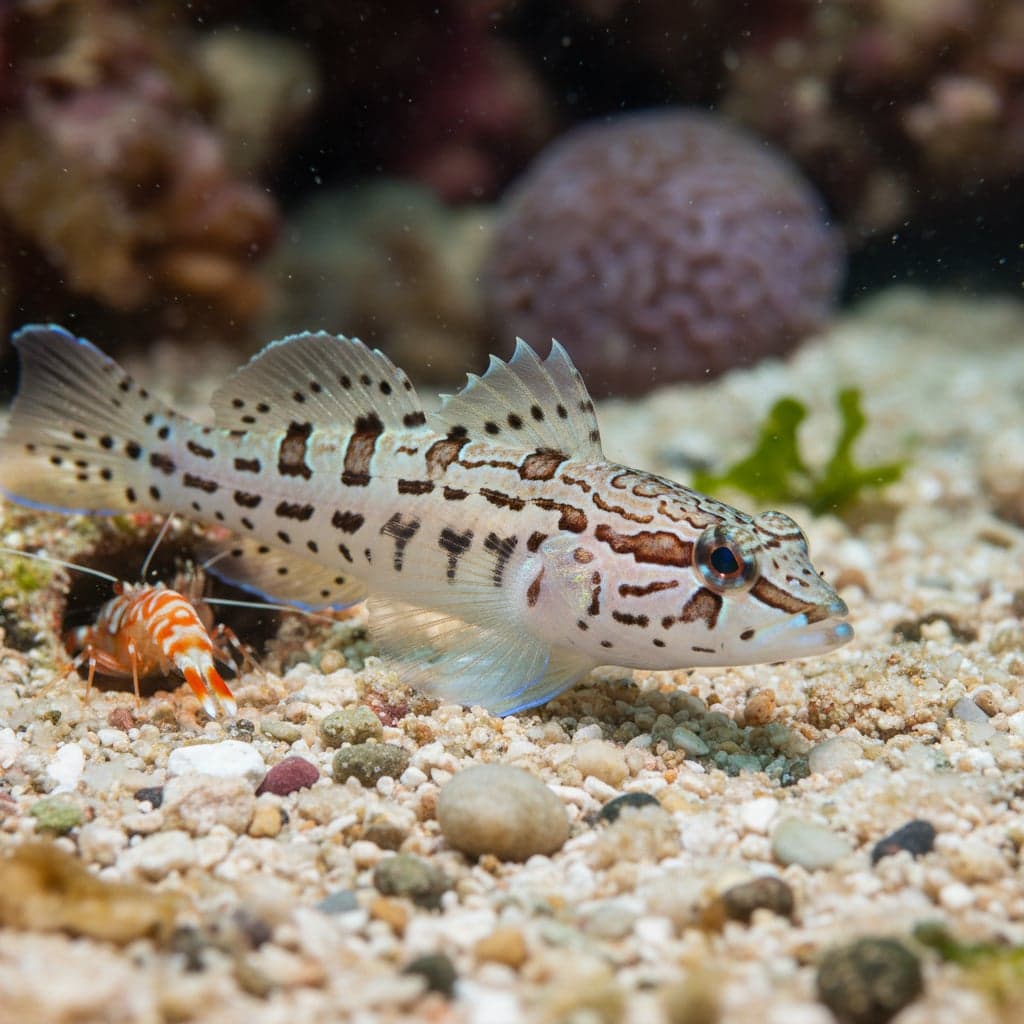
In the aquarium, the Yasha Goby is a "holy grail" for nano-reef enthusiasts. It is defined by its fascinating symbiotic relationship with Pistol Shrimp (specifically Alpheus randalli). The goby serves as the vigilant lookout, while the shrimp manages the construction and maintenance of their shared subterranean burrow.
Natural Habitat & Origin
Stonogobiops yasha is native to the Western Pacific, particularly the waters around Japan, Palau, and Indonesia. They are deep-water residents, typically found at depths of 15 to 40 meters on sandy slopes and patch reefs. Unlike many other gobies that venture out into the open, the Yasha Goby stays extremely close to its burrow entrance, relying on its speed and its shrimp partner's engineering for safety.
Care Requirements
The Yasha Goby is a relatively hardy species but requires a specific setup to flourish. A minimum tank size of 15 gallons (50L) is sufficient, provided the system is quiet and stable. The most critical requirement is a deep sand bed (3-4 inches) composed of fine sand and coral rubble, which is essential for the pistol shrimp to build a stable burrow system.
Maintain standard marine parameters: a pH of 8.1 to 8.4 and a temperature of 74°F to 80°F (23°C to 27°C). Because they are deep-water fish, they can be sensitive to extremely bright lighting when first introduced. A tight-fitting lid or mesh screen is absolutely mandatory, as the Yasha Goby is an expert jumper and can easily escape through even small gaps.
Diet & Feeding
In the wild, these gobies are micro-carnivores, feeding on zooplankton and small benthic crustaceans.
In the aquarium, they are generally eager eaters but should be target-fed to ensure they receive enough nutrition:
- Frozen Mysis shrimp, enriched Brine shrimp, and high-quality frozen plankton
- Finely chopped marine seafood (prawns or scallops)
- High-quality marine pellets (after they have settled in)
They prefer to wait for food to drift near their burrow entrance rather than hunting in the open water column.
Behavior & Temperament
The Yasha Goby is peaceful, shy, and strictly territorial toward other shrimp gobies. It should be kept as a single specimen or as a mated pair. The bond between the goby and its Alpheus randalli shrimp is nearly unbreakable; the shrimp keeps its antennae in constant contact with the goby's tail, reacting instantly to any warning flick. They are most active during the day but will quickly retreat into their burrow at the slightest sign of danger.
Tank Mates
Suitable tank mates include other peaceful, small reef inhabitants:
- Firefish and Dartfish
- Blennies and smaller Wrasses
- Peaceful Cardinalfish
- Dragonets
- Symbiotic Pistol Shrimp (Alpheus randalli)
Avoid housing them with large, aggressive, or fast-moving fish (like large Damselfish or Dottybacks) that may intimidate them or prevent them from feeding. They are 100% reef-safe and will not harm corals or mobile invertebrates (other than their shrimp partner).
Breeding
Breeding Stonogobiops yasha in captivity is considered extremely difficult. They are demersal spawners, laying eggs within the deep safety of the burrow. The larvae have a pelagic stage and require highly specialized live foods (rotifers and copepods) and a dedicated rearing system. Most specimens in the trade are wild-caught.
Common Health Issues
They are generally disease-resistant if provided with a high-protein diet and stable water quality. Their primary risk is stress and starvation if they are housed with overly aggressive tank mates. Providing a deep sand bed and a compatible shrimp partner is the best way to ensure their long-term health and emotional well-being.