Hillstream Catfish: Glyptothorax spp.
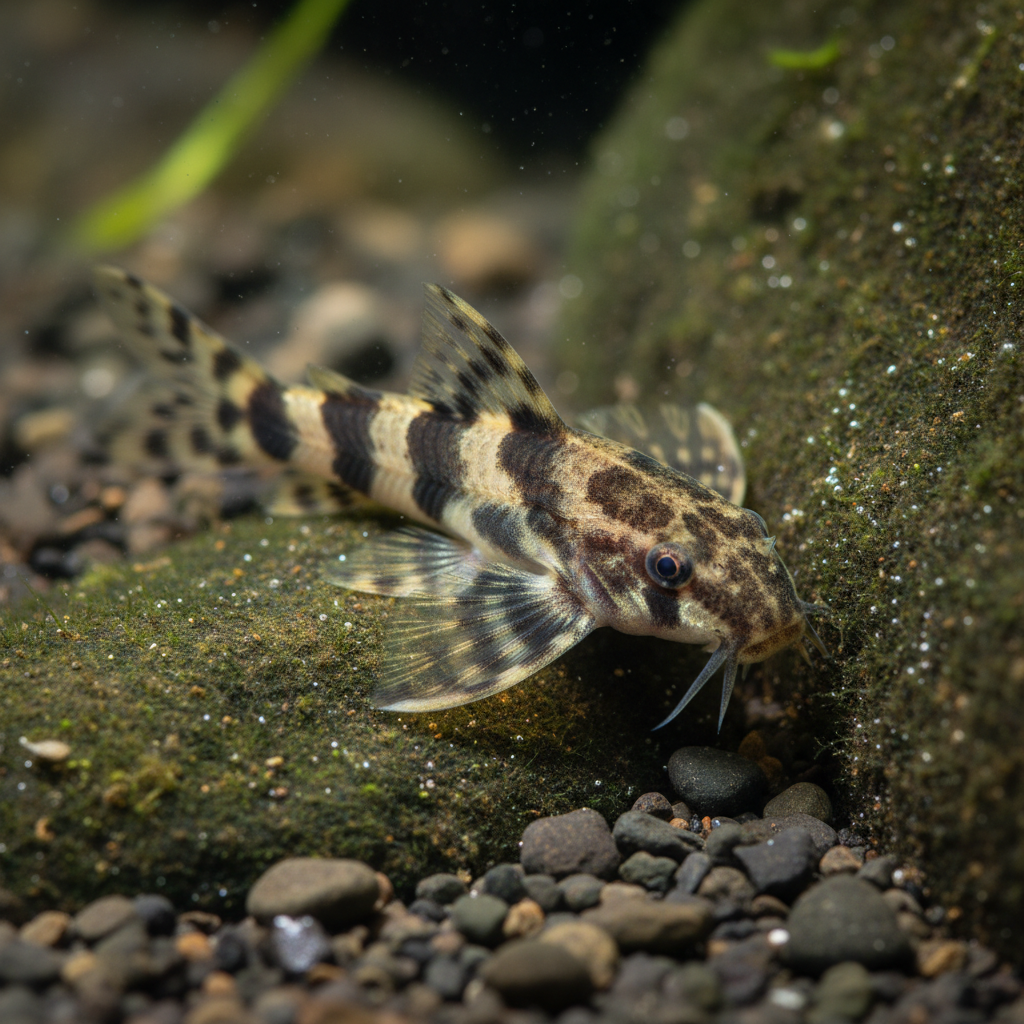
The Hillstream Catfish (Glyptothorax spp.) is a specialized, fast-water predator equipped with a unique "suction" organ on its chest to anchor itself in the most violent mountain rapids.
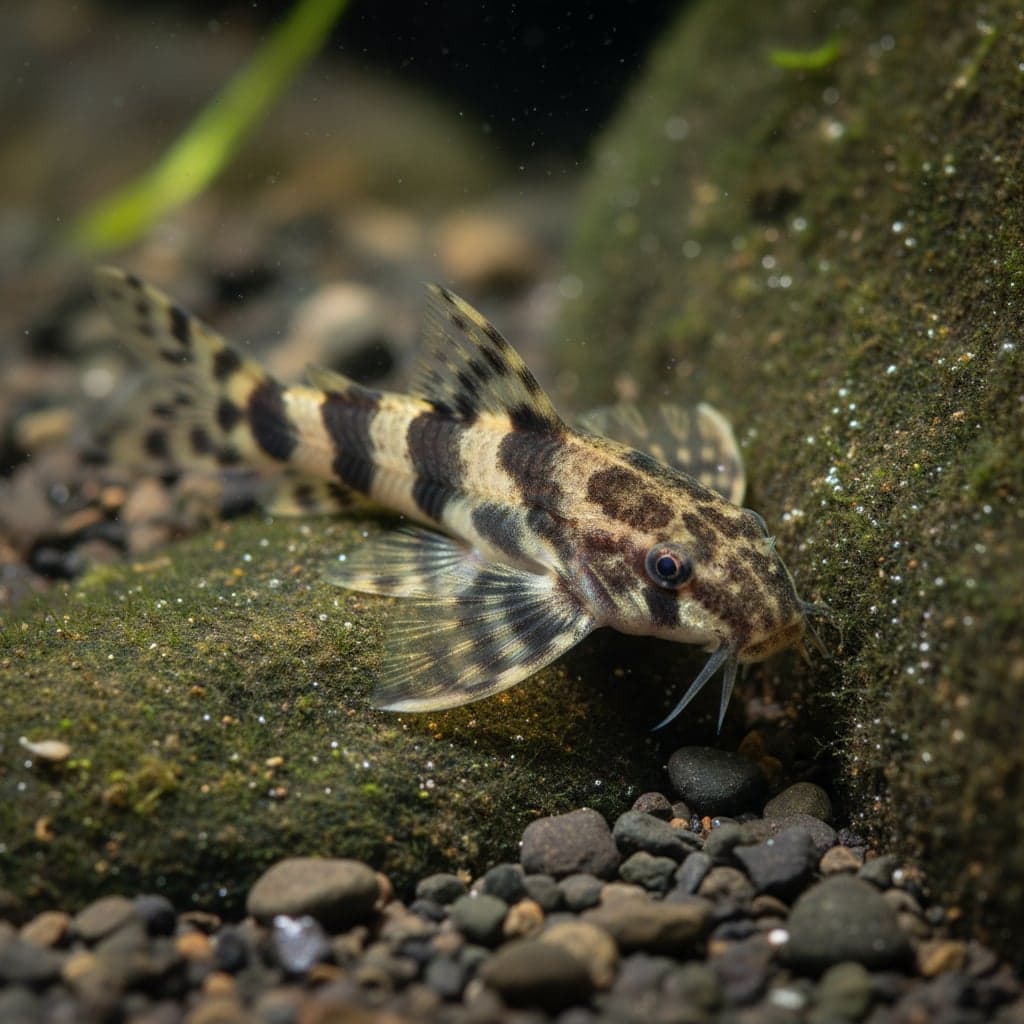
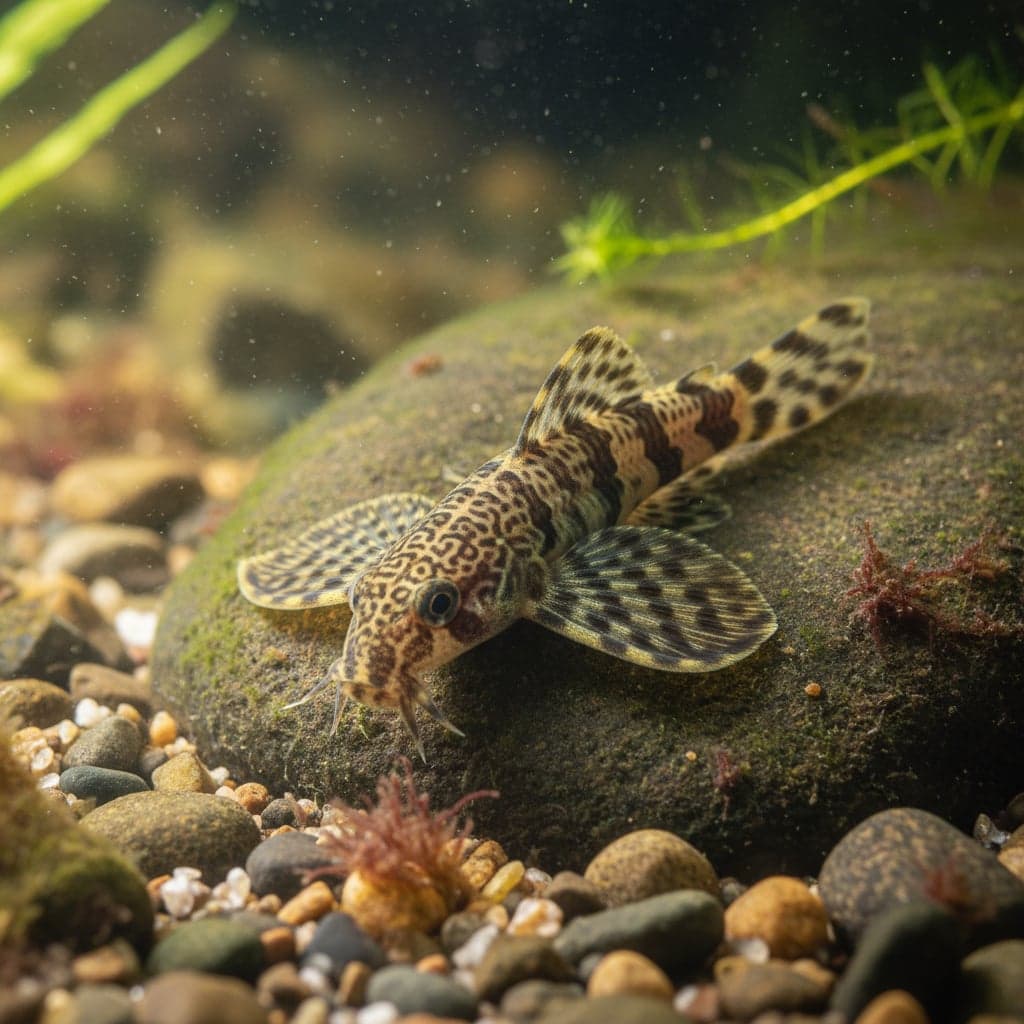
The Hillstream Catfish (Glyptothorax spp.), also known as the Torrent Catfish, is a master of adaptation to high-energy environments. Its most remarkable feature is its thoracic adhesive organ—a specialized area of pleated skin folds on its chest that creates friction and suction. This "anchor" allows the fish to cling effortlessly to smooth river stones in torrential currents that would sweep away almost any other species.
In the aquarium, they are prized for their prehistoric, streamlined appearance and their fascinating lifestyle. Unlike the Hillstream Loaches they often share habitat with, these catfish are focused predators, perfectly camouflaged in shades of mottled brown, grey, and olive to blend into the rocky riverbeds.
Natural Habitat & Origin
Glyptothorax is a diverse genus found across the Indian subcontinent and Southeast Asia, from the Himalayan foothills to Indochina. They inhabit the upper reaches of mountain rivers and streams, where the water is cool, crystal clear, and extremely fast-moving. These environments are saturated with oxygen due to constant turbulence and are typically devoid of fine sediment, consisting instead of boulders, smooth cobbles, and coarse gravel.
Care Requirements
The Hillstream Catfish is a demanding species that requires a dedicated "river-style" setup. The absolute most critical requirement is high dissolved oxygen levels and heavy water flow. This must be achieved through the use of powerheads, internal filters, or a manifold system that creates a directional current. The water must be kept cool, ideally between 65°F and 75°F (18°C to 24°C).
The tank should be scaped with smooth river stones, boulders, and coarse sand. While they don't inhabit areas with heavy vegetation in the wild, hardy plants like Anubias or Bucephalandra can be attached to rocks to provide some cover. A high-quality, oversized filtration system is essential, as they are sensitive to any accumulation of nitrogenous waste.
Diet & Feeding
Contrary to common misconceptions that they are algae-eaters, Hillstream Catfish are carnivores (specifically micro-predators). In the wild, they feed on small aquatic insects, larvae, and crustaceans that live among the rocks.
In captivity, they should be offered a protein-rich diet:
- Frozen Bloodworms, Mysis shrimp, and chopped seafood
- Live foods whenever possible (blackworms are highly effective)
- High-quality sinking carnivore pellets (though they may take time to accept them)
They are nocturnal by nature but will often emerge to feed during the day once they feel secure in their environment.
Behavior & Temperament
The Hillstream Catfish is peaceful but somewhat solitary. They are not aggressive toward other fish but can be territorial with their own kind in smaller tanks. They spend the vast majority of their time "stuck" to a flat stone or hovering in the strongest part of the current. They are not active swimmers in the traditional sense, preferring to scuttle and glide along the substrate and rocks.
Tank Mates
Suitable tank mates must share their preference for high-flow, cool-water conditions:
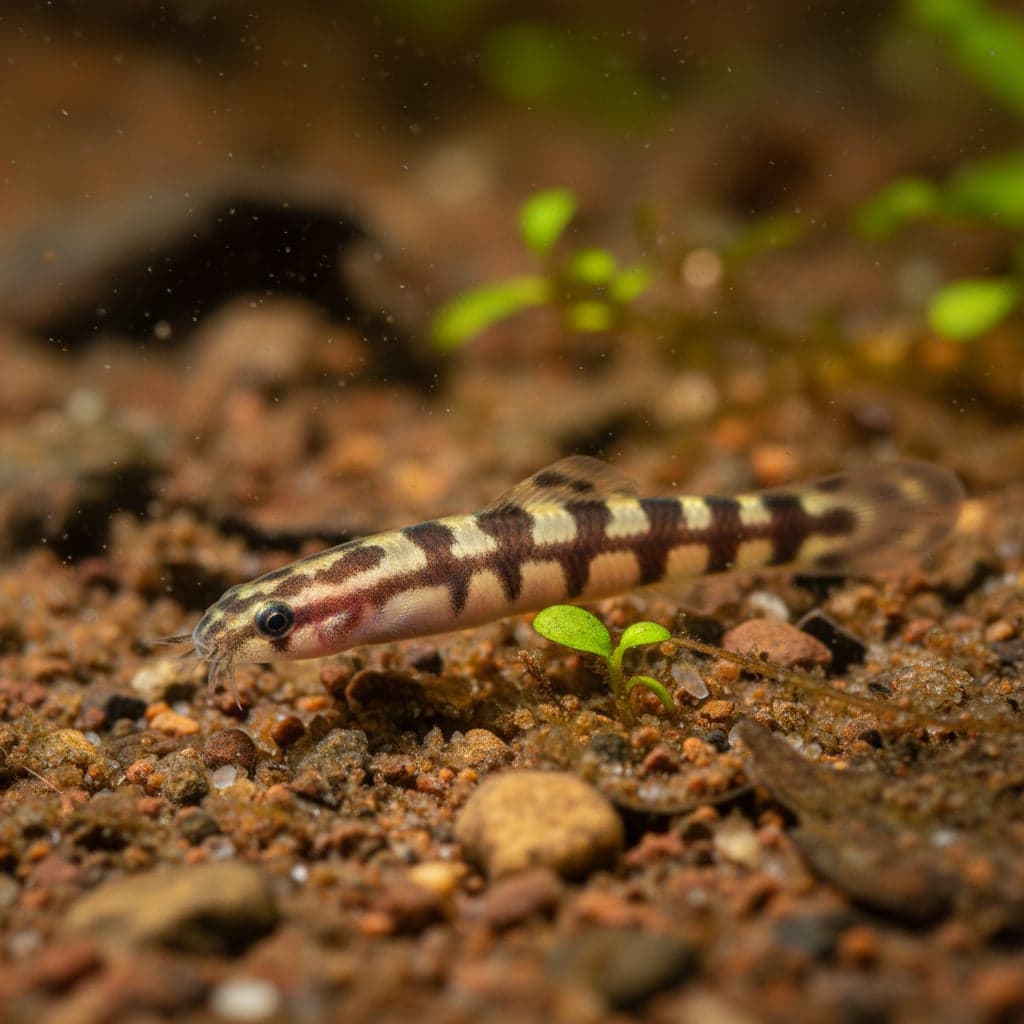
- Hillstream Loaches (Sewellia, Gastromyzon)
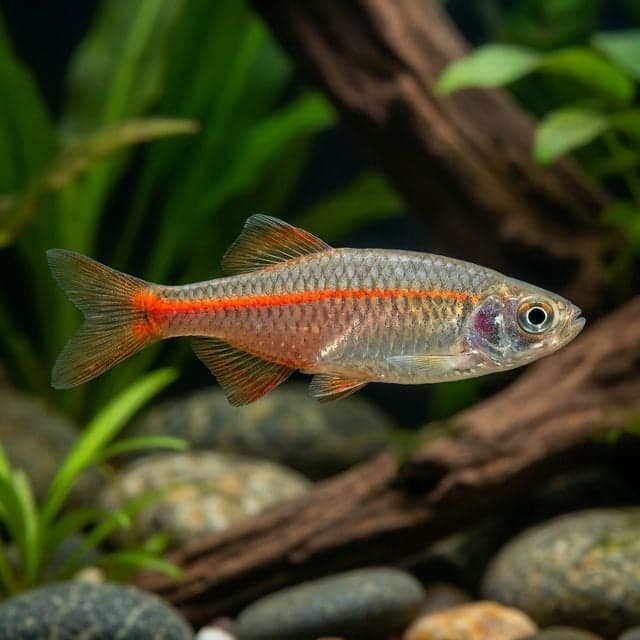
- White Cloud Mountain Minnows
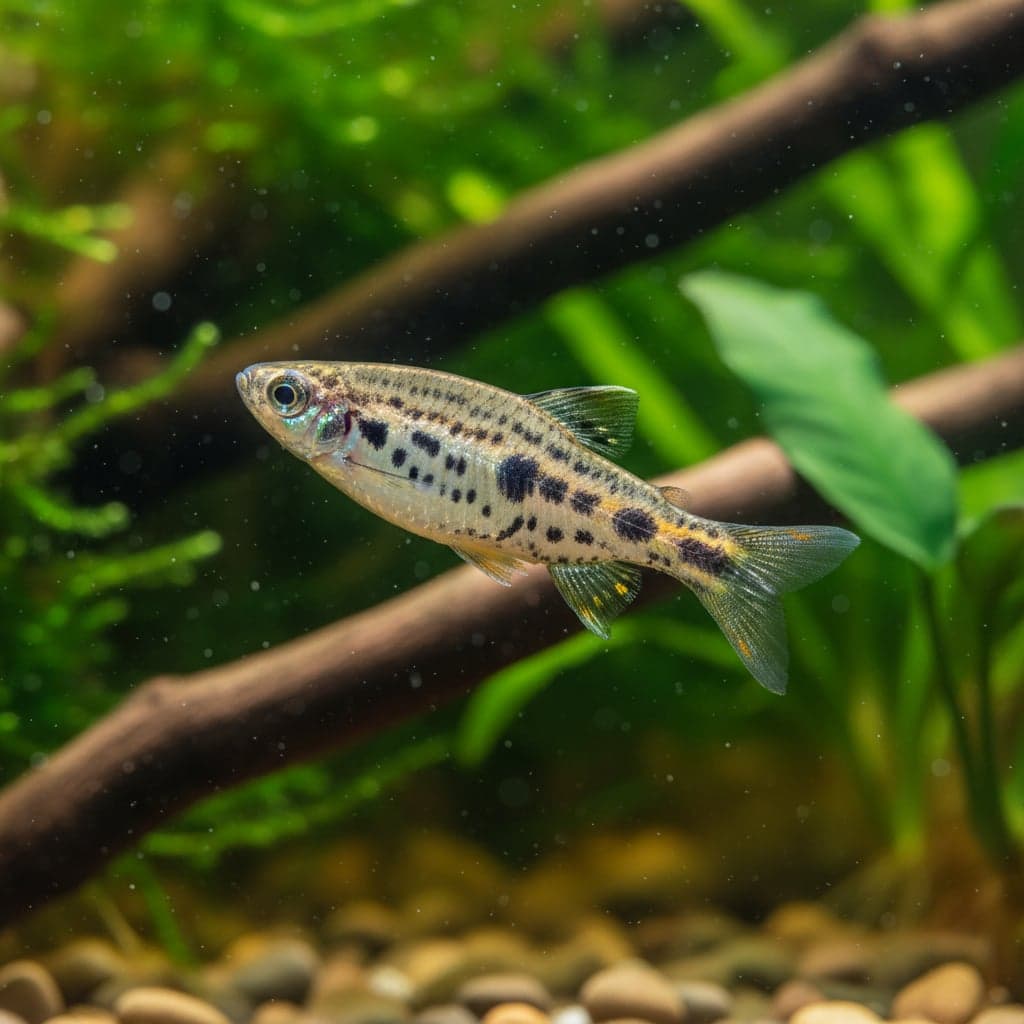
- Zebra Danios and other hillstream-dwelling Danios
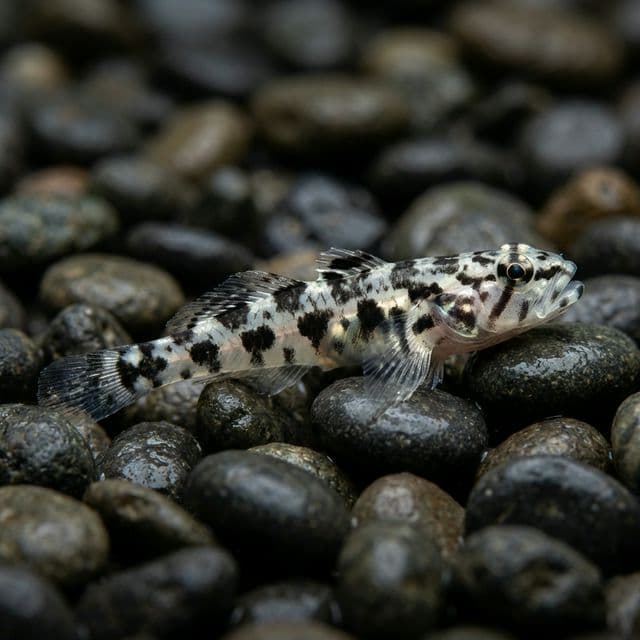
- Rhinogobius species (Freshwater Gobies)
- North American Darters (if temperatures match)
Avoid keeping them with slow-moving or long-finned fish like Bettas, as the heavy current required by the catfish will be stressful or dangerous for them.
Breeding
Breeding Glyptothorax in the home aquarium is extremely rare and poorly documented. They are likely seasonal spawners triggered by the arrival of the monsoon season. Most specimens in the hobby are wild-caught.
Common Health Issues
The primary cause of failure with this species is hypoxia (low oxygen) or starvation. They have a high metabolism and require frequent, protein-rich feedings. They are also sensitive to many standard medications, especially those containing copper. Maintaining a stable, high-flow, and cool environment is the only way to ensure their long-term survival.