Bucephalandra
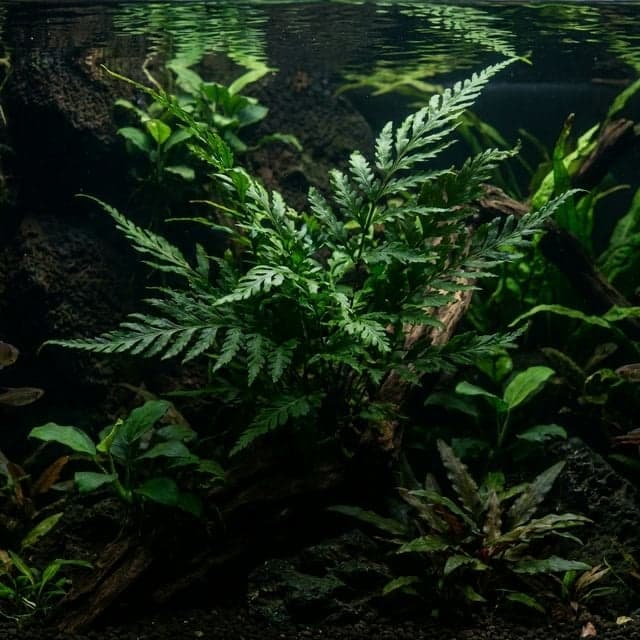
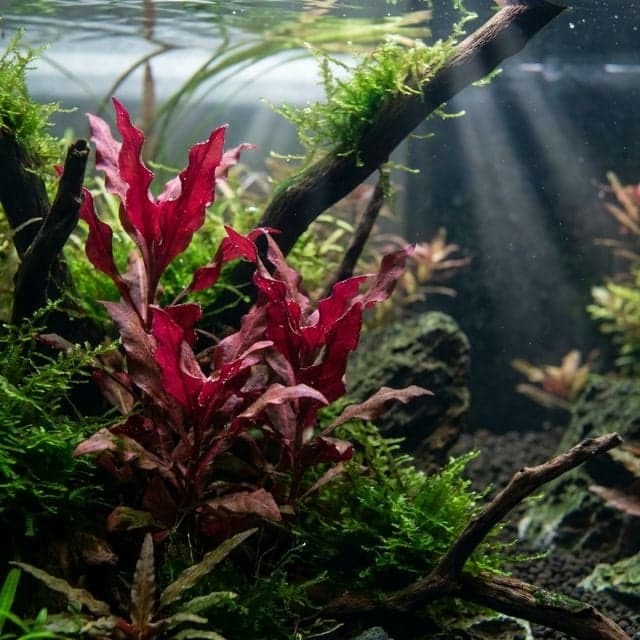
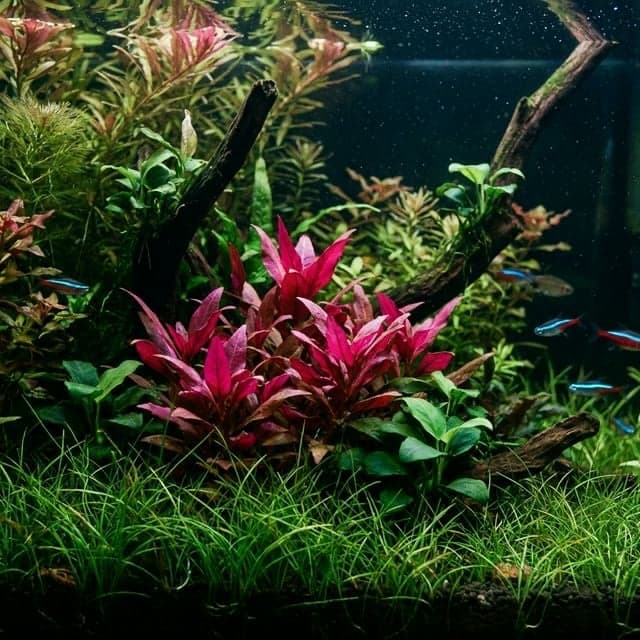
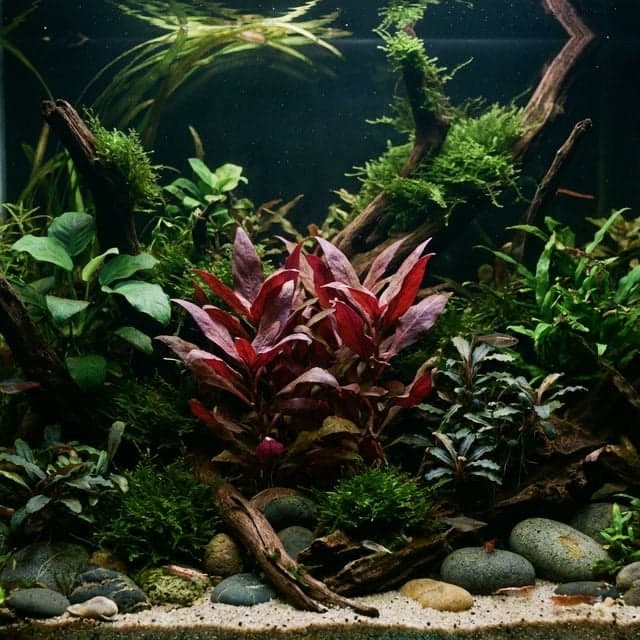
Bucephalandra is a popular aquatic plant used in biotope and planted aquariums.
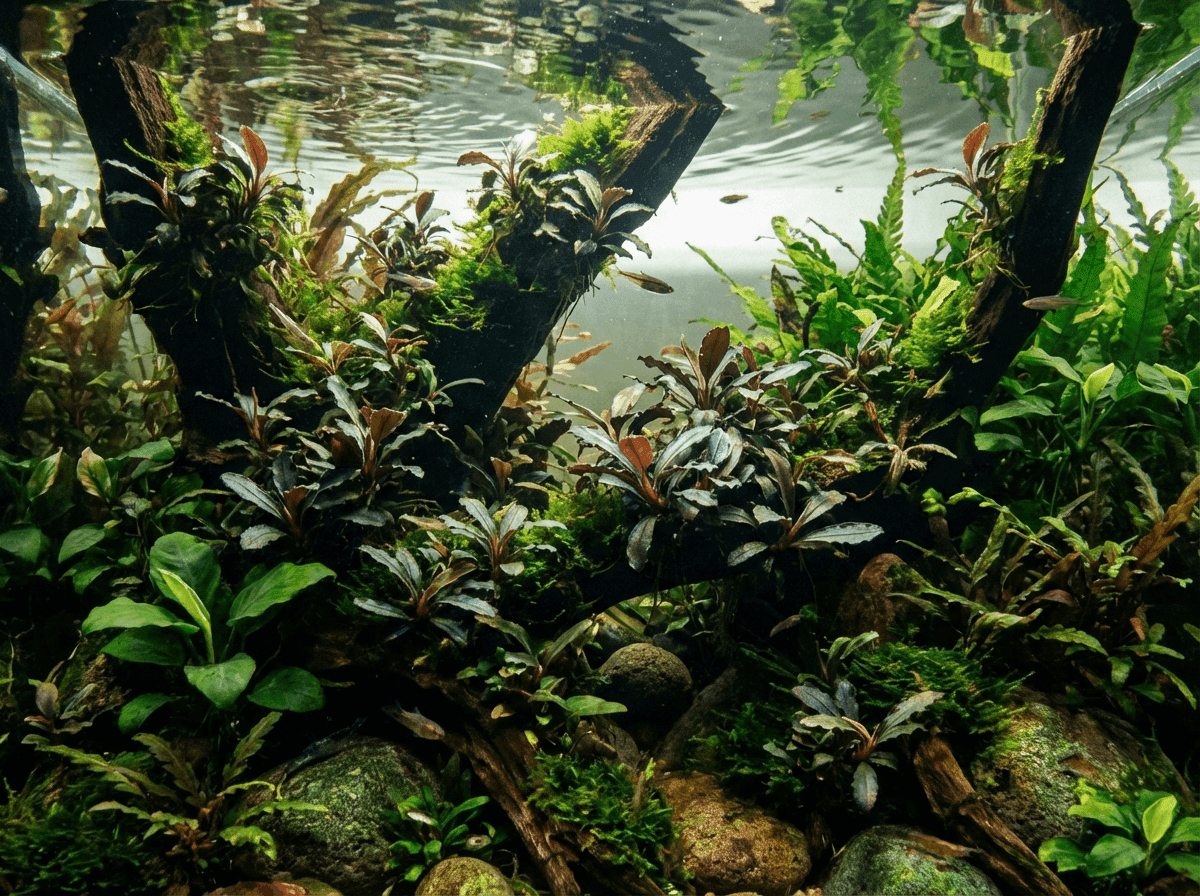
Bucephalandra
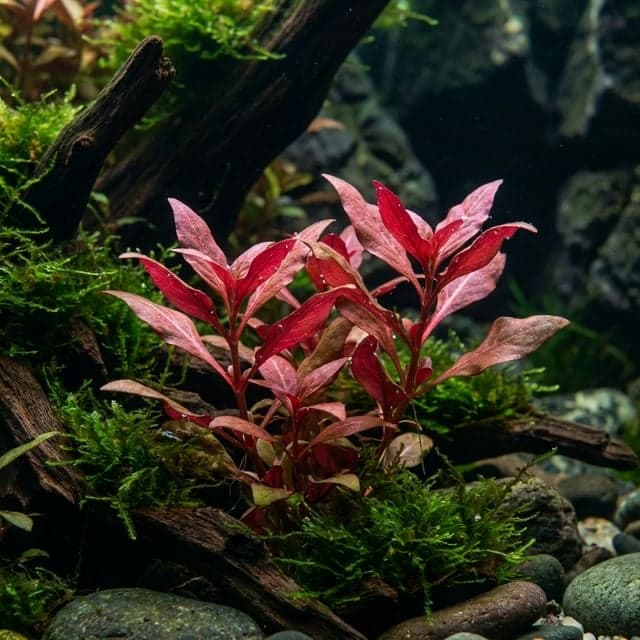
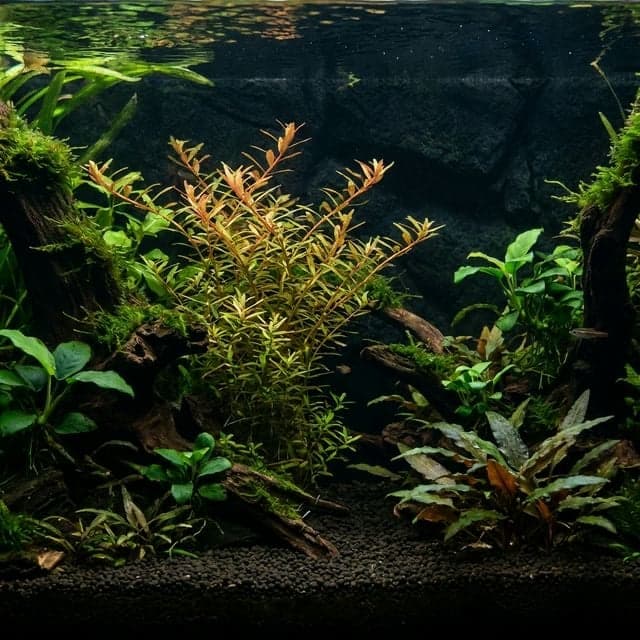
Bucephalandra, a stunning genus of aquatic plants, is renowned for its unique leaf shapes and vibrant color variations. Originating from the lush landscapes of Southeast Asia, particularly from the island of Borneo, this plant has captured the hearts of aquascapers and aquatic plant enthusiasts alike. Its petite stature and intriguing textures make it an ideal choice for both foreground and midground placements in aquascapes, providing an exquisite contrast to larger plants and hardscapes.
Care Guide
To care for Bucephalandra, it's essential to provide stable conditions that mimic its natural habitat. The following guidelines should be observed:
-
Lighting: Moderate lighting is optimal. Bucephalandra thrives under LED or fluorescent lights ranging from 20 to 50 PAR, with 8-10 hours of photoperiod daily. Avoid intense lighting to reduce the risk of algae growth.
-
Water Conditions: Maintain a water temperature between 22-28°C (72-82°F) and keep the pH within the range of 6.0 to 7.5. Soft to moderately hard water is preferable.
-
Substrate: A nutrient-rich substrate will contribute to the plant's overall health. While Bucephalandra can grow attached to hard surfaces such as rocks or driftwood, it benefits from having its roots in a suitable substrate.
-
Pruning: Regularly check for dead or decaying leaves and remove them promptly to prevent water quality deterioration. Bucephalandra can be trimmed to promote bushier growth.
Nutrient Requirements
Bucephalandra has specific nutrient needs that should be met for optimal growth:
-
Light: As previously mentioned, moderate lighting is essential. Adjust the light intensity based on the growth habits observed.
-
CO2: While Bucephalandra can survive without additional CO2, injecting CO2 can enhance growth and vibrancy. Aim for 1-2 bubbles per second if utilizing CO2 injection.
-
Fertilization: Regularly dose with a balanced liquid fertilizer to provide essential micronutrients. A slow-release substrate fertilizer can also be beneficial, particularly during the initial growth phases.
Natural Biomes
Bucephalandra thrives in various natural biomes, reflecting its adaptability to different aquatic environments. Key biomes include:
- Borneo: This tropical region offers a rich diversity of plant life, where Bucephalandra originates, accustomed to shaded forest streams and rivers.
- Orinoco: This South American river basin provides another example of the diverse habitats where similar plant species flourish.
- Amazon Basin: A world-renowned hotspot for biodiversity, the interconnected waterways of the Amazon house a multitude of aquatic flora.
Livestock Compatibility
Bucephalandra's resilient nature and attractive foliage make it compatible with a variety of freshwater livestock. Ideal tank mates include:
-
Shrimp: RCS (Red Cherry Shrimp), Amano shrimp, and other dwarf shrimp species thrive in tanks planted with Bucephalandra, providing an engaging sight as they forage among the leaves.
-
Fish: Peaceful species such as Neon Tetras, Rasboras, and Guppies coexist harmoniously with Bucephalandra, utilizing the plant's cover for breeding and hiding.
In conclusion, Bucephalandra not only enhances the aesthetic appeal of aquascapes through its unique appearance but also supports a harmonious aquatic ecosystem. Proper care, nutrient management, and compatible livestock choices will ensure its thriving presence in any freshwater aquarium.