Humpback Puffer: Pao palembangensis
The Humpback Puffer (Pao palembangensis) is a sedentary, highly cryptic freshwater ambush predator from Southeast Asia, famous for its bizarre humped forehead and mastery of camouflage.
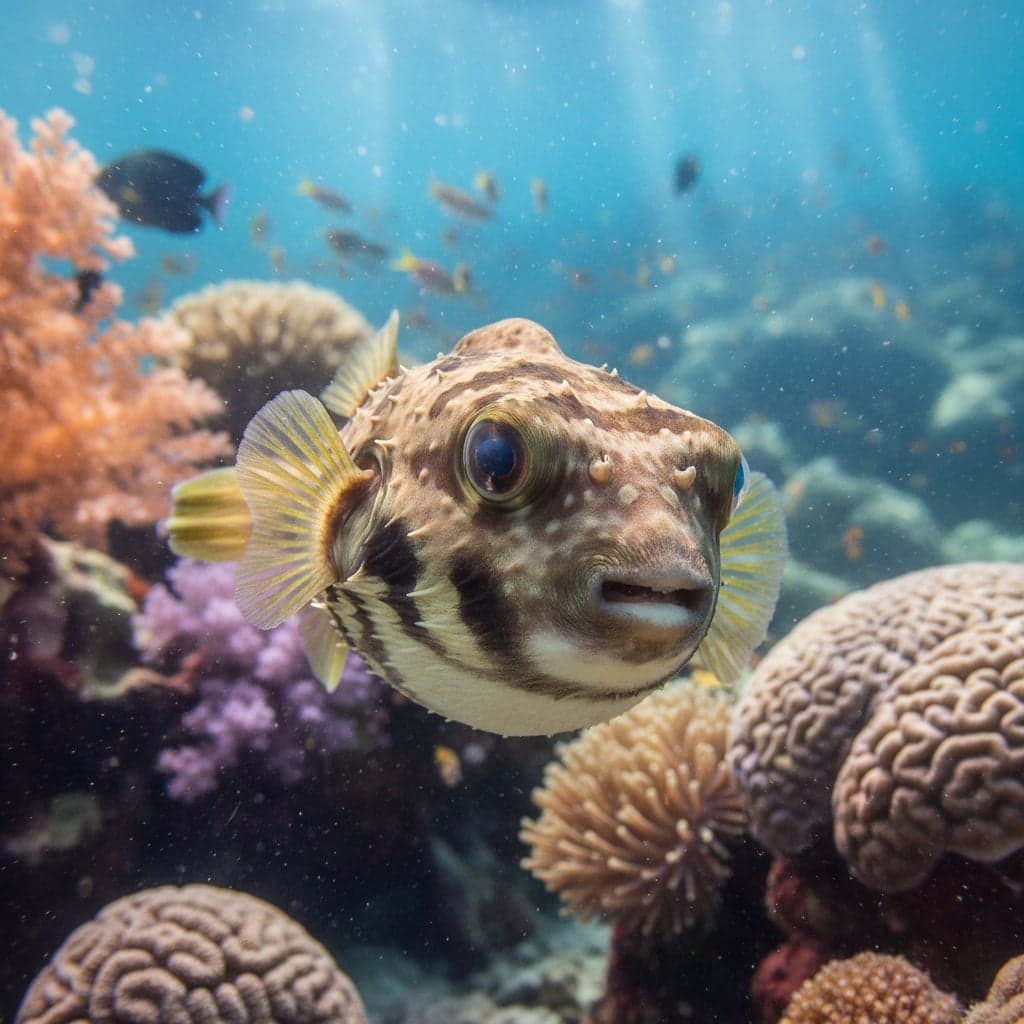
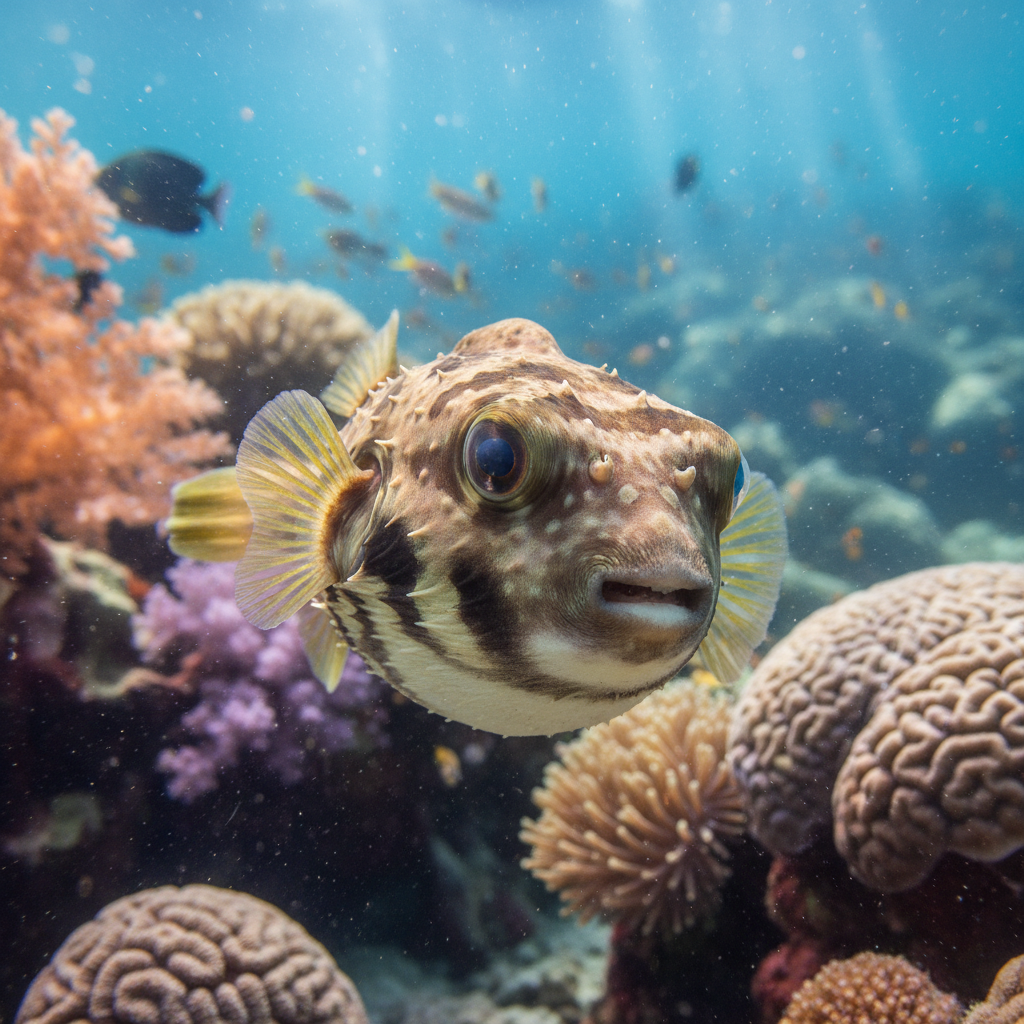
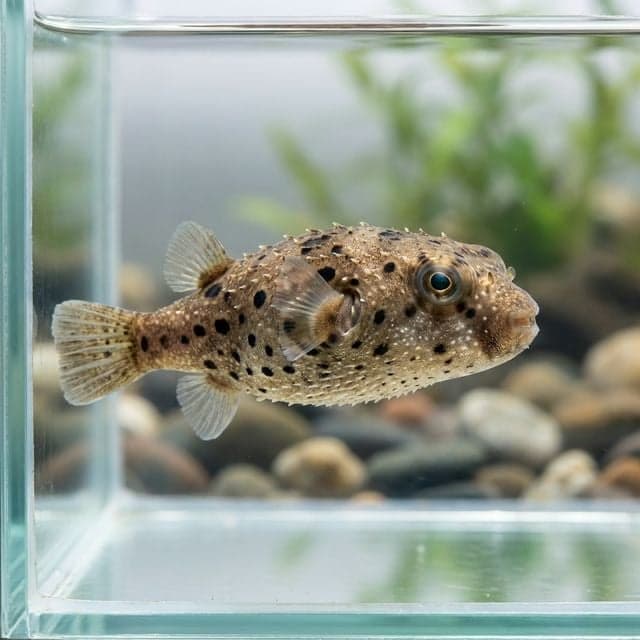
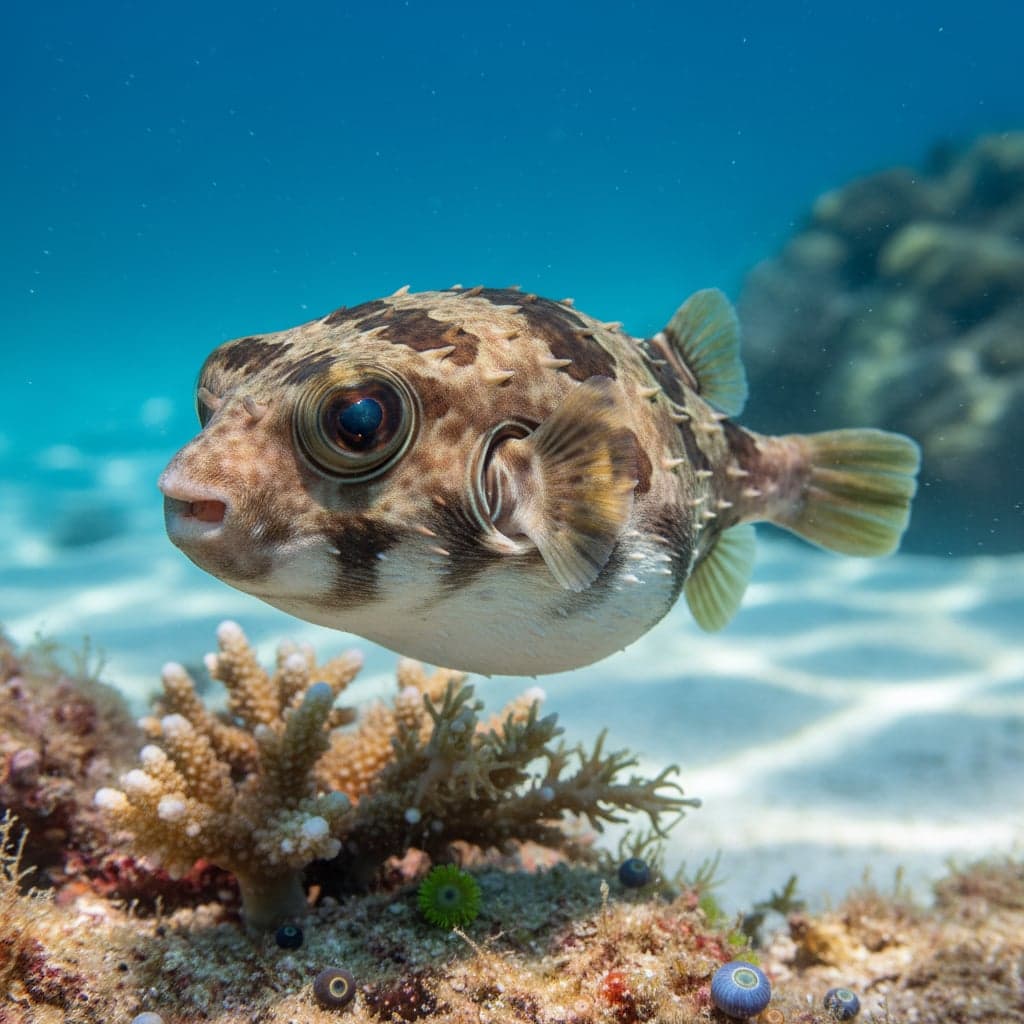
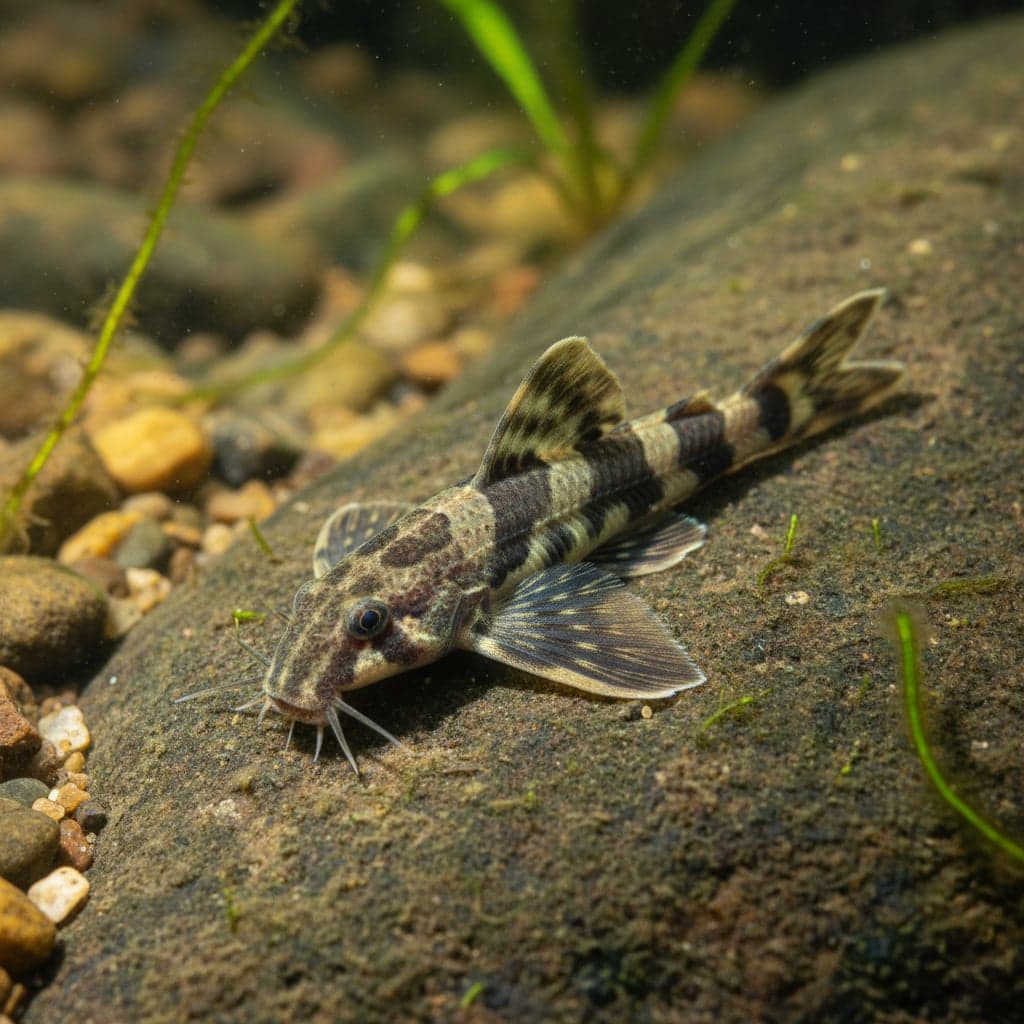
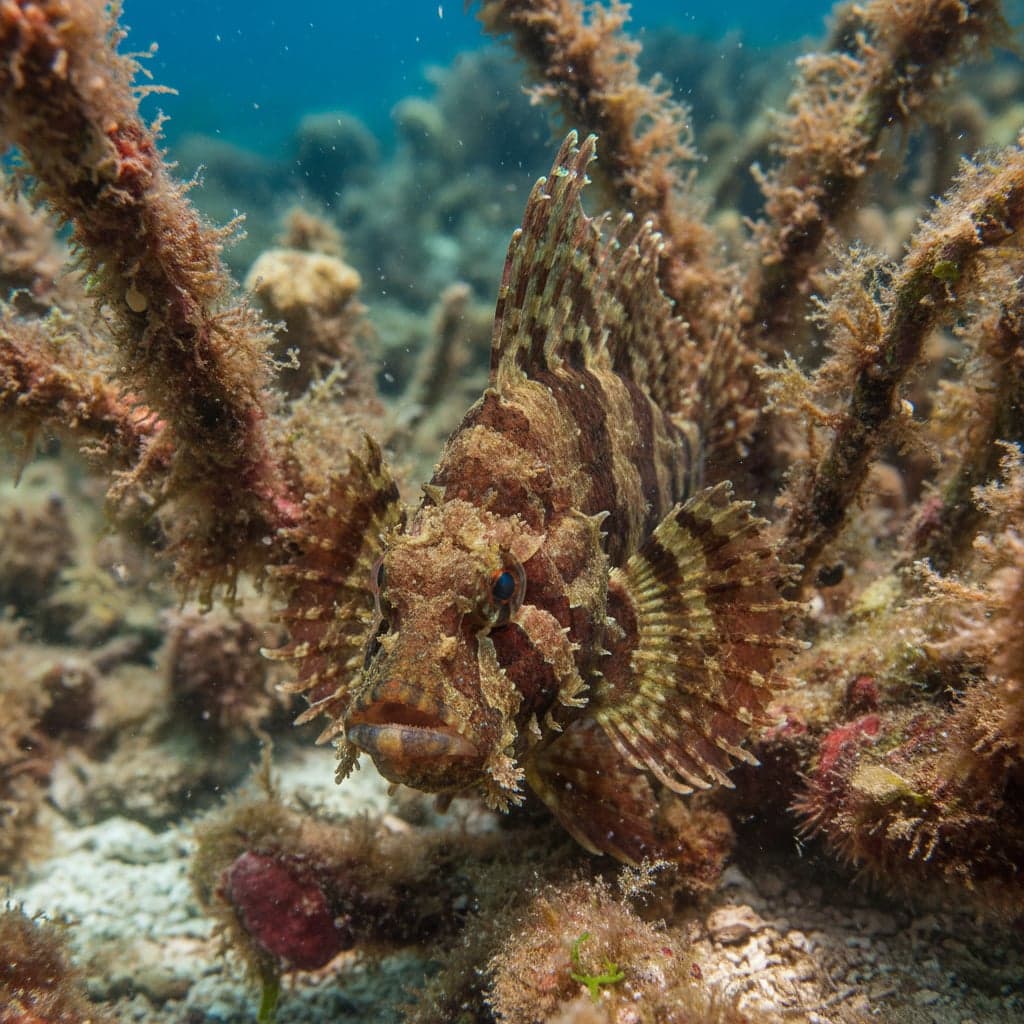
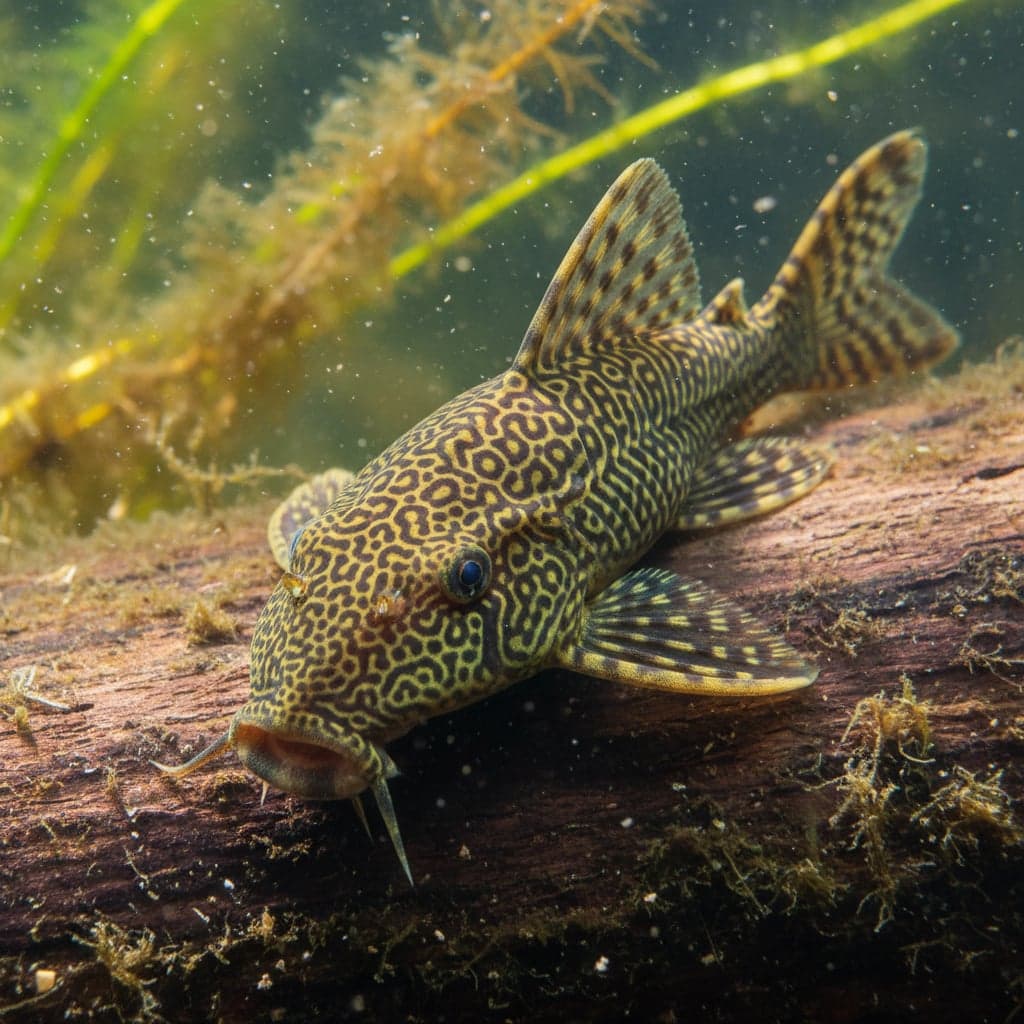
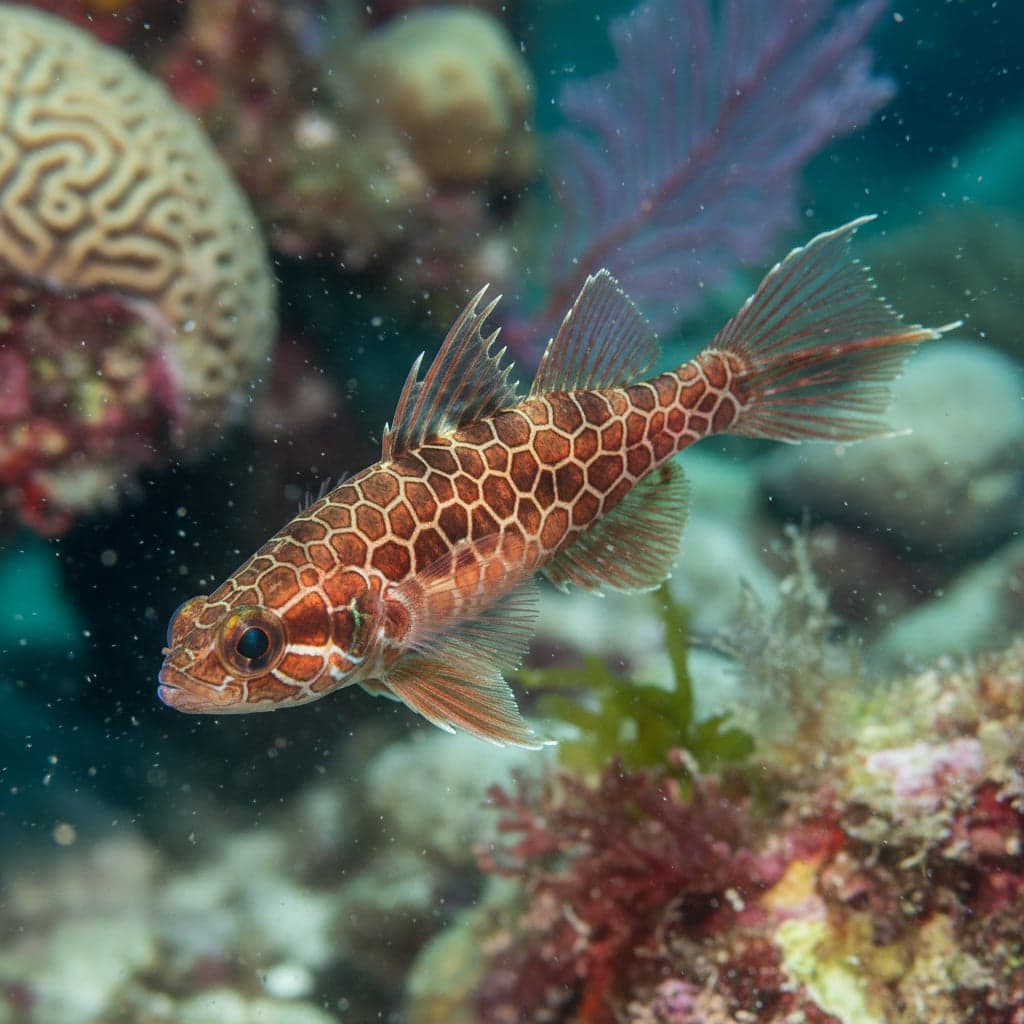
The Humpback Puffer (Pao palembangensis), also known as the Dragon Puffer or Thai Puffer, is the ultimate "couch potato" of the pufferfish world. Unlike the active, inquisitive puffers most hobbyists are familiar with, the Humpback Puffer is a master of the sit-and-wait strategy. It possesses a highly compressed, deep body with a prominent hump just behind the eyes, and a skin pattern that perfectly mimics the mottled bark of submerged logs or the detritus on a riverbed.
In the aquarium, they are fascinating "oddball" fish. While they may not swim much, their intelligent, independent eye movements and their lightning-fast strikes during feeding time make them a captivating specimen for specialized setups.
Natural Habitat & Origin
This species is native to Southeast Asia, specifically found in the larger river systems of Thailand, Laos, Malaysia, and Indonesia (Sumatra and Borneo). They inhabit slow-moving or stagnant sections of rivers and flooded forests, where they linger among tangled roots, fallen branches, and leaf litter. They are strictly freshwater fish and do not require salt.
Care Requirements
The Humpback Puffer requires a specialized environment that prioritizes footprint over height. A minimum tank size of 40 gallons (150L) is recommended for a single individual. Because they are sedentary and can be "clumsy" when they do move, the tank should be free of sharp rocks or rough decorations that could scrape their skin.
Maintain stable parameters: a pH of 6.5 to 7.5 and a temperature of 75°F to 82°F (24°C to 28°C). The tank should be heavily decorated with driftwood, large-leafed plants (like Anubias), and caves. A sandy substrate is ideal as they may partially bury themselves or rest directly on the bottom for long periods. Excellent filtration is necessary, but the water flow should be kept low to moderate, as they are not strong swimmers.
Diet & Feeding
Humpback Puffers are strict carnivores. In the wild, they feed on fish, crustaceans, and aquatic invertebrates that stray too close to their hiding spots.
In captivity, they require meaty foods:
- Live or frozen whole shrimp, prawns, and mussels
- Earthworms and Bloodworms
- Small feeder fish (only from a disease-free source)
- Important: Like all puffers, their teeth grow continuously. Feeding hard-shelled prey like snails or unpeeled shrimp is essential to keep their "beaks" naturally worn down. They can be difficult to transition to pellets, though some will eventually accept high-protein carnivore sinking tablets.
Behavior & Temperament
They are sedentary and highly aggressive toward other fish. They are true ambush predators; they will remain motionless for hours, often blending so well with the decor that they are hard to find. They view almost anything that moves as potential prey or a threat. While they are usually "calm" when not feeding, they possess a powerful bite and should be treated with respect during maintenance.
Tank Mates
The Humpback Puffer is best kept alone in a species-specific tank. They are highly unpredictable; they may ignore tank mates for months before suddenly attacking or eating them. Even much larger fish are at risk of being bitten, which can result in severe, circular wounds characteristic of puffer attacks.
If you must try tank mates, only consider very fast, surface-dwelling fish in a very large tank, but even this is high-risk. Conspecifics (other Humpback Puffers) should also be avoided unless the tank is massive and broken up with many sight-line breaks.
Breeding
Breeding Pao palembangensis in captivity is rare but has been documented. They are substrate spawners. A pair will select a flat surface (usually a rock or inside a cave) to lay several hundred eggs. The male typically guards the nest with extreme dedication. Raising the fry is difficult as they require very small, live mobile prey initially.
Common Health Issues
They are relatively hardy if their water and diet are managed. However, they are prone to internal parasites, especially wild-caught individuals. A preventative deworming protocol is often recommended. They are also sensitive to high nitrate levels, which can lead to skin issues and a suppressed immune system. Like all "scaleless" fish, they are sensitive to copper-based medications.