Humphead Dwarf Acara: Laetacara araguaiae
The Humphead Dwarf Acara (Laetacara araguaiae) is a peaceful, stunningly colored dwarf cichlid from Brazil, known for its "smiling" expression and delicate pastel hues.

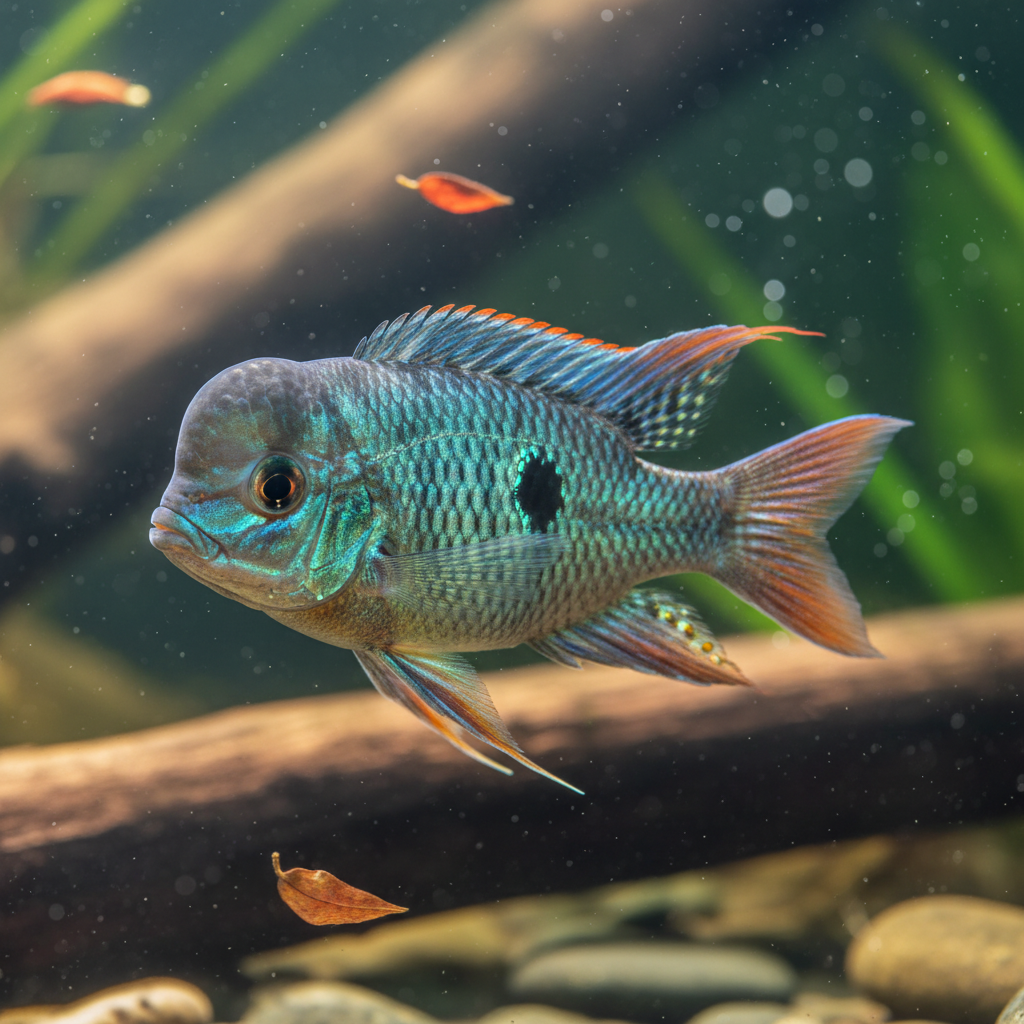
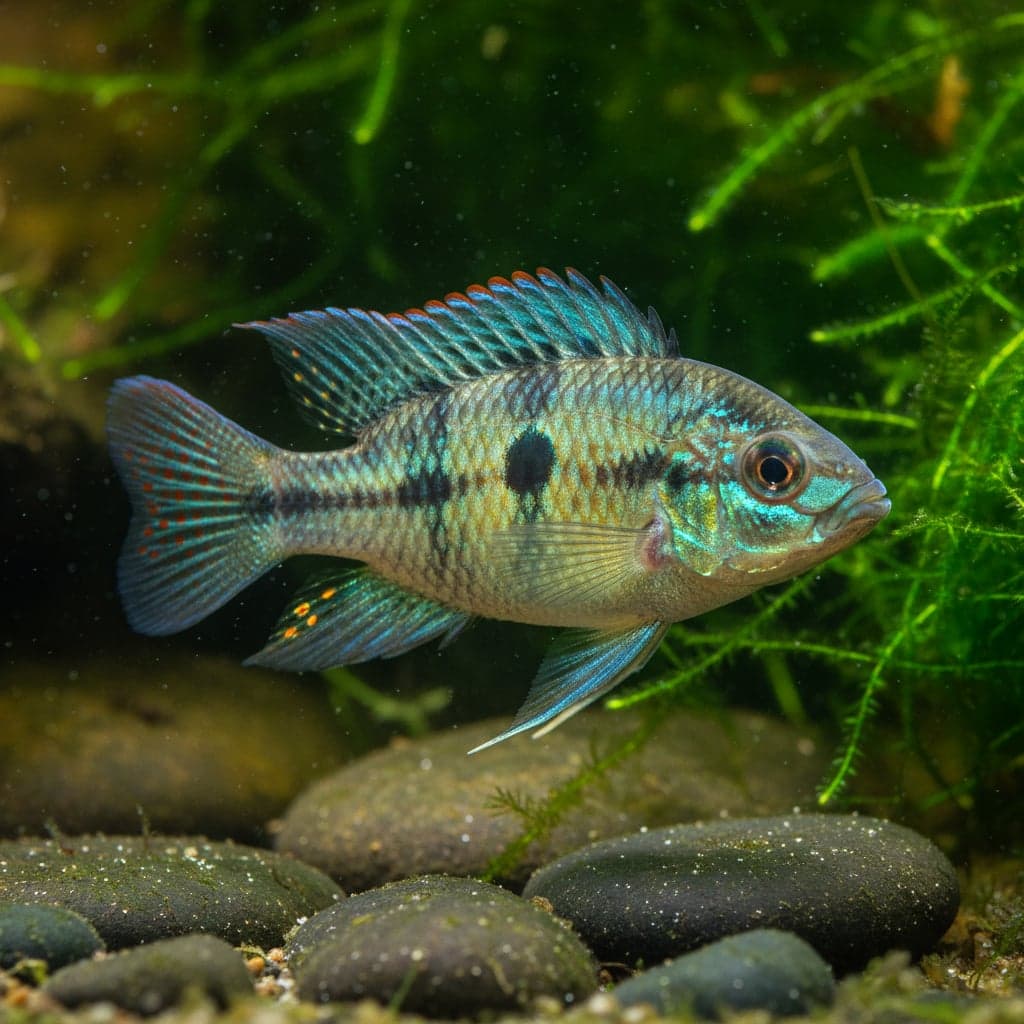
The Humphead Dwarf Acara (Laetacara araguaiae), also known as the Araguaia Dwarf Acara or the Buckle-head Acara, is a jewel of the Amazonian small-stream community. A member of the "Smiling Cichlid" genus (Laetacara derives from the Latin 'laetus' meaning happy and 'acará' meaning cichlid), this species possesses a distinctive mouth shape that gives it an endearing, perpetual grin. Mature males can develop a subtle "humphead" or nuchal hump as they age. Their bodies are a shimmering canvas of metallic sky blue, dusky purple, and golden hues, often accented by a dark mid-lateral stripe.
In the aquarium, they are one of the most well-behaved cichlids. They are intelligent, social, and form strong monogamous pair bonds, making them a fascinating subject for any peaceful community or dedicated dwarf cichlid setup.
Natural Habitat & Origin
This species is native to the Rio Araguaia basin in Brazil. They inhabit slow-moving or stagnant waters, including small forest streams, flooded margins, and marginal pools. These environments are typically dense with submerged roots, fallen branches, and thick leaf litter. The water is often soft and tannin-stained (blackwater), though they are adaptable to clearer water conditions in the aquarium.
Care Requirements
The Humphead Dwarf Acara is remarkably hardy for a dwarf cichlid. A minimum tank size of 20 gallons (75L) is perfect for a mated pair. They appreciate a mature setup with stable water parameters.
Maintain stable parameters: a pH of 5.5 to 7.0 and a temperature of 75°F to 82°F (24°C to 28°C). The tank should be heavily planted and feature plenty of hiding spots created by driftwood, caves, or ceramic pots. They are "open-spawners," so providing some smooth river stones or flat pieces of slate is essential for breeding. A sandy substrate is highly recommended as they enjoy sifting slightly for food and digging small pits when breeding.
Diet & Feeding
Humphead Dwarf Acaras are quintessential omnivores. In the wild, they feed on a wide variety of aquatic insects, worms, crustaceans, and organic detritus.
In captivity, they are eager eaters:
- High-quality cichlid flakes and micro-pellets
- Frozen foods (Bloodworms, Mysis shrimp, and Daphnia)
- Small live foods like Brine Shrimp or White Worms
- They will also occasionally graze on biofilm or soft algae.
Behavior & Temperament
They are peaceful and relatively shy. Unlike many larger cichlids, they do not dig extensively or destroy plants. They are mostly territorial only toward their own kind or during spawning, where they will defend the immediate area around their nest. They exhibit fascinating "pair-hunting" behavior, staying close together as they explore the tank.
Tank Mates
Suitable tank mates include other peaceful Amazonian species:
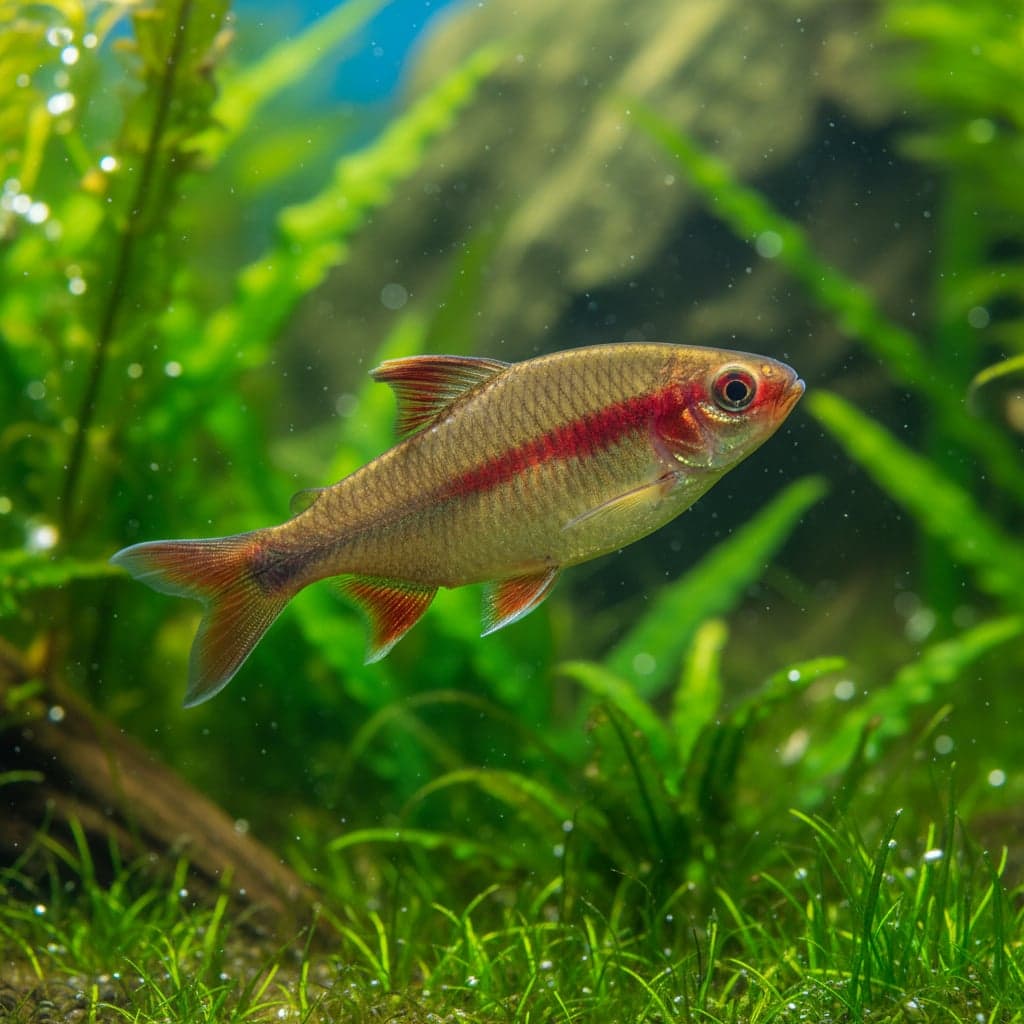
- Tetras (Cardinal Tetras, Rummy-nose Tetras)
- Hatchetfish
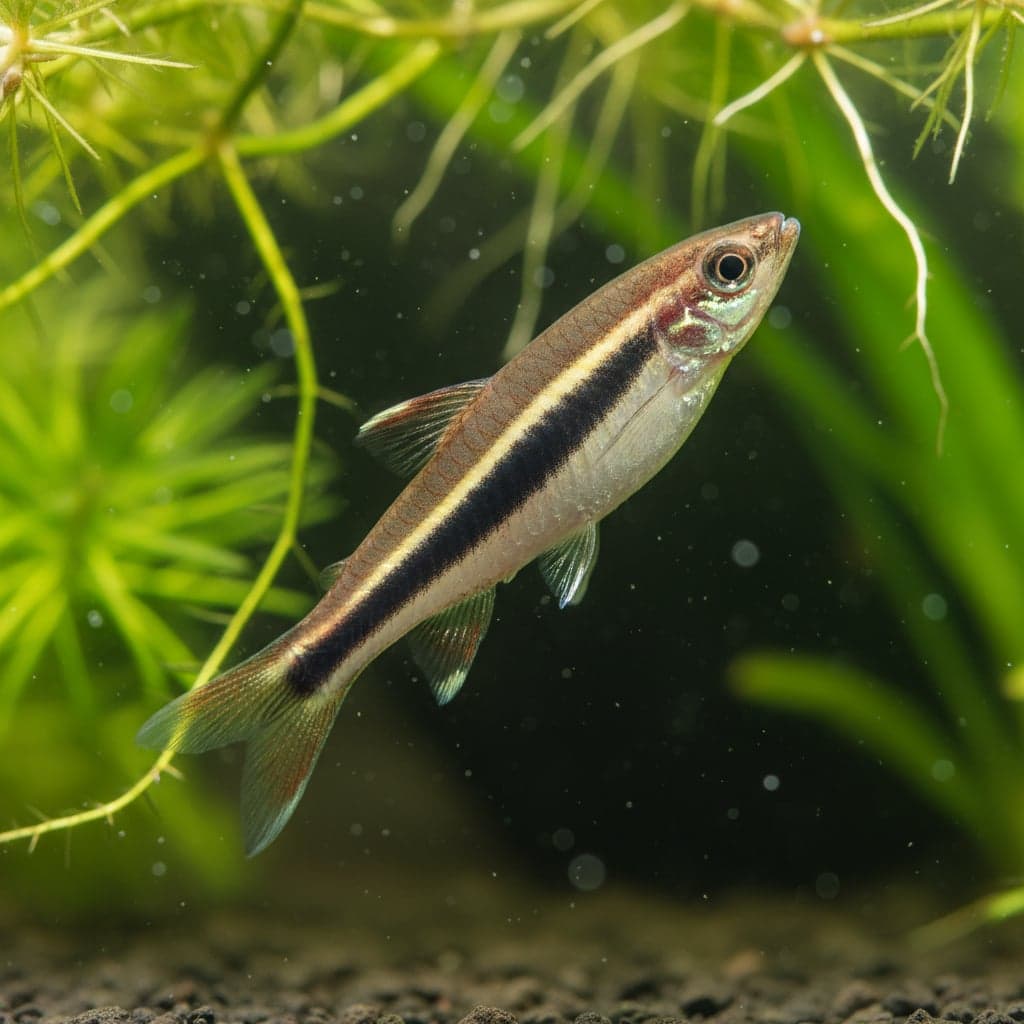
- Pencilfish
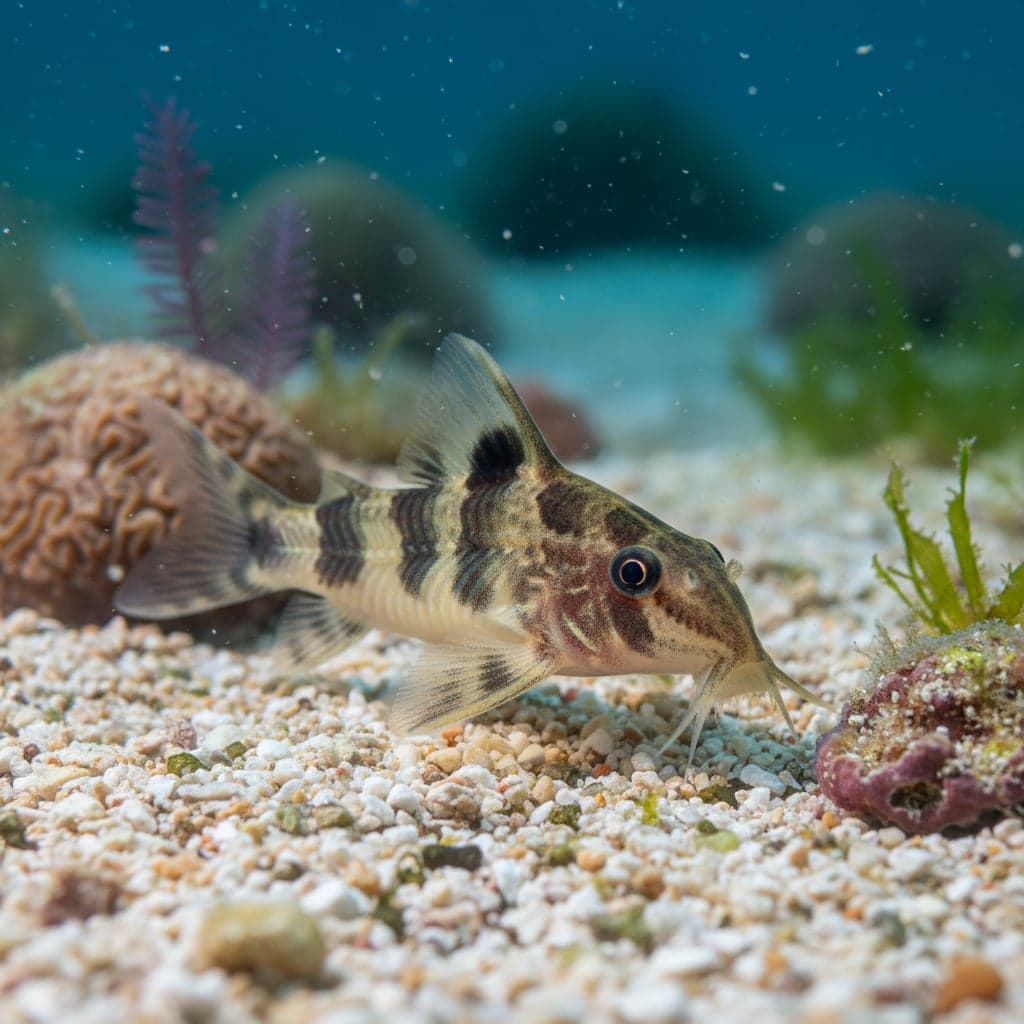
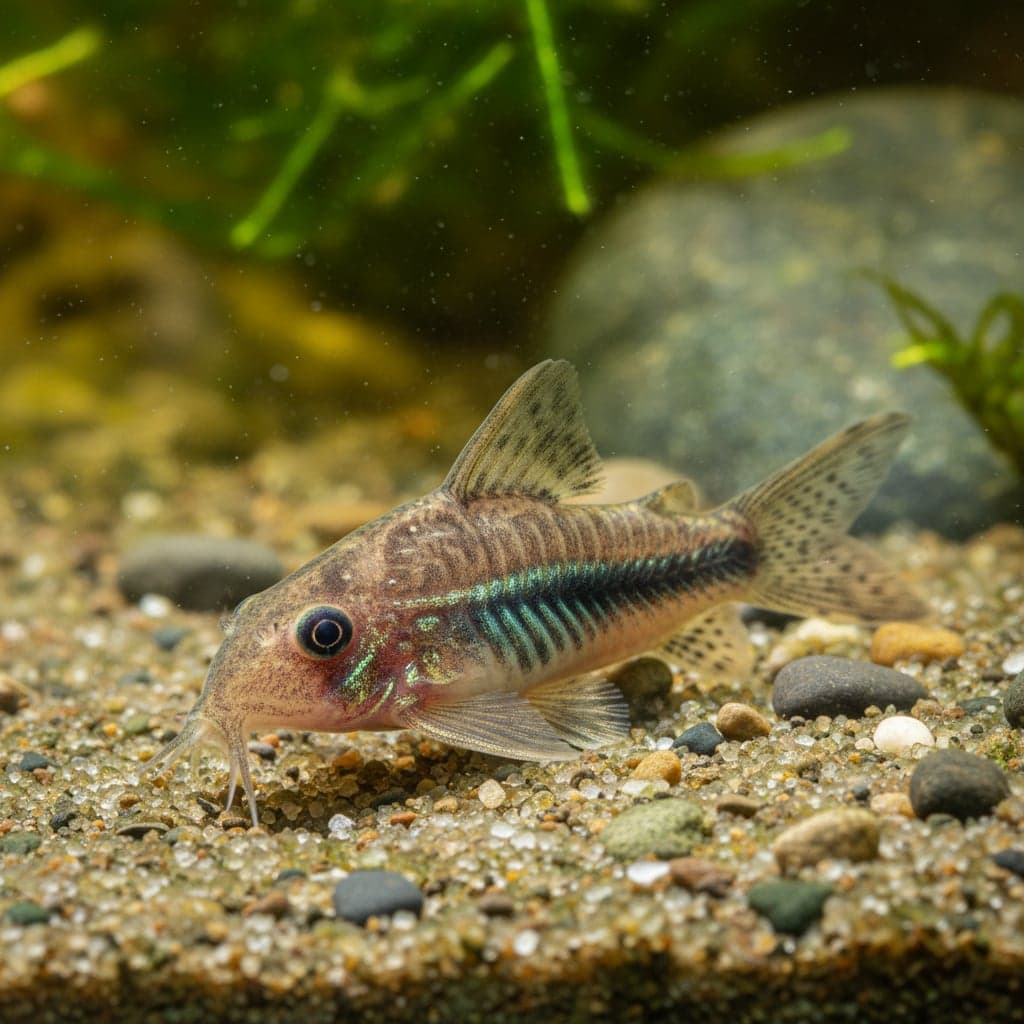
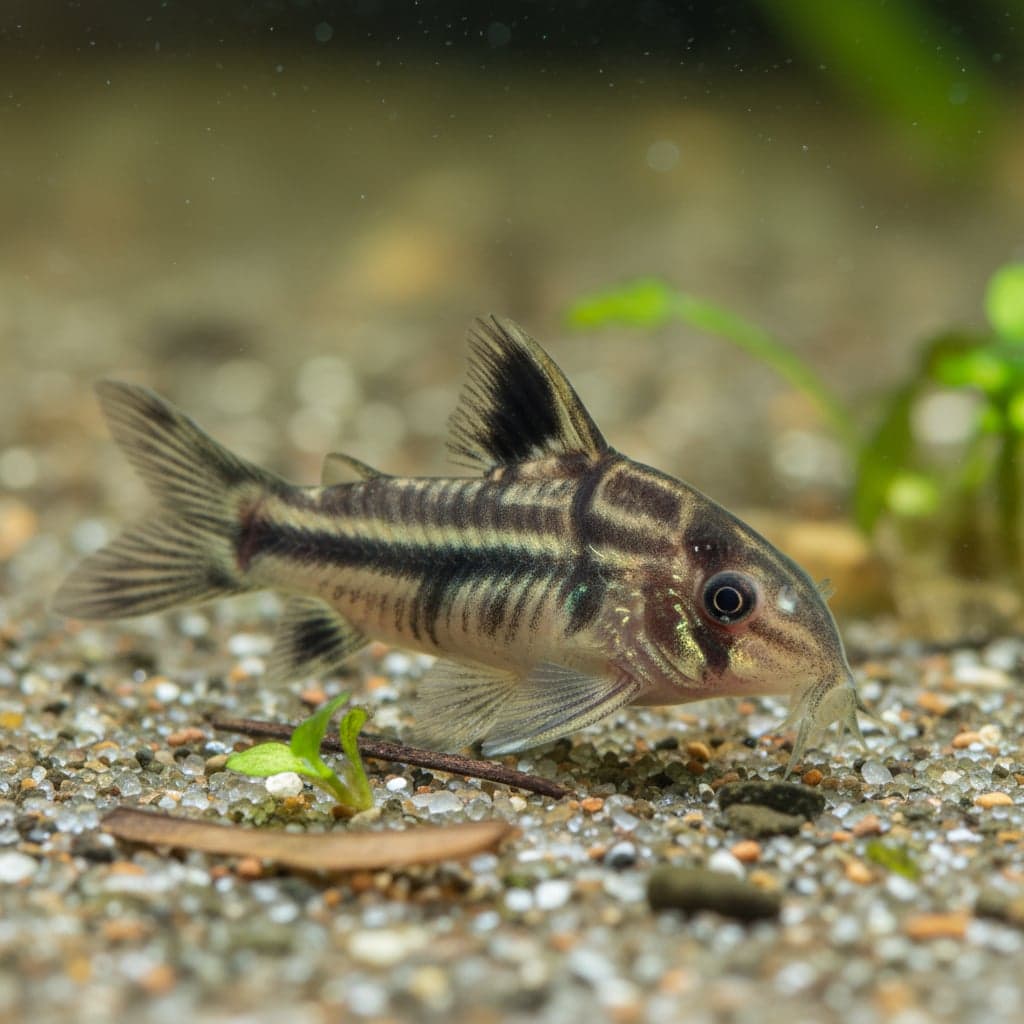
- Peaceful bottom dwellers (Corydoras, Otocinclus)
- They can also be kept with other peaceful dwarf cichlids (like Apistogramma) in larger setups (40+ gallons) with well-defined territories.
Avoid keeping them with very large, aggressive, or hyper-active fish that could easily intimidate them or outcompete them for food.
Breeding
Breeding Laetacara araguaiae is a rewarding experience. They are biparental substrate spawners. A bonded pair will select a flat surface, clean it meticulously, and lay between 100 to 200 eggs. Both parents are exceptionally diligent guards, taking turns fanning the eggs and protecting the fry. Once the fry are free-swimming, the parents will lead them around the tank in a tight cloud. The fry require very fine foods like infusoria or liquid fry food initially, transitioning quickly to baby brine shrimp.
Common Health Issues
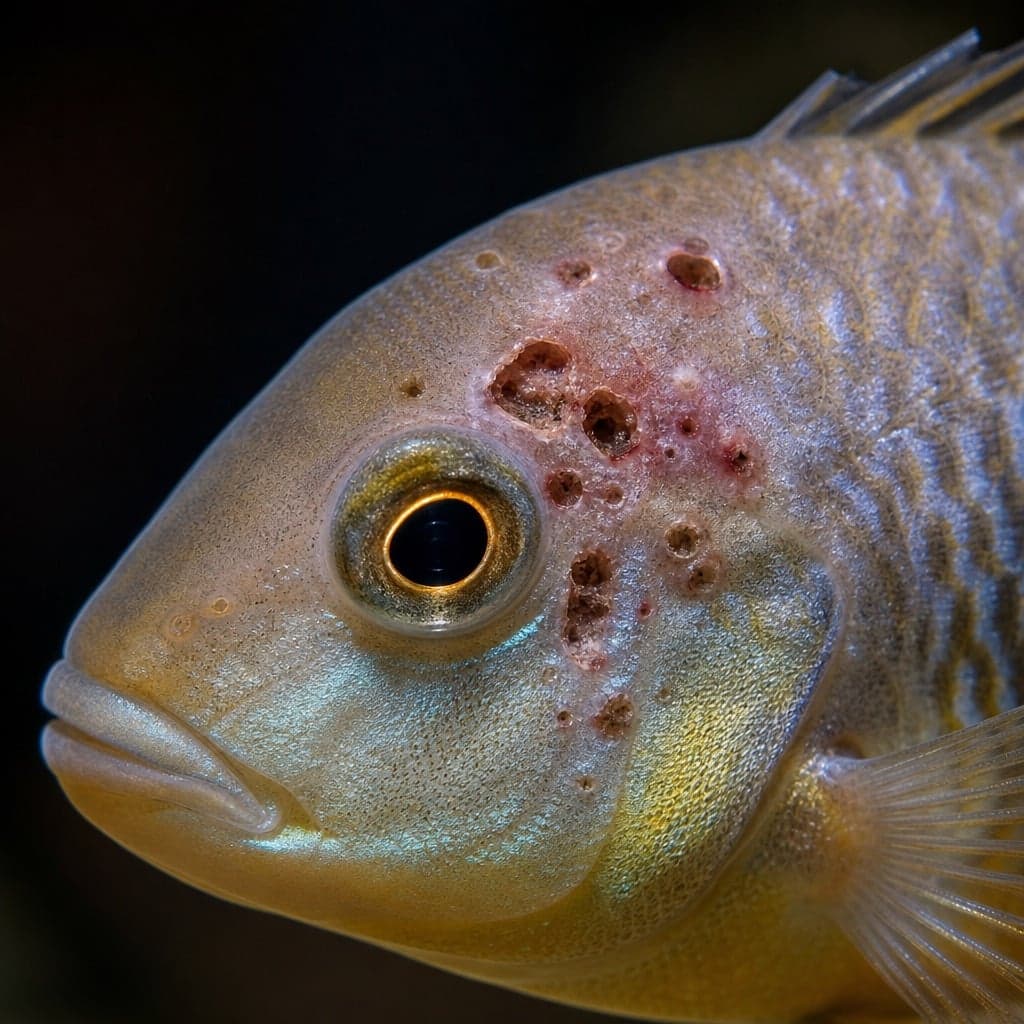
They are generally robust. However, like many South American cichlids, they are sensitive to high levels of nitrate and can develop "Hole-in-the-Head" disease if kept in poor water conditions. Regular water changes and a varied diet are the best preventive measures. They are also sensitive to medications containing copper, so treatments should be administered with care.