Imperial Flower Loach: Leptobotia elongata
The Imperial Flower Loach (Leptobotia elongata) is a majestic giant and the world's largest loach species, native to the Yangtze River and prized for its beautiful elongated body and intricate patterns.
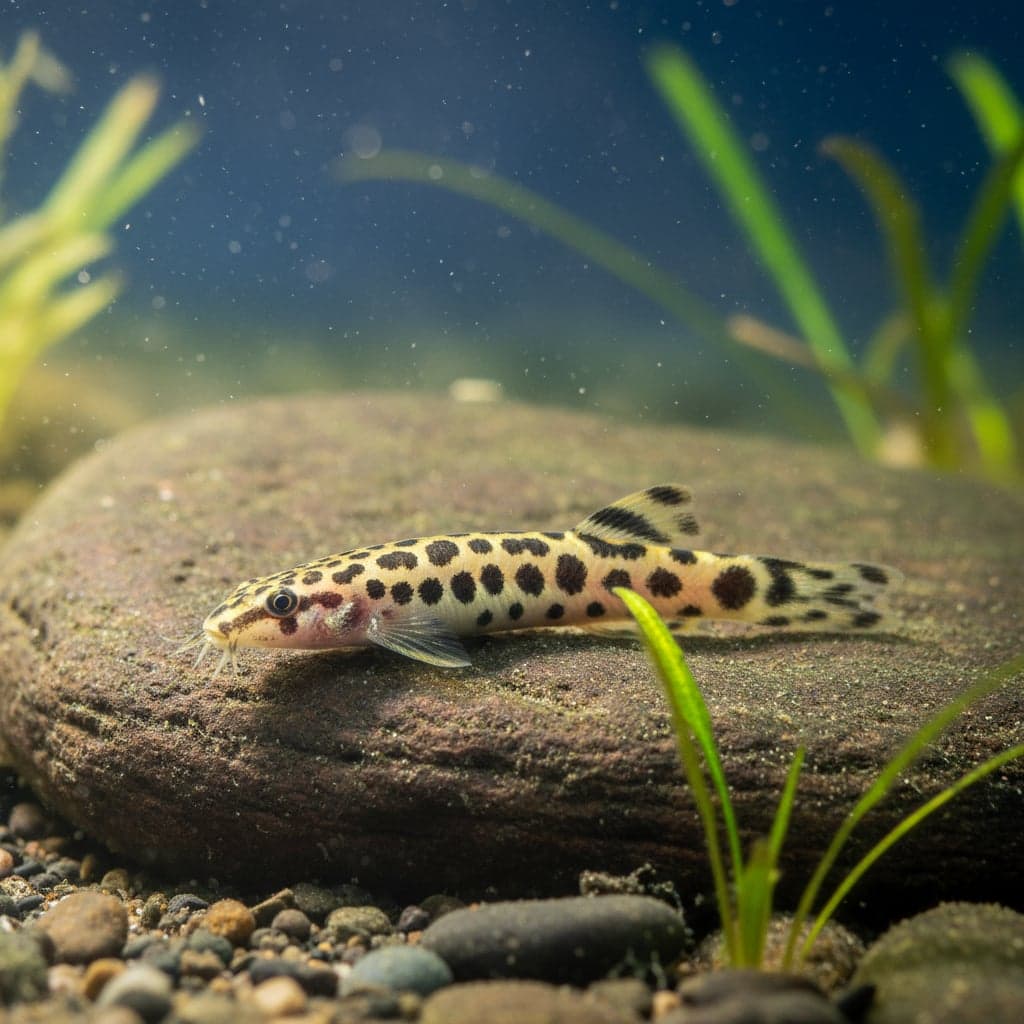
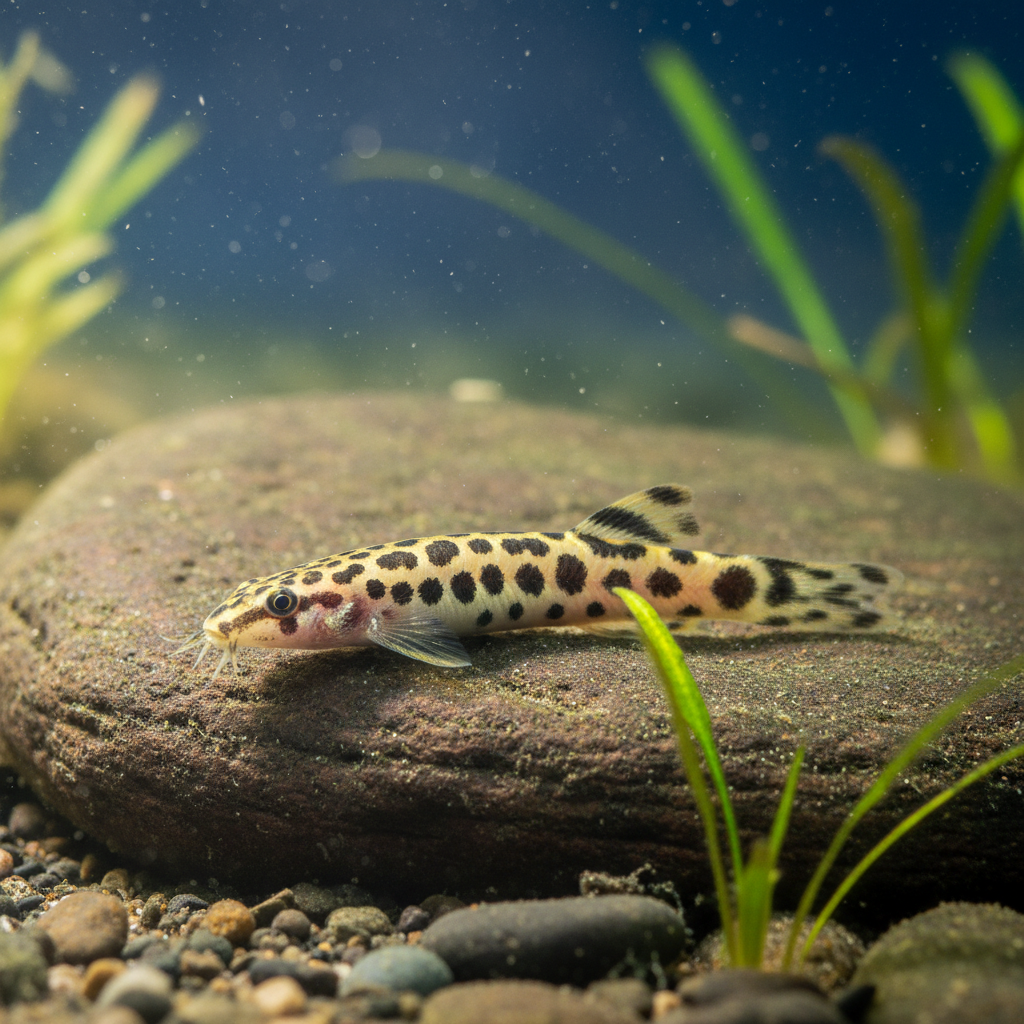
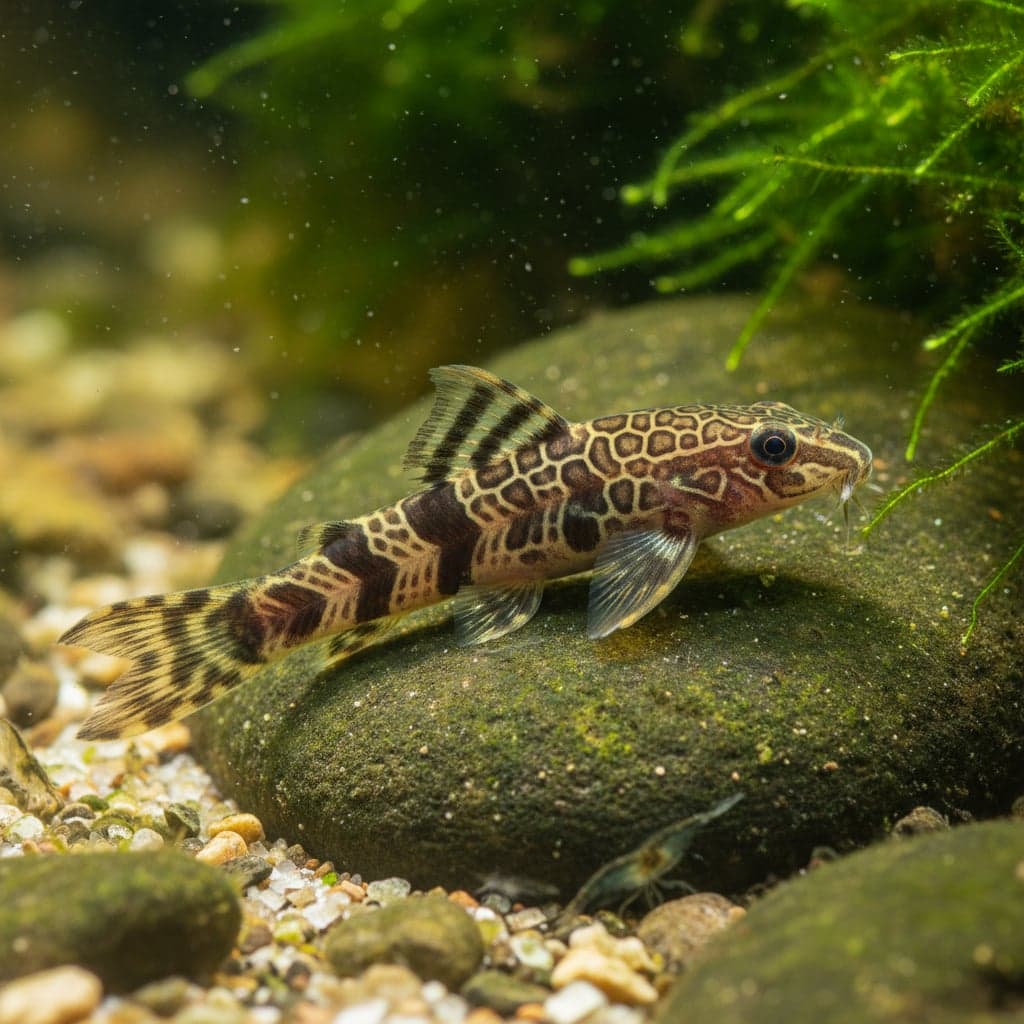
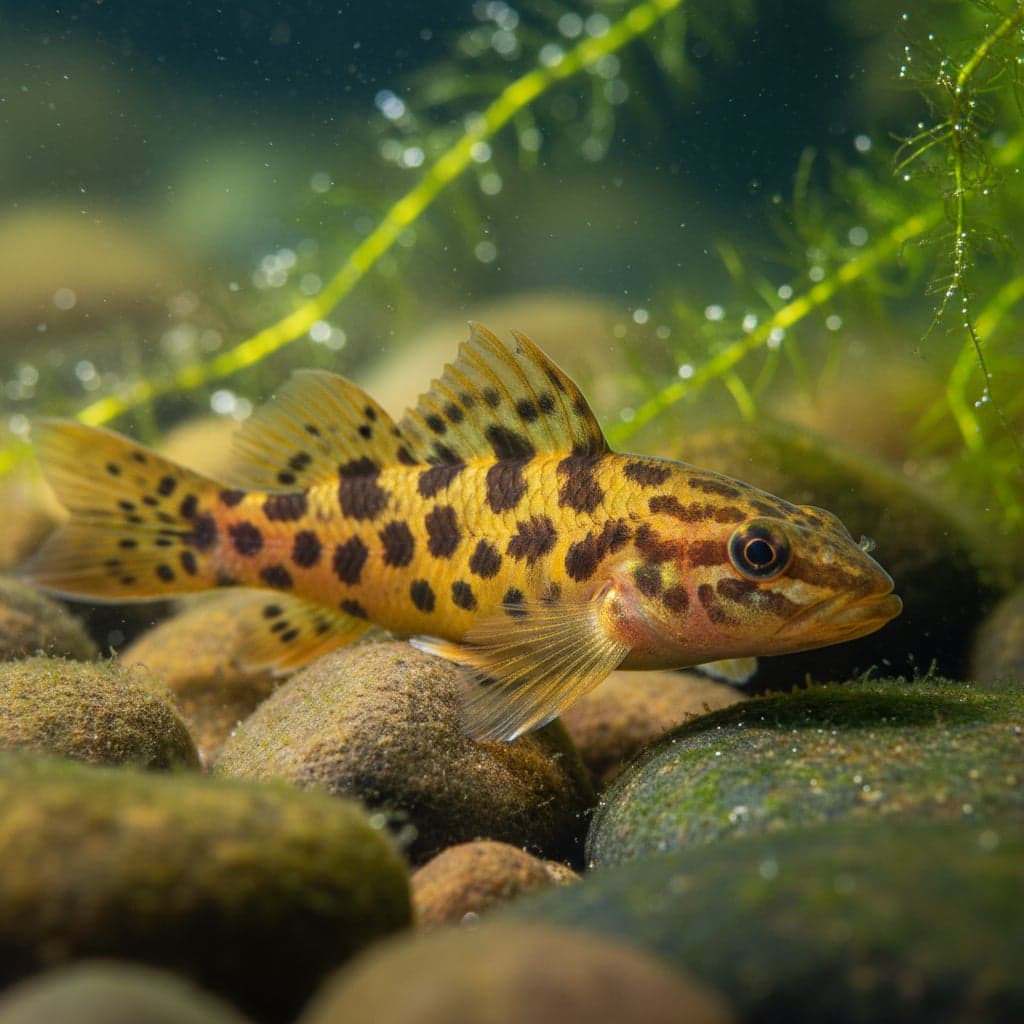
The Imperial Flower Loach (Leptobotia elongata) is the undisputed titan of the loach world. While most loaches are small, bottom-scavenging fish, the Imperial Flower Loach is a massive, predatory leviathan that can exceed 20 inches (50 cm) in length. It possesses a streamlined, muscular body adorned with a beautiful, disorganized pattern of dark, flower-like blotches over a golden-tan or reddish-brown base. Its snout is long and powerful, designed for rooting out prey from deep within the riverbed.
In the aquarium, they are legendary "oddballs" for massive, cold-to-temperate setups. They are intelligent, highly active, and require extremely large environments with powerful filtration to accommodate their size and predatory nature.
Natural Habitat & Origin
This species is endemic to the Upper and Middle Yangtze River basin in China. They inhabit deep, fast-flowing main river channels and large tributaries. These environments are characterized by clear, well-oxygenated water, rocky or gravel substrates, and significant seasonal temperature fluctuations. They are strictly a temperate to sub-tropical species and do not thrive in long-term high-temperature tropical conditions.
Care Requirements
The Imperial Flower Loach is strictly for expert keepers with massive facilities. A minimum tank size of 125 gallons (500L) is required for a single juvenile, with much larger systems needed for adults. They are sensitive to poor water quality and require exceptionally high dissolved oxygen levels.
Maintain stable parameters: a pH of 7.0 to 8.0 and a temperature of 59°F to 75°F (15°C to 24°C). The tank should feature massive rocks, large driftwood logs, and a deep layer of smooth gravel or sand. They love to wedge themselves into tight crevices. High-flow powerheads or wavemakers must be used to simulate the powerful currents of the Yangtze.
Diet & Feeding
Imperial Flower Loaches are specialized carnivores. In the wild, they hunt for large aquatic insects, crustaceans, and even smaller fish.
In captivity, their diet must be protein-rich:
- Whole frozen foods (Mysis shrimp, Krill, and deshelled Cockle/Mussel)
- Earthworms and chopped prawns are excellent for growth
- High-quality sinking carnivore sticks
- Warning: Due to their predatory nature, they will easily consume any small tank mates (like tetras or small loaches) that can fit in their mouth.
Behavior & Temperament
They are semi-aggressive and highly predatory. While they are not inherently "mean," their sheer size and feeding response make them dangerous to smaller fish. They can be social with their own kind if given enough space (and enough caves), but they will fiercely defend their favorite crevices. They are remarkably active for their size and spend much of their time patrolling the lower levels of the tank.
Tank Mates
Suitable tank mates MUST be large and robust enough to handle the size and flow requirements:
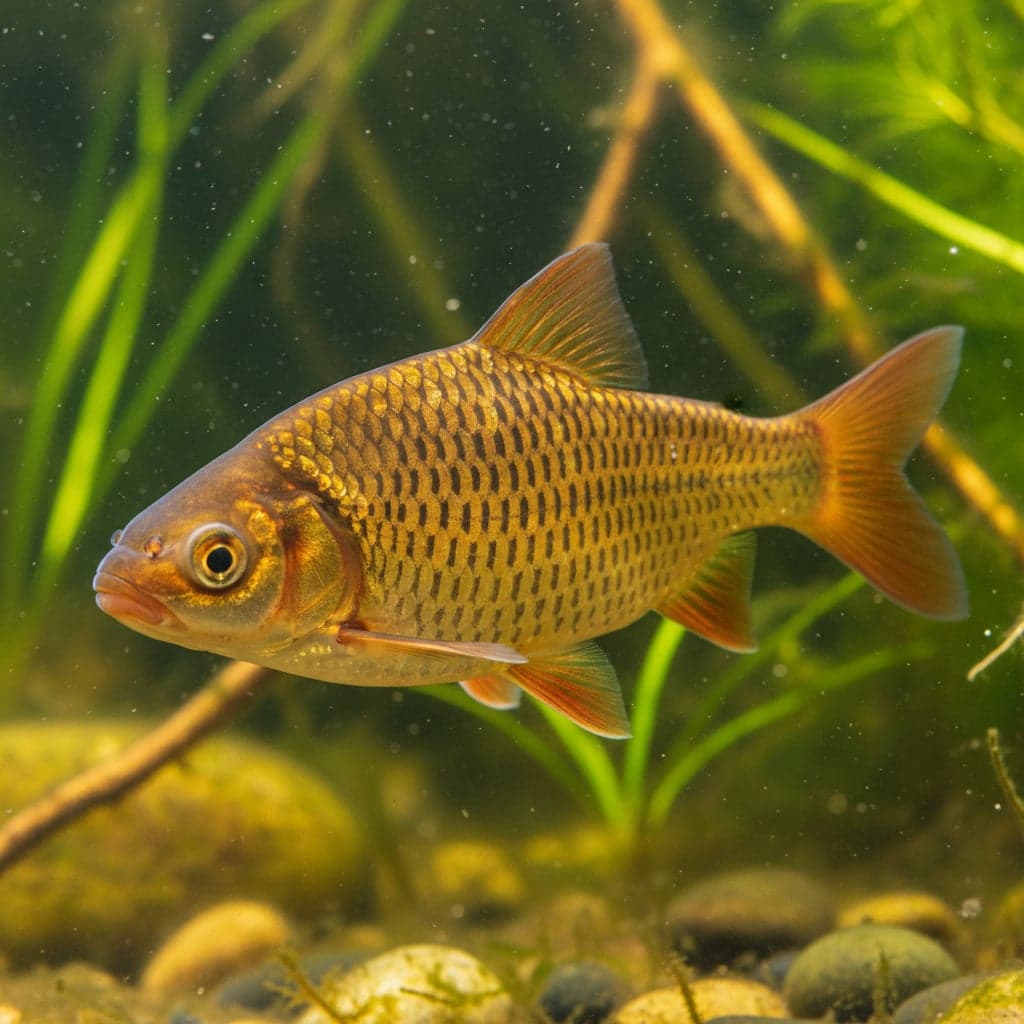
- Large Asian Cyprinids (Mahseer, Giant Danios)
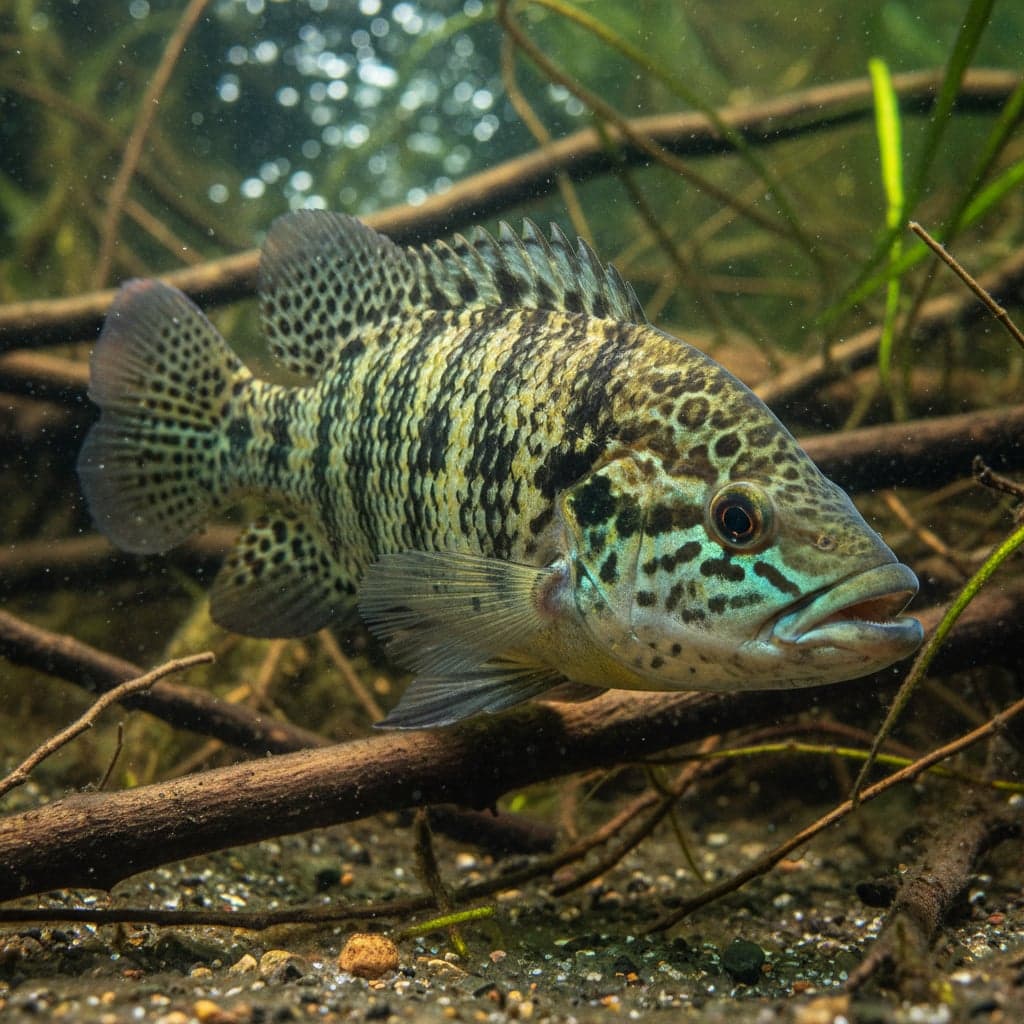
- Cold-water native fish (Sunfish or large Perch)
- Large, robust catfish (Asian Bumblebee Catfish - large species)
- Other massive loaches (Syncrossus species, if the tank is truly huge)
Avoid keeping them with any "bite-sized" fish or delicate feeders that could be easily intimidated.
Breeding
Breeding Leptobotia elongata in the home aquarium has not been reliably recorded. In the wild, they likely migrate to spawn in flooded areas during the spring. Their status in the wild is currently vulnerable due to dam construction and overfishing in the Yangtze, making any captive breeding efforts highly significant.
Common Health Issues
The primary health concern for this species is hypoxia (oxygen deprivation). They are strictly adapted to the high-oxygen environment of a major river; if the flow or aeration fails, they are the first to suffer. They are also prone to "skin flukes" and external parasites if water quality is poor. Maintaining pristine, cool, and highly oxygenated water is the only way to ensure their long-term survival.