Inca Stone Cichlid: Tahuantinsuyoa macantzatza
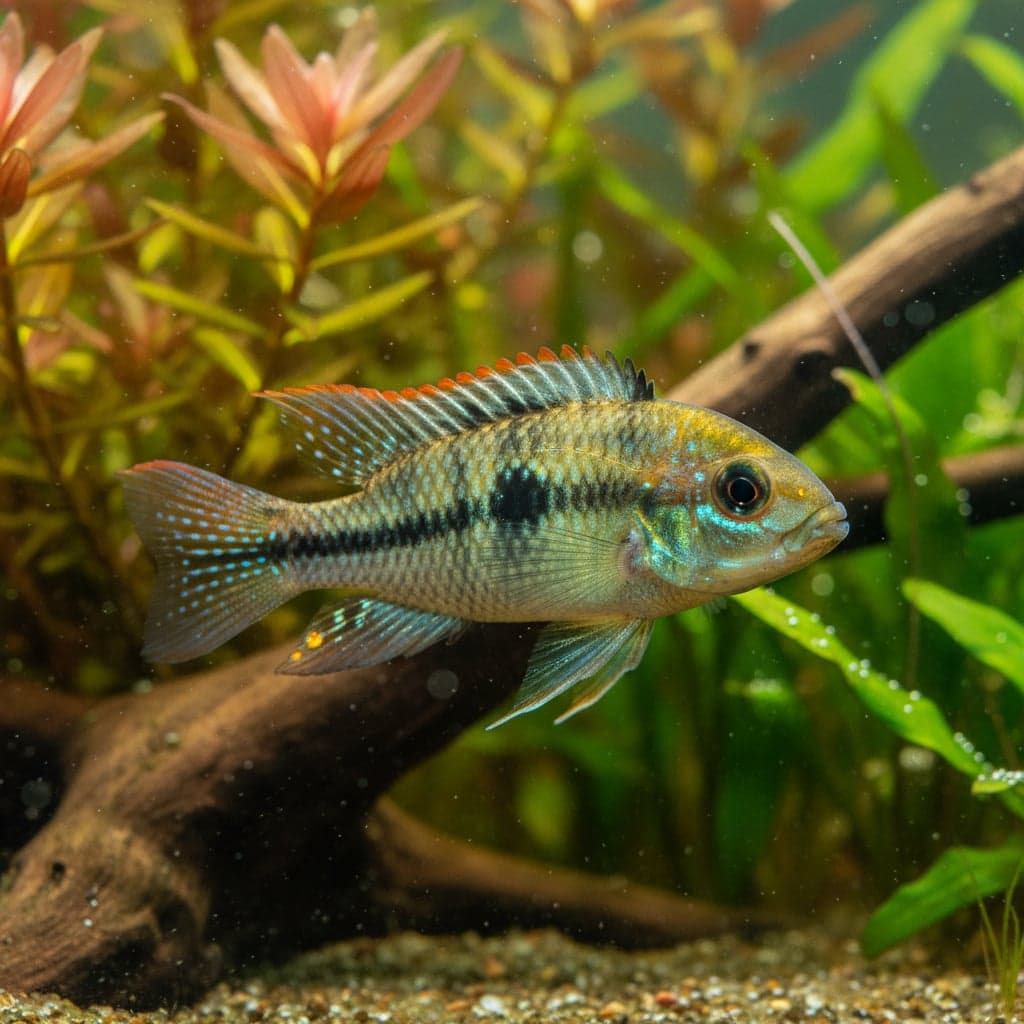
The Inca Stone Cichlid (Tahuantinsuyoa macantzatza) is a remarkable Peruvian species famous for its "portable" spawning behavior and primitive mouthbrooding, named in honor of the ancient Inca Empire.
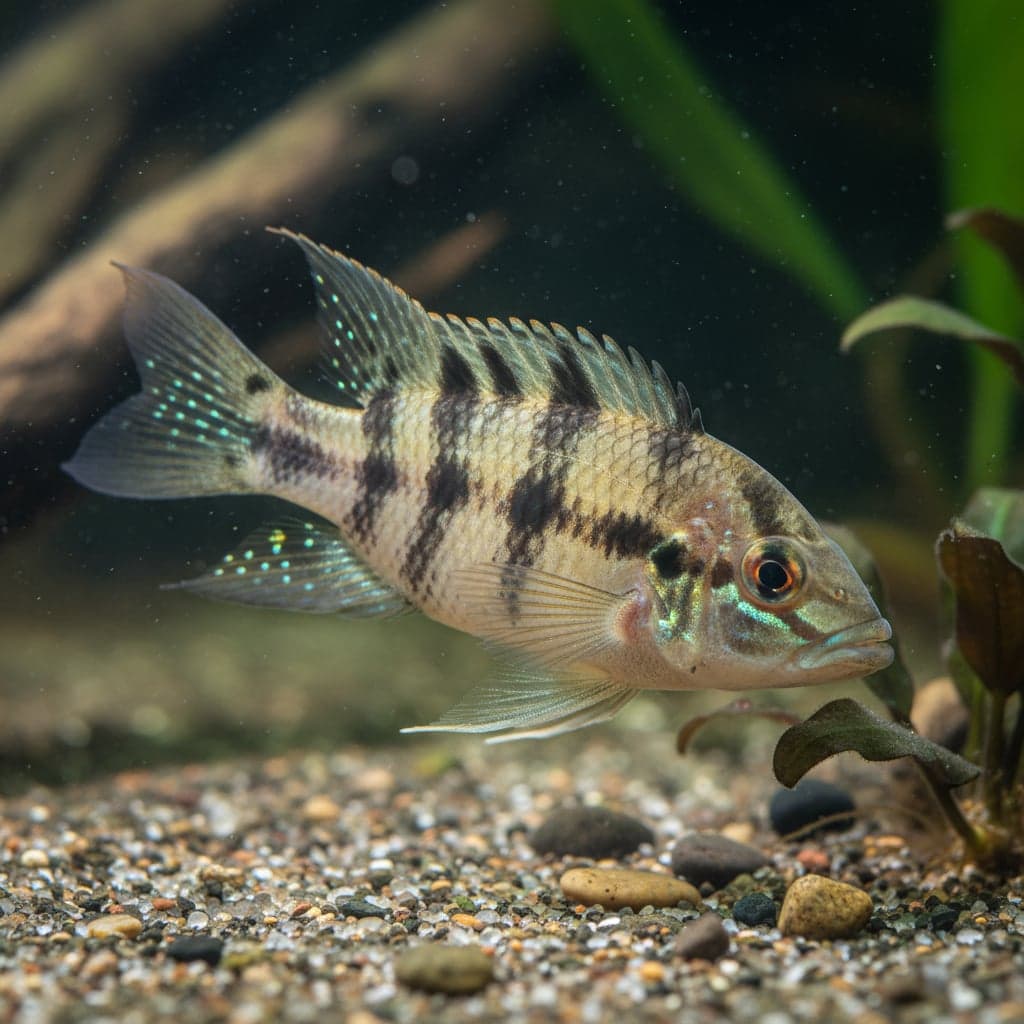
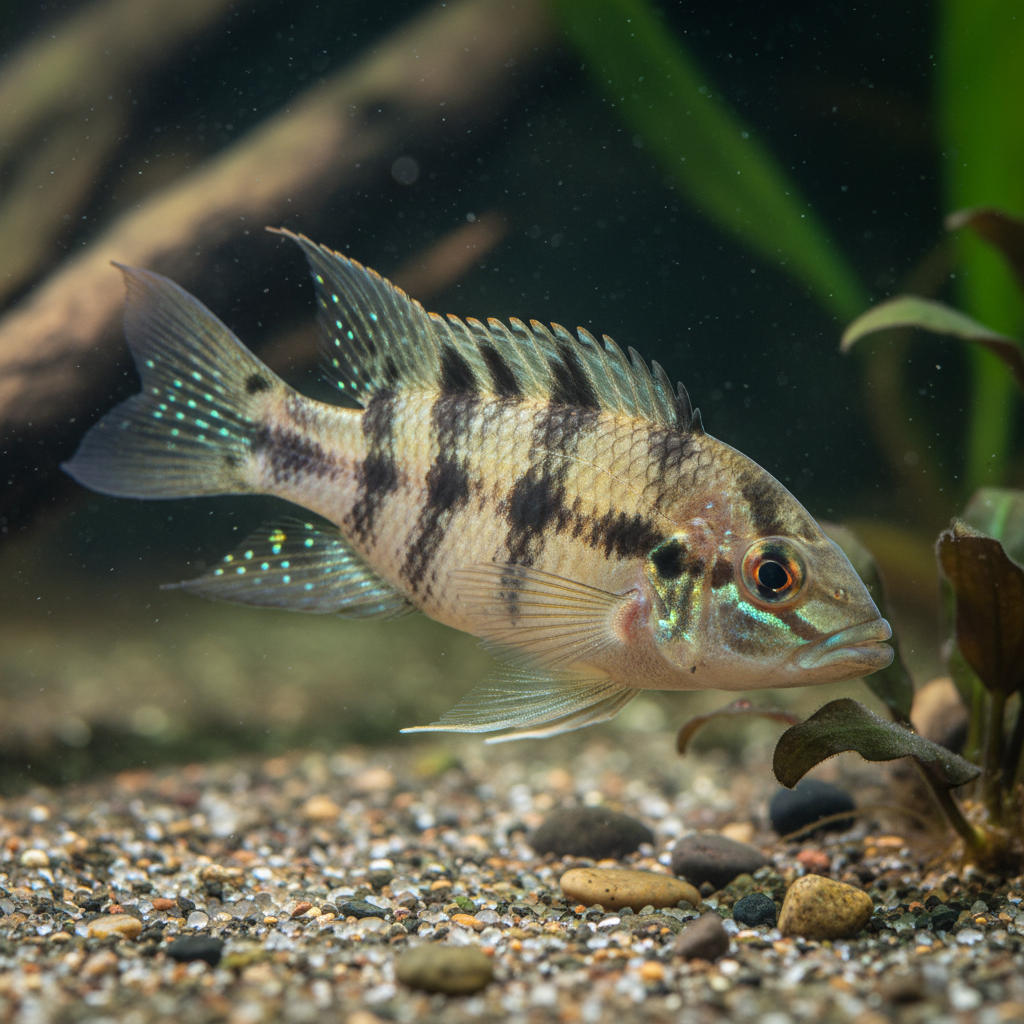
The Inca Stone Cichlid (Tahuantinsuyoa macantzatza) is a fascinating "primitive" mouthbrooder from the Peruvian Amazon. Its name, derived from the Quechua word for the Inca Empire (Tahuantinsuyo), reflects its regal and ancient lineage. It is a subtly beautiful fish, featuring a base color of olive-grey to golden-tan, accented by iridescent blue-green spangling on the scales and a distinct dark line running through the eye. Unlike many flashier cichlids, its charm lies in its intricate patterns and its highly specialized, complex parenting behaviors.
In the aquarium, they are rewarded to those who appreciate behavioral complexity. They are famously reclusive and require a densely structured environment to feel secure enough to engage in their unique spawning rituals.
Natural Habitat & Origin
This species is native to the Rio Aguaytia basin and its tributaries in the Ucuyali region of Peru. They are perfectly adapted to slow-moving forest streams and marginal areas rich in submerged roots and deep leaf litter. The water in these habitats is typically moderate in hardness and slightly acidic to neutral, often stained by tannins from the surrounding rainforest.
Care Requirements
The Inca Stone Cichlid is a reclusive species that demands a high-quality, structured environment. A minimum tank size of 30 gallons (120L) is recommended for a single pair.
Maintain stable parameters: a pH of 6.0 to 7.5 and a temperature of 75°F to 82°F (24°C to 28°C). They are highly sensitive to accumulating dissolved organic waste; consistent partial water changes and efficient biological filtration are mandatory. The tank must be heavily decorated with driftwood tangles, piles of flat stones, and a thick layer of botanical leaves (like Catappa or Oak leaves). Sandy substrate is essential for their natural foraging and sifting behavior.
Diet & Feeding
They are typical opportunistic omnivores with a preference for small invertebrates found in the substrate.
In captivity, they should be offered:
- High-quality sinking cichlid pellets and wafers
- Frozen foods (Bloodworms, Mysis shrimp, and Daphnia)
- Live foods like adult Brine Shrimp are excellent for conditioning
- Note: They are often "shy" eaters; ensure the food is distributed near their chosen hiding spots so they aren't outcompeted by more aggressive tank mates.
Behavior & Temperament
They are semi-aggressive and fiercely territorial during breeding, but otherwise surprisingly reclusive. They spend much of their time lurking among roots or under leaves. They have a complex social structure and should ideally be kept as a bonded pair. They are not suitable for crowded community tanks where their reclusive nature will cause them to hide indefinitely.
Tank Mates
Suitable tank mates include other peaceful, moderate-sized South American species that won't invade their lower-level territories:
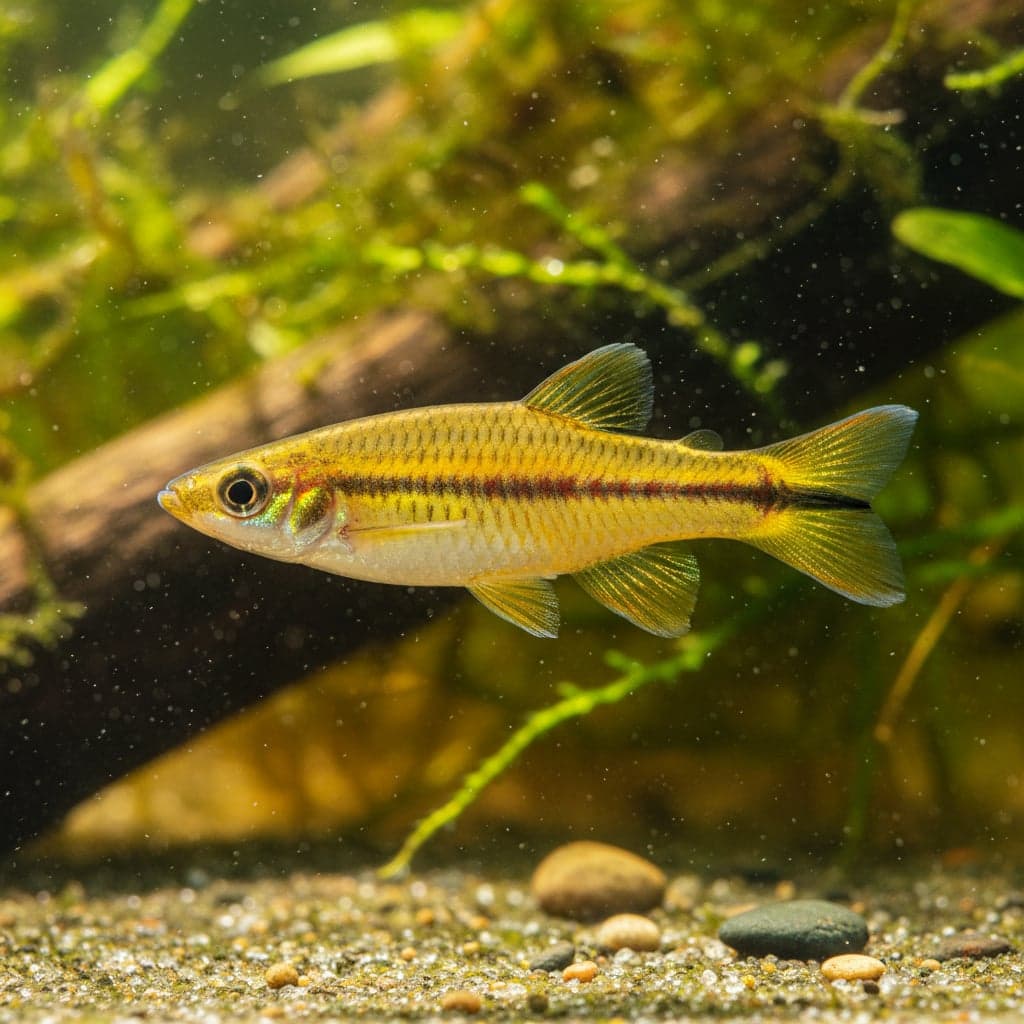
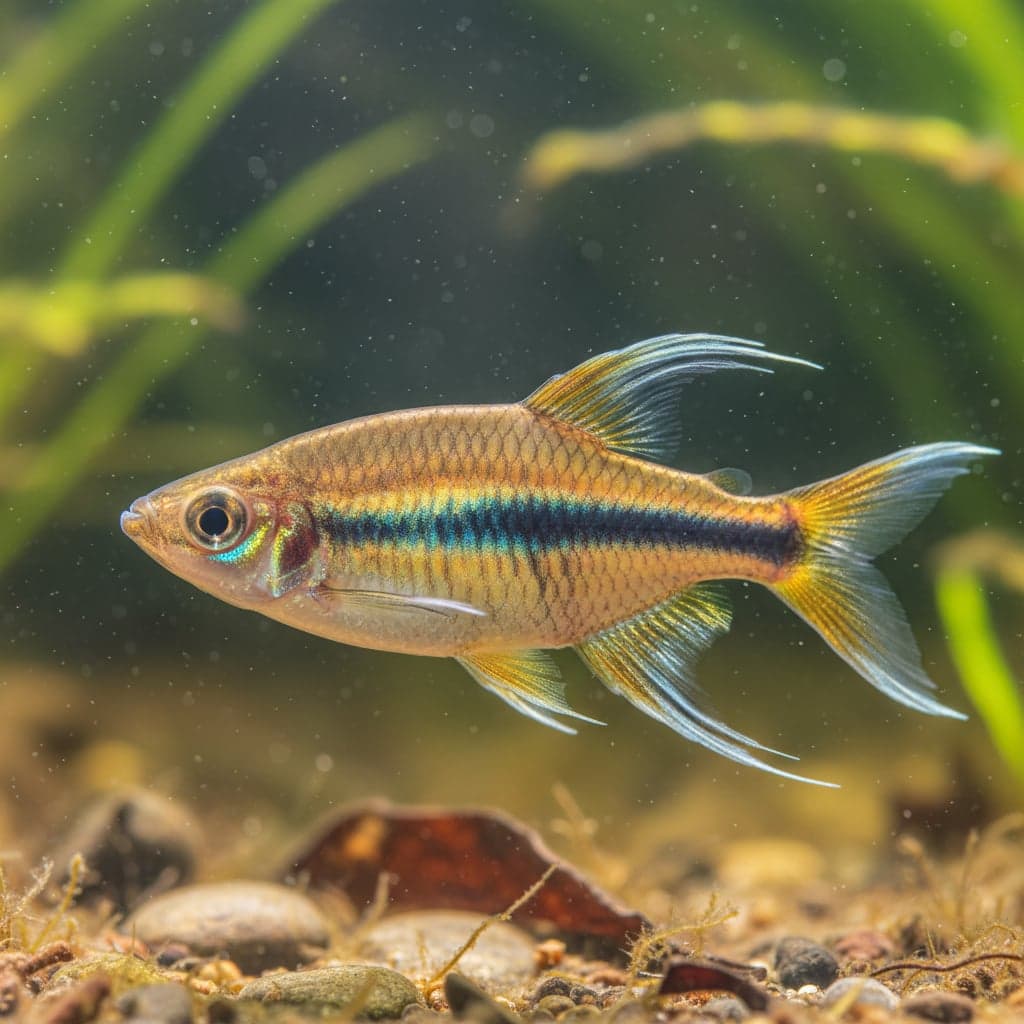
- Larger Tetras (Bleeding Heart Tetras, Diamond Tetras)
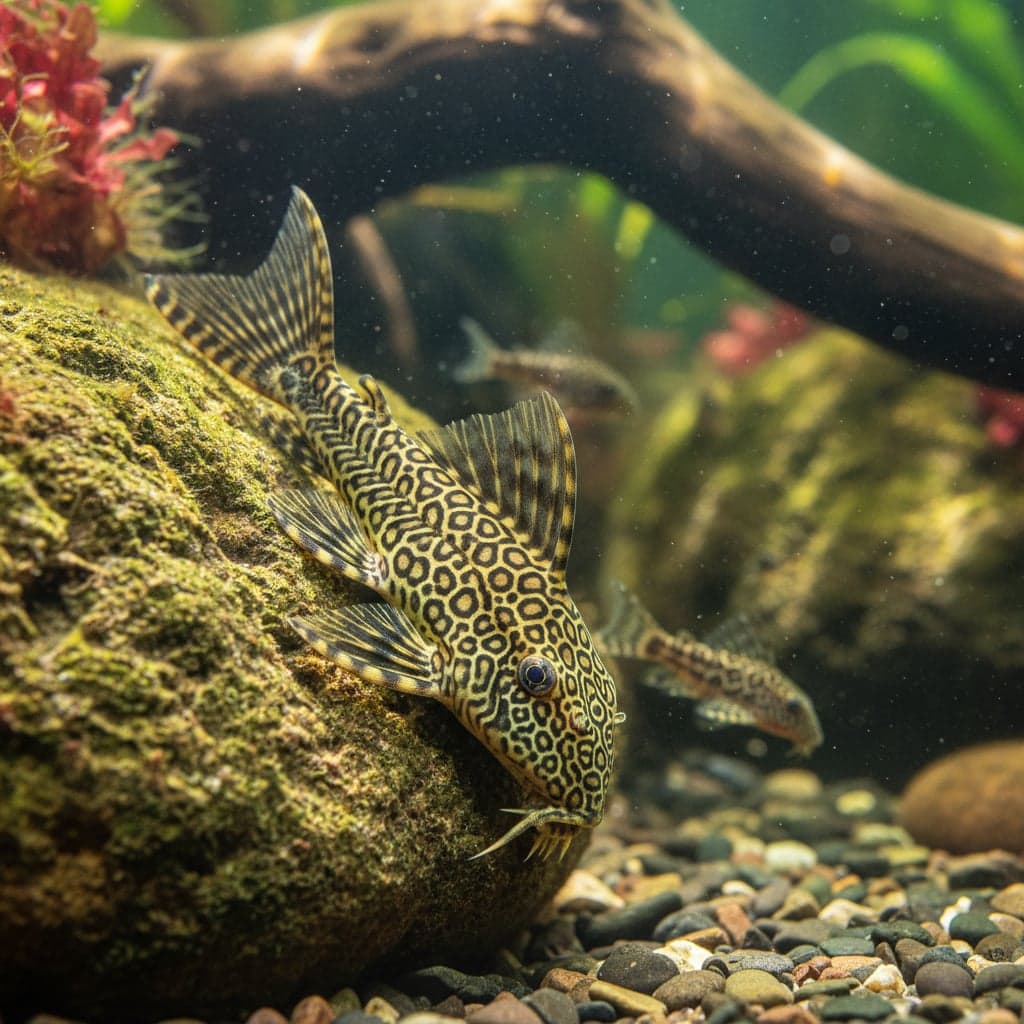
- Corydoras (if the tank is large enough to allow for separate territories)
- Peaceful Dwarf Cichlids (Apistogramma)
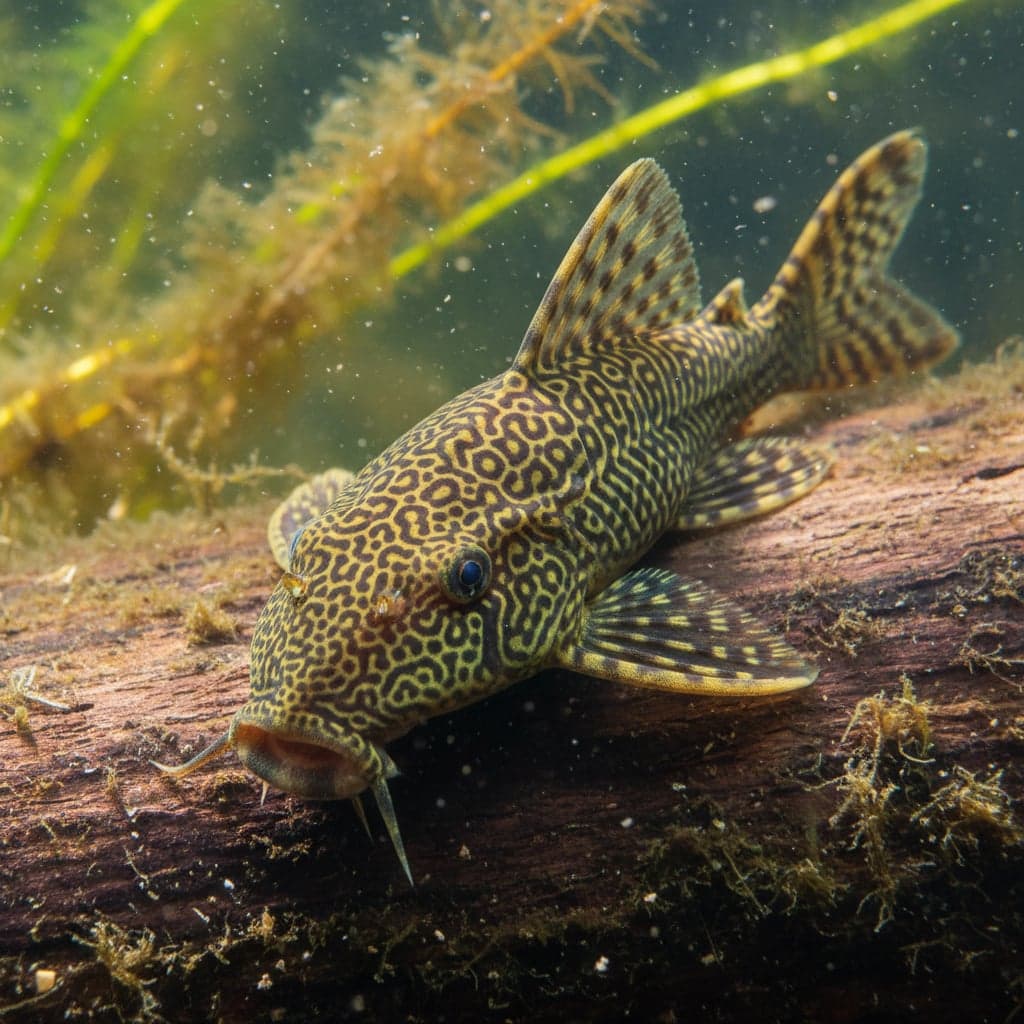
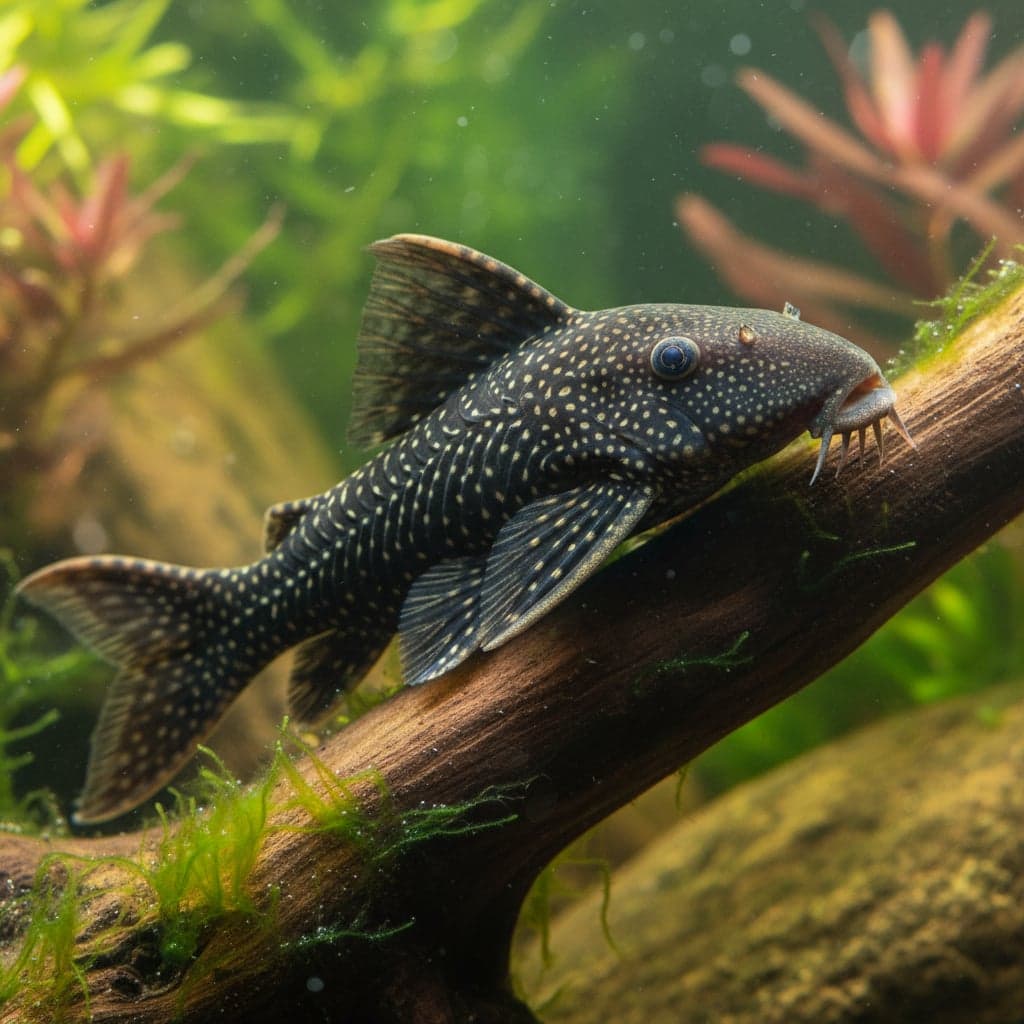
- Otocinclus or other small plecos
Avoid keeping them with highly aggressive or hyper-active fish (like some barbs) that will stress them into hiding.
Breeding
The breeding behavior of Tahuantinsuyoa macantzatza is its most famous trait. They are delayed mouthbrooders. The parents will select a portable surface, such as a single leaf or a flat stone, and lay their eggs on it. If they feel threatened,They will actually drag this surface to a new, safer location. Once the eggs hatch, the mother (and sometimes the father) will pick up the larvae and brood them in their mouth for several days. The bond between the parents during this time is exceptionally strong.
Common Health Issues
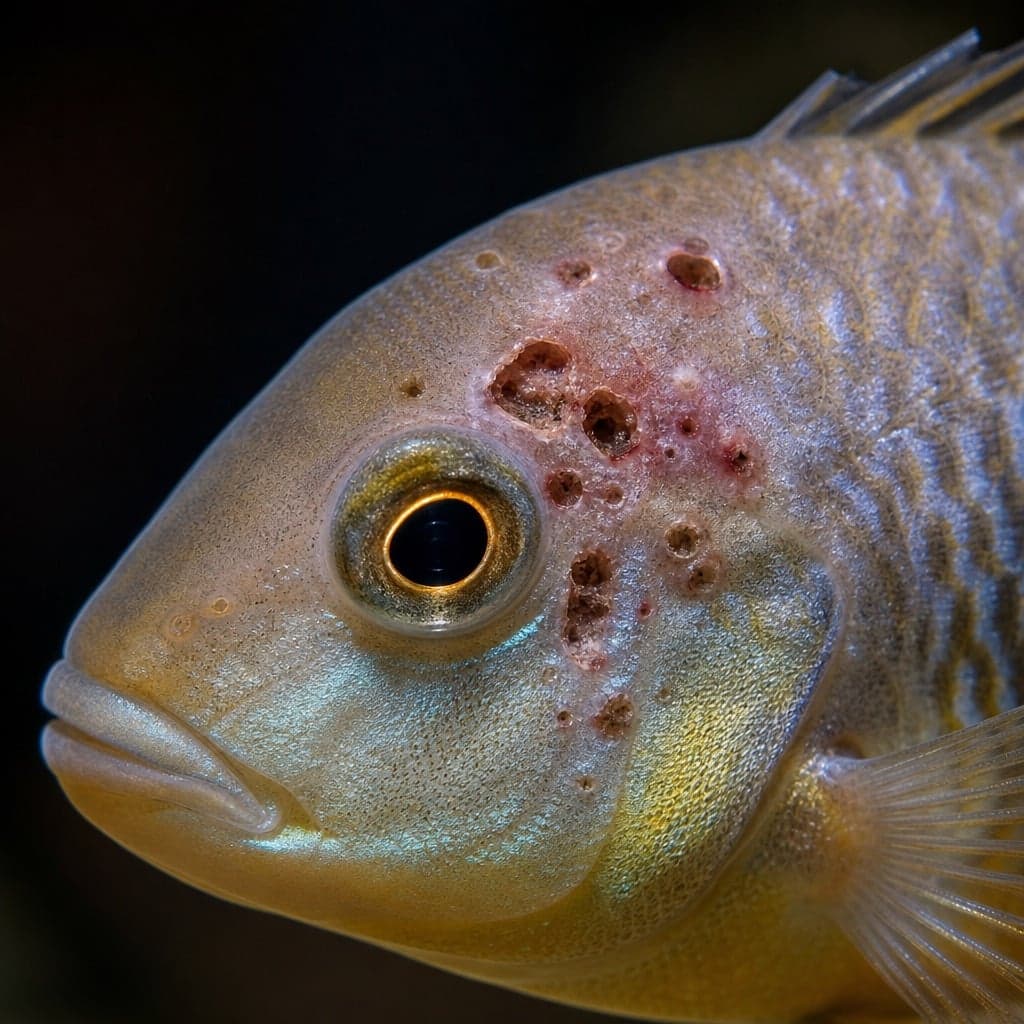
They are prone to bacterial infections and Bloat (Hexamita) if water conditions degrade or if they are subject to constant stress from overly aggressive tank mates. Maintaining pristine, well-oxygenated water and providing a low-stress, highly-sheltered environment is critical for their health and prevents the loss of their beautiful iridescent highlights.