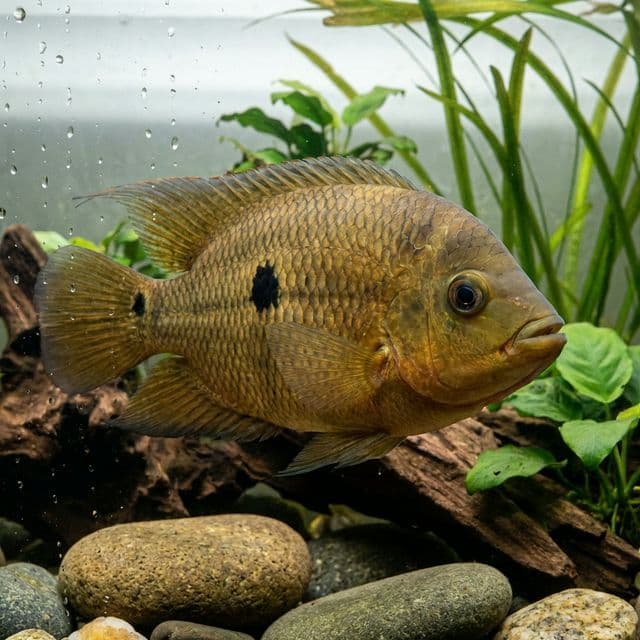
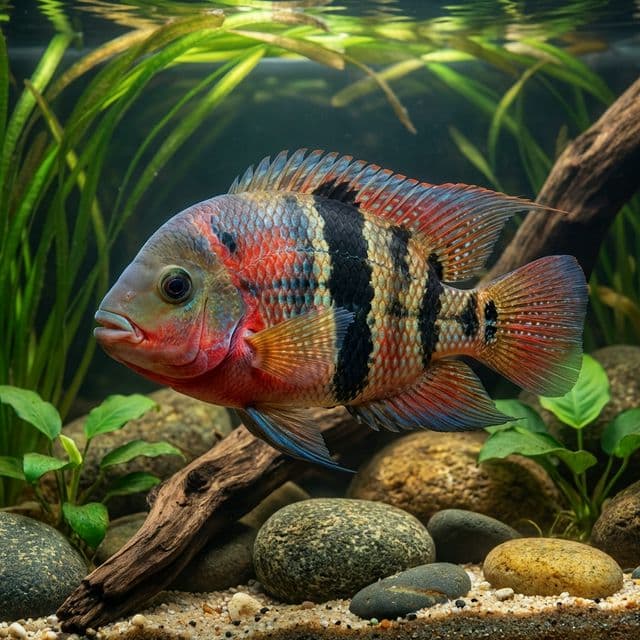
Jack Dempsey: Rocio octofasciata
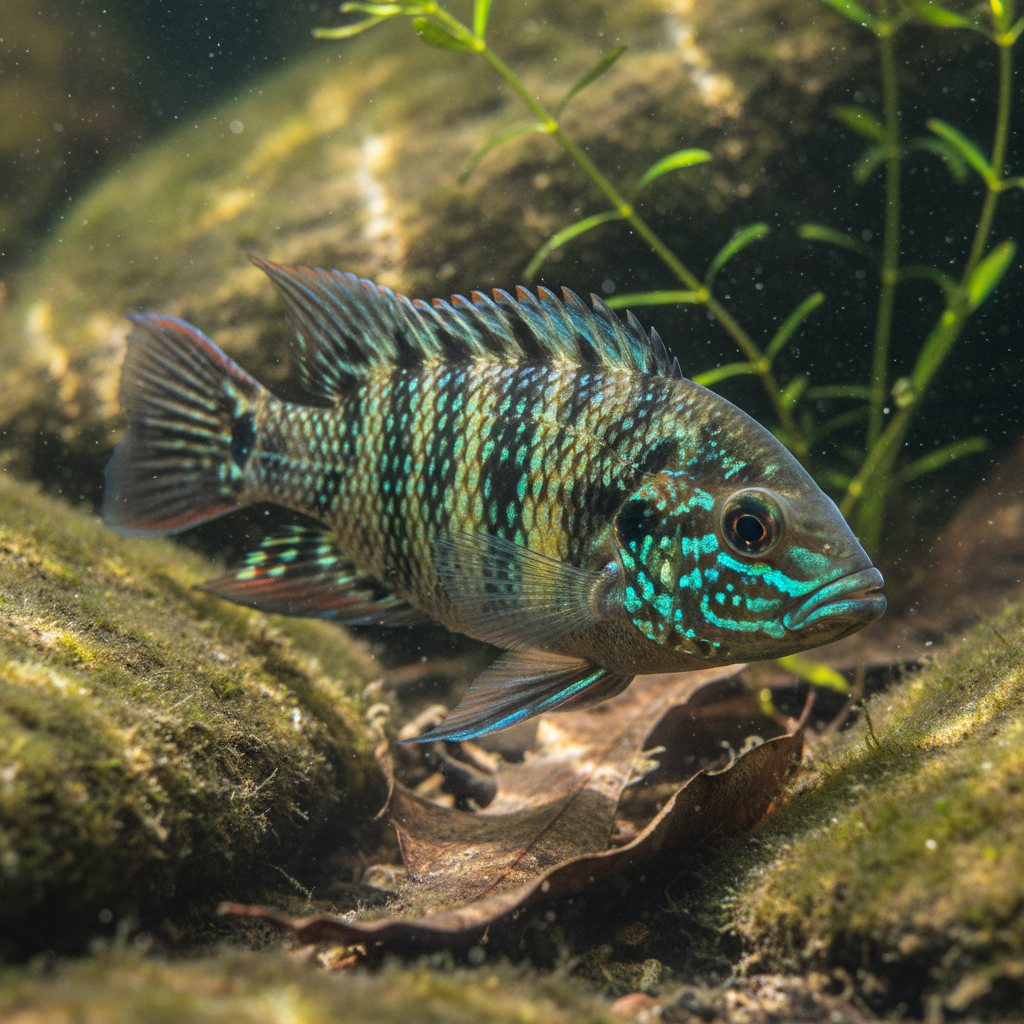
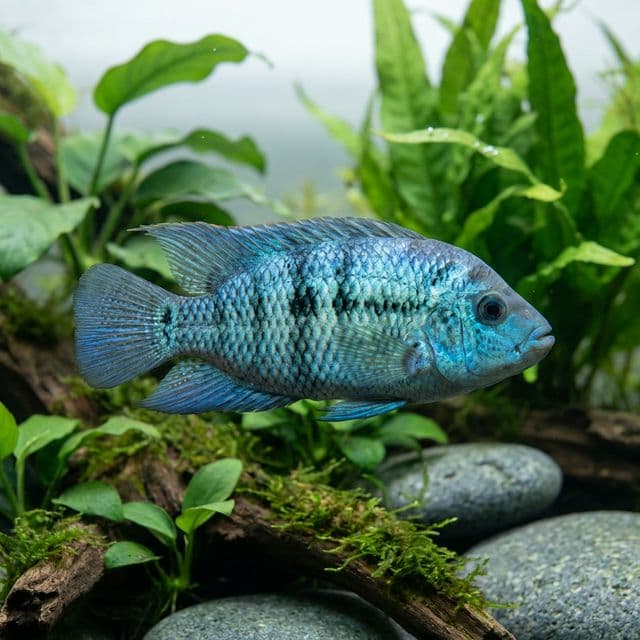
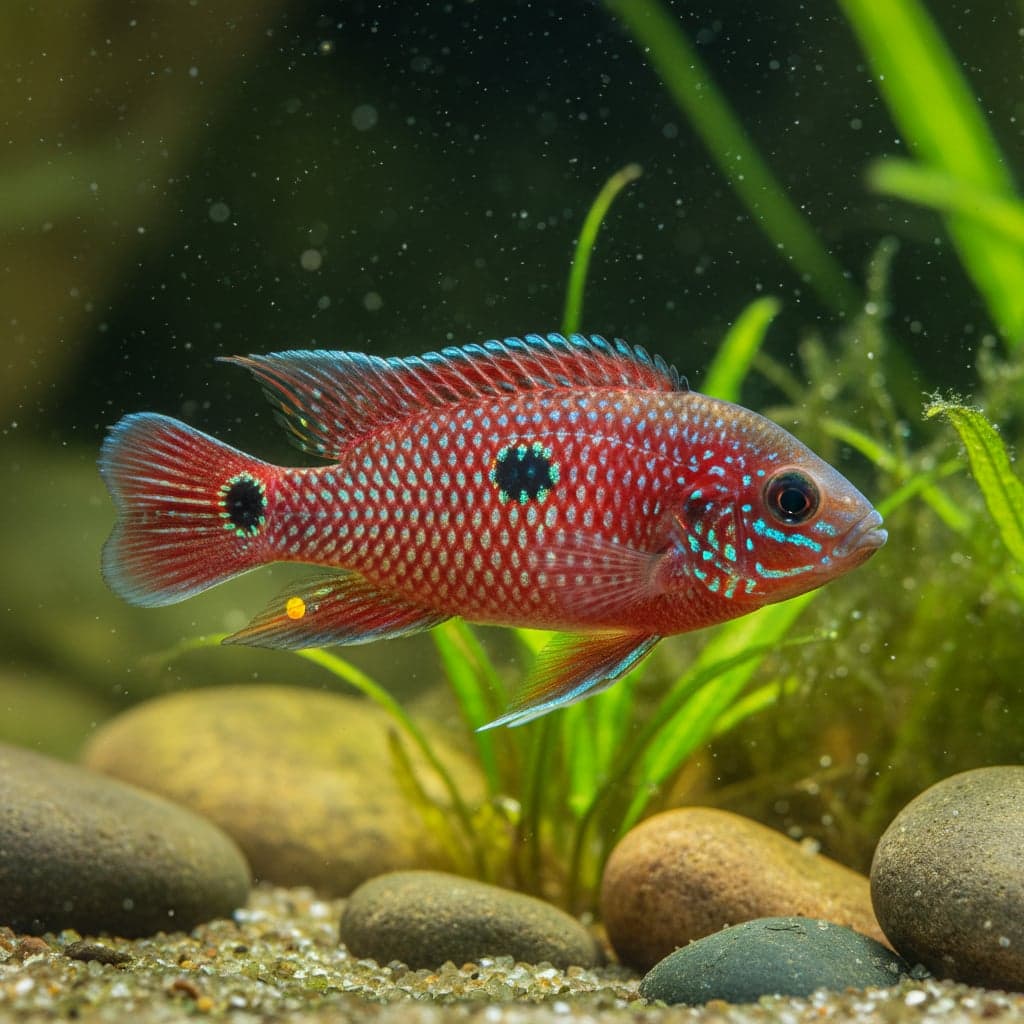
The Jack Dempsey (Rocio octofasciata) is a legendary Central American cichlid, named after the famous boxer for its assertive personality and adorned with a striking mosaic of iridescent metallic spangles.
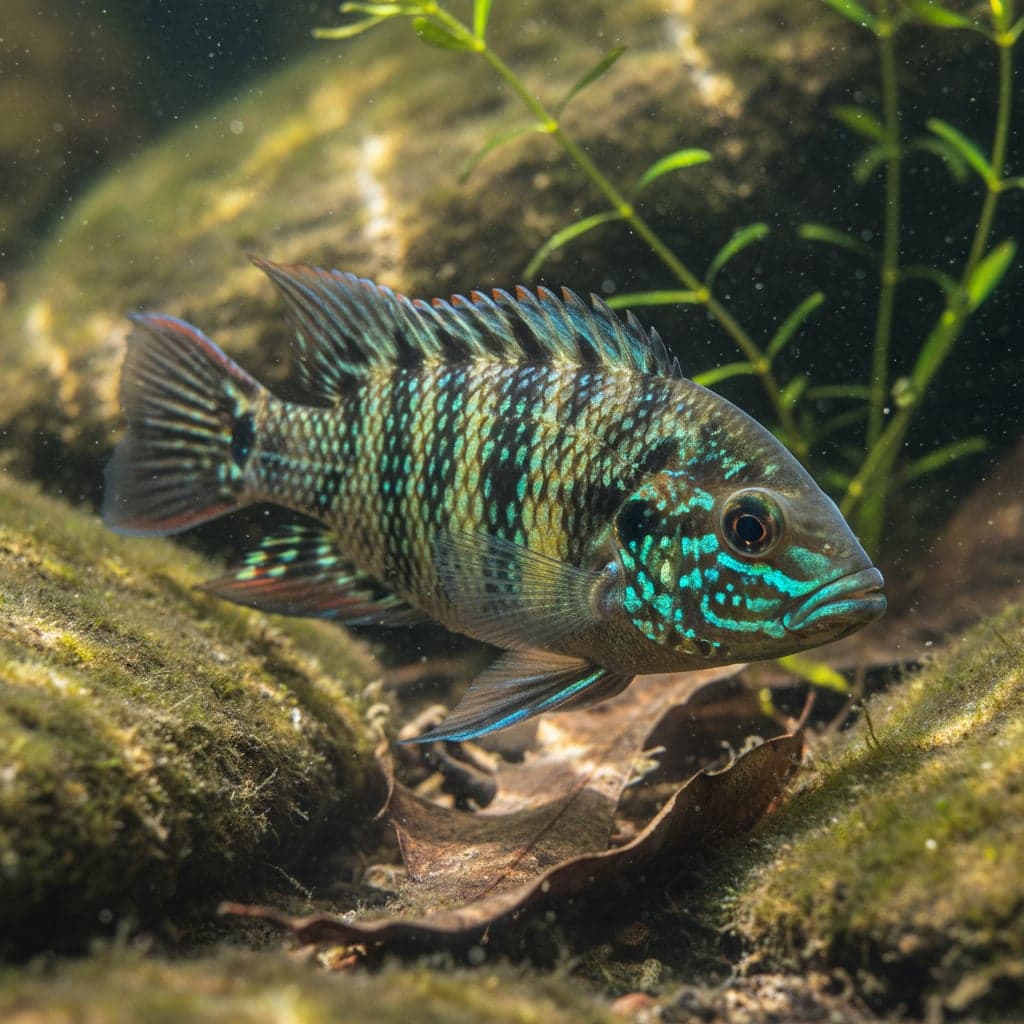
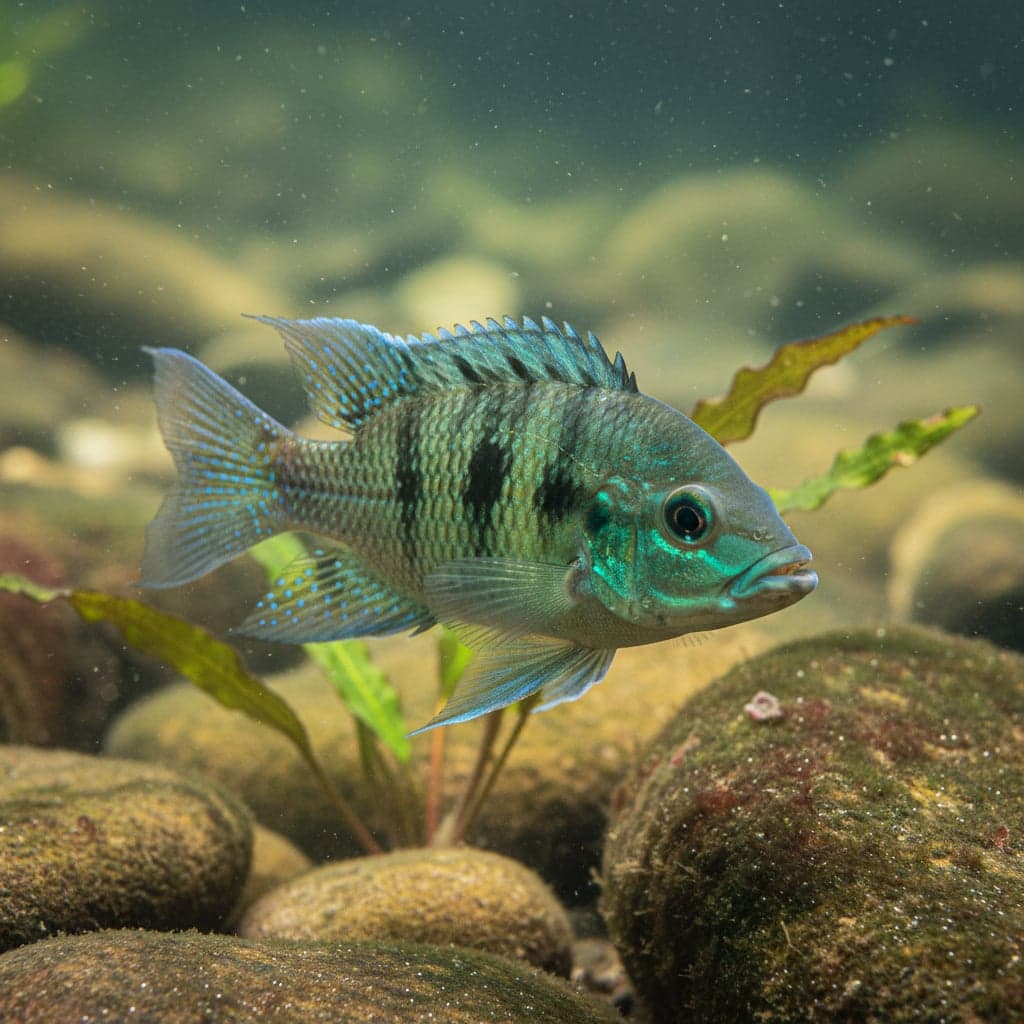
The Jack Dempsey (Rocio octofasciata) is one of the most iconic species in the cichlid world. Named after the heavyweight boxing champion of the 1920s, it perfectly embodies the "bruiser" personality that Central American cichlids are known for. However, beneath its tough exterior lies a fish of extraordinary beauty. Its dark, velvety body is covered in a dense mosaic of brilliant, shimmering metallic spangles that can range from turquoise and gold to electric blue. These colors intensify dramatically with age and mood, making a mature Jack Dempsey one of the most visually impressive residents of any large freshwater aquarium.
In the aquarium, they are bold, intelligent, and highly territorial. They are "character" fish that often interact with their owners and can reach an impressive age of 10 to 15 years with proper care. While they are famously aggressive, this behavior is manageable in a correctly sized and structured environment.
Natural Habitat & Origin
Rocio octofasciata is native to the Atlantic slope of Central America, ranging from the Papaloapan River in Mexico to the Ulua River in Honduras. They inhabit a variety of environments, including slow-moving rivers, swamps, and weed-choked canals. They are particularly fond of areas with murky water and abundant physical structure, such as submerged logs and dense root systems, where they can establish and defend their territories.
Care Requirements
The Jack Dempsey is a large-bodied fish that requires a substantial amount of space. A minimum tank size of 300 litres (80 gallons) is recommended for a single adult — this large Central American cichlid produces heavy bioload and needs room to claim territory.
Maintain stable parameters: a pH of 7.0 to 8.0 and a temperature of 72°F to 86°F (22°C to 30°C). They are incredibly hardy and adaptable but thrive in clean, well-filtered water. The tank should feature massive amounts of rockwork and driftwood to form several large, secure caves. They are industrious decorators and will often move large amounts of substrate to "remodel" their territory, so any heavy rocks should be placed directly on the tank floor or a protective mat to prevent glass breakage.
Diet & Feeding
They are typical omnivores with a strong preference for high-protein foods.
In captivity, they should be offered a varied diet:
- High-quality Cichlid pellets (floating or sinking) as a staple.
- Frozen or fresh foods: Mysis shrimp, Krill, and earthworms.
- Large specimens will accept chopped prawns or strips of white fish.
- Occasional vegetable matter (such as blanched peas) helps maintain digestive health.
- Tip: They are enthusiastic eaters. Feed them once or twice a day, providing only what they can consume in 2-3 minutes to prevent water fouling.
Behavior & Temperament
They are highly territorial and aggressive, especially during spawning. They do not school and are best kept as a single specimen or a mated pair (introduced young and allowed to grow together). They are famous for their defensive behavior, often "jaw-locking" with rivals to establish dominance. Despite their reputation, they can be quite shy as juveniles, gaining their boldness as they reach adult size.
Tank Mates
Suitable tank mates must be robust and capable of handling their assertive nature:
- Other large Central or South American Cichlids (Oscars, Convict Cichlids, or Severums)
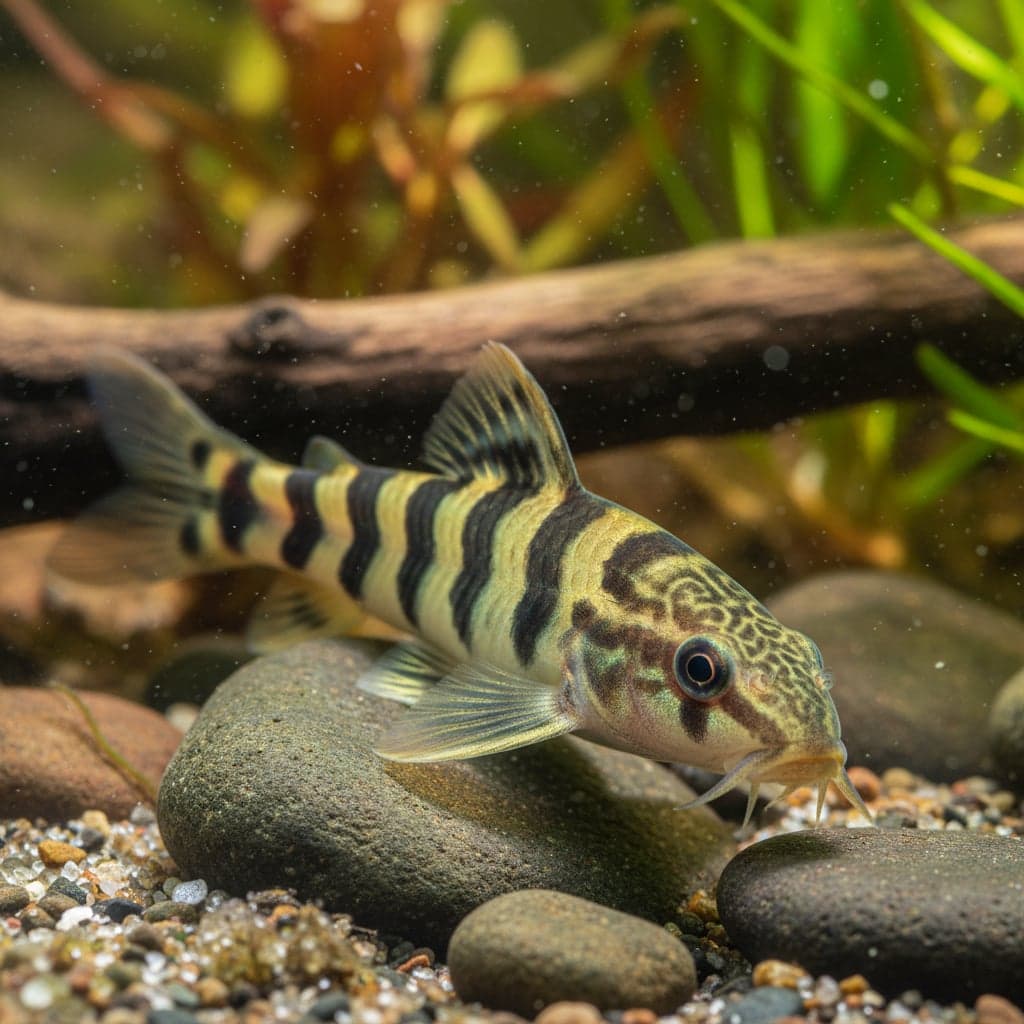
- Large Catfish (Synodontis or larger Placostomus)
- Silver Dollars (as "dither fish" in massive setups)
- Large Tinfoil Barbs
Avoid keeping them with any small, peaceful fish or delicate species that will be bullied or eaten.
Breeding
Jack Dempseys are prolific spawners. The pair will select a flat rock or excavate a pit in the sand where the female can lay hundreds of eggs. Both parents are extraordinarily protective and will viciously defend the nest and fry against any intruder. During this time, the parent's colors often shift to a deep black with vibrant glowing spangles. The fry are easy to raise on baby brine shrimp or finely crushed flakes.
Common Health Issues
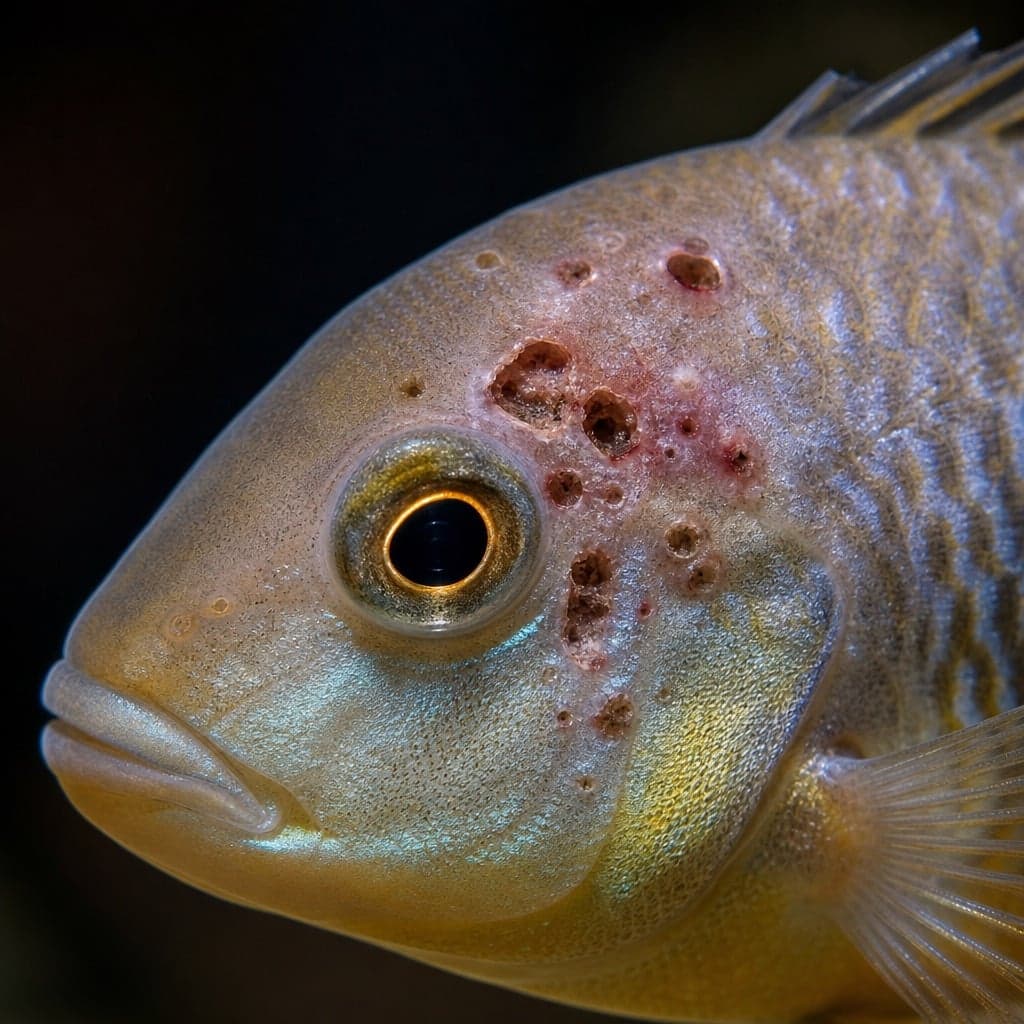
The primary health concern is Head and Lateral Line Erosion (HLLE) or "Hole-in-the-Head" disease, which is often linked to poor water quality, dietary deficiencies, or chronic stress. They are also prone to internal parasites (Hexamita) if kept in overcrowded or dirty conditions. Providing a stress-free environment with pristine water quality and a high-quality, varied diet is the best way to ensure their long-term health and vibrant metallic coloration.