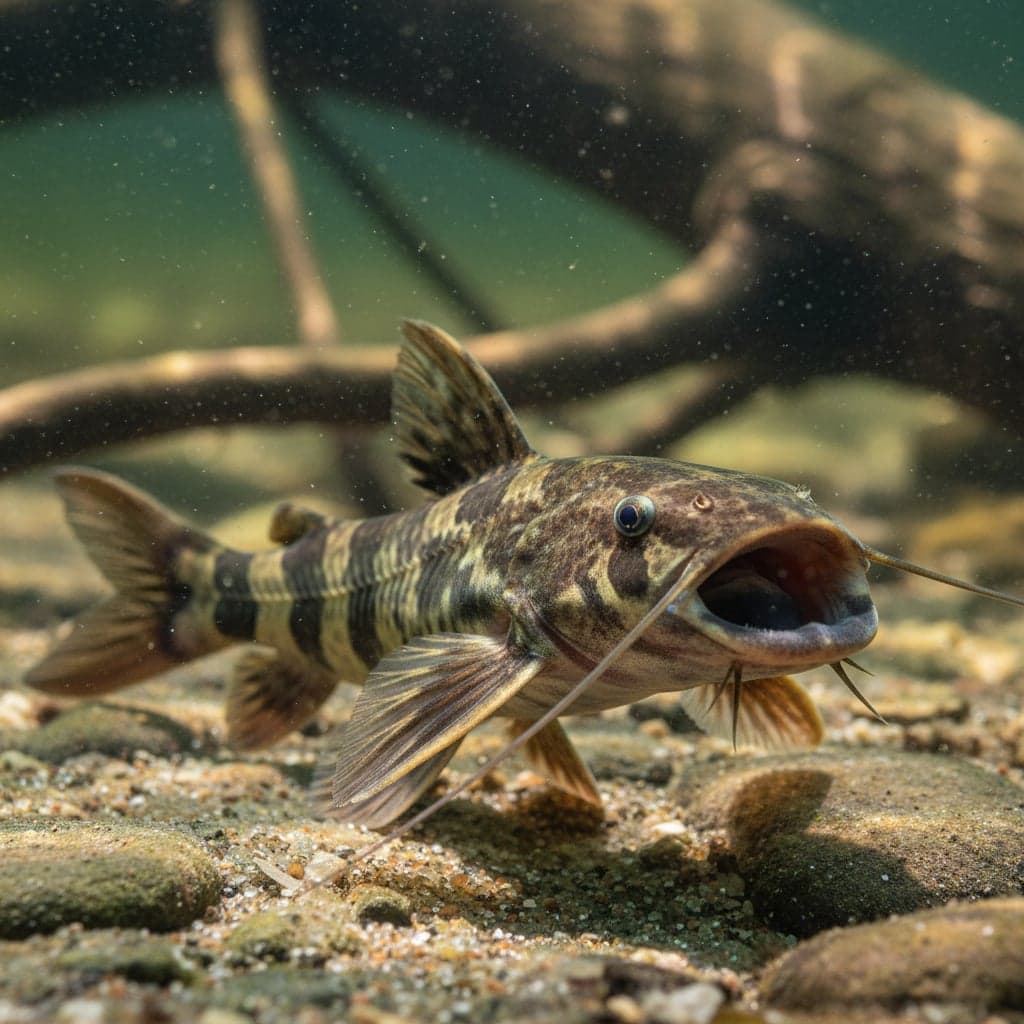
Jaguar Catfish: Liosomadoras oncinus
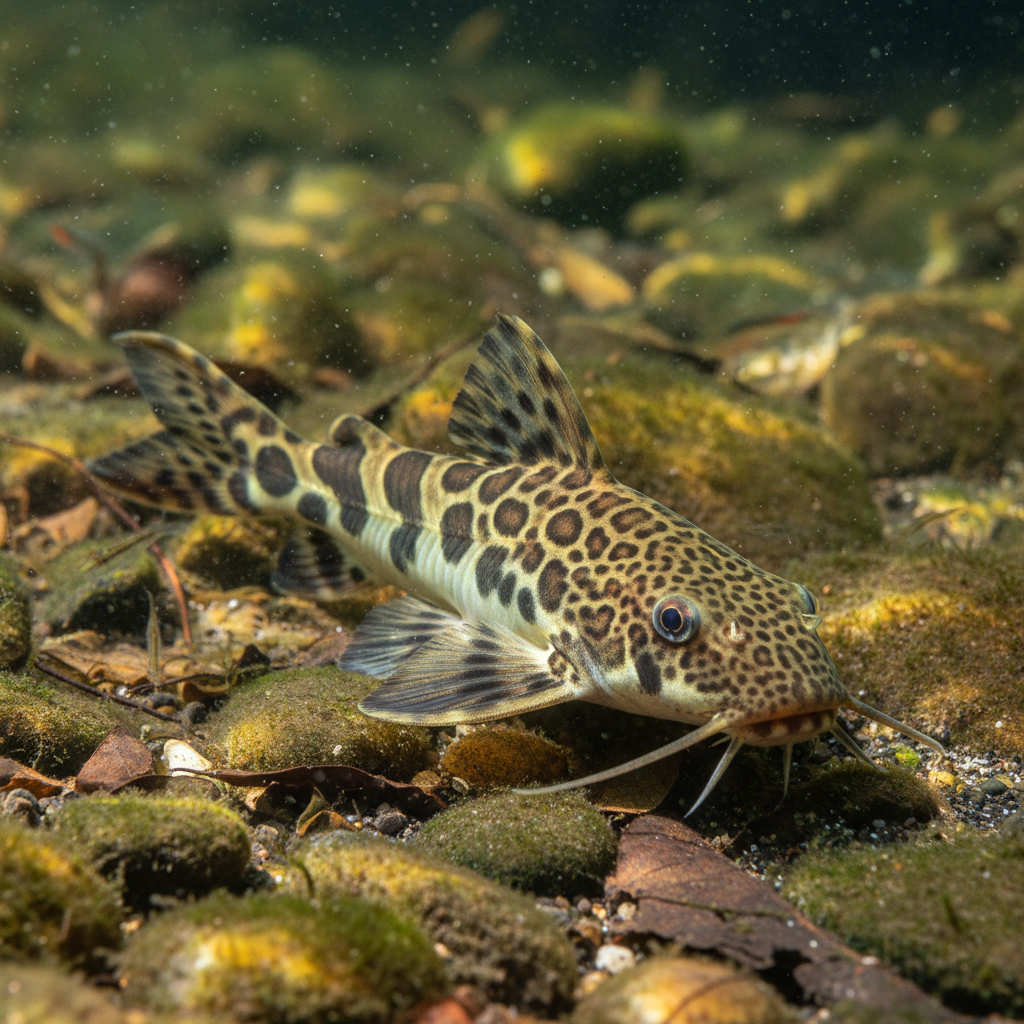
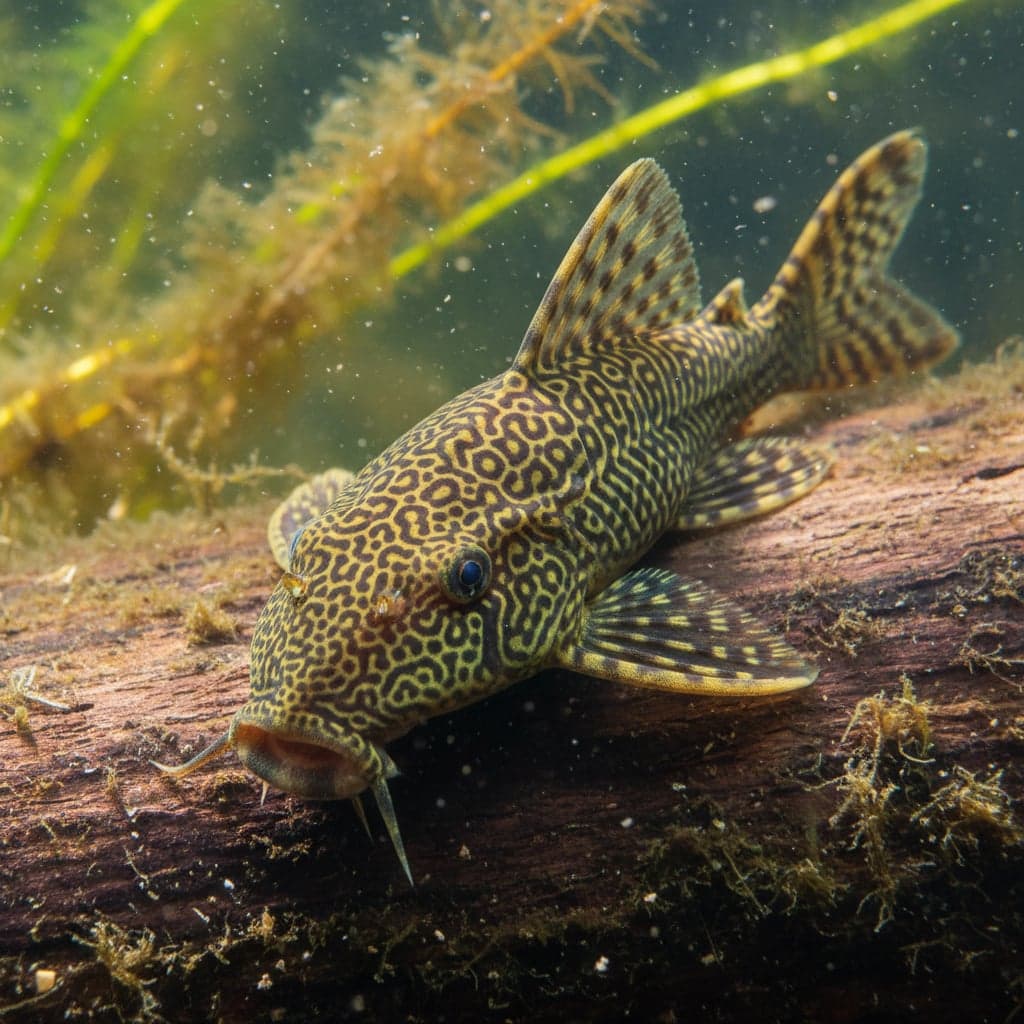
The Jaguar Catfish (Liosomadoras oncinus) is a stunning and highly secretive driftwood catfish from the Amazon, named for its extraordinary, all-over pattern of bold, jaguar-like rosette spots.
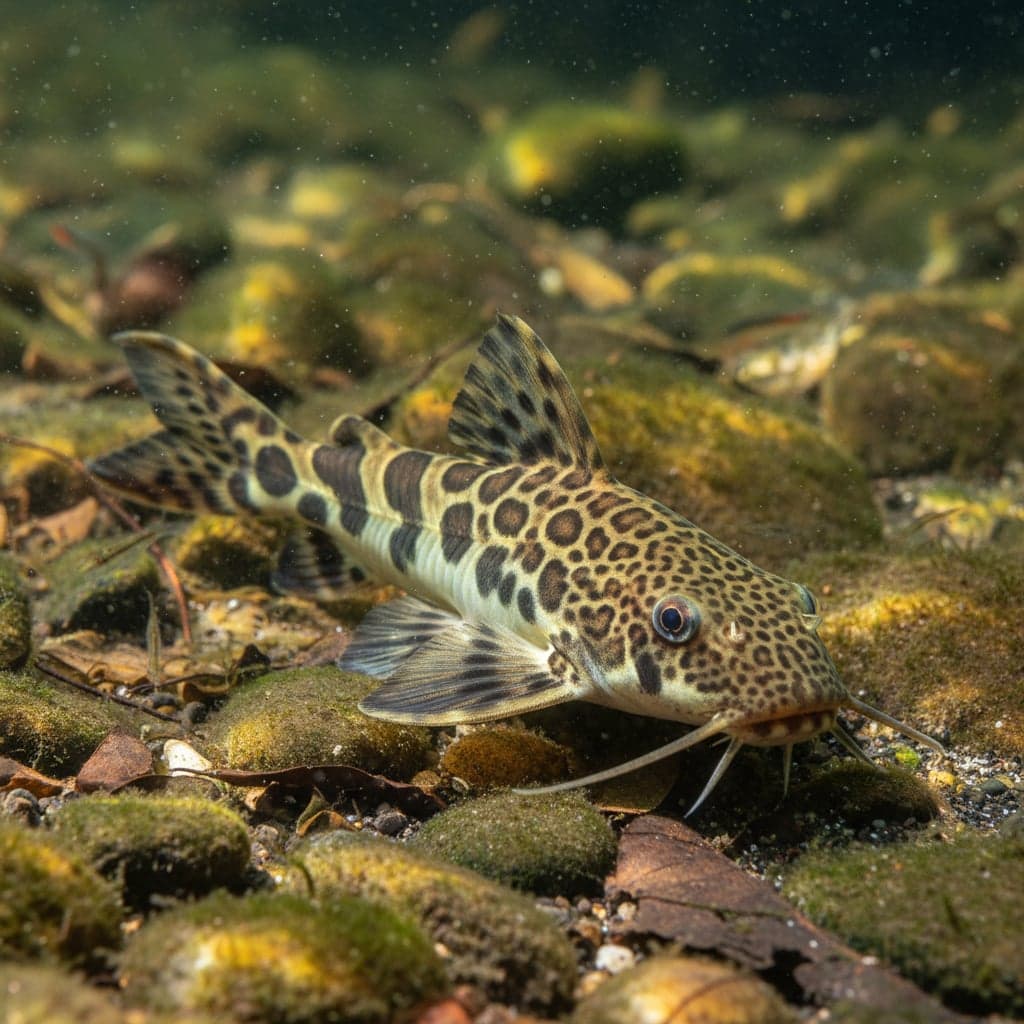
The Jaguar Catfish (Liosomadoras oncinus) is widely regarded as one of the most beautiful species of driftwood catfish in the hobby. Its name is perfectly accurate: its entire body, including its fins and head, is covered in a dense, high-contrast pattern of bold dark brown-to-black rosettes over a golden-tan base, mimicking the coat of the South American Jaguar. Despite its stunning appearance, it is famously reclusive and nocturnal. In the aquarium, it spends the daylight hours wedged deep within driftwood crevices, emerging only at night to explore its territory with a surprisingly active and powerful swimming style.
In the aquarium, they are a "prize" species for those who appreciate wait-and-see rewards. While you may only see a glimpse of them during the day, their unique behavior and incredible patterning make them a standout addition to specialized Amazonian biotope displays.
Natural Habitat & Origin
Liosomadoras oncinus is native to the Rio Negro and Rio Casiquiare basins in Brazil and Venezuela. They inhabit the slow-moving, tannin-stained blackwater reaches of the Amazon. Their environment is defined by an absolute abundance of submerged fallen timber and hollow root systems, where they reside in large numbers. The water is typically soft, acidic, and dark, providing the perfect cover for their cryptic lifestyle.
Care Requirements
The Jaguar Catfish is a "driftwood specialist" that requires a structured and secure environment. A minimum tank size of 40 gallons (150L) is recommended for a single individual or a pair.
Maintain stable parameters: a pH of 6.0 to 7.0 and a temperature of 75°F to 82°F (24°C to 28°C). They are moderately sensitive to water quality; regular water changes and efficient biological filtration are essential. The tank must be heavily decorated with massive amounts of driftwood, especially pieces with narrow hollows and crevices. They prefer to feel "wedged" into a spot where their bodies touch the wood on multiple sides. Subdued lighting and a soft sandy substrate will help the fish feel secure and may encourage them to emerge more frequently during the evening hours.
Diet & Feeding
They are active carnivores. In the wild, they hunt for small fish, crustaceans, and aquatic larvae during the night.
In captivity, they require a varied, protein-rich diet:
- They RELISH frozen foods: Mysis shrimp, Krill, and especially Bloodworms.
- Most can be transitioned to high-quality carnivore sinking pellets, which should be fed just as the lights go out.
- They are enthusiastic eaters once they find the food and will often "hover" over a pile of worms, defending it from other bottom-dwellers.
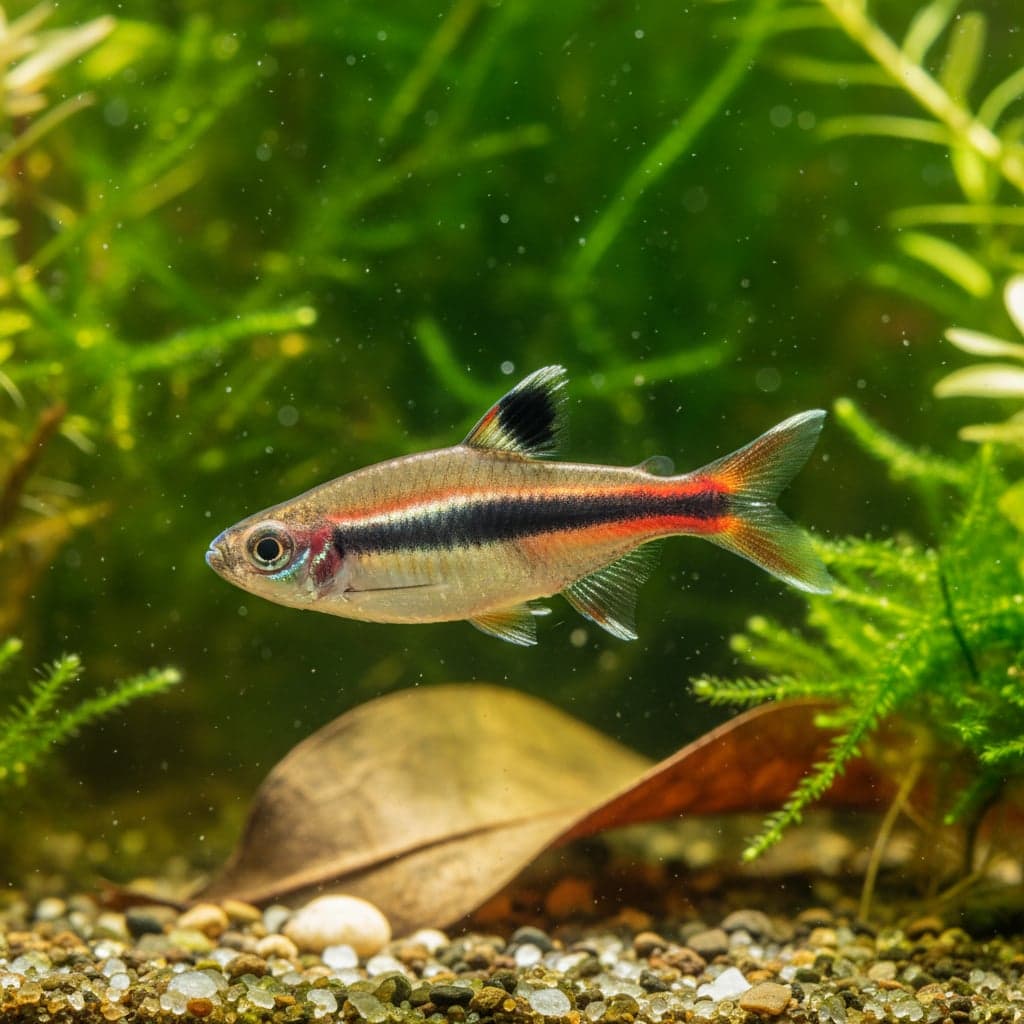
- Note: They are predatory toward small fish. Any neon tetra or small guppy will likely disappear overnight.
Behavior & Temperament
They are peaceful toward fish too large to eat but can be territorial with other driftwood catfish or similar-looking occupants of "prime" caves. They are almost entirely nocturnal; if the tank is too bright or lacks adequate cover, the fish will suffer from extreme stress. They possess sharp pectoral and dorsal spines that can "lock" into place, a defense mechanism they use to wedge themselves into wood. Use caution when moving them, as they can easily become entangled in nets.
Tank Mates
Suitable tank mates include other peaceful Amazonian species that stay in the mid-to-upper water columns:
- Larger Tetras (like Bleeding Heart Tetras or Congo Tetras)
- Discus or Angelfish
- Corydoras catfish (larger species)
- Medium-sized peaceful Cichlids (Severums)
- Other small to medium-sized L-number plecos
Avoid keeping them with very small, delicate fish or with overly aggressive "monsters" that might bully them out of their hiding spots.
Breeding
Breeding Liosomadoras oncinus in the home aquarium is extremely rare. They are thought to be internal fertilizers (common for the Auchenipteridae family), where the male uses a modified anal fin to fertilize the female. The eggs are then laid in a secluded spot, usually a tight crevice in wood. Very few successful captive spawnings have been documented, and much of their reproductive biology remains a mystery to hobbyists.
Common Health Issues
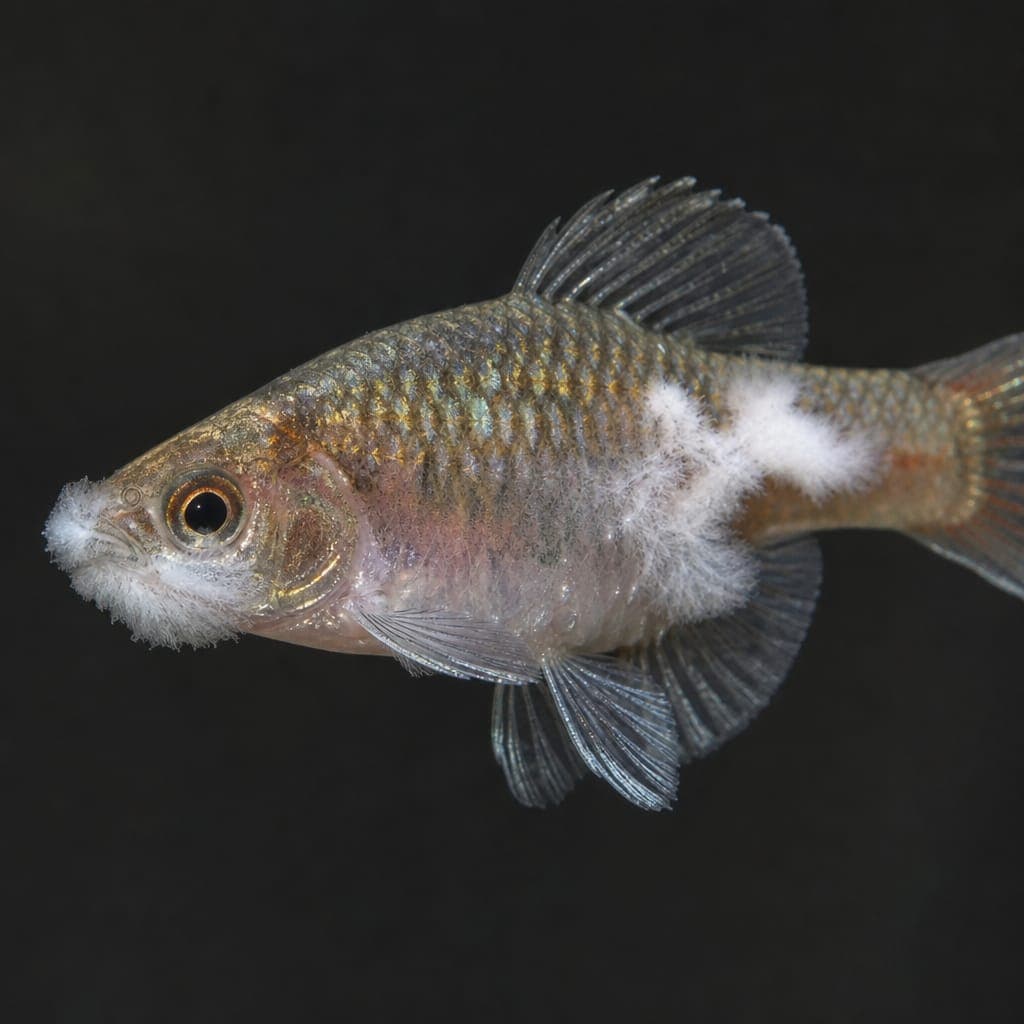
The primary health concern is stress-induced fungal infections, which often occur if the fish is kept in a tank that is too bright or lacks adequate driftwood. They are also sensitive to certain medications, especially those containing copper. Providing a high-stress, sheltered environment with pristine water quality and a nutrient-dense carnivorous diet is the best way to ensure their stunning jaguar rosettes remain vivid and their health remains robust.