Jaguar Cichlid: Parachromis managuensis
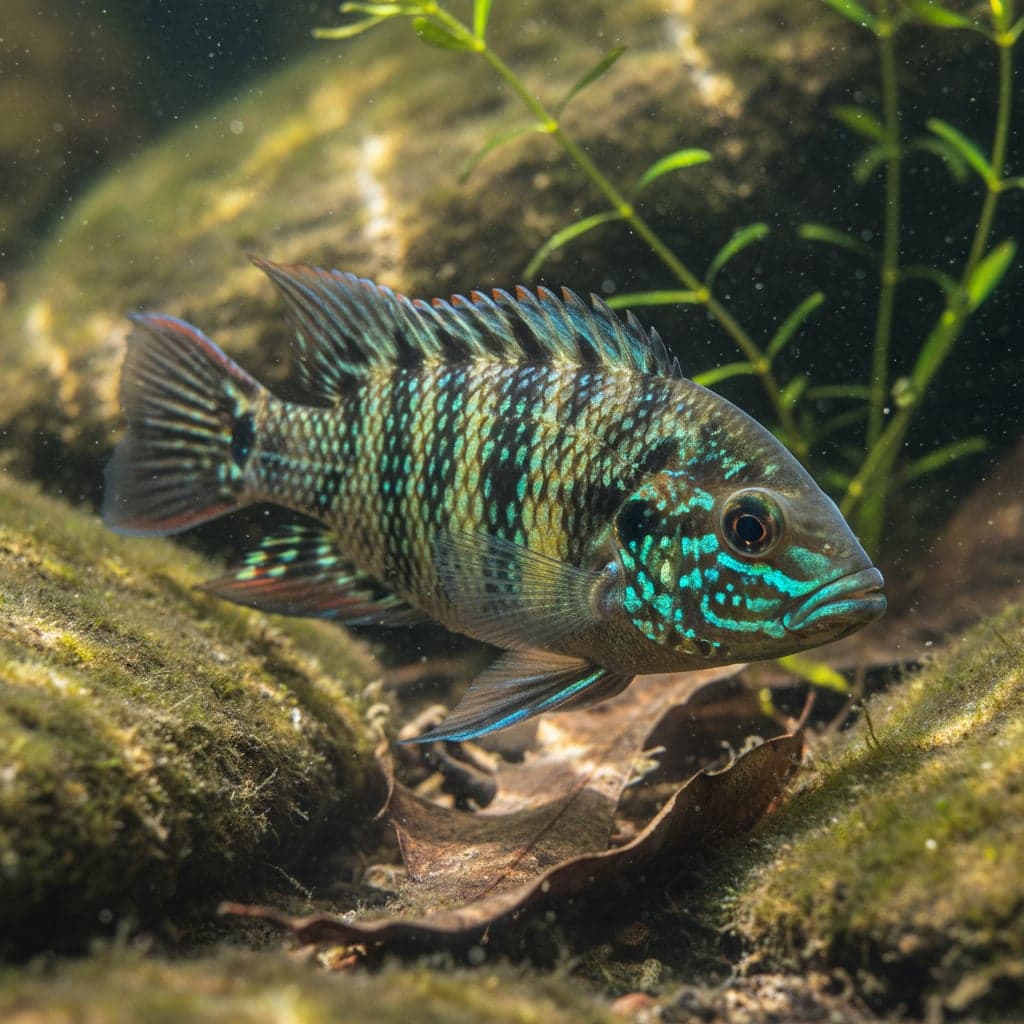
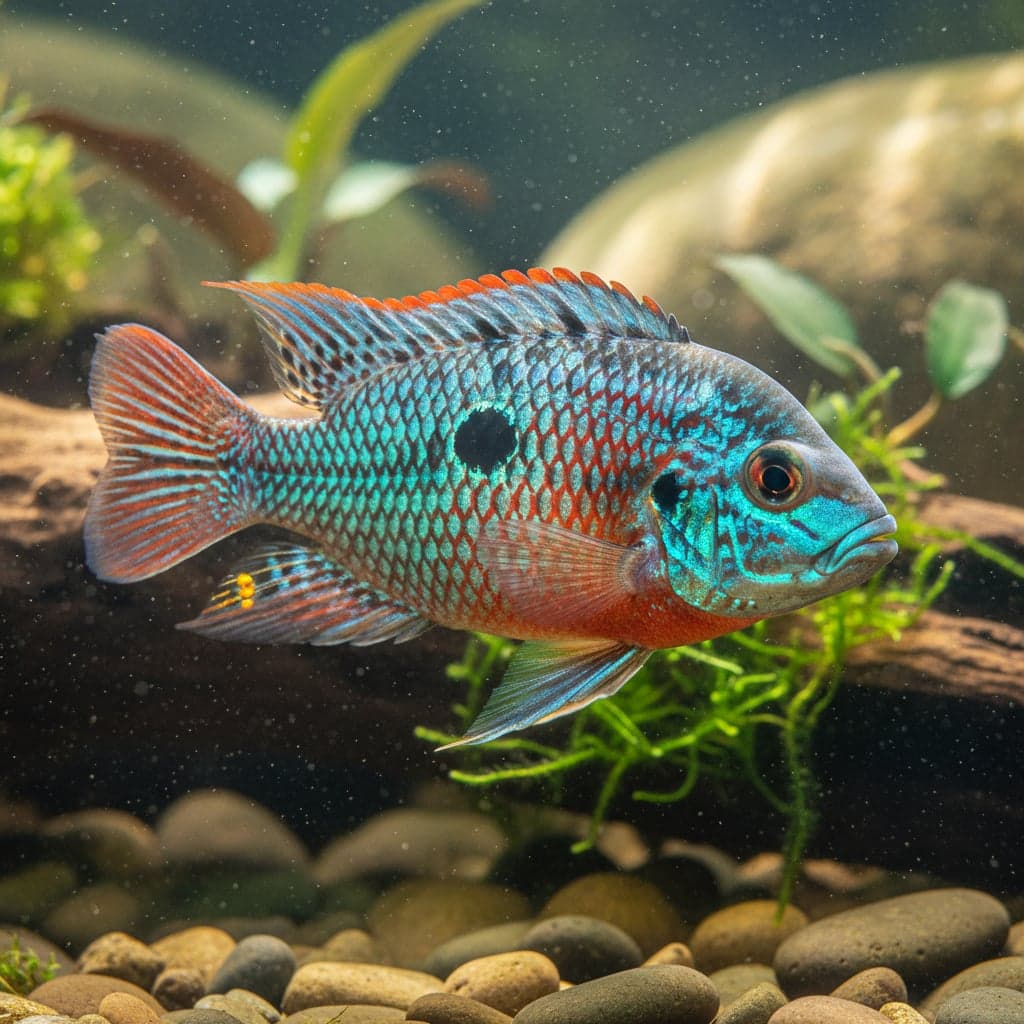
The Jaguar Cichlid (Parachromis managuensis), also known as the Managuense Cichlid, is a massive, incredibly powerful apex predator from Central America, prized for its high intelligence and stunning "jaguar" rosette patterning.
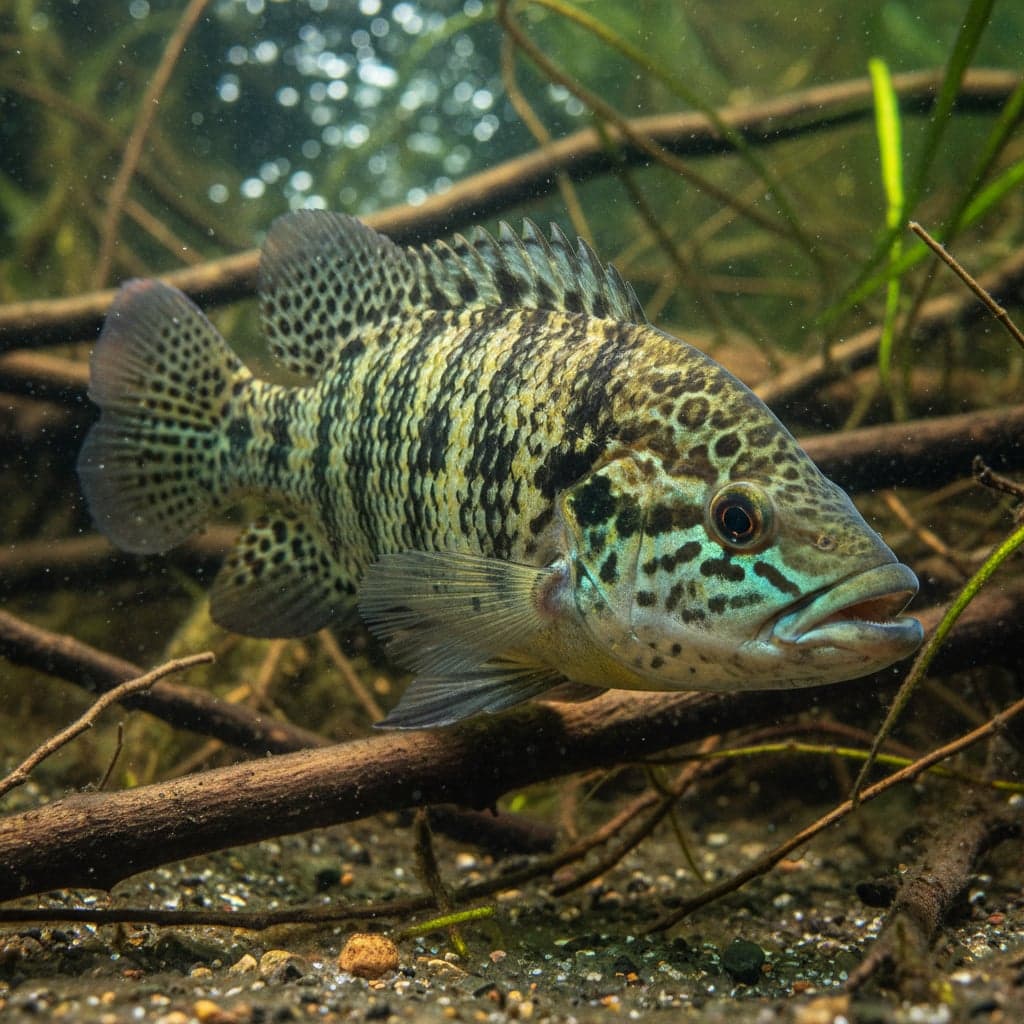
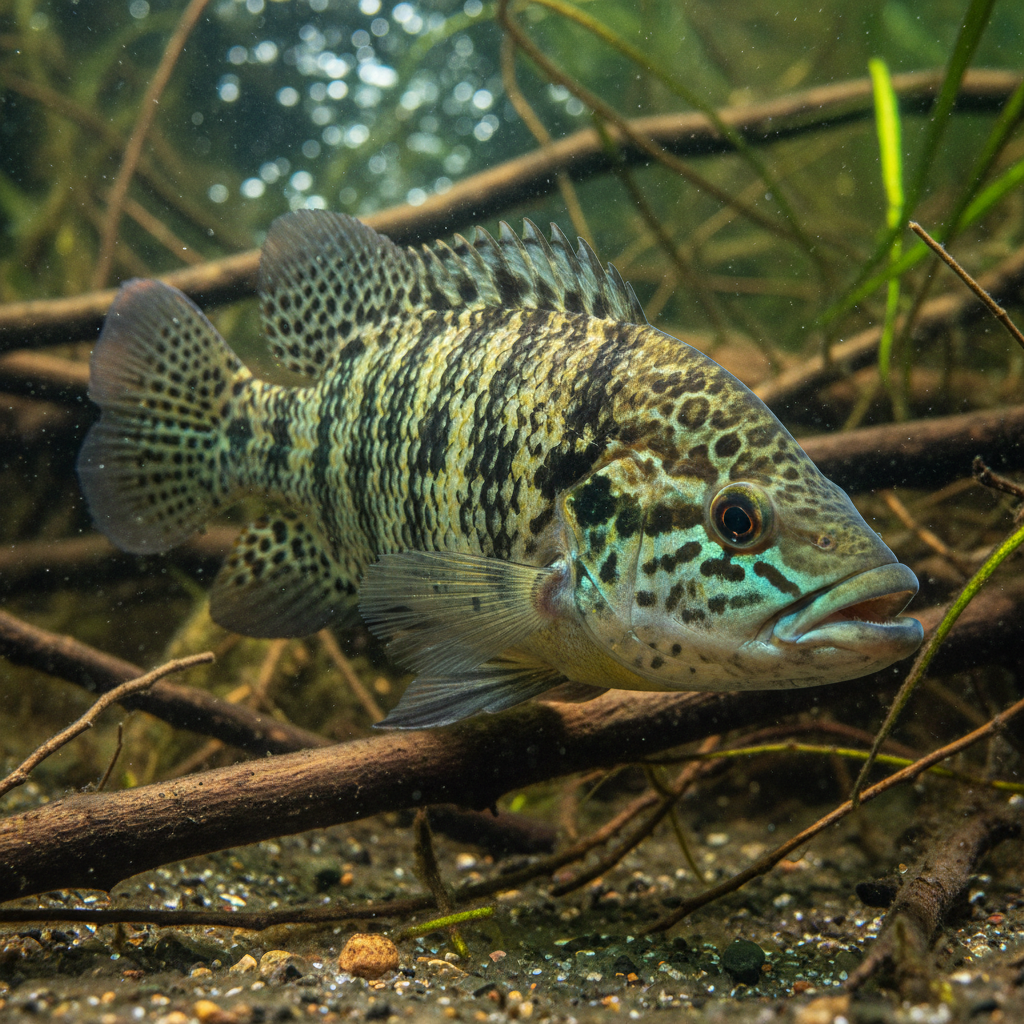
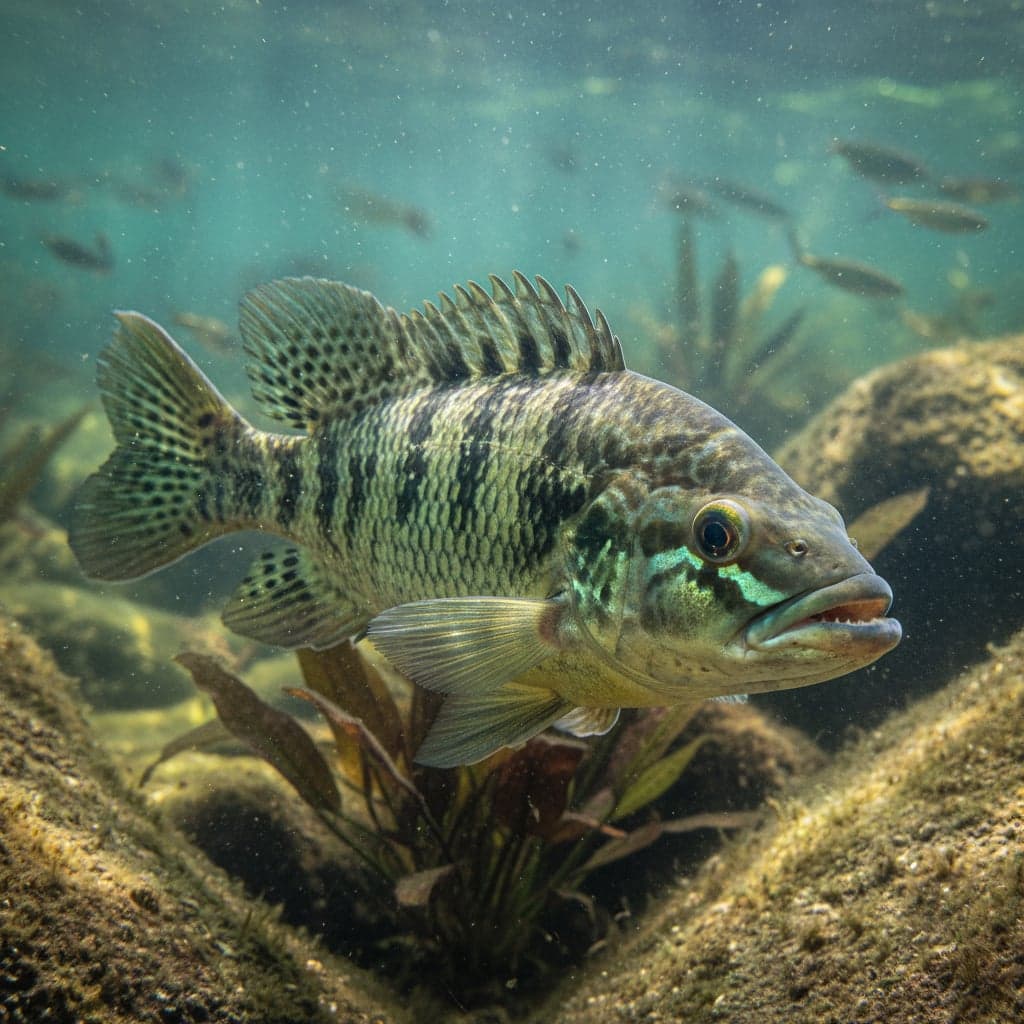
The Jaguar Cichlid (Parachromis managuensis) is one of the true titans of the Central American hobby. Belonging to the "Guapote" group (Spanish for "handsome"), it is as beautiful as it is fearsome. Its common name refers to the dense, high-contrast mosaic of black spots and rosettes that cover its powerful, laterally compressed body, resembling the coat of a jaguar. This coloration serves as perfect camouflage in the murky, debris-filled waters of its native range. As it matures, the Jaguar Cichlid develops a massive mouth with a highly protrusible lower jaw and sharp, visible teeth, signaling its status as a specialized ambush predator.
In the aquarium, they are legendary for their aggression and intelligence. They are known to recognize their owners and can be taught to hand-feed, though extreme caution is advised. Keeping a Jaguar Cichlid is a commitment to a large-scale, species-specific setup where its predatory nature and impressive size can be safely managed.
Natural Habitat & Origin
Parachromis managuensis is native to the Atlantic slope of Central America, ranging from the Ulua River in Honduras down to the Matina River in Costa Rica. They are highly adaptable and are found in a variety of environments, including murky lakes (such as Lake Managua in Nicaragua), slow-moving rivers, and flooded swamps. They are particularly fond of warm, turbid waters with a soft, muddy bottom and significant physical structure, such as submerged tree trunks and dense aquatic vegetation, where they can wait in ambush for passing prey.
Care Requirements
The Jaguar Cichlid is a massive predator that grows rapidly and requires a truly enormous amount of space. A minimum tank size of 125 gallons (500L) is required for a single adult male, though a 180-gallon or larger system is much better for long-term health and to manage the extreme bioload.
Maintain stable parameters: a pH of 7.0 to 8.0 and a temperature of 75°F to 86°F (24°C to 30°C). They are exceptionally hardy and tolerant of poor water quality, but for their colors to truly shine, high-oxygen, well-filtered water is essential. The tank should feature massive amounts of rockwork and heavy driftwood anchored securely. They are enthusiastic diggers and will often rearrange the entire substrate, so any heavy decor must be placed directly on the tank floor. Subdued lighting and a mix of sand and fine gravel will best mimic their natural turbid environment.
Diet & Feeding
They are specialized carnivores and apex predators. In the wild, they feed almost exclusively on other fish, large crustaceans, and aquatic insects.
In captivity, they require a high-protein, varied diet:
- High-quality large Cichlid pellets (floating or sinking) as a staple.
- Frozen foods: Whole Silversides, Krill, and Prawns.
- Large specimens will accept strips of white fish or mussels.
- Tip: Avoid feeding "feeder fish" as they are a significant source of disease and lack the balanced nutrition found in prepared foods.
Behavior & Temperament
They are extraordinarily aggressive and territorial. They are widely considered to be among the most aggressive fish in the aquarium hobby. They do not tolerate other fish in their vicinity, especially other cichlids, and will often attack anything that enters their perceived territory—including the aquarist’s hand or the gravel vacuum. They are highly intelligent and spend much of their time observing their surroundings with an intensity that few other fish possess.
Tank Mates
Suitable tank mates are few and far between. In anything but the most massive setups (300+ gallons), they are best kept alone. If keeping them in a massive community:
- Other large, robust Central American Cichlids (Oscars, Red Devils, or Midas Cichlids)
- Large Catfish (Loricariids or Pimelodids)
- Large Silver Dollars (as "dither fish")
Avoid keeping them with any fish small enough to fit in their expandable jaws or any species that is easily intimidated.
Breeding
Jaguar Cichlids are prolific breeders and are legendary for their extreme parental aggression. The pair will select a flat surface, usually a large rock, where the female will lay up to 3,000 eggs. Once the eggs hatch, the parents are incredibly protective, attacking anything that comes within several feet of the nest. During this time, the parent's colors become deep black with brilliant glowing spots. The fry are easy to raise on baby brine shrimp and can reach several inches in length within just a few months.
Common Health Issues
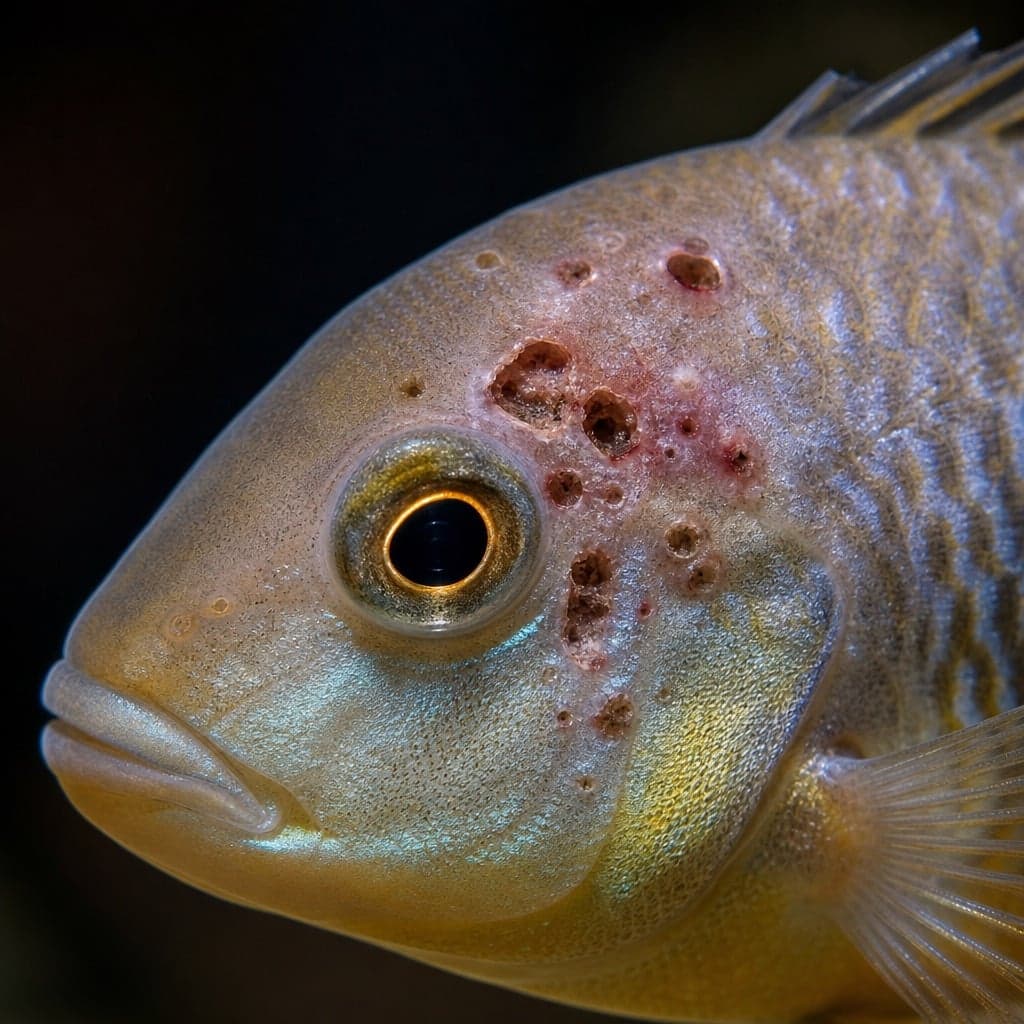
They are remarkably disease-resistant, but the primary health concern is Head and Lateral Line Erosion (HLLE) and "Hole-in-the-Head" disease, which is often linked to chronic stress, dietary deficiencies, and poor water quality. They are also prone to internal parasites if fed poor-quality live foods. Providing a massive, clean environment with high-quality nutrition and minimizing stress from inadequate space is the best way to ensure their "guapote" beauty remains at its peak.