Johannii Cichlid: Melanochromis johannii
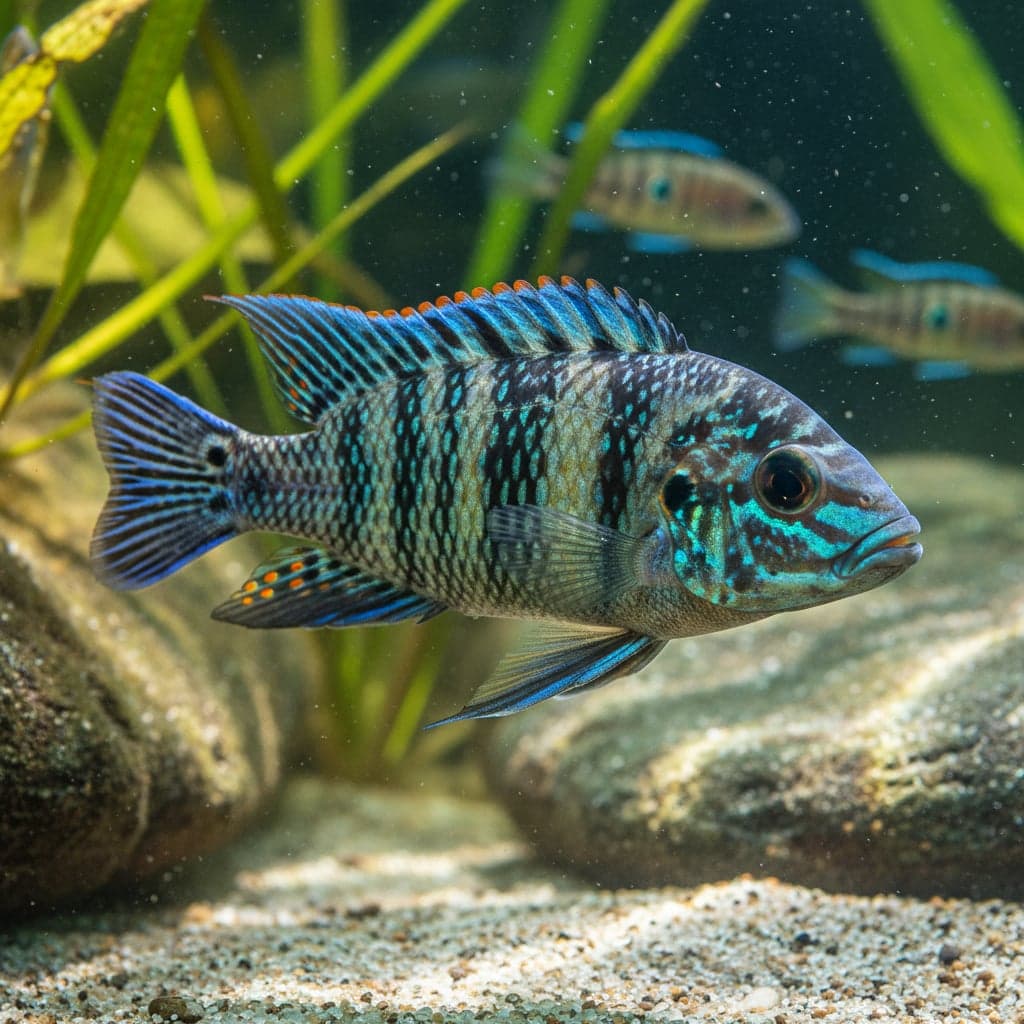
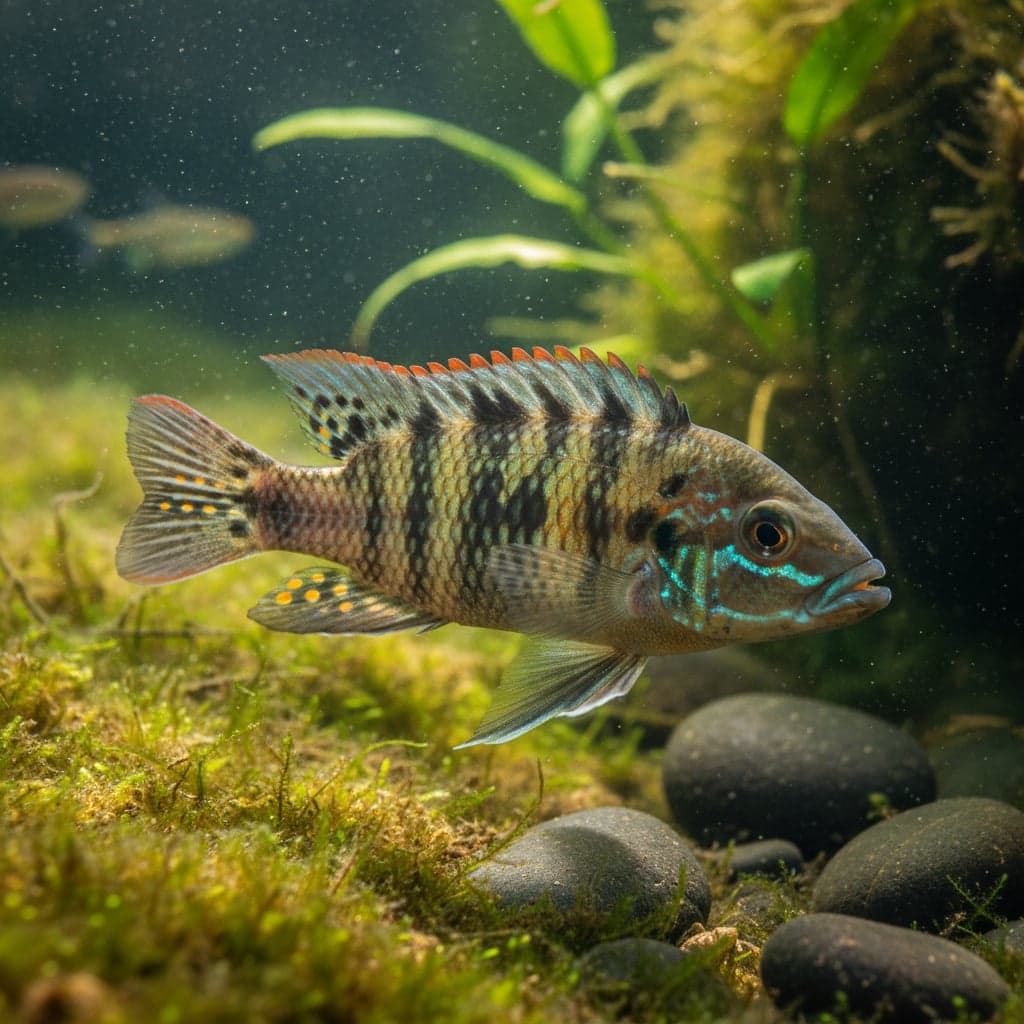
The Johannii Cichlid (Melanochromis johannii) is a stunningly dimorphic mbuna from Lake Malawi, featuring electric-blue striped males and high-contrast orange females.
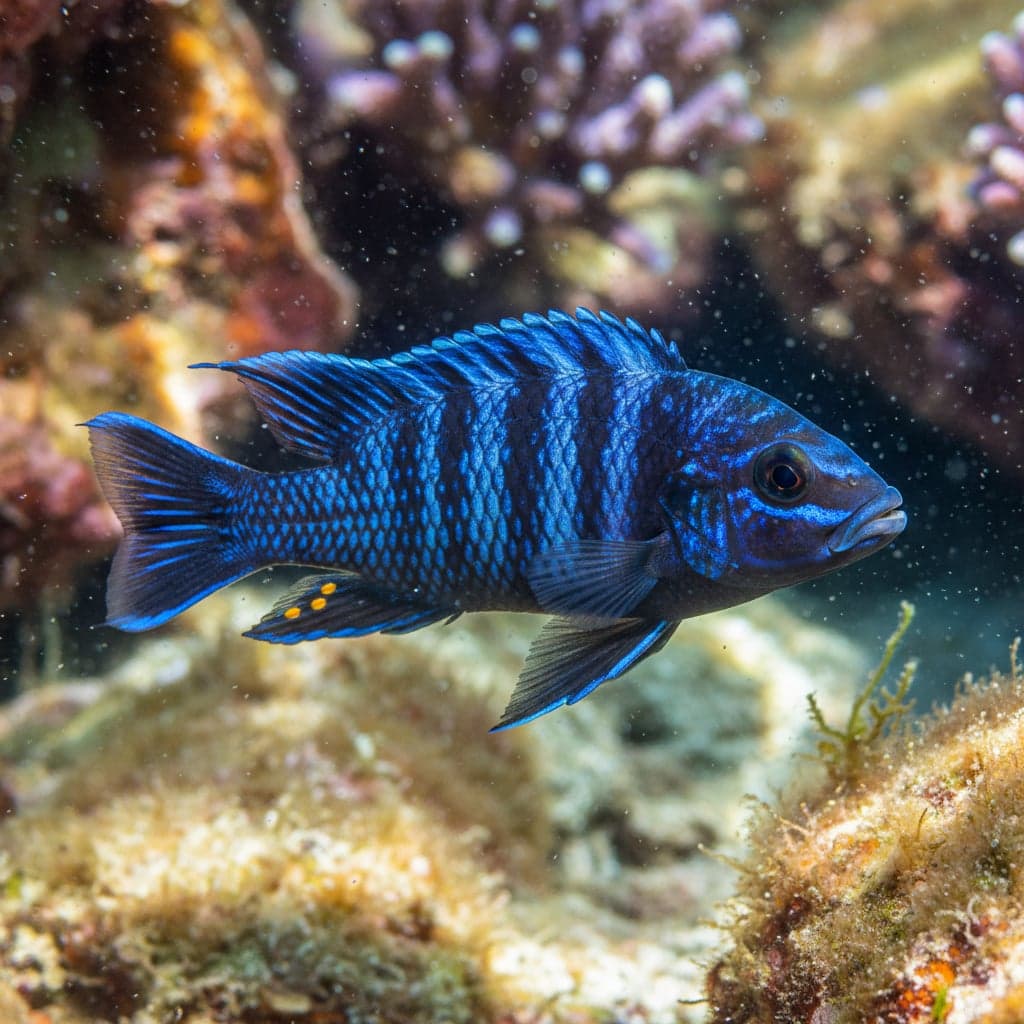
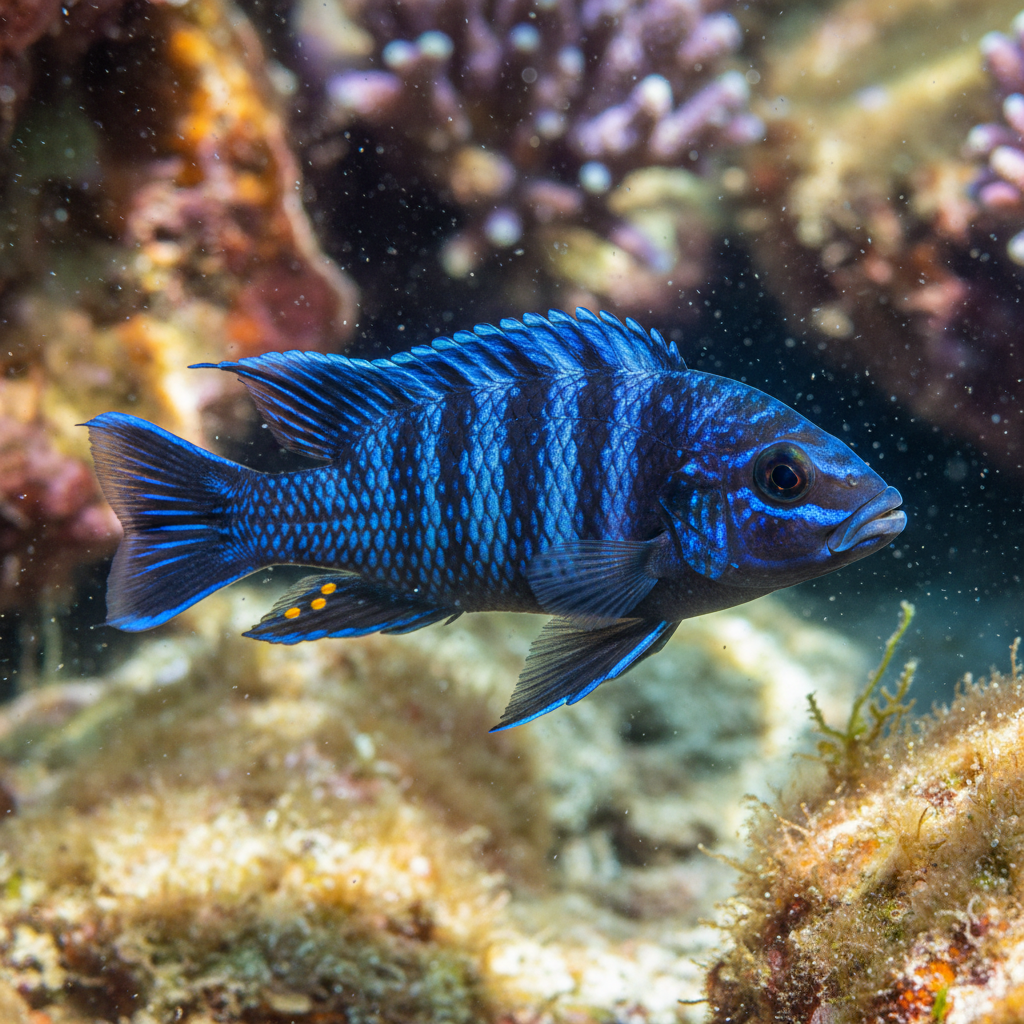
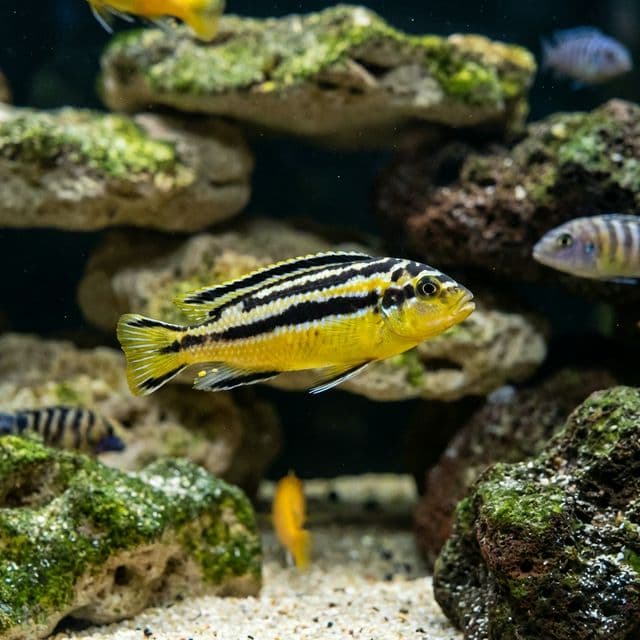
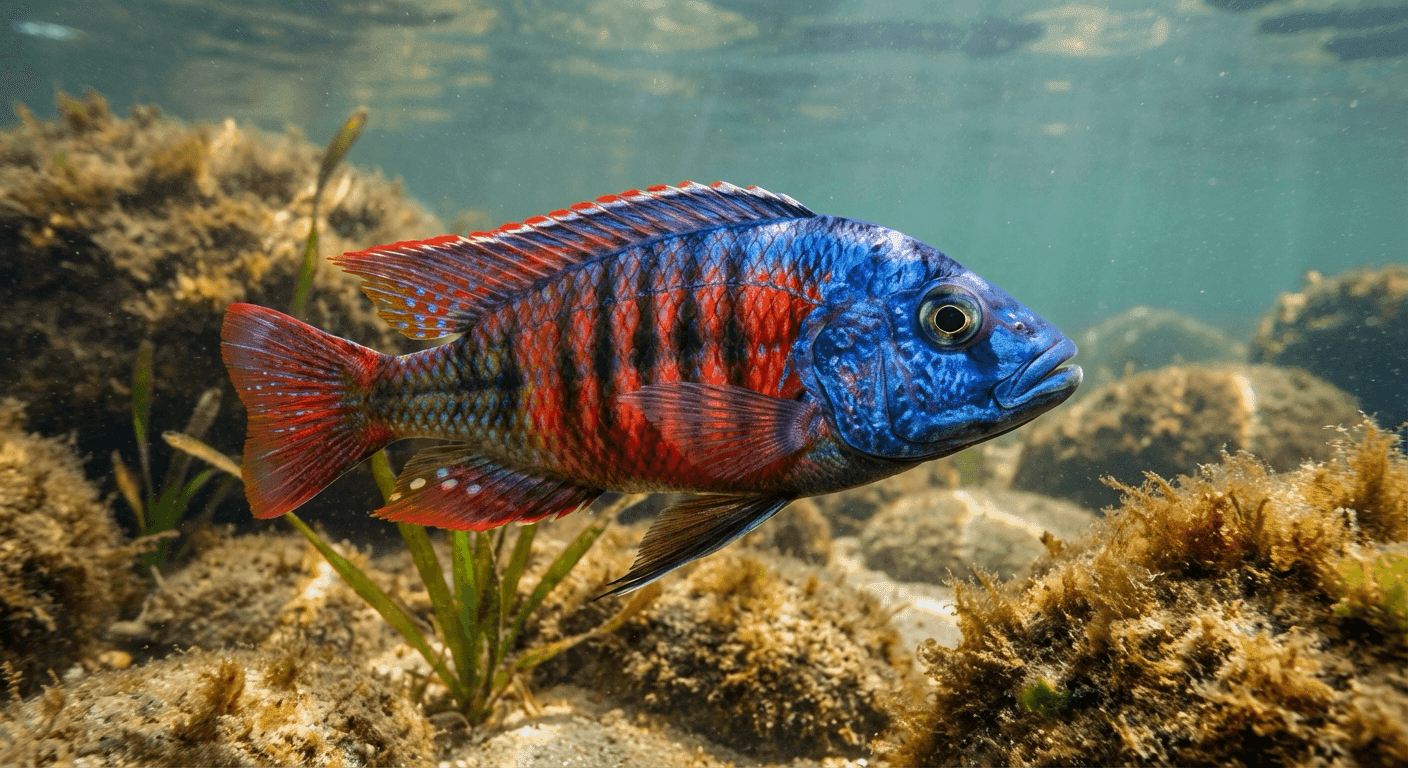
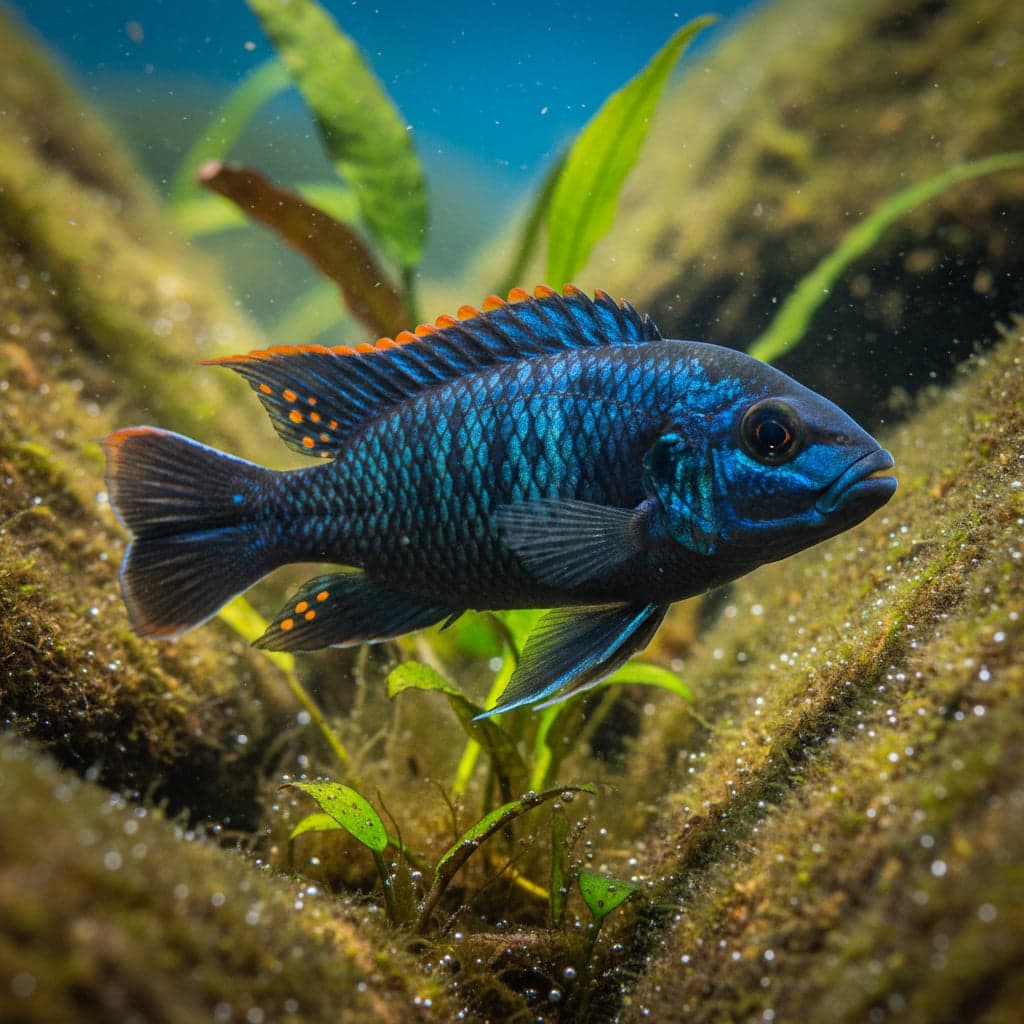
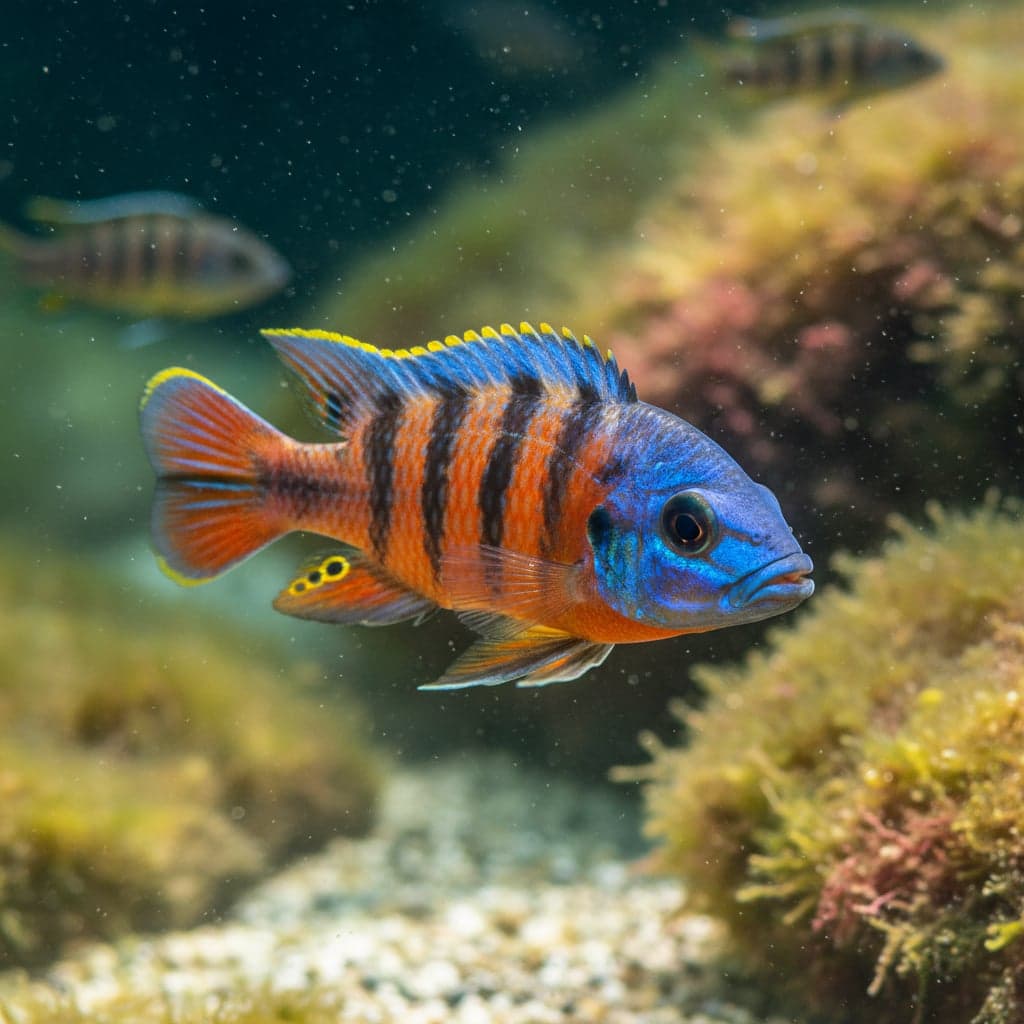
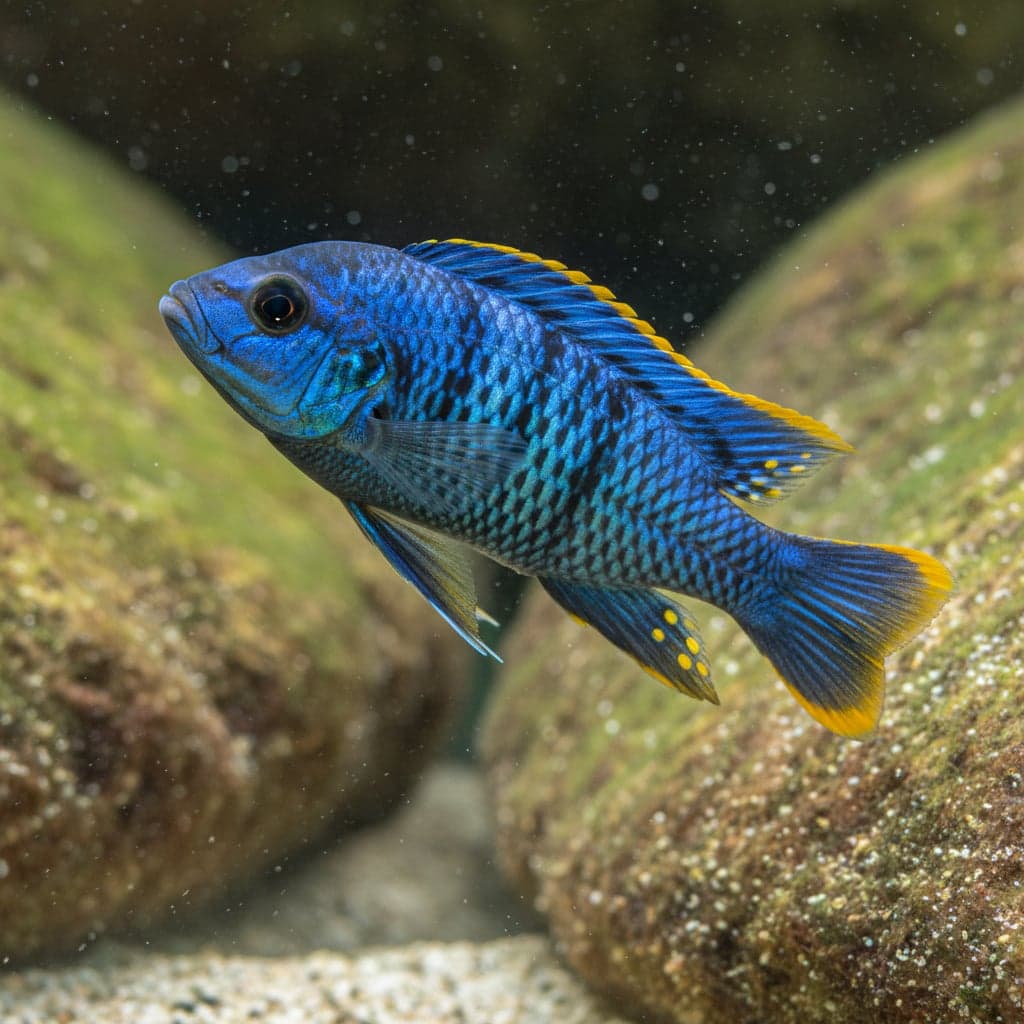
The Johannii Cichlid (Melanochromis johannii), often called the "Electric Blue Johannii," is a masterpiece of natural selection from Lake Malawi. It is famous for its extreme sexual dimorphism: mature males are a deep, midnight blue or black, adorned with two horizontal, glowing electric-blue stripes that run from may the head to the tail. In stark contrast, females and juveniles are a uniform, brilliant orange-yellow. This dramatic difference makes a colony of M. johannii one of the most visually balanced and exciting displays in the rift-lake hobby. Like all mbuna, they are high-energy, territorial, and remarkably intelligent fish that require a specialized "rock-crawler" environment.
In the aquarium, they are legendary for their industrious nature, constantly exploring and cleaning the surfaces of the rocks. While they are assertive and territorial, their unique social structure and dazzling colors make them a cornerstone species for any serious East African biotope.
Natural Habitat & Origin
Melanochromis johannii is endemic to Lake Malawi, primarily found around the Masinje Rocks and Cape Ngombo on the eastern shore of the lake. They are true "mbuna" (the local name meaning "rock fish"), inhabiting the shallow, boulder-strewn shorelines at depths of 1 to 5 meters. They spend their entire lives within the complex maze of the rocks, grazing on the "aufwuchs" (the thin carpet of algae and microorganisms) that grows on the stone surfaces. The water in these areas is exceptionally clear, highly alkaline, and well-oxygenated.
Care Requirements
The Johannii Cichlid requires a specialized mbuna-style setup to manage its high energy and territorial nature. A minimum tank size of 40 gallons (150L) is recommended for a small harem (1 male to several females).
Maintain precise parameters: a pH of 7.8 to 8.6 and a temperature of 75°F to 82°F (24°C to 28°C). High alkalinity (KH) is essential for their long-term health. The tank must be heavily decorated with massive piles of rockwork, ideally stacked to the water's surface, creating an endless system of tunnels, caves, and territorial boundaries. A substrate of fine sand (ideally aragonite-based to help buffer the pH) is necessary, as they are enthusiastic diggers and decorators. Powerful filtration and high oxygenation are non-negotiable for this high-bioload species.
Diet & Feeding
They are primarily herbivorous grazers. In the wild, their diet consists of algae scraped from rocks and the small invertebrates hidden within it.
In captivity, they require a specialized "mbuna" diet:
- High-quality Spirulina-based flakes and pellets should be the staple.
- Avoid high-protein "bloodworm" style diets, which can lead to the fatal condition known as "Malawi Bloat."
- Occasional treats of Mysis shrimp or Daphnia are acceptable, but they should be fed sparingly.
- Tip: Keeping the lighting bright enough to encourage some natural green algae growth on the rocks provides a valuable and natural enrichment source.
Behavior & Temperament
They are intensely territorial and aggressive, especially toward other blue-striped cichlids. Like most mbuna, they operate on a harem-based social structure; keeping a single male with 3 to 5 females is the best way to distribute his aggression. They are constantly active, darting through the rocks and defending their chosen cave with high-speed chases. They are highly intelligent and will quickly learn the feeding routine, often "shimmering" at the glass when they see their keeper.
Tank Mates
Suitable tank mates must be other robust mbuna from Lake Malawi that do not resemble the Johannii's coloring:
- Yellow Labs (Labidochromis caeruleus)
- Rusties (Iodotropheus sprengerae)
- Acei Cichlids (Pseudotropheus elegans)
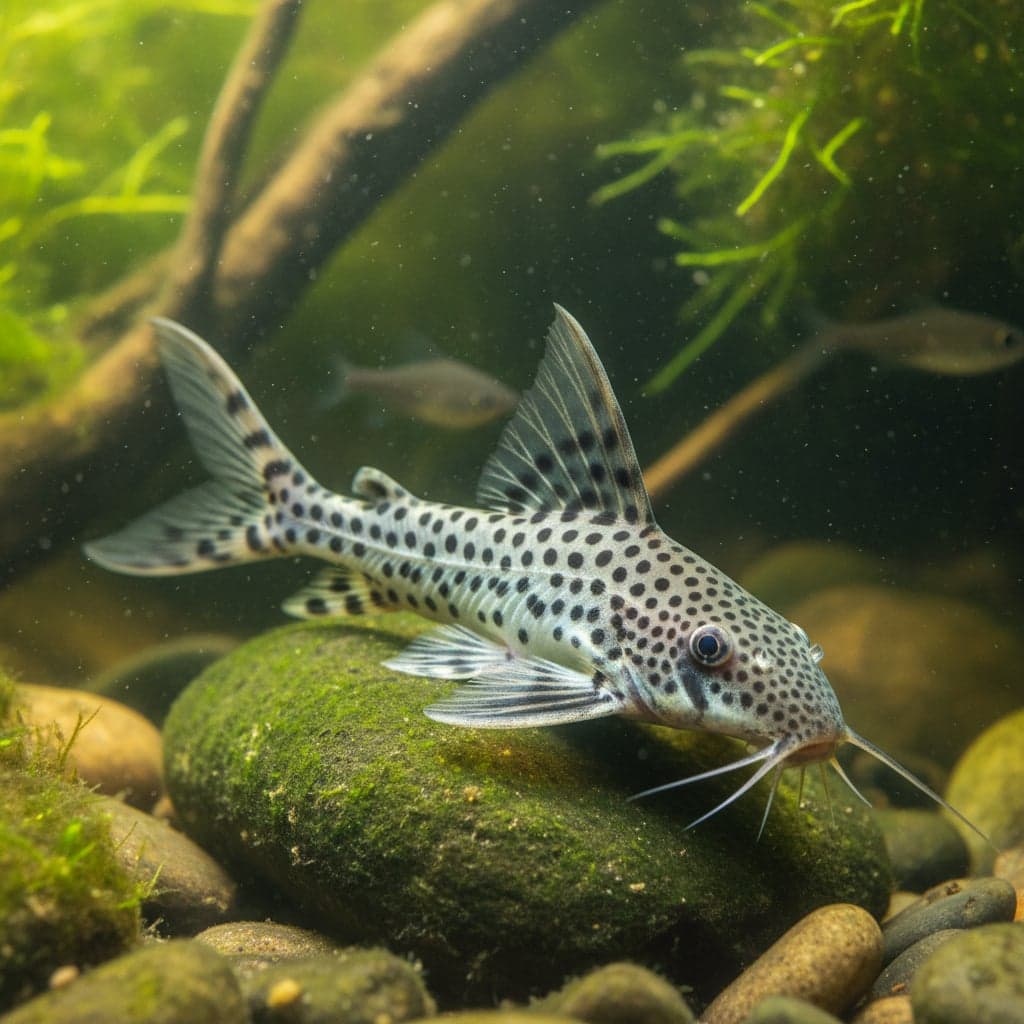
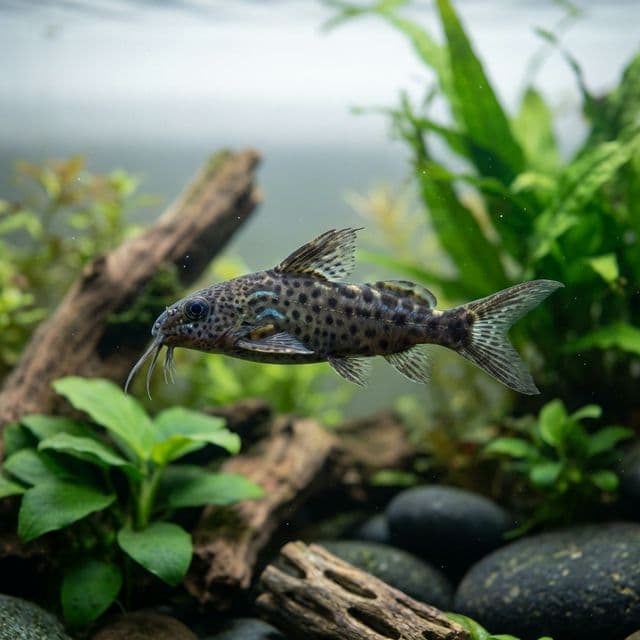
- Synodontis catfish (like S. lucipinnis)
Avoid keeping them with peaceful Rift Lake species like Peacocks or with Haps, as the Johannii's relentless energy and territoriality will likely cause them extreme stress.
Breeding
Johannii Cichlids are maternal mouthbrooders and are prolific breeders in the home aquarium. The male will select a flat stone or dig a pit in the sand and display with intense vibrations to attract a female. After spawning, the female collects the fertilized eggs in her mouth and broods them for about 21 days. During this time, she will not eat. Once released, the fry are bright orange (looking like miniature females) and are immediately capable of accepting finely crushed Spirulina flakes or baby brine shrimp.
Common Health Issues
The primary health concern is Malawi Bloat, a severe digestive issue caused by high stress and inappropriate high-protein diets. They are also sensitive to rapid drops in pH or nitrate spikes. Maintaining a stable, highly alkaline environment with a low-protein/high-vegetable diet and providing massive amounts of rockwork is the best way to ensure their stunning electric-blue stripes and fiery orange bodies remain at their absolute peak.