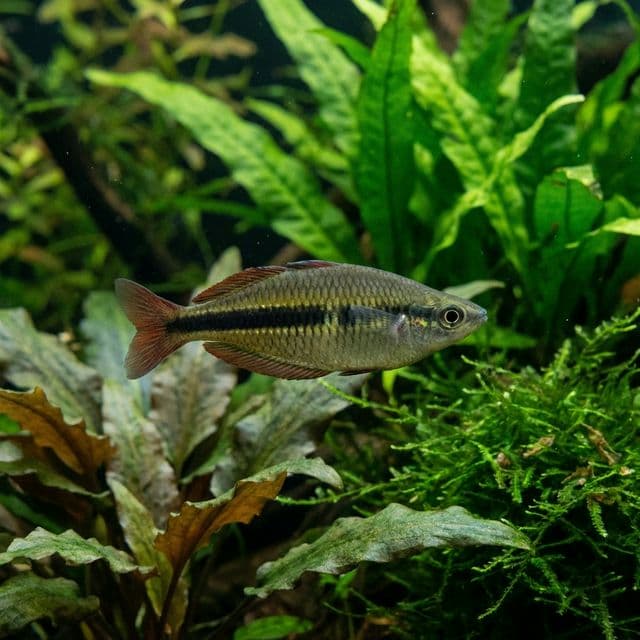
Kamaka Rainbowfish: Melanotaenia kamaka
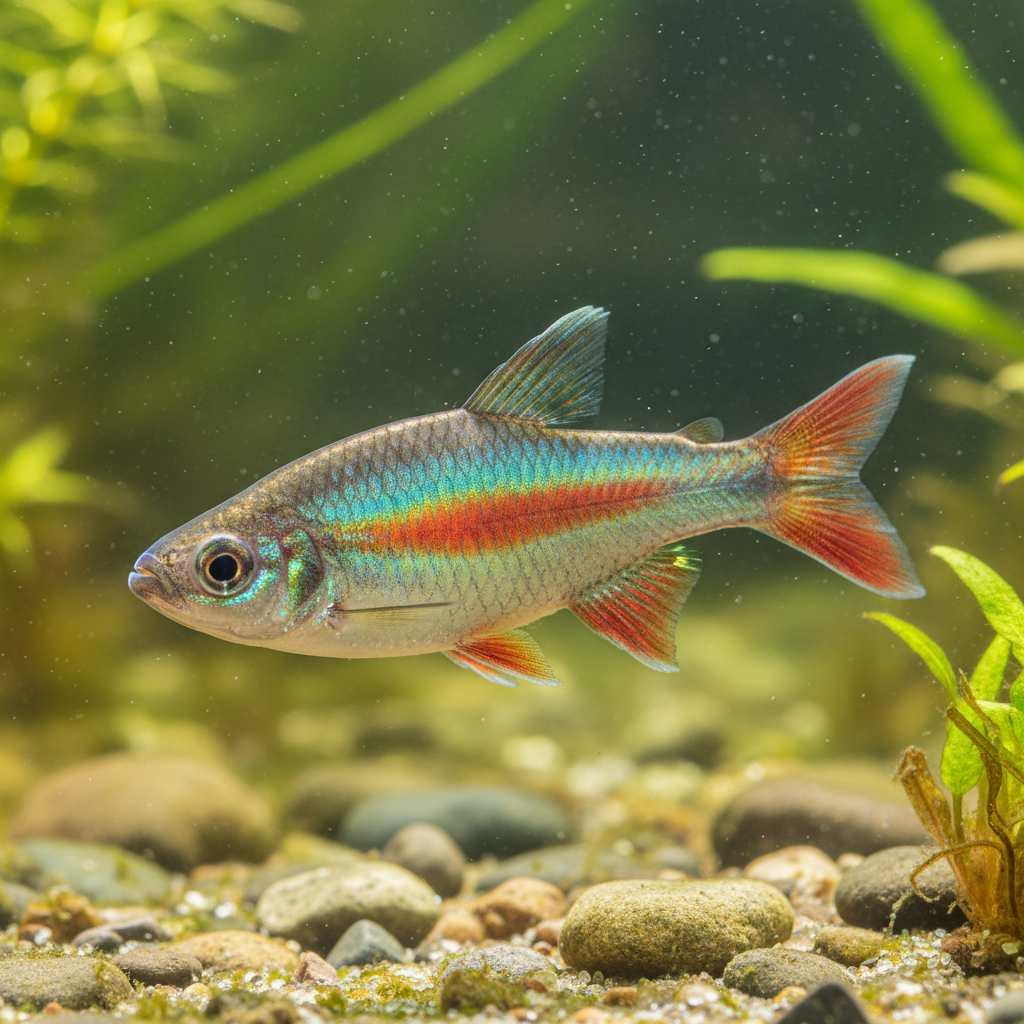
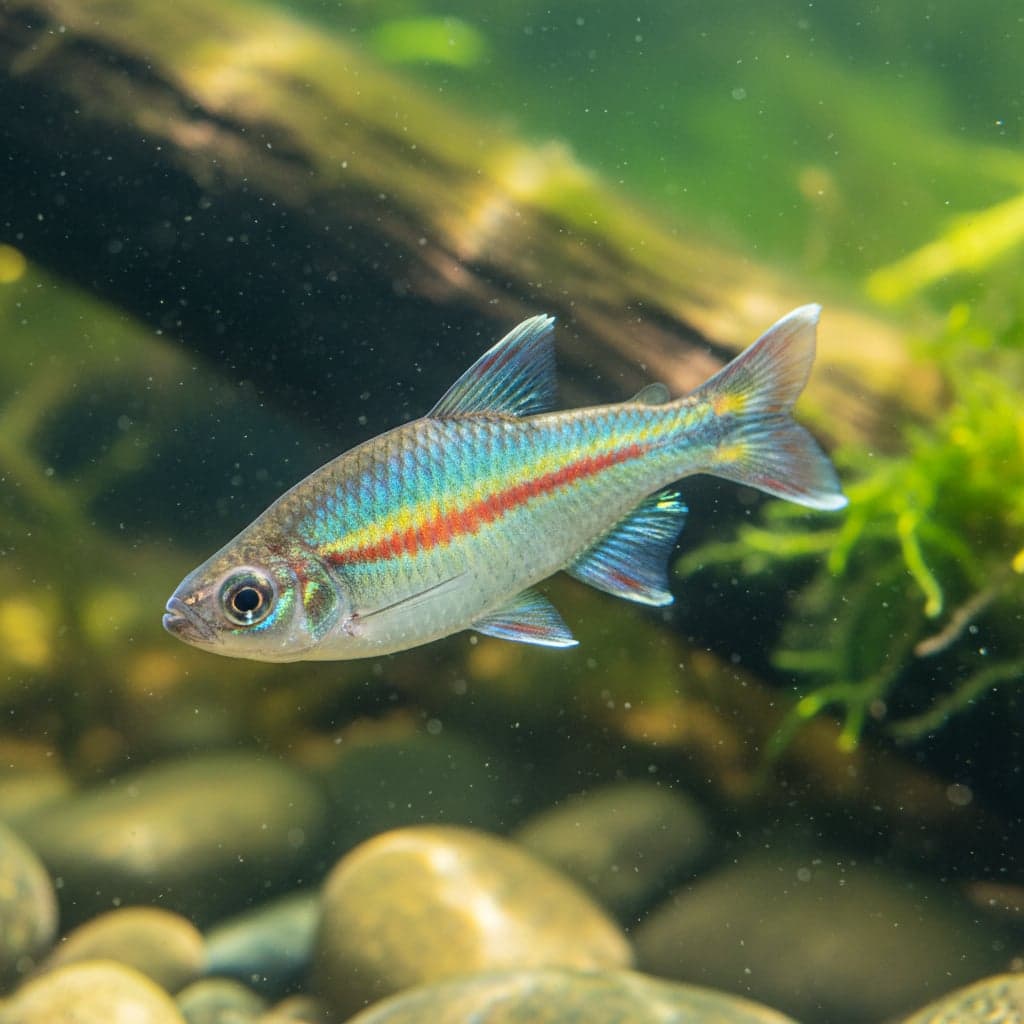
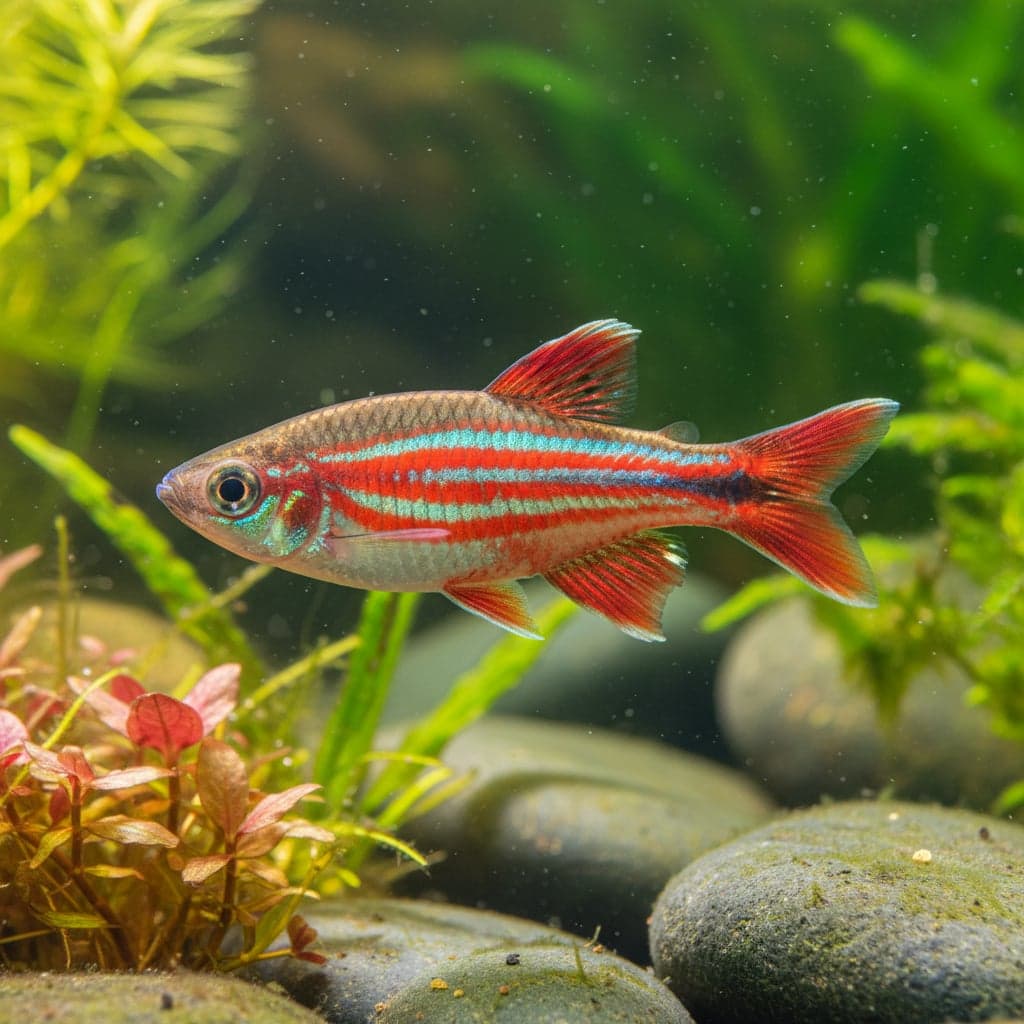
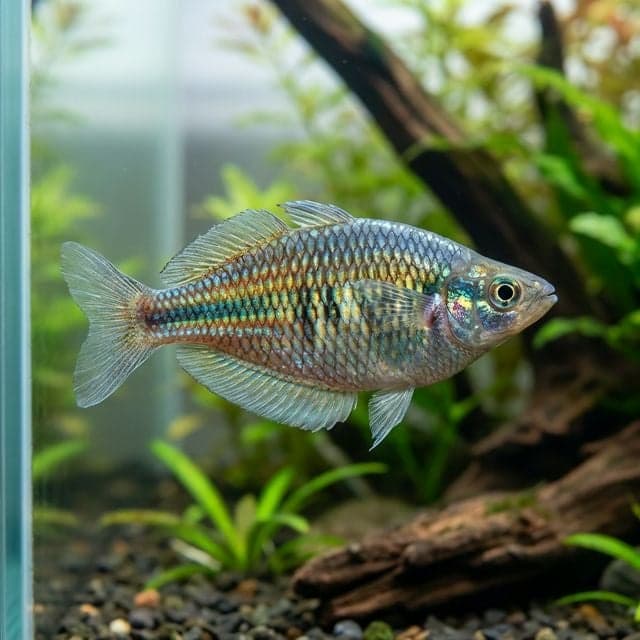
The Kamaka Rainbowfish (Melanotaenia kamaka) is a deep-bodied, electric-blue jewel from Lake Kamaka in West Papua, prized for its shimmering silver-and-blue iridescence.

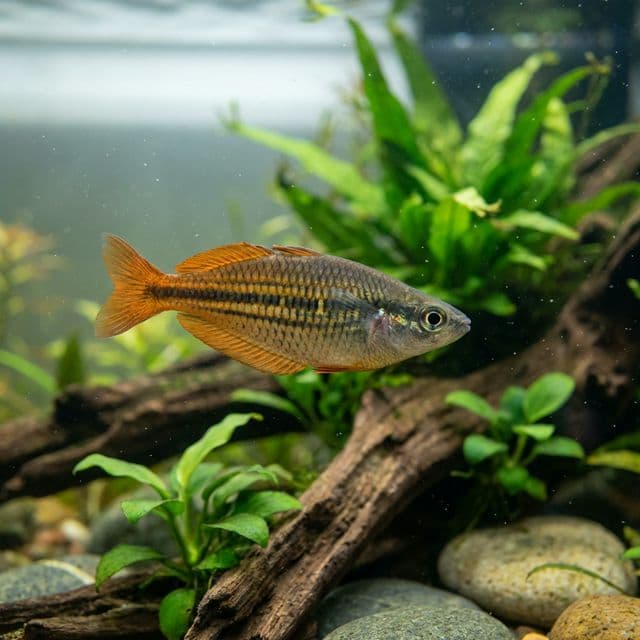
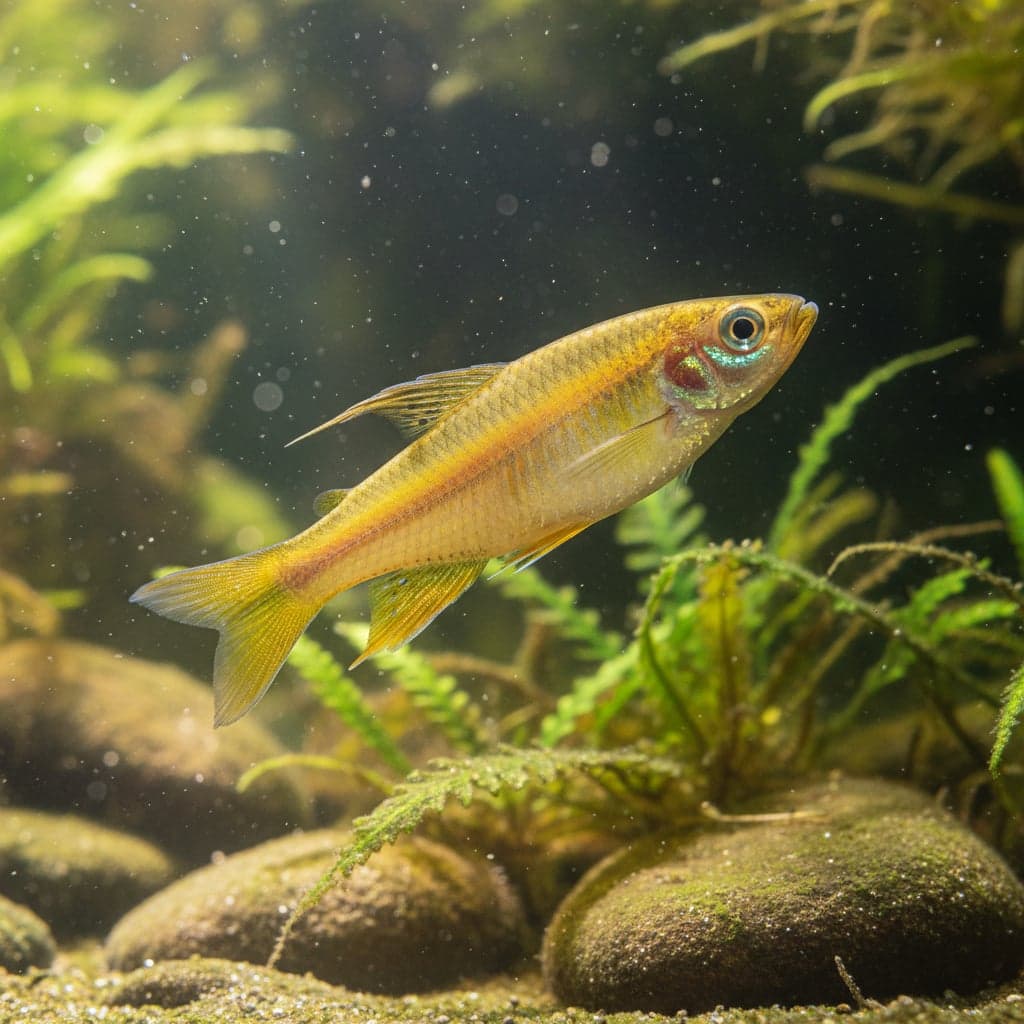
The Kamaka Rainbowfish (Melanotaenia kamaka) is one of the most visually stunning members of the rainbowfish family. Found only in a single lake in the remote Triton Lakes region of West Papua, its beauty is as rare as its origin. It is defined by its exceptionally deep, compressed body and its intense, icy-blue coloration. While many rainbowfish are flashes of multiple colors, the Kamaka is a dedicated study in blue: its scales shimmer with a metallic silver-blue luster that seems to glow from within. In the aquarium, they are the quintessence of "living jewelry," providing a high-active, social, and brilliantly colored display that is virtually unmatched in the freshwater world.
They are social animals that thrive in large schools, where the males engage in "spectacular displays" of color and fin-flashing to impress females. While they are relatively easy to keep, they require hard, alkaline water to exhibit their famous neon-blue glow.
Natural Habitat & Origin
Melanotaenia kamaka is endemic to Lake Kamaka (and its immediate tributaries) in the Triton Lakes region of West Papua, Indonesia. This is a limestone-rich environment characterized by crystal-clear, hard, and alkaline water. The lake is surrounded by lush forest, and the margins are filled with fallen branches and submerged limestone boulders. There is very little aquatic vegetation in the open water; instead, the fish congregate near the rocky shores and fallen timber where they forage for small invertebrates.
Care Requirements
The Kamaka Rainbowfish is a hardy species, but it must be kept in hard, alkaline water to thrive. Soft, acidic water will lead to a rapid loss of color and a weakened immune system. A minimum tank size of 30 gallons (100L) is recommended for a school.
Maintain stable parameters: a pH of 7.5 to 8.5 and a temperature of 75°F to 82°F (24°C to 28°C). The water should be well-filtered and well-oxygenated. The tank should feature plenty of open swimming space in the center, with dense planting or driftwood tangles along the back and sides for cover. Using limestone rocks or crushed coral in the filter can help maintain the high alkalinity they require. They are active jumpers, so a secure lid or a high waterline with floating plants is essential.
Diet & Feeding
They are active omnivores with a high metabolism. In the wild, they feed on a mix of aquatic and terrestrial insects, small crustaceans, and some filamentous algae.
In captivity, they are enthusiastic eaters:
- High-quality flakes and small pellets should be the staple.
- They relish live or frozen foods: Bloodworms, Mysis shrimp, and Daphnia.
- Including some vegetable-based food (like Spirulina flakes) will help maintain their health.
- Tip: Because they are fast, active swimmers, they will consume food quickly. Ensure that slower tank mates are also being fed.
Behavior & Temperament
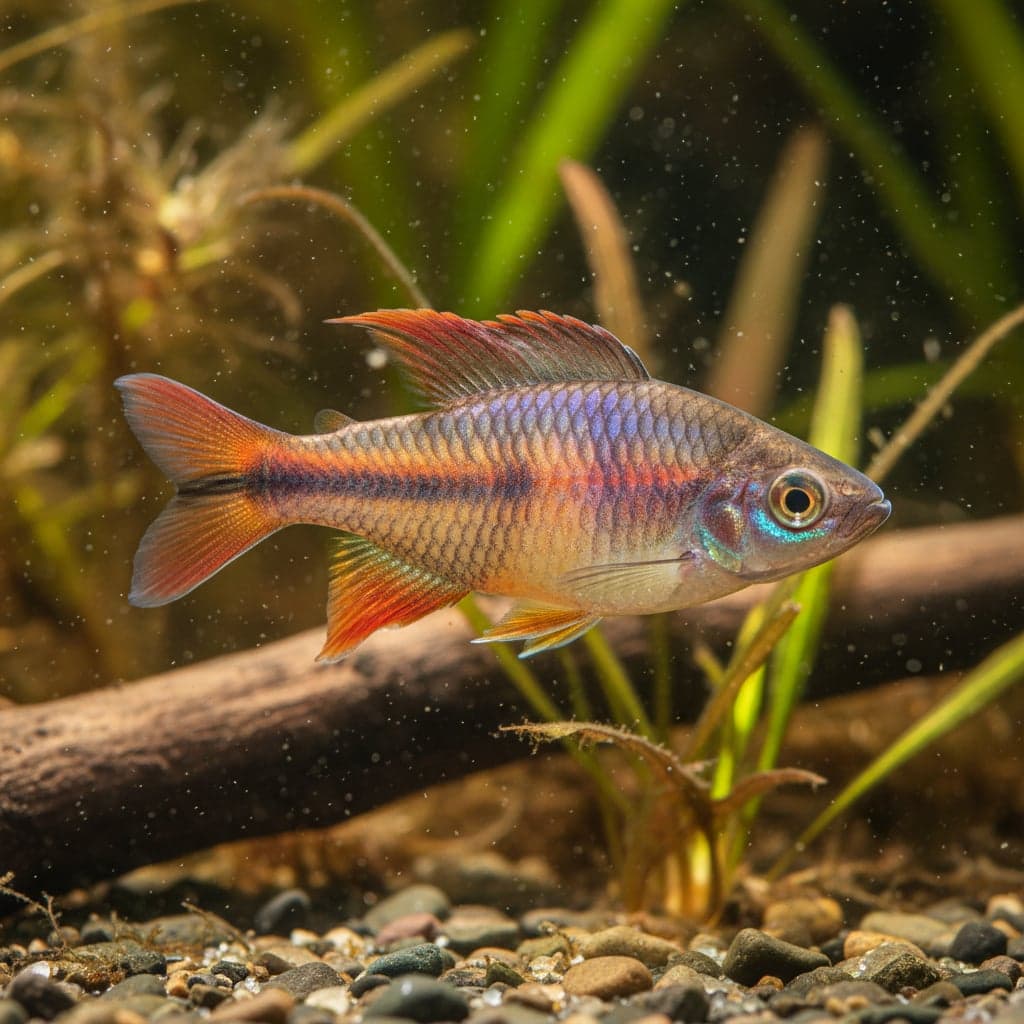
They are peaceful and highly social. They should always be kept in a school of 6 or more individuals (ideally with more females than males). In a group, mereka will display their most natural behaviors and the males will exhibit their most intense electric-blue colors. They are mid-to-top water dwellers and are constantly on the move, creating a sense of energy in the tank. They are entirely non-aggressive and can be kept with almost any other peaceful species.
Tank Mates
Suitable tank mates are other peaceful species that share their preference for hard water:
- Other Rainbowfish species (M. boesemani, M. praecox)
- Hard-water Livebearers (Swordtails, Mollies)
- Corydoras catfish
- Larger Danio species
- Rainbowfish-compatible Cichlids (like Pelvicachromis)
Avoid keeping them with very slow-moving fish or with aggressive species that might nip at their flowing fins.
Breeding
Breeding Melanotaenia kamaka is straightforward for those who can maintain high water quality. They are egg-scatterers; in a well-fed school, spawning will occur almost every morning. The males will display with intense vibrations and flared fins. The eggs are deposited onto fine-leaved plants or a specialized spawning mop. The eggs hatch in 7 to 10 days. The fry are tiny and require infusoria or liquid fry food initially, before graduating to baby brine shrimp.
Common Health Issues
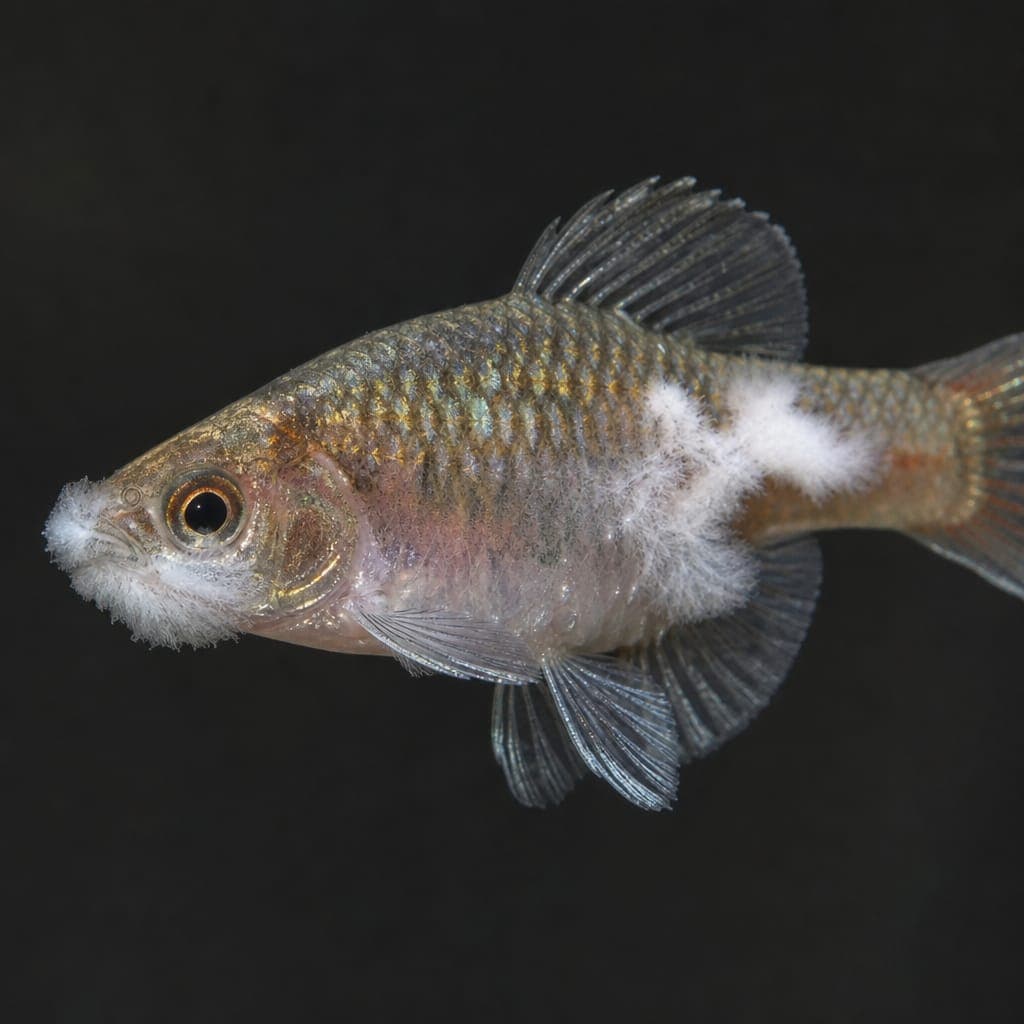
The primary health concern is stress-induced physical damage from being kept in water that is too soft or acidic. They are also prone to Columnaris (mouth rot) if water quality is not maintained. Providing a stable, hard-water environment with regular water changes and a high-quality, varied diet is the best way to ensure their shimmering electric-blue bodies remain a highlight of the tank.