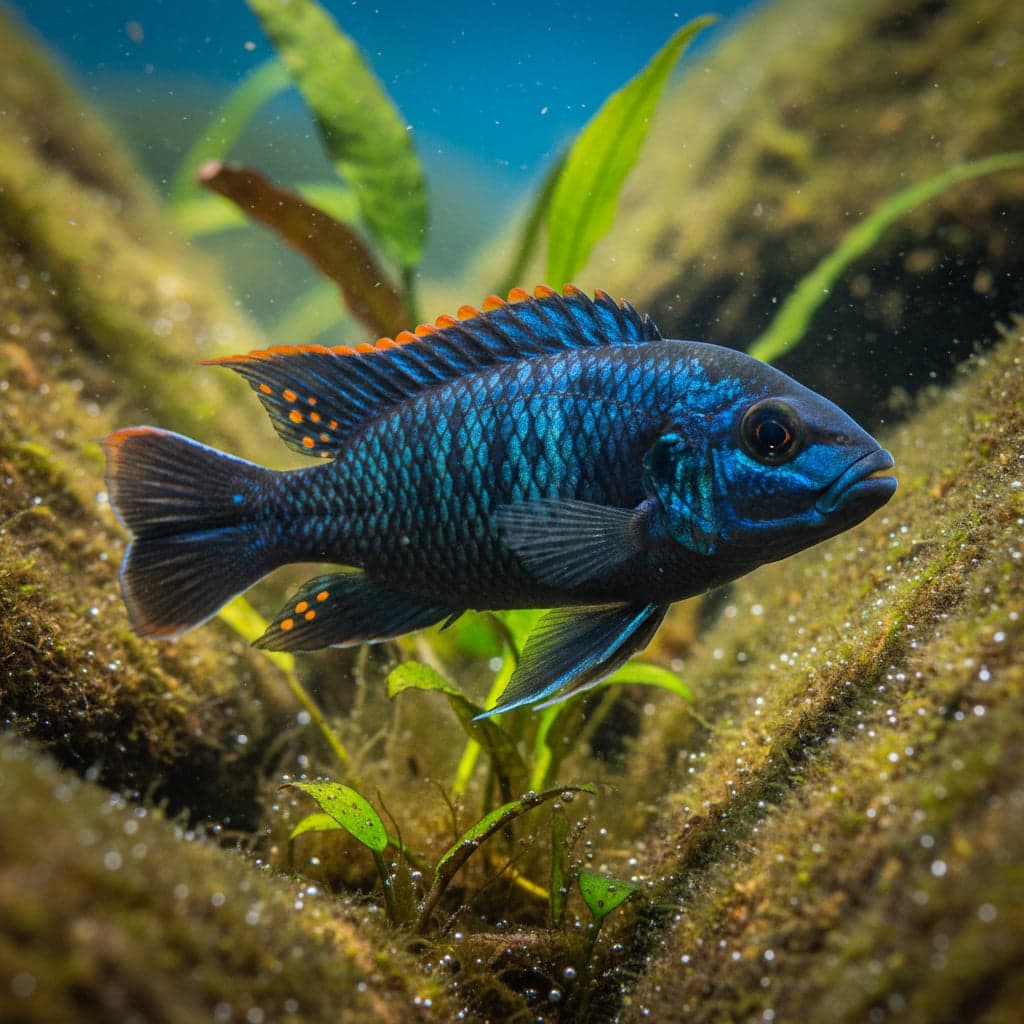
Kenyi Cichlid: Maylandia lombardoi
The Kenyi Cichlid (Maylandia lombardoi) is a legendary mbuna from Lake Malawi, famous for its striking reverse-sexual dimorphism and its notoriously feisty, high-energy personality.
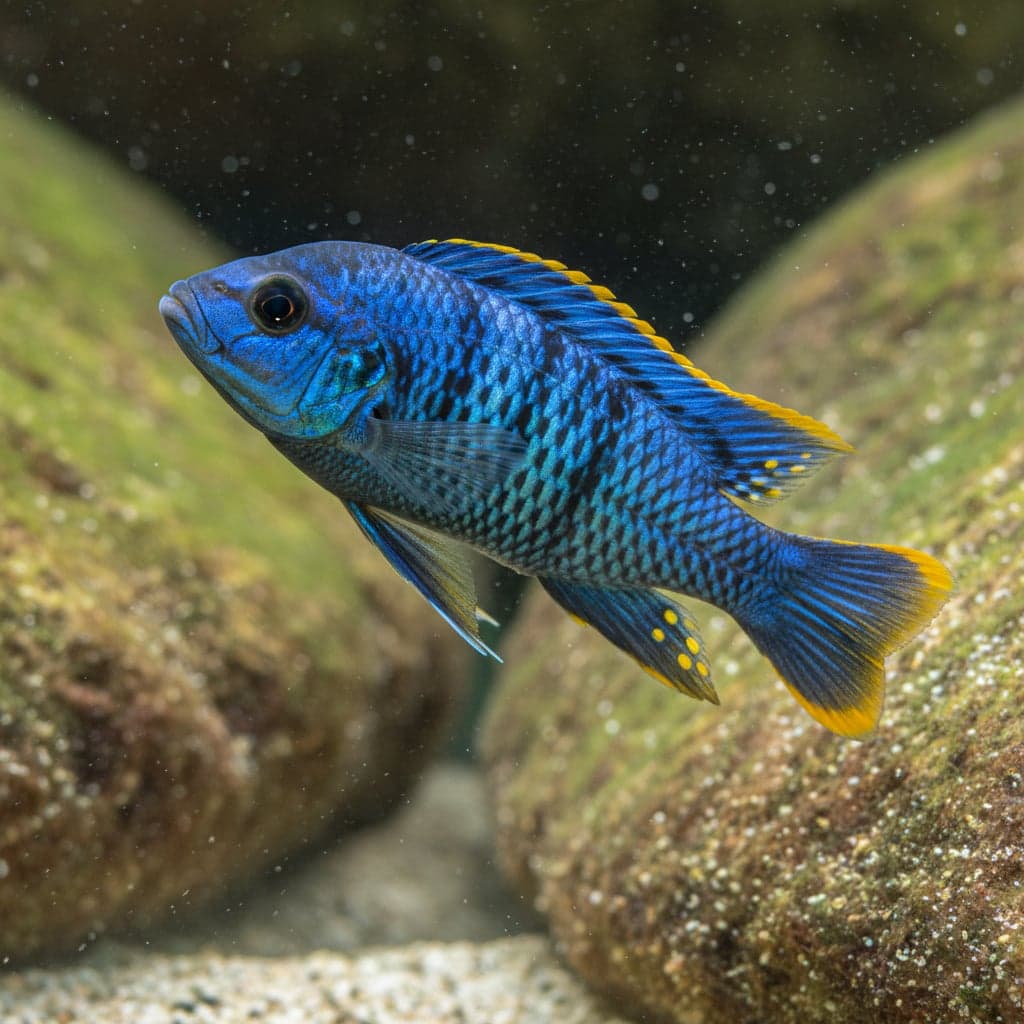
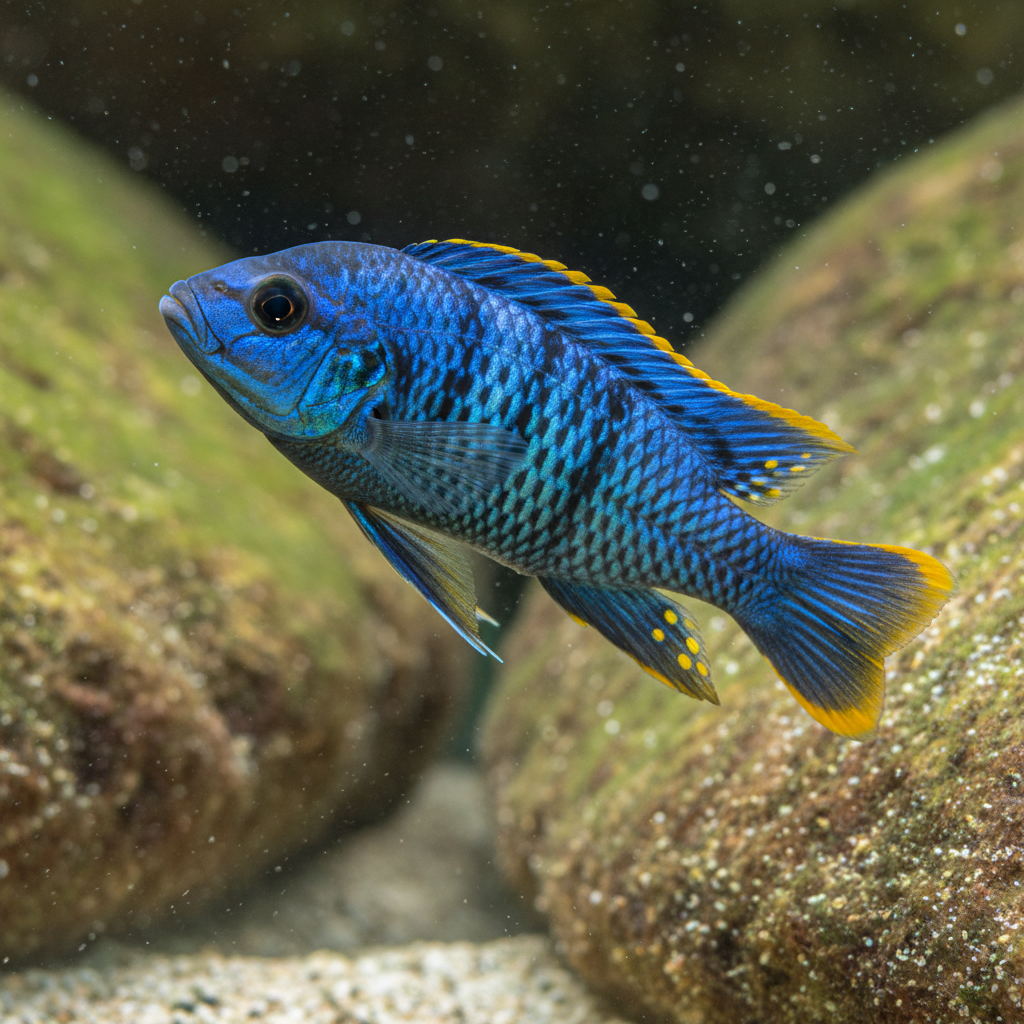
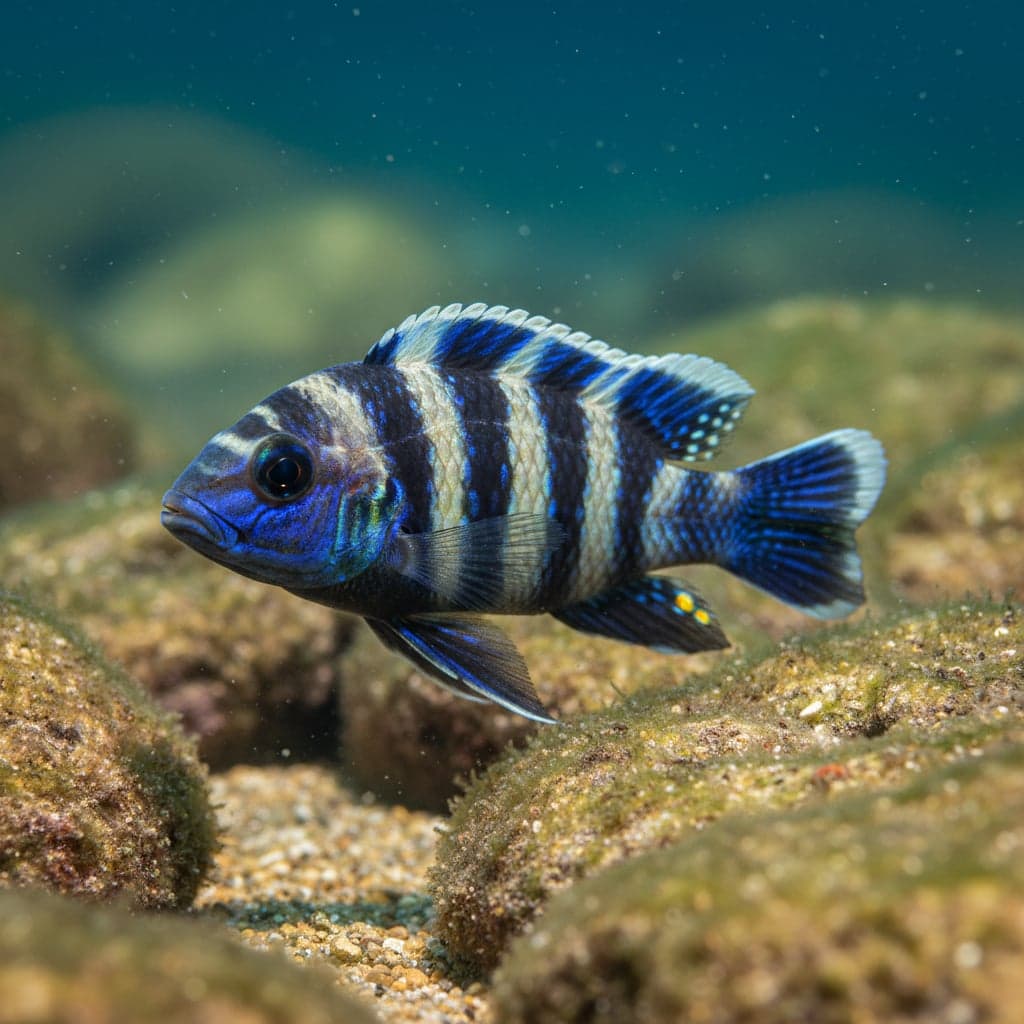
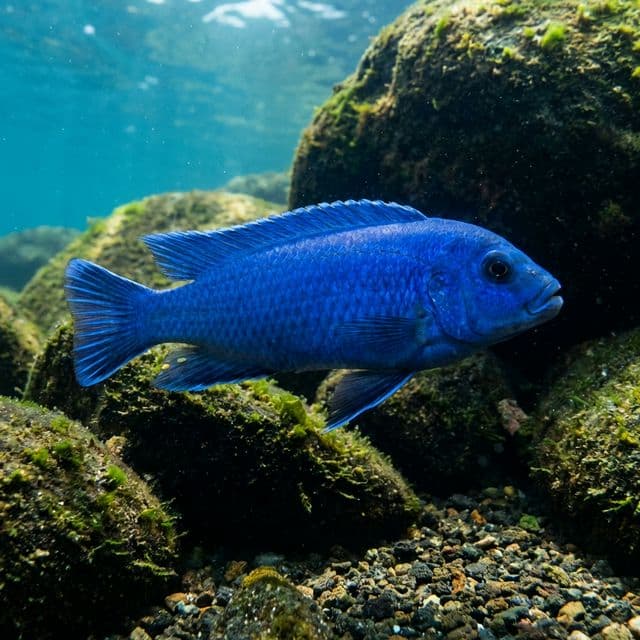
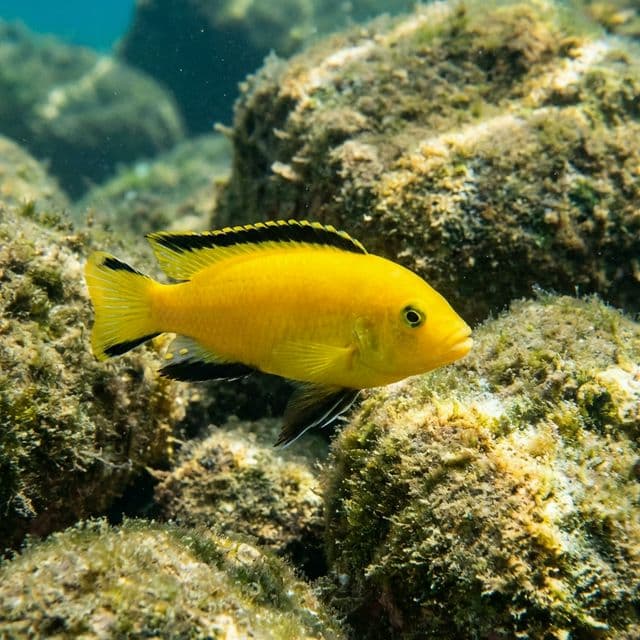
The Kenyi Cichlid (Maylandia lombardoi) is a masterpiece of Lake Malawi's evolution and a true test for any African cichlid keeper. It is perhaps most famous for its striking reverse sexual dimorphism: while most cichlid species have colorful males and drab females, the Kenyi flips the script. Juveniles and females are a vibrant, electric blue with crisp black vertical bars, while mature males undergo a dramatic transformation into a brilliant, solid golden-yellow. Beyond its beauty, the Kenyi is legendary for its extreme aggression and territoriality. It is an industrious "rock-dweller" that requires a specialized environment to manage its high-octane personality and its constant desire to dominate its surroundings.
In the aquarium, they are a whirlwind of activity, constantly digging, cave-building, and patrolling their borders. While they are not for the faint of heart, a correctly managed colony of Kenyi Cichlids provides one of the most dynamic and visually high-contrast displays in the freshwater world.
Natural Habitat & Origin
Maylandia lombardoi is endemic to Lake Malawi, specifically found in the rocky habitats around Mbenji Island and the Nkhomo reef. They are true "mbuna" (rock-dwellers), inhabiting the sediment-free rocky zones at depths of 6 to 30 meters. This environment is characterized by crystal-clear, highly alkaline water and a surface of massive boulders covered in "aufwuchs"—a dense carpet of algae and microorganisms. The Kenyi has evolved to be a specialized grazer, spending its day aggressively defending its "patch" of algae from all intruders.
Care Requirements
The Kenyi Cichlid is a robust and hardy fish, but its temperament is its primary challenge. A minimum tank size of 55 gallons (200L) is required for a small harem (1 male to multiple females). Keeping them in a small tank is a recipe for disaster, as the dominant male will relentlessly harass any subdominants or tank mates.
Maintain precise parameters: a pH of 7.8 to 8.6 and a temperature of 75°F to 82°F (24°C to 28°C). High alkalinity (KH) and strong oxygenation are non-negotiable. The tank must be heavily decorated with massive piles of rockwork, ideally stacked to the water's surface, creating a labyrinth of caves, tunnels, and line-of-sight breaks. This allows submissive fish to escape the view of the dominant male. A substrate of fine sand (aragonite) is essential, as they are prolific diggers and will reshape the entire tank floor to suit their territorial needs.
Diet & Feeding
They are specialized herbivores. In the wild, their diet consists primarily of algae ("aufwuchs") scraped from the surface of the rocks, along with the small invertebrates found within it.
In captivity, they require a specialized mbuna diet:
- High-quality Spirulina-based flakes and pellets should be the staple.
- Avoid high-protein foods like bloodworms or beef heart, as these will cause the fatal "Malawi Bloat" and other digestive failures.
- They will relish occasional treats of blanched spinach, nori, or cucumber.
- Feeding multiple small portions daily is better for their high-energy metabolism and helps reduce food-related aggression.
Behavior & Temperament
They are extremely aggressive and territorial. The dominant male will consider the entire aquarium his territory and will tirelessly patrol its boundaries. To manage this aggression, they should be kept in a harem structure (1 male to 4+ females) or in a "crowded mbuna" setup where aggression is distributed across a large number of fish. They are remarkably intelligent and will quickly learn to recognize their keeper, often "dancing" at the glass in anticipation of food. However, they are also highly destructive to plants and will uproot anything that is not securely attached to the rockwork.
Tank Mates
Suitable tank mates must be other equally robust and aggressive mbuna from Lake Malawi:
- Auratus Cichlids (Melanochromis auratus)
- Demasoni Cichlids (Chindongo demasoni)
- Bumblebee Cichlids (Pseudotropheus crabro)
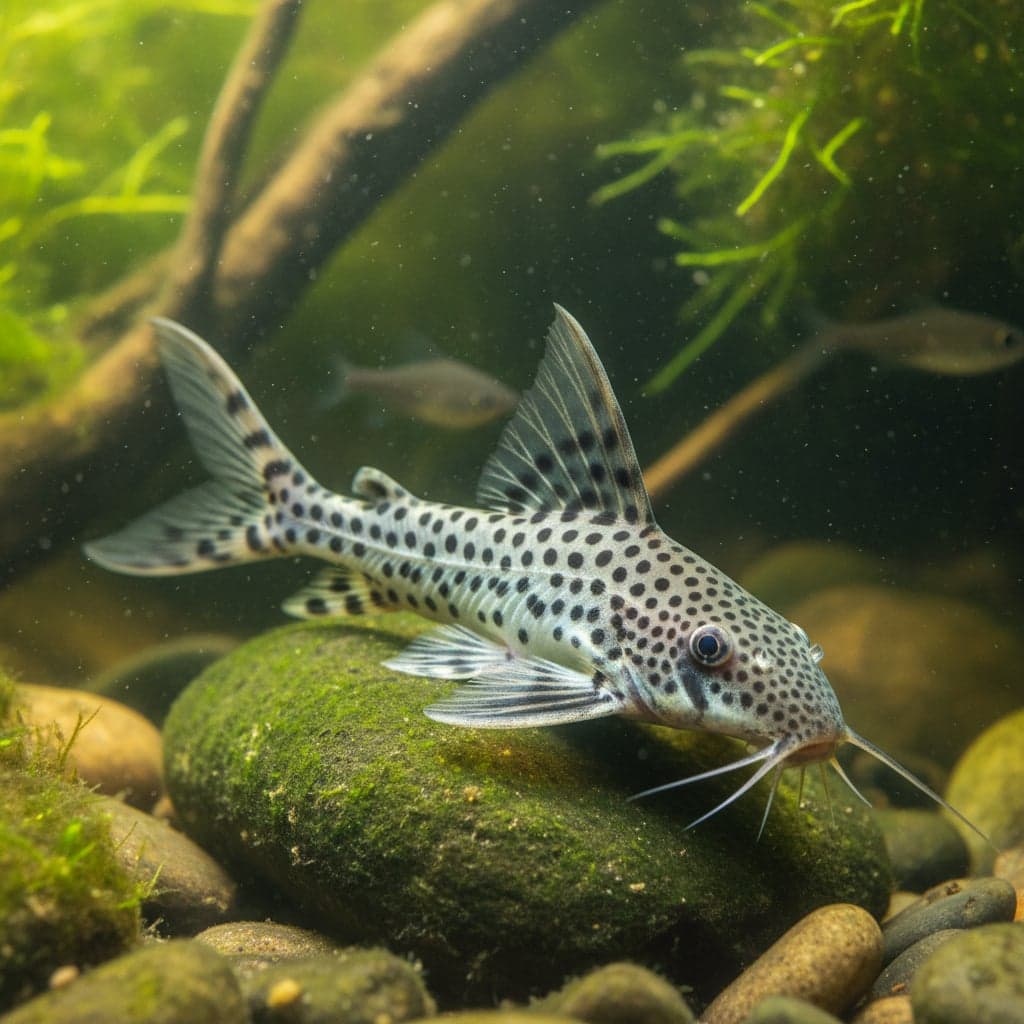
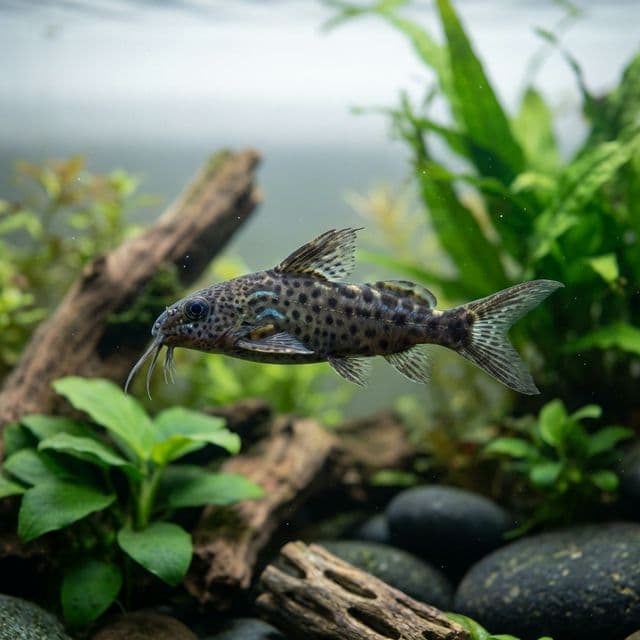
- Synodontis catfish (like S. lucipinnis or S. multipunctatus)
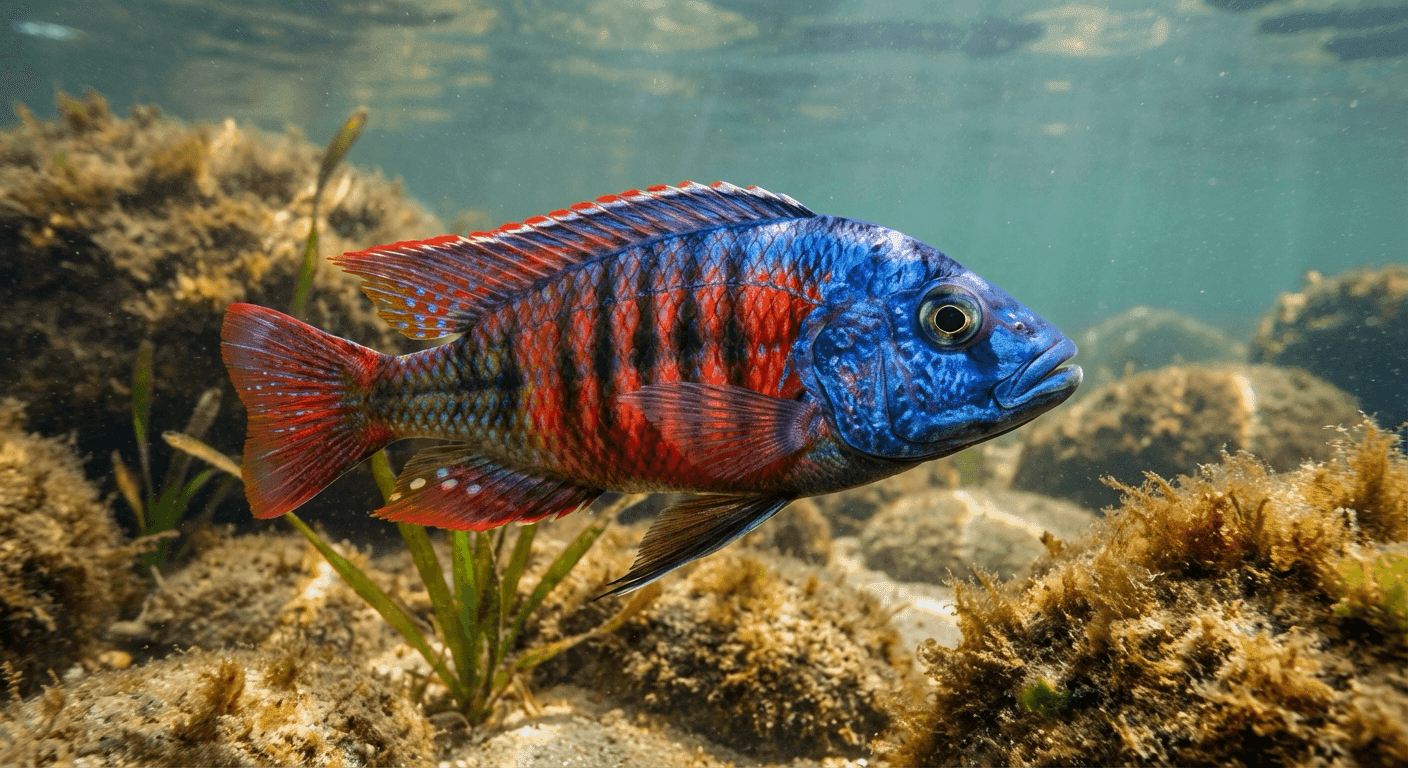
Avoid keeping them with peaceful species like Yellow Labs or with Peacocks/Haps, as the Kenyi's relentless aggression will likely lead to the stress and death of less assertive tank mates.
Breeding
Kenyi Cichlids are maternal mouthbrooders and are incredibly prolific breeders. The male will select a flat stone or dig a deep pit in the sand and exhibit intense vibrations to attract a female. After spawning, the female collects the fertilized eggs in her mouth and broods them for approximately 21 days. During this time, she will not eat. Once released, the fry are bright blue (looking like miniature females) and are immediately capable of accepting finely crushed Spirulina flakes. Interestingly, as the young grow, the males will gradually turn from blue to their signature golden-yellow.
Common Health Issues
The primary health concern is Malawi Bloat, caused by stress and improper high-protein diets. They are also sensitive to rapid drops in pH or nitrate accumulation. Providing a massive amount of rockwork, maintaining a high-vegetable diet, and performing large, frequent water changes is the best way to ensure their brilliant colors and legendary personalities remain the centerpiece of the aquarium.