Knife Livebearer: Alfaro cultratus
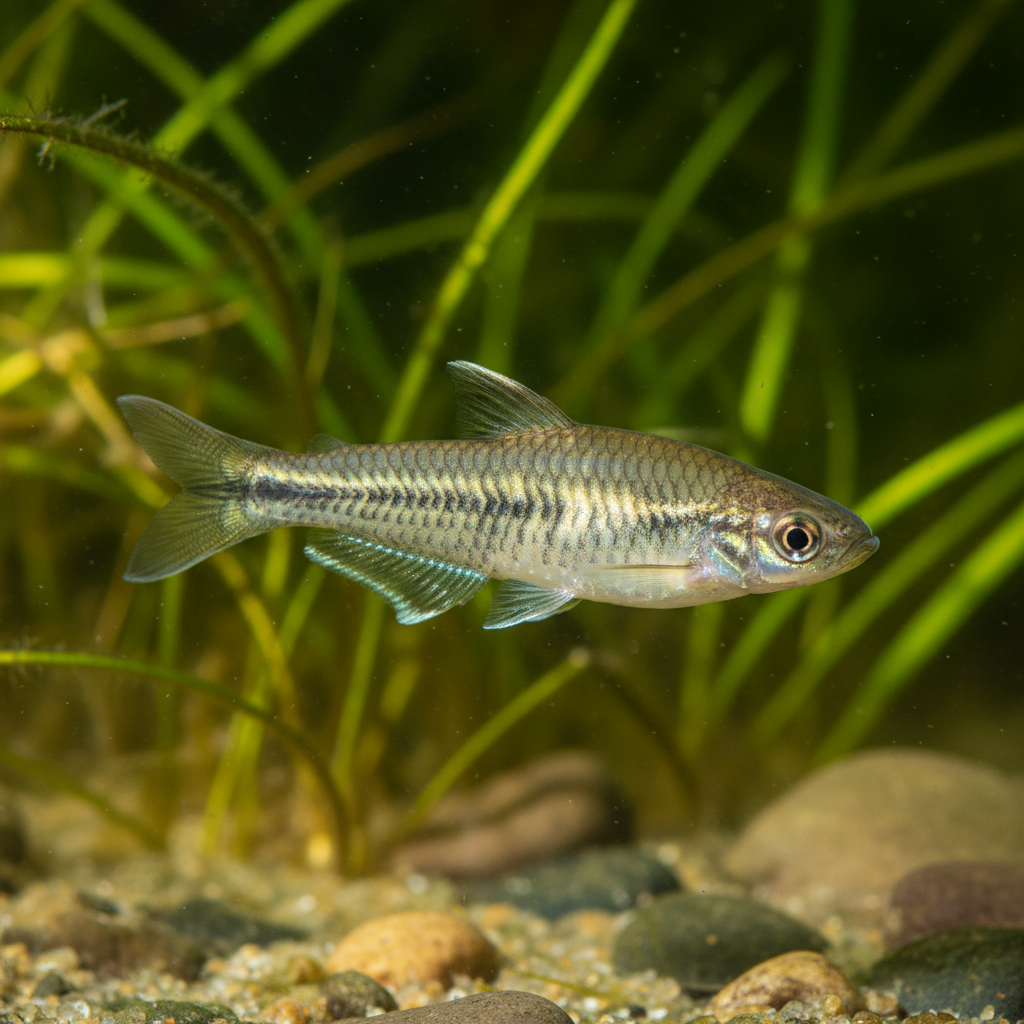
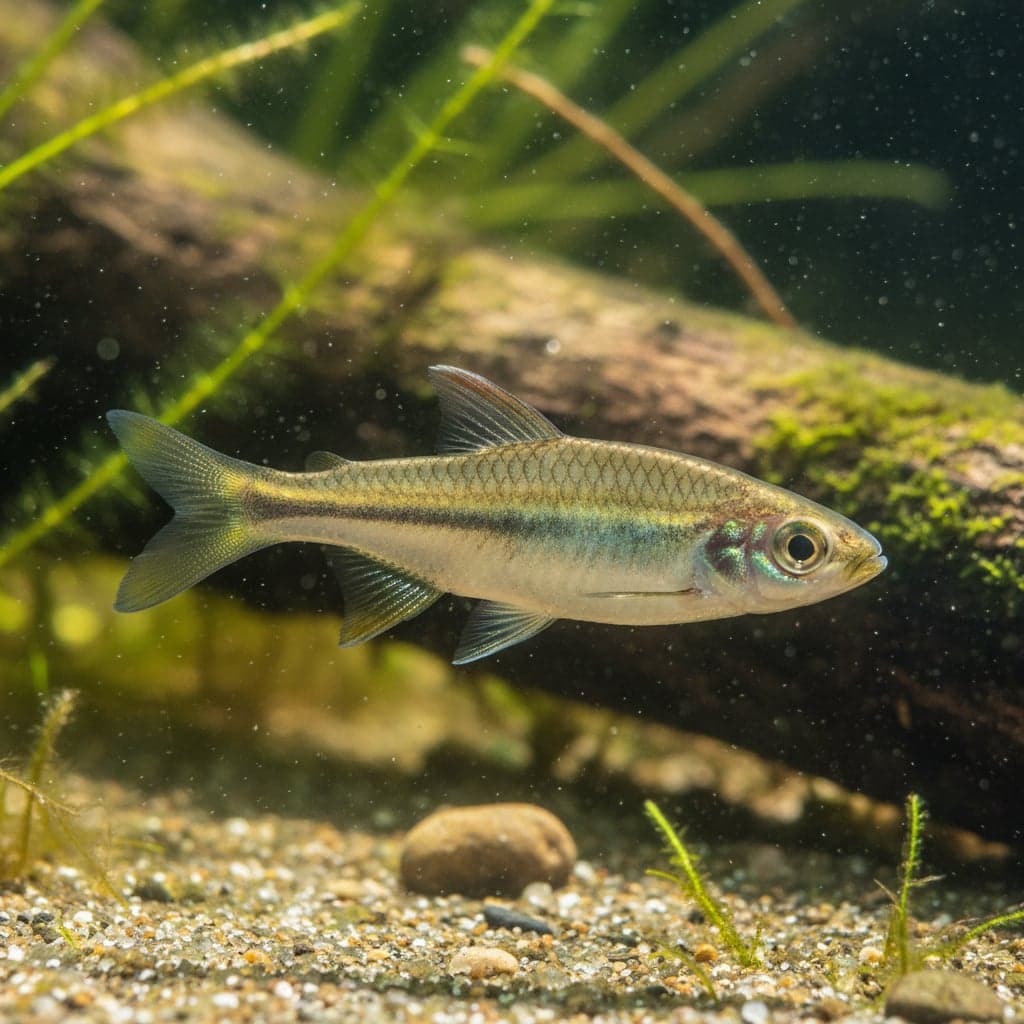
The Knife Livebearer (Alfaro cultratus) is a unique and energetic Central American species, named for the sharp, keel-like row of scales on its underside that streamlines it for fast-flowing streams.
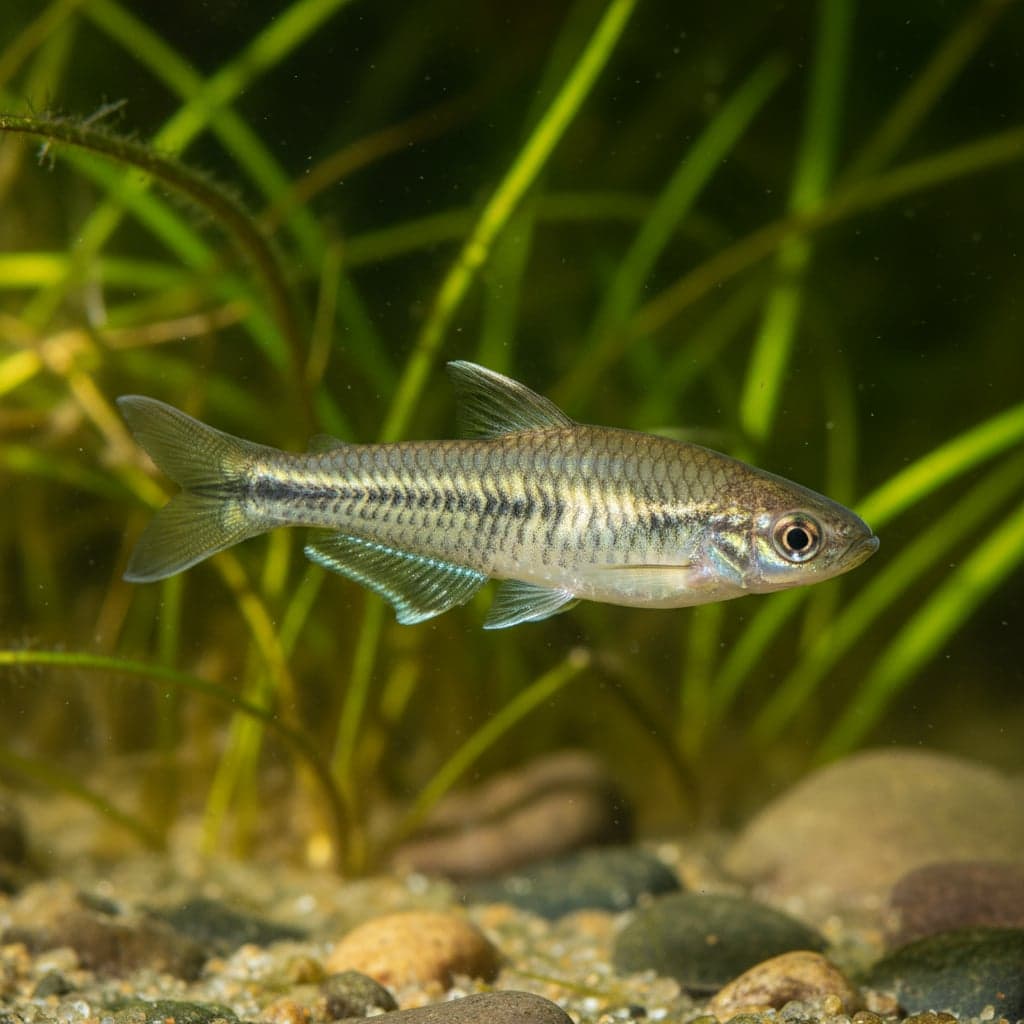
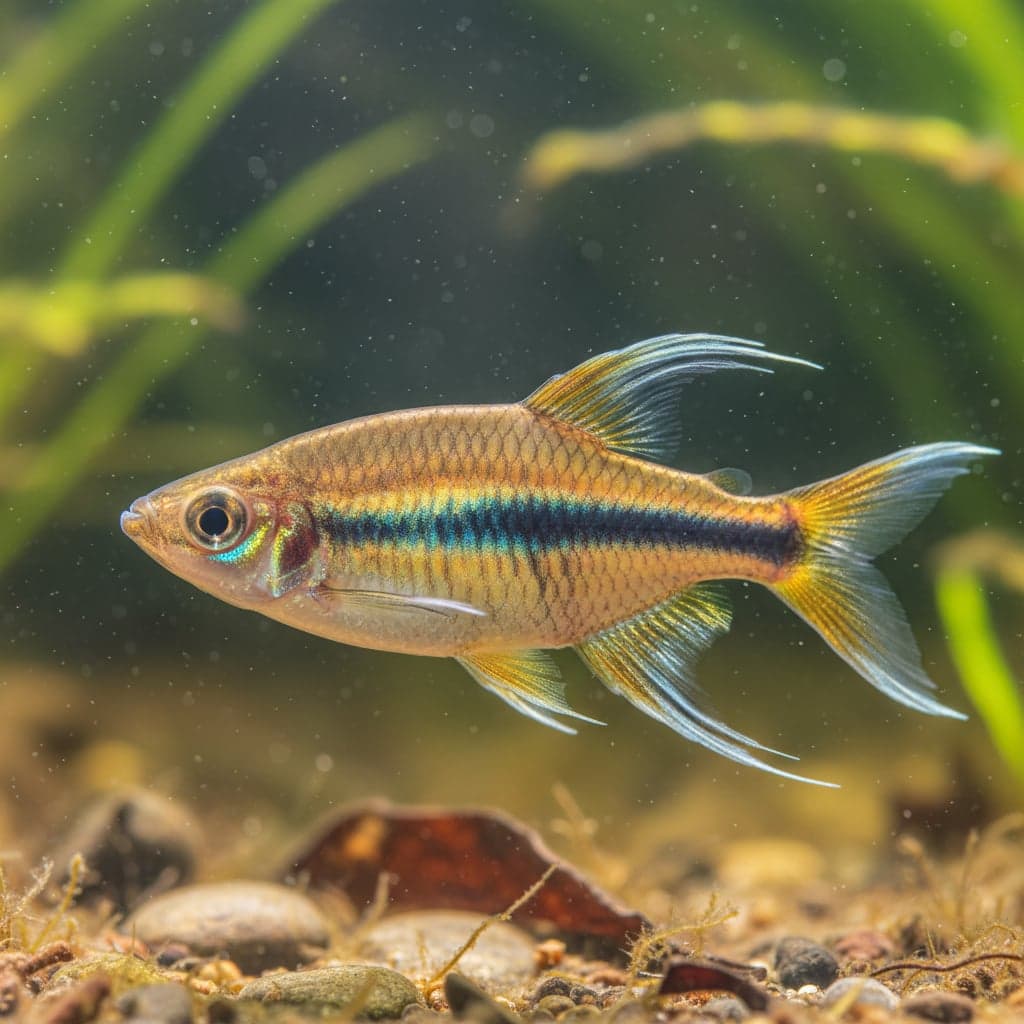
The Knife Livebearer (Alfaro cultratus) is a master of hydrodynamics. Native to the energetic forest streams of Central America, it is defined by its exquisitely streamlined, blade-like profile. Its common name originates from a unique anatomical feature: a dual row of scales on the ventral (bottom) edge of its tail base that forms a sharp, knife-like "keel." This keel allows the fish to cut through high-velocity water with remarkable efficiency. Its body is a subtle, shimmering olive or silvery-blue, often possessing a translucent quality that makes it appear almost ethereal as it darts near the surface. For the aquarist, the Knife Livebearer is a "wild" and energetic alternative to more common livebearers, bringing a sense of riverine motion to the aquarium.
In the aquarium, they are constantly active and highly observant. They are primarily surface-dwellers, staying in the upper third of the water column where they scan for food and interact in a lively social hierarchy. They are known for their speed and agility, often performing sudden, lightning-fast dashes across the tank.
Natural Habitat & Origin
Alfaro cultratus is native to the Atlantic slopes of Central America, found primarily in Costa Rica, Nicaragua, and western Panama. Unlike the stagnant pools inhabited by many livebearers, this species is a specialist of forest streams and small rivers. They inhabit areas with moderate to high current, where the water is clear, well-oxygenated, and rich in dissolved tannins. They are typically found in the calmer "pockets" along the river margins or under overhanging vegetation, where they wait for terrestrial insects to fall into the water.
Care Requirements
The Knife Livebearer is a hardy species, but it demands high water movement and high oxygen levels. A minimum tank size of 30 gallons (100L) is recommended to accommodate their high energy levels and swimming speed.
Maintain stable parameters: a pH of 6.5 to 8.0 and a temperature of 75°F to 82°F (24°C to 28°C). The aquarium must feature a strong current, ideally produced by a powerful filter outlet or a dedicated powerhead. They thrive in a "river-style" setup with a substrate of sand or fine gravel and an abundance of driftwood and robust plants like Valisneria. Floating plants are highly recommended as they provide the fish with a sense of security while they patrol the surface. They are sensitive to poor water quality and buildup of organic waste, so frequent, large water changes are essential.
Diet & Feeding
They are active omnivores with a significant focus on terrestrial insects and aquatic larvae. In the wild, they are specialized surface hunters.
In captivity, they are not picky but benefit from high-energy foods:
- High-quality floating flakes and micro-pellets should be the staple.
- They relish live or frozen foods: Fruit flies (Drosophila), Bloodworms, and Brine Shrimp.
- They will occasionally graze on fine algae or biofilm.
- Tip: Because they are surface feeders, avoid foods that sink too quickly. They are most comfortable taking food as it hits the water surface.
- They have a high metabolism and benefit from being fed small portions 2-3 times per day.
Behavior & Temperament
They are peaceful but extremely active. They are social fish and should be kept in a group of at least 6 to 10 individuals. Within the group, they will establish a hierarchy, but their social sparring is harmless and usually limited to high-speed chases and fin displays. They are not aggressive toward other species but their constant activity can stress very slow or timid tank mates. They are "escape artists" and require a tight-fitting lid, as they are capable of jumping several inches out of the water in pursuit of prey or when startled.
Tank Mates
Suitable tank mates are other active species that share their preference for high-flow, well-oxygenated water:
- Rainbowfish (Threadfin or Celebes)
- Active Tetras (Rummy-nose or Buenos Aires)
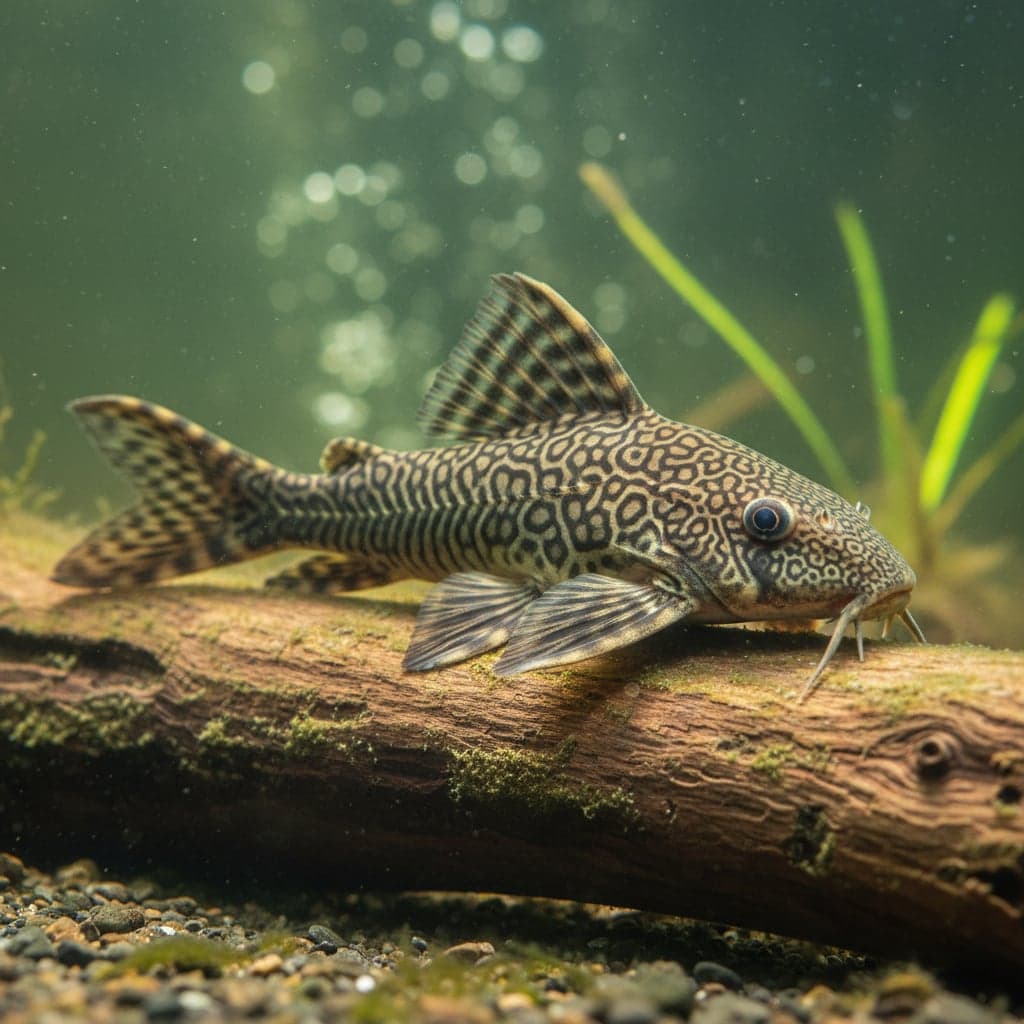
- Corydoras catfish (for the bottom)
- Other wild-type livebearers (Swordtails or Platies)
- Robust Gobies
Avoid keeping them with very slow fish like Angelfish or Fancy Guppies, which may be intimidated by the Knife Livebearer's speed.
Breeding
Breeding Alfaro cultratus is straightforward, as they are highly prolific livebearers. Unlike many other livebearers, they do not have a typical "gestation spot," and the female's belly will simply swell as the fry develop. They produce small batches of relatively large, high-developed fry every 4 to 6 weeks. The parents will likely predate on the fry if the tank is not densely planted. Providing a "carpet" of floating plants like Salvinia or Water Lettuce will give the fry the best chance of survival. The fry can take crushed flakes or baby brine shrimp immediately upon birth.
Common Health Issues
The primary health concern is stress-induced collapse due to low oxygen levels. They are among the first fish to show signs of distress if a filter fails or if the tank becomes stagnant. They are also sensitive to rapid changes in pH or hardness. Maintaining a strong "riverine" flow, ensuring a high-quality insect-based diet, and providing a secure, covered environment is the best way to ensure the sleek, "knife-like" silhouettes of Alfaro cultratus remain a dynamic feature of the aquarium.