Kyburz Tetra: Pseudochalceus kyburzi
The Kyburz Tetra (Pseudochalceus kyburzi) is a rare and jewel-colored gem from the Pacific slopes of Colombia, prized for its iridescent violet scales and striking crimson fin borders.
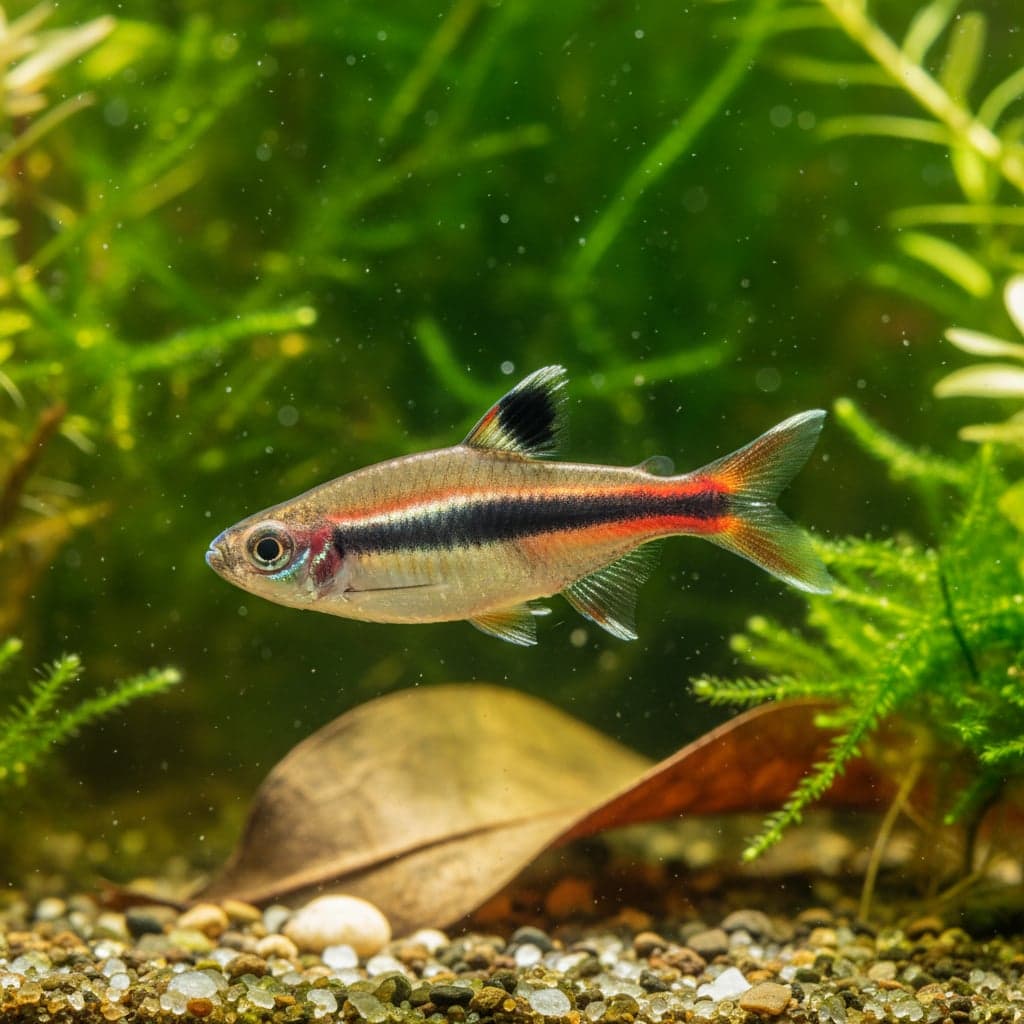
The Kyburz Tetra (Pseudochalceus kyburzi), also known as the Red-finned Blue Tetra, is a high-end rarity from the humid rainforests of Colombia. Unlike the common "noodle-shaped" tetras, the Kyburz is defined by its robust, muscular build and extraordinary metallic iridescence. Its body is a deep, shimmering violet or navy blue, which creates a stunning contrast against its brilliant crimson or blood-red fin borders. It is a fish of intense color and sophisticated shape, often considered a "Holy Grail" for characin enthusiasts. However, its beauty is matched by its bold personality; it is a powerful, active predator that demands an aquarium with significant space and carefully chosen companions.
In the aquarium, they are dominant and energetic. They possess a level of presence and "awareness" that far exceeds the behavior of standard schooling tetras, often patrolling the mid-water column with a predatory focus.
Natural Habitat & Origin
Pseudochalceus kyburzi is endemic to the Pacific slope rivers of Western Colombia, specifically the San Juan and Baudó river basins in the Chocó region. They inhabit swift-moving, shaded forest streams characterized by clear to slightly stained water, high oxygen levels, and moderate temperatures. Unlike many South American tetras that thrive in stagnant swamps, the Kyburz Tetra is a "stream specialist," perfectly adapted for life in the current among submerged roots and rocky crevices. Their native home is one of the wettest places on Earth, making them highly dependent on clean, well-oxygenated water.
Care Requirements
The Kyburz Tetra is an active and somewhat aggressive species that requires significant horizontal swimming space and excellent filtration. A minimum tank size of 150 litres (40 gallons) is required for a small school of these active 10cm Pseudochalceus.
Maintain stable parameters: a pH of 6.0 to 7.0 and a temperature of 74°F to 81°F (23°C to 27°C). They are sensitive to "old" water and high nitrates; regular, significant water changes are non-negotiable. The aquarium must be designed with moderate flow to replicate their native stream habitat. A layout of smooth river stones, driftwood branches, and robust plants (like Anubias or Bolbitis) will provide the structure they need while leaving the center open for their high-speed swimming. They are powerful jumpers and a tight-fitting lid is essential.
Diet & Feeding
They are strictly carnivorous with a preference for insects and small crustaceans.
In captivity, they require a high-protein, varied diet:
- High-quality carnivore pellets and flakes should be the staple.
- They MUST have frequent feedings of meaty live or frozen foods: Mysis shrimp, Krill, Chopped Bloodworms, and White Worms.
- They have a "snapping" feeding style and can be quite aggressive during mealtime.
- Tip: To maintain the deep crimson in their fins and the violet in their scales, ensure their diet includes astaxanthin-rich foods like Cyclops or specialized color-enhancing granules.
Behavior & Temperament
They are semi-aggressive and can be notorious fin-nippers if not kept in a large enough group or if the tank is too small. They form a loose, competitive hierarchy and MUST be kept in groups of at least 6 to 8 individuals to disperse their natural aggression. Within a group, they will engage in constant "sparring" and display behavior, showing off their radiant colors. They are "mid-water" masters and will aggressively defend their preferred swimming lane against similar species.
Tank Mates
Suitable tank mates are other robust and active species of a similar size:
- Larger Tetras (like Buenos Aires or Emperor Tetras)
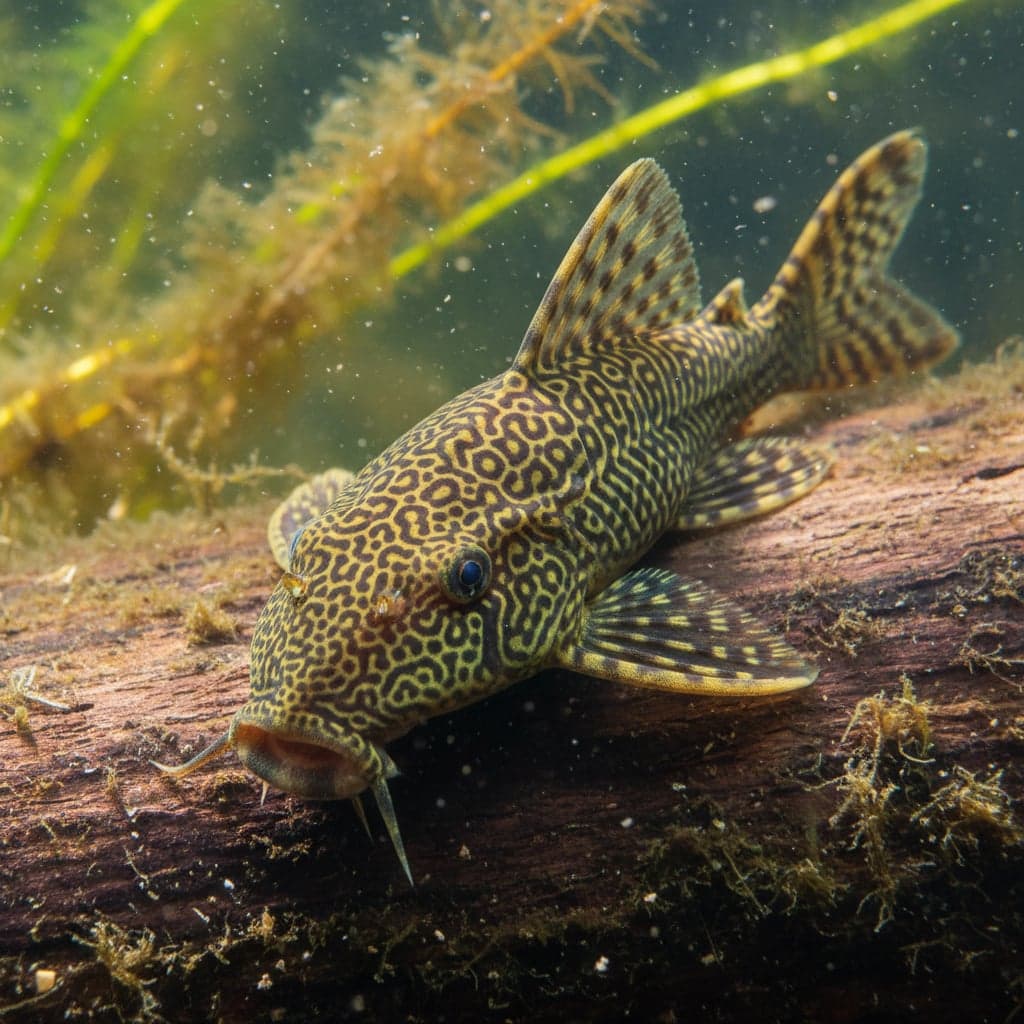
- Medium-sized Catfish (like Loricariids or Brochis)
- Rainbowfish
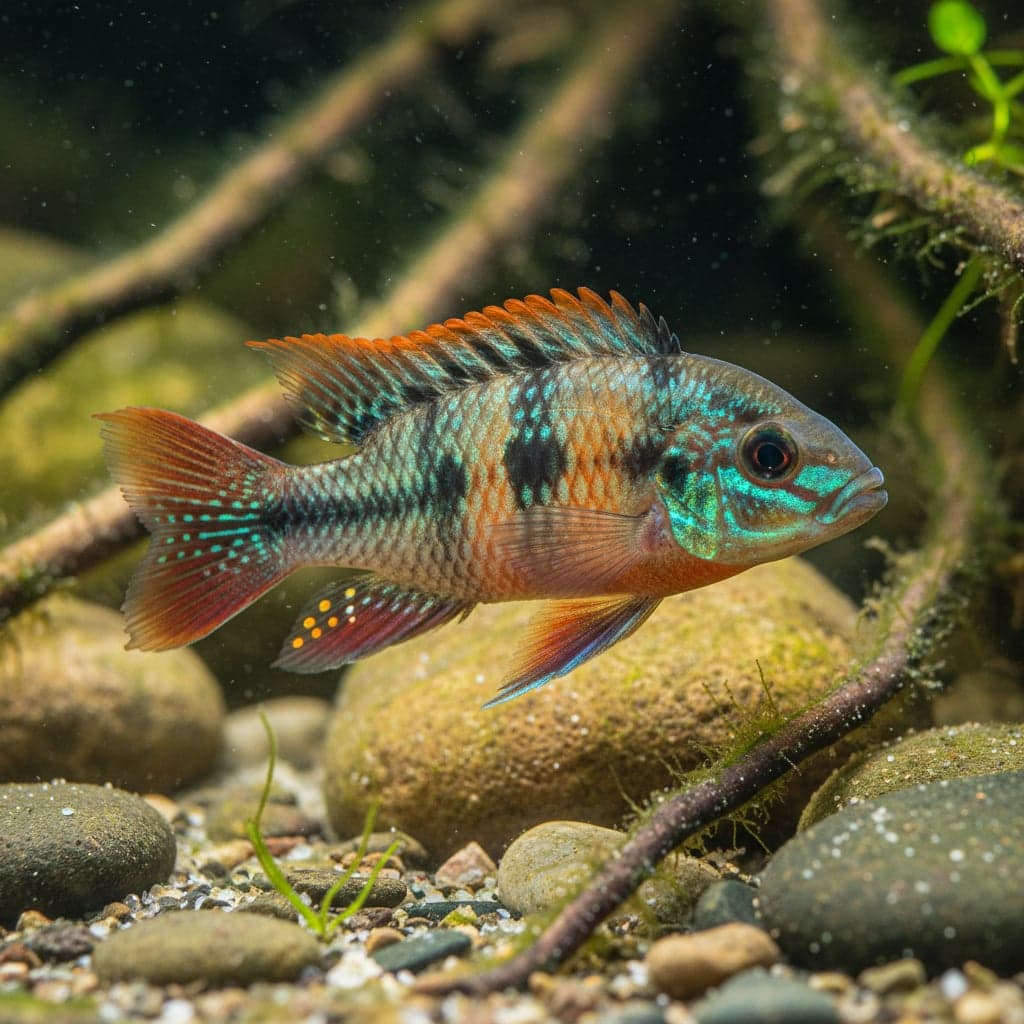
- Smaller, robust Cichlids (like Cryptoheros or Amatitlania)
Avoid keeping them with slow-moving fish with long fins (like Bettas or fancy Goldfish) or very shy species, as the Kyburz Tetras will almost certainly harass and nip at them.
Breeding
Breeding the Kyburz Tetra in the home aquarium is a challenge and is rarely documented. They are egg scatterers. Spawning is likely triggered by a period of heavy feeding with live foods followed by a significant water change. They require very soft, acidic water (pH 5.5 - 6.0) to successfully hatch eggs. Like most characins, the parents will consume their own eggs immediately if not removed. The fry are predatory from a young age and require high-quality live foods like vinegar eels or Baby Brine Shrimp.
Common Health Issues
The primary health concern is stress-induced aggression resulting in fin rot or physical injury. They are also sensitive to heavy metals and medications in the water; always use half-strength doses if treating for parasites. Maintaining a high-protein diet, pristine high-flow water, and a large enough social group is the best way to ensure the jewel of the Colombian Chocó remains a vibrant and healthy feature of your aquarium.