Lacerda's Cory (C015): Scleromystax lacerdai
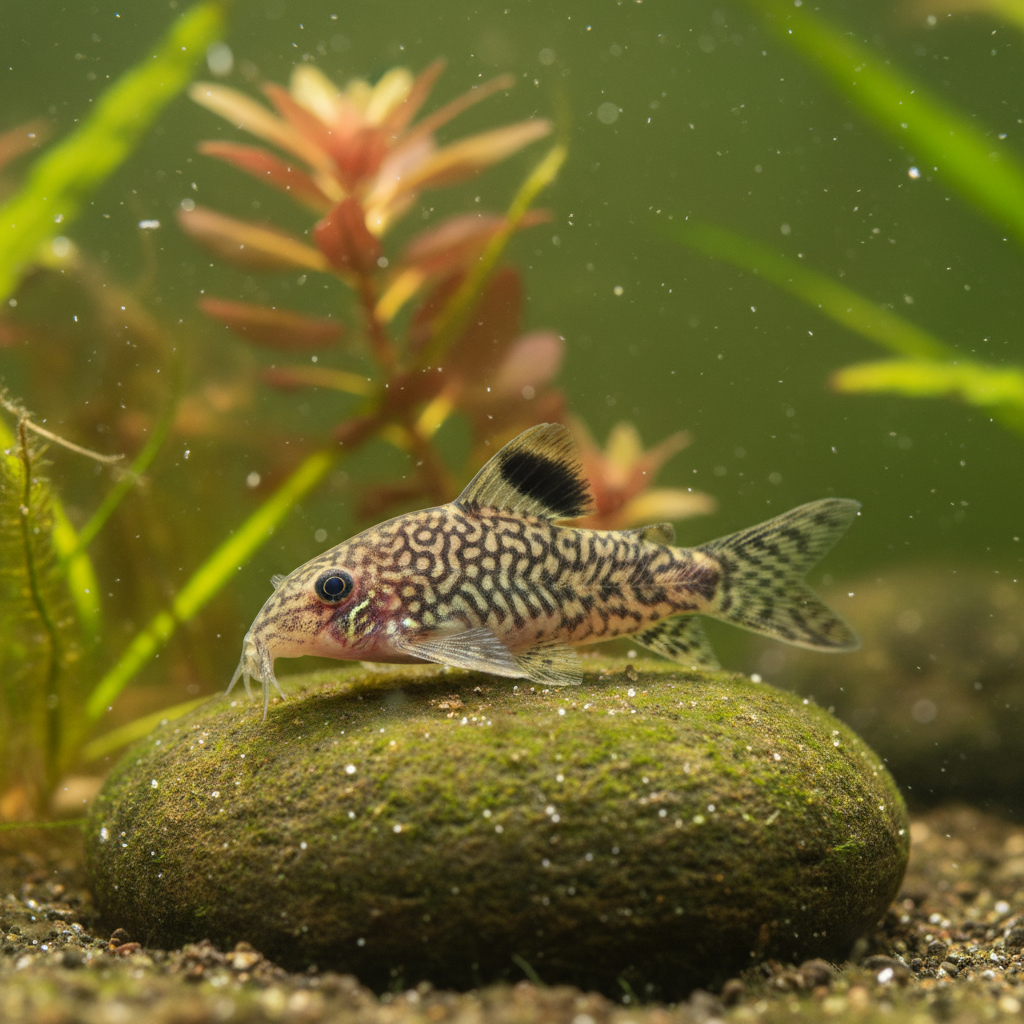
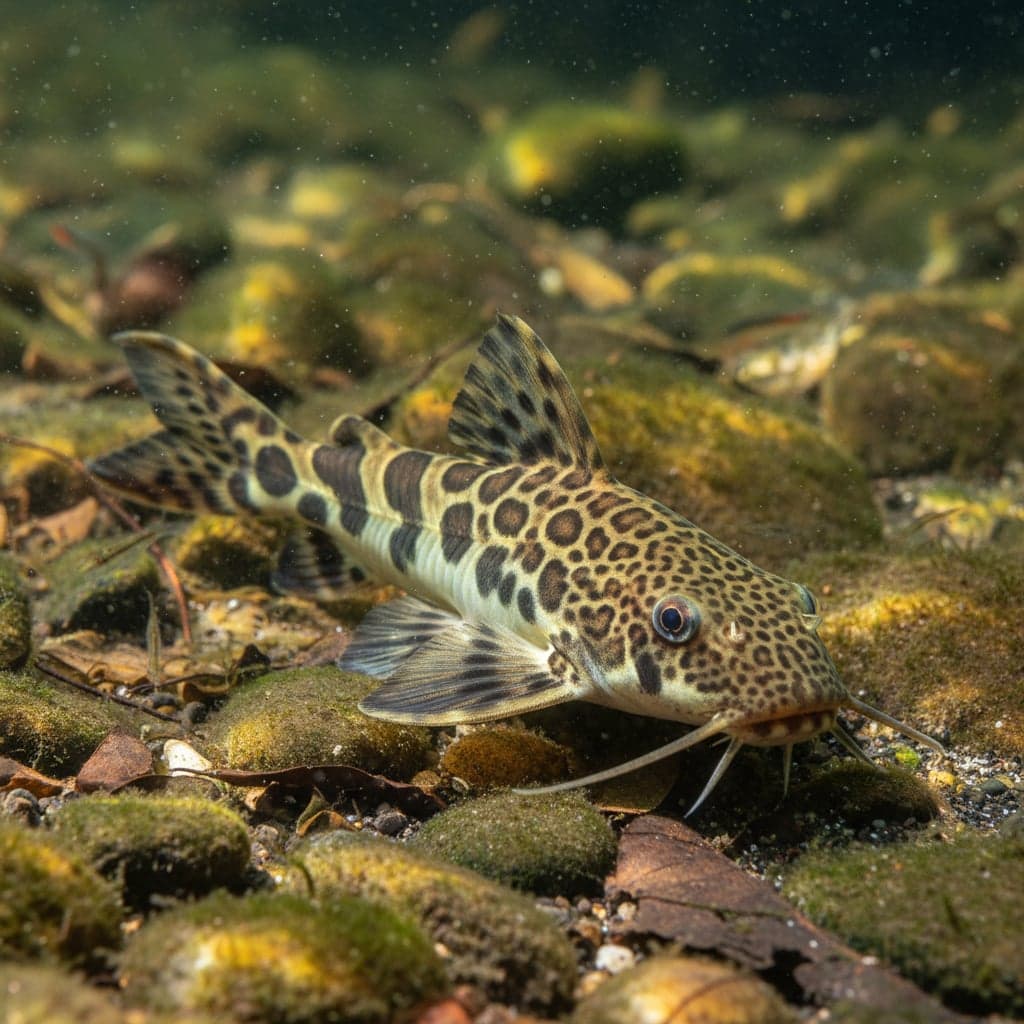
Lacerda's Cory (Scleromystax lacerdai), or C015, is a robust and long-snouted "giant cory" from Brazil, defined by its intricate black reticulated patterns and its preference for cool, flowing water.
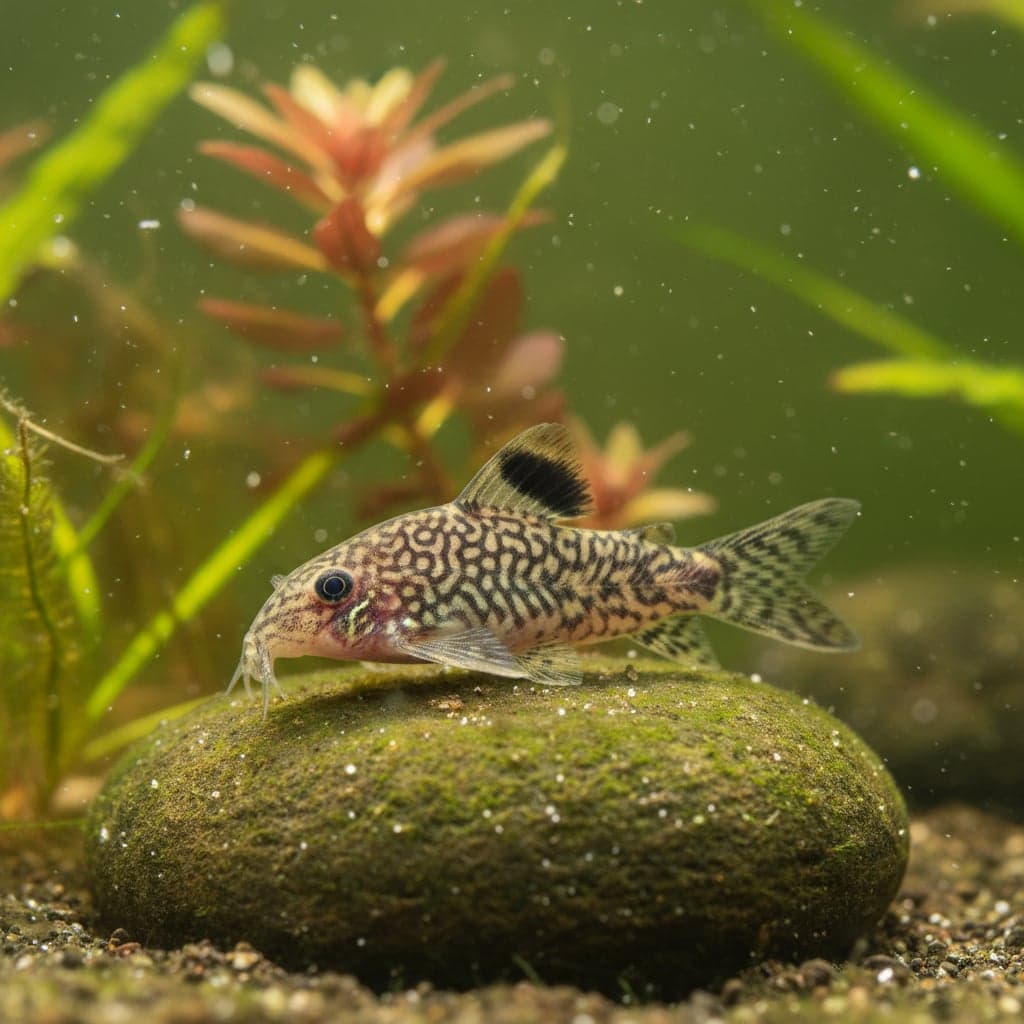
Lacerda's Cory (Scleromystax lacerdai), cataloged in the trade as C015, is a heavyweight of the armored catfish world. Native to the coastal river systems of Brazil, it is defined by its striking "lacework" patterning and elongated, slender snout. As a member of the Scleromystax genus, it is significantly more robust and "muscular" than its Corydoras cousins, with males developing distinctive bristles on their cheeks and elongated pectoral fins. Its body is covered in a complex maze of black spots and reticulations over a shimmering golden or silver base. For the specialized aquarist, Lacerda's Cory is a regal, active bottom-dweller that brings a sense of prehistoric elegance to a high-flow, temperate aquarium.
In the aquarium, they are tireless explorers. They lack the "sit-and-wait" lethargy of some catfish, spending their day in constant motion, probing the substrate with their sensitive barbels and interacting in stable, coordinated schools.
Natural Habitat & Origin
Scleromystax lacerdai is endemic to the coastal streams of Eastern Brazil, particularly within the state of Rio de Janeiro. They inhabit clear, fast-flowing forest streams that originate in the mountains. Unlike the hot, stagnant wetlands of the Amazon, their native home is characterized by cool, highly oxygenated water flowing over beds of smooth stones, sand, and submerged wood. The canopy provides deep shade, making the water temperature remarkably stable and relatively low. Their biology is specialized for these temperate, high-energy environments, making them less tolerant of typical "tropical" heat.
Care Requirements
Lacerda's Cory is a robust species but has one critical requirement: cool water. A minimum tank size of 30 gallons (120L) is required for a small school.
Maintain stable parameters: a pH of 6.0 to 7.0 and a strictly temperate temperature range of 64°F to 75°F (18°C to 24°C). Temperatures consistently above 77°F (25°C) will lead to severe stress and metabolic collapse. The aquarium must be designed with powerful filtration and high oxygenation to mimic its native Brazilian streams. A substrate of fine, smooth sand is non-negotiable to protect their delicate barbels. The tank should be decorated with smooth river stones, driftwood branches, and robust plants like Anubias or Java Fern that can handle moderate current.
Diet & Feeding
They are opportunistic omnivores that sift the environment for organic matter, insect larvae, and micro-crustaceans.
In captivity, they require a varied and high-quality diet:
- High-quality sinking catfish pellets and shrimp wafers should be the staple.
- They MUST have frequent feedings of live or frozen foods: Bloodworms, Tubifex, and Brine Shrimp.
- They are excellent "cleaners" but should never be expected to live on "leftovers" alone; they require dedicated feedings.
- Tip: Because they are larger and more active than standard Corys, they require significantly more food. Feeding twice a day in small amounts is ideal.
Behavior & Temperament
They are exceptionally peaceful but very active. They MUST be kept in groups of at least 6 individuals; in smaller numbers, they become shy and fail to display their natural "schooling" patrols. Males can be slightly competitive over territory and females, particularly during breeding, but this rarely leads to actual injury. They are compatible with a wide variety of tank mates but will be most comfortable with other species that also prefer cooler, flowing water.
Tank Mates
Suitable tank mates are other peaceful species from similar high-flow, temperate environments:
- Peppered Corydoras (C. paleatus)
- White Cloud Mountain Minnows
- Zebra Danios
- Hillstream Loaches
- peaceful Gymnogeophagus or other subtropical cichlids
Avoid keeping them with high-temperature tropicals like Discus or Rams, as the thermal requirements are fundamentally incompatible.
Breeding
Breeding Lacerda's Cory is a rewarding challenge that mimics the "Corydoras T-position" but with some GENUS-SPECIFIC variations. Spawning is triggered by large water changes with cooler water, mimicking the onset of the rainy season. Unlike many Corys, Scleromystax males can be quite vigorous in their courtship. They lay adhesive eggs on smooth surfaces or fine plants. The fry are significantly larger than standard Corydoras fry but are sensitive to water quality and require constant feedings of Baby Brine Shrimp.
Common Health Issues
The primary health concern is stress from high temperatures, leading to rapid decline and secondary bacterial infections. They are also sensitive to high nitrate levels and can suffer from barbel erosion if kept on rough gravel. Maintaining a cool, high-flow, and pristine environment with a soft sand substrate is the best way to ensure the majestic Lacerda's Cory remains a healthy and active centerpiece of your Brazilian stream display.