Lava Snail: Faunus ater
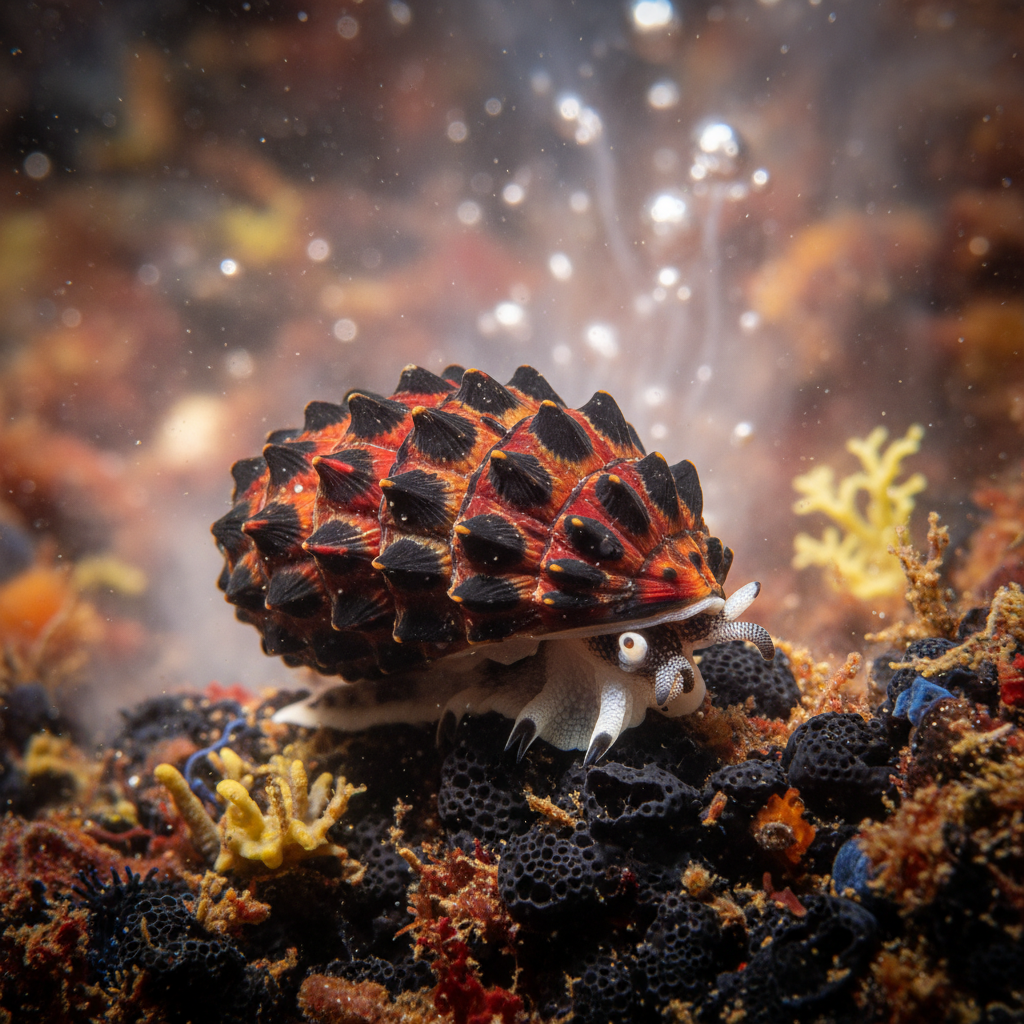
The Lava Snail (Faunus ater) is a prehistoric-looking titan of the snail world, defined by its massive, needle-like jet-black shell and its peaceful, scavenging nature.

The Lava Snail (Faunus ater), also known as the Black Devil Snail or Tower Snail, is a prehistoric architectural marvel. It is defined by its massive, elongated, and needle-like shell that can reach over 3 inches in length. Unlike most snails, the shell is usually a uniform, glossy jet-black, often with a slightly corroded or "lava-blasted" tip that adds to its rugged, ancient appearance. Despite its "devilish" name, it is a sophisticated and peaceful scavenger that spends its day Methodically patrolling the substrate. For the aquarist, the Lava Snail is a striking alternative to the more common Rabbit Snail, bringing a dark, gothic elegance to the aquarium floor.
In the aquarium, they are tireless and relentless workers. They do not burrow as deeply as Trumpet Snails but rather move across the surface of the sand, using their muscular foot to navigate and forage for organic matter.
Natural Habitat & Origin
Faunus ater is native to Southeast Asia, widely distributed across Thailand, Indonesia, the Philippines, and the Solomon Islands. They are estuarine specialists, typically found in the brackish waters of river mouths, mangrove swamps, and coastal freshwater streams. These areas are characterized by high mineral content and fluctuating salinity. Unlike many freshwater snails, they are highly tolerant of salt and actually prefer slightly brackish conditions or very hard freshwater. Their shells are built to withstand the turbulent movements of coastal rivers, making them incredibly robust.
Care Requirements
The Lava Snail is a hardy species but requires stable, alkaline water with high calcium content. A minimum tank size of 20 gallons (75L) is required to provide enough foraging surface for such a large gastropod.
Maintain stable parameters: a pH of 7.5 to 8.5 and a temperature of 75°F to 82°F (24°C to 28°C). They MUST be kept in hard water; in soft or acidic water, their massive shells will suffer from calcium leaching, leading to pitting, thinning, and eventual death. The aquarium should feature a sandy substrate, as they have a large foot that can be irritated by sharp or large-diameter gravel. While they are peaceful, they are large and powerful; they may inadvertently uproot delicate, shallow-rooted plants as they plow through the substrate.
Diet & Feeding
They are scavenging omnivores that feed on detritus, algae, and decaying organic matter.
In captivity, they require a diverse and calcium-rich diet:
- High-quality sinking pellets and algae wafers should be the staple.
- They MUST have supplementary calcium: crushed eggshells, cuttlebone, or calcium-enriched aquarium foods are essential for shell growth.
- They relish blanched vegetables: zucchini, spinach, and kale.
- Tip: Unlike many other snails, Lava Snails are generally not active plant eaters, preferring to scavenge for "easier" food sources on the floor. However, they will consume dying or decaying plant leaves.
Behavior & Temperament
They are strictly peaceful. They will not bother fish, shrimp, or other snails. They are active explorers and will climb rocks and driftwood, though they rarely climb high up the glass compared to Nerite snails. They are social in a passive sense and can be kept in groups or as solo residents. Because of their size, they are best suited for medium to large community tanks where they can be seen clearly as they move across the open sand.
Tank Mates
Suitable tank mates are any peaceful species that share their hard-water requirements:
- Livebearers (Guppies, Mollies, Platies)
- African Cichlids (in large tanks)
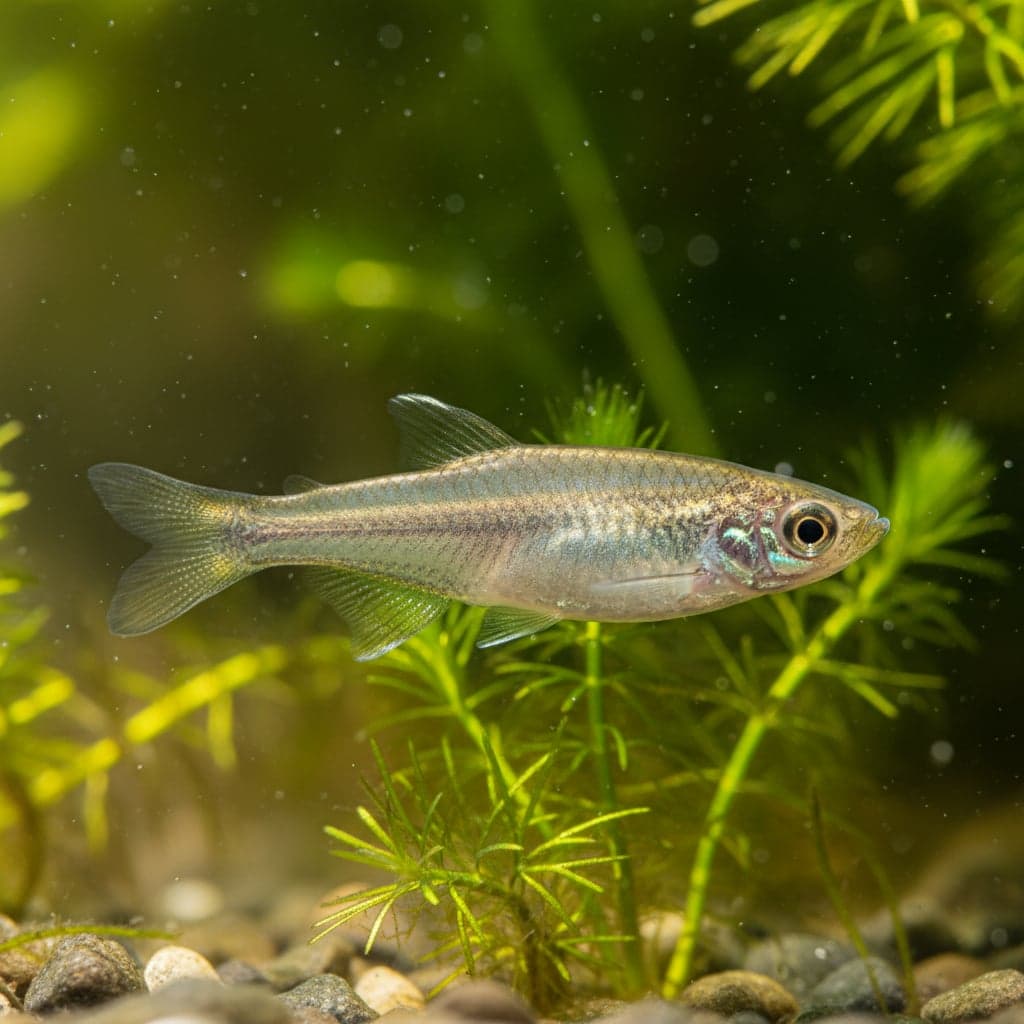
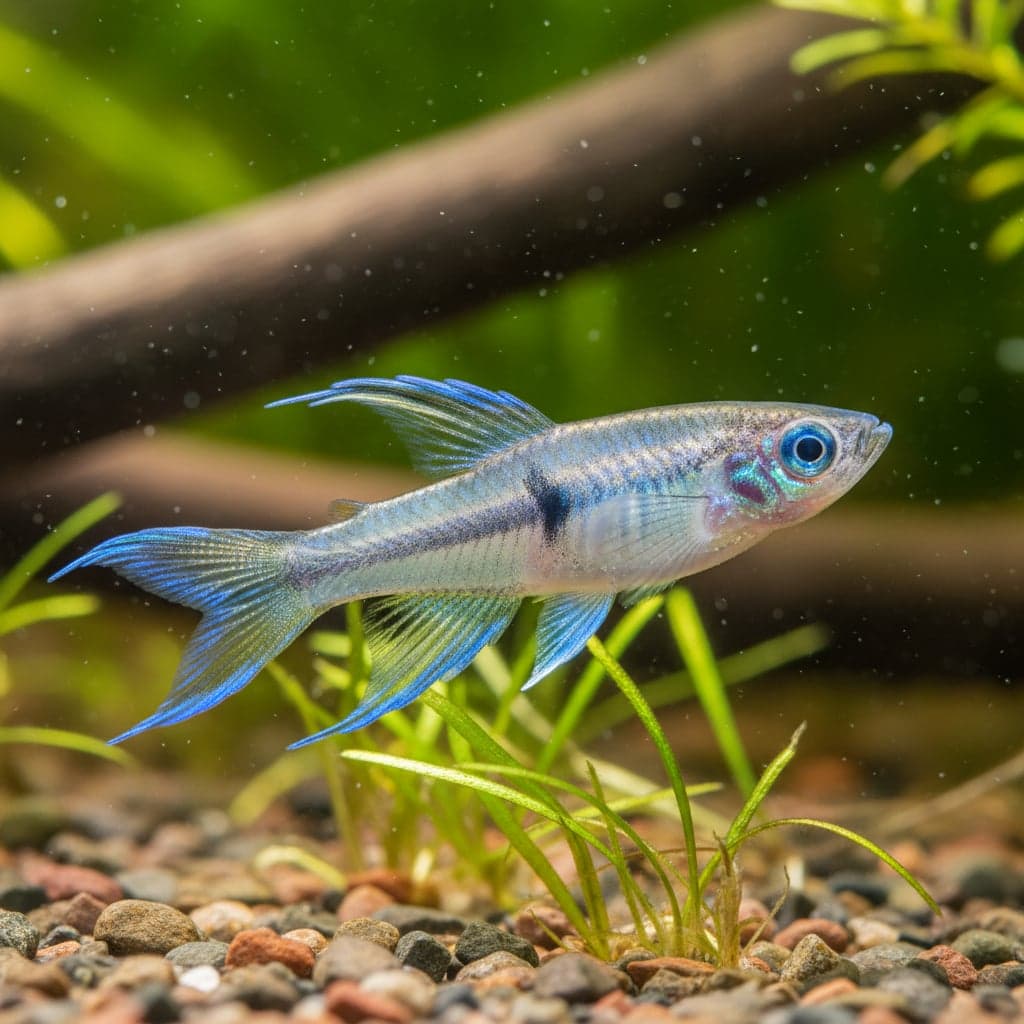
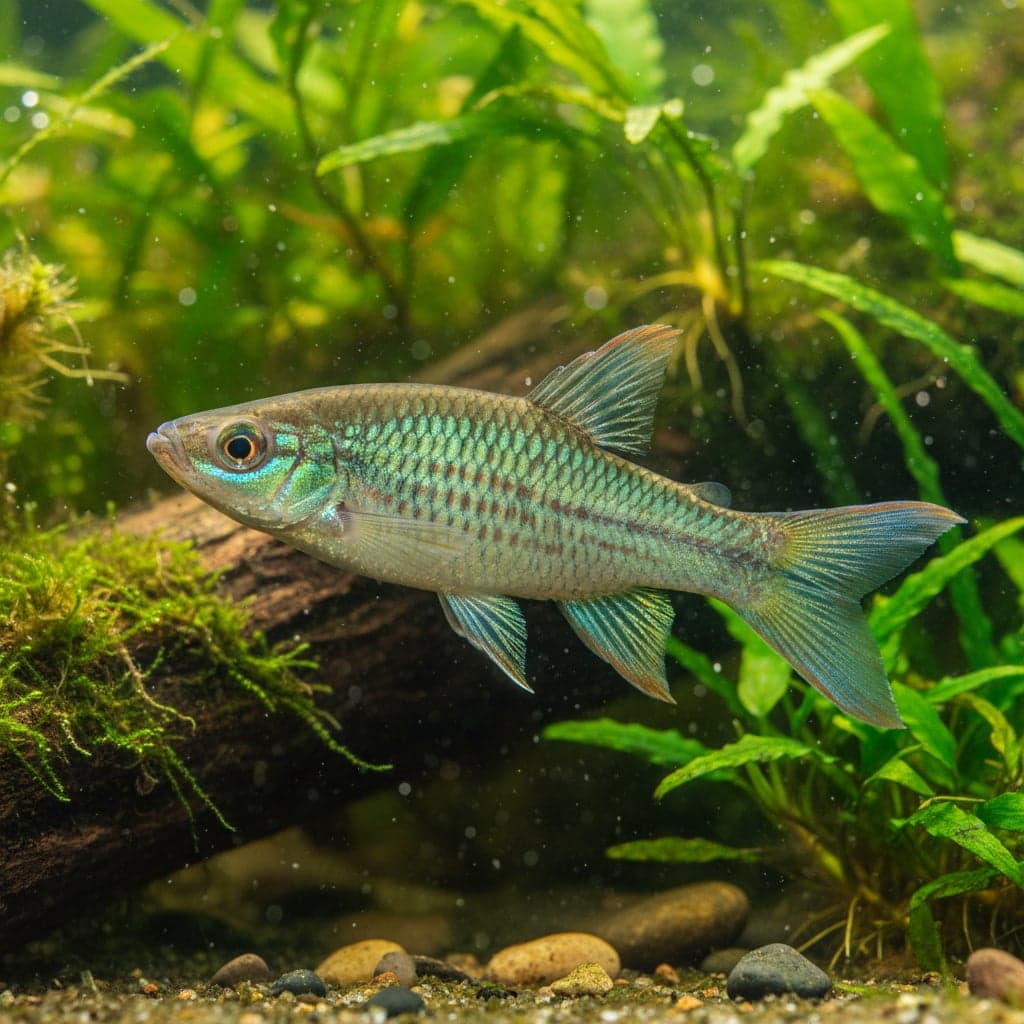
- Rainbowfish
- Corydoras (on sand)
- Other snails and larger shrimp species
Avoid keeping them with specialized "snail-eating" species like Assassin Snails (which may still attack the soft parts of a large Lava Snail) or large, aggressive Puffers and Loaches.
Breeding
Breeding the Lava Snail in for the home aquarium is extremely difficult. Like the Nerite snail, Faunus ater requires brackish water for its larval stage. They are not hermaphroditic; they have distinct sexes. While they may lay eggs in a freshwater aquarium, the larvae will not survive unless they reach the saltier waters of the estuary. This makes them an ideal choice for aquarists who want a large, active snail population without the risk of an "infestation."
Common Health Issues
The primary health concern is shell erosion due to acidic water or calcium deficiency. They are also sensitive to copper-based medications and high levels of ammonia. Maintaining a hard, alkaline environment with regular calcium supplementation is the only way to ensure the prehistoric-looking Lava Snail thrives and maintains its glossy black armor for years to come.