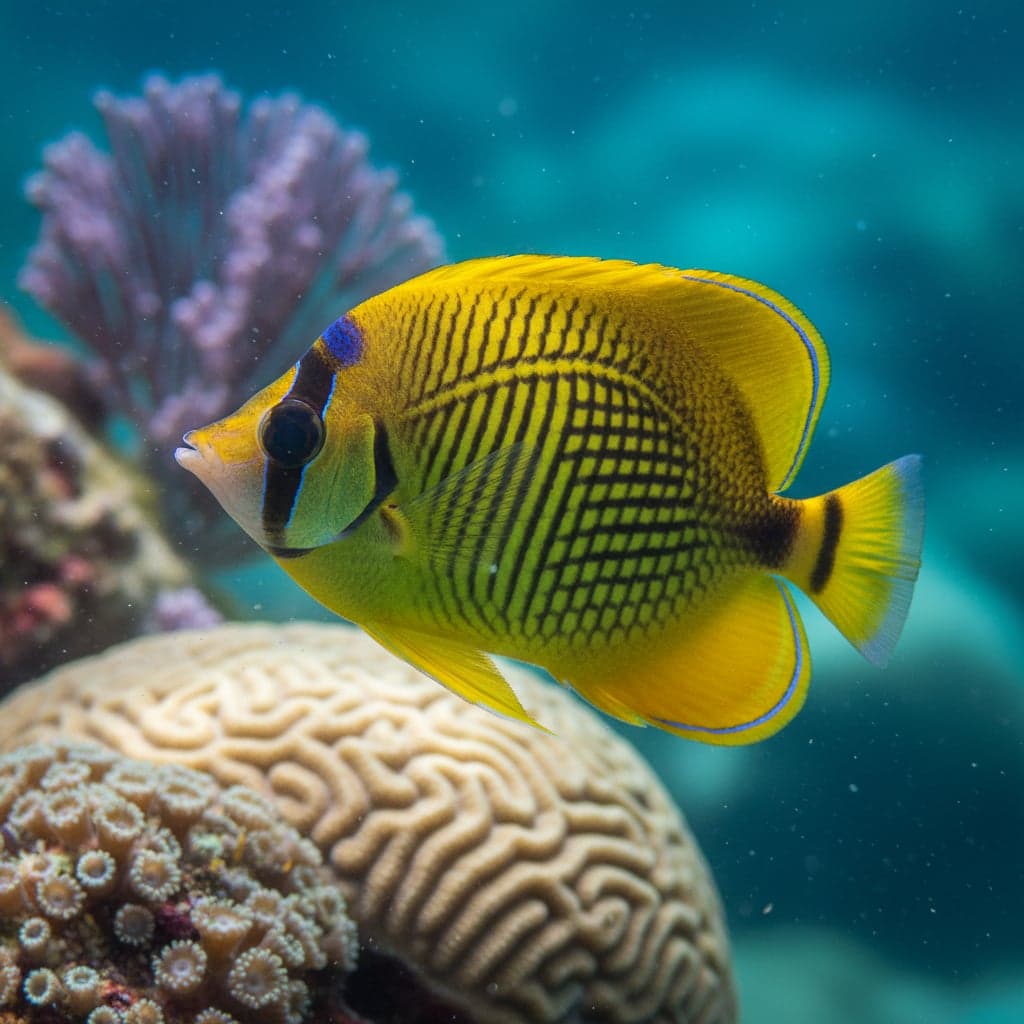
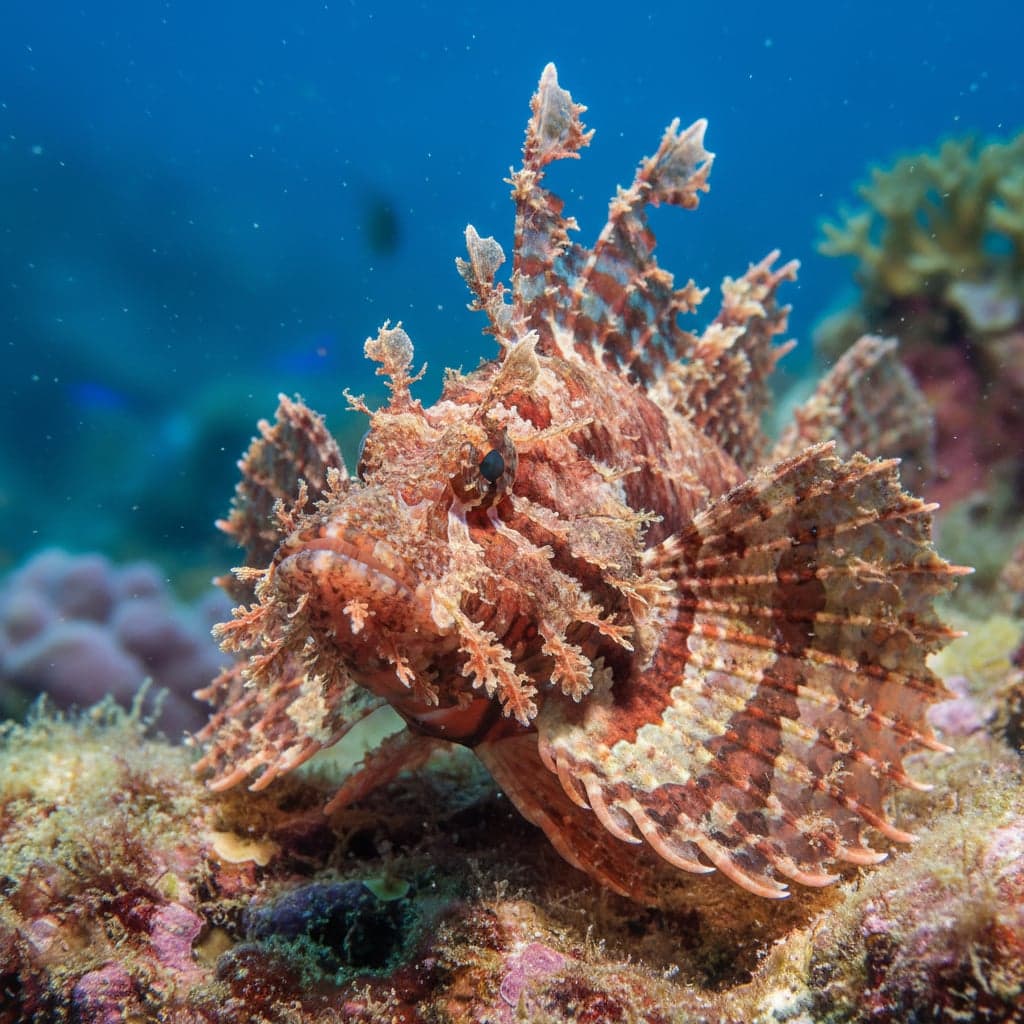
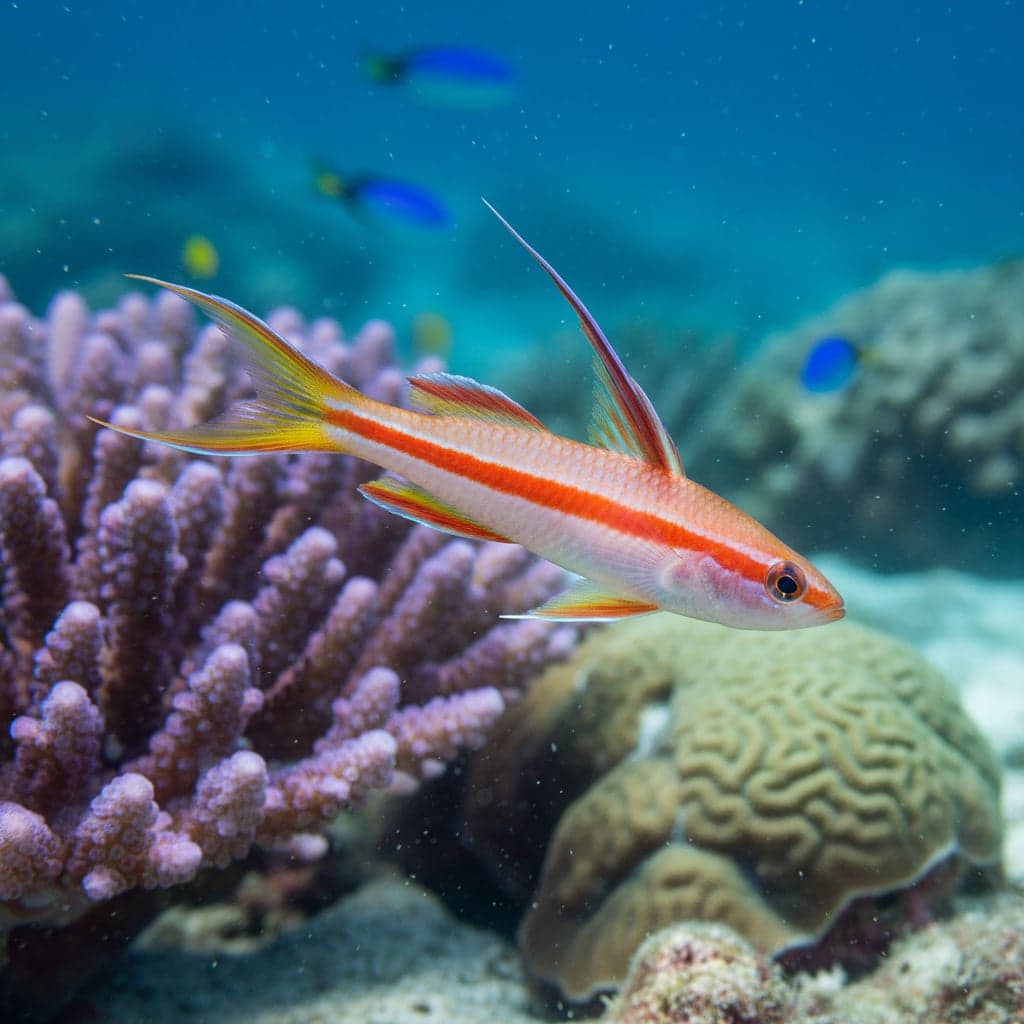
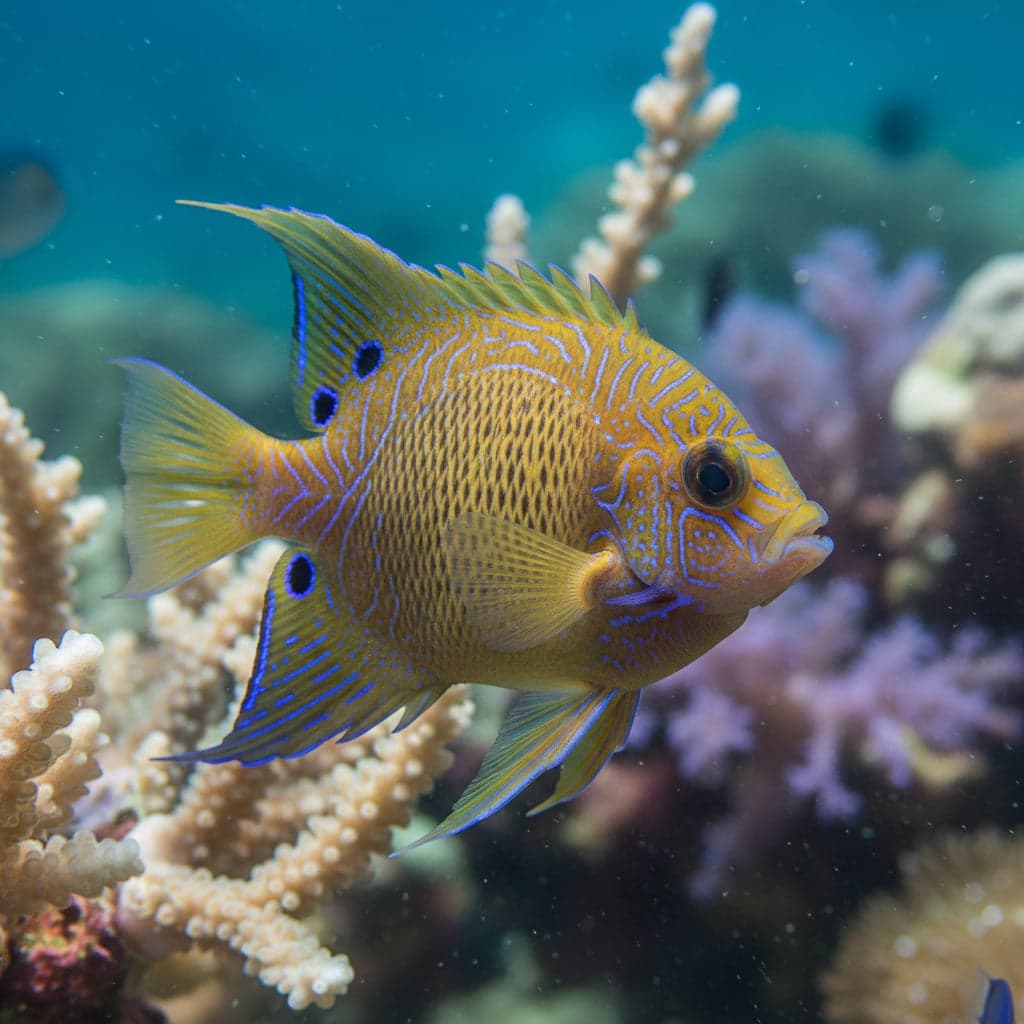
Leopard Wrasse: Macropharyngodon meleagris
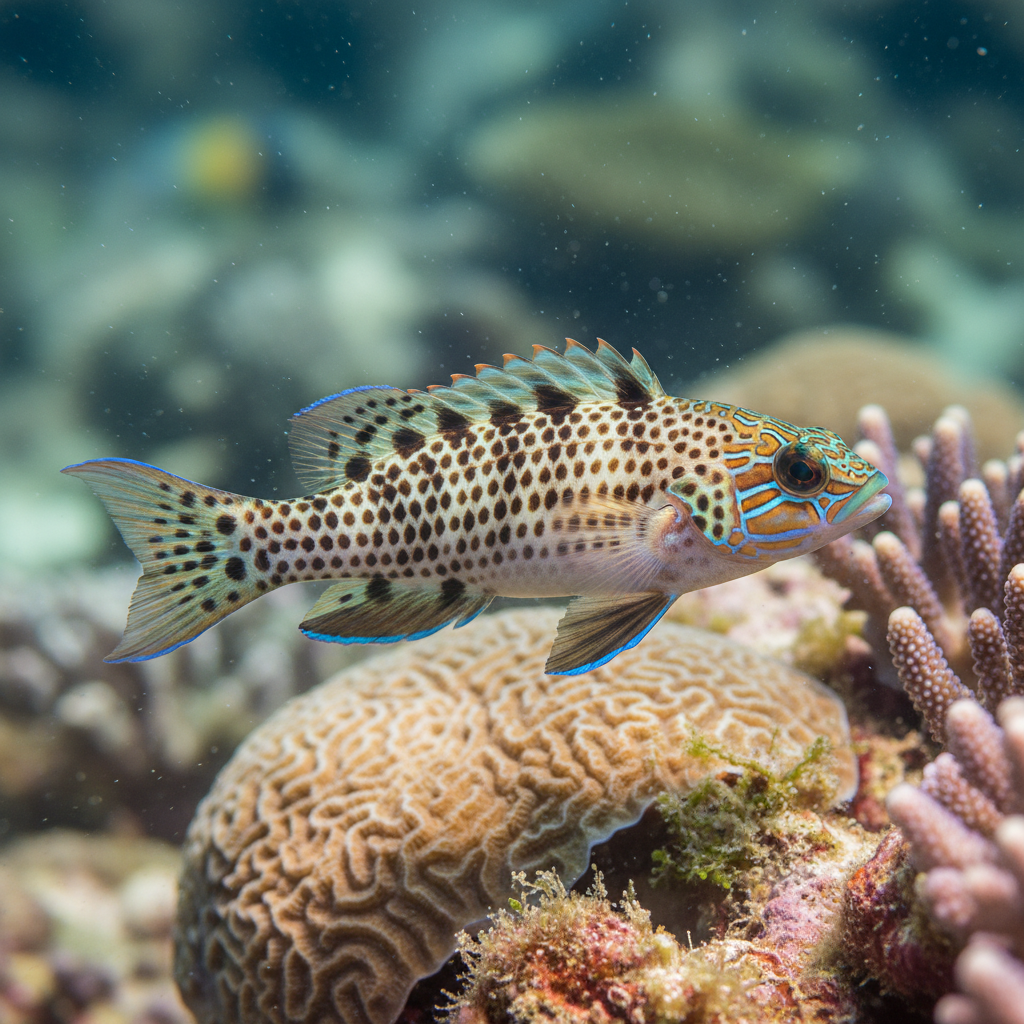
The Leopard Wrasse (Macropharyngodon meleagris) is a delicate beauty of the Indo-Pacific, defined by its intricate white-spotted pattern and its specialized requirement for soft sands and mature reef life.
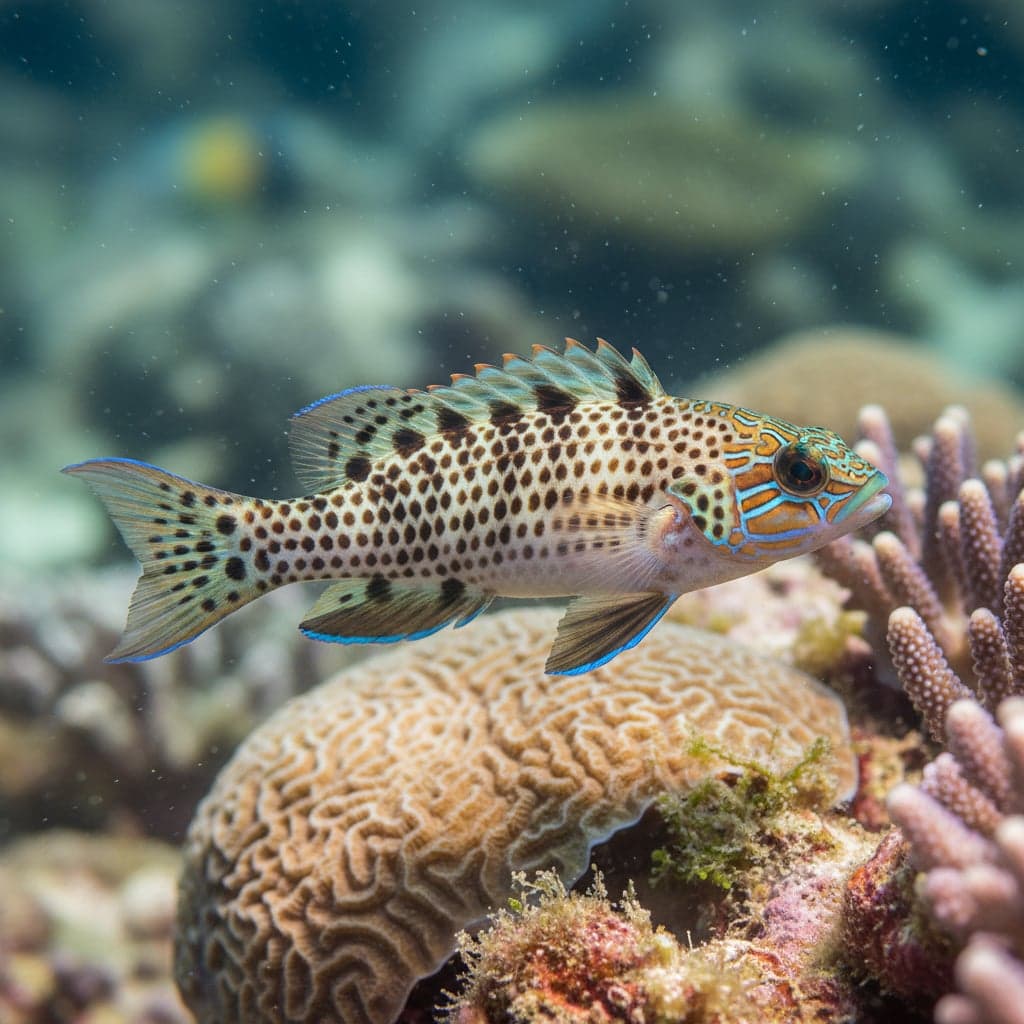
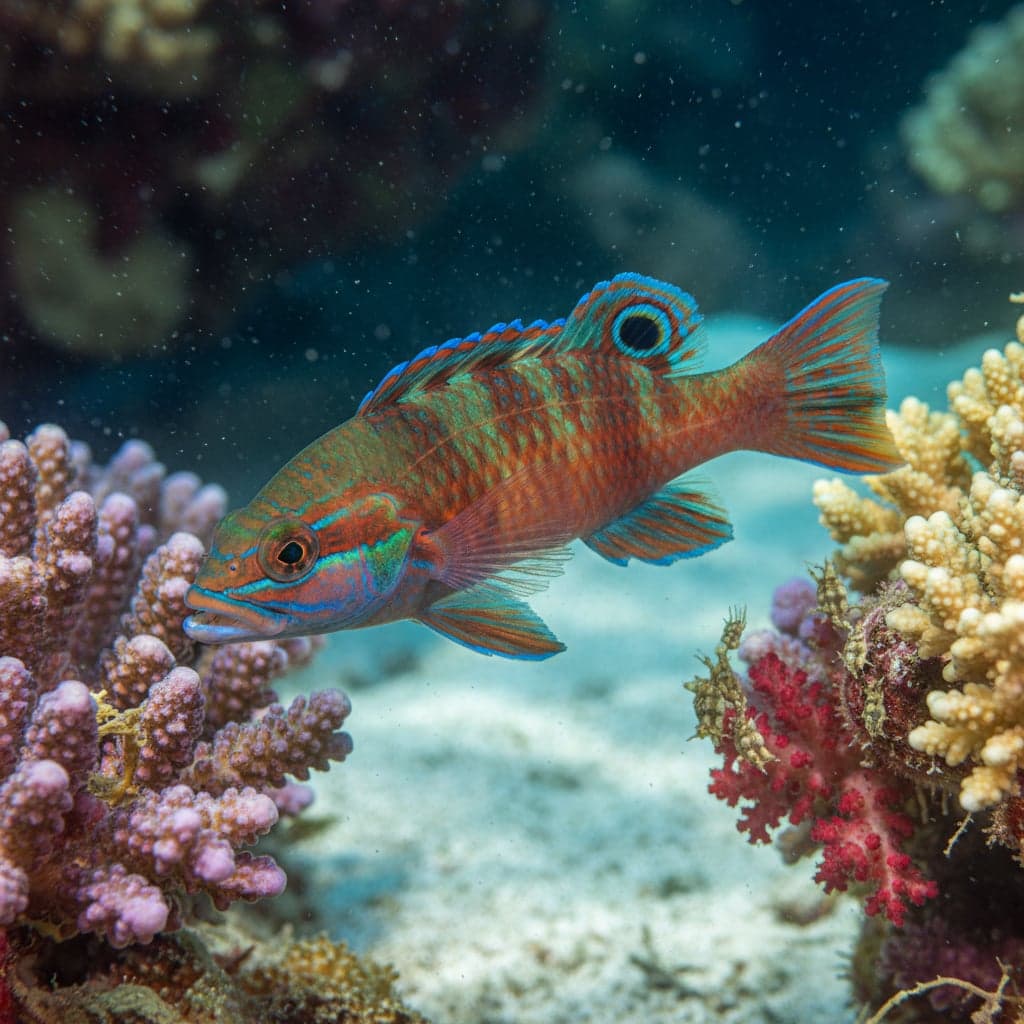
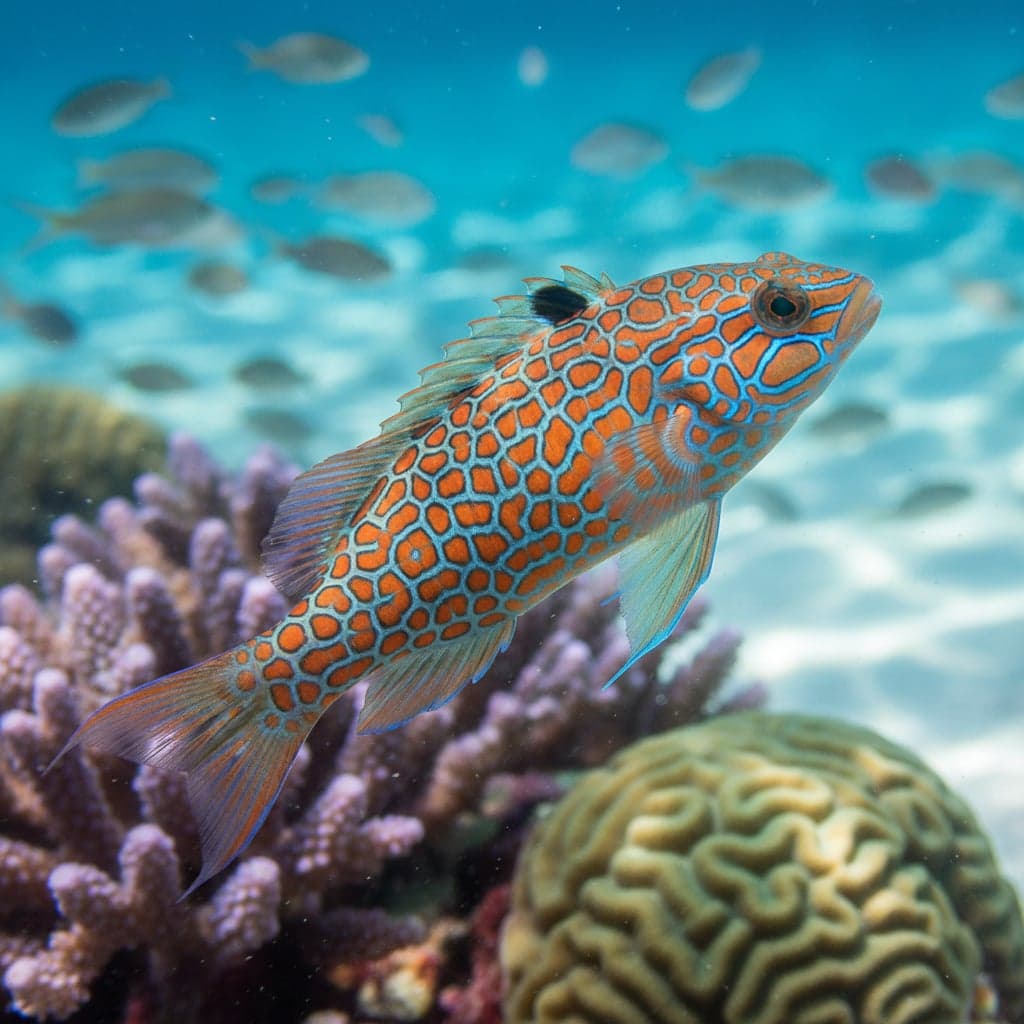
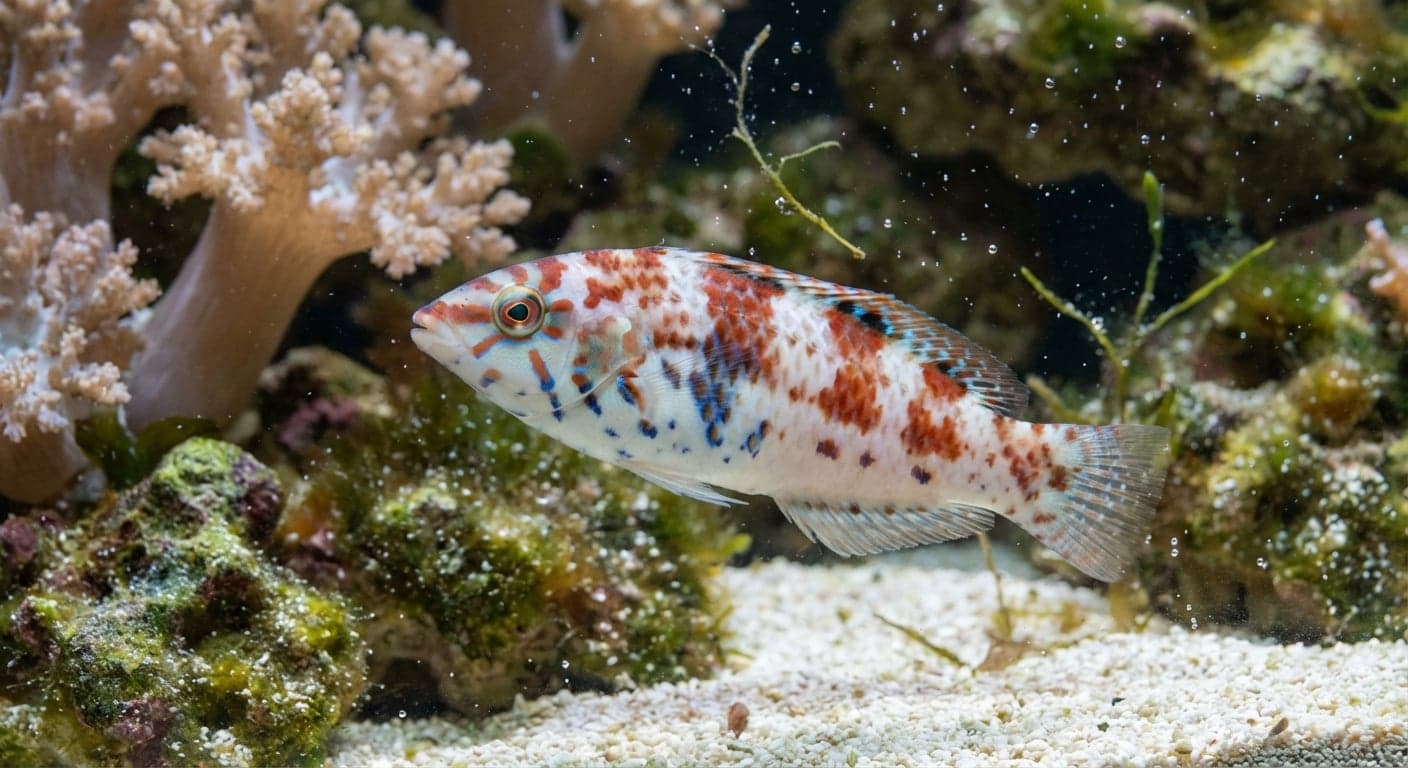
The Leopard Wrasse (Macropharyngodon meleagris), also known as the Black-spotted Leopard Wrasse, is a species for the dedicated marine enthusiast. It is defined by its exquisite, mosaic-like pattern of irregular white or pearly spots against a reddish-brown or dark green-black body. Beyond its beauty, the Leopard Wrasse is a biological specialist: it is a "sand-sleeper" that disappears into the substrate at night and a persistent hunter of tiny parasites and copepods by day. For the established reef keeper, the Leopard Wrasse is a vital and stunning addition that contributes to the health of the ecosystem while providing a constant, shimmering display of natural elegance.
In the aquarium, they are the graceful explorers. They move with an effortless, undulating motion, constantly pecking at the live rock for microscopic prey. However, they are famously sensitive to shipping and initial acclimation, requiring a calm environment and a "live" tank to survive the transition.
Natural Habitat & Origin
Macropharyngodon meleagris is widely distributed across the Indo-Pacific, from East Africa to the Tuamotu Islands and north to the Ryukyu Islands. They are shallow reef specialists, predominantly inhabiting seaward reef slopes and lagoons with mixed sand and coral patches at depths of 1 to 30 meters. These areas offer a dual-resource environment: complex coral heads for daytime foraging and pockets of soft, fine sand for nocturnal protection. In the wild, they are often found in loose groups where a single male dominates a harem of several females.
Care Requirements
The Leopard Wrasse is an advanced species that should only be introduced into a mature, stable reef system. A minimum tank size of 40 gallons (150L) is required.
Maintain stable parameters: a pH of 8.1 to 8.4 and a temperature of 75°F to 81°F (24°C to 27°C). CRITICAL REQUIREMENT: You MUST provide a fine sand bed at least 2-3 inches deep. These fish physically dive into the sand to sleep and to escape predators; without a suitable substrate, their stress levels will skyrocket, leading to secondary infections. They also require very high water quality and low-stress environments. Tip: They have a "built-in" biological clock and may go missing in the sand for several days when first introduced—patience is key.
Diet & Feeding
They are specialists micro-predators, naturally feeding on tiny crustaceans, foraminiferans, and parasitic snails.
In captivity, they require a sustained effort to maintain their condition:
- A large population of live copepods and amphipods (established via a refugium) is highly recommended.
- They MUST be transitioned to high-quality frozen foods: Vitamin-enriched Mysis shrimp, Brine shrimp, and finely chopped meaty seafood.
- Tip: They are "social" feeders but can be slow to start eating prepared foods. Using a "feeding station" or target-feeding near the rockwork can help them recognize new food sources during the first few weeks.
- They have a high metabolism and should be fed small amounts 3 times daily.
Behavior & Temperament
They are exceptionally peaceful. They are one of the best wrasses for a quiet community reef as they generally ignore other fish. However, they are territorial toward other Macropharyngodon species; unless you have a very large tank, keep only one per system or a known male-female pair. They are completely reef-safe and will often benefit corals by removing flatworms and other pests.
Tank Mates
Suitable tank mates are other peaceful and non-aggressive reef species:
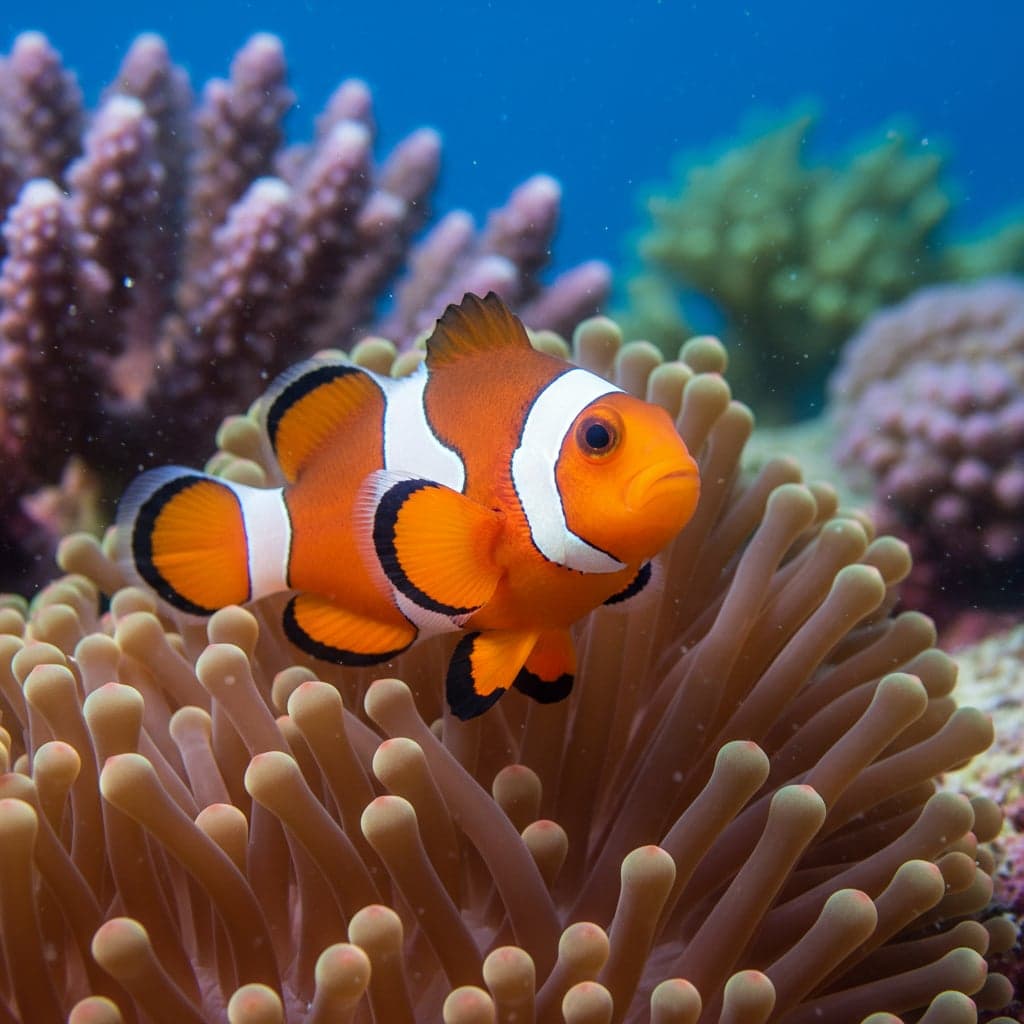
- Clownfish
- Anthias and Cardinalfish
- Dragonets (if copepod supply is massive)
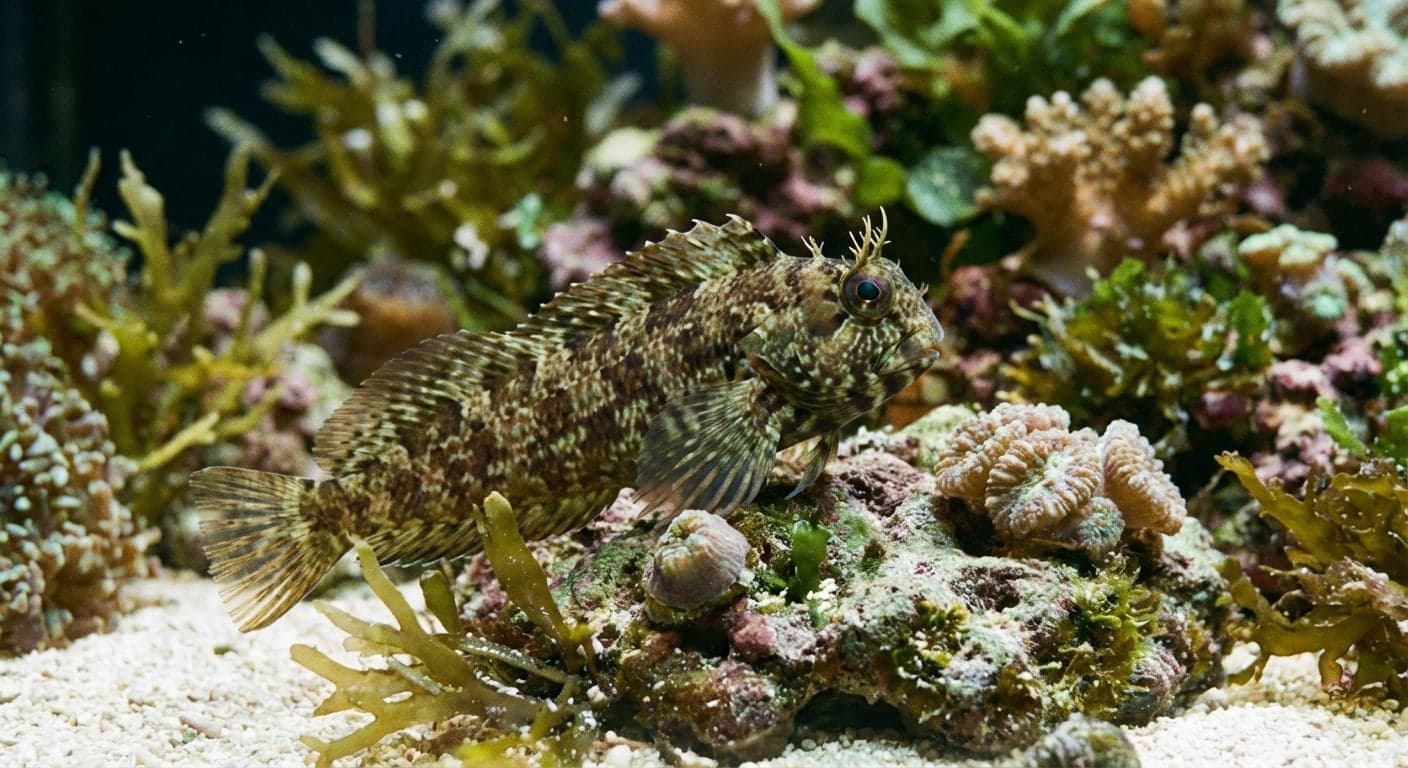
- Blennies and Gobies
- All corals and most invertebrates
Avoid keeping them with aggressive Wrasses, Dottybacks, or large predators that might intimidate them or outcompete them for the tiny prey they seek.
Breeding
Breeding Leopard Wrasses in captivity is exceptionally difficult. They are protogynous hermaphrodites (all start as females). In the wild, they engage in pelagic spawning at dusk. While pairs are occasionally maintained in large reef tanks, the pelagic larvae require a precise sequence of microscopic live foods that is currently a major challenge for home aquarists.
Common Health Issues
The primary health concern is failure to thrive (wasting) if the copepod population is insufficient or if they fail to acclimate to prepared foods. They are also prone to internal parasites and Ich if stressed. Maintaining a deep sand bed, a refugium-linked copepod supply, and a high-oxygen environment is the best way to ensure the delicate and exquisite Leopard Wrasse thrives in your reef.