Lionhead Goldfish
Lionhead goldfish care: wen management, no-dorsal swimming limits, tank mates and diet for this fancy Carassius auratus variety — not a general goldfish hub.
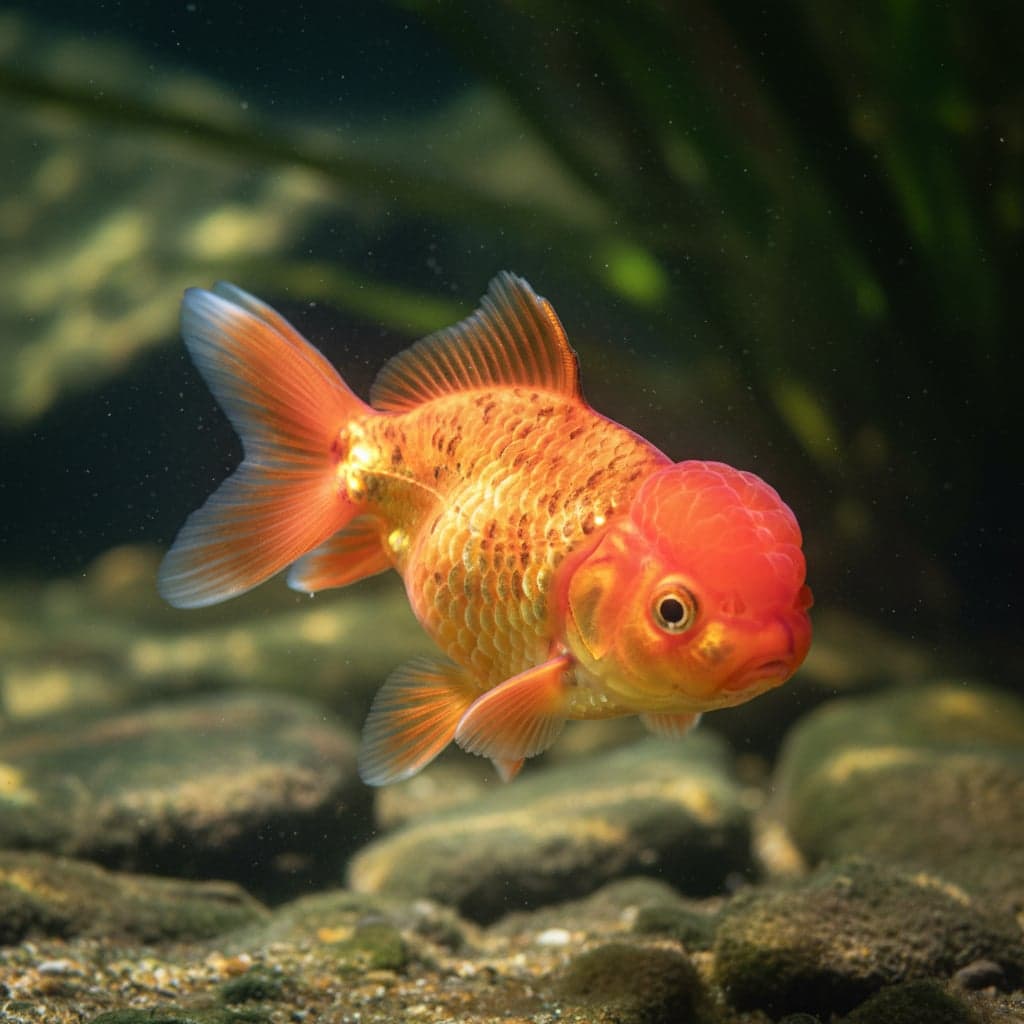
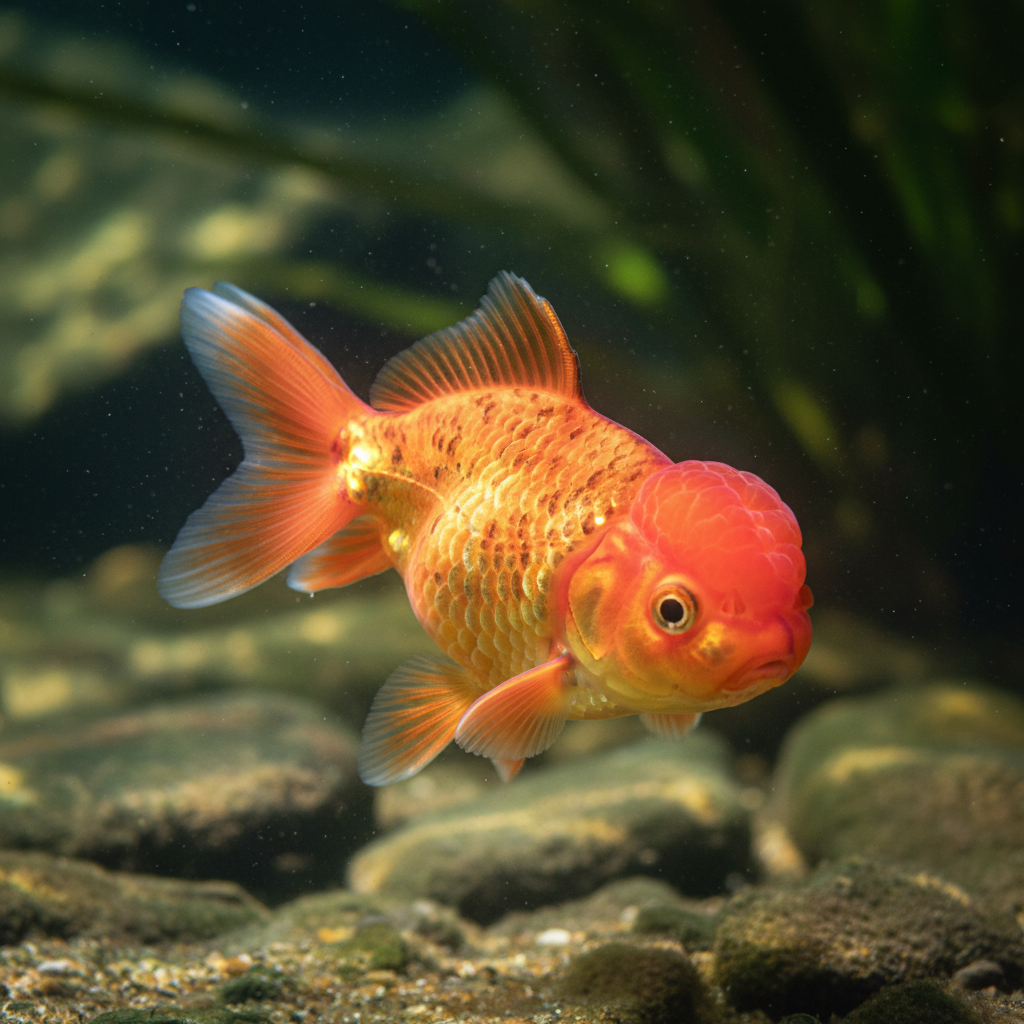
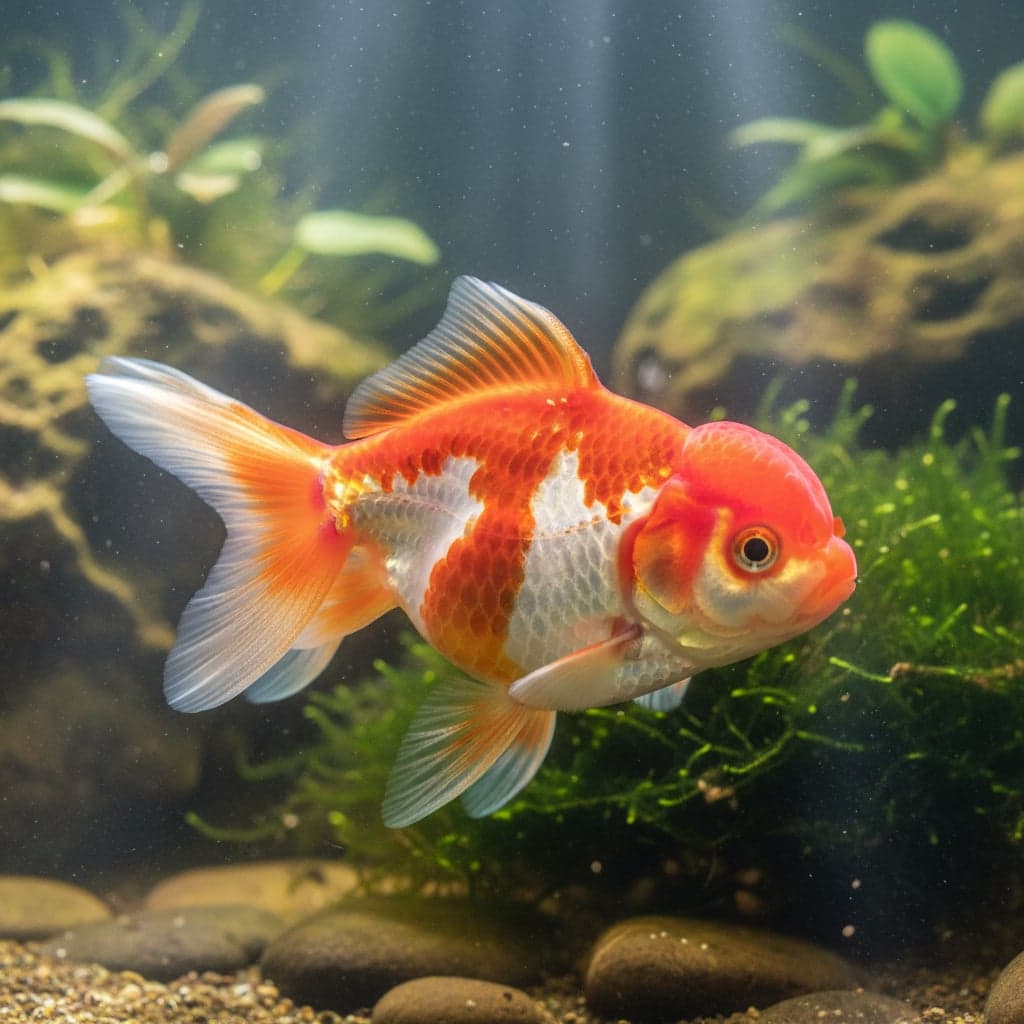
The Lionhead is a fancy variety of goldfish (Carassius auratus), not a separate species. General cold-water goldfish husbandry — filtration load, temperature bands, and why bowls fail — lives on the main goldfish page. This profile covers what is unique to the Lionhead: the fleshy wen, the complete absence of a dorsal fin, and the slow, bottom-heavy swimming that follows. In many Asian circles it is called the “king of goldfish”; for the keeper it is a specialised fancy that needs calmer flow, soft décor, and wen hygiene that commons and comets never demand.
In the aquarium, they are the gentle giants of the substrate. They do not swim with the speed of common goldfish; instead, they waddle through the water with a heavy-bottomed grace, constantly sifting through the sand for morsels of food.
Natural Habitat & Origin
The Lionhead is not a wild species; it is the result of centuries of selective breeding in China, starting as early as the Tang Dynasty. It was bred to be viewed from above in traditional garden ponds, where its lack of a dorsal fin and its massive head growth could be best appreciated. These fish were later refined in Japan to create the slightly more streamlined Ranchu variety. Despite their artificial origins, they retain the core physiology of their wild ancestors—the Prussian Carp—possessing a remarkable tolerance for cold water and a versatile, opportunistic appetite.
Care Requirements
The Lionhead Goldfish is a moderate-difficulty species due to its physical limitations. A minimum tank size of 20 gallons (75L) is required for a single adult, but 30-40 gallons is highly recommended to manage their significant bio-load.
Maintain stable cold-water parameters: a pH of 7.0 to 8.0 and a temperature of 65°F to 75°F (18°C to 24°C). CRITICAL CARE NOTE: Their wen can occasionally overgrow, covering their eyes and obstructing vision (which may requires professional trimming). Additionally, their lack of a dorsal fin and their compact body make them inefficient swimmers; the tank should feature low water flow and no sharp decorations (like jagged rocks or plastic plants) that could snag their delicate finnage or injure their fleshy head growth. High levels of dissolved oxygen are essential as they consume significant amounts of energy during respiration.
Diet & Feeding
They are opportunistic omnivores with a high metabolism. Because of their "scrunched" internal anatomy, they are prone to digestive issues.
Their diet should emphasize high-quality, sinking foods:
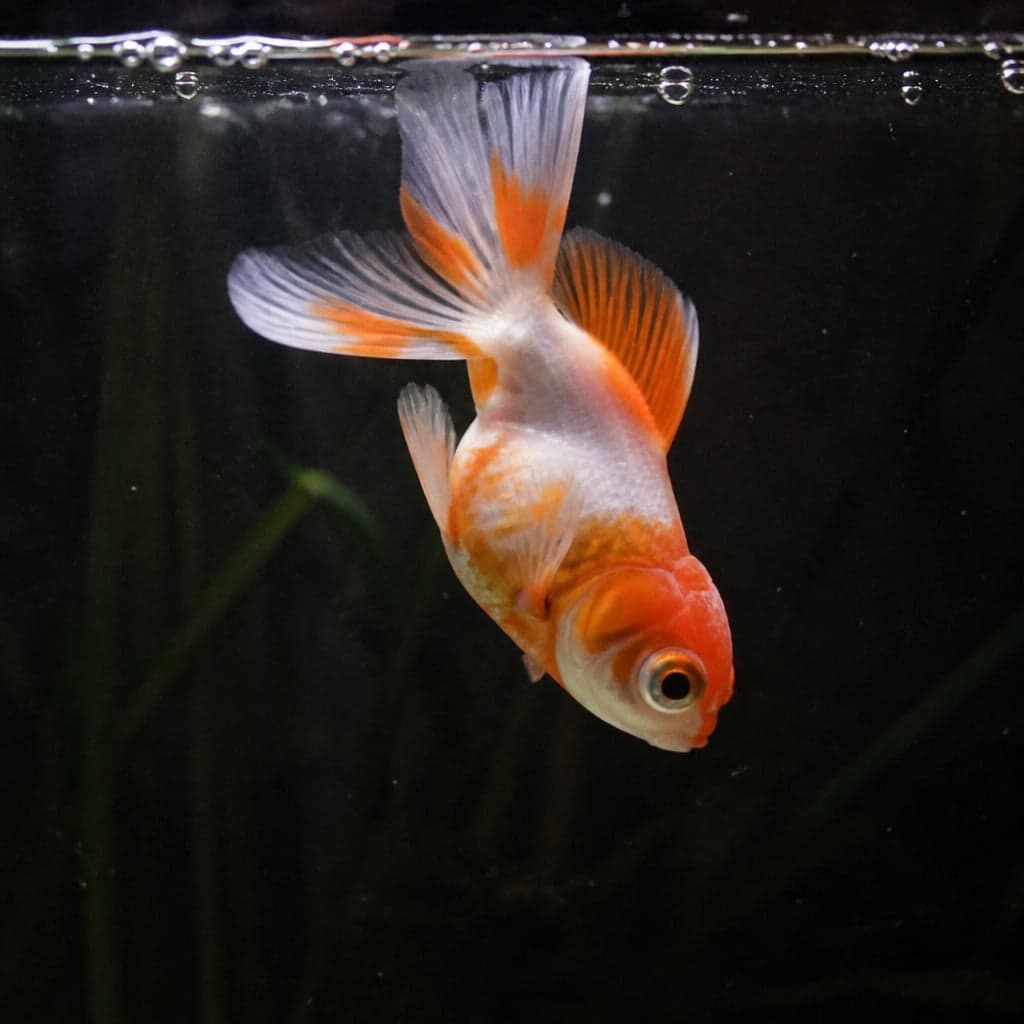
- Sinking pellets formulated for fancy goldfish should be the staple to prevent them from gulping air at the surface, which leads to buoyancy issues.
- They MUST have frequent vegetable matter: Blanched peas (shelled), spinach, and spirulina flakes.
- Tip: Live or frozen foods like Bloodworms and Brine shrimp are excellent for protein but should be fed sparingly to avoid swim bladder stress.
- Feed them 2-3 times daily in small amounts that they can consume within a minute.
Behavior & Temperament
They are exceptionally peaceful and social. They should always be kept with other fancy goldfish varieties. They spend almost all their time foraging at the bottom, using their sensitive mouths to sift through the substrate. They are not schooling fish in the traditional sense, but they are highly communal and will often follow each other around the tank in a "train" during feeding time or courtship.
Tank Mates
Suitable tank mates are limited to other slow-moving fancy goldfish varieties:
- Ranchus (similar swimming style)
- Orandas and Black Moors
- Ryukins and Fantails
- Larger, peaceful snails (like Apple Snails)
Avoid keeping them with "single-tail" goldfish (like Comets or Commons) or fast-moving species like Danios or Barbs; these fish will outcompete the slow Lionhead for food and may accidentally injure them in their frantic swimming.
Breeding
Breeding Lionhead Goldfish in captivity is a specialized process. They are egg scatterers. Spawning is typically triggered by a gradual rise in temperature and a large water change. The male will develop "breeding tubercles" (white spots) on his gill covers and will chase the female into fine-leaved plants where she releases adhesive eggs. The parents must be removed immediately as they will eat the eggs. The fry hatch in 3-5 days and require infusoria followed by baby brine shrimp. Rearing high-quality Lionheads requires culling and precise nutritional management to ensure proper wen development.
Common Health Issues
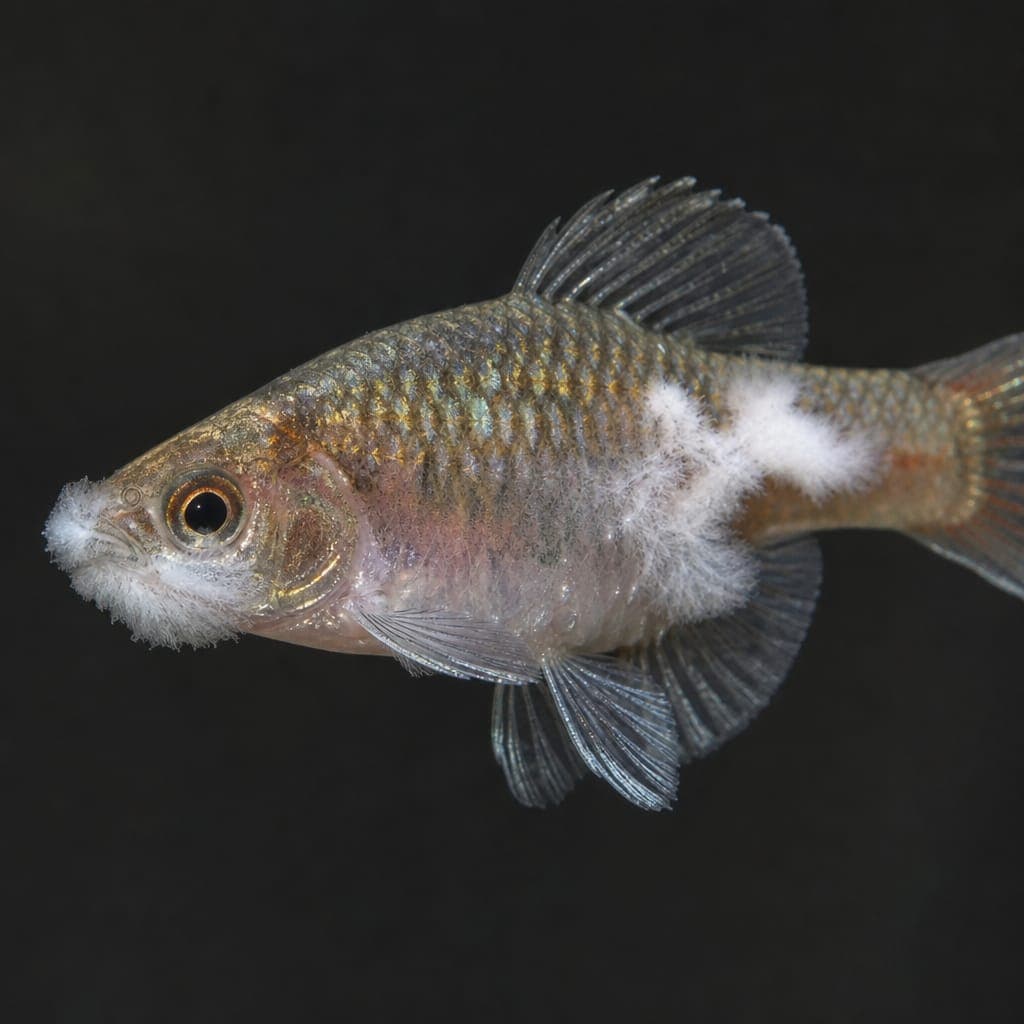
The primary health concern is bacterial or fungal infections in the wen crevices. If water quality is poor, waste can get trapped in the fleshy growth, leading to "wen rot." They are also highly prone to Swim Bladder Disorder due to their compacted body shape. Maintaining pristine water quality with heavy filtration and a fiber-rich, sinking diet is the best way to ensure the majestic Lionhead Goldfish remains the centerpiece of your cold-water aquarium for its 10-15 year lifespan.