Lyretail Killifish: Aphyosemion australe
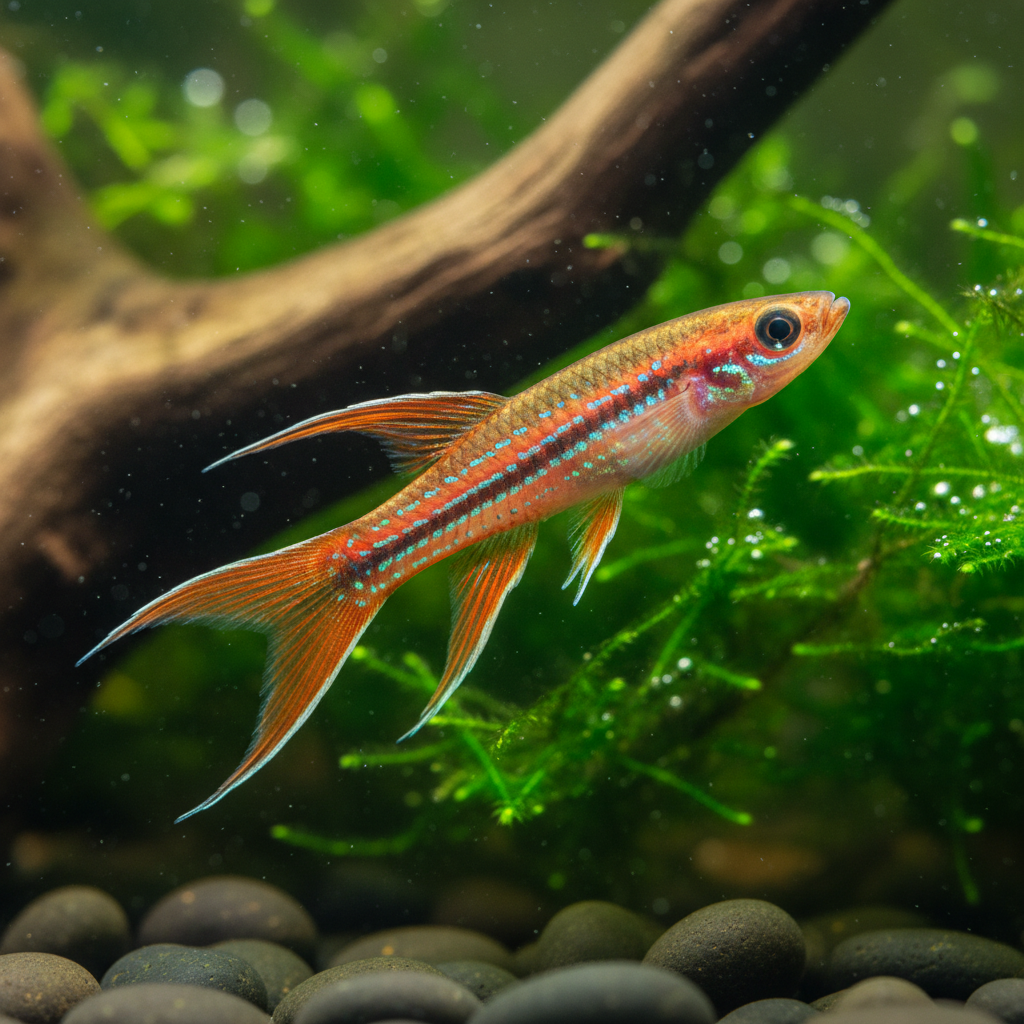
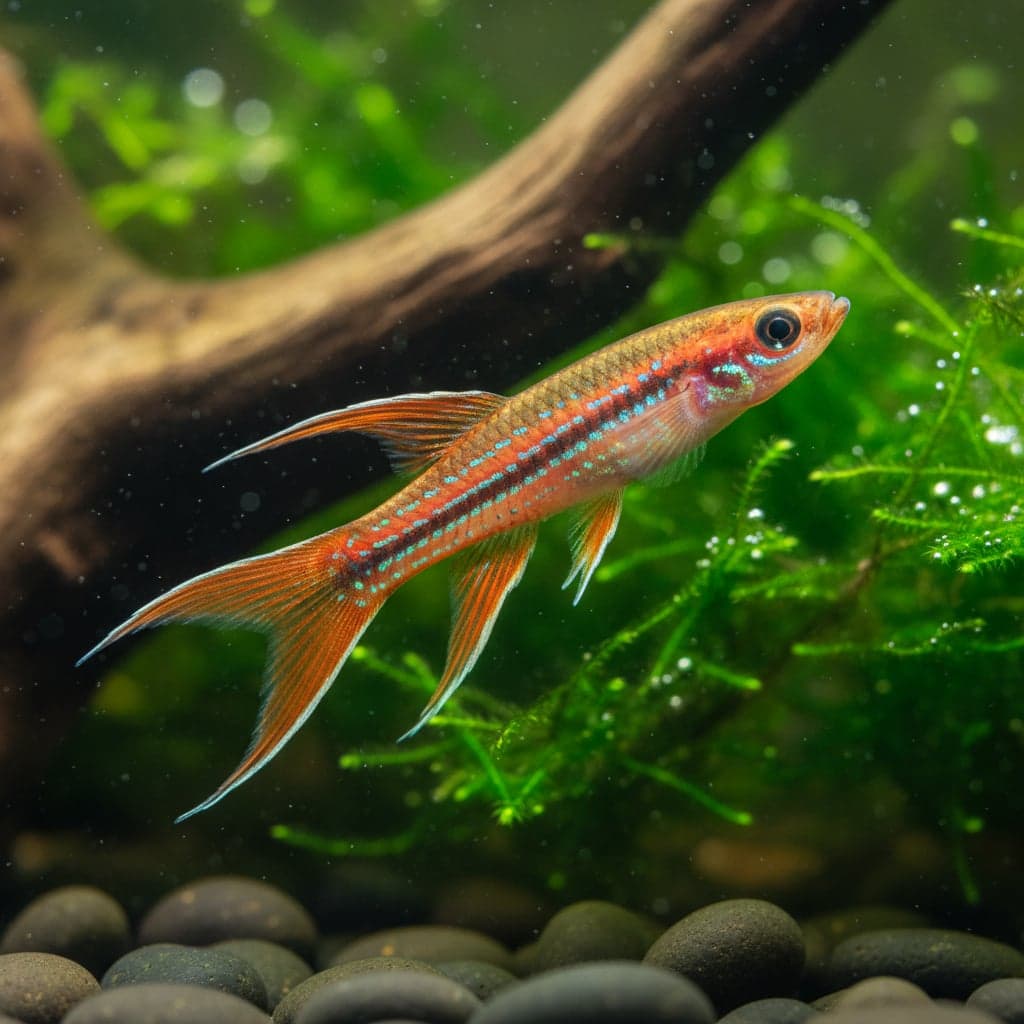
One of the most famous and dazzling killifish, featuring intricate orange spotting and dramatic fin extensions in males.
Lyretail Killifish
The Lyretail Killifish (Aphyosemion australe) is an exquisite freshwater fish celebrated for its striking coloration and elegant shape. Known for its vibrant blues, reds, and yellows, this small ornamental fish has a distinguished lyre-shaped tail that adds to its visual appeal, captivating both novice and experienced aquarists. Its diminutive size, reaching only about 2 to 3 inches in length, makes it an ideal candidate for a variety of aquarium setups, particularly nano aquariums where its vivid colors can shine against a lush, well-planted backdrop.
In the aquarium hobby, the Lyretail Killifish holds a special significance as it represents one of the most beloved species within the killifish family. Its relatively easy care requirements and stunning aesthetics contribute to its popularity, often serving as an introductory species for those new to keeping killifish. More than just a beautiful inhabitant of aquariums, the Lyretail Killifish is a fascinating species, known for its unique breeding behaviors and social structures, making it a subject of interest for fish enthusiasts and researchers alike.
Natural Habitat & Origin
Lyretail Killifish are native to the brackish and freshwater systems of West Africa, particularly in countries like Nigeria and Cameroon. They are often found in swampy areas, slow-moving rivers, and flooded forests, where the water is typically soft and slightly acidic. In these natural habitats, the Lyretail Killifish thrives in environments characterized by dense vegetation that provides both shelter and breeding grounds. The water in these regions is often stained dark due to the presence of tannins from decomposing organic materials, resulting in a blackwater habitat that is low in nutrients but rich in biodiversity.
The ecological context of their habitat highlights the importance of replicating similar conditions in captivity. Aquarists wishing to keep this species must aim to create an environment that mimics the Lyretail Killifish's natural surroundings, ensuring they feel safe and secure within their tank.
Care Requirements
To maintain the health and well-being of Lyretail Killifish, specific water parameters should be adhered to. Ideally, the pH should range from 6.0 to 7.5, with a temperature between 72°F and 80°F (22°C to 27°C). Low to moderate hardness (2-12 dGH) is preferable, as these fish come from soft water environments in the wild. When setting up a tank, a minimum size of 10 gallons is recommended to provide ample swimming space and promote healthy social interactions.
For optimal tank setup, fine sand or soft substrate is preferred to mimic their natural habitat. Incorporating live plants, such as Java moss or Anubias, will not only enhance the aesthetic appeal but also offer areas for cover and breeding. Lighting should be moderate, as excessive brightness may stress these fish; the use of floating plants can help diffuse the light. Providing hiding spots with driftwood or rocks also enhances their environment, making them feel more secure.
Diet & Feeding
Lyretail Killifish are omnivores, with a versatile diet ideally consisting of high-quality flake or pellet food combined with frozen or live food options to ensure a balanced nutritional intake. Their diet should be rich in protein to promote vibrant colors and overall vitality. Common food recommendations include high-protein live foods such as daphnia and bloodworms, as well as plant-based options like spirulina and high-quality flakes designed for tropical fish.
Feeding should be done in small portions one to two times per day, ensuring that all food is consumed within a few minutes to maintain water quality. A varied diet will not only keep the fish healthy but will also promote their natural behavior and encourage spawning conditions.
Behavior & Temperament
Socially, Lyretail Killifish are generally peaceful and thrive in a community setting; however, they do exhibit some territorial behavior, particularly during breeding. They do best in small groups or pairs rather than large schools, as overcrowding can lead to stress and aggression. In the aquarium, they'll typically occupy the mid to upper levels of the tank, showcasing their graceful swimming patterns.
While they are relatively non-aggressive, it's essential to maintain a balanced community and monitor their interactions, especially during feeding times and when establishing territories. Creating a structured environment with plenty of hiding spots will minimize potential skirmishes and allow for natural behaviors to display.
Tank Mates
When selecting tank mates for Lyretail Killifish, it is crucial to choose peaceful species that will not stress them or compete aggressively for food and territory. Compatible tank mates include small tetras, rasboras, and other non-aggressive nano fish like dwarf cories or shrimp species. Avoid aggressive or larger species that could intimidate or harm the Lyretail Killifish, such as cichlids or larger barbs.
Selecting tank mates of similar size and temperament will lead to a harmonious aquarium environment. It is advisable to introduce them slowly and observe their interactions to ensure compatibility, especially during initial introductions.
Breeding
Breeding Lyretail Killifish can be a rewarding experience for aquarists willing to replicate their natural spawning conditions. They are egg scatterers and prefer spawning in densely planted areas or spawning mops where eggs can be hidden and protected. To encourage breeding, maintain slightly warmer water temperatures in the range of 78°F to 80°F (25°C to 27°C) and provide ample space and cover.
The male will display vibrant colors and perform courtship dances to attract the attention of the female. Once the eggs are laid, they will typically hatch in about two weeks. It is advisable to remove the adult fish once spawning is complete, as they may eat their eggs or fry. The fry should be fed specialized infusoria or finely crushed flakes to support their growth during the initial stages of development.
Common Health Issues
Lyretail Killifish are generally hardy, but they can be susceptible to common freshwater fish diseases. Some of the most prevalent issues include ich (white spot disease) and fin rot, often triggered by poor water quality or stress. Maintaining optimal water parameters and regular changes will go a long way in preventing these ailments.
Routine observation is crucial for early detection of health issues, and prompt treatment should be administered within a quarantined environment if any signs of disease are observed. Prevention tips include ensuring good tank hygiene, providing a stress-free environment, and quarantine protocols for new arrivals before introduction to the main tank. Regularly monitoring water parameters and maintaining a balanced diet will also support the overall health of your Lyretail Killifish.