Mackerel Barb: Opsarius pulchellus
A distinctly patterned, swift-swimming cyprinid that resembles a miniature mackerel.
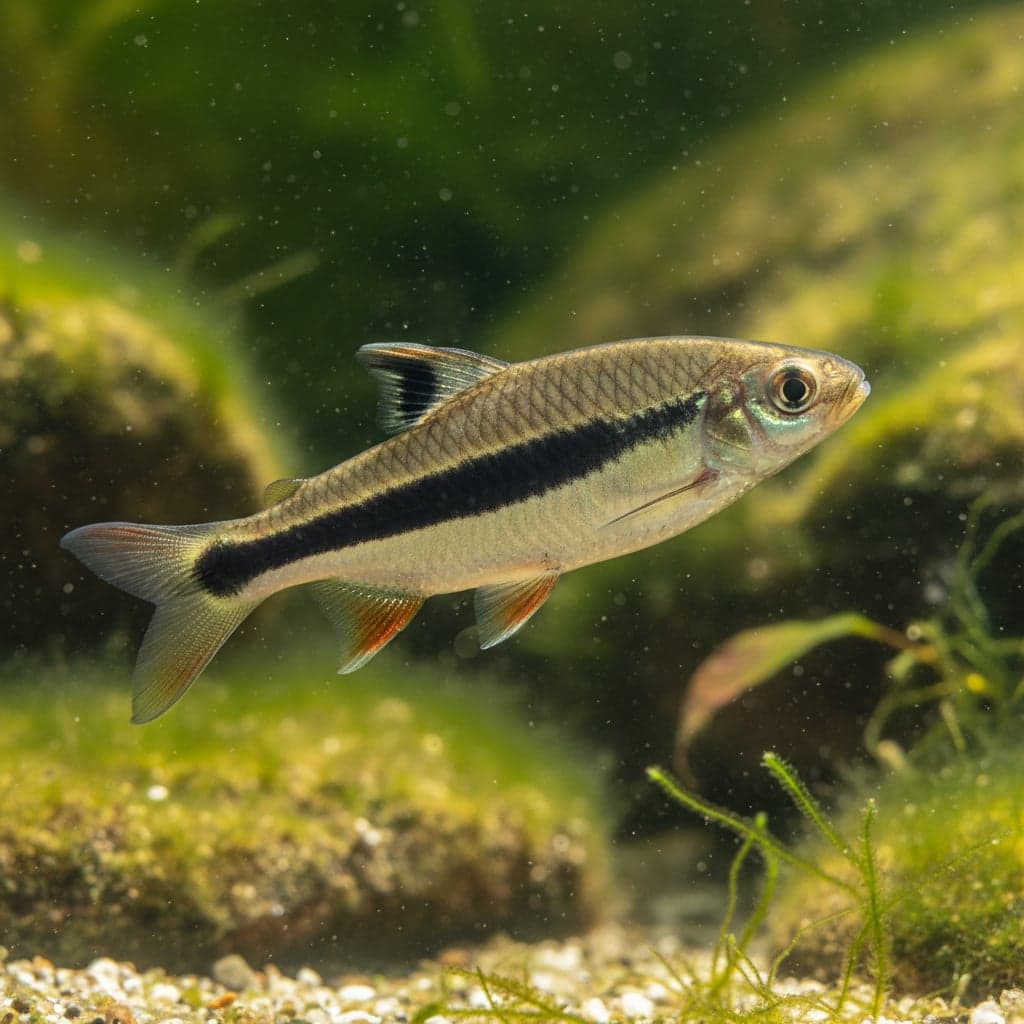
Mackerel Barb
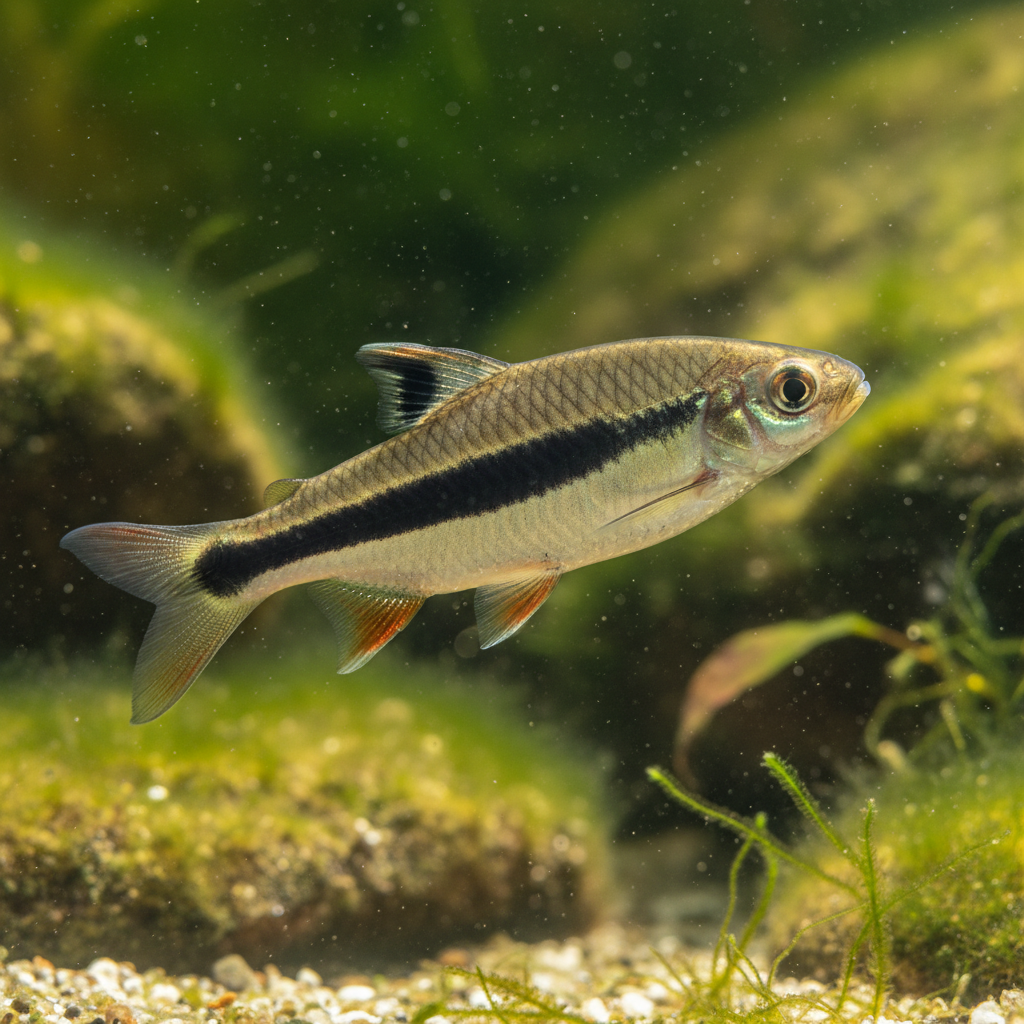
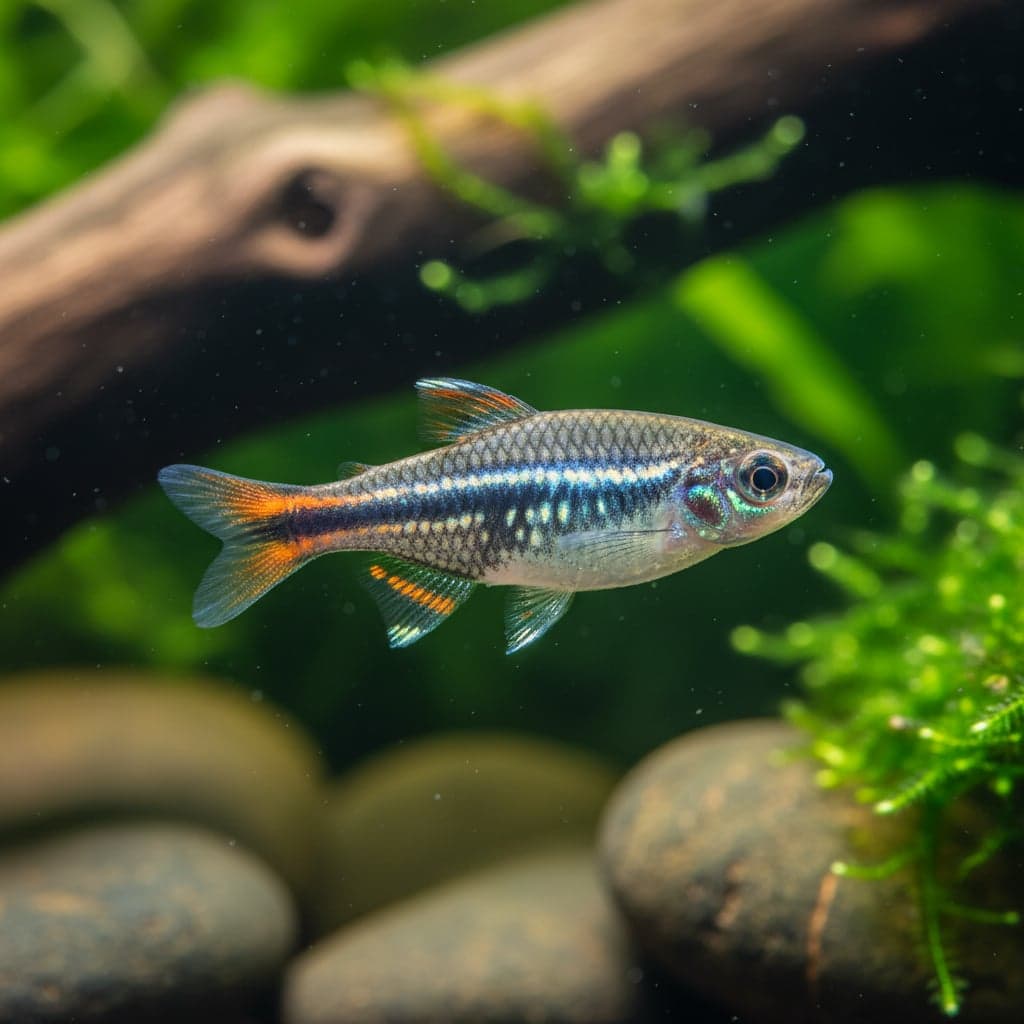
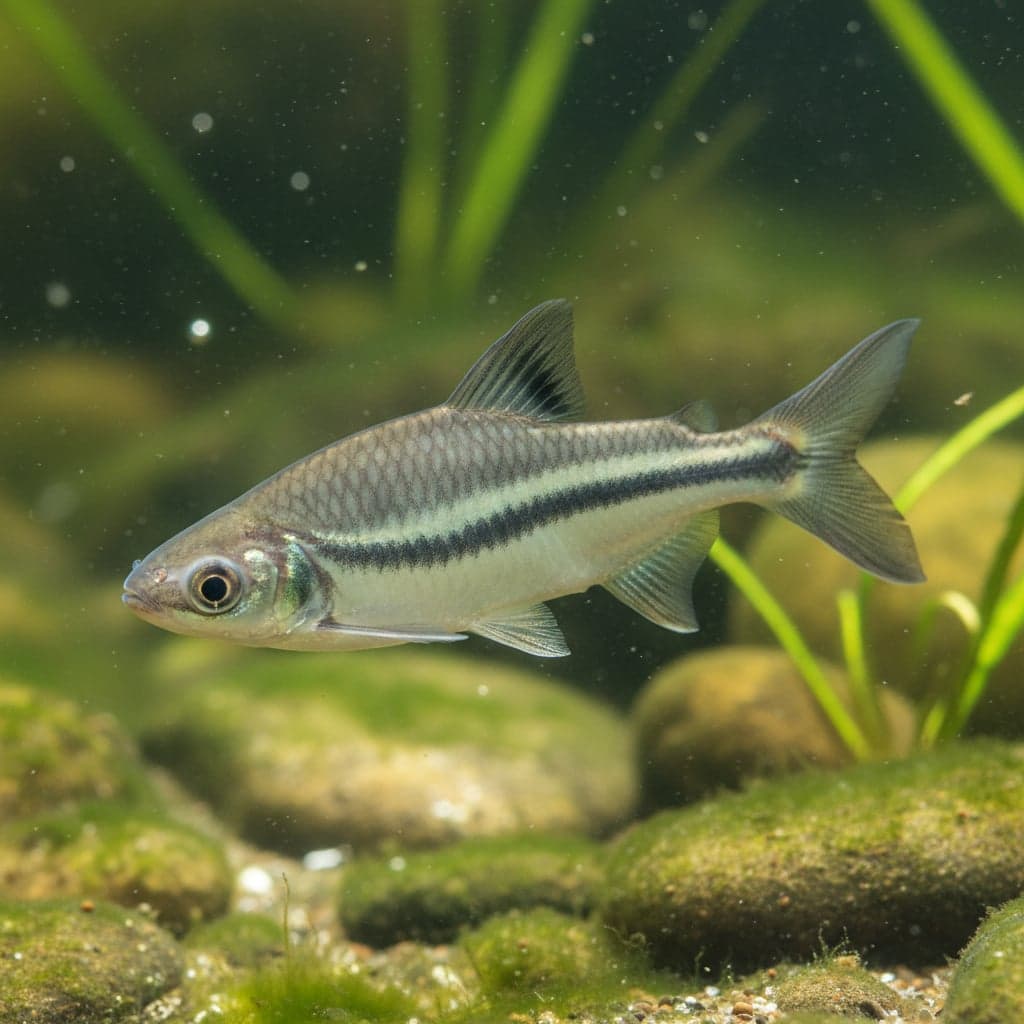
The Mackerel Barb (Opsarius pulchellus) is a captivating freshwater fish notable for its striking appearance and lively behavior. This species is celebrated for its elongated body adorned with a series of vivid metallic scales that shimmer under aquarium lighting, presenting a majestic array of colors ranging from silver to greenish hues accentuated by dark, horizontal stripes. Growing to an average length of around 3 to 4 inches, the Mackerel Barb is not only an aesthetic addition to any aquatic setup but also a symbol of dynamic activity, making it a favorite among both novice and experienced aquarists.
In the context of the aquarium hobby, the Mackerel Barb holds significant appeal due to its hardy nature and compatibility with various tank conditions. It's recognized for its schooling behavior, where individuals thrive in groups, creating a stunning visual display. This energy and sociability enhance the overall ambiance of any community tank. With its engaging personality and vibrant look, the Mackerel Barb serves as an excellent ambassador for the rich biodiversity found in freshwater systems, embodying the beauty and resilience of aquatic life.
Natural Habitat & Origin
The Mackerel Barb is indigenous to the rivers and streams of Southeast Asia, particularly found in regions of Myanmar (Burma) and parts of Thailand. Typically inhabiting freshwater environments, this species is primarily associated with clear or slightly turbid waters in slow-moving rivers and floodplains, where it often takes refuge among submerged vegetation and rocky substrates. The natural habitat of the Mackerel Barb often features a rich array of plants, providing both cover and breeding grounds, as well as a diverse array of organisms to foster a healthy ecosystem.
Environmental conditions in their natural habitat are crucial for their well-being. The Mackerel Barb thrives in soft, slightly acidic water, with temperatures ranging from 75°F to 82°F (24°C to 28°C). Understanding these parameters aids aquarists in recreating a suitable habitat that mimics their wild environment, promoting the health and vibrancy of these charismatic fish.
Care Requirements
To ensure optimal health and vitality, Mackerel Barbs require specific water parameters and tank setups. Ideally, the pH level should be maintained between 6.0 and 7.5, while the water hardness should range from 5 to 15 dGH. The recommended temperature range of 75°F to 82°F (24°C to 28°C) is vital for maintaining their metabolic functions and overall activity levels. As a schooling fish, it's important to provide a minimum tank size of 30 gallons, which allows for ample swimming space for a group of at least six individuals.
When setting up their aquarium, opt for a substrate of fine gravel or sand to replicate their natural habitat. Incorporate plenty of live plants, driftwood, and rocks that offer hiding spots and vertical structures, as Mackerel Barbs enjoy exploring their surroundings. Moderate lighting is ideal to encourage plant growth while maintaining a comfortable atmosphere, as excessive brightness may lead to stress. Additionally, a good filtration system will help maintain water quality, mimicking the clean, flowing waters typically found in their native environments.
Diet & Feeding
The Mackerel Barb is an omnivorous species, thriving on a diverse diet that reflects its natural feeding habits in the wild. In the aquarium, these fish benefit from a well-rounded diet that includes high-quality flakes and pellets specially formulated for freshwater species. Supplementing their diet with frozen or live foods, such as daphnia, brine shrimp, and bloodworms, enhances their color and vitality while mimicking the protein-rich diet they would encounter in their natural habitat.
Feeding strategies should focus on providing small portions multiple times a day, promoting grazing behaviors that stimulate their active nature. Care should be taken not to overfeed, as excess food can lead to water quality issues. Incorporating a variety of food sources helps ensure balanced nutrition and rewards aquarists with vibrant, healthy fish.
Behavior & Temperament
Mackerel Barbs exhibit lively and energetic behavior, known for their active swimming and inquisitive nature. As a schooling species, they prefer to be kept in groups of at least six individuals, which helps them feel secure and reduces stress. Their social interactions are marked by playful chasing, especially during feeding times, creating a mesmerizing display for observers. While they are generally peaceful, Mackerel Barbs may show some signs of territorial behavior, particularly when establishing hierarchies within mixed school groups.
In terms of vertical placement in the aquarium, Mackerel Barbs tend to inhabit the mid to upper levels of the tank, frequently darting among plants and other structures. Their playful antics make them a delightful addition to a well-planned community tank, and they blend well with other similarly-sized, non-aggressive species.
Tank Mates
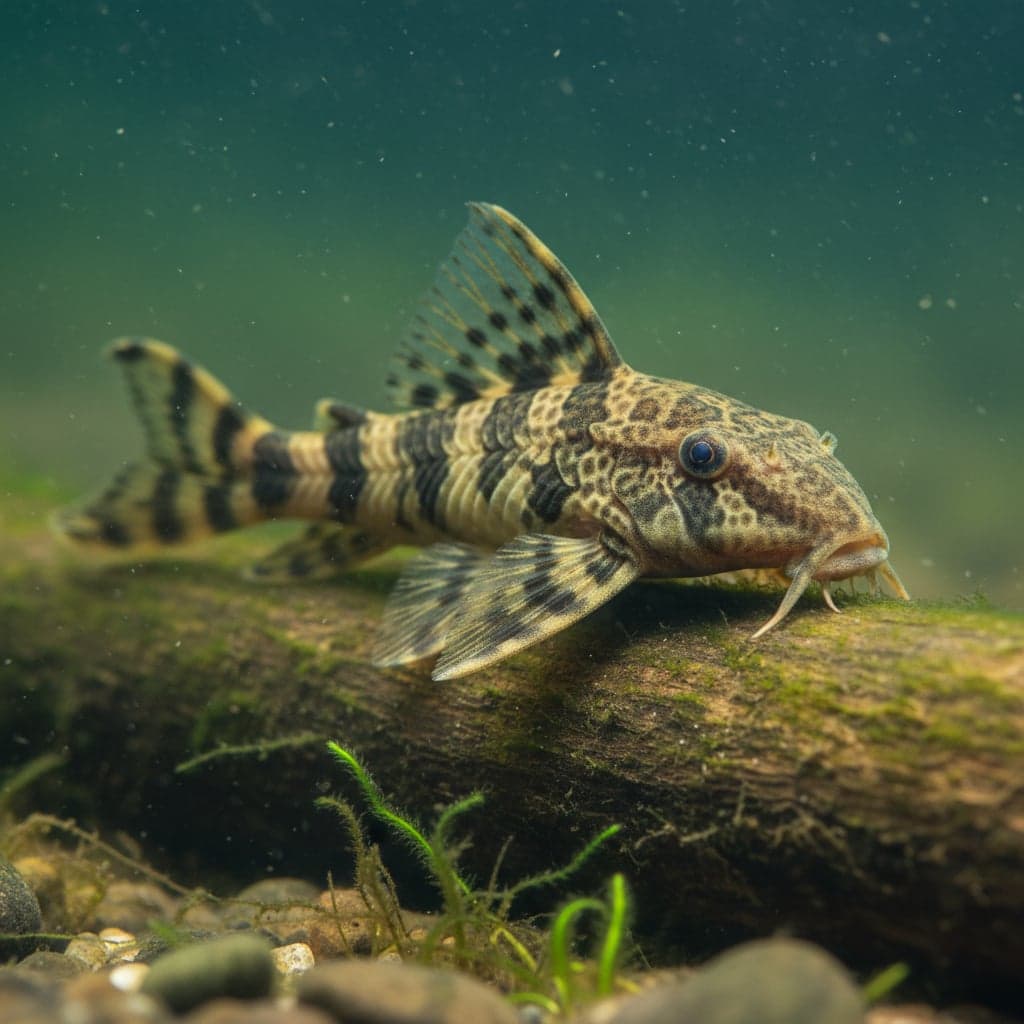
Creating a harmonious aquarium environment involves careful selection of compatible tank mates for Mackerel Barbs. Suitable companions include other peaceful species such as Tetras, Rasboras, Gouramis, and smaller Catfish, which thrive in similar conditions and social setups. When selecting tank mates, consider fish that occupy different levels of the tank or species that are known to be non-aggressive and prefer similar water parameters.
Conversely, it's essential to avoid larger or more aggressive species, such as Cichlids, which may bully or prey on Mackerel Barbs. Additionally, slow-moving fish with long fins, such as Betta fish, should also be avoided to prevent fin nipping and stress. By carefully curating a diverse and harmonious community, you can showcase the Mackerel Barb's vibrant personality and enhance the aquarium's overall aesthetic.
Breeding
Breeding Mackerel Barbs in captivity can be a rewarding challenge for dedicated aquarists. These fish are egg scatterers, and creating the right conditions for spawning is crucial. To encourage breeding, set up a separate breeding tank with a minimum size of 20 gallons, complete with fine-leaved plants or spawning mops for egg deposition. Ideal conditions include water with a slightly acidic pH of around 6.0 and temperatures of 78°F to 80°F (25°C to 27°C).
When ready to spawn, the female Mackerel Barb will release eggs while the male will fertilize them during the process. After spawning, it is advisable to remove the adult fish from the breeding tank to prevent them from consuming the eggs. The eggs will typically hatch within 24 to 48 hours, and fry should be fed infusoria or finely crushed flakes until they grow large enough to accept more substantial food options. Successful breeding in captivity not only contributes to the preservation of the species but also enhances the joy of fishkeeping.
Common Health Issues
Mackerel Barbs are generally hardy fish, but they can be susceptible to certain health issues if not kept in optimal conditions. Common ailments include Ich, also known as "white spot disease," which can occur due to environmental stress or poor water quality. Maintaining stable water parameters and conducting regular tank maintenance can help mitigate the risk of disease.
Another ailment to be vigilant about is fin rot, often resulting from bacterial infections in fish that have suffered from injuries or poor water conditions. Providing adequate space, appropriate tank mates, and routine health checks will support the overall health and resilience of Mackerel Barbs. By ensuring a clean, well-maintained environment and being observant of early warning signs—clamped fins, flashing, or loss of appetite—you can catch problems before they spread. Quarantine newcomers and treat ich or fin rot with barb-safe medications. With stable water, a varied diet, and a proper school, Mackerel Barbs stay active and healthy for years.