The Madagascar Rainbowfish: Bedotia geayi
Also known as the Red-Tailed Silverside. A prehistoric-looking, streamlined rainbowfish that is endangered in the wild.
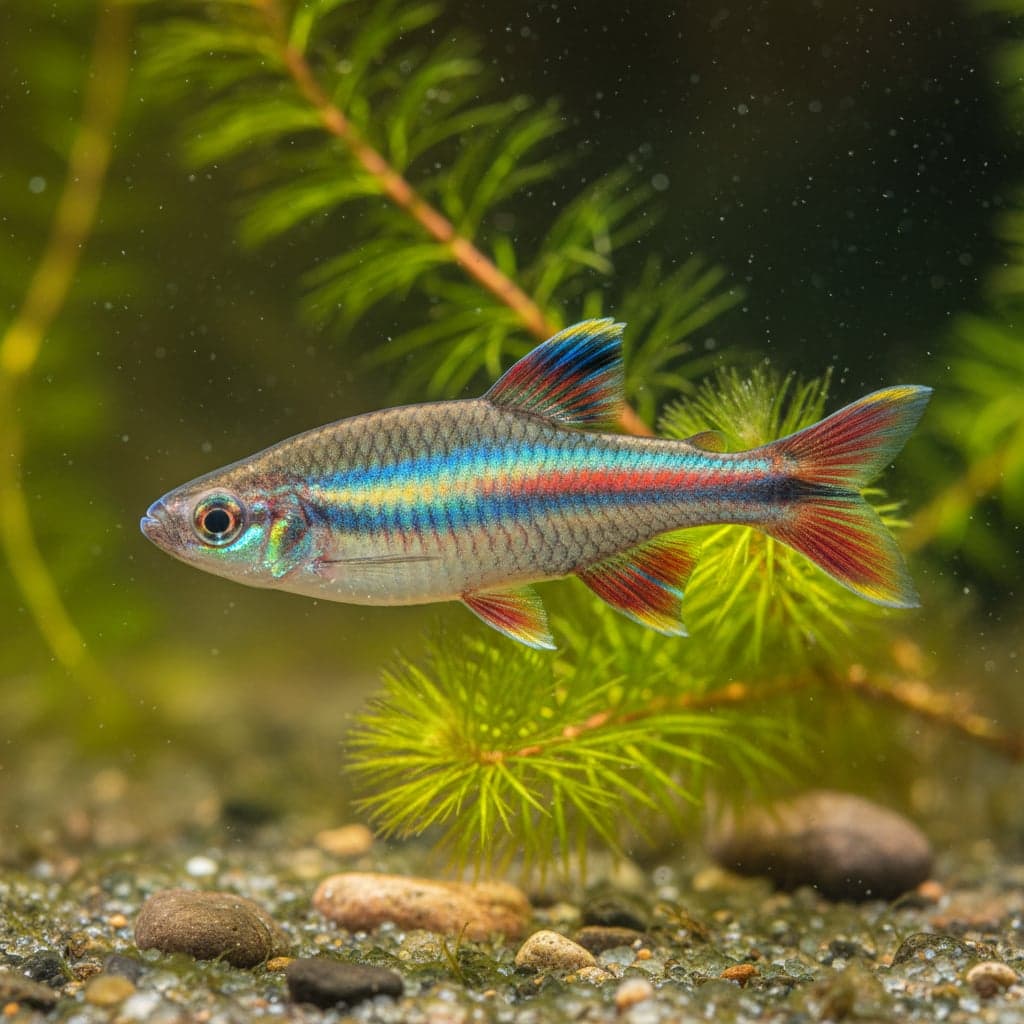
Madagascar Rainbowfish
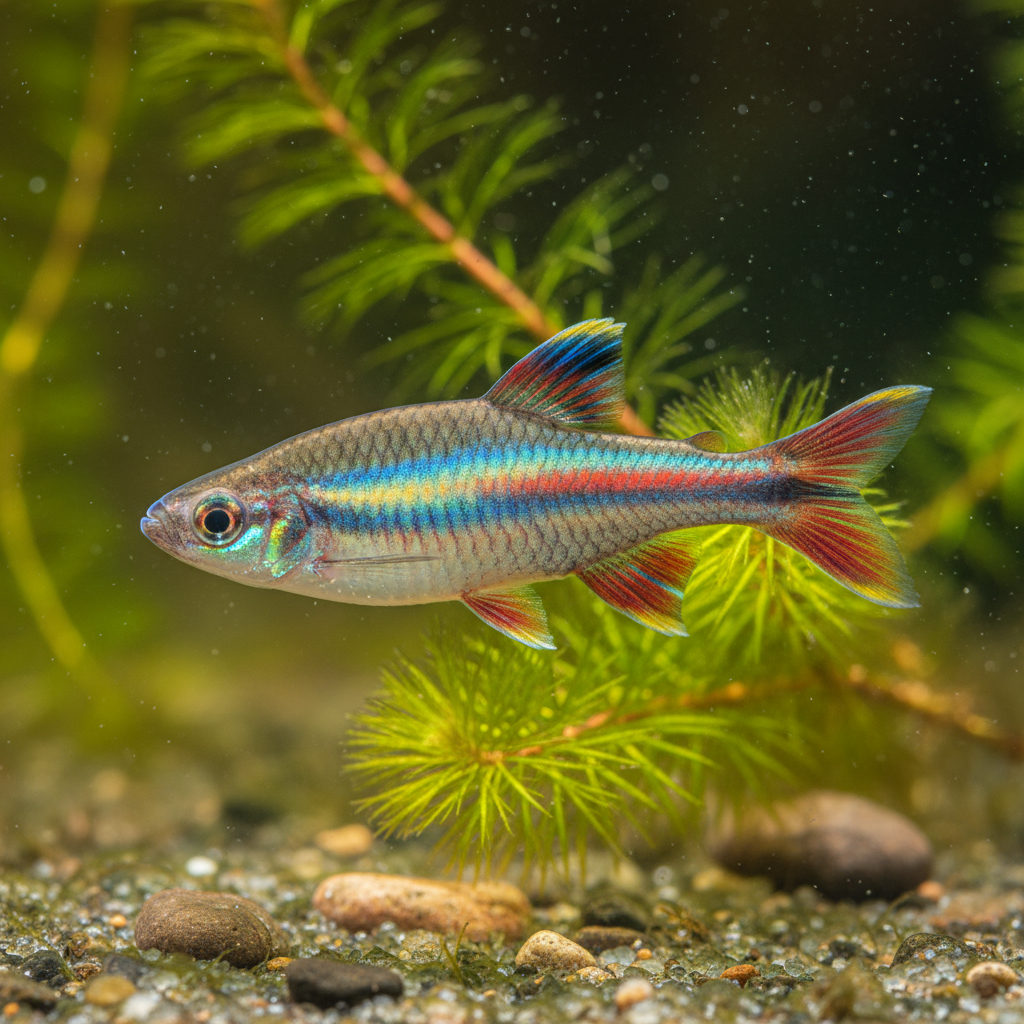
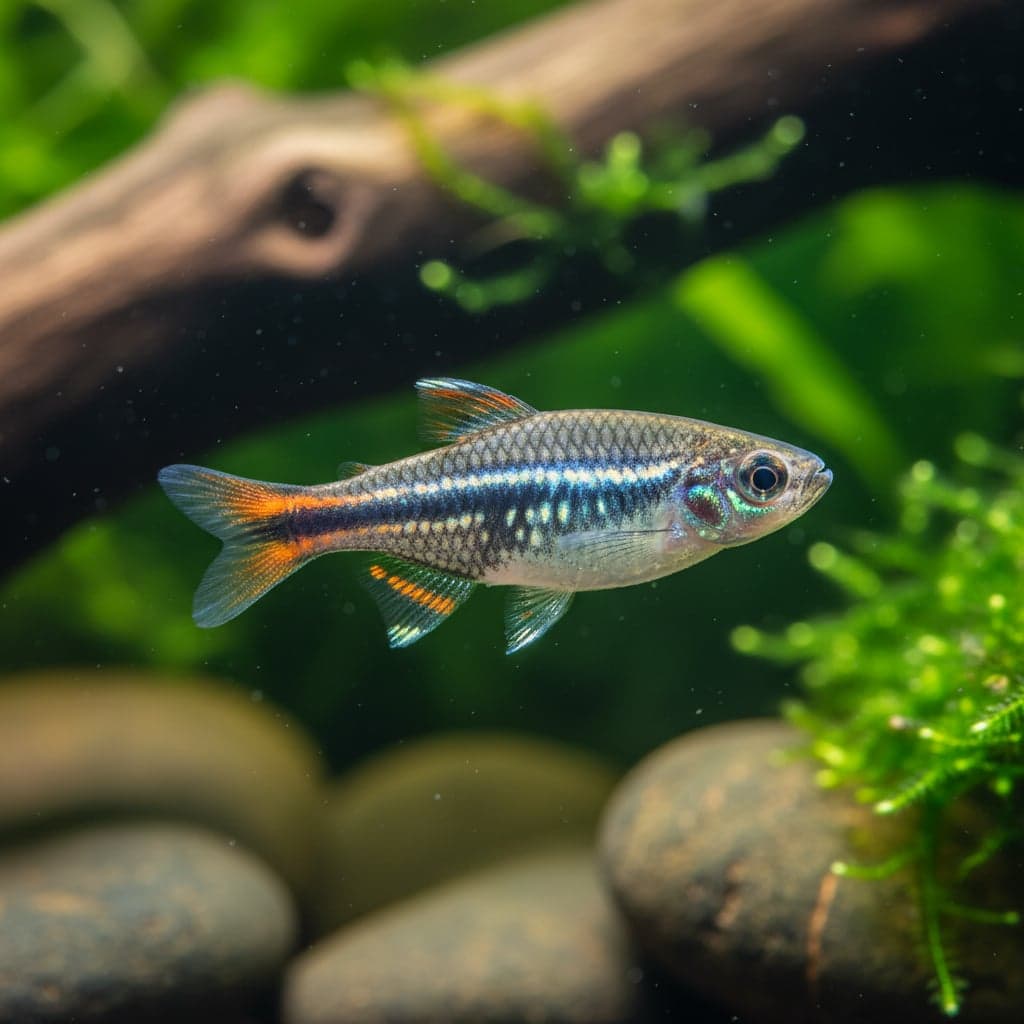
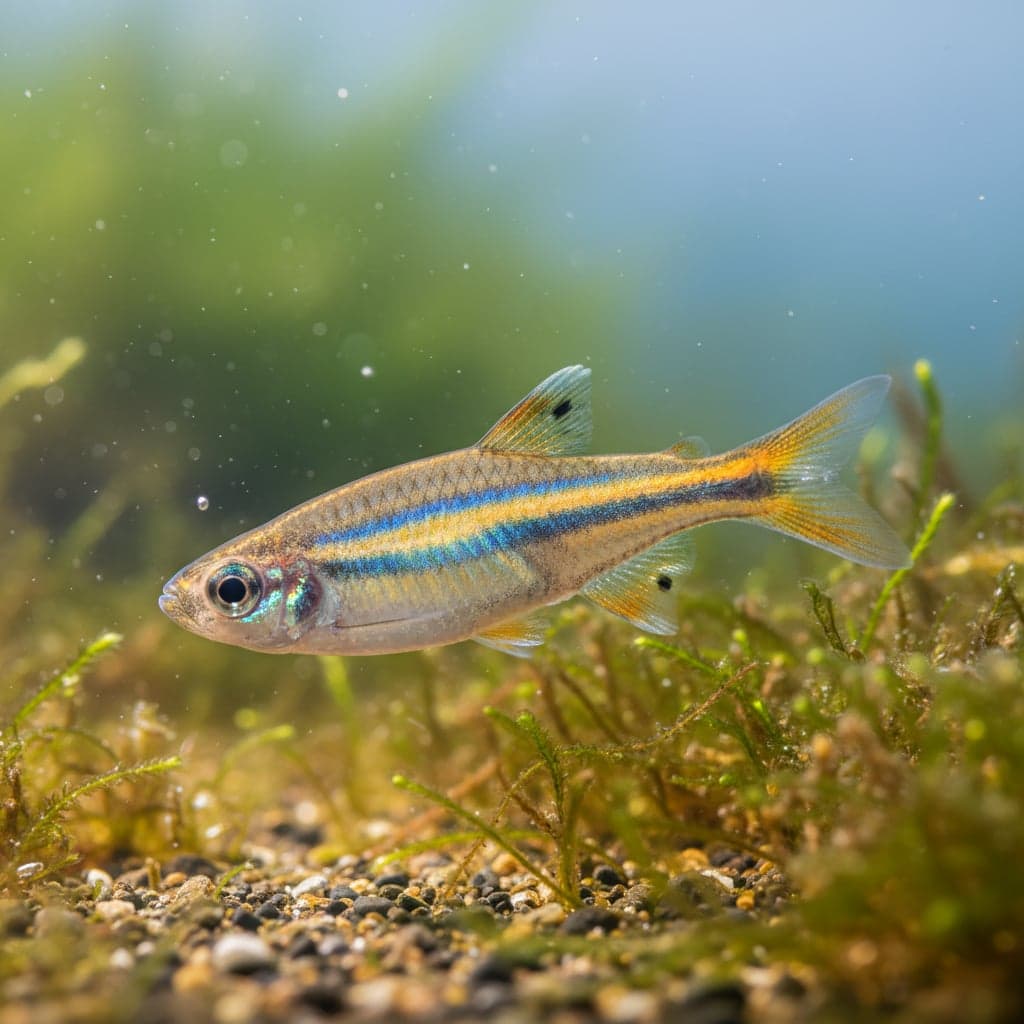
The Madagascar Rainbowfish, scientifically known as Bedotia geayi, is a captivating freshwater fish that is highly regarded in the aquarium hobby for its spectacular coloration and engaging behavior. Sporting a shimmering blend of blue, green, and yellow hues, this fish captures the light beautifully, creating a stunning visual display that enchants both novice and experienced aquarists alike. While adult males tend to display the brightest colors, showcasing striking iridescent scales, females are slightly less vivid but still possess an appealing beauty. Due to their vibrant appearance and sociable nature, Madagascar Rainbowfish serve as an excellent addition to any community aquarium, making them a favorite among fish keepers.
The significance of the Madagascar Rainbowfish in the aquarium hobby extends beyond its aesthetic charm. This species offers aquarists an opportunity to cultivate a more diverse and vibrant aquatic environment, often acting as a centerpiece that captures the attention of viewers. As a schooling species, Madagascar Rainbowfish thrive in groups, which enhances their social interaction and visual spectacle within the aquarium. Furthermore, their peaceful temperament allows them to coexist harmoniously with a range of tank mates, further promoting the harmonious atmosphere that many aquarists seek to achieve.
Natural Habitat & Origin
The Madagascar Rainbowfish hails from the freshwater rivers and streams of Madagascar, primarily found in the island's eastern regions. This fish inhabits clearwater environments, preferred for their rich vegetation and flowing currents, which provide ample cover and breeding grounds. The natural habitats of these rainbowfish are characterized by a mixture of shallow waters, slower currents, and densely planted areas, which create a complex ecosystem that supports their dietary and reproductive needs. These fish flourish in areas where plant life is abundant, allowing them to feel secure and regulate their interactions with other species.
In terms of water quality, Madagascar Rainbowfish prefer slightly acidic to neutral conditions, typically found in their native habitats. The water in these regions may exhibit lower hardness levels and have minimal pollution, contributing to the overall health and vitality of the fish. Understanding these parameters is essential for aquarists who wish to replicate the Madagascar Rainbowfish's natural environment, ensuring that they thrive in a home aquarium setup.
Care Requirements
To create an optimal living environment for Madagascar Rainbowfish, it is crucial to maintain specific water parameters. Ideally, the pH level should range from 6.5 to 7.5, with the water temperature kept between 24°C to 28°C (75°F to 82°F). The water hardness should measure between 5 to 15 dGH, providing a suitable range for these fish to thrive. Setting up a minimum tank size of 75 liters (20 gallons) is recommended, as Madagascar Rainbowfish require enough space to swim freely and socialize.
In terms of tank setup, providing a soft substrate like sand or fine gravel is ideal, as these materials mimic their natural habitat. A well-planted aquarium with a variety of live plants, such as Java ferns, Amazon swords, and Vallisneria, is crucial to replicate the secure environment these fish prefer. Incorporating driftwood, rocks, and other decorations can also enhance the aesthetic appeal of the tank while offering additional hiding places. The lighting should mimic natural conditions, using moderate to bright light to encourage plant growth while allowing the shimmering colors of the Madagascar Rainbowfish to shine through.
Diet & Feeding
Madagascar Rainbowfish are omnivorous, making them adaptable to a variety of dietary options. Their diet should consist of high-quality flake and pellet foods that are specifically formulated for colorful freshwater fish. Additionally, integrating frozen or live foods into their diet is highly beneficial for their overall health; options such as bloodworms, brine shrimp, and daphnia can enhance their coloration and vitality. Regularly varying their diet will prevent dietary deficiencies while stimulating their natural foraging instincts. Feeding should occur 2-3 times a day in small portions that can be consumed within a few minutes to ensure optimal health and prevent overfeeding.
Behavior & Temperament
In general, Madagascar Rainbowfish exhibit a peaceful temperament and are known for their social behavior. They are schooling fish that thrive in groups of six or more, which is essential for their mental well-being and social interaction. When kept in appropriate numbers, they become more active and display more vibrant colors. Although not aggressive, males may exhibit territorial behaviors during breeding or if kept in smaller groups.
These fish typically occupy the middle to upper levels of the tank, making them an entertaining sight as they swim freely through the water column. Their dynamic swimming patterns and active nature contribute to a lively aquarium atmosphere.
Tank Mates
Madagascar Rainbowfish are generally compatible with a wide range of tank mates, provided these companions share similar care requirements and temperaments. Suitable species for a community tank include Tetras (such as Neon Tetras and Rummy Nose Tetras), Guppies, Corydoras Catfish, and Rasboras. Additionally, larger peaceful species like Gouramis and certain types of barbs can coexist harmoniously with Madagascar Rainbowfish.
However, it's essential to avoid aggressive or overly territorial species, such as Cichlids or certain types of Barbs, which may harass or stress the Madagascar Rainbowfish. Keeping the tank well-planted and providing adequate hiding spaces can further help to reduce potential conflicts, ensuring a peaceful community setup.
Breeding
Breeding Madagascar Rainbowfish in captivity can be a rewarding experience, though it requires careful attention to their specific needs. To encourage spawning, a separate breeding tank of at least 40 liters (10 gallons) should be set up, featuring soft, lightly acidic water with a temperature around 26°C (79°F). The spawning substrate can consist of fine-leaved plants, marbles, or spawning mops to provide a suitable space for egg deposition.
During the spawning process, males display their vibrant colors to attract females, who will then lay eggs among the vegetation. After spawning, it’s crucial to remove the adult fish from the tank to prevent them from consuming the eggs. The eggs typically hatch within 5-7 days, after which the fry can be fed infusoria or finely crushed flakes until they grow larger and can consume standard foods.
Common Health Issues
While Madagascar Rainbowfish are generally hardy, they may be susceptible to certain health issues. Common ailments include ich (white spot disease), fin rot, and various parasitic infections. To prevent these conditions, maintaining optimal water quality through regular changes and monitoring water parameters is vital. Quarantine new fish before introduction to ensure they are free from illness, and consider keeping the tank clean and well-oxygenated to reduce stress levels among the fish. Observing fish behavior and feeding habits regularly can help catch potential health issues early on, ensuring prompt treatment and the overall longevity of your Madagascar Rainbowfish.