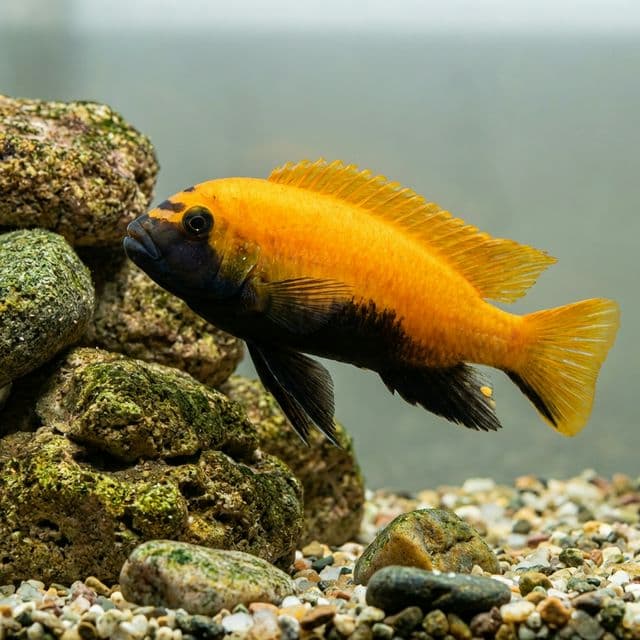
Malawi Compressiceps Cichlid: Dimidiochromis compressiceps
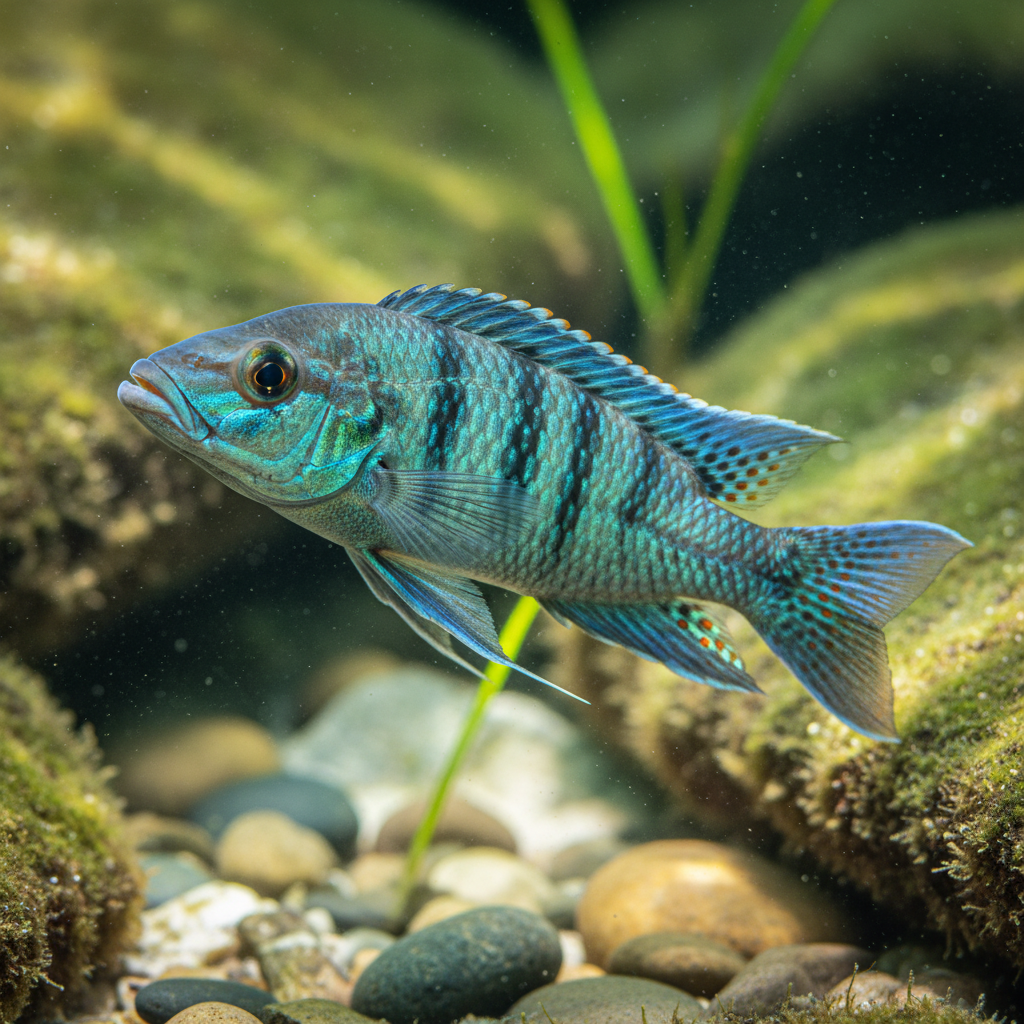
An apex predator known as the "Malawi Eyebiter," possessing a laterally compressed, knife-like body for hunting in reeds.

Malawi Compressiceps Cichlid
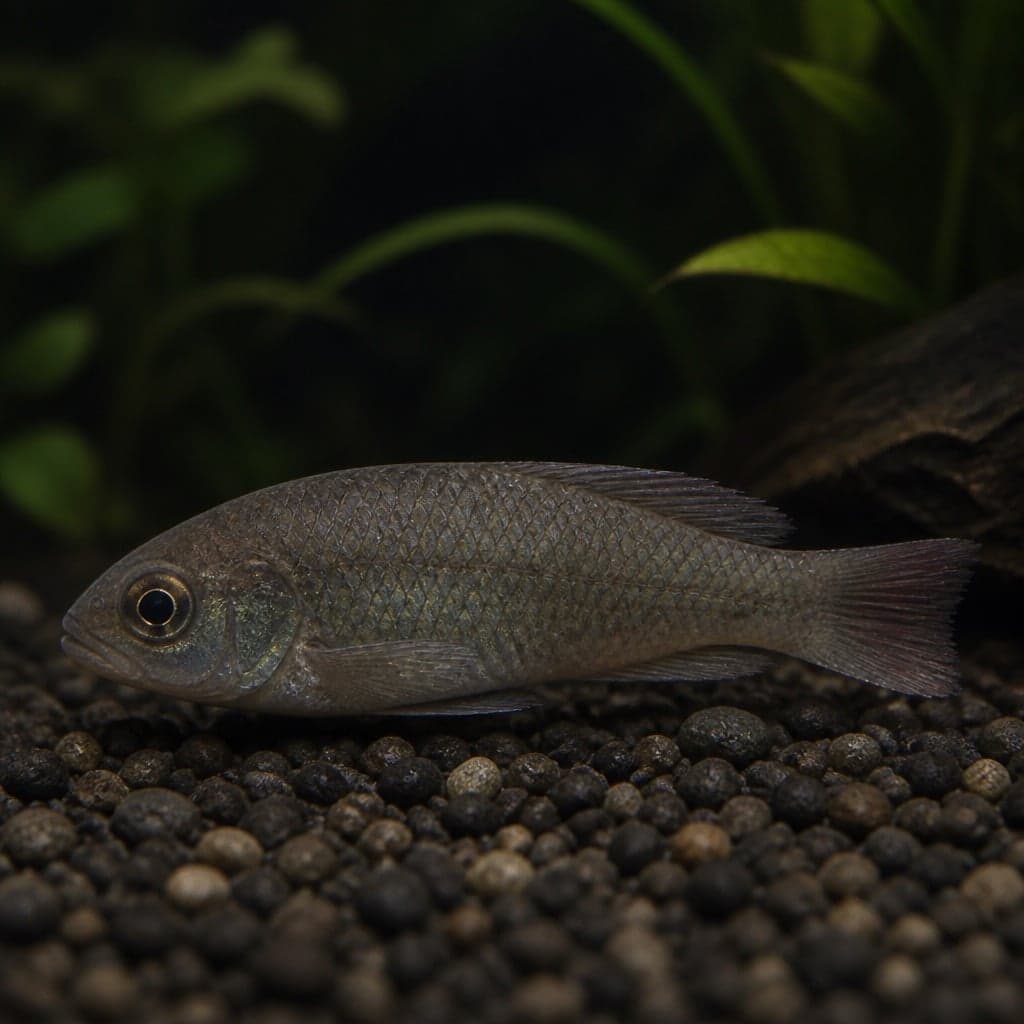
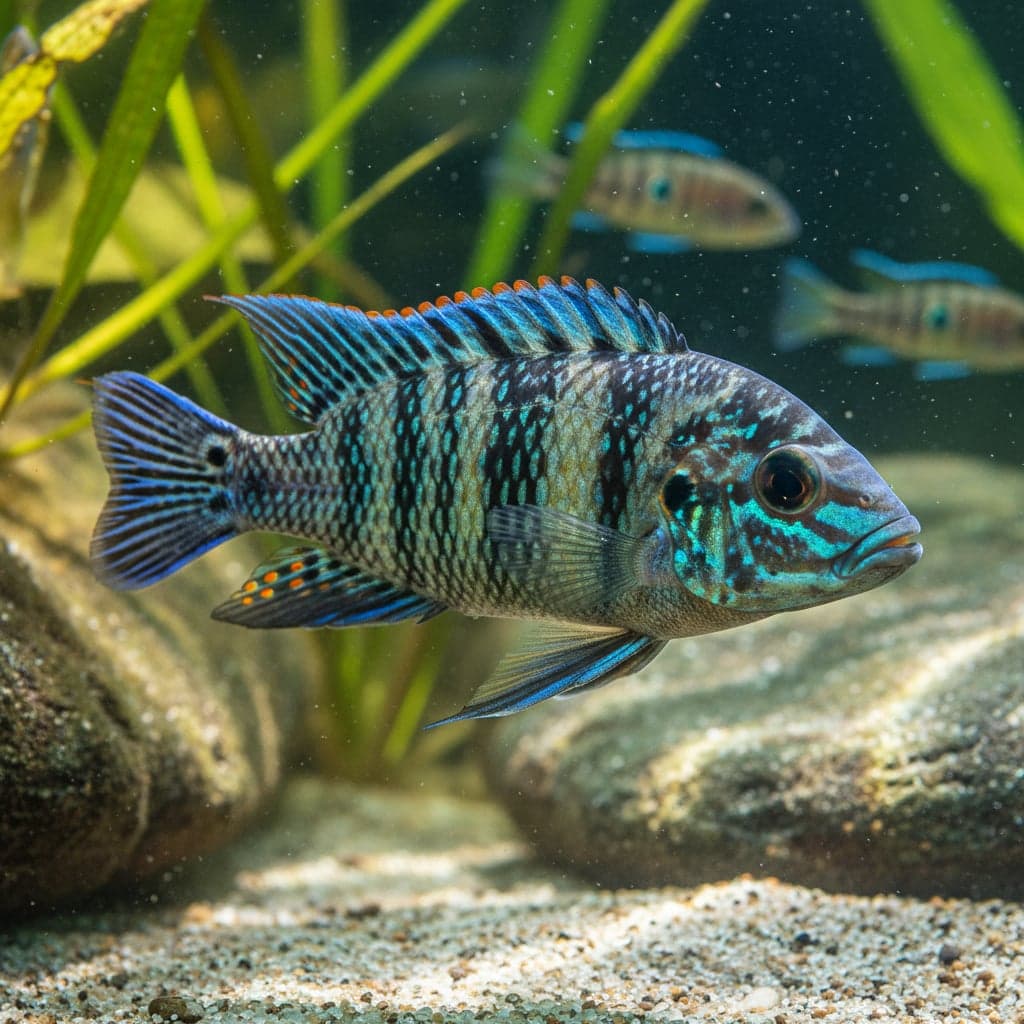
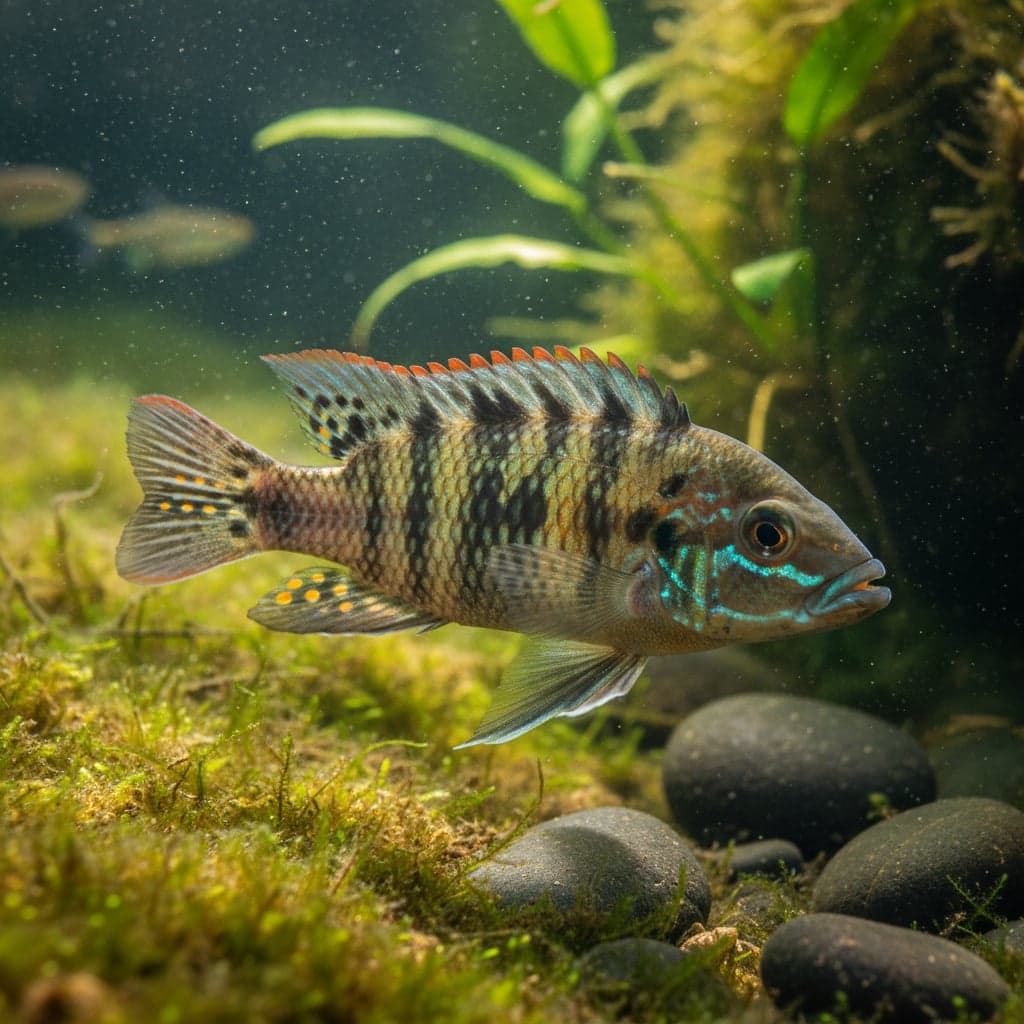
The Malawi Compressiceps Cichlid, scientifically known as Dimidiochromis compressiceps, is a stunning freshwater fish native to the depths of Lake Malawi in East Africa. Renowned for its elegant shape and vibrant coloration, this cichlid exhibits a long, slender body that can reach lengths of up to 8 inches. Its alluring hues range from bright blues to shimmering yellows and silvers, making it a sought-after species among aquarists. The Malawi Compressiceps Cichlid is particularly significant in the aquarium hobby not only for its beauty but also for its unique swimming behavior—often described as reminiscent of a darting torpedo in the water. This captivating trait, combined with its striking appearance, ensures that it garners admiration in community tanks and specialized setups alike.
In the aquarium setting, the Malawi Compressiceps Cichlid’s significance extends beyond its aesthetic appeal. It is an active and sociable species that thrives in well-maintained environments, making it a favorite for both novice and experienced aquarists. Understanding the complexities of its care requirements and natural behaviors is essential for fostering a healthy and thriving fish. Additionally, the Malawi Compressiceps Cichlid plays an important role in the aquatic ecosystem of Lake Malawi, contributing to the ecological diversity that makes the region unique. Ensuring its survival in captivity requires a commitment to ethical breeding practices and proper environmental simulations, fostering a connection between hobbyists and the natural world.
Natural Habitat & Origin
The Malawi Compressiceps Cichlid is indigenous to the rocky shorelines and open waters of Lake Malawi, the third-largest lake in Africa and one of the oldest rift lakes in the world. Lake Malawi boasts a rich diversity of aquatic life due to its stable environment and geographical isolation. The fish predominantly inhabit areas characterized by clear, mineral-rich waters and rocky substrates. The natural pH of Lake Malawi typically ranges between 7.5 to 8.5, with temperatures hovering around 24°C to 28°C (75°F to 82°F). These conditions make the lake a unique blackwater habitat, influenced by mineral-rich runoff from surrounding geological formations.
The environmental conditions of Lake Malawi create a complex habitat filled with various microenvironments, where the Malawi Compressiceps Cichlid thrives among rocky outcroppings and submerged structures. The presence of algae-covered rocks and driftwood provides crucial hiding spots and breeding sites, while open water zones allow these cichlids to exhibit their impressive swimming patterns. This combination of ecological factors is vital for their development and natural behaviors, conditions that must be mirrored in aquarium setups to promote healthy and vibrant fish.
Care Requirements
To recreate the Malawi Compressiceps Cichlid’s natural habitat, aquarists should maintain specific water parameters. The ideal pH level should be kept between 7.8 and 8.5, with temperatures ranging from 24°C to 28°C (75°F to 82°F) to mimic Lake Malawi's environment. Additionally, the water hardness should be moderate to high, around 10 to 20 dGH. Providing stable and clean water conditions through regular water changes and proper filtration is critical for the health of these cichlids.
When setting up a tank for the Malawi Compressiceps Cichlid, a minimum size of 55 gallons is recommended to accommodate their active swimming behavior and territorial nature. The substrate should consist of sand or fine gravel to emulate their natural habitat, with plenty of rocks and caves to offer hiding spots. Opt for moderate to strong lighting, as this can promote algae growth on rocks, which serves as a food source for the fish. While live plants can be included, it is advised to use hardy species that can withstand the cichlid's digging behavior, as they may rearrange the tank layout.
Diet & Feeding
The Malawi Compressiceps Cichlid is an omnivorous species with a primary preference for carnivorous diets consisting of small crustaceans and invertebrates in their natural habitat. However, in captivity, they can thrive on a varied diet that includes high-quality cichlid pellets, flakes, and frozen or live foods such as brine shrimp, bloodworms, and daphnia. A balanced diet is essential to maintain their vibrant colors and to promote optimal health, as over-reliance on any single food type can lead to nutritional deficiencies.
To ensure the health and longevity of the Malawi Compressiceps Cichlid, it is recommended to feed them small portions 1-2 times daily, amounting to what they can consume within a few minutes. Offering a mix of protein-rich foods, vegetables, and spirulina-based flakes can simulate their natural dietary needs. Taking care to remove uneaten food promptly will help maintain water quality and prevent any potential issues related to waste buildup.
Behavior & Temperament
Malawi Compressiceps Cichlids are known for their active and playful behavior, making them an engaging addition to community tanks. They typically display a semi-aggressive temperament, especially during breeding and territorial disputes. In their natural habitat, they exhibit schooling behavior, particularly in groups of five or more, which is essential for their social structure. While they can coexist with other species, it’s important to monitor interactions to prevent aggression, particularly with similarly sized cichlids or species that occupy the same vertical space in the tank.
Within the aquarium, the Malawi Compressiceps Cichlid tends to prefer the upper and mid-water layers, where they showcase their stunning swimming patterns. They are known to establish territories, especially during breeding, so providing plenty of hiding spaces, rocks, and open swimming areas will create an environment conducive to their natural behaviors. A proper balance of space and structure will help alleviate stress and reduce aggressive encounters among tank mates.
Tank Mates
Choosing the right tank mates for the Malawi Compressiceps Cichlid is crucial for a harmonious aquarium environment. Compatible species include other African cichlids that share similar water requirements and temperament, such as the Mbuna species like Pseudotropheus and Labidochromis. Additionally, you may consider mixing in peaceful species like Rainbowfish or larger tetras, as they can typically thrive with the Malawi Compressiceps without triggering aggression.
Conversely, certain species should be avoided as tank mates. Small fish or docile species, such as Guppies or Neon Tetras, may become targets for the cichlid’s more aggressive tendencies. Similarly, other territorial and aggressive cichlids like Jags or Oscars can contribute to conflict and stress within the aquarium. A well-chosen selection of compatible fish will create a dynamic yet peaceful aquatic community that highlights the beauty of the Malawi Compressiceps Cichlid.
Breeding
Breeding the Malawi Compressiceps Cichlid in captivity can be a rewarding experience, provided that the right conditions are met. These fish are mouthbrooders, with females incubating fertilized eggs in their mouths. To encourage spawning, it is essential to have a breeding pair and to provide suitable spawning grounds, such as flat rocks or caves. Maintaining optimal water conditions similar to their natural habitat will also aid in promoting breeding behaviors.
Once a female is ready to spawn, she can produce 20 to 100 eggs, which she will collect in her mouth immediately after fertilization. During this time, creating a stress-free environment with minimal disturbances is crucial. After approximately 21 days, the female will release the fry, which should be offered finely crushed flakes or specialized fry food in a calm, well-filtered tank. Keep the female undisturbed during mouthbrooding and separate aggressive tank mates if needed so the fry can grow safely.
Common Health Issues
Malawi Compressiceps Cichlids can develop ich, Malawi bloat, or bacterial infections when water quality declines or the diet is too rich in protein. Maintain hard, alkaline water with strong filtration and regular changes, and avoid overfeeding. Quarantine new fish and watch for clamped fins, bloating, or sudden aggression that signals stress. Stable parameters and a varied diet keep these cichlids colourful and resilient.