Marbled Achara Catfish: Leiarius marmoratus
A handsome, massive, and highly patterned South American predator catfish with a huge dorsal fin.
Also known as: marble achara catfish · Leiarius marmoratus
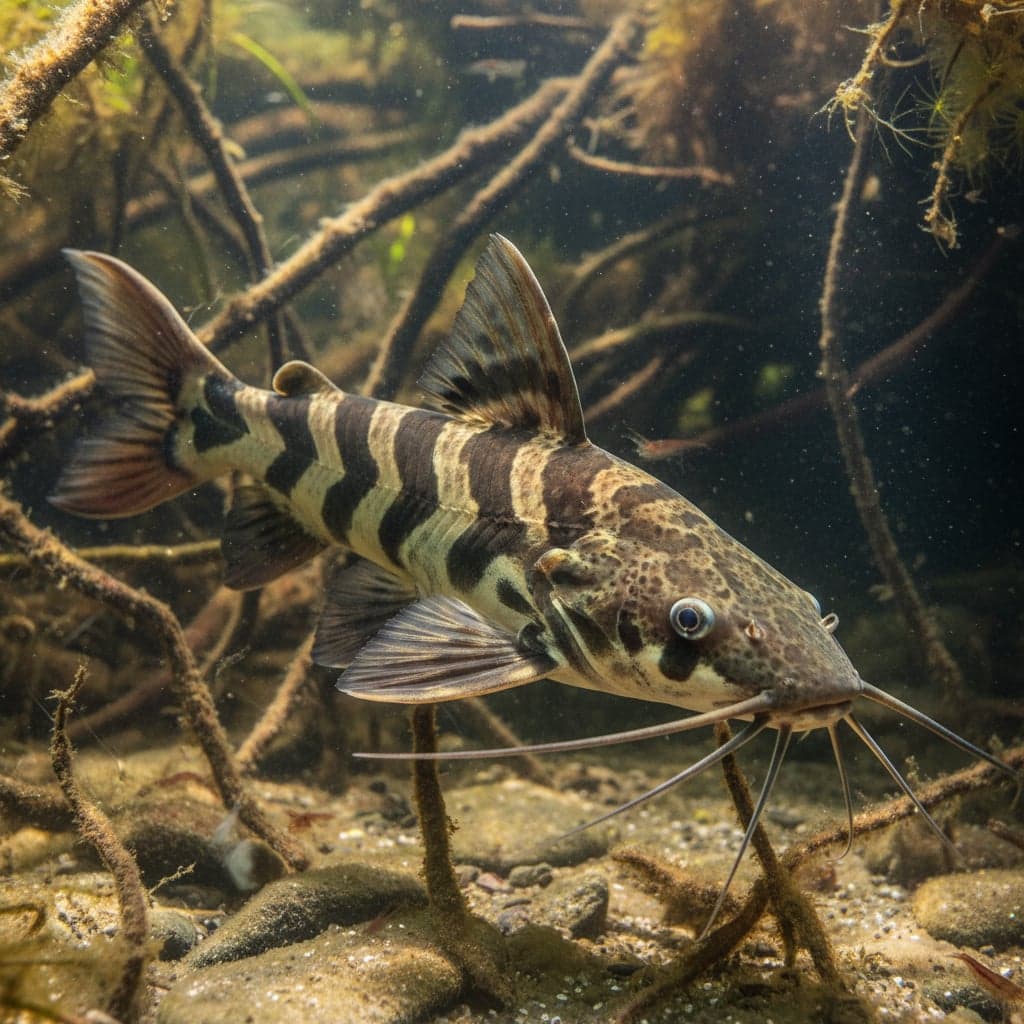
Marbled Achara Catfish
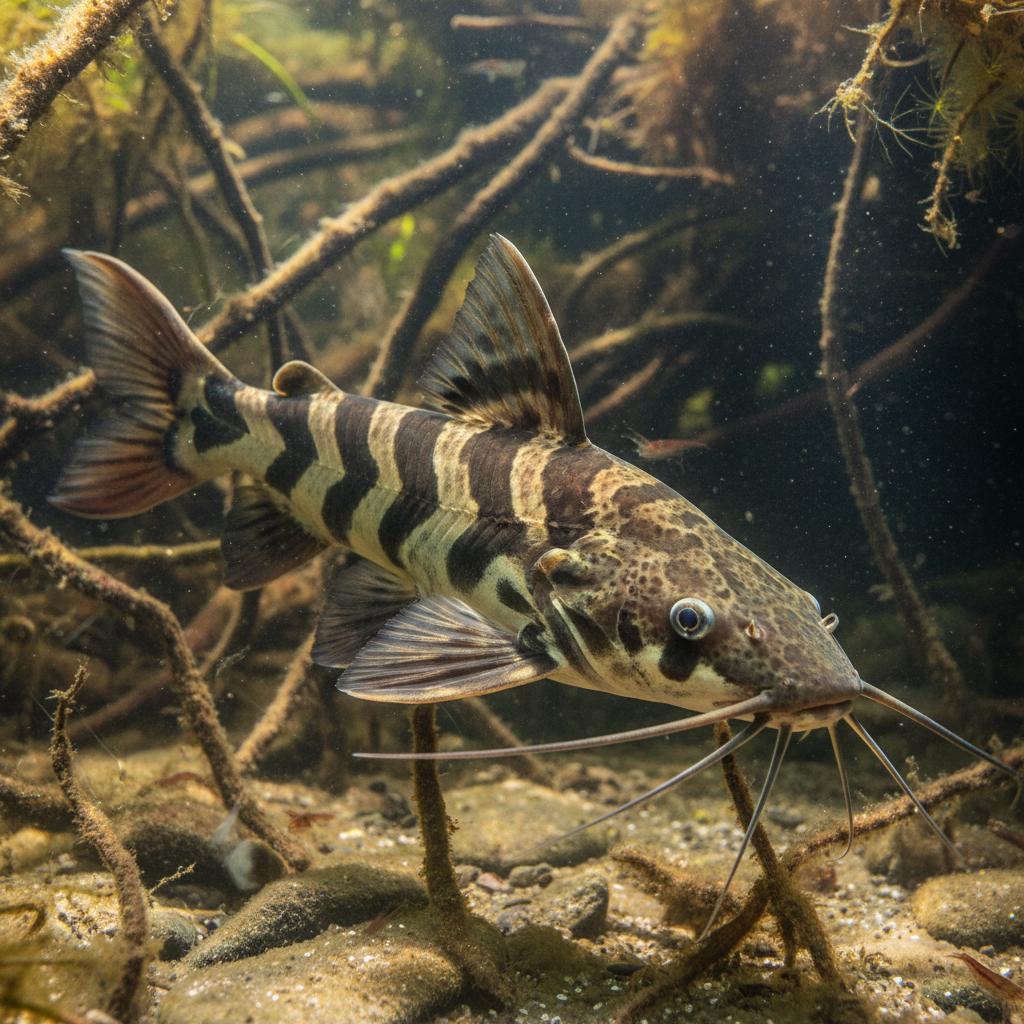
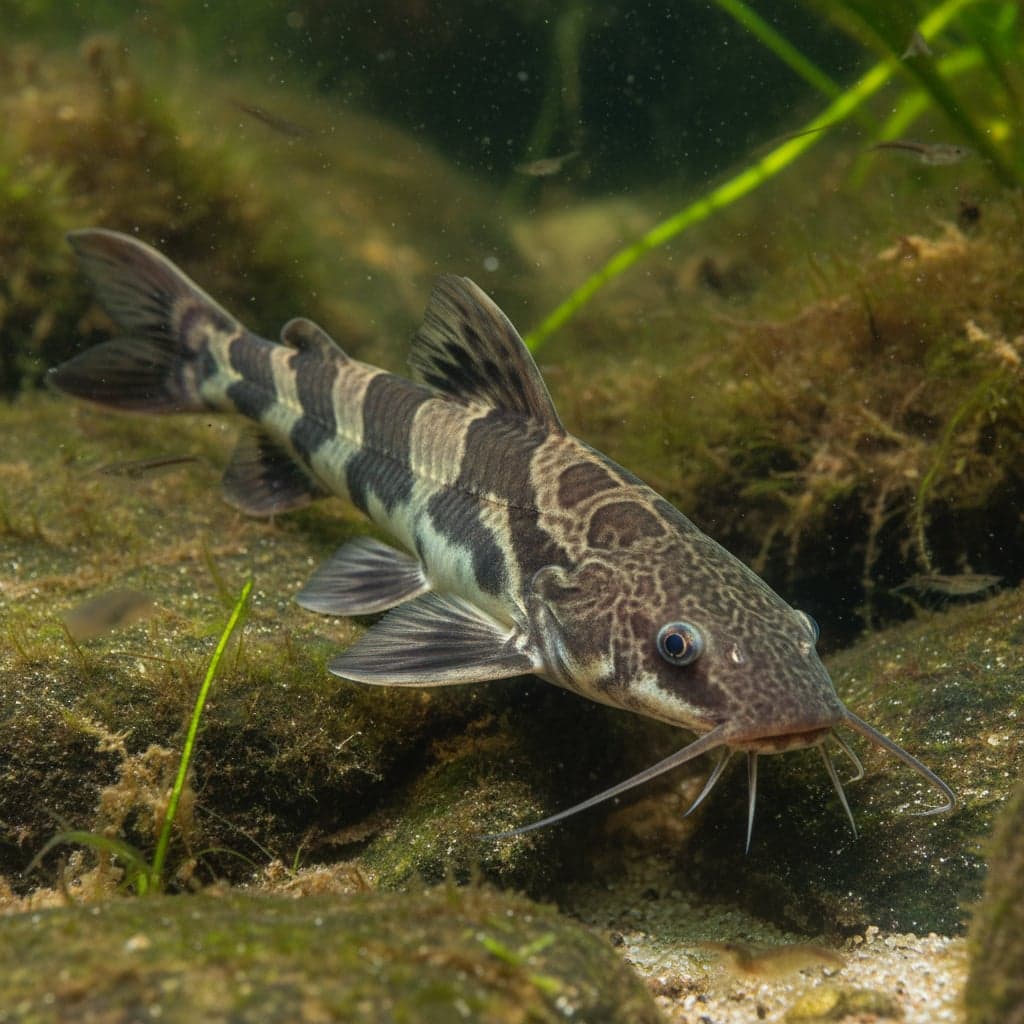
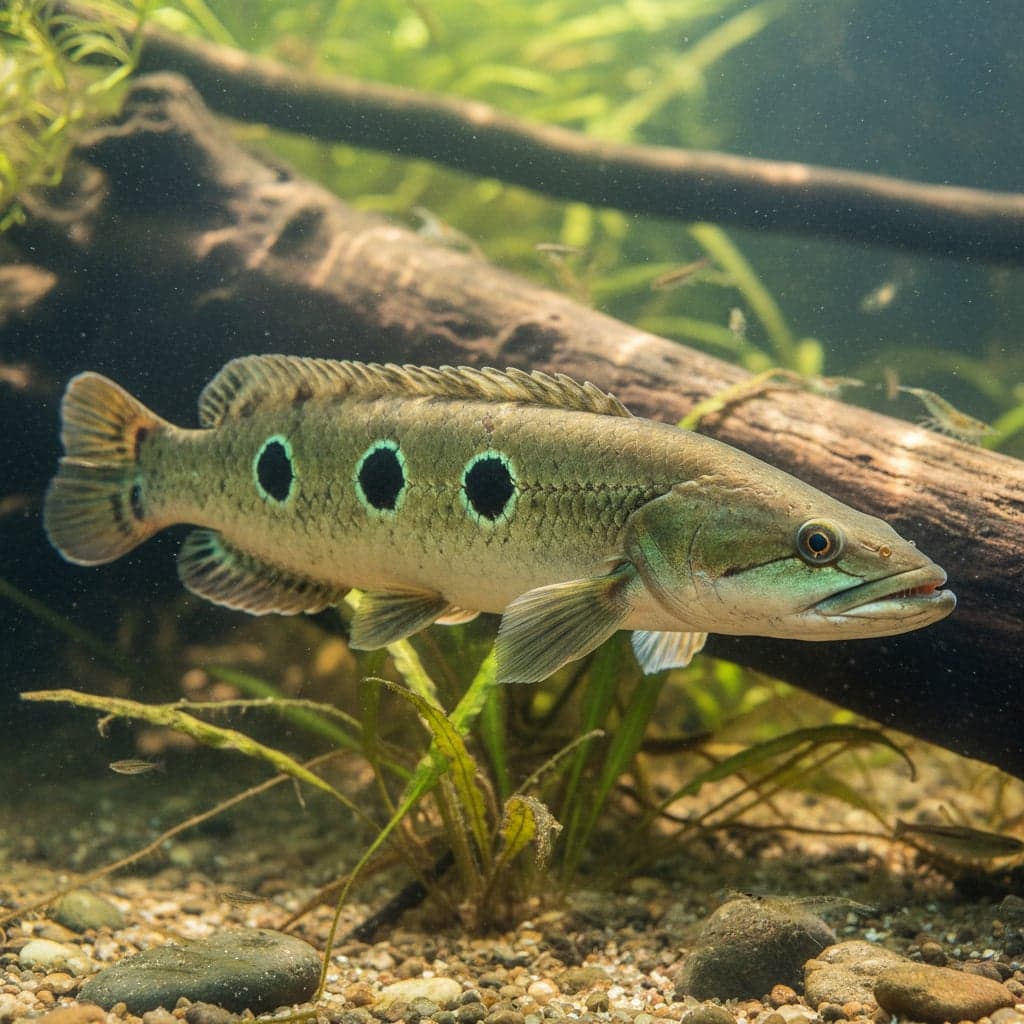
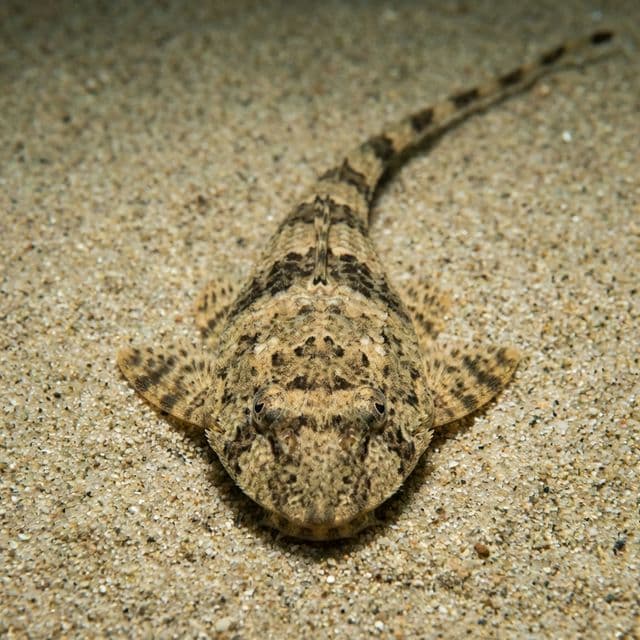
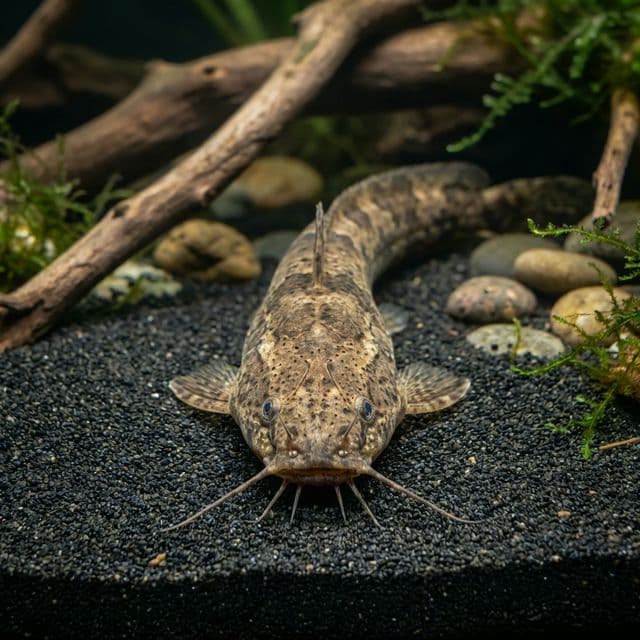
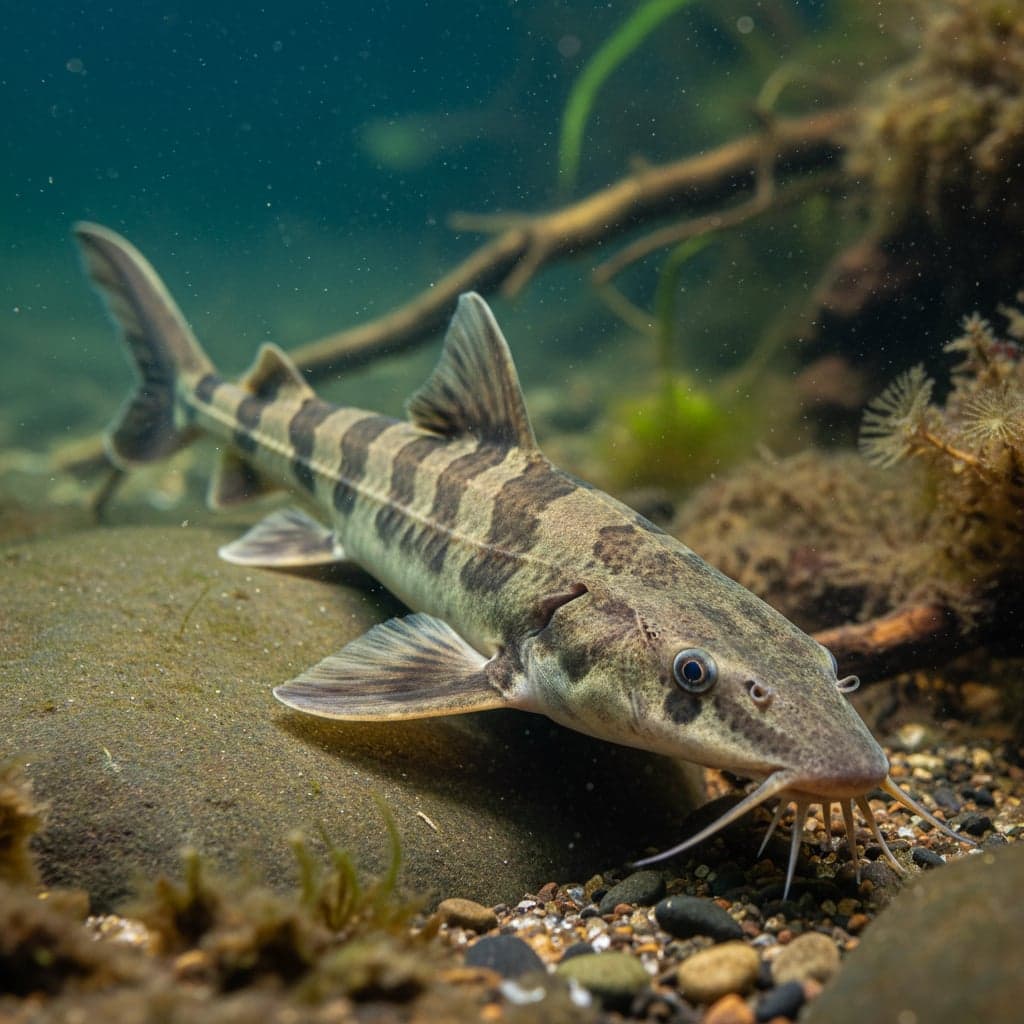
The Marbled Achara Catfish, scientifically known as Leiarius marmoratus, is a strikingly beautiful freshwater fish popular among aquarists due to its unique coloration and compelling features. Characterized by a captivating blend of marbled patterns in dark and light shades, this species can reach impressive sizes, making it an eye-catching centerpiece in larger aquarium setups. The fish is adorned with prominent barbels that enhance its look, accentuating its ability to forage in the murky waters of its natural habitat. With a body shape that is both athletic and streamlined, the Marbled Achara is not only visually appealing but also engages hobbyists with its intriguing behaviors.
In the aquarium hobby, the Marbled Achara Catfish holds significance not only for its aesthetic appeal but also for its relative hardiness, making it a suitable candidate for both novice and experienced aquarists. Its unique adaptations and gentle demeanor facilitate group housing, allowing hobbyists to create dynamic and lively aquatic environments. As they grow, the Marbled Achara Catfish can develop a friendly rapport with tank mates, adding further charm to any community tank, provided the environment and conditions cater to their needs.
Natural Habitat & Origin
The Marbled Achara Catfish is primarily found in the river basins of the Amazon and Orinoco river systems in South America, specifically in countries like Brazil and Colombia. This species thrives in slow-moving waters that are often characterized as blackwater habitats, where the natural tea-colored water results from decaying organic matter. Its environment typically includes dense vegetation, submerged logs, and a soft sandy bottom where these catfish seek refuge and forage for food. This unique habitat plays a crucial role in shaping the fish's behavior, biology, and preferences in an aquarium setting.
In the wild, the Marbled Achara Catfish is accustomed to fluctuating water levels, seasonal changes, and a rich biodiversity that includes various prey items. Understanding this ecological context is vital for aquarists seeking to replicate their natural habitat and ensure the well-being of their fish. The dark, shaded waters with minimal light penetration also provide a comfortable environment, emphasizing the importance of similar conditions when creating a home for these beautiful catfish.
Care Requirements
To keep the Marbled Achara Catfish healthy and thriving, specific water parameters must be maintained. The ideal pH range for these fish is between 6.0 to 7.5, with a water temperature ranging from 75°F to 82°F (24°C to 28°C). Water hardness should ideally be soft to moderately hard, around 5 to 15 dGH. Due to their size potential, a minimum tank size of 75 gallons is recommended for adult specimens, providing ample swimming space and promoting a healthy environment.
In terms of tank setup, a substrate of fine sand is preferred to simulate their natural habitat, allowing them to sift through the substrate as they forage. The aquarium should be well-planted with a variety of aquatic vegetation, providing both shelter and hiding spots. Moreover, introducing driftwood and rock formations along with subdued lighting can create an appealing aesthetic while catering to the fish’s need for security. The use of a strong filtration system is essential to maintain water quality, given the fish's sensitivity to toxins.
Diet & Feeding
The Marbled Achara Catfish is primarily carnivorous but exhibits omnivorous tendencies in a controlled aquarium environment. Their diet in the wild consists of a variety of foods including crustaceans, insects, and plant matter; however, in captivity, they thrive on high-quality protein-based pellets and flakes specifically formulated for catfish. It is advisable to incorporate a mix of frozen and live foods such as bloodworms, brine shrimp, and earthworms into their diet, ensuring a balanced nutritional intake.
Feed the Marbled Achara Catfish 2-3 times a week in moderate amounts to prevent overfeeding. Their feeding behavior is typically nocturnal, so introducing food during the evening may entice them to feed more actively. Providing a varied diet not only keeps them healthy but also stimulates natural foraging behaviors, fostering a more engaging environment.
Behavior & Temperament
In general, the Marbled Achara Catfish is known for its calm demeanor and non-aggressive behavior, making it an ideal addition to community tanks. These fish often exhibit diurnal activity patterns but may become more active during dawn and dusk. They are relatively social creatures and can be seen swimming together when comfortable, although they do not form tight school groups like some other species.
While the Marbled Achara enjoys the company of compatible tank mates, they may display territorial behavior when larger specimens are introduced into the aquarium environment. They tend to occupy the lower and middle levels of the tank, finding comfort in shaded areas formed by plants and decorations. It is essential for aquarists to provide adequate hiding spots to help alleviate any potential stress caused by their territorial nature, especially during feeding times.
Tank Mates
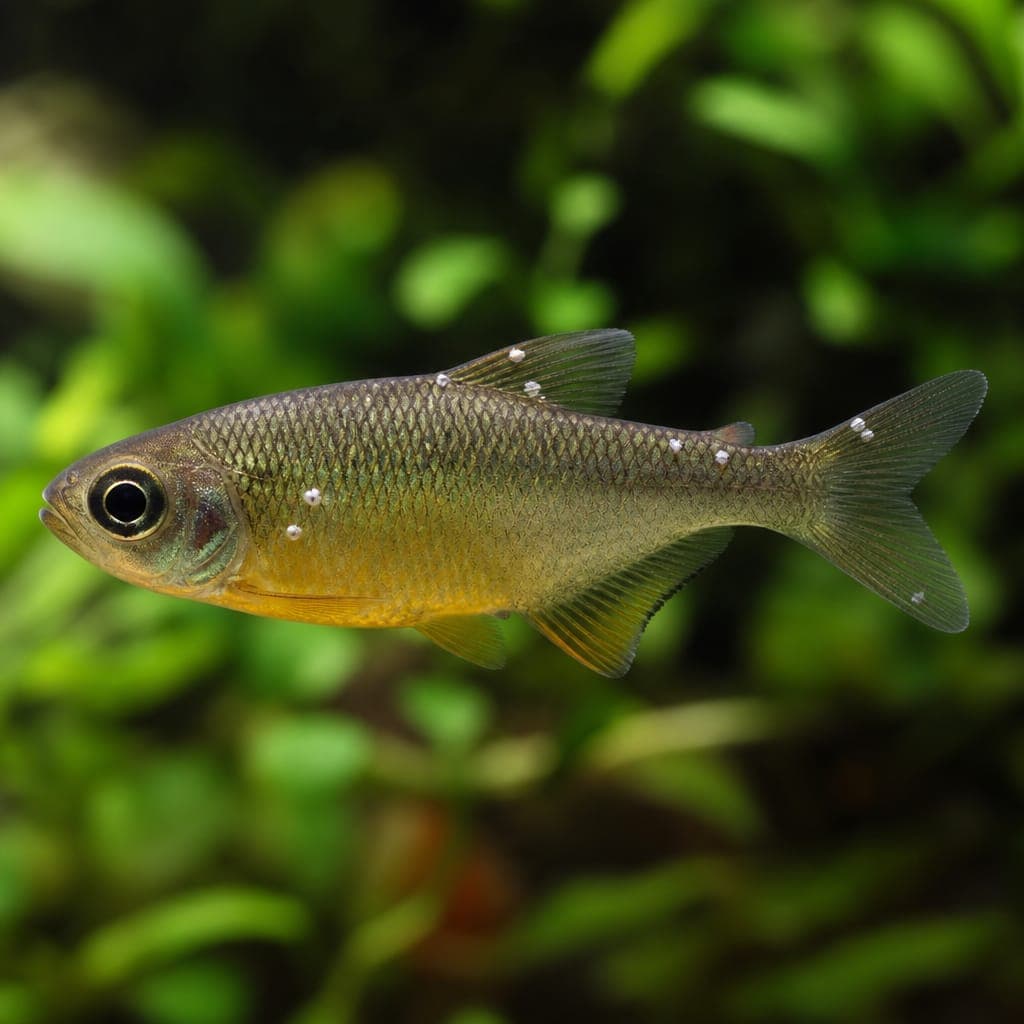
Choosing the right tank mates for the Marbled Achara Catfish is crucial to creating a harmonious aquarium environment. Compatible species include larger tetras, peaceful cichlids, loaches, and other catfish species that are similarly sized. Some recommended tank mates include the Silver Dollar, Rainbowfish, and certain species of larger Gouramis.
It is advised to avoid housing the Marbled Achara with smaller fish or highly aggressive species, as they may become targets for predation or bullying. Fish such as Guppies, Neon Tetras, and Betta fish are generally unsuitable tank mates due to their size and temperament. When selecting companions for the Marbled Achara, consider the communal environment that mimics their natural habitat while prioritizing the safety and well-being of all species involved.
Breeding
Breeding the Marbled Achara Catfish in captivity can be quite challenging, primarily due to their specific spawning requirements. These fish are known to spawn during the rainy season in the wild, so replicating such conditions is critical in the aquarium setting. For successful breeding, provide a separate breeding tank with a soft substrate and plentiful hiding spots. The water parameters should be slightly acidic and maintain a temperature of around 78°F (26°C).
During spawning, the female will lay eggs among the substrate or on flat surfaces, and the male will typically guard the area. Once spawning occurs, it is essential to remove the adults from the breeding tank, as they may eat the eggs. The eggs generally hatch within 3-6 days, depending on the water temperature, and the fry will require infusoria or finely crushed flakes until they grow large enough to accept larger food items.
Common Health Issues
The Marbled Achara Catfish, like many aquatic species, can be susceptible to a variety of health issues. Common diseases include ich, fin rot, and various parasitic infections. Regular water quality monitoring and maintenance can help to prevent these health issues. Environmental stressors such as poor water quality or sudden changes in parameters can lead to illness, so maintaining consistent and optimal tank conditions is essential.
To minimize the risk of disease, ensure an appropriate quarantine process for new additions to the tank and routine health checks on existing fish. A balanced diet, along with a stress-free environment, significantly contributes to the overall health and longevity of the Marbled Achara Catfish, helping them thrive in your aquatic ecosystem.