Marbled Catfish: Perrunichthys perruno
Often confused with the Achara Catfish, this is another massive, heavily patterned South American predatory catfish.
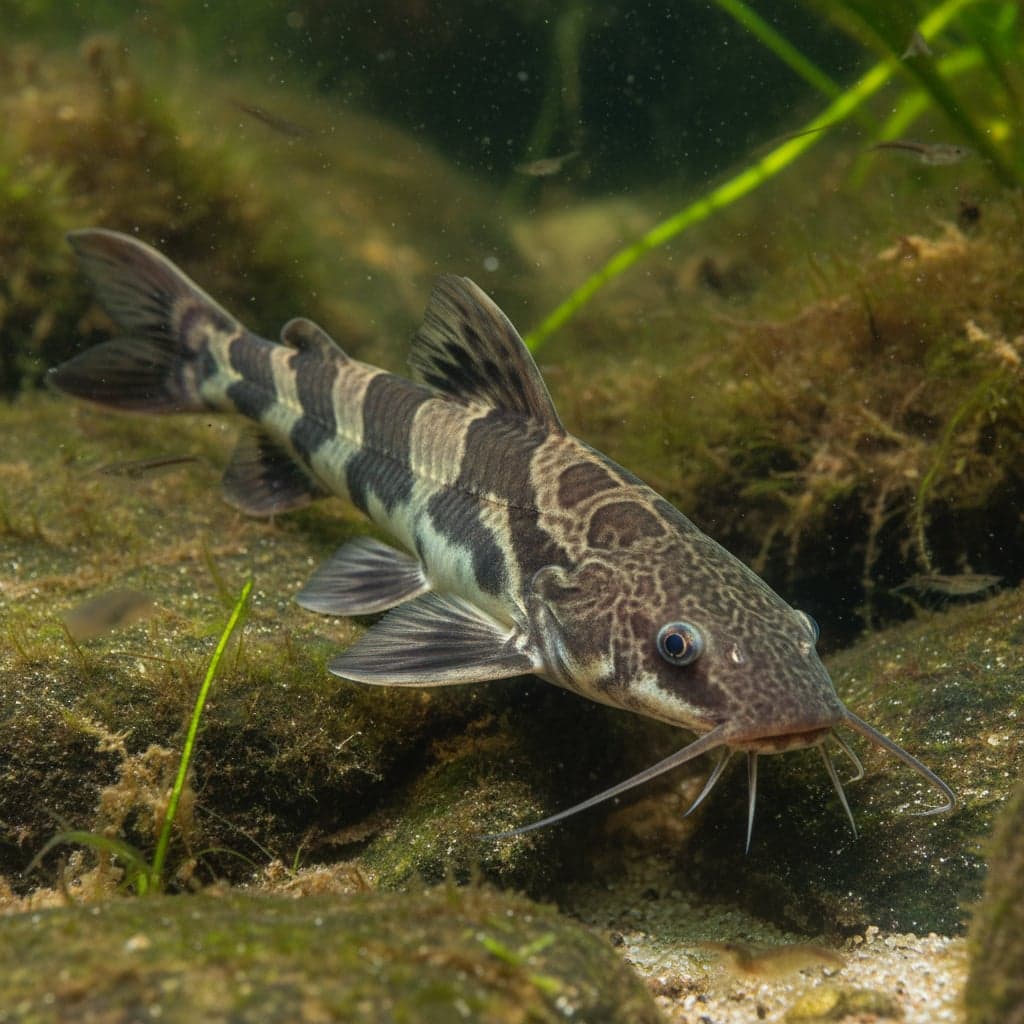
Marbled Catfish
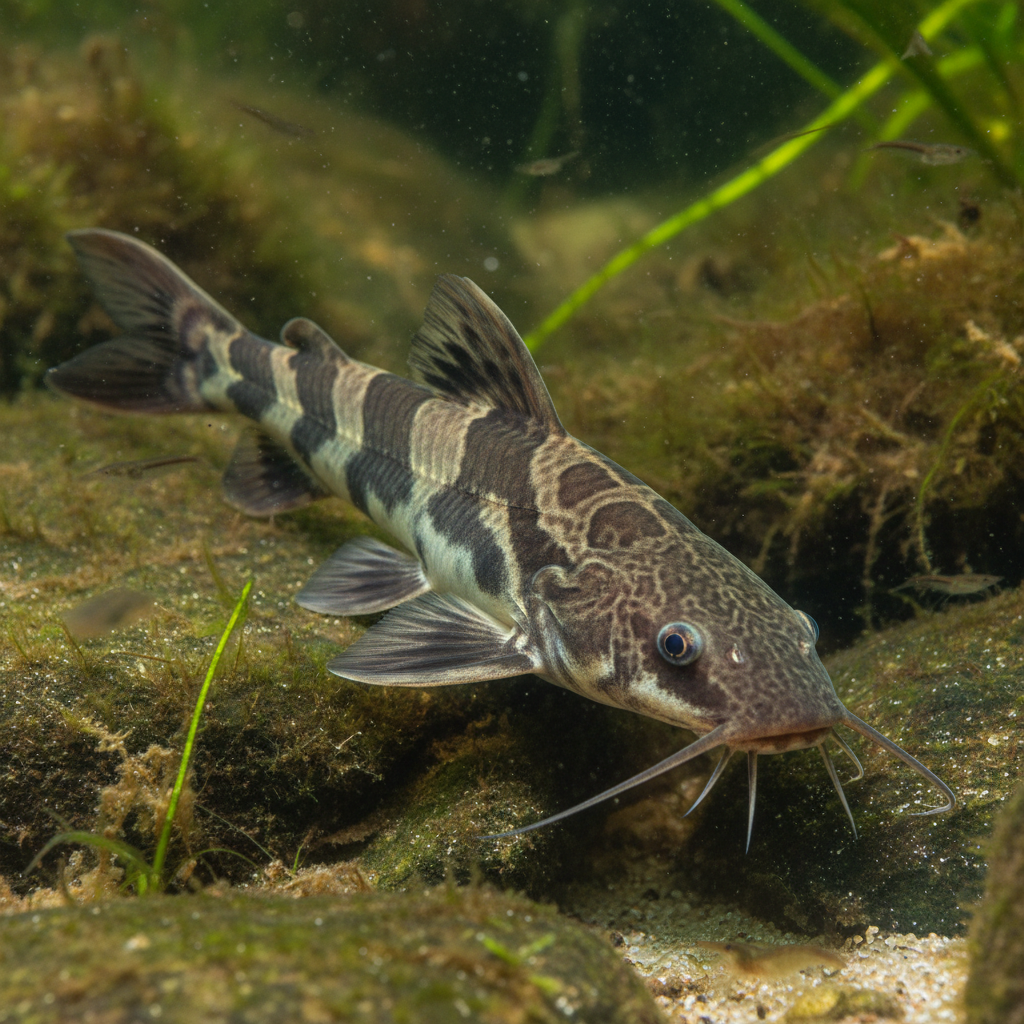
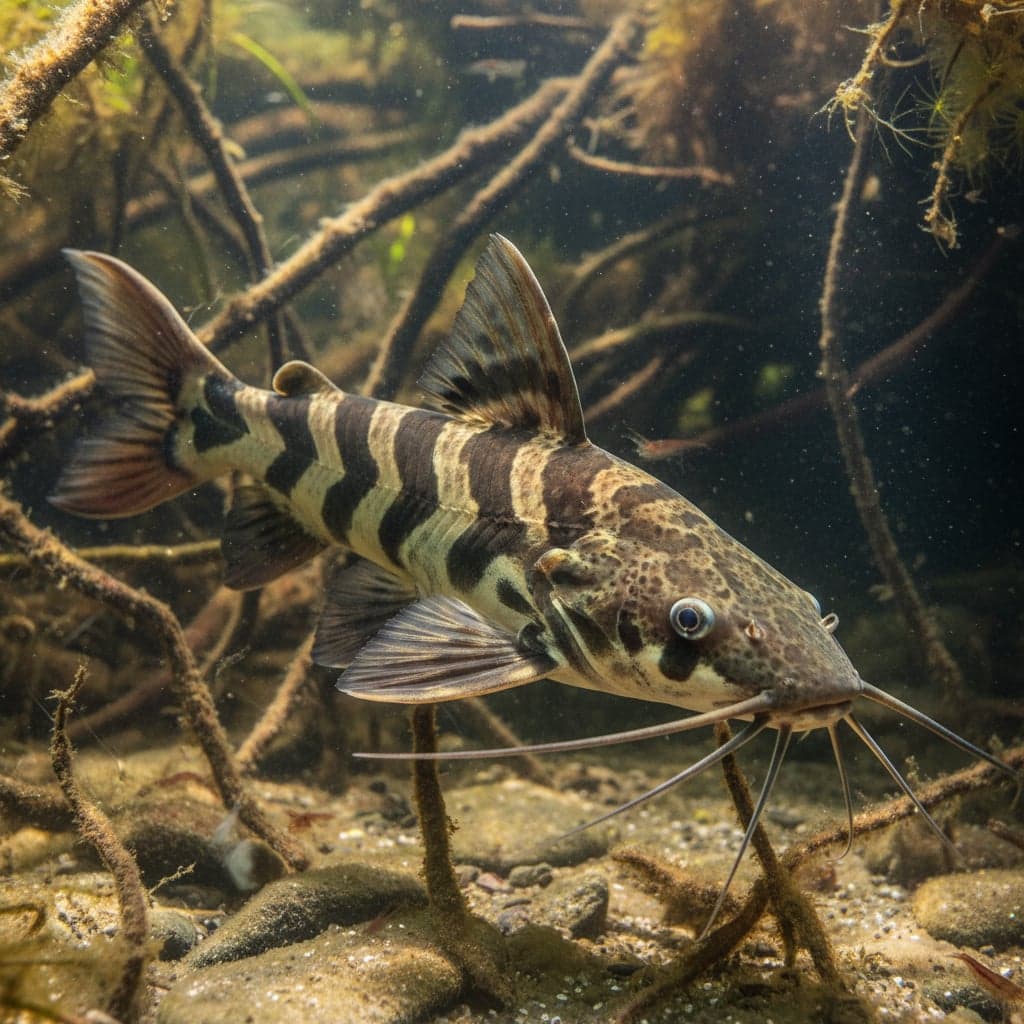
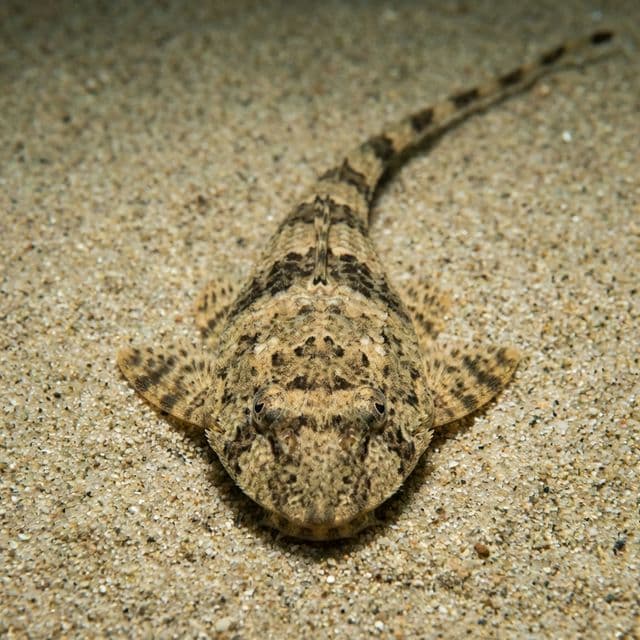
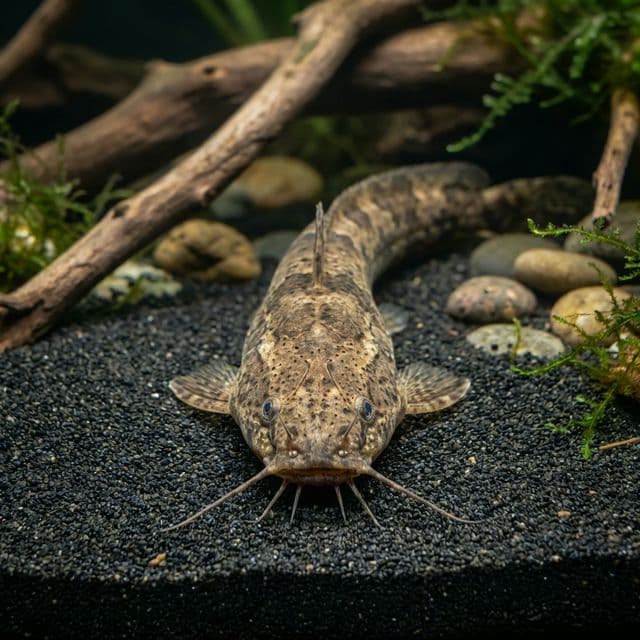
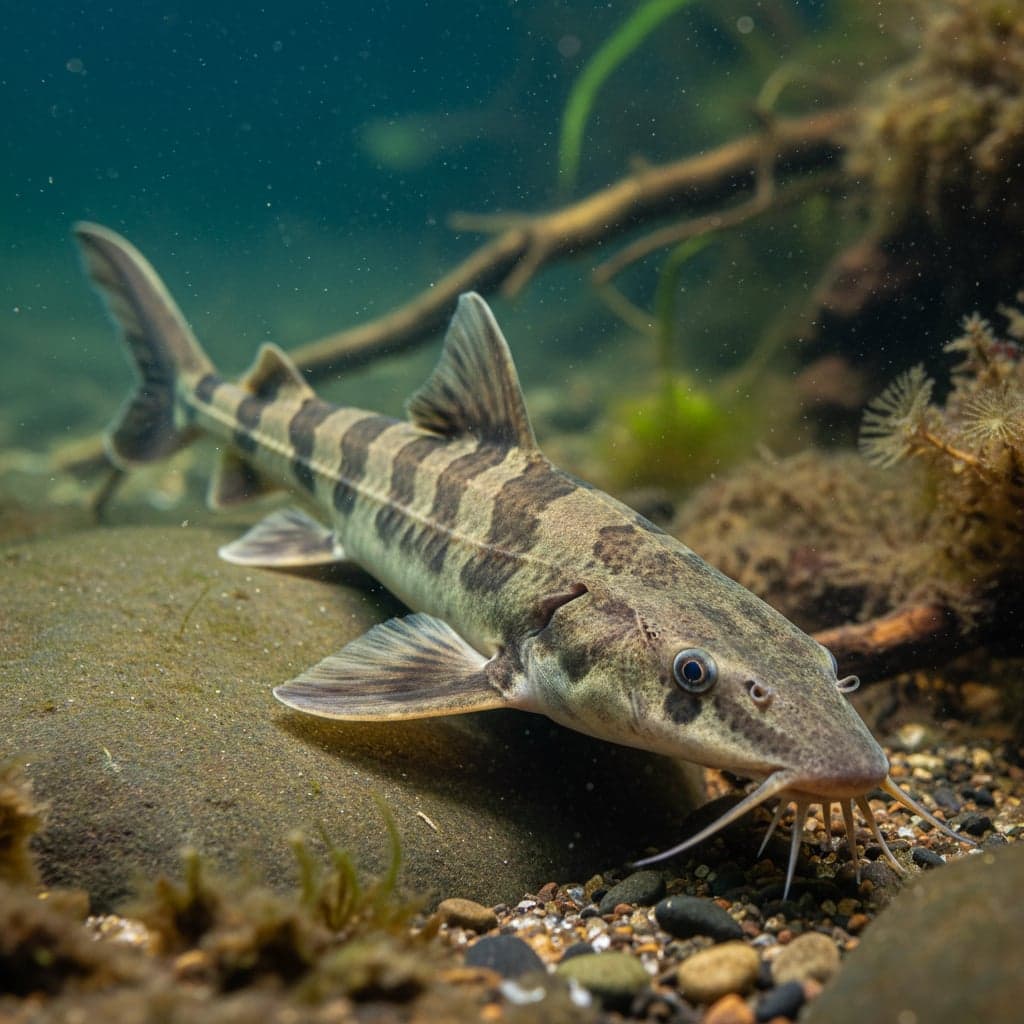
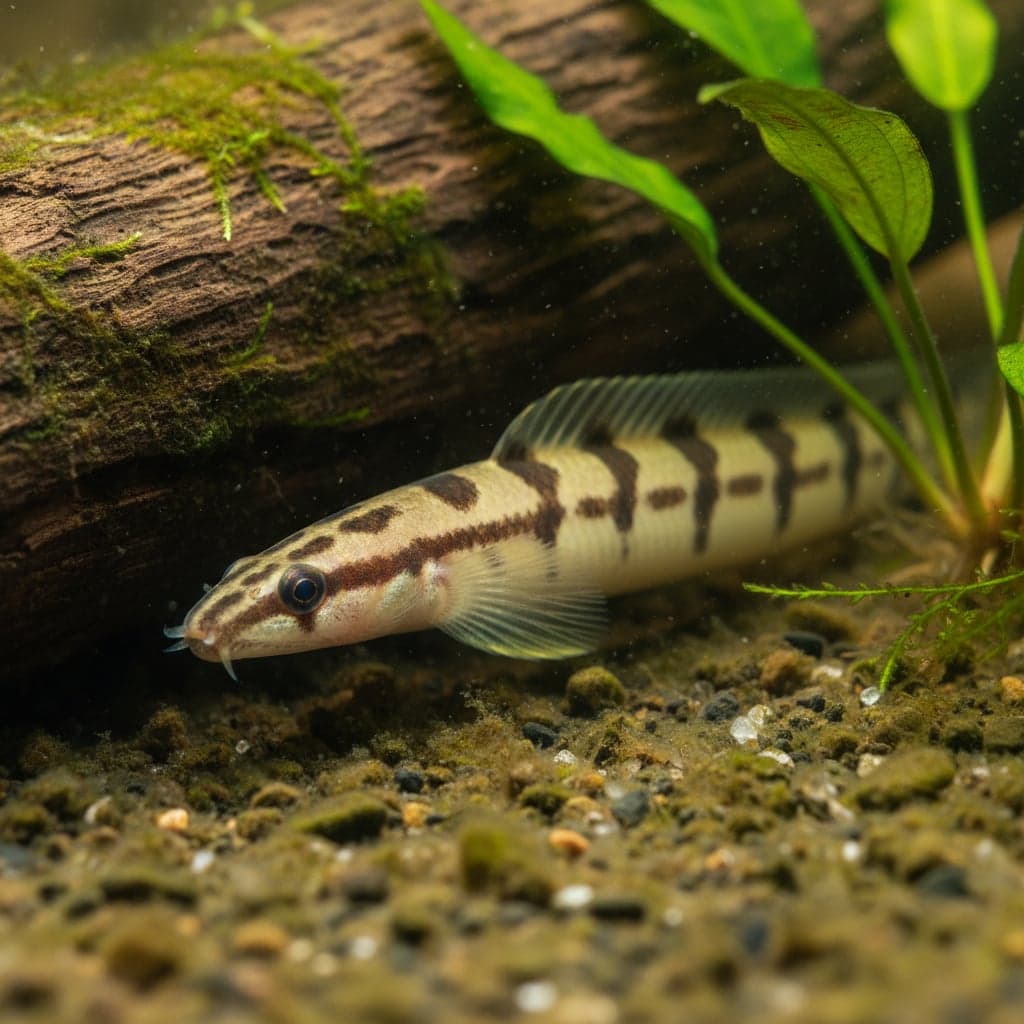
The Marbled Catfish, scientifically known as Perrunichthys perruno, is a fascinating freshwater species beloved by aquarium enthusiasts for its striking appearance and unique characteristics. This species can be recognized by its stunningly patterned skin, which displays a combination of dark and light marbling, resembling intricate artwork. These markings not only add visual interest to any aquarium setting but also provide an exciting focal point in a well-planned aquatic environment. As an essential member of the aquarium hobby, the Marbled Catfish has captured the hearts of many aquarists, flourishing in both community tanks and biotope setups.
In addition to its striking visual appeal, the Marbled Catfish is known for its fascinating behavior and adaptability, making it an excellent choice for both novice and experienced aquarists. This species is recognized for its ability to thrive in various aquatic environments, reflecting the importance of replicating its natural habitat in captivity. In aquarium setups, invest attention not only to its aesthetic requirements but also to its social and environmental needs. The Marbled Catfish represents a viable option for anyone looking to add a touch of vibrancy and curiosity to their aquascape.
Natural Habitat & Origin
The Marbled Catfish hails from the slow-moving rivers and floodplains of South America, particularly within the regions of the Amazon Basin and Orinoco River systems. These waters are typically characterized as being turbid or blackwater, influenced by the presence of organic matter and decaying plant life. Such environments are rich in biodiversity and feature a plethora of hiding spots, which are critical for the Marbled Catfish's survival. Understanding its natural habitat is imperative for replicating the conditions necessary for its growth and well-being in an aquarium setting.
In its natural environment, the Marbled Catfish enjoys warm, acidic waters with high levels of dissolved organic matter, which play a vital role in its overall health. The ecological context of blackwater serves as a crucial reminder of the complexities that exist in nature. This fish often resides near submerged vegetation, fallen branches, and leaf litter, providing an insightful guideline for aquarists aiming to create an authentic biotope display mimicking its natural surroundings.
Care Requirements
To ensure optimal care for the Marbled Catfish, it is essential to maintain specific water parameters. This fish thrives in a pH range of 6.0 to 7.5, with a preferred temperature of 24°C to 28°C (75°F to 82°F) and a water hardness between 5 to 15 dGH. As a bottom-dwelling species, it requires a spacious aquarium of at least 100 liters (around 26 gallons) to accommodate its social nature and prevent territorial disputes. Suitable flooring can include fine gravel or sandy substrate, which enables the Marbled Catfish to forage comfortably while reducing the risk of injury.
Lighting conditions should be mild, with dim light being preferred to mimic its natural habitat. To create an inviting environment, decorate the tank with plenty of plants, driftwood, and caves or hiding places, ensuring that this species feels secure. Easy-to-maintain aquatic plants such as Java ferns or Amazon swords can enhance the visual appeal of the aquarium while providing cover for the Marbled Catfish.
Diet & Feeding
In terms of diet, the Marbled Catfish is an omnivore and thrives on a varied food regimen. It feeds on a combination of high-quality flakes, pellets, frozen food, and occasional live food to ensure optimal nutrition. While commercial fish pellets formulated for catfish are an excellent staple for daily feeding, introducing a variety of foods such as bloodworms, brine shrimp, shrimp pellets, and even blanched vegetables can promote overall health and vitality.
It is crucial to make feeding adjustments based on the size and age of the fish. Juveniles require more frequent and smaller feedings, while adult Marbled Catfish may benefit from larger meals a few times a week. Balanced nutrition is essential for the healthy growth and vibrant coloration of the fish.
Behavior & Temperament
The Marbled Catfish exhibits a relatively peaceful temperament, making it an outstanding choice for community tanks. Typically found at the bottom levels of the aquarium, this species often prefers to remain in hiding during the day, becoming more active at dusk and during the night. While the Marbled Catfish is generally social and can thrive in small groups of three to five individuals, it is essential to ensure sufficient space to avoid territorial conflicts, particularly during feeding times.
Although largely peaceful, it may display some mild aggression towards smaller tank mates or during breeding. Providing plenty of hiding spots and territories can help alleviate stress and minimize confrontations. Observing its nocturnal nature will provide aquarists with delightful insights into its behavior as it ventures out to explore and forage.
Tank Mates
When choosing tank mates for the Marbled Catfish, it is imperative to select species that share similar water parameters and behavioral traits. Compatible tank mates include larger tetras, corydoras, peaceful barbs, and modest catfish species such as the Otocinclus. Avoid placing the Marbled Catfish with overly aggressive species or fish that are significantly smaller, as these combinations can lead to stress or predation.
Careful consideration should be given to the social dynamics within the tank. Mixing peaceful and similarly-sized species will help maintain a harmonious environment, ensuring that each fish can flourish without undue competition. By creating a well-balanced community, the Marbled Catfish will thrive alongside compatible companions.
Breeding
Breeding the Marbled Catfish in captivity can be a rewarding endeavor but requires specific conditions to encourage spawning. Typically, this species engages in egg-laying behavior, often during the rainy season in the wild. To replicate these conditions, aquarists should prepare a breeding tank with a slightly higher temperature (around 28°C) and well-oxygenated water, along with a spawning substrate such as fine gravel or marbles.
Upon successful spawning, females will lay adhesive eggs on the substrate or on the surface of broad-leaved plants. After fertilization, the male usually takes on the role of guarding the eggs until they hatch, which typically occurs within 24 to 48 hours. Once the fry are free-swimming, it is essential to provide suitable foods, such as infusoria or finely crushed food, to ensure they receive proper nutrition as they grow.
Common Health Issues
Like many aquarium fish, the Marbled Catfish is susceptible to specific health issues. Common diseases include ich (Ichthyophthirius multifiliis), fin rot, and various bacterial infections. To prevent outbreaks, maintain excellent water quality through regular water changes and filtration while monitoring the fish for any signs of stress or illness.
Quarantine new arrivals before introducing them to the main tank and conduct routine health checks on existing fish. Regular monitoring of water parameters can also help prevent stress-related diseases. Maintaining a clean environment, providing adequate nutrition, and ensuring compatibility among tank mates will collectively contribute to the overall well-being and longevity of the Marbled Catfish in your aquarium.